When Jimi Hendrix cornered Chicago saxophonist Walter Parazaider in a smoky Los Angeles nightclub in 1968, he wasn't looking to make polite small talk.
He had just witnessed the band, then known as the Chicago Transit Authority, tear through a blistering set of horn-infused rock. Hendrix looked Parazaider in the eye and delivered a verdict that would echo through rock history: ‘Your guitar player is better than me.’
The man Hendrix was referring to was Terry Kath.
To the casual music fan today, Chicago is often remembered as the purveyors of pristine, synthesizer-heavy 1980s power ballads like ‘You're the Inspiration’. But in the late 1960s and early 1970s, they were a dangerous, experimental jazz-rock machine. And at the absolute centre of that machine was Terry Kath.
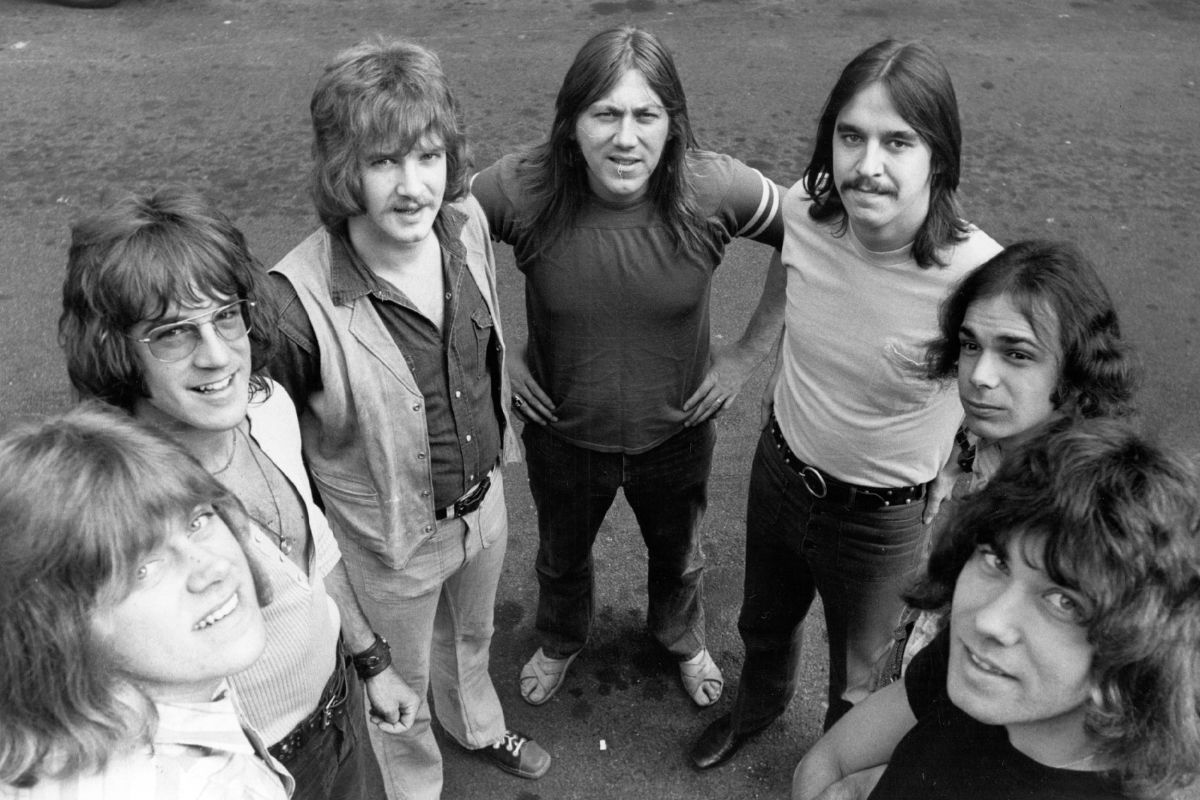
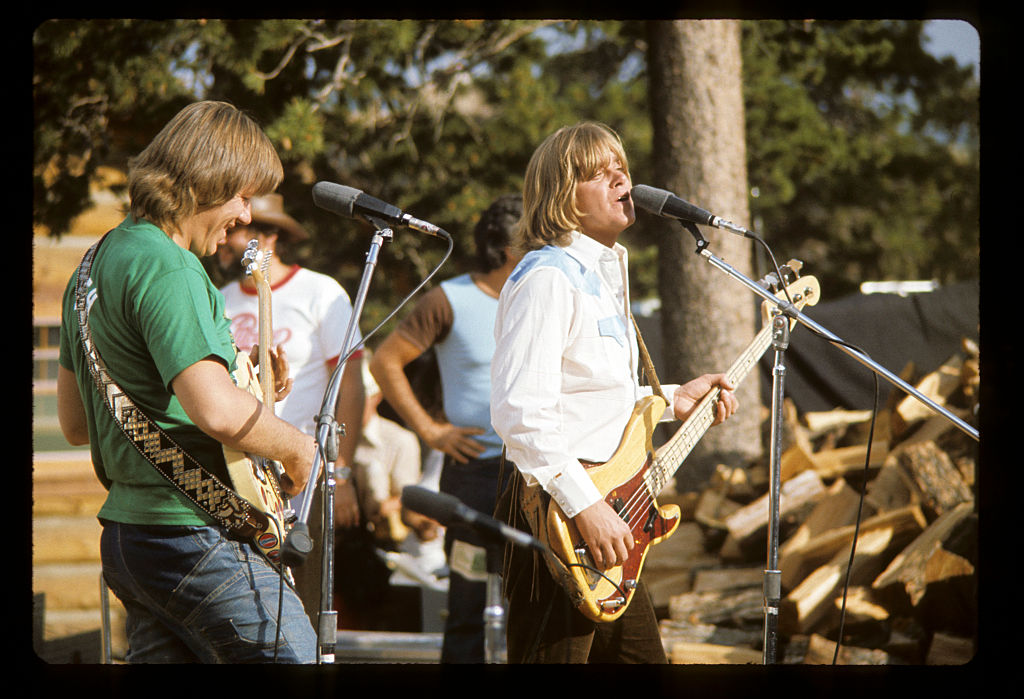
Chicago, about to headline the Isle of Wight Festival, 27 August 1970. From left to right; Pete Cetera (bass), James Pankow (trombone), Lee Loughnane (trumpet), Terry Kath (guitar), Walter Parazaider (saxophone) and Danny Seraphine
He was the band’s secret weapon – a musical innovator who combined jazz-fusion technicality, heavy psychedelic distortion, and a raw, soulful singing voice that Ray Charles himself praised. Yet, despite his monumental talent, Kath remains one of rock’s most tragically overlooked figures, his brilliant life cut short by personal struggles and a devastating, accidental gunshot wound.
One of the greatest solos in rock
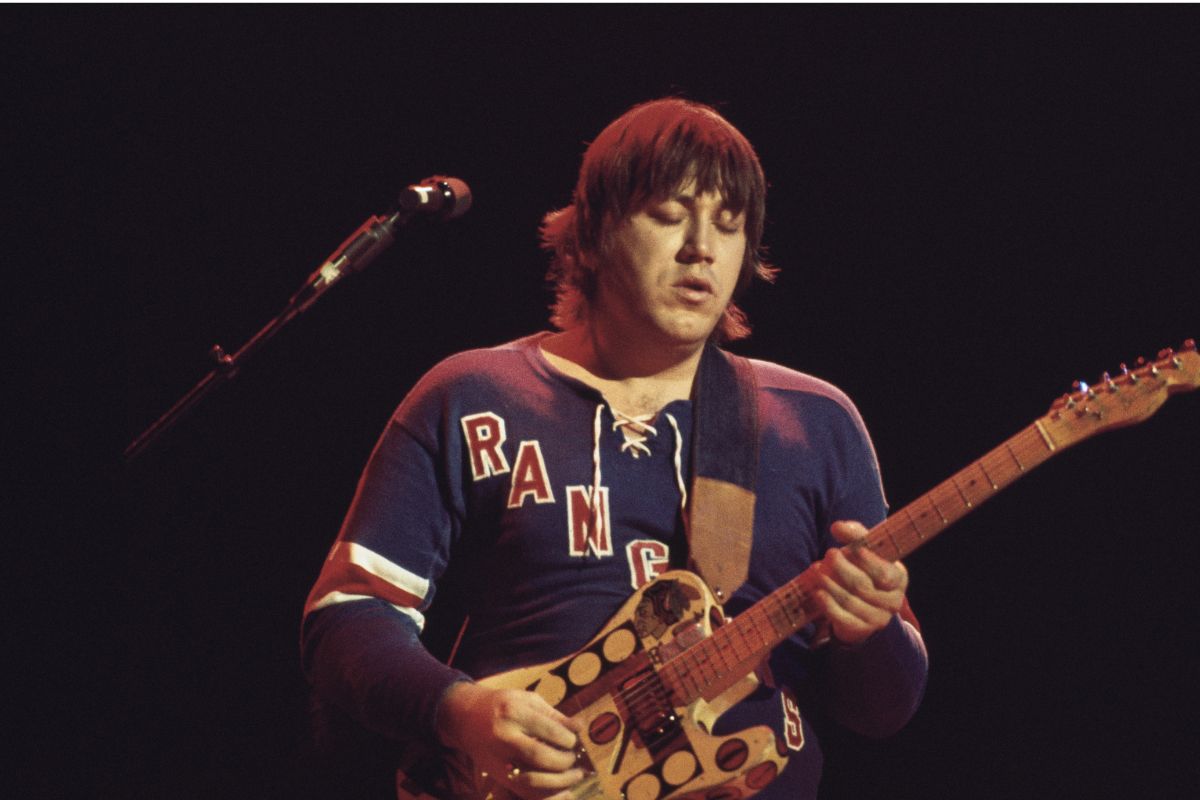
Born in Chicago in 1946, Kath was largely self-taught on the guitar, a fact that makes his technical prowess even more astonishing. He didn't just play the instrument; he dominated it. Kath was a pioneer in the use of guitar effects, experimenting with wah-wah pedals, distortion and feedback long before they became industry standards.
His guitar work was characterized by a blinding speed and an unpredictable rhythmic aggression. On tracks like 1969’s ‘25 or 6 to 4’, Kath delivered what is widely considered one of the greatest, most blistering guitar solos in the history of rock music. He could pivot from a gentle, acoustic jazz progression to a heavy, metallic assault in the span of a single bar.
But Kath wasn’t just a phenomenal axeman; he was also Chicago’s emotional anchor. His baritone voice was a force of nature – husky, passionate, and deeply rooted in the blues. On early hits like ‘Make Me Smile’ and ‘Colour My World’, it was Kath’s vocals that provided the gritty, human counterpoint to the band’s complex, highly polished horn arrangements. He gave Chicago their street credibility.
A growing unhappiness
As the 1970s progressed, Chicago became one of the biggest bands on the planet, churning out a relentless string of multi-platinum albums – particularly Chicago V (1972), Chicago VI (1973) and 1976's Chicago X – and embarking on gruelling, never-ending world tours. The pressure of maintaining this massive commercial machine began to take a severe toll on Kath.
He struggled significantly with the rock 'n' roll lifestyle, turning to drugs and heavy alcohol consumption to cope with the exhaustion of the road. His weight fluctuated drastically, and friends noticed a growing unhappiness beneath his jovial, generous exterior.
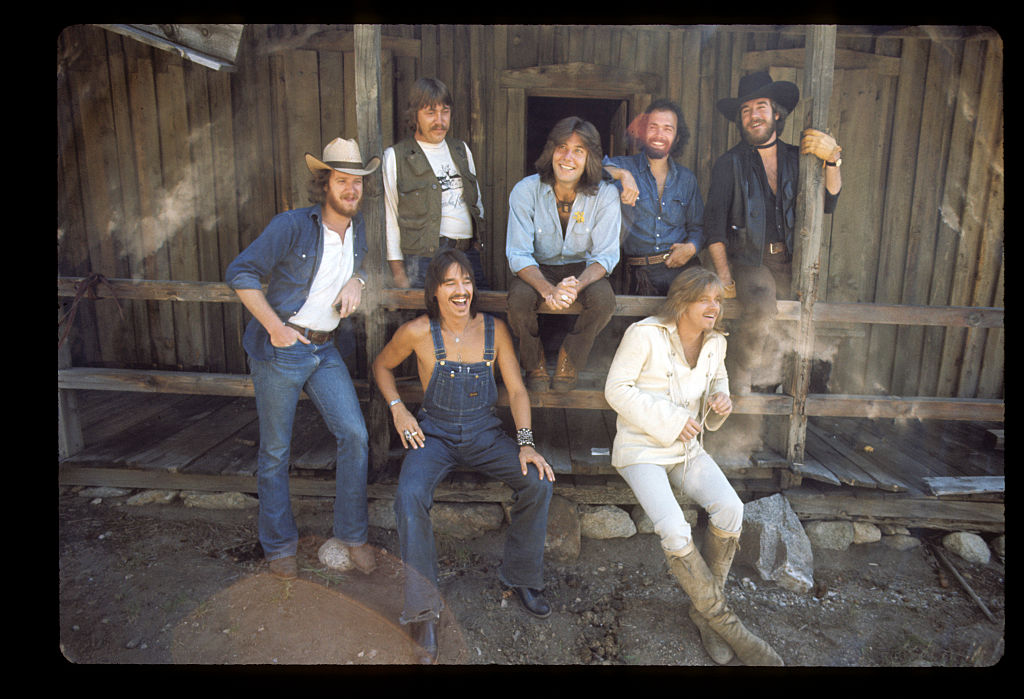
Furthermore, Kath was becoming increasingly frustrated with the band's musical direction. As their management pushed them toward a softer, more commercial pop sound, Kath felt his raw, experimental rock edges being systematically filed down.
He reportedly talked of leaving the group to form a power trio, desperate to return to the loud, uncompromised blues-rock roots that Hendrix had fallen in love with. He was a man trapped by his own massive success.
A fatal miscalculation
By the dawn of 1978, Kath was attempting to clean up his life. He had a young daughter and a loving wife, and he was eager to find some stability. Tragically, he also possessed a passionate, lifelong fascination with firearms. He frequently carried guns and found target shooting to be a release from the chaos of the music business.
On the afternoon of January 23, 1978, Kath was attending a small party at the home of Don Johnson, a Chicago roadie and band technician, in Woodland Hills, California. Kath, who had been drinking, began playing with a .38 caliber revolver. Johnson, growing deeply uncomfortable, begged the guitarist to put the weapon away.
Kath, attempting to calm his friend down, insisted the gun was completely safe. To prove his point, he took another weapon – a 9mm semi-automatic pistol – and ejected the magazine. 'Don't worry about it... Look, the clip is not even in it.'
Moments later, after replacing the magazine, he jokingly held the gun to his temple and said, 'What do you think I'm gonna do? Blow my brains out?' What Kath forgot was that a semi-automatic pistol can still hold a single, lethal round chambered in the gun even after the clip is removed. He put the barrel to his temple and pulled the trigger. Death was instantaneous. He was just 31 years old.
The dangerous edge was gone forever
The loss of Terry Kath completely shattered Chicago. While the band eventually made the brave decision to carry on, replacing him with guitarist Donnie Dacus, they were fundamentally altered.
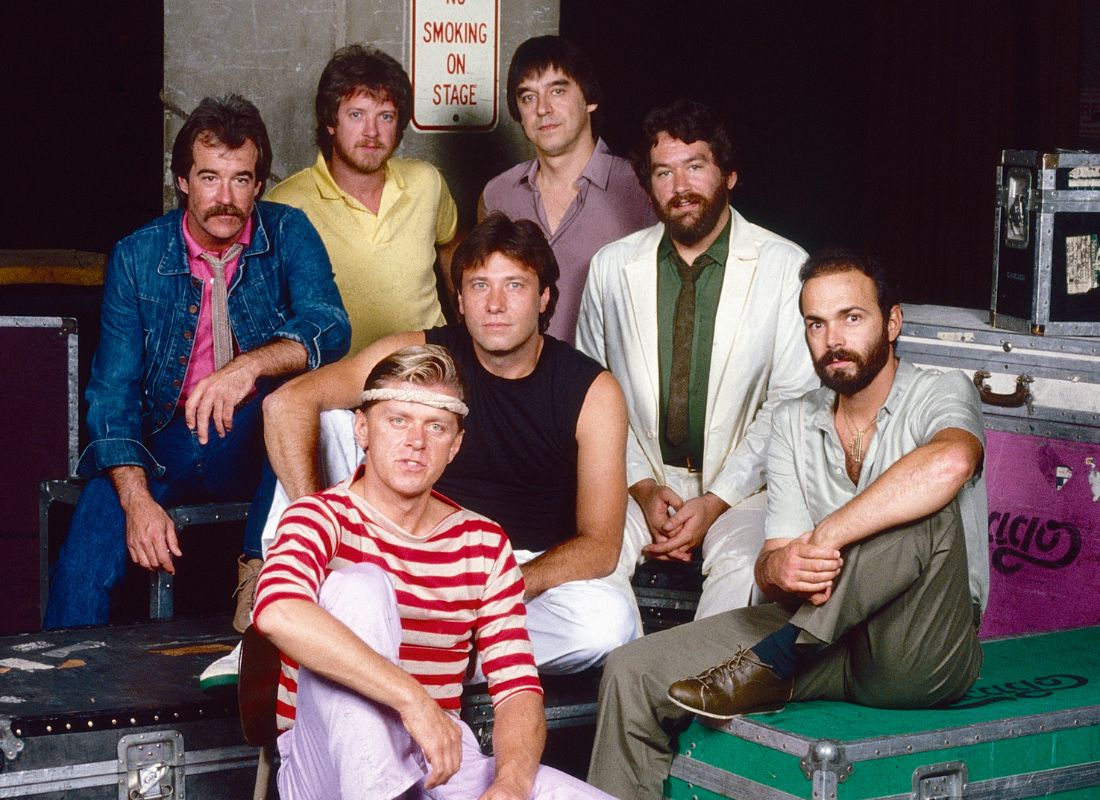
The gritty, experimental rock spirit died in that California living room alongside Kath. Peter Cetera, Robert Lamm and the rest of the Chicago crew drifted permanently into the safer waters of adult contemporary pop, starting with the 1978 album Hot Streets. They still scored massive hits, but the dangerous, improvisational edge was gone forever.
Terry Kath was a musical giant who played with a breathtaking freedom, yet lived a life confined by the pressures of fame and the tragedy of a single, fatal mistake. Nearly half a century after his death, his music remains the ultimate testament to his genius – a reminder of the time a kid from Chicago made Jimi Hendrix look up in absolute awe.
Pics Getty Images