
The Eagles were becoming one of the biggest bands in America when they made one of their strangest decisions: they recorded a song that, by their own later admission, nobody particularly wanted.
‘I Wish You Peace’ appeared on 1975’s One of These Nights, the album that transformed the Eagles from respected country-rockers into genuine stars. It is also one of the least typical songs in their catalogue – soft, sentimental and almost aggressively wholesome.
Don Henley had a rather less charitable description for it. He later dismissed the track as 'smarmy cocktail music' and said it was 'certainly not something the Eagles are proud of'. Yet the Eagles recorded it anyway.
The Reagan connection
That decision is more revealing than the song itself. Because ‘I Wish You Peace’ arrived at a moment when the band's internal balance was changing dramatically, and its presence on One of These Nights was a sign that the Eagles were no longer the relatively democratic country-rock group they had once been.
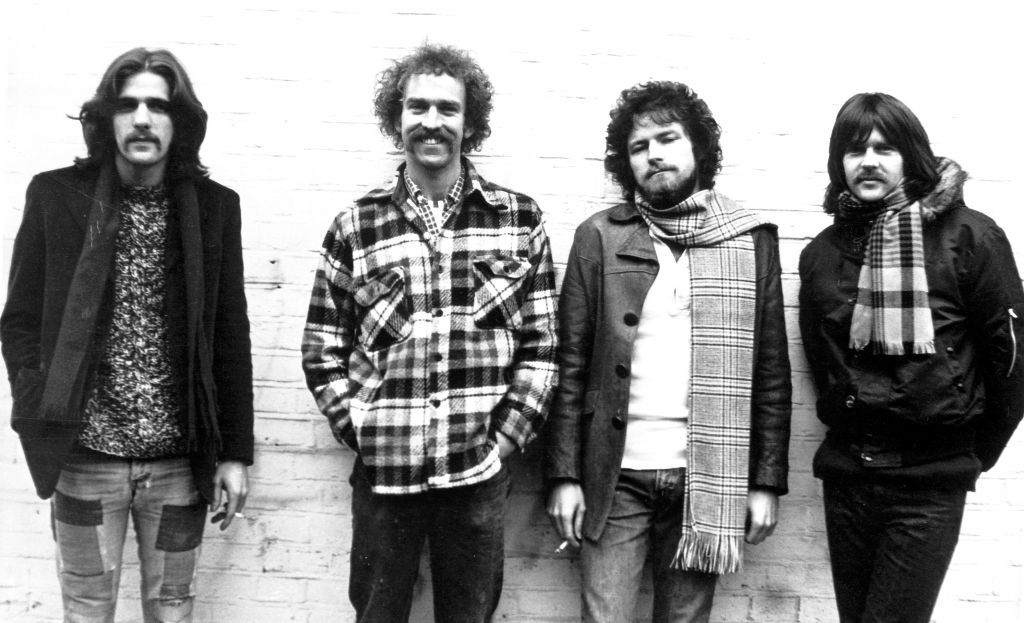
The song was written by Patti Davis, daughter of future US president Ronald Reagan, and was brought to the band through her relationship with Eagles founder Bernie Leadon. Davis was living with Leadon at the time, something that had caused friction with her mother.
Its lyrics were accordingly personal, offering sentiments about peace, warmth and emotional consolation rather than the sharper storytelling and melancholy that had become part of the Eagles' identity.
'I wish you peace when the cold winds blow / Warmed by the fire’s glow,' Davis wrote. Hardly the sort of opening that suggests Hotel California was around the corner.
'No one knew who we were'
But the Eagles' story at this point was considerably more complicated than a single questionable lyric. The band had been changing almost as rapidly as its fortunes.
When the Eagles began, their blend of country, folk and rock gave them an understated identity. They were musicians rather than celebrities, and their early success had not yet made them household names.
Don Felder later remembered just how anonymous they had once been. 'No one really knew who Don Henley and Glenn Frey were – or any of us, for that matter,' he wrote.
That anonymity had its advantages. The Eagles could walk around Los Angeles without attracting much attention, while their records quietly built an audience.
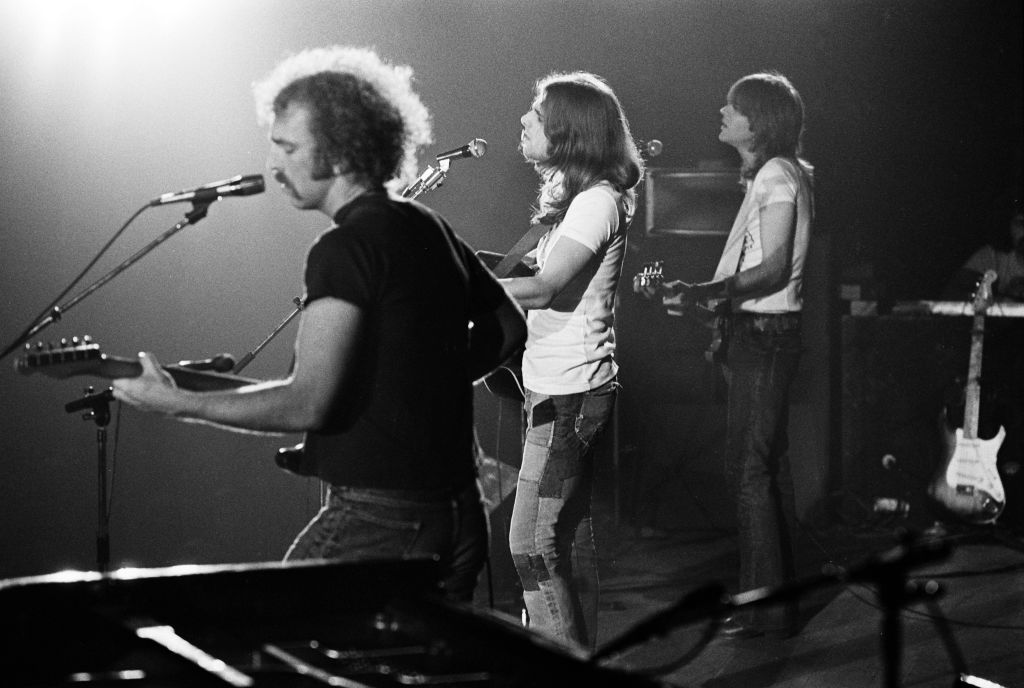
Then the hits started arriving. By the middle of the 1970s, the band was no longer simply making laid-back country-rock. Their ambitions were expanding, their personalities were becoming more forceful and their internal disagreements were becoming harder to ignore.
For Leadon, in particular, the direction of travel was becoming uncomfortable.
'Nobody else wanted the song'
He had been crucial to the Eagles' original sound, bringing country influences and a more relaxed musical sensibility to a group increasingly driven by Henley and Glenn Frey's ambitions. As the Eagles became more polished and commercially successful, the balance inside the band shifted.
‘I Wish You Peace’ became an unlikely symbol of that change.
Henley later explained why the song made it onto the album despite the band's reservations: 'Nobody else wanted it.' The decision, he said, was essentially an attempt 'to keep the band together'.
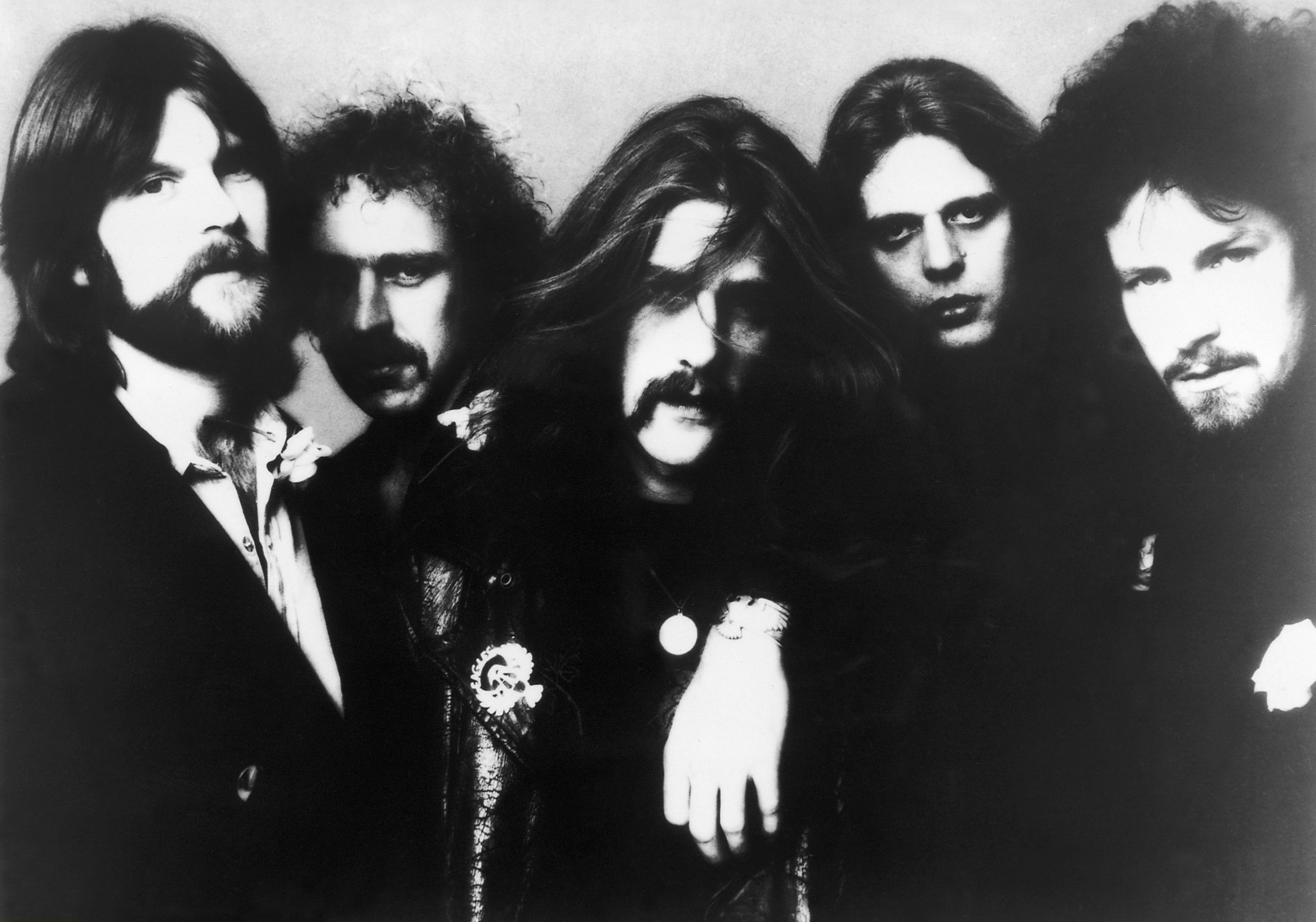
That makes the song much more interesting than its syrupy lyrics might suggest.
Rather than representing a moment of creative confidence, ‘I Wish You Peace’ was effectively a compromise. The Eagles knew they didn't think the song met their standards, but they recorded it anyway because refusing it outright could have created another battle at a time when tensions were already rising.
Something was disappearing
In other words, one of America's most successful rock bands was becoming successful enough to discover that sometimes the easiest way to avoid an argument was simply to put the troublesome song on the album.
There was also a deeper disagreement over who the Eagles belonged to.
Leadon later described the group as having become 'the Don and Glenn show', reflecting his frustration that Henley and Frey were increasingly dominating the band's creative direction. From his perspective, the collective spirit of the early Eagles was disappearing.
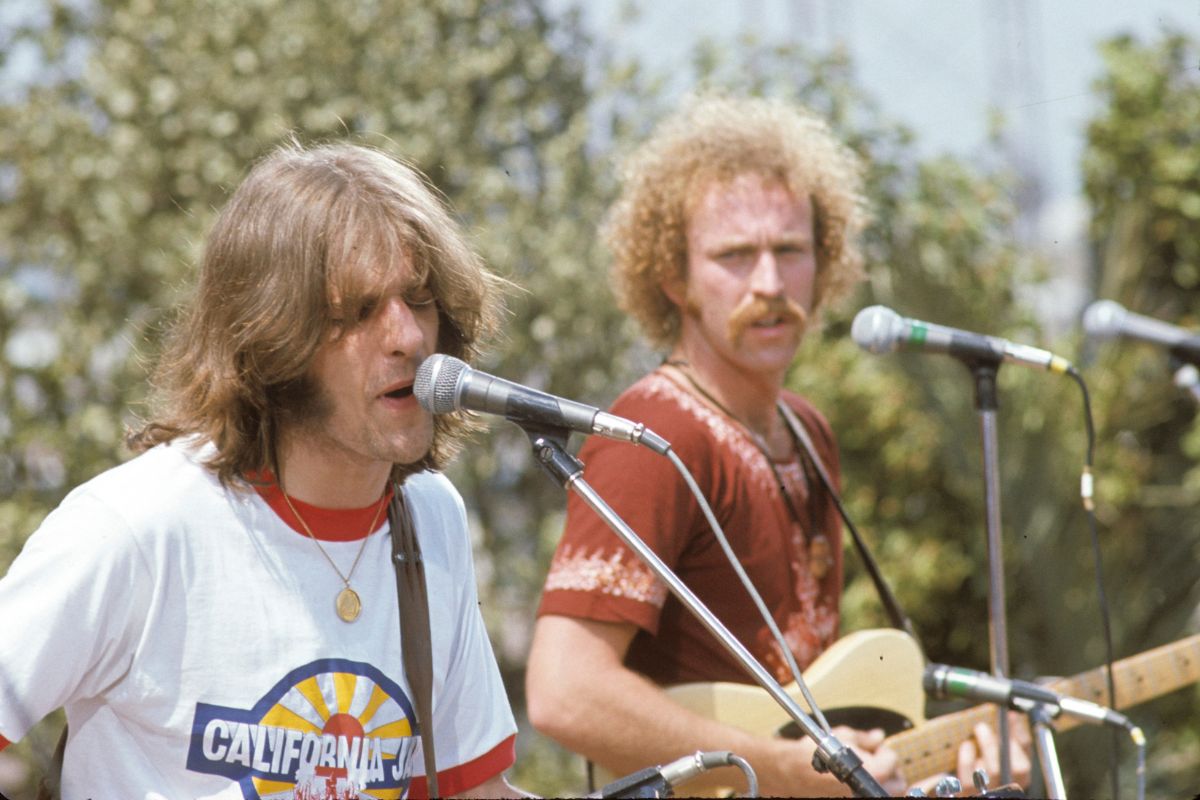
Henley and Frey, meanwhile, increasingly wanted a harder-edged, more ambitious version of the band.
The irony is that the Eagles' growing success made compromise more difficult, not less. Every decision now had consequences. The group wasn't just deciding which songs they liked; they were plotting their route towards becoming one of America's biggest bands.
A harder, more commercial sound
And ‘I Wish You Peace’ was caught right in the middle of that argument.
Musically, there is nothing disastrous about it. The Eagles were too accomplished a group to make an incompetent recording. Their harmonies are polished, the playing is tasteful and the production fits neatly into the sophisticated sound of One of These Nights.
But perhaps that is precisely why the song is so revealing. It sounds like the Eagles performing something they don't particularly believe in. And within months, the problem became impossible to disguise.
Leadon left the band in December 1975. His departure marked the end of the Eagles' original country-rock era and opened the door to the harder, more commercial sound that would eventually produce Hotel California.
The timing was extraordinary. The Eagles' greatest-hits collection, Their Greatest Hits (1971–1975), arrived shortly afterwards and became one of the biggest-selling albums in American music history. It effectively preserved the version of the Eagles that Leadon had helped create just as the band was moving beyond it.
Suspicion, regret, desire, mistrust
That makes ‘I Wish You Peace’ a peculiar historical footnote.
It is hardly one of the Eagles' great songs. The band themselves were never particularly enthusiastic about it. But it captures something important that their biggest hits don't: the moment when success was beginning to pull the group apart.
The Eagles would eventually become masters of turning tension into music. Their best-known songs are full of suspicion, regret, desire and mistrust, often dressed in immaculate harmonies.
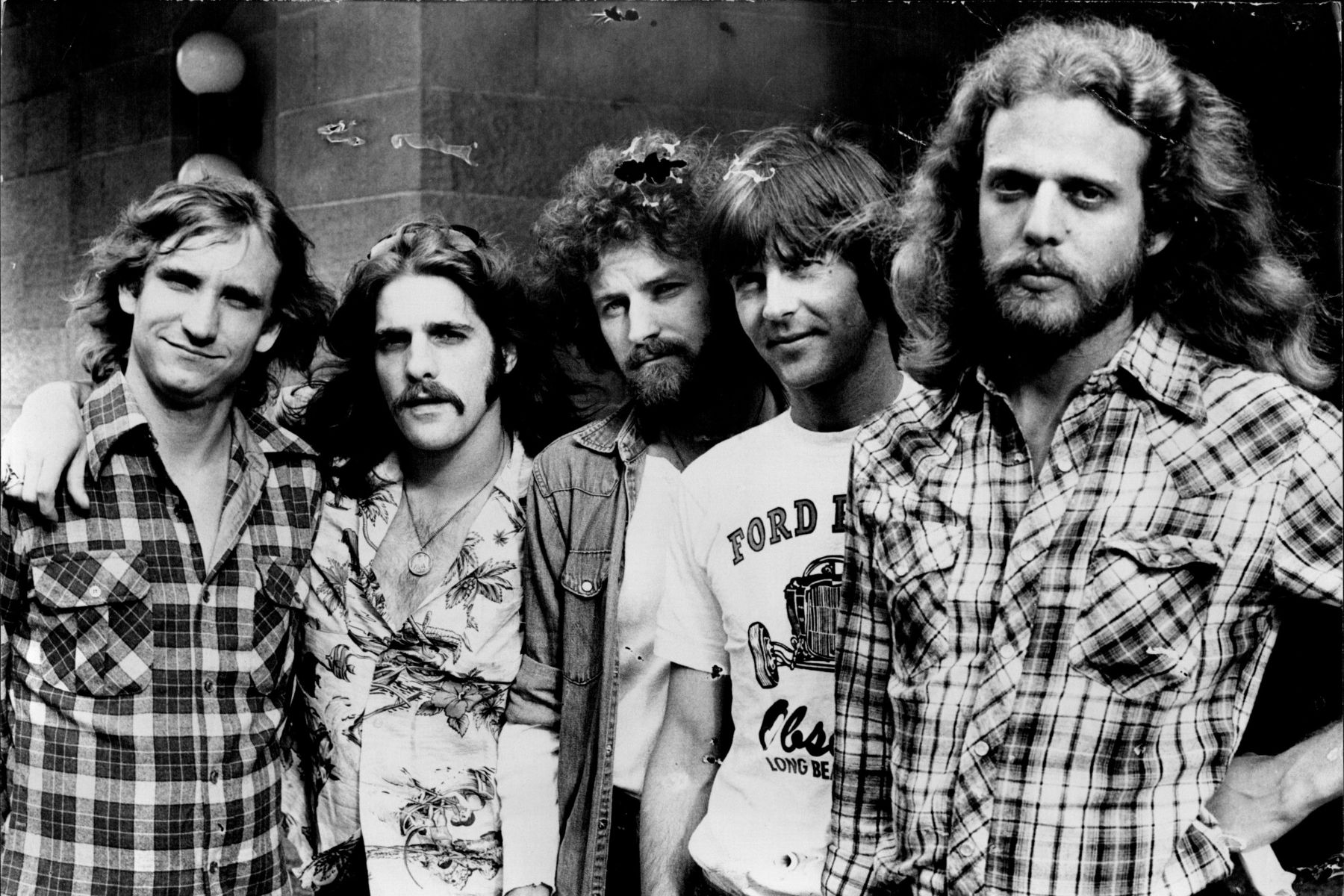
‘I Wish You Peace’ is different. It is a song about harmony... that emerged from a band struggling to find any. And perhaps that is why Henley's description of it is so revealing. Calling it 'smarmy cocktail music' sounds like a verdict on a failed song. In retrospect, it feels more like a glimpse behind the curtain.
The Eagles didn't record ‘I Wish You Peace’ because everyone believed in it.
They recorded it because, for once, keeping the peace mattered more than winning the argument.
Pics Getty Images

