It’s one of the most famous songs in rock history, built around a colossal guitar riff and a vocal performance that sounds like Robert Plant is trying to tear the speakers apart.
But beneath the thunderous production lies a less comfortable story: some of its most memorable lyrics had been written years earlier by a celebrated blues musician who received no credit when the song became a worldwide hit.
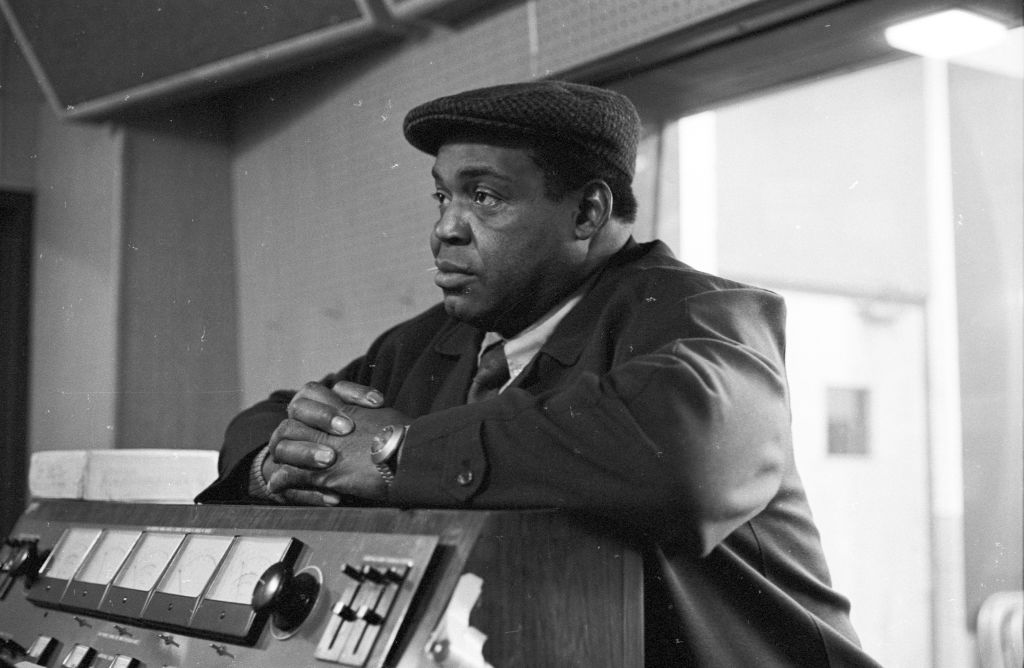
The story begins in 1962, when blues musician and songwriter Willie Dixon wrote ‘You Need Love’ for Muddy Waters. Dixon was one of the great songwriters of Chicago blues, and his words included the lines ‘woman, you need love’ and ‘you know you need coolin’ – phrases that would later sound strikingly familiar to rock fans.
Four years later, British band the Small Faces recorded their own version, ‘You Need Loving’. Singer Steve Marriott subsequently suggested that a fellow British musician had taken inspiration from his performance, including its vocal phrasing. He recalled Jimmy Page and Robert Plant attending Small Faces gigs, where they could have heard the song.
That brings us to Led Zeppelin’s ‘Whole Lotta Love’, the opening track of their second album, released in 1969. Page’s enormous, grinding riff was a defining piece of hard-rock invention, while Plant’s vocal drew heavily on the earlier songs. The result was electrifying – but the lyrical debt was hard to overlook.
Marriott certainly noticed the similarity. 'That was our opening number for all the years we were together,' the singer recalls in the 2004 biography Steve Marriott: All Too Beautiful… by John Hellier and Paolo Hewitt.
'That’s where Jimmy Page and Robert Plant heard it,' Marriott explains in the book. 'Robert Plant used to follow us around. He was like a fan.
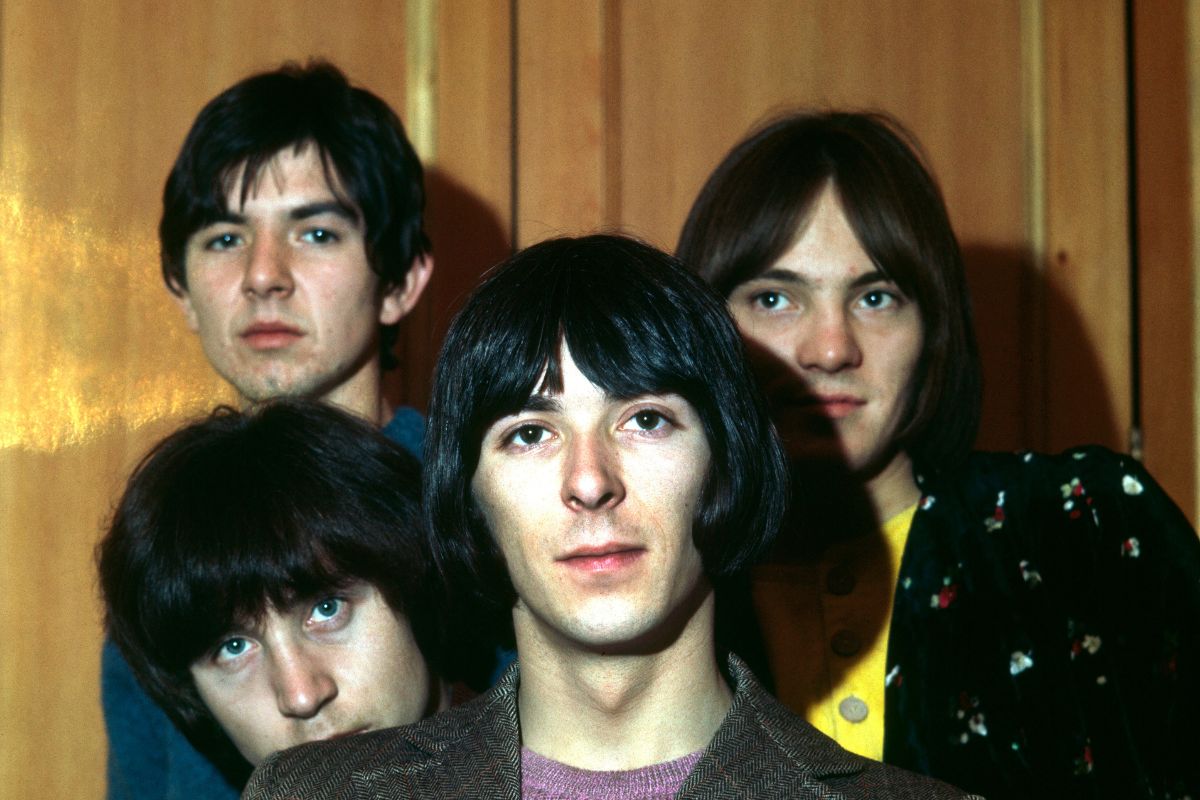
'We did a gig with The Yardbirds which he was at and Jimmy Page asked me what that number was we did. "'You Need Loving'", I said, "it’s a Muddy Waters thing" which it really is, so they both knew it,' Marriott explained in Hewitt's 1995 book Small Faces: The Young Mods’ Forgotten Story.
'It was only old Percy [Robert Plant's nickname] who’d had his eyes on it. He sang it the same, phrased it the same, even the stops at the end were the same, they just put a different rhythm to it.'
Dixon, meanwhile, did not immediately know about the connection. According to accounts from his family, his daughter Shirli heard the track on the radio in the late 1970s and recognised the resemblance. She brought home a copy of Led Zeppelin II and showed her father the credits. His name was nowhere to be found.
The interesting thing is that, without that chance hearing (Shirli was at a friend's house, when the track came on the radio), Dixon might never have heard the track, and made the connection. 'Willie would never have heard "Whole Lotta Love" because he wouldn’t have been listening to a rock station,' explained the blues singer's biographer Don Snowden in Barney Hoskyns’ 2012 book Led Zeppelin: The Oral History of the World’s Greatest Rock Band.

Dixon eventually filed a copyright infringement lawsuit against Led Zeppelin in January 1985. The case was settled out of court in 1987, with the terms undisclosed. Even then, proper recognition took longer: Dixon’s name did not begin appearing in the song’s songwriting credits until 1999.
Led Zeppelin seemed pretty sanguine after the lawsuit and settlement.
In a 1990 interview with Musician magazine, Plant appeared to acknowledge the song’s debt to Willie Dixon’s number. ‘I just thought, “well, what am I going to sing?” That was it, a nick. Now happily paid for. At the time, there was a lot of conversation about what to do. It was decided that it was so far away in time and influence that … well, you only get caught when you’re successful. That’s the game.’
Later, in a 2004 interview with NPR, Plant denied being at all upset by the legal action. In fact, he saw himself and the band as part of a continuing musical thread.
“We had an idea (…) that we were in part of some kind of flow that began either with the chain gang music of Mississippi, "Parchman Farm", Dockery Plantation down on with the medicine shows of the nineteenth century, Joe Turner, "See See Rider", the whole idea of the origin of these songs was quite translucent and almost eternal,' Plant reflected.

Page, meanwhile, has not appeared interested in the outcome of the lawsuit. ‘I don’t know what the outcome was,' Page told Musician in 1988. ‘It’s probably on file somewhere. I’m just not interested.’ And, asked by Barney Hoskyns about the connection, he seemed to deflect responsibility onto Plant. ‘You should ask Robert these things, because I didn’t write the words, did I.'
All this context matters: Zeppelin did not simply reproduce the whole of Dixon’s composition, and Page’s famous riff was his own. But the episode also illustrates a wider imbalance in rock history, in which white British musicians could draw on Black American blues traditions while the original songwriters went uncredited.
‘Whole Lotta Love’ remains a towering rock recording. Its history, however, is a reminder that musical innovation and musical debt can coexist – and that the people who helped lay the foundations do not always share in the glory.
Pics Getty Images