In the summer of 1992, the co‑headlining tour between Metallica and Guns N’ Roses was billed as the biggest hard‑rock event of the decade.
Two titans, two fanbases, one stage — a stadium‑sized collision of precision and chaos. Metallica were riding the wave of their self‑titled Black Album, newly minted arena overlords with a reputation for reliability. Guns N’ Roses were the most volatile band in America, capable of transcendent brilliance or total meltdown depending on the night.
The pairing promised spectacle, excess and a kind of gladiatorial electricity. But beneath the hype, the fault lines were already visible. Metallica ran like a military operation; Guns N’ Roses ran on Axl Rose’s mood. Fans came expecting fireworks — they just didn’t expect the literal kind to blow the night apart.
'Tempers were fraying'
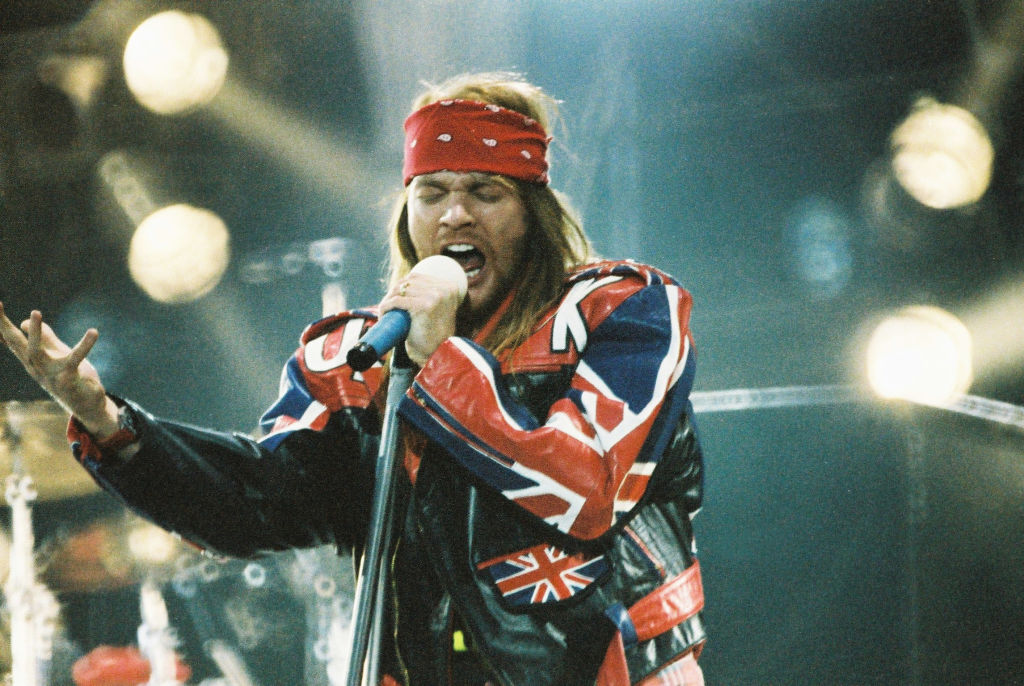
The tour had already been turbulent. Guns N’ Roses were notorious for late starts, walkoffs and unpredictable behaviour. Axl’s voice was under strain, tempers were fraying, and the band’s internal chemistry was increasingly combustible. Metallica, by contrast, were the dependable half of the package — tight, disciplined, and determined to deliver the same high‑intensity show every night.
But the contrast created tension. Metallica’s fans wanted efficiency; Guns N’ Roses’ fans wanted drama. Promoters dreaded the unpredictability. And both bands were carrying the weight of expectation: two superpowers sharing a stage, each determined not to be overshadowed. Montreal, on 8 August 1992, was the night those pressures finally snapped.
'Disaster struck'
Metallica hit the stage first, delivering their usual barrage of precision riffing. Then, midway through ‘Fade to Black’, disaster struck. A misfired pyrotechnic — a magnesium flare — detonated directly beneath James Hetfield’s arm and torso. In an instant, he was engulfed in flame.
Hetfield staggered back, his guitar scorched, his skin blistering. The band stopped immediately. The crowd, confused and unsettled, watched as Hetfield was rushed backstage and then to hospital with second‑ and third‑degree burns. Metallica had no choice but to end their set early.
The audience was disappointed, but patient. They’d come for two giants. They still had Guns N’ Roses.
'Tense and uneven'
Guns N’ Roses took the stage late — later than the crowd expected, later than the situation demanded. When they finally appeared, Axl Rose was visibly unhappy. He complained about sound issues, about his voice, about the general atmosphere.
The band played a handful of songs, but the performance was tense and uneven. Then, without warning, Axl announced he was done. He dropped the mic, walked offstage, and the rest of the band followed.
The stadium lights came up. The show was over.
Metallica had been forced to stop. Guns N’ Roses had chosen to stop. And that was the moment the crowd snapped.
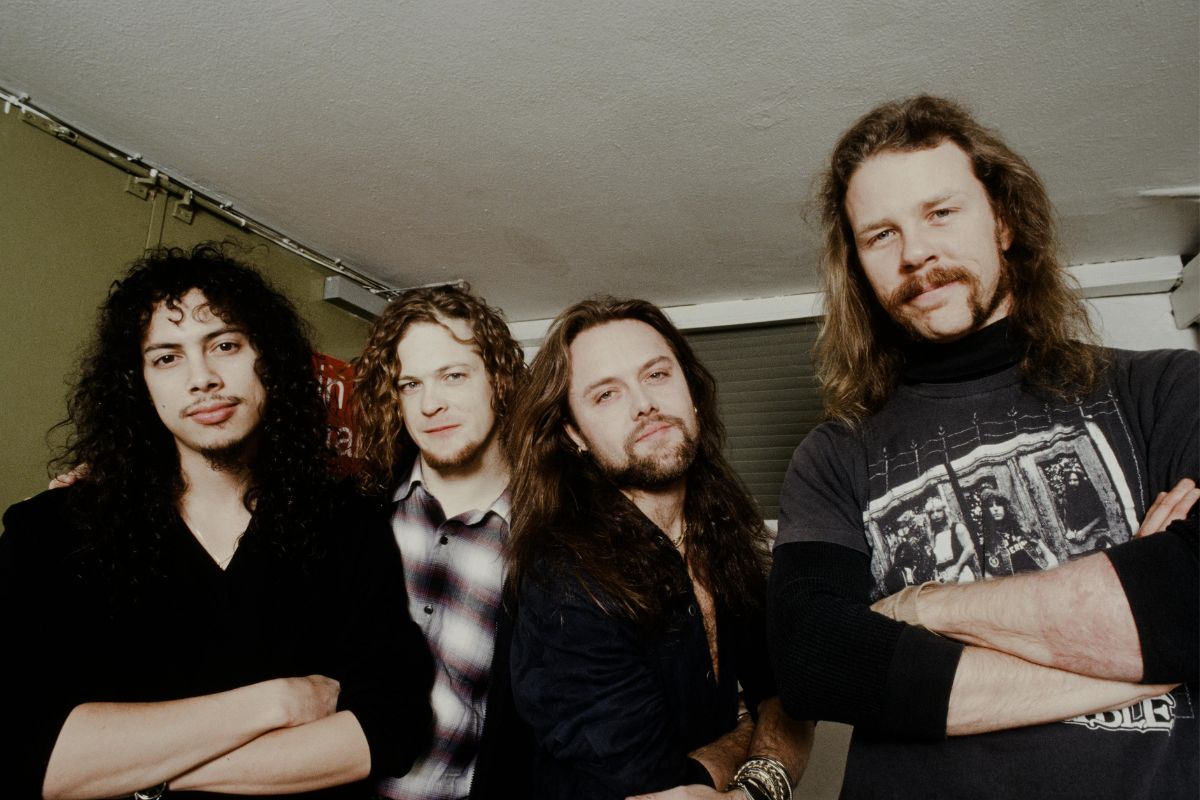
Security was overwhelmed within minutes
What followed was one of the most infamous eruptions in rock history. Around 10,000 furious fans surged through the Olympic Stadium, ripping out seats, smashing equipment, and setting fires. Security was overwhelmed within minutes.
The riot spilled into the streets. Cars were overturned, shop windows shattered, police lines broken. Mounted officers were deployed to contain the chaos. The city centre became a battleground of frustration, adrenaline and betrayal.
The footage remains shocking: fans hurling debris, fires burning in the concourse, sirens echoing through the night. Montreal had expected the greatest rock show of the summer. Instead, it got a full‑scale riot.
A cautionary tale of stadium‑rock excess
The fallout was immediate and brutal. Metallica issued apologies and updates on Hetfield’s condition. Guns N’ Roses faced a storm of criticism from fans, promoters and the press. Axl became the lightning rod — accused of abandoning the crowd, escalating the situation, and turning a bad night into a catastrophic one.
The tour’s reputation never recovered. Montreal became the defining cautionary tale of stadium‑rock excess: a night where everything that made these bands great — ambition, spectacle, volatility — collided with everything that made them dangerous.
In the years since, the riot has become part of the mythology of both groups. For Metallica, it’s a story of resilience and professionalism. For Guns N’ Roses, it’s a reminder of how quickly brilliance can curdle into chaos.
The 1992 Montreal riot wasn’t just a disaster. It was the moment stadium rock looked into the abyss.
5 more infamous rock gig riots
1. The Rolling Stones – Altamont Speedway, 1969
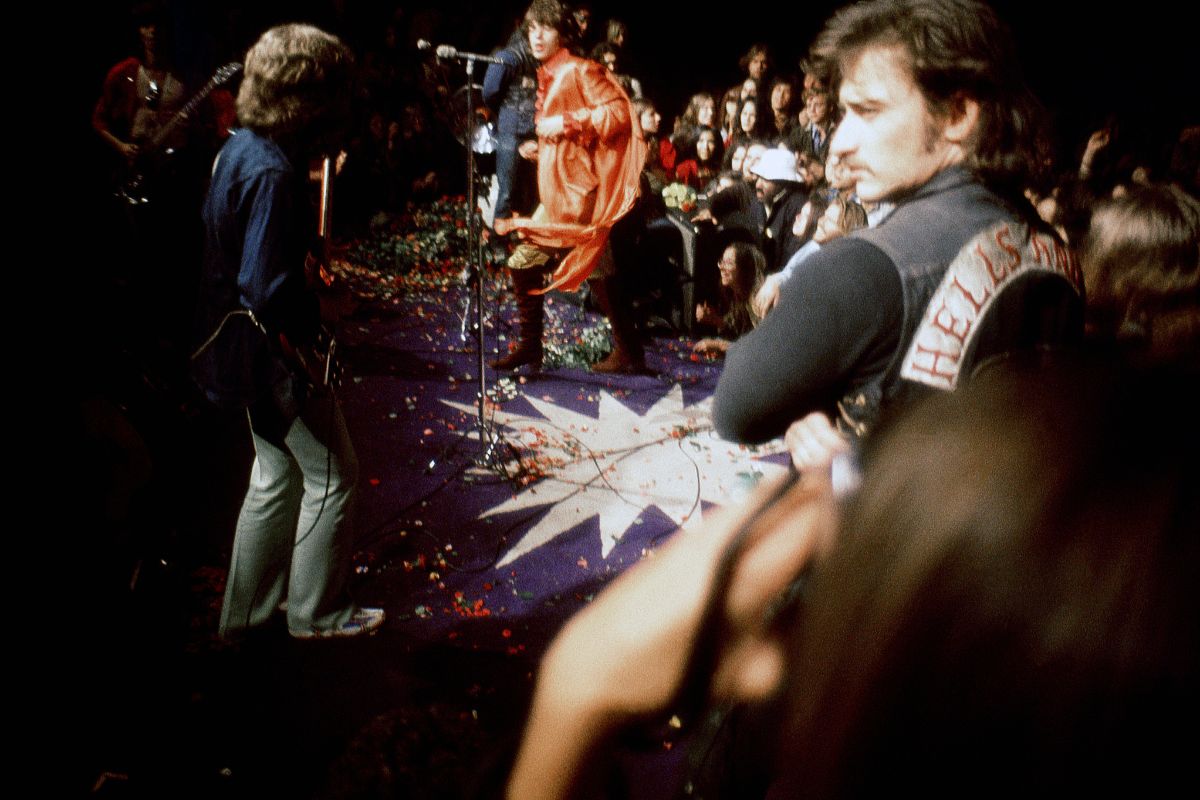
Often described as the dark ending to the ’60s, Altamont descended into chaos when the Hells Angels — hired as security — clashed violently with fans throughout the day. Tensions peaked during the Stones’ set, when 18‑year‑old Meredith Hunter was fatally stabbed near the stage. The free concert, intended as a West Coast Woodstock, became a symbol of counterculture idealism collapsing under violence, poor planning and catastrophic misjudgement.
2. The Who – Cincinnati, 1979
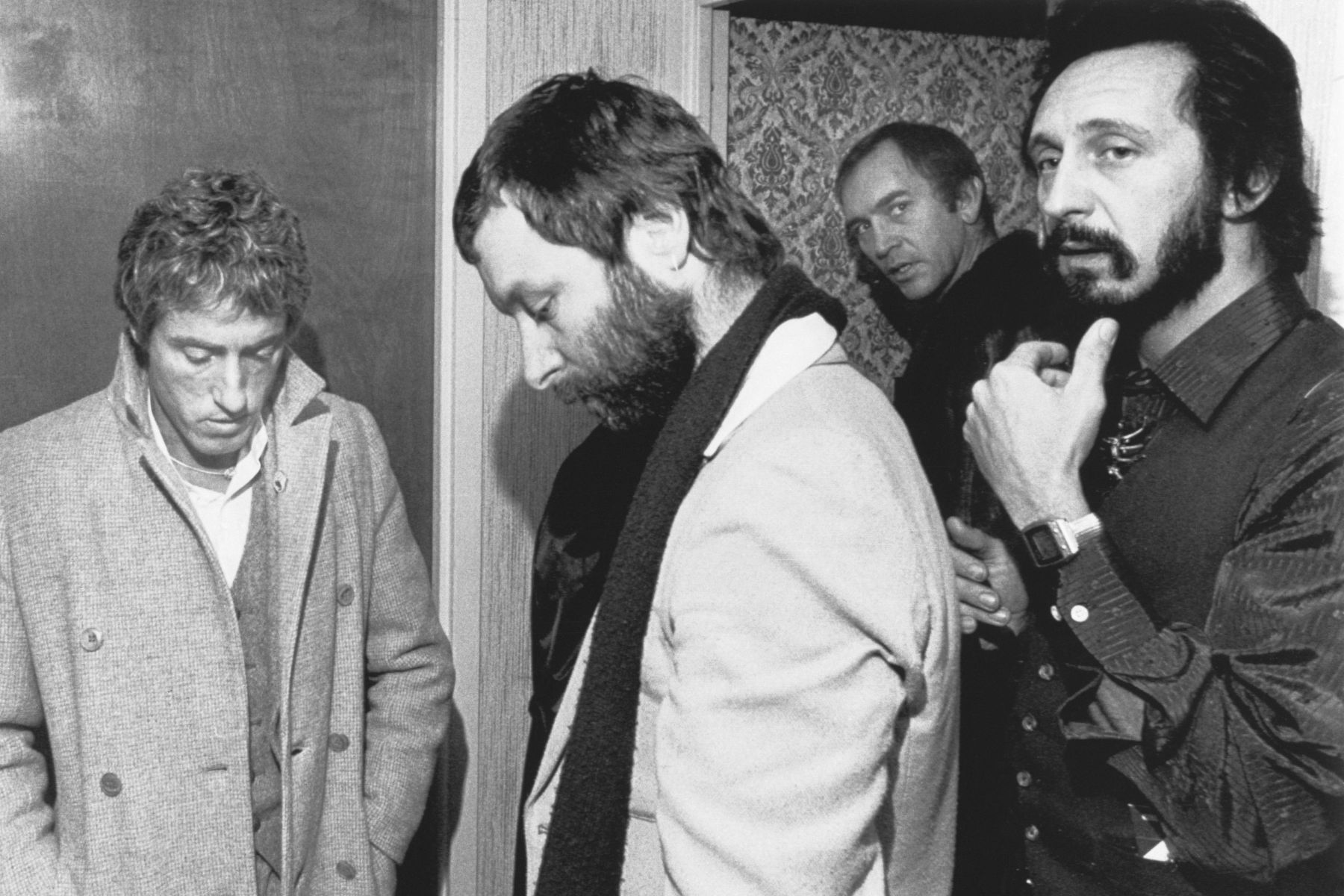
Eleven fans were killed outside Cincinnati’s Riverfront Coliseum when festival‑style seating and limited entry points created a deadly crush. Confusion over whether the band had begun playing triggered a surge toward the doors, trapping fans against glass and metal barriers. The tragedy wasn’t a riot in the traditional sense, but its scale and horror reshaped US concert safety laws. The Who only learned of the deaths after finishing their set.
3. Guns N’ Roses – St. Louis, 1991
Axl Rose halted the show mid‑set after spotting a fan taking photos with a camera. When security failed to intervene, he leapt into the crowd himself, sparking a chaotic brawl. Rose then stormed offstage, declaring he’d had enough. The crowd erupted, tearing apart the Riverport Amphitheatre, smashing seats, and battling police. Dozens were injured, and the venue was left in ruins. Rose was later charged with inciting the riot.
4. Rage Against the Machine – Lollapalooza, 1993
During a political protest against censorship, Rage Against the Machine stood naked onstage for 15 minutes with duct tape over their mouths and “PMRC” painted on their chests. The crowd, expecting a full‑throttle set, grew restless and then furious. Bottles and debris flew, fights broke out, and security struggled to contain the unrest. The band’s message was clear — but the audience’s reaction turned the moment into a flashpoint of festival‑era volatility.
5. The Sex Pistols – Winterland, 1978
The final show of the Sex Pistols’ US tour was a shambolic, hostile affair. Sid Vicious was barely functional, Johnny Rotten was openly contemptuous of the crowd, and the band lurched through their set with mounting antagonism. When Rotten closed with the immortal line, “Ever get the feeling you’ve been cheated,” the audience erupted — fights, thrown objects and general chaos marked the end of the Pistols’ brief, incendiary reign. It was less a riot than a collective detonation.
Pics Getty Images
Top pic James Hetfield rubs aloe on the burns he sustained when he strayed into the path of 12-foot-high special-effects flames during Montreal concert, in dressing room, backstage at Oakland Coliseum