By early 1970, Paul McCartney was clinging to the idea that The Beatles could still function as a band.
The Get Back project had been conceived as a return to basics – four musicians in a room, playing live, reconnecting. Instead, it exposed every fracture. Arguments simmered, enthusiasm evaporated, and McCartney increasingly felt like the only one trying to hold the centre together.
But the moment he realised it was truly over didn’t come in a meeting, or a row, or a walkout. It came when he heard a finished mix of one of his own songs.
He had recorded it as a sparse, intimate performance: just his voice and piano, with gentle support from John and Ringo. It was meant to be unadorned, honest, a reflection of the band’s stripped‑back ethos. What arrived instead – without warning, consultation or approval – was something else entirely. Strings. Choirs. Swells of orchestral sentimentality. A transformation so sweeping that McCartney barely recognised the track he’d written.
The architect of this makeover was Phil Spector. Brought in to salvage the Get Back tapes, Spector approached the material with his trademark grandiosity: big arrangements, dramatic flourishes, emotional bombast. McCartney wanted the opposite – a document of The Beatles as they really were, not as a producer might embellish them.
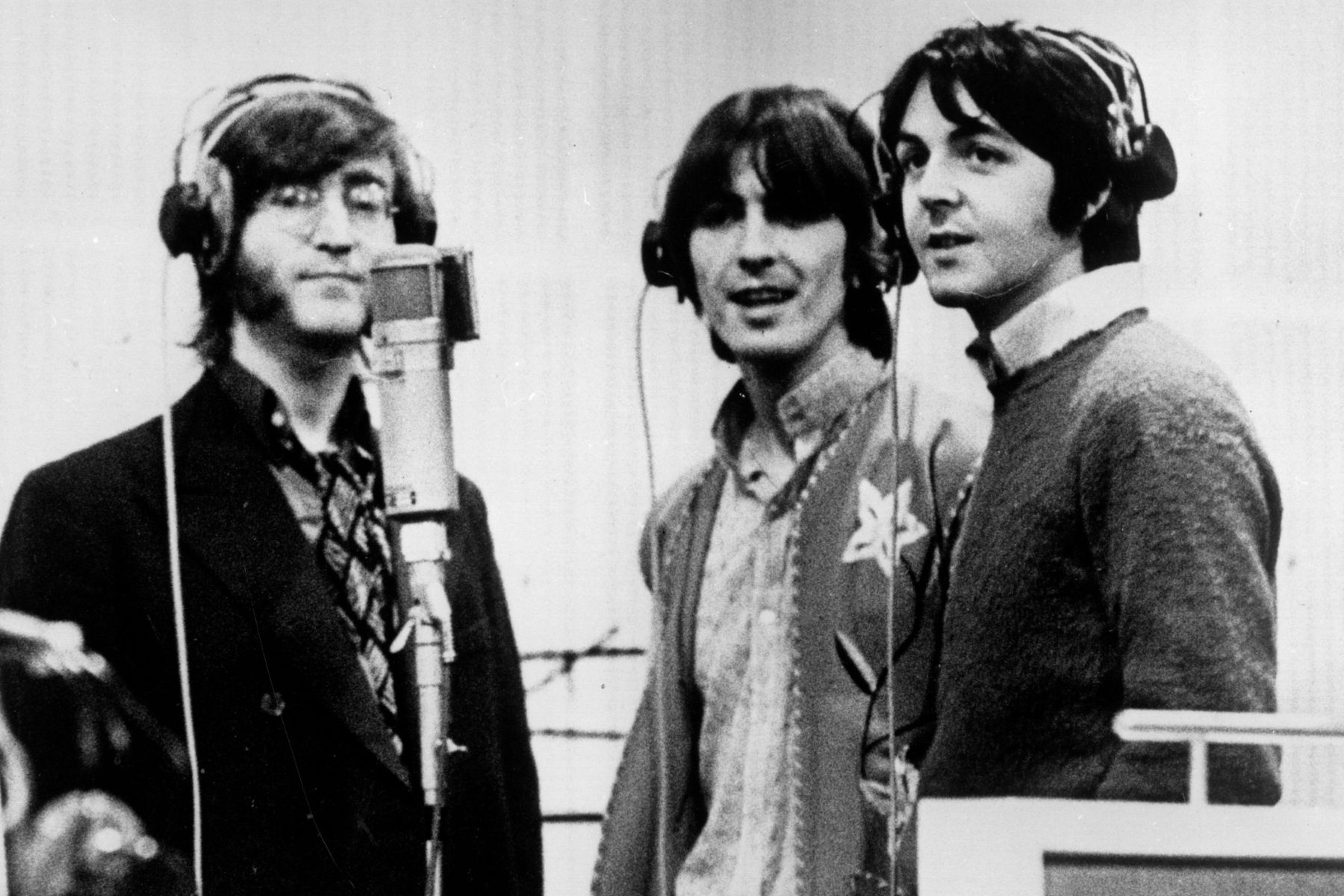
But Spector worked independently, adding orchestration to several songs and reshaping the album in the process. When McCartney heard what had been done to his ballad, he immediately wrote to Apple demanding the additions be removed. His letter was ignored.
That was the breaking point. The Beatles were no longer a band making decisions together; they were an organisation in which choices were made around him, often against him. The unity that had defined their greatest work had dissolved into a tangle of managers, lawyers and competing loyalties. And this song – weary, searching, full of emotional fatigue – suddenly became the symbol of that collapse.
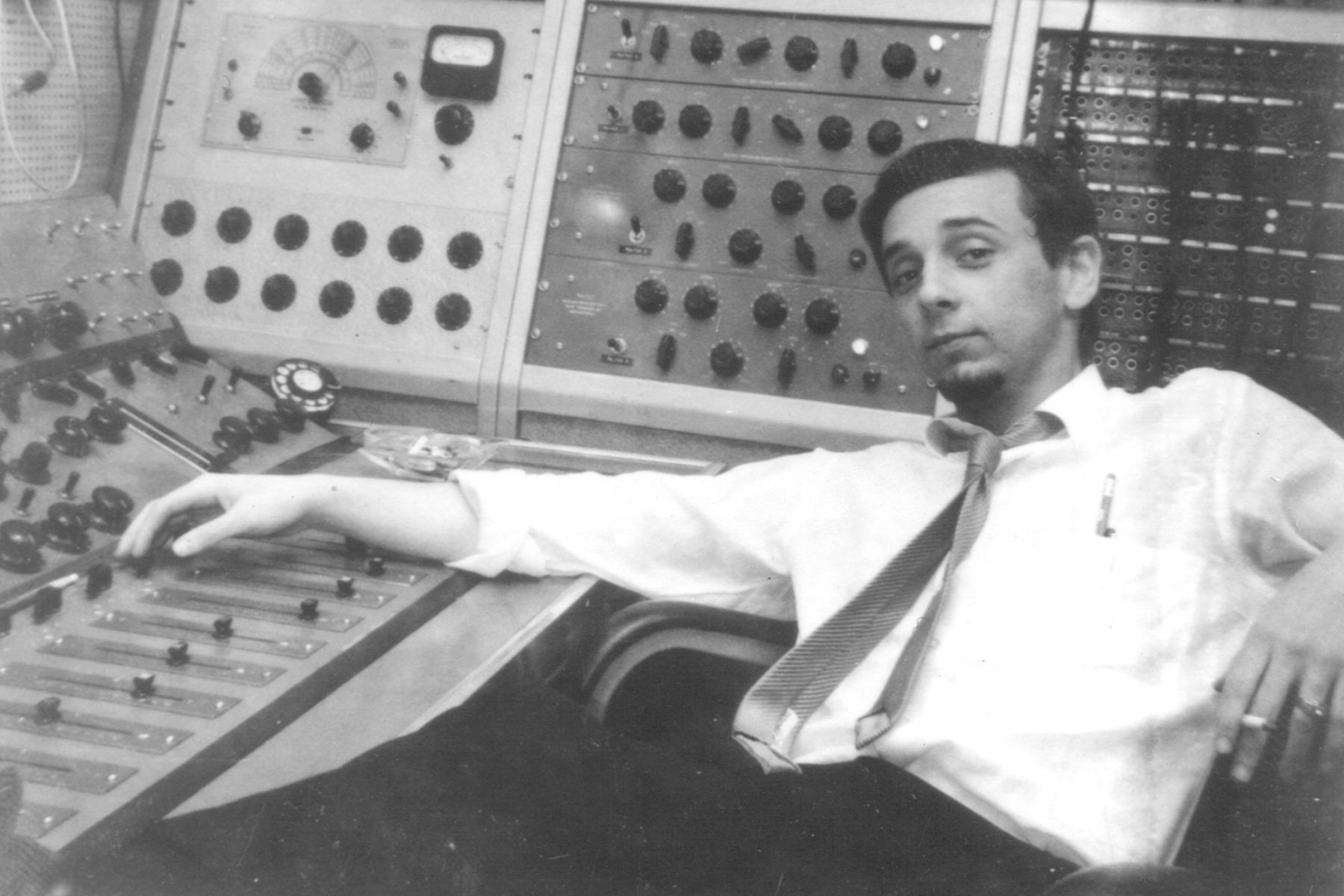
The song in question? ‘The Long and Winding Road’. Written during the bleak Get Back sessions, it captured McCartney’s sense of exhaustion and his fear that the group was slipping away. Hearing Spector’s version confirmed that the band he loved – the band he had built his life around – no longer existed.
Within days, McCartney announced his departure, effectively ending The Beatles. The track became the closing song on Let It Be, a melancholy full stop on the most celebrated catalogue in popular music.
Decades later, McCartney finally reclaimed it. The 2003 Let It Be… Naked release restored the song to its original, unadorned form – the version he had intended all along. But the damage was done. ‘The Long and Winding Road’ wasn’t just a song; it was the moment he realised the road had run out.

Pics: Getty Images.
Top pic: The Beatles, 1970. L-R George Harrison, John Lennon, Paul McCartney, Ringo Starr