
Mick Jagger has spent more than 60 years making other people’s words sound like they were written specifically for him.
Whether he is snarling, sneering, pleading or strutting, he has an uncanny ability to inhabit a lyric so completely that it can seem impossible to imagine anyone else singing it.
That is particularly true of the Rolling Stones at their most ragged and emotionally exposed. Jagger could take a handful of suggestive phrases, throw himself into the melody and make them sound like fragments from some deeply personal confession. But there was one celebrated Stones song where even the singer himself apparently wasn't entirely sure what he was confessing.
Running on instinct
The curious thing is that the song comes from Exile on Main St., an album in which the Stones often seemed to be operating by instinct rather than conventional songwriting rules. Recorded amid the chaos of the band's early-1970s period, Exile is full of songs that feel less constructed than discovered: blues, gospel, country, soul and rock'n'roll colliding in a haze of guitars, piano, horns and backing vocals.
By this stage, Jagger and Keith Richards were no longer necessarily writing songs side by side in the way they had during the band's early years. Their lives had changed, the Stones were spending huge amounts of time on the road, and the pair could increasingly arrive with separate ideas that were subsequently stitched together.

Richards later explained how different their working methods had become. 'I mean there was a time when Mick and I used to write face-to-face all the time. But we were on the road then.'
Years later Richards cited the example of 'Mixed Emotions', from the band's 1989 comeback album, to illustrate the strange way their songwriting partnership could still work despite the distance between them. 'Now we can bring ideas to each other, and sometimes it’s strange – we hadn’t seen each other for maybe five or six months, and we get together and funny enough, we’d each have written a piece of music that actually fits together even though we haven’t been in communication with each other.'
An underrated album cut
That separation could produce some remarkable results. It could also mean that one Stone was occasionally singing something whose original intention had become rather hazy by the time it reached the studio.
The best example is buried on side three of 1972's magisterial double album Exile on Main St.: the emotive and, to our ears, somewhat underrated album cut 'Let It Loose'.
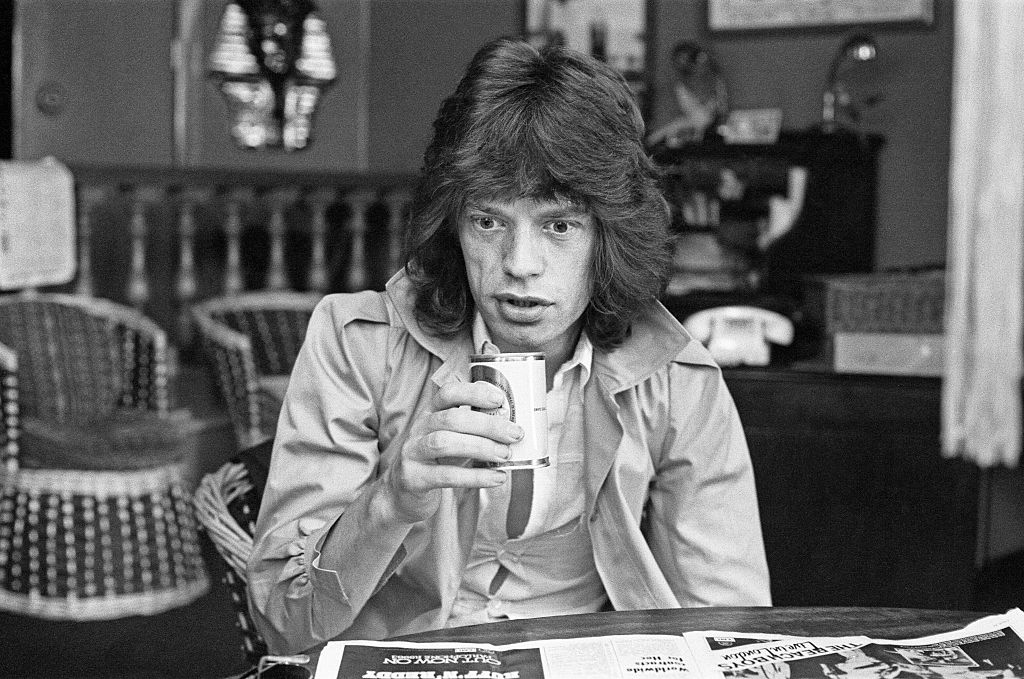
At first, it sounds like exactly the sort of song Jagger should have understood instinctively. The lyric circles around desire, infidelity, regret and emotional surrender, while the music gradually swells from a loose, bluesy groove into something close to gospel. Jagger sounds increasingly impassioned as the song develops, surrounded by a remarkable cast of musicians and backing singers.
There is a deliberately slippery quality to the words. The perspective seems to shift; the relationship at the centre of the song is never neatly explained; and images of drinking, sex, tears and separation tumble into one another. Rather than telling a straightforward story, 'Let It Loose' feels like somebody trying to make sense of a relationship while still trapped inside it.
'A weird, difficult song'
And Jagger, despite delivering one of the Stones' most emotionally committed vocals, later admitted that he wasn't entirely sure what the song meant.
Speaking to Uncut in 2010, he said: 'I think Keith wrote that, actually. That’s a very weird, difficult song. I had a whole other set of lyrics to it, but they got lost by the wayside. I don’t think that song has any semblance of meaning. It’s one of those rambling songs. I didn’t really understand what it was about, after the event.'
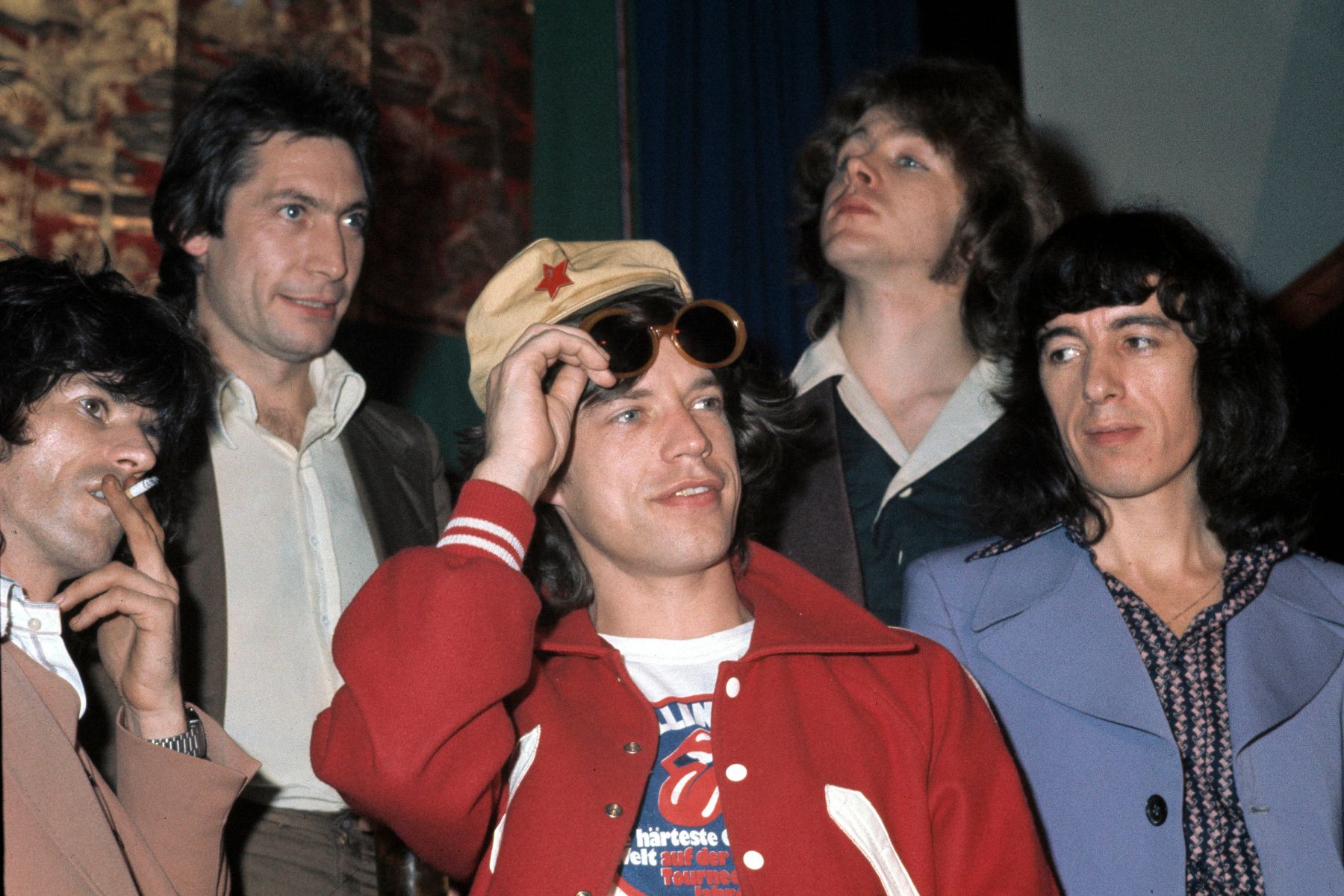
It is a wonderfully revealing admission. Jagger wasn't saying that he couldn't sing the song; quite the opposite. He had somehow managed to give a seemingly opaque lyric an extraordinary emotional charge without necessarily having a clear narrative interpretation of it.
That may actually be part of what makes 'Let It Loose' so powerful. The song doesn't sound like a singer struggling to understand a lyric. It sounds like somebody being overwhelmed by it.
Dreamlike atmosphere
The musical arrangement helps enormously. The Stones surround Jagger with gospel-influenced backing vocals, piano, saxophone, brass and a languid guitar sound, creating an atmosphere that is almost dreamlike. The song begins in uncertainty and gradually becomes something much bigger: less a conventional rock ballad than a late-night confession that has somehow turned into a gospel sermon.
And there is a delicious irony in the fact that Jagger's uncertainty about the words barely matters. His performance supplies the emotional meaning that the lyric itself refuses to provide.
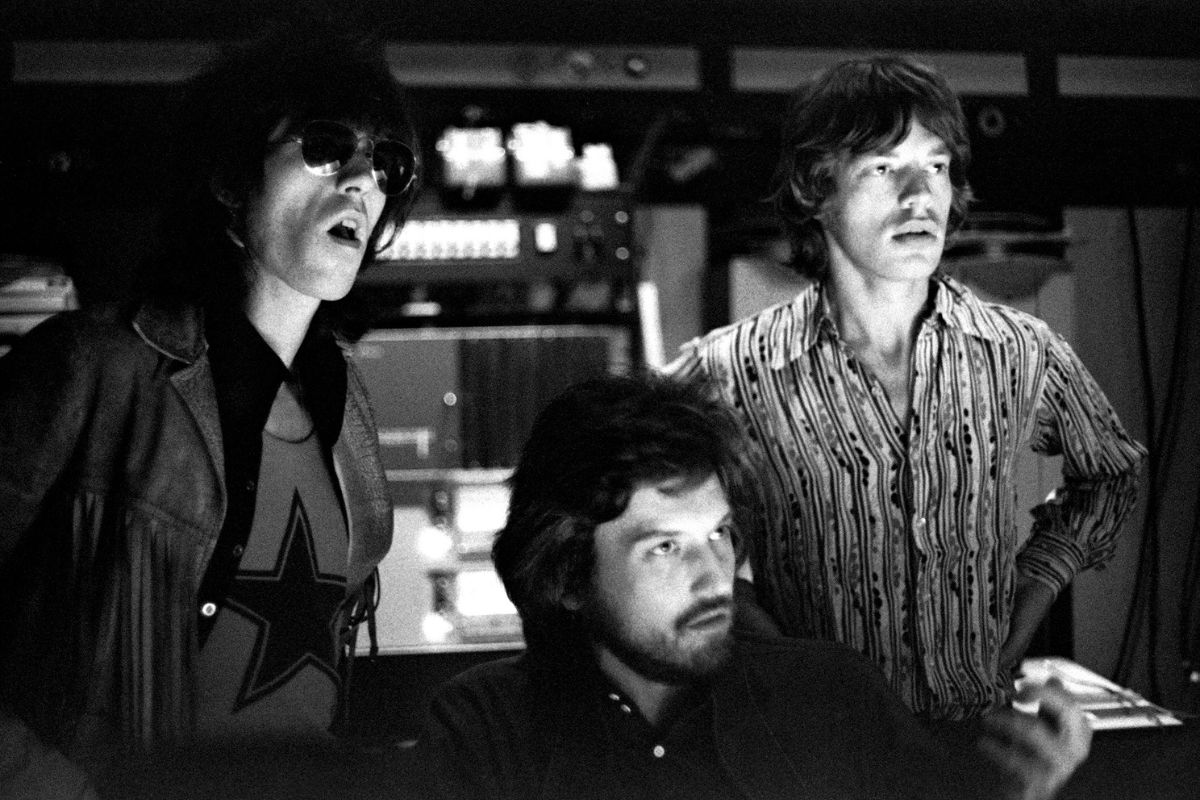
The official songwriting credit belongs to Jagger and Richards, but Jagger's recollection suggests that the finished lyric was primarily Richards' contribution, with Jagger's own original words disappearing along the way. Even the song's apparently fragmentary quality therefore becomes part of its history: the singer was effectively stepping into a song that had evolved beyond his original intentions.
That is not unusual for the Rolling Stones. Their greatest records often sound as though they were assembled from accidents, half-formed ideas and flashes of inspiration rather than carefully mapped out from beginning to end. But 'Let It Loose' takes that principle to an extreme.
Jagger didn't need to know precisely what the song meant. He only needed to know how it felt.
And judging by the performance, he knew that perfectly.
Pics Getty Images

