For The Zombies, the timing could hardly have been worse.
By the end of 1967, they had spent five years trying to turn a brilliant but frustratingly inconsistent career into something bigger. They had already had a major American hit with ‘She’s Not There’, toured extensively and released a string of increasingly sophisticated records. But the success had never translated into the kind of sustained career they wanted.
So they decided to make one last great album.
The result was Odessey and Oracle – a beautiful, intricately arranged psychedelic masterpiece that would eventually become one of the most acclaimed British albums of the 1960s.
There was just one problem.
By the time the album came out, The Zombies had already broken up.
The hits had dried up
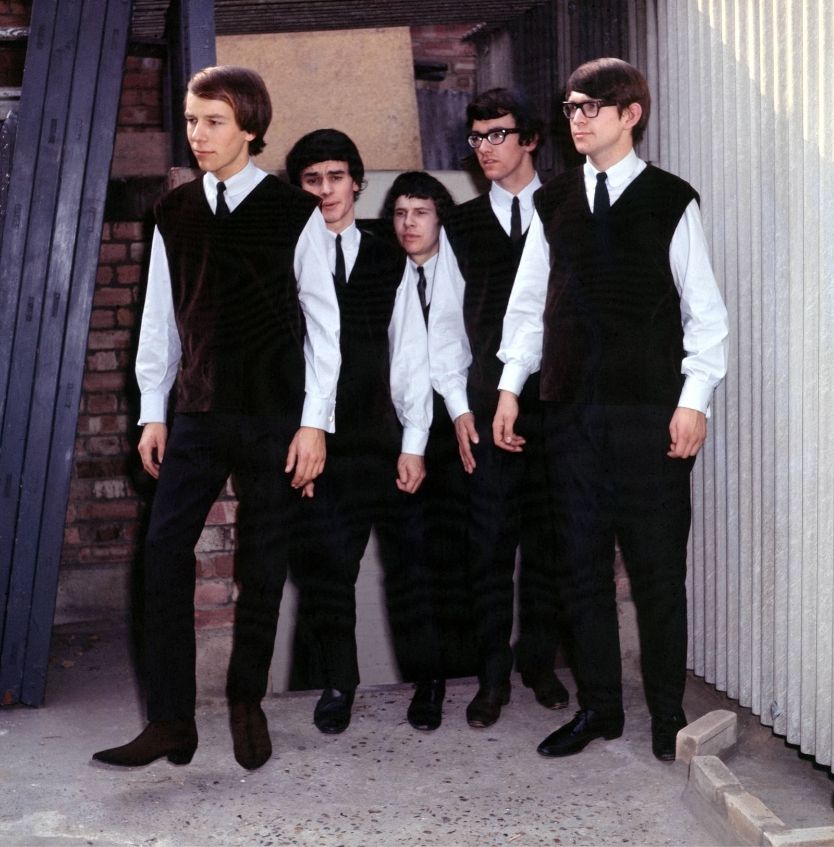
The Zombies had enjoyed a remarkable start. Formed in St Albans in 1961, they were initially distinguished by Rod Argent’s jazzy keyboards, Colin Blunstone’s unmistakably breathy voice and a sophistication that set them apart from many of their beat-group contemporaries.
Their first single, ‘She’s Not There’, was a sensation in America in 1964, reaching No. 2 on the Billboard Hot 100. ‘Tell Her No’ followed it into the US Top 10.
But the momentum proved difficult to sustain. In Britain, where the band had originally come from, they never achieved anything like the level of success enjoyed by The Beatles, The Rolling Stones or The Hollies. Their records sold, but not enough. Their American popularity was also proving difficult to convert into a stable, lucrative career.
By 1967, the situation had become increasingly dispiriting. Their contract with Decca had run its course and wasn't renewed. Live work was drying up, and the economics of being in the band were becoming increasingly awkward.
Rod Argent and bassist Chris White were the principal songwriters, meaning they earned money from publishing royalties. The other members depended much more heavily on the band's live income.
As Argent later explained, the band was effectively being pulled apart by its finances. And yet, creatively, something extraordinary was about to happen.
Their final album was their masterpiece
Having left Decca, The Zombies signed with CBS and were given the opportunity to make an album on their own terms.
They headed to Abbey Road at the start of June 1967, arriving just after The Beatles had completed Sgt. Pepper's Lonely Hearts Club Band. The Zombies were working with an extremely modest budget – around £1,000 – but they were exceptionally well rehearsed and knew exactly what they wanted to achieve.
The limitations arguably helped.
Unable to afford an army of session musicians or endless hours in the studio, they worked quickly, often completing a track within a single three-hour session. They made inventive use of the studio technology available to them, including a Mellotron, and created a remarkably rich sound from relatively basic resources.
The resulting album, Odessey and Oracle, sounds nothing like a desperate final throw of the dice.
It is warm, strange and dreamlike, filled with gorgeous harmonies, baroque touches and psychedelic textures. Songs such as ‘Care of Cell 44’, ‘A Rose for Emily’, ‘Hung Up on a Dream’ and ‘This Will Be Our Year’ revealed a band operating at the height of its creative powers.
Even the hit almost didn't happen
And then there was ‘Time of the Season’.
The song that would eventually make The Zombies famous all over again was recorded in September 1967, but it wasn't exactly an easy session.
Colin Blunstone initially disliked the song and became frustrated when Argent instructed him on how he should sing it. The disagreement became heated enough for Blunstone to effectively tell Argent that perhaps he should sing it himself.
He eventually did as Argent asked.
It turned out to be a pretty important decision. But nobody knew that at the time. The Zombies were already finished.
By December 1967, with their recent singles failing to make an impact and bookings becoming increasingly scarce, the band played what was effectively their final concert. They split up shortly afterwards.
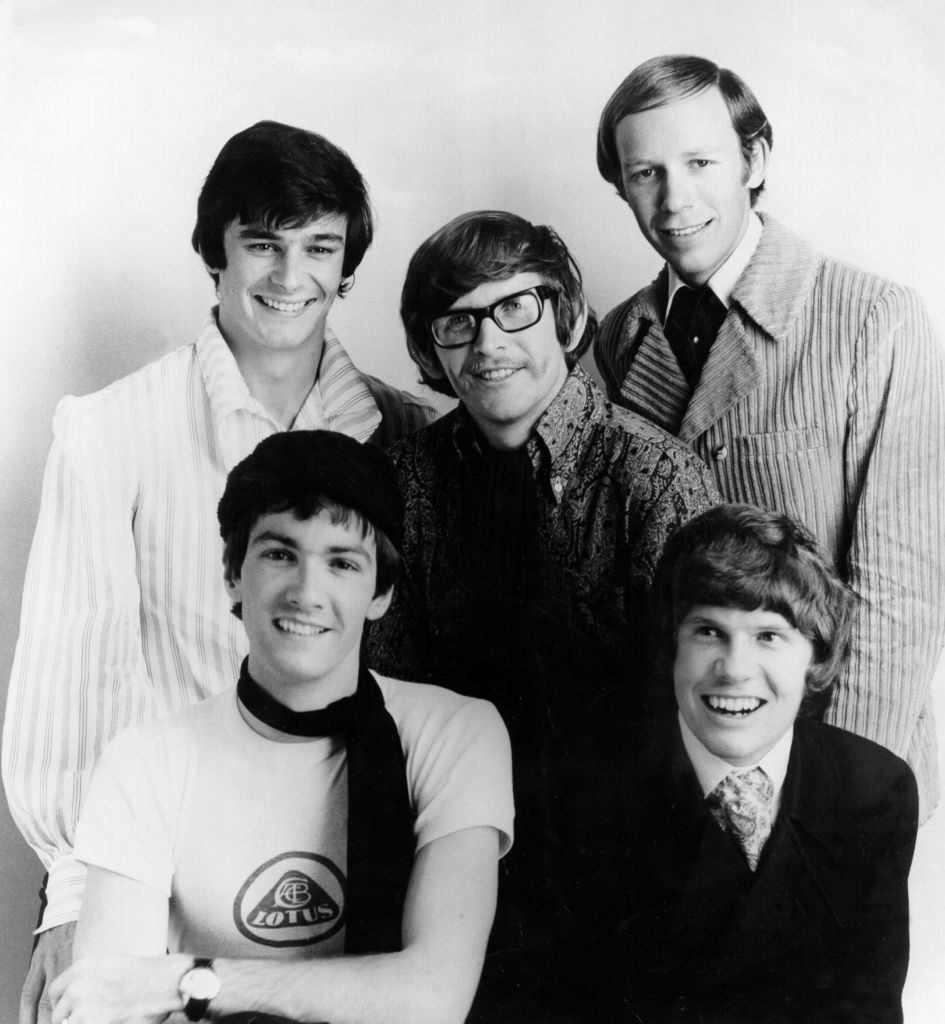
The extraordinary thing is that Odessey and Oracle wasn't even properly released when this happened.
The album was completed in late 1967, but there was another small disaster waiting for them. Argent and White had mixed the record in mono, only for CBS to tell them that a stereo mix was also required. The recording budget had already been spent, so the two songwriters had to put up another £200 of their own money to finish it.
It was beginning to look like the album would disappear along with the band.
Then America discovered The Zombies – again
When Odessey and Oracle appeared in 1968, it initially attracted little attention.
The first single, ‘Care of Cell 44’, failed to make much impact in America. CBS was apparently ready to give up on the album altogether.
Then musician and producer Al Kooper heard it. He became an enthusiastic advocate for the record and persuaded CBS to give it another chance. That intervention proved crucial.
And eventually, Odessey and Oracle found its audience.
Late in 1968, ‘Time of the Season’ began gaining traction on American radio. By early 1969, it had become a huge hit, eventually reaching No. 3 on the Billboard Hot 100.
Suddenly, The Zombies had the hit they had spent years chasing.
Except there was no Zombies to promote it. The band had been gone for more than a year.
They watched their biggest hit from the sidelines
This is what makes the story so deliciously unfortunate.
Had ‘Time of the Season’ become a hit six months earlier, The Zombies might conceivably have been one of Britain's biggest bands. They could have toured America, capitalised on their newfound popularity and built a second phase of their career around Odessey and Oracle.
Instead, their greatest commercial success arrived after they had ceased to exist.
The members went their separate ways. Argent formed his own band, Argent, while Blunstone eventually embarked on a solo career. The Zombies themselves became one of those tantalising stories of what might have been.
And Odessey and Oracle acquired an almost mythical status.
The album became bigger than the band
The irony is that The Zombies eventually got exactly what they had been trying to achieve: recognition as one of the most sophisticated and distinctive British bands of their generation.
It just arrived too late.
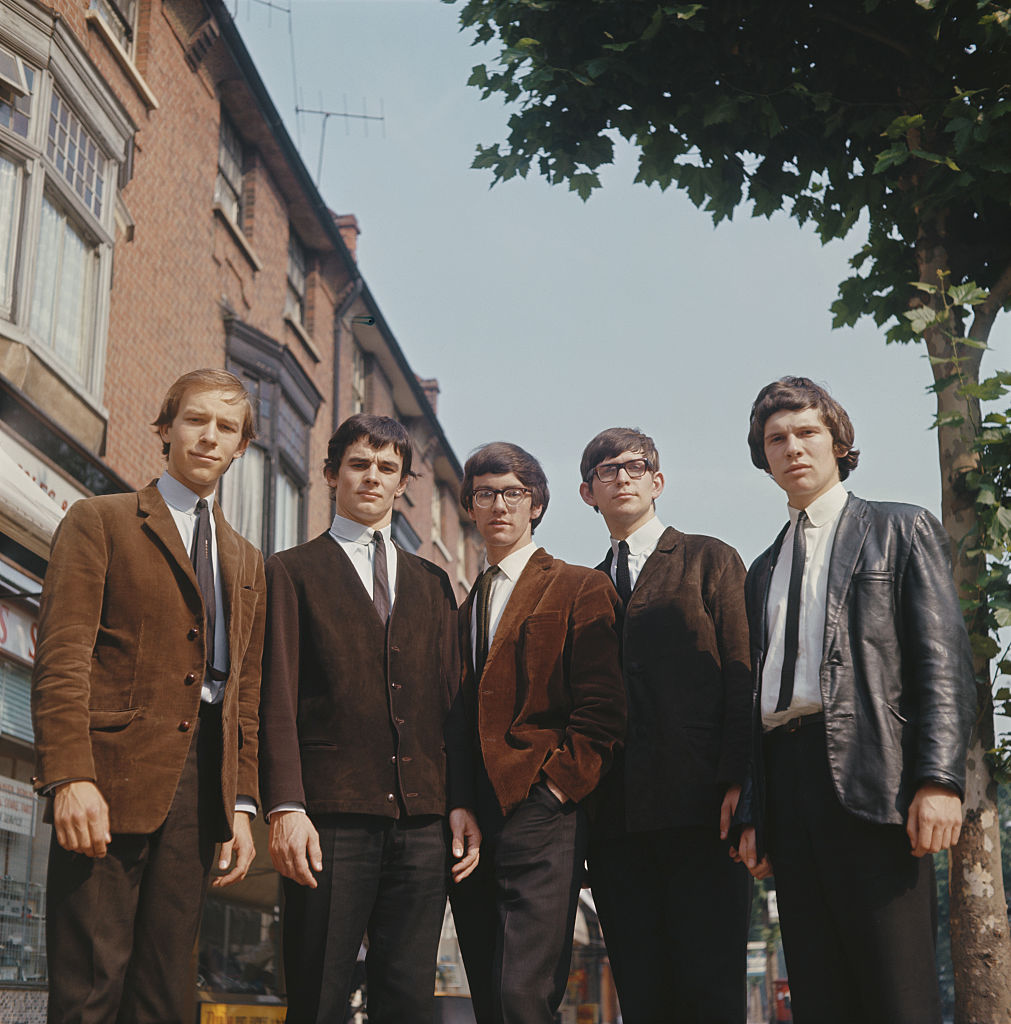
Odessey and Oracle has since become regarded as a classic of psychedelic pop, with its reputation growing enormously over the decades. What sounded like an obscure final album by a disbanded 1960s group came to be recognised as the work of musicians who had been far ahead of their commercial fortunes.
There is an especially poignant quality to the record now. It doesn't sound like the exhausted farewell of a band whose best days were behind it. It sounds like a beginning.
That is the cruellest part of The Zombies' story.
They didn't break up because they had run out of ideas. They broke up just as they were making their masterpiece – and just before the world finally caught up with them.
The Zombies reborn
The original Zombies never actually got to perform Odessey and Oracle live. By the time the album appeared in 1968, they had already broken up, and when 'Time of the Season' belatedly became a huge US hit in 1969, the five members had moved on to other lives and projects. Rod Argent had formed his own band, Argent, while Colin Blunstone embarked on a solo career; guitarist Paul Atkinson eventually moved into the record business.
There were occasional attempts to resurrect the name. The original five briefly reunited in 1997 for the launch of the Zombie Heaven box set, performing at London’s Jazz Café, while Blunstone, Rod Argent and Hugh Grundy also recorded together around 1989-90.
But it was the renewed partnership between Argent and Blunstone that ultimately brought the Zombies back to life. They began playing together again around 2000, initially under their own names, before promoters started billing them as The Zombies. By 2004, they had embraced the name and begun recording and touring as a new incarnation of the band.
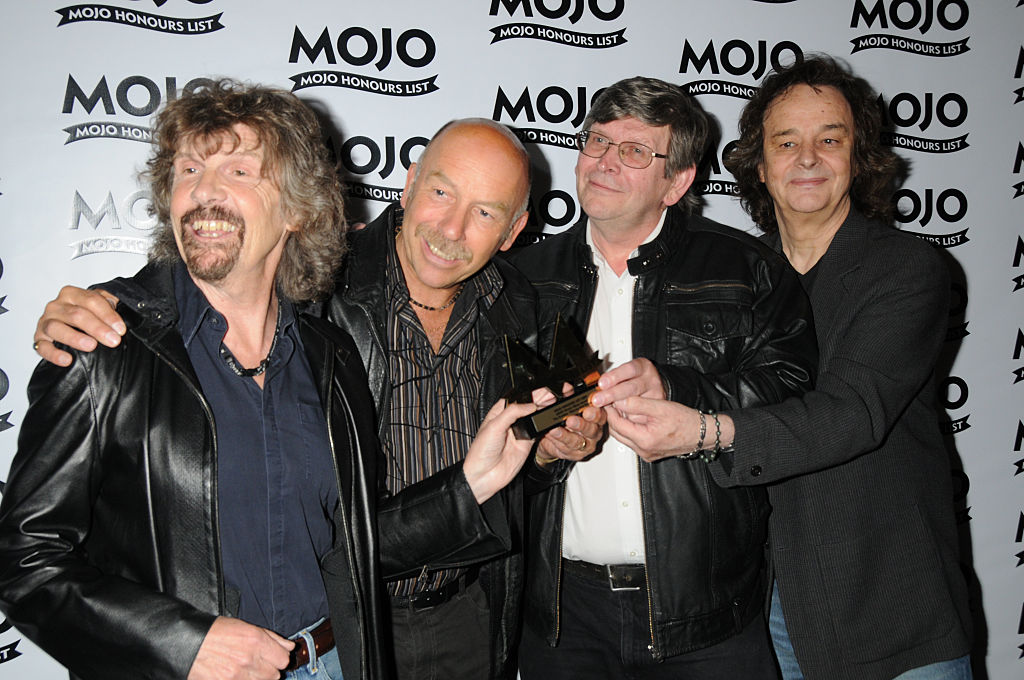
The revival turned out to be far more than a nostalgia exercise. The new Zombies released albums including Breathe Out, Breathe In (2011), Still Got That Hunger (2015) and Different Game (2023), while regularly touring in America and Britain. In 2008, the surviving original members reunited to perform Odessey and Oracle in full at London's Shepherd's Bush Empire, with further shows following in 2015.
The ultimate vindication came in 2019, when The Zombies were finally inducted into the Rock & Roll Hall of Fame – exactly 50 years after 'Time of the Season' had reached No. 1 in America.
There is, however, one final twist to the story. After completing a UK tour in 2024, Rod Argent suffered a stroke and announced his retirement from touring at the age of 79. The Zombies' touring career therefore effectively entered another chapter, although Argent has said he intends to continue writing and recording music.
So the band that broke up just before its greatest hit eventually enjoyed something it had never managed in the 1960s: a long, successful second act.