
The 1980s were a decade defined by seismic shifts in popular music.
These were largely fuelled by technological innovation – specifically, the rise of synthesizers, drum machines, and MTV. This created a new soundscape where sharp production, visual presentation, and digital sheen often took precedence over the sprawling, analog ethos of the 70s. While global superstars dominated the charts with polished pop and hair metal, a vast number of artists embraced the era's tools to create incredibly inventive and high-quality records that didn't always reach the massive audiences they deserved.
These albums often explored darker themes, experimental textures, or masterful songwriting that resisted easy categorization. Here are ten brilliant, yet surprisingly underrated, gems from the 80s that showcase the decade's hidden depth.
1980: Peter Gabriel – Peter Gabriel III
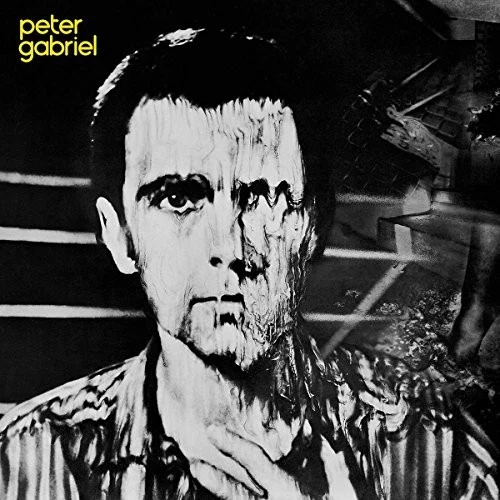
Peter Gabriel's third solo album (often nicknamed Melt) is the record where his artistic vision fully crystallised. Released in May 1980, it fused experimental electronics, art rock, and world music influences into something simultaneously unsettling and accessible. Producer Steve Lillywhite helped create its distinctive, drum-heavy sound, while songs such as 'Games Without Frontiers' and 'Biko' balanced pop hooks with political and psychological depth.
Overshadowed by the commercial success of So six years later, Peter Gabriel III is arguably the more daring achievement: a fearless, atmospheric masterpiece whose innovations influenced everyone from alternative rock bands to electronic producers.
Honourable mention: The Teardrop Explodes – Kilimanjaro
Julian Cope's dazzling debut fused post-punk urgency with psychedelic colour and irresistible pop hooks, producing one of the smartest – and most criminally overlooked – albums of the early 1980s.
1981: Japan – Gentlemen Take Polaroids
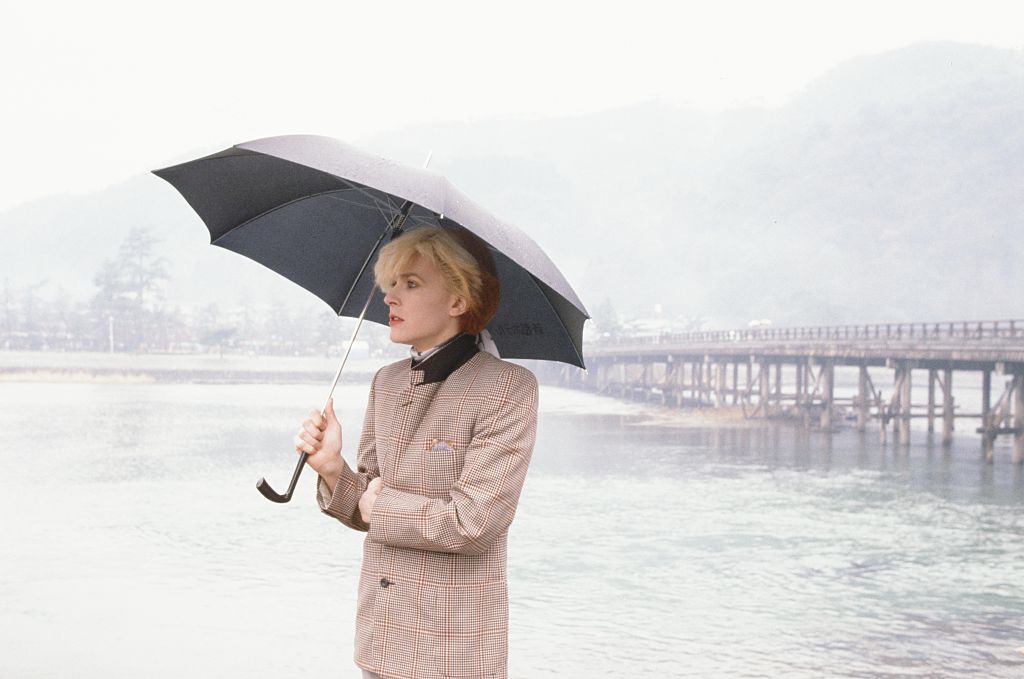
On their penultimate studio album, Japan, led by the impeccably stylish David Sylvian, moved firmly into the sophisticated, art-pop territory that defined their career high point. Gentlemen Take Polaroids is a gorgeously produced album that is both icy and emotionally resonant.
It masterfully uses synthesizers, prominent fretless basslines by Mick Karn, and exotic percussion to create a soundscape that is ambient, jazzy, and distinctly European. This record is a key moment in the development of the New Romantic movement, blending art-school glam with a smooth, atmospheric complexity. While hugely influential on future ambient and electronic artists, it remains a criminally underrated classic of early 80s synth-pop.
Honourable mention: The Go-Go's – Beauty and the Beat
The Go-Go’s’ debut is a burst of Californian joy – punk energy polished into perfect pop, proving a self-contained all‑female band could top the charts on its own terms.
1982: Bad Brains – Bad Brains (The Yellow Tape)
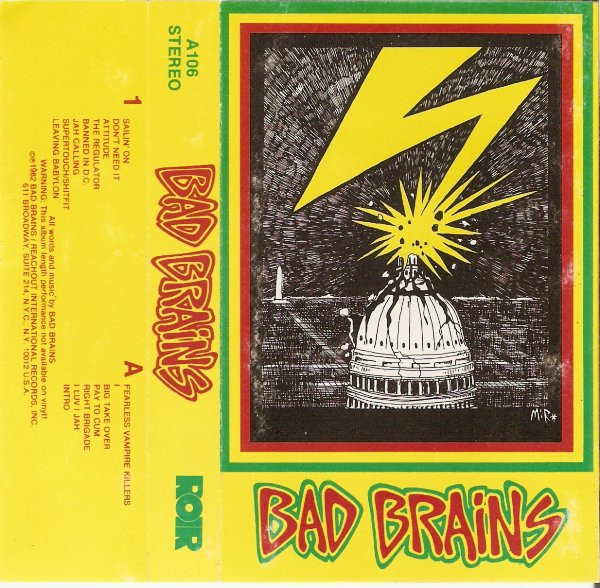
Before hardcore became codified, Washington D.C. pioneers Bad Brains married blistering punk played at astonishing speed with jaw-dropping musicianship, while seamlessly detouring into deep, authentic reggae. Frontman H.R. shifted effortlessly from feral hardcore shouts to soulful melodies, and guitarist Dr. Know delivered riffs far beyond punk's usual limitations.
Hugely influential on everyone from the Beastie Boys to Nirvana, the album remains one of the most explosive, inventive and unjustly underappreciated records of the decade.
Honourable mention: The Associates – Sulk
The Associates's second LP finds the Glasgow art pop duo at their most gloriously unhinged – a baroque, neon‑lit fever dream where Billy Mackenzie’s operatic vocals turn avant‑pop excess into something strange, seductive and utterly singular.
1983: Aztec Camera – High Land, Hard Rain
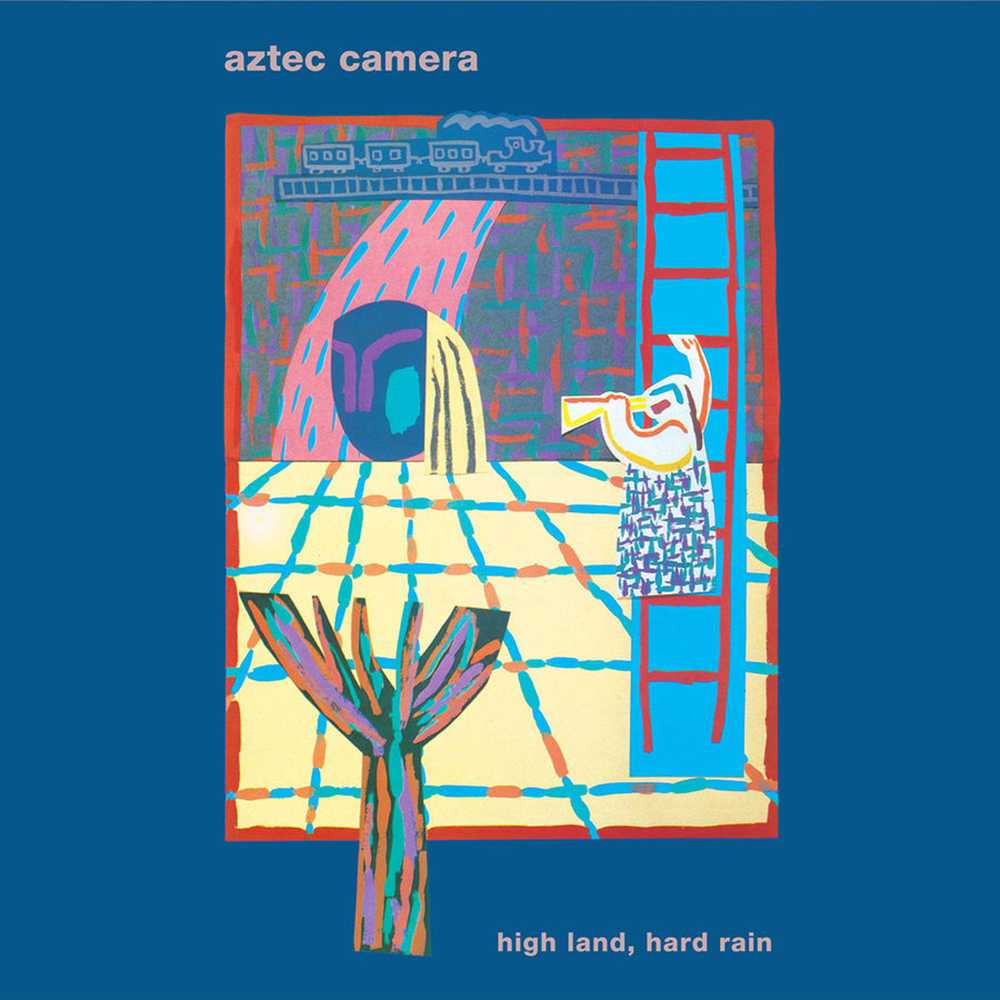
Aztec Camera’s debut is a burst of youthful sophistication – jangling guitars, literate songwriting and Roddy Frame’s astonishing melodic instinct arriving fully formed. Beneath its brightness sits emotional bite: songs about longing, escape and the awkward intensity of growing up. What makes the album endure is its balance of craft and vulnerability, a Scottish indie record with the confidence of a classic pop songwriter. High Land, Hard Rain remains one of the most assured debuts of the 1980s, charming yet quietly devastating.
Honourable mention: Virginia Astley – From Gardens Where We Feel Secure
Virginia Astley’s 1983 album feels completely out of time – a serene drift through long‑lost summers, where ambient field recordings and pastoral melodies evoke memories that seem half‑remembered and quietly enchanted.
1984: Minutemen – Double Nickels on the Dime
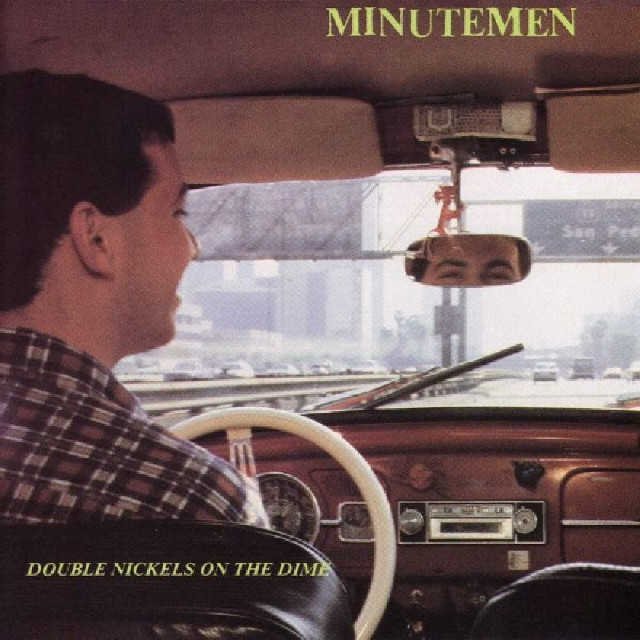
The third LP from California punks Minutemen is a masterpiece that still feels strangely undervalued – a sprawling, 80‑minute burst of punk‑rooted invention that treats genre boundaries as optional.
Its mix of political bite, dry humour and restless musical curiosity shaped the DNA of American indie, yet it rarely receives the mainstream acclaim its influence warrants. D. Boon and Mike Watt turned DIY limitations into creative freedom, producing a record that’s sharper, stranger and more alive than many canonised 1980s classics.
Honourable mention: The Blue Nile – A Walk Across the Rooftops
The debut album by the Glasgow-based trio The Blue Nile is a masterpiece of atmospheric, introspective pop, notable for its incredible sense of space; every synthesized note, electric piano chord, and Paul Buchanan’s melancholic vocal is perfectly placed.
1985: Prefab Sprout – Steve McQueen
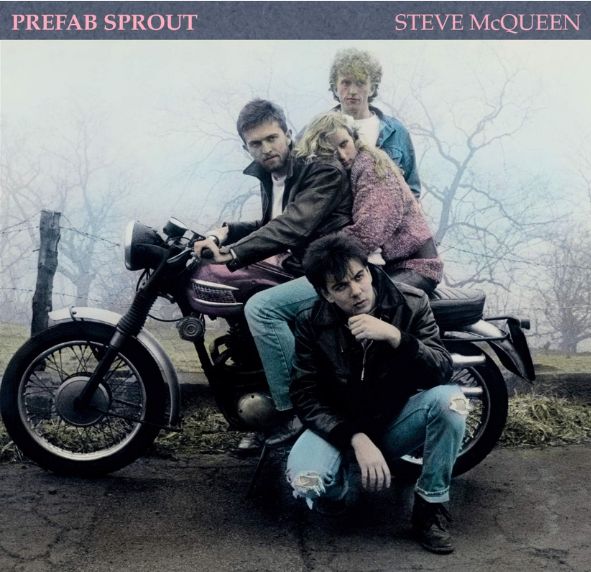
Paddy McAloon's Prefab Sprout delivered a perfect slice of sophisticated 80s pop on this album, produced by the legendary Thomas Dolby. The record is a showcase for McAloon's wry, literate, and often complex songwriting, blending witty lyrics with gorgeous, jazz-inflected melodies.
The production is crystalline and modern, utilizing synthesizers and programmed drums to enhance rather than overwhelm the songs. Tracks like 'Faron Young' and 'When Love Breaks Down' are pop gems that tackle themes of romance and disappointment with rare intelligence and charm. It’s an album that is too smart for mass appeal yet too catchy to be ignored.
Honourable mention: R.E.M. – Fables of the Reconstruction
R.E.M.’s third album is a murky, Southern‑gothic swirl – a dense, humid set of songs where their jangle turns shadowy, evoking folklore, memory and the strangeness of the American South.
1986: David + David – Boomtown
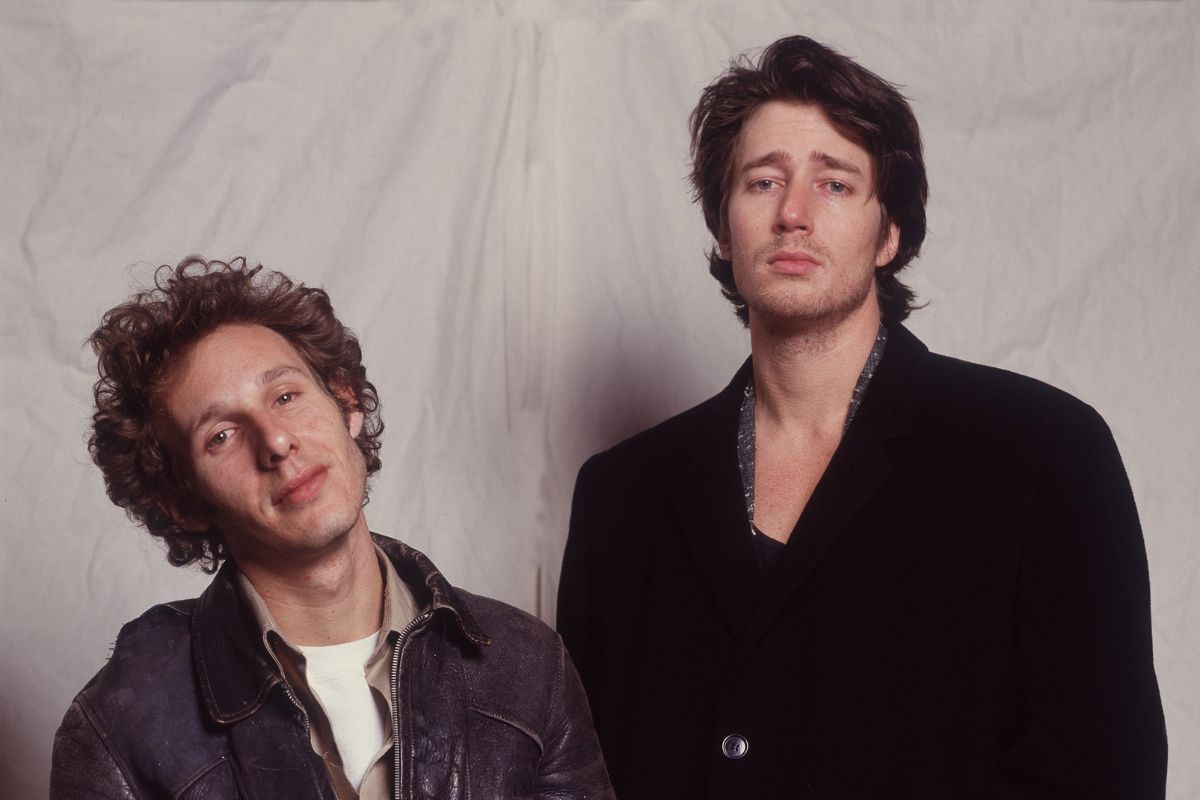
David + David’s Boomtown is one of the sharpest, most atmospheric debuts of the 1980s – a noir‑tinted portrait of Los Angeles where sleek, radio‑ready production meets stories of addiction, disillusionment and urban drift. The duo’s songwriting is vivid and cinematic, full of characters living on the edge of the city’s promise.
What makes the album endure is its mood: brooding, sophisticated and quietly desperate, with ‘Welcome to the Boomtown’ capturing the era’s hollow glamour better than most blockbuster releases. It remains a cult classic that deserved a much longer legacy.
Honourable mention: XTC – Skylarking
One of the great studio‑crafted albums of the 1980s – a lush, meticulously sequenced cycle that drifts through English pastoralism, romantic unease and the bittersweet rhythms of everyday life.
1987: Sonic Youth – Sister
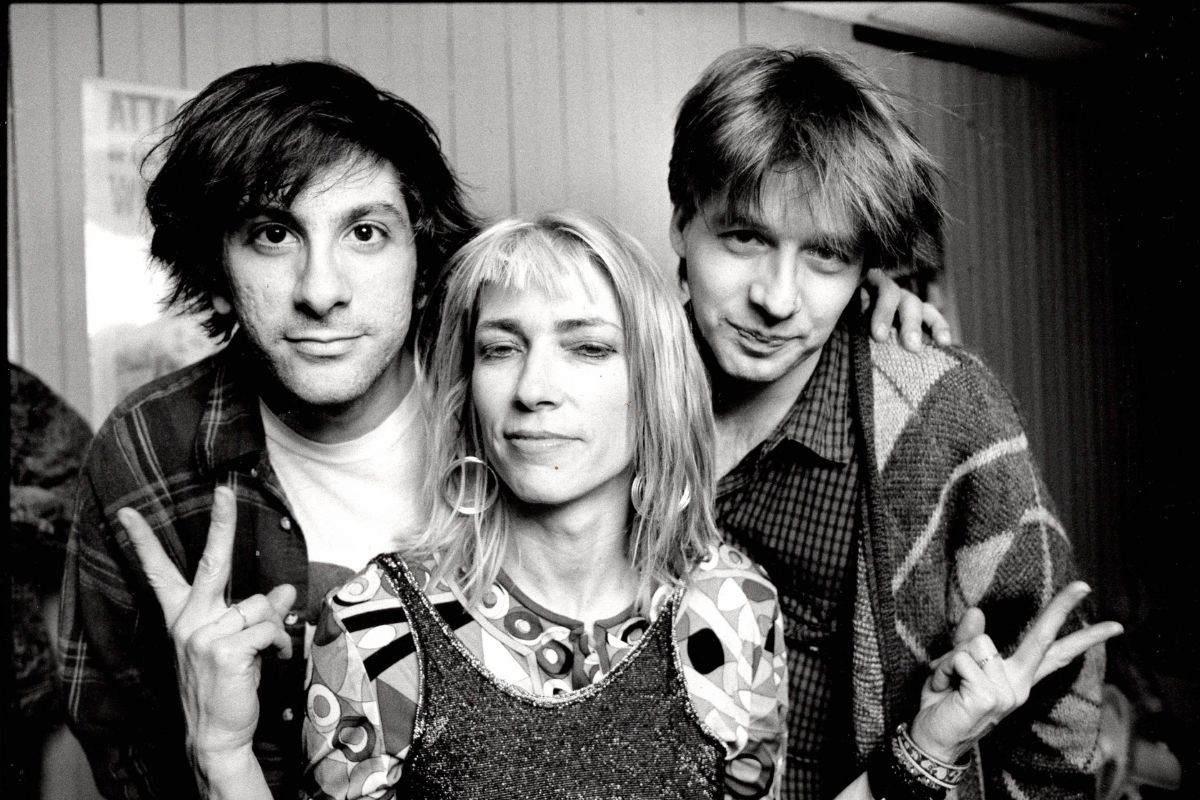
Sonic Youth’s fourth album is often overshadowed by the canonisation of its 1988 successor Daydream Nation, yet it’s arguably almost as great – a tighter, more combustible record where their avant‑guitar vocabulary locks into something urgent and emotionally charged.
Drawing on fractured Americana, noise, melody and dissonance in equal measure, it captures the band at a moment of fearless transition. Sister feels like the blueprint for the alt‑rock explosion that followed: raw, inventive and strangely beautiful, a near‑perfect balance of chaos and clarity that deserves far more recognition.
Honourable mention: Guadalcanal Diary – 2×4
The sophomore album from the Georgia jangle poppers is a taut, jangling burst of Southern post‑punk energy – sharper, louder and more confident than their debut, with songs that crackle with urgency and melodic bite.
1988: Cowboy Junkies – The Trinity Session
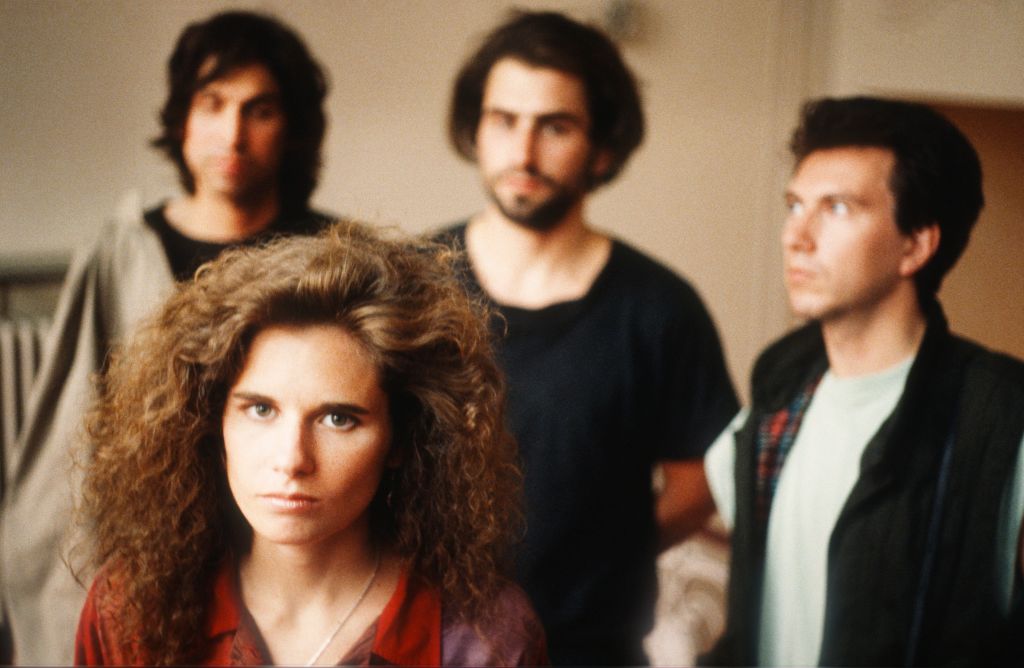
A hushed, hypnotic marvel – and an extraordinary exercise in restraint. Recorded live in a Toronto church with a single microphone, it turns quietness into a kind of spell. Its slow, narcotic blend of country, blues and folk feels intimate yet otherworldly, as if the songs are unfolding in candlelight.
Margo Timmins’ voice hovers gently over the sparse arrangements, giving the album its hypnotic pull. Though understated, The Trinity Session remains one of the most atmospheric and emotionally resonant records of the late 1980s.
Honourable mention: Game Theory – Green
A bright, hook‑packed burst of college‑rock invention – jangly, clever and slightly off‑kilter, with Scott Miller’s melodic sharpness giving the album its wiry charm and restless energy.
1989: Bob Mould – Workbook
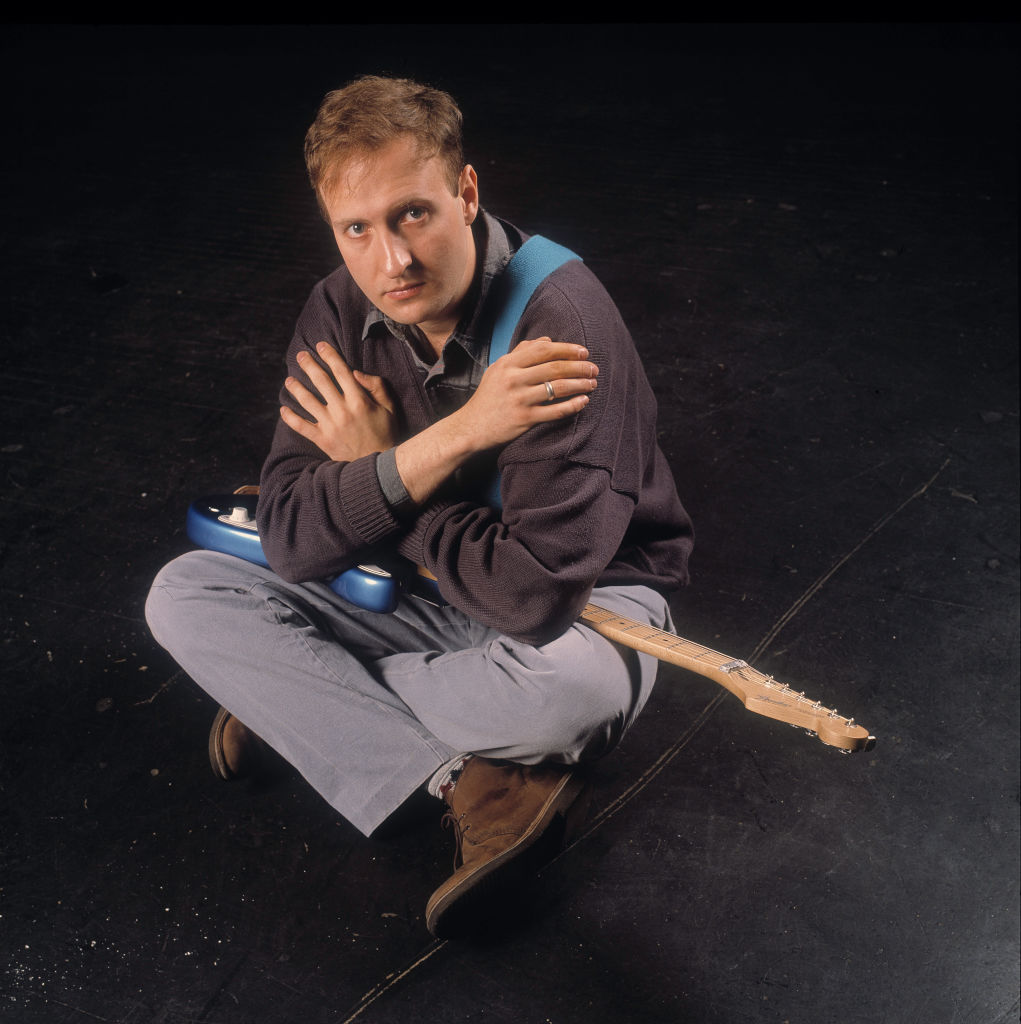
Bob Mould’s Workbook is a striking reinvention – a move away from Hüsker Dü’s blistering noise toward something quieter, more introspective and emotionally raw. Its acoustic‑leaning sound doesn’t soften the intensity; instead, it sharpens the focus on grief, aftermath and rebuilding.
Songs like ‘See a Little Light’ balance vulnerability with resilience, while the album’s spacious production lets Mould’s voice and guitar feel newly exposed. Workbook stands as one of his most powerful statements, a cathartic, beautifully crafted record that proves reinvention can be just as radical as confrontation.
Honourable mention: 10,000 Maniacs – Blind Man’s Zoo
A sombre, politically charged set of songs – Natalie Merchant’s calm delivery sharpening the album’s moral weight as it tackles injustice, war and American contradictions with quietly devastating clarity.
Pics: Getty Images
Top pic: The cover of Peter Gabriel III (aka Melt), 1980


