Few rock songs begin so quietly and end so gloriously.
A subdued vocal, a mournful melody, a few ominous chords – and then, gradually, the guitars take over, building towards a solo that has become one of the most celebrated in rock history.
It sounds like the work of musicians completely in tune with each other. It wasn't.
In fact, the song emerged from one of the most bitter creative arguments of Pink Floyd's The Wall sessions, as Roger Waters and David Gilmour fought over how it should sound. By this stage, the band's internal balance had shifted dramatically. Waters was increasingly determined to control the album's direction, while Gilmour was becoming less willing to accept decisions he disagreed with.
Yet the song they were fighting over would become one of Pink Floyd's most beloved recordings.
Physically present, emotionally detached
The story begins with Gilmour. While making his first solo album in 1978, he recorded a demo of an instrumental piece at Super Bear Studios in France. He liked its chord sequence and melody but had no immediate use for it. When Pink Floyd began work on The Wall, producer Bob Ezrin was keen to prevent the project becoming little more than a Roger Waters solo album. Gilmour played him some of his unused material, including this piece. Ezrin immediately heard its potential.
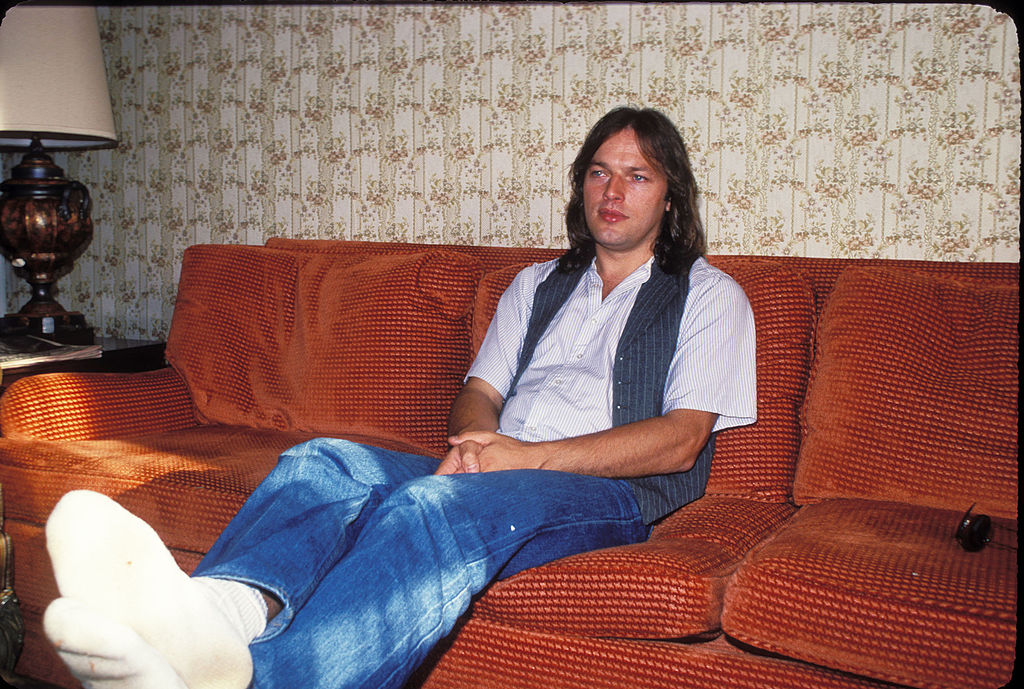
Waters supplied the lyrics, drawing on an intensely personal experience. Before a Pink Floyd concert in Philadelphia in 1977, he had been suffering from illness and was given tranquillisers by a doctor. He performed despite feeling barely able to connect with his surroundings – physically present, but emotionally detached.
That experience became the basis for a song about a performer being medicated before going onstage, drifting into a state of profound numbness.
The track is 'Comfortably Numb'. But its creation was anything but comfortable.
'It was all very English'
The two men disagreed over the backing track and arrangement. Gilmour wanted a harder, more stripped-back rock sound, while Waters and Ezrin favoured a more polished, orchestral approach. They recorded different versions, and neither side was initially prepared to give way.
The disagreement became particularly heated during the Los Angeles sessions. Gilmour and Ezrin had different ideas about how much space the guitars should occupy, while Waters was determined to retain control of the album's overall architecture. The dispute eventually spilled out of the studio and into an Italian restaurant in North Hollywood, where the arguments continued over dinner.
'There was no screaming, though, Ezrin recalled in an interview with Guitar World magazine. 'It was all very English, very direct: "You’re a f*** and you have no reason to live." That sort of cold, head-on English confrontation.'
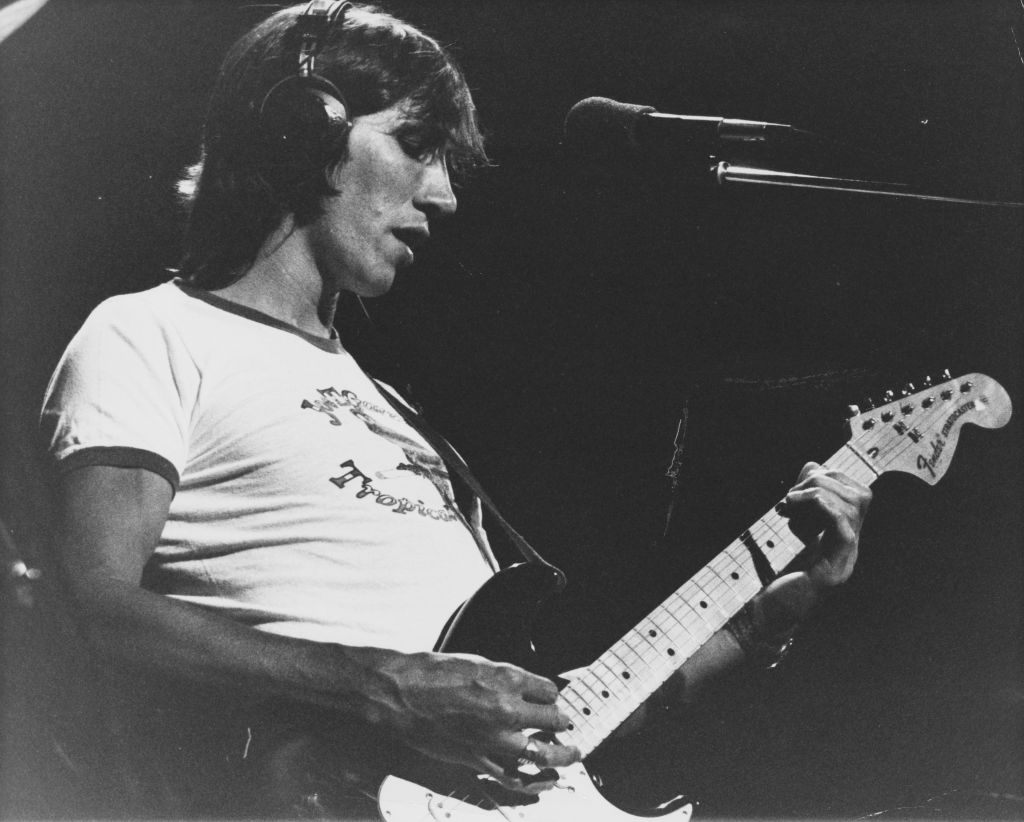
Eventually, they found a compromise. The main body of the song retained the grand, orchestral character Waters and Ezrin wanted, while the ending opened up for Gilmour's guitar. That decision proved inspired.
'I just picked the best bits'
Gilmour's solo wasn't simply captured in one glorious take. As he told Guitar World, 'As far as I remember, I just went out into the studio at Superbear, bunged five or six solos down and then just picked the best bits from each one'. Producer James Guthrie was involved in shaping the finished solo, which became the emotional climax of the track.
The result is remarkable because it sounds like such a perfect synthesis of the two men. Waters provides the bleak psychological narrative: alienation, medication and the inability to connect. Gilmour provides the melody, the atmosphere and finally that soaring guitar release. Ezrin's production binds the two approaches together.
'Last embers'
Yet the irony is that this was happening as Pink Floyd's internal relationships were deteriorating badly.
Waters increasingly saw The Wall as his project. Gilmour was fighting for his own musical instincts. The two men could still produce extraordinary work together, but the process of doing so was becoming increasingly antagonistic.
Gilmour later described 'Comfortably Numb' as one of the 'last embers' of their ability to collaborate. By the time Pink Floyd released The Wall in 1979, the band's future was already becoming uncertain; Waters would eventually leave in 1985, triggering one of rock's most bitter musical disputes.
Which makes the song's history strangely appropriate.
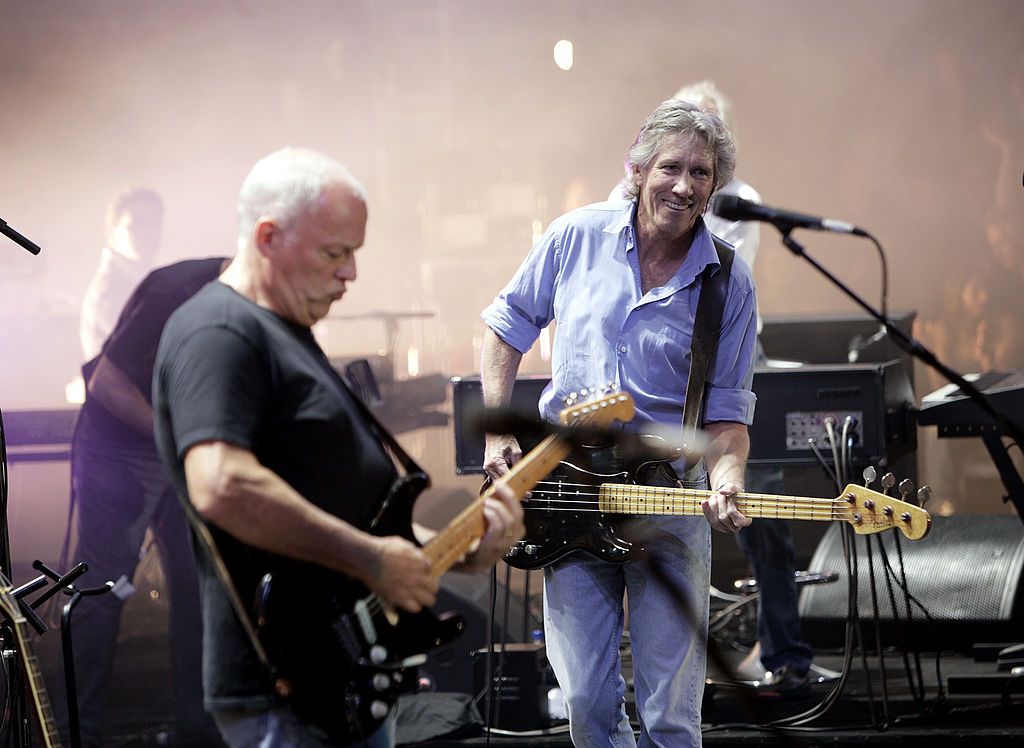
It is a song about two people being unable to connect – created by two musicians who were themselves struggling to communicate. Waters and Gilmour fought over its arrangement, its sound and its balance. Yet somehow, their competing visions produced something greater than either could have achieved alone.
The famous guitar solo sounds like release. But behind it was some fairly bitter arguments.
And perhaps that is the ultimate Pink Floyd paradox: some of their most beautiful music was created when the people making it could barely stand being in the same room.
Pics Getty Images