
If 1971 was the year rock reached for the sky and 1973 was the year everything seemed possible, 1975 was when the decade began to change direction.
The great early-70s albums still cast enormous shadows, but the musical landscape was shifting. Punk was gathering underground momentum, disco was moving into the mainstream, funk was becoming increasingly adventurous, and electronic music was beginning to suggest a very different future.
Meanwhile, established stars were making some of their boldest records: Pink Floyd followed The Dark Side of the Moon with an album about absence and disillusionment, Dylan turned heartbreak into something mysterious, and Led Zeppelin sprawled across two discs. There was room for Springsteen's cinematic rock, Patti Smith's proto-punk poetry, Queen's operatic excess and Kraftwerk's cool electronic experiments.
In retrospect, 1975 feels like a crossroads: classic rock at its peak, but already hearing what came next.
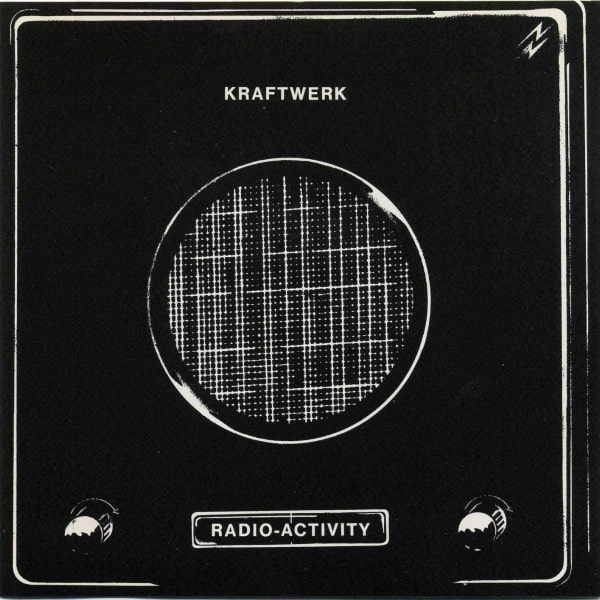
21. Kraftwerk – Radio-Activity
Kraftwerk were still a little way from becoming the robots of The Man-Machine, but Radio-Activity showed where they were heading. The Düsseldorf quartet turned radio signals, electronic pulses and the threat of nuclear technology into something eerie and strangely hypnotic. It sounds primitive now in places, but that homemade quality is part of its charm: the future hadn't quite arrived, and Kraftwerk were busy inventing it.
Key track: Radioactivity
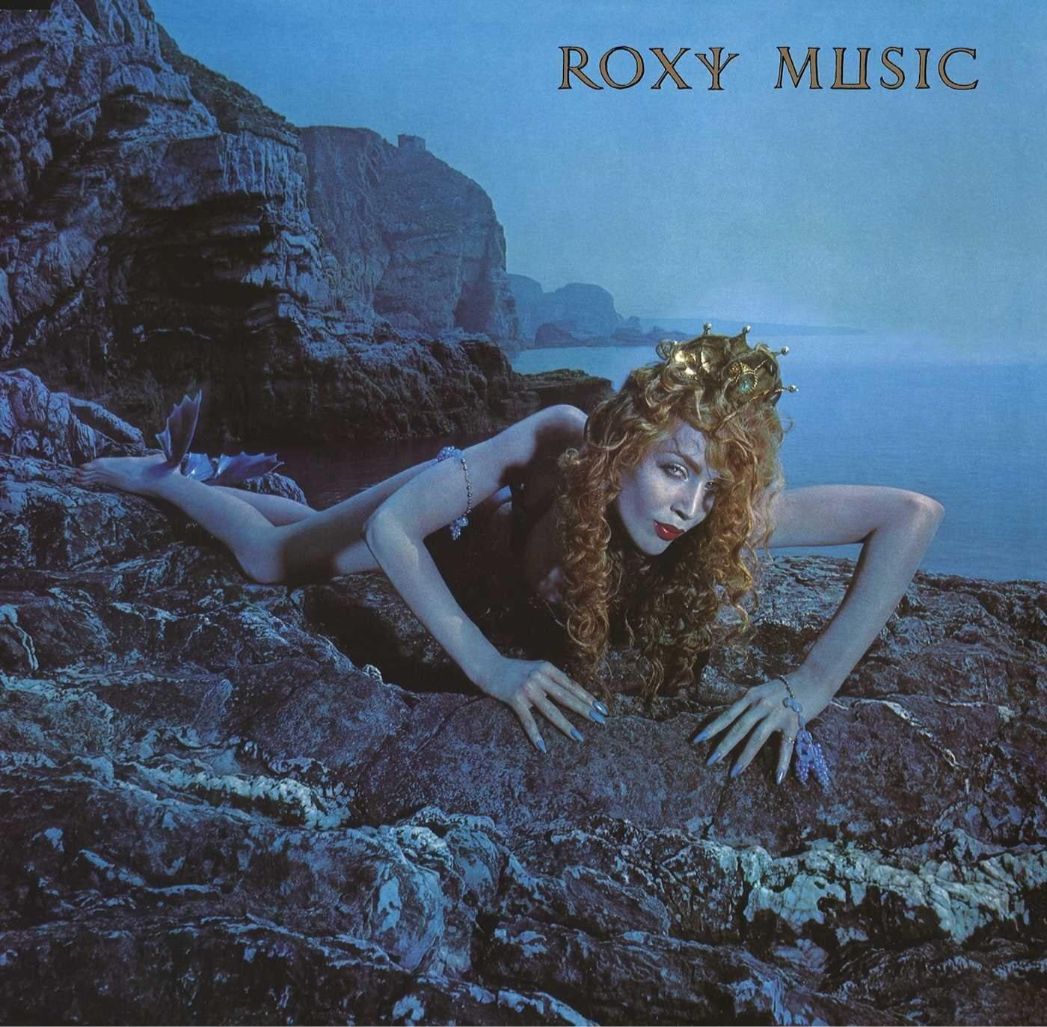
20. Roxy Music – Siren
By their fifth album, Roxy Music had become considerably less strange – which didn't stop them being gloriously stylish. Siren contains ‘Love Is the Drug’, one of Bryan Ferry's most irresistible songs, alongside the dreamy ‘She Sells’ and some typically immaculate arrangements. The experimental edge of the early albums was being polished into something sleeker, but Ferry's fascination with glamour, decadence and romantic disaster remained firmly intact.
Key track: Love is the Drug
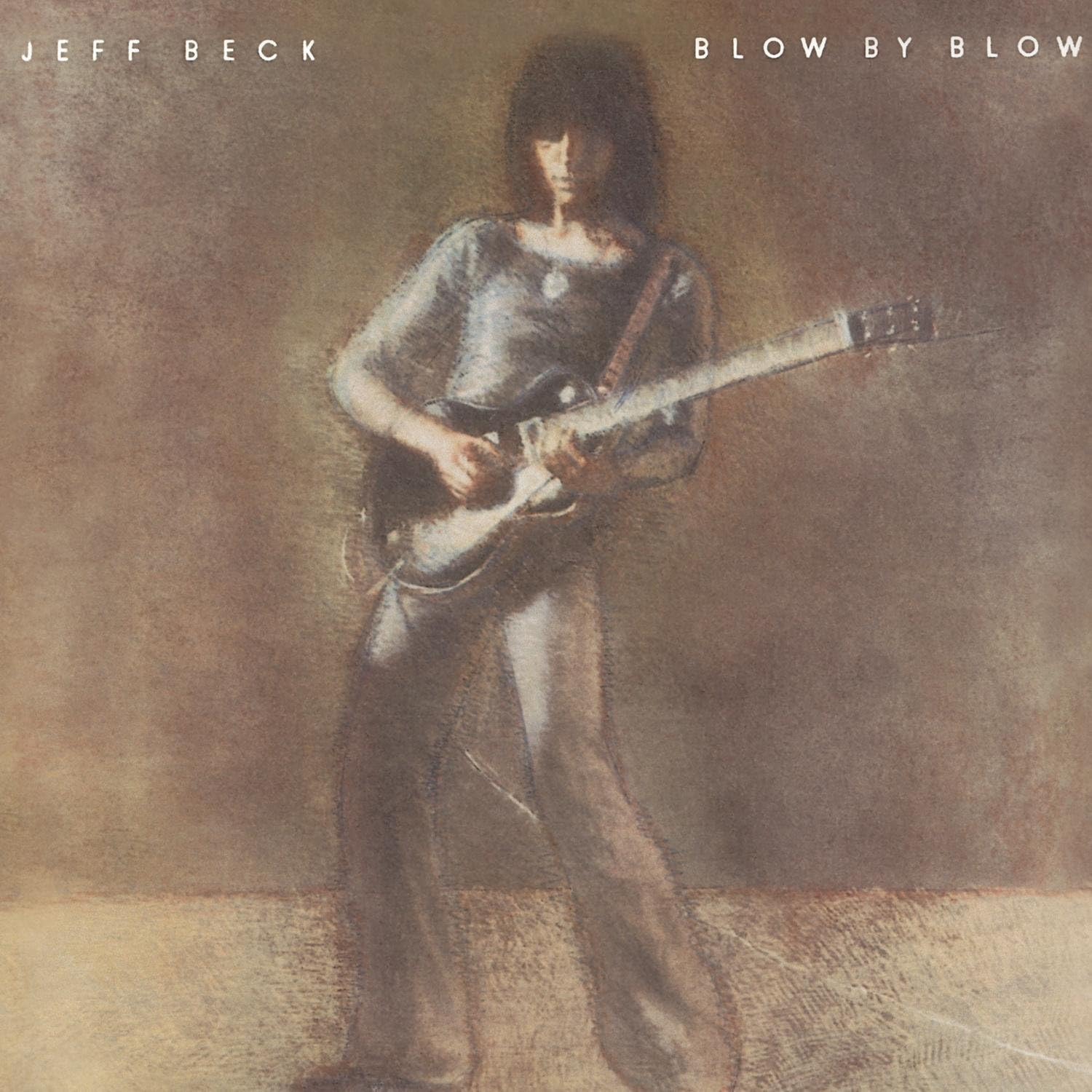
19. Jeff Beck – Blow by Blow
Jeff Beck did something rather remarkable here: he made a largely instrumental guitar album that sounded nothing like an exercise in showing off. With George Martin producing, Beck moved between jazz, funk, rock and delicate balladry, making his guitar sound almost vocal at times. ‘Cause We've Ended as Lovers’ is breathtaking; ‘Freeway Jam’ is pure fun. For a man who had already helped reinvent rock guitar, this was another left turn.
Key track: ‘Cause We've Ended as Lovers’
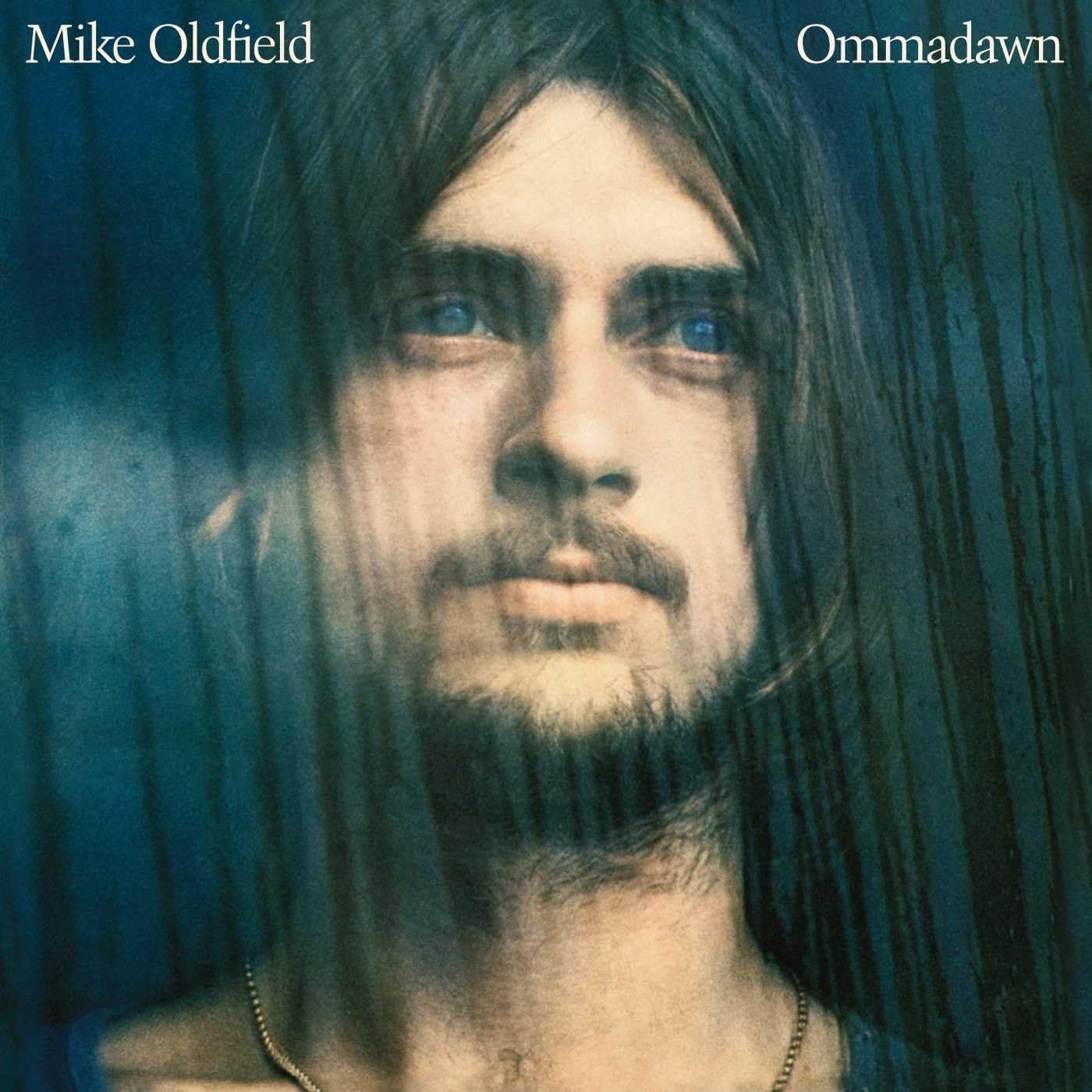
18. Mike Oldfield – Ommadawn
After the phenomenon of Tubular Bells, Mike Oldfield could have played it safe. Instead, Ommadawn pushed his one-man-orchestra approach further into something more earthy and adventurous, blending progressive rock with African and Irish influences. The album's two long pieces unfold patiently, accumulating percussion, guitars, voices and pipes into something hypnotic. It is less immediately iconic than Tubular Bells, but arguably more colourful and musically ambitious.
Key track: ‘Ommadawn – Part One’
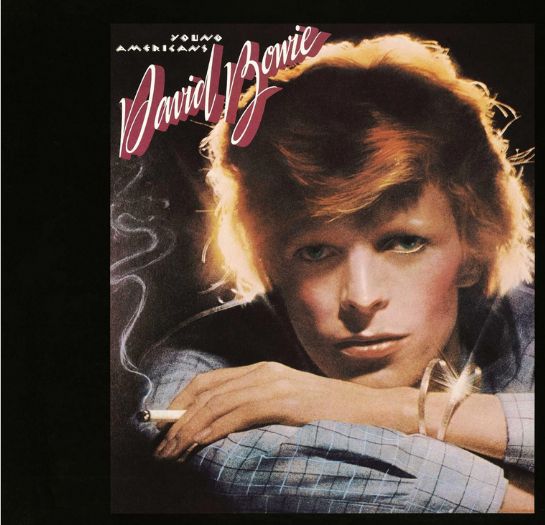
17. David Bowie – Young Americans
Bowie spent much of the 1970s changing identities. In 1975, he crossed the Atlantic and got seriously into American soul. The result was Young Americans, a sleek, funky record populated by some extraordinary musicians – including a young Luther Vandross and, on ‘Fame’, John Lennon. The title track's 'plastic soul' sound was Bowie deliberately trying something new again. Naturally, he made it sound as though he'd invented it.
Key track: 'Young Americans'
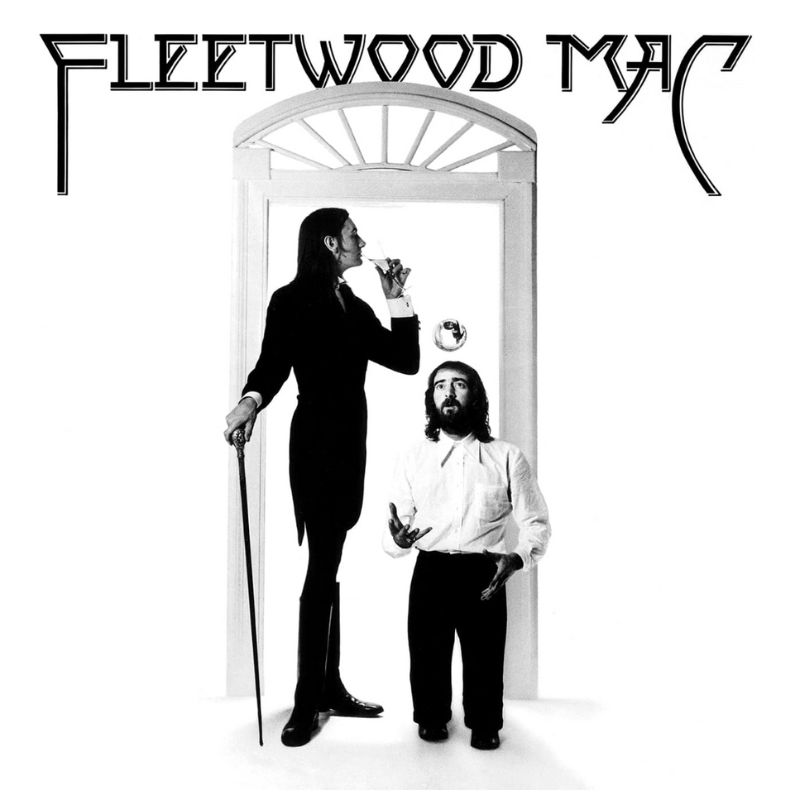
16. Fleetwood Mac – Fleetwood Mac
It's easy to hear this album through the enormous shadow of its 1977 successor Rumours, but Fleetwood Mac were already a remarkably different band by 1975. Lindsey Buckingham and Stevie Nicks had arrived, bringing California sunshine, intricate harmonies and a new songwriting dynamic. ‘Rhiannon’, ‘Landslide’ and ‘Say You Love Me’ showed that the new line-up had arrived almost fully formed. The old blues band was about to become one of America's biggest rock groups.
Key track: 'Rhiannon'
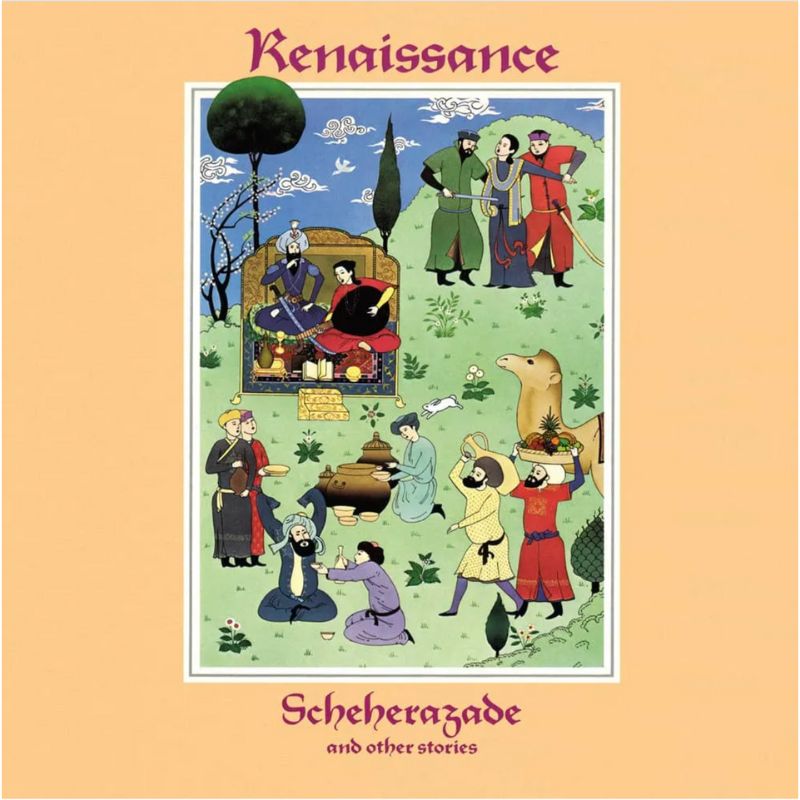
15. Renaissance – Scheherazade and Other Stories
Renaissance took prog rock somewhere unusually graceful. Built around Annie Haslam's extraordinary voice, lush arrangements and the London Symphony Orchestra, Scheherazade turns medieval imagery and classical grandeur into something genuinely romantic rather than merely bombastic. The title suite is the obvious centrepiece, although it isn't actually a rock version of Rimsky-Korsakov's Scheherazade. For many listeners, this was Renaissance at their majestic best.
Key track: ‘Song of Scheherazade’
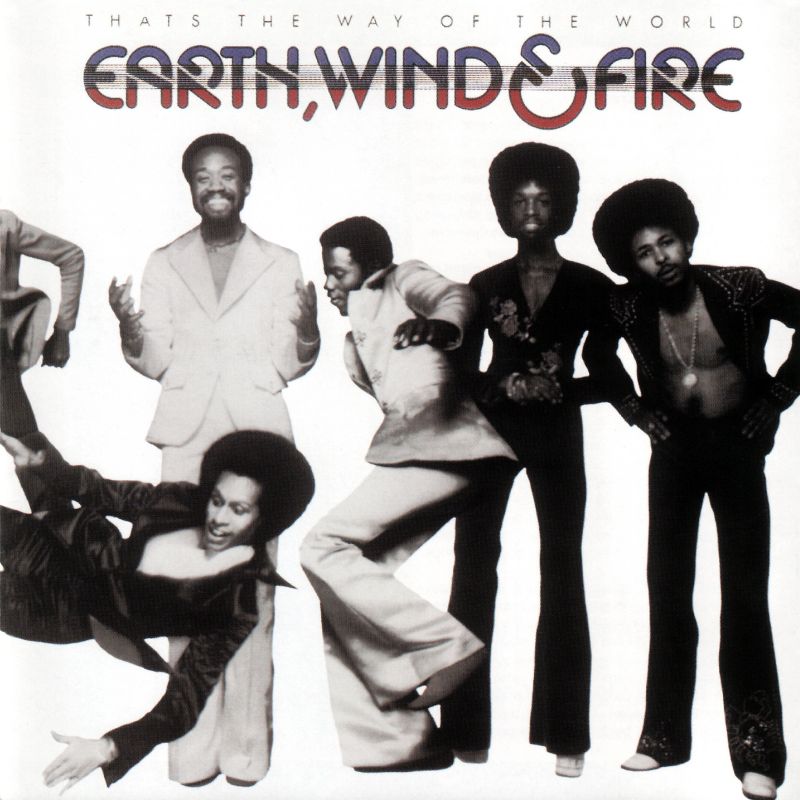
14. Earth, Wind & Fire – That's the Way of the World
There are albums that make you admire a band, and albums that make you wonder how on earth they are managing to sound this good. That's the Way of the World belongs to the second category. ‘Shining Star’ is the obvious knockout, but the album's real strength is its range: funk, soul, jazz, pop and spiritual music all coexist without sounding forced. Earth, Wind & Fire had found a formula that somehow made sophistication feel joyous.
Key track: 'Shining Star'
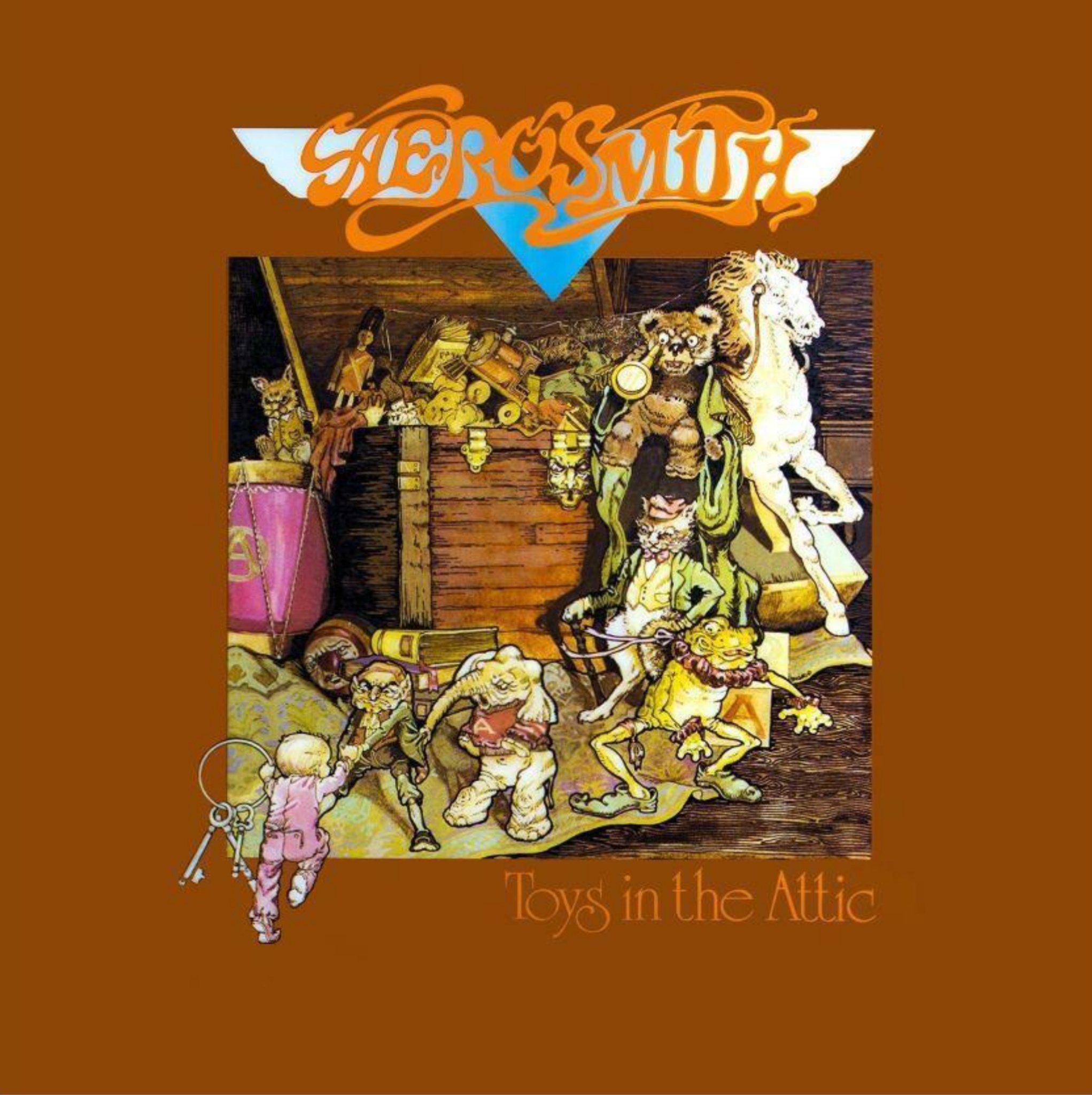
13. Aerosmith – Toys in the Attic
By 1975 Aerosmith had the songs, the attitude and, increasingly, the swagger. Toys in the Attic was where the whole package really clicked. ‘Sweet Emotion’ and ‘Walk This Way’ became staples, but the album is packed with the kind of greasy, riff-heavy rock that made Steven Tyler and Joe Perry such a potent combination. They sounded dangerous without needing to pretend very hard.
Key track: 'Sweet Emotion'
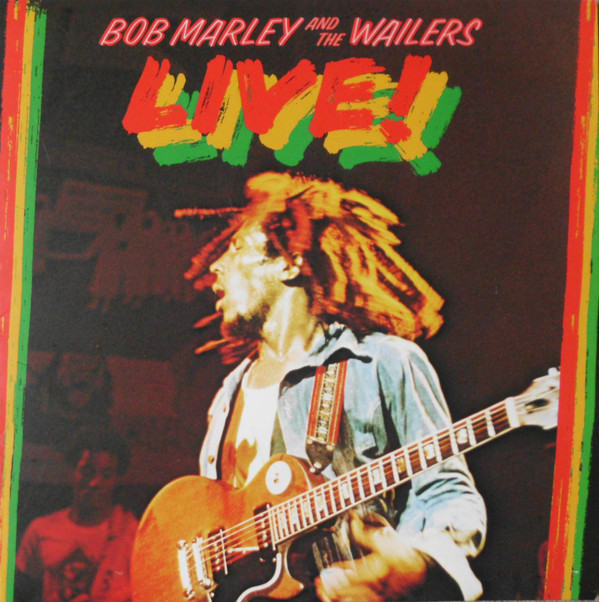
12. Bob Marley & The Wailers – Live!
Recorded at London's Lyceum Theatre in July 1975, Live! captures Bob Marley and The Wailers turning roots reggae into something communal, urgent and utterly infectious. ‘No Woman, No Cry’ became the emotional centrepiece, but the whole performance has a sense of momentum that studio recordings can't quite reproduce. Contemporary British critics clearly noticed: Live! featured prominently in the 1975 Music Week press poll.
Key track: ‘No Woman, No Cry (Live)’
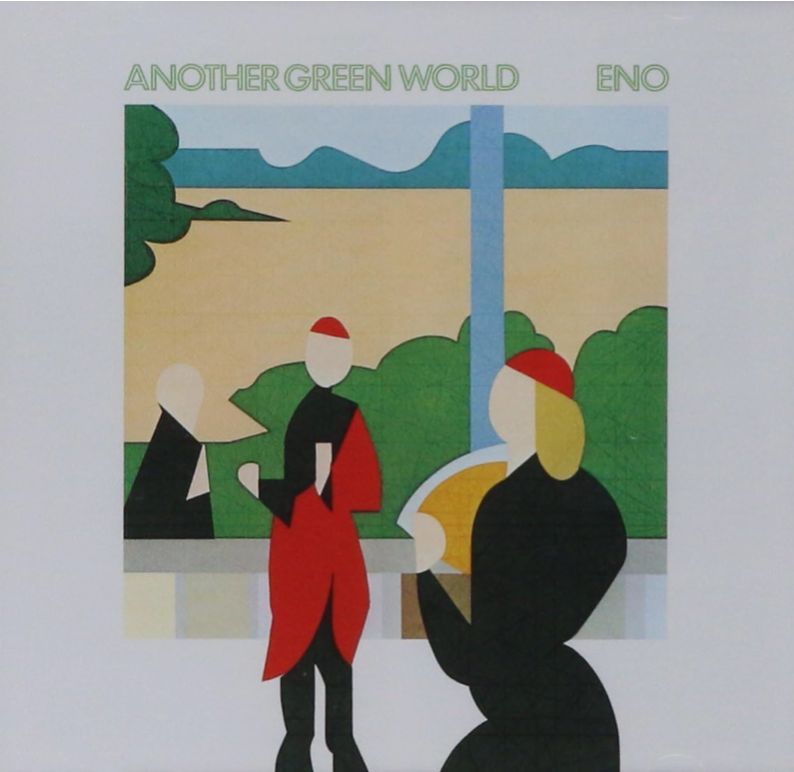
11. Brian Eno – Another Green World
With Another Green World, Brian Eno moved further away from conventional rock without abandoning its possibilities. Proper songs such as the shimmering ‘St. Elmo’s Fire’ sit alongside brief, dreamlike instrumentals whose textures seem to float rather than progress. Robert Fripp contributes some extraordinary guitar, but the real breakthrough is Eno's sense of atmosphere: this is music that seems to exist somewhere between rock, electronics, ambient music and a half-remembered dream.
Key track: 'The Big Ship'
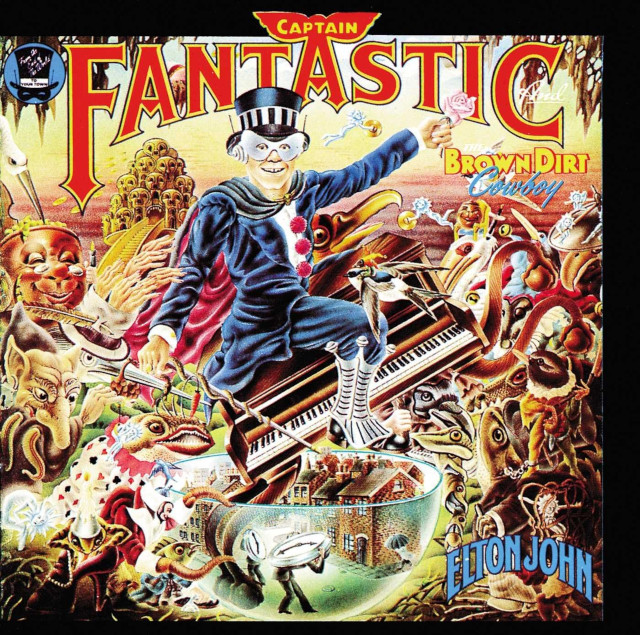
10. Elton John – Captain Fantastic and the Brown Dirt Cowboy
Elton John and Bernie Taupin looked back on their rise from struggling young songwriters to rock royalty, making Captain Fantastic unusually personal for an Elton John album. The songs are packed with memories, ambition and self-mythology, but the music remains gloriously big and melodic. It became the first album ever to debut at No. 1 on the US Billboard 200, confirming just how enormous Elton had become.
Key track: ‘Someone Saved My Life Tonight’
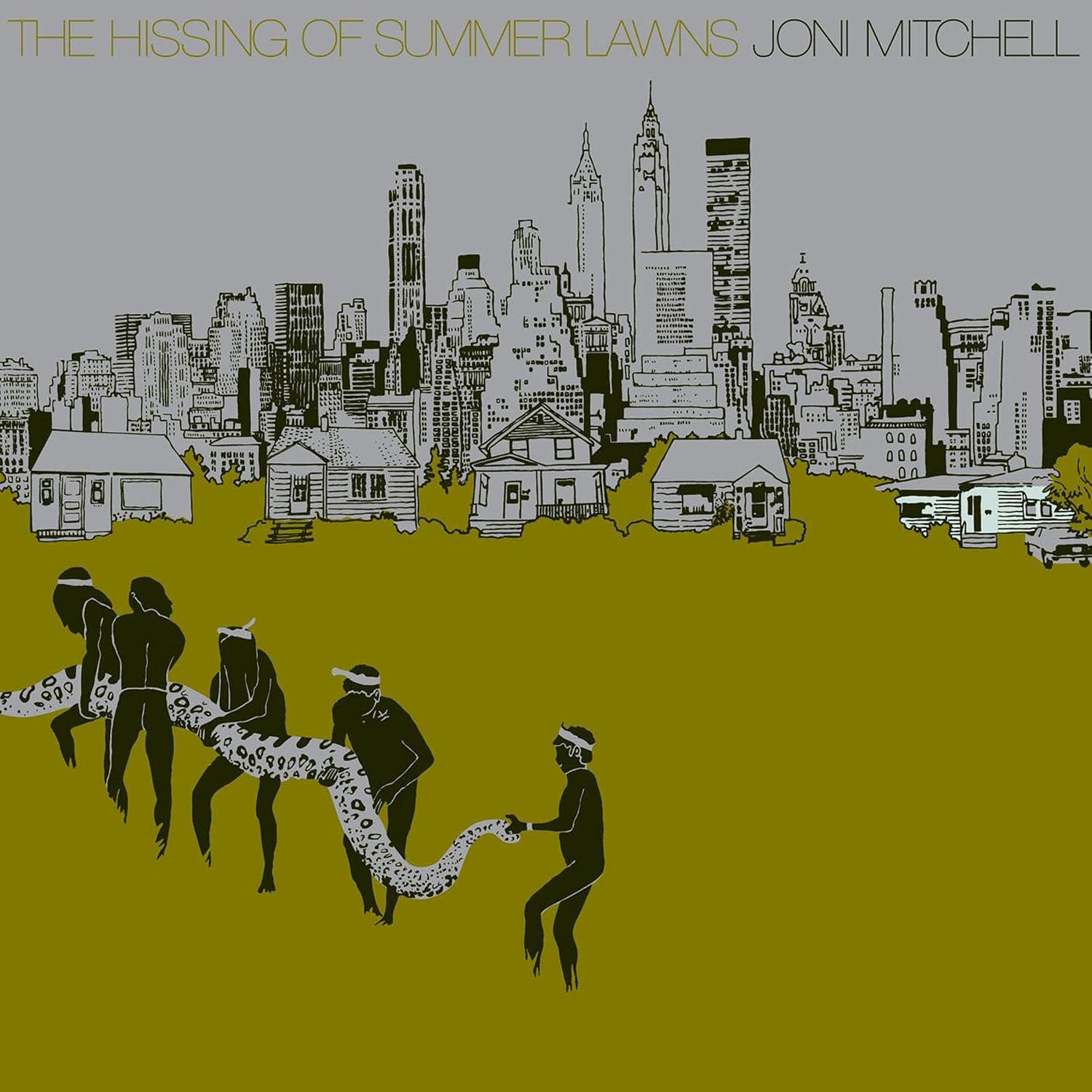
9. Joni Mitchell – The Hissing of Summer Lawns
Joni Mitchell was already moving beyond the confessional singer-songwriter template when she made The Hissing of Summer Lawns. African rhythms, jazz musicians and intricate arrangements sit beneath songs examining suburban privilege, relationships and alienation. It can feel elusive beside Blue or Court and Spark, but that complexity is precisely its attraction. Mitchell was no longer simply writing songs about herself; she was building entire worlds around them.
Key track: 'The Jungle Line'
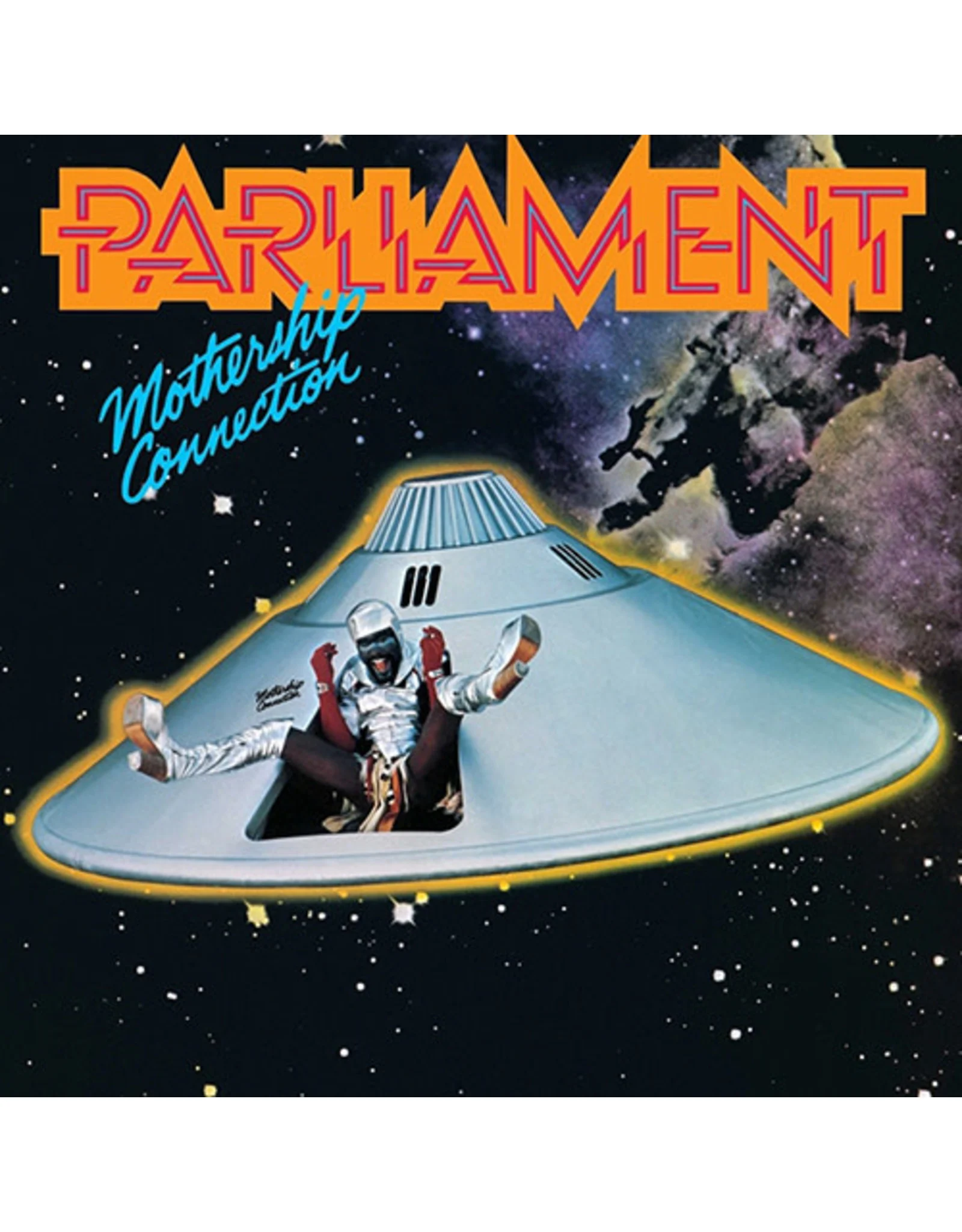
8. Parliament – Mothership Connection
George Clinton's great trick was to make funk feel as though it had arrived from another planet. Mothership Connection is full of spaceships, aliens, cosmic mythology and some extraordinarily deep grooves. ‘P. Funk’ and ‘Give Up the Funk’ are irresistible, but the album's importance goes beyond individual songs. Parliament were creating an entire musical universe – flamboyant, funny, politically and culturally charged, and unmistakably their own.
Key track: 'Give Up the Funk (Tear the Roof Off the Sucker)'
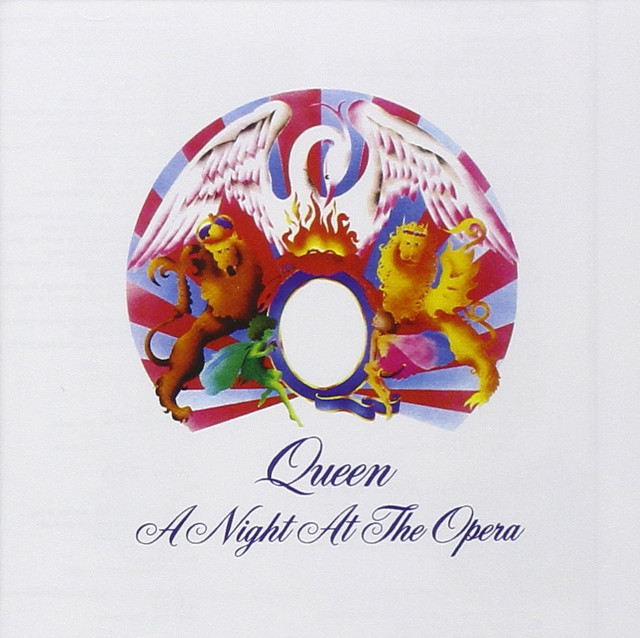
7. Queen – A Night at the Opera
Queen had never been a band to worry about excess, but A Night at the Opera took the idea to another level. Heavy rock, vaudeville, ballads, opera and four-part harmonies are crammed together with an almost reckless confidence. Then came ‘Bohemian Rhapsody’. It was absurdly ambitious, expensive and difficult to reproduce live – and became a huge hit anyway. Few albums better capture Queen at their most gloriously over-the-top.
Key track: 'Bohemian Rhapsody'
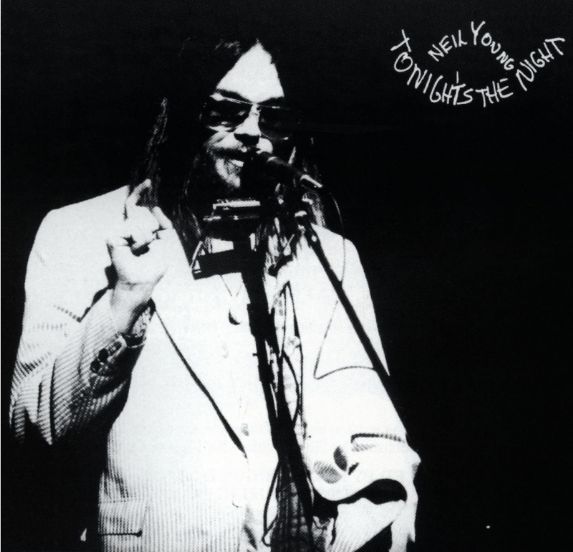
6. Neil Young – Tonight's the Night
Neil Young wasn't exactly in the mood for polish. Recorded after the deaths of Danny Whitten and Bruce Berry, Tonight's the Night sounds bruised, loose and occasionally on the verge of falling apart. That was the point. Young wanted the grief left in the recording rather than tidied away in the studio. Rejected by his record company and shelved for two years, it finally emerged in 1975 sounding like one of rock's most painfully honest albums.
Key track: 'Tonight's the Night - Part 1'
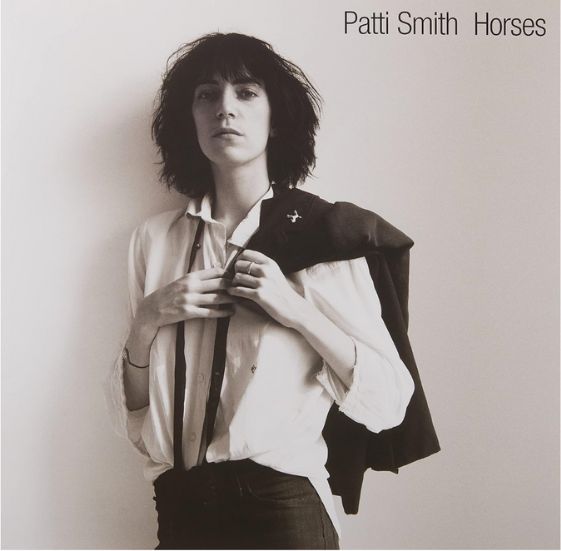
5. Patti Smith – Horses
‘Jesus died for somebody's sins but not mine.’ With that opening line, Patti Smith announced that the old rules were about to be rewritten. Horses fused poetry, garage rock, blues, punk attitude and art-school experimentation into something that felt both primitive and sophisticated. Smith wasn't simply making a rock album; she was expanding the idea of what a rock performer could be. Its influence on punk and alternative music was enormous.
Key track: 'Gloria'
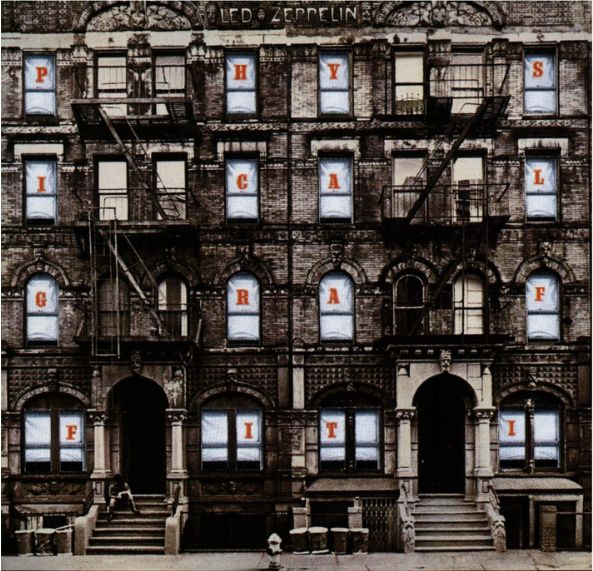
4. Led Zeppelin – Physical Graffiti
By 1975, Led Zeppelin had earned the right to indulge themselves. And indulge they did. Physical Graffiti sprawls across two records, taking in hard rock, blues, acoustic folk, funk and psychedelia. ‘Kashmir’ is the towering centrepiece, but the album is full of other remarkable detours, from the swagger of ‘Trampled Under Foot’ to the aching ‘Ten Years Gone’. Zeppelin weren't simply making another great rock album. They were building their own world.
Key track: 'Kashmir'
1975 albums: the top 3
3. Bruce Springsteen – Born to Run
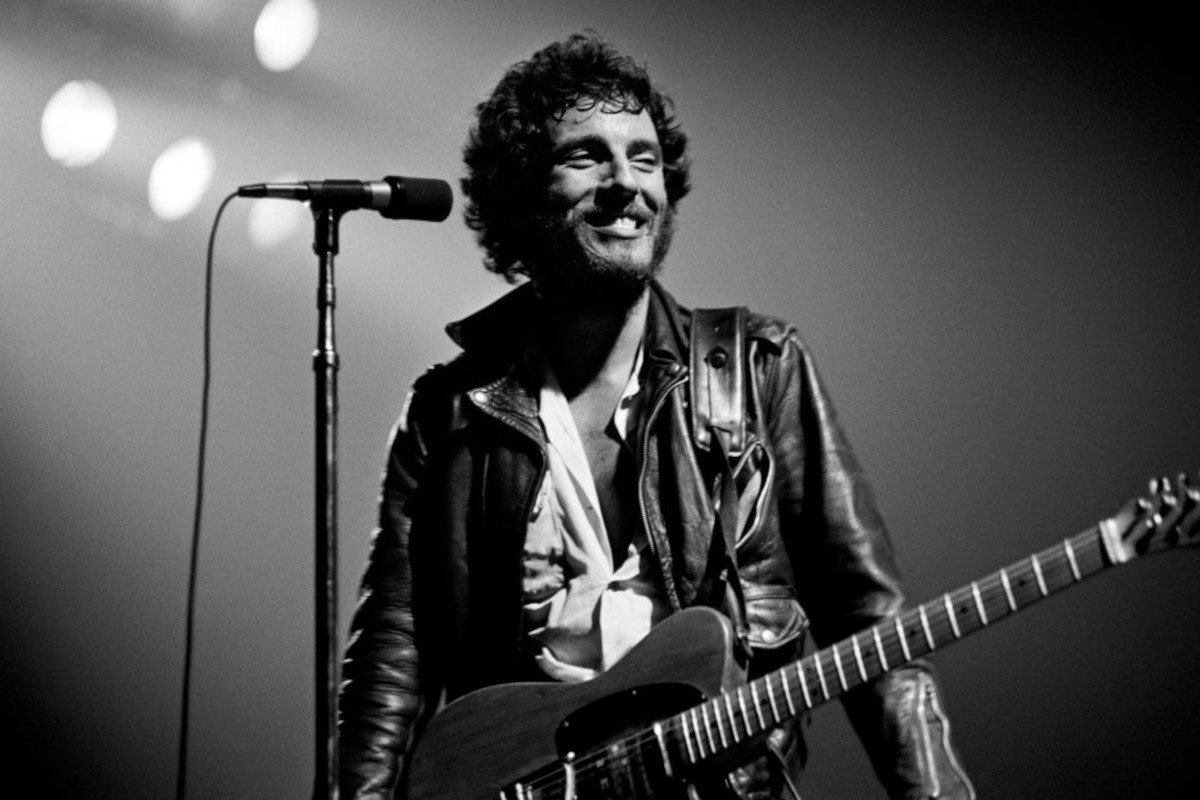
Springsteen had spent years being told he was the future of rock. Born to Run was the record that finally made the promise real. Grand, romantic and almost absurdly cinematic, it fills its songs with highways, desperate lovers, escape fantasies and characters trying to outrun their circumstances.
Springsteen had pushed himself and his band relentlessly in the studio, obsessing over every detail until the songs sounded enormous without losing their urgency. The title track, ‘Thunder Road’ and ‘Jungleland’ transformed him from cult hero into a major American rock star.
Key track: 'Born to Run'
2. Pink Floyd – Wish You Were Here
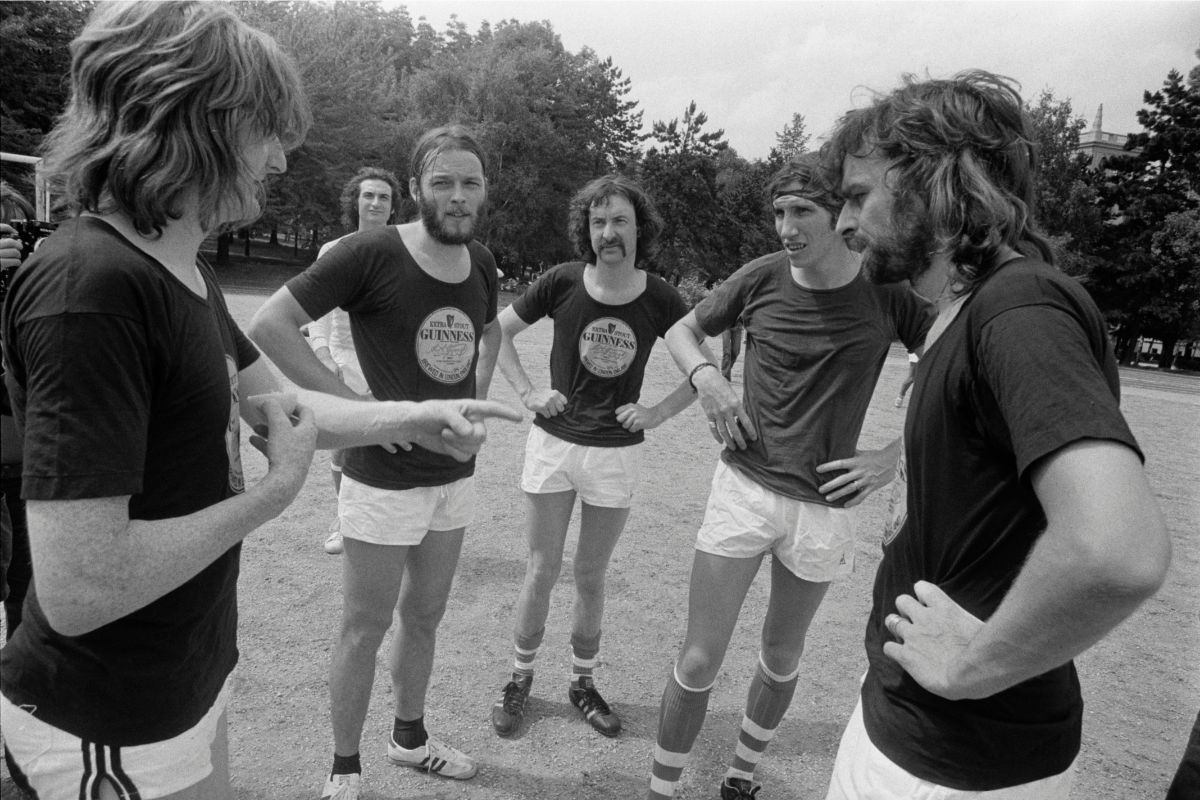
After The Dark Side of the Moon, Pink Floyd could have simply made another huge-sounding rock album. Instead, they made one about absence, disillusionment and the price of success. Syd Barrett's shadow hangs over Wish You Were Here, most powerfully in the extraordinary ‘Shine On You Crazy Diamond’, while ‘Welcome to the Machine’ and ‘Have a Cigar’ take aim at the machinery of the music business.
There was a bitter irony here: Pink Floyd had become one of the biggest bands in the world, yet were increasingly uneasy about what that success meant. Then came ‘Wish You Were Here’, turning all that distance and regret into four of the simplest words in rock. Beautiful, expansive and quietly unsettling, this was Pink Floyd at their most emotionally elusive.
Key track: 'Shine On You Crazy Diamond' (Parts I-V)'
1. Bob Dylan – Blood on the Tracks
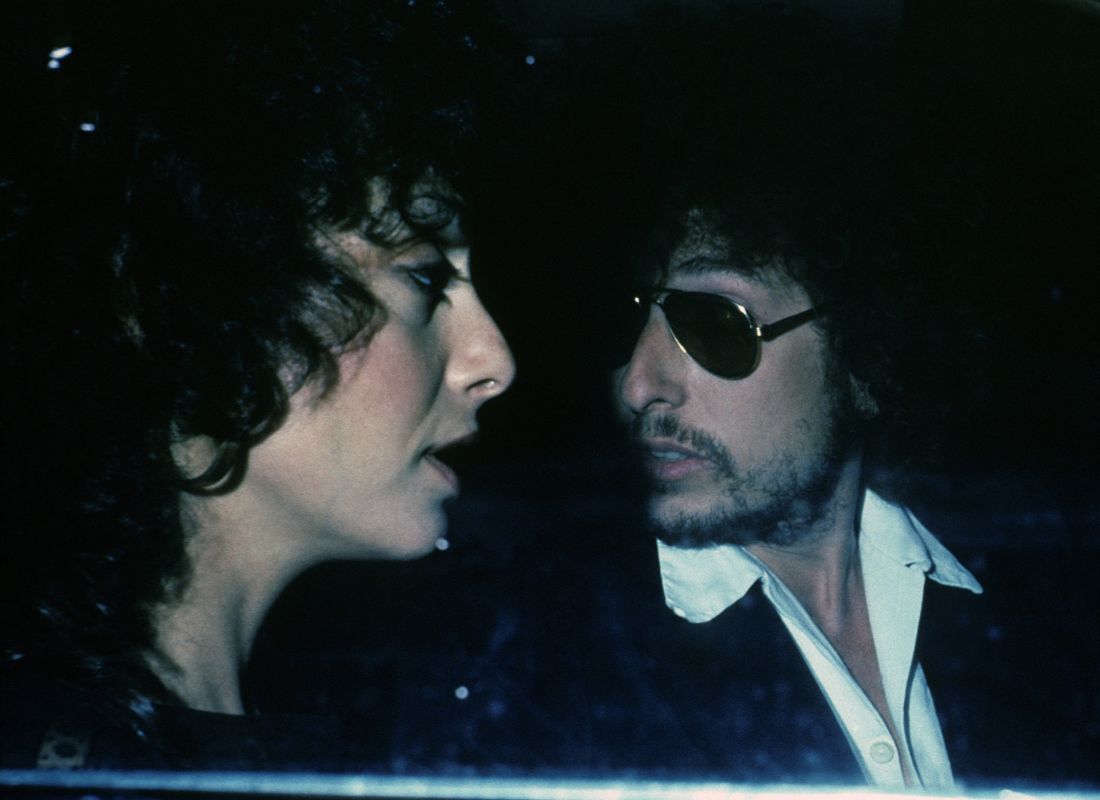
Dylan took the raw material of heartbreak and turned it into something far stranger and more enduring. Blood on the Tracks is often treated as a diary of the breakdown of his marriage, but Dylan himself later resisted such a straightforward reading.
Perhaps that ambiguity is part of its power. ‘Tangled Up in Blue’, ‘Simple Twist of Fate’ and ‘Shelter from the Storm’ shift between memory, accusation, tenderness and regret as if the narrator can't quite decide which version of the past is true. Even when the songs seem intensely personal, they keep slipping beyond autobiography into something universal: the way memories change, relationships fracture and people rewrite their own histories.
Dylan wasn't simply documenting heartbreak. He was turning it into a maze of shifting perspectives, where nothing is quite as settled as it first appears.
Key track: 'Tangled Up in Blue’


