In popular memory, 1977 is usually remembered in one of two ways.
We look back and see this as either the year punk exploded... or the year disco conquered the world. In Britain, the image might be a safety pin and a sneer; in America, perhaps a glittering dance floor and the opening bars of Saturday Night Fever. Both are accurate – but neither tells the whole story.
Because look at what else was happening. Fleetwood Mac was turning heartbreak into immaculate pop, Steely Dan was pushing studio perfectionism to extraordinary lengths, and Bob Marley was making reggae a global force. Kraftwerk was pointing towards the electronic future, David Bowie was reinventing the possibilities of art rock, and Television was making punk-adjacent music sound like something from another planet.
From CBGB to Studio 54, from disco and funk to reggae, prog, electronic music and avant-rock, 1977 was a gloriously strange collision of sounds and ideas. Punk and disco may have defined its popular image, but the albums tell a much more captivating story.
The best 1977 albums
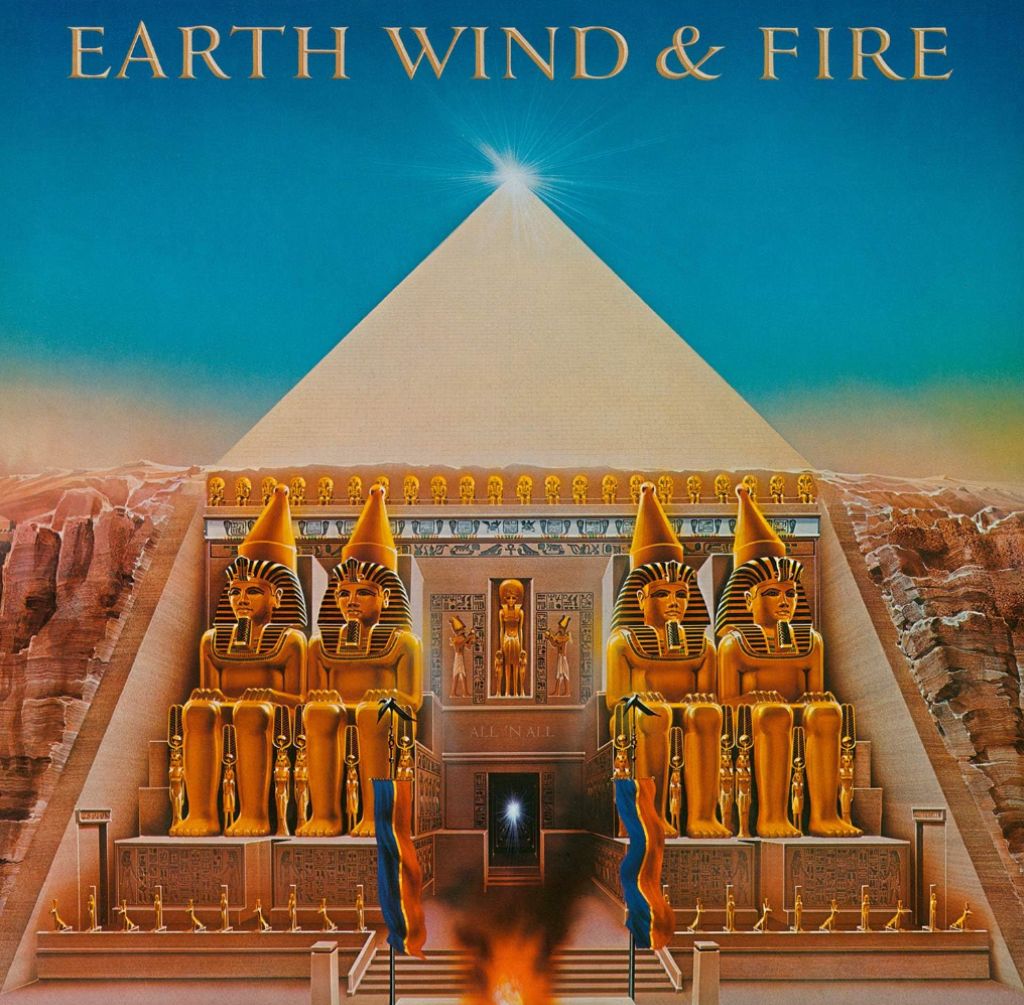
25. Earth, Wind & Fire – All 'n All
All 'n All is the definitive statement of Earth, Wind & Fire’s 'cosmic funk' era. Maurice White merged Egyptian mysticism with sophisticated jazz-fusion and driving disco, creating a spiritual, high-gloss masterpiece. From the intricate vocal arrangements of 'Fantasy' to the explosive brass on 'Jupiter', the album showcased a band at their technical and creative peak, proving that funk could be both musically complex and globally accessible.
Key Track: Fantasy
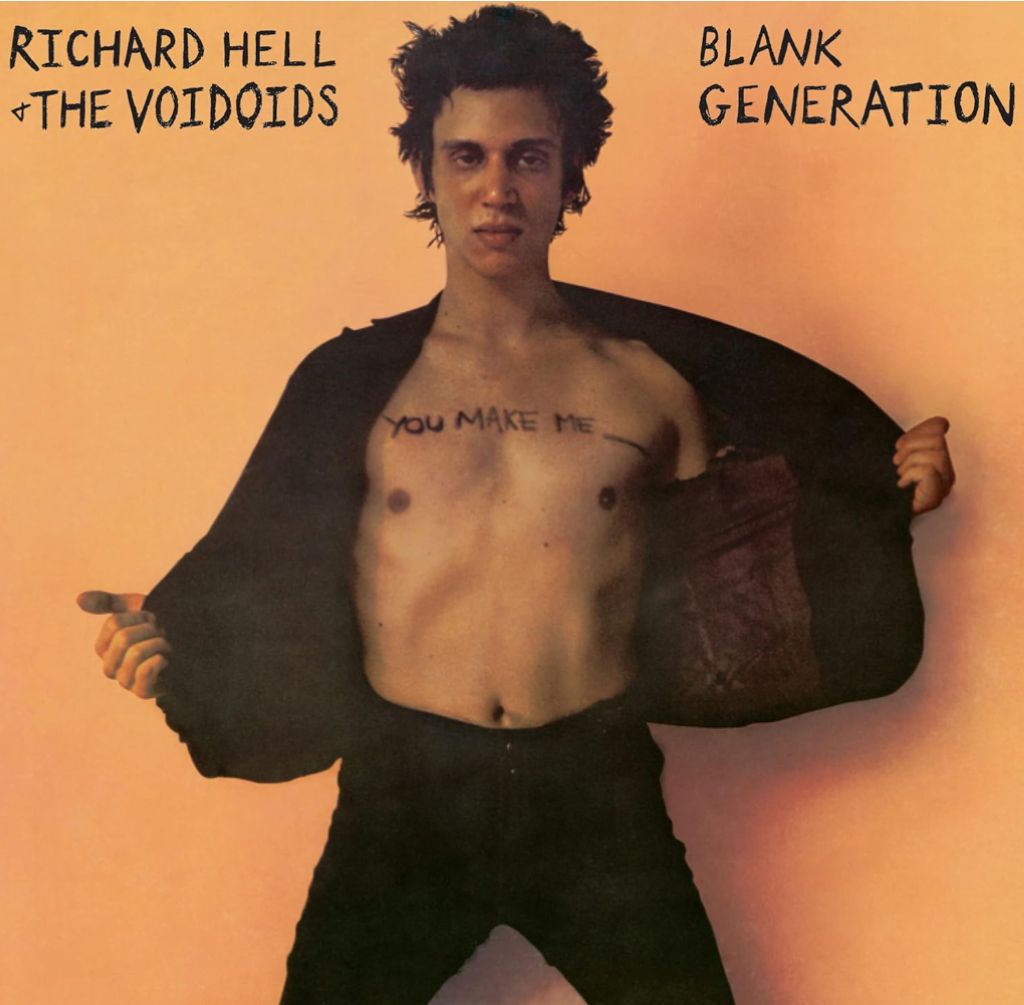
24. Richard Hell & The Voidoids – Blank Generation
If 1977 punk had a poet laureate of the gutter, it was Richard Hell. Blank Generation is a jagged, intellectual, and rhythmically complex record that sounds nothing like the 'three-chord' stereotypes of the era. Robert Quine’s innovative, dissonant guitar work remains some of the most influential in the history of alternative rock. The album is a jittery, self-aware document of New York City’s nihilism, delivered with a fashion sense and lyrical bite that influenced everyone from Malcolm McLaren to the post-punk movement that would follow just a year later.
Key Track: Blank Generation
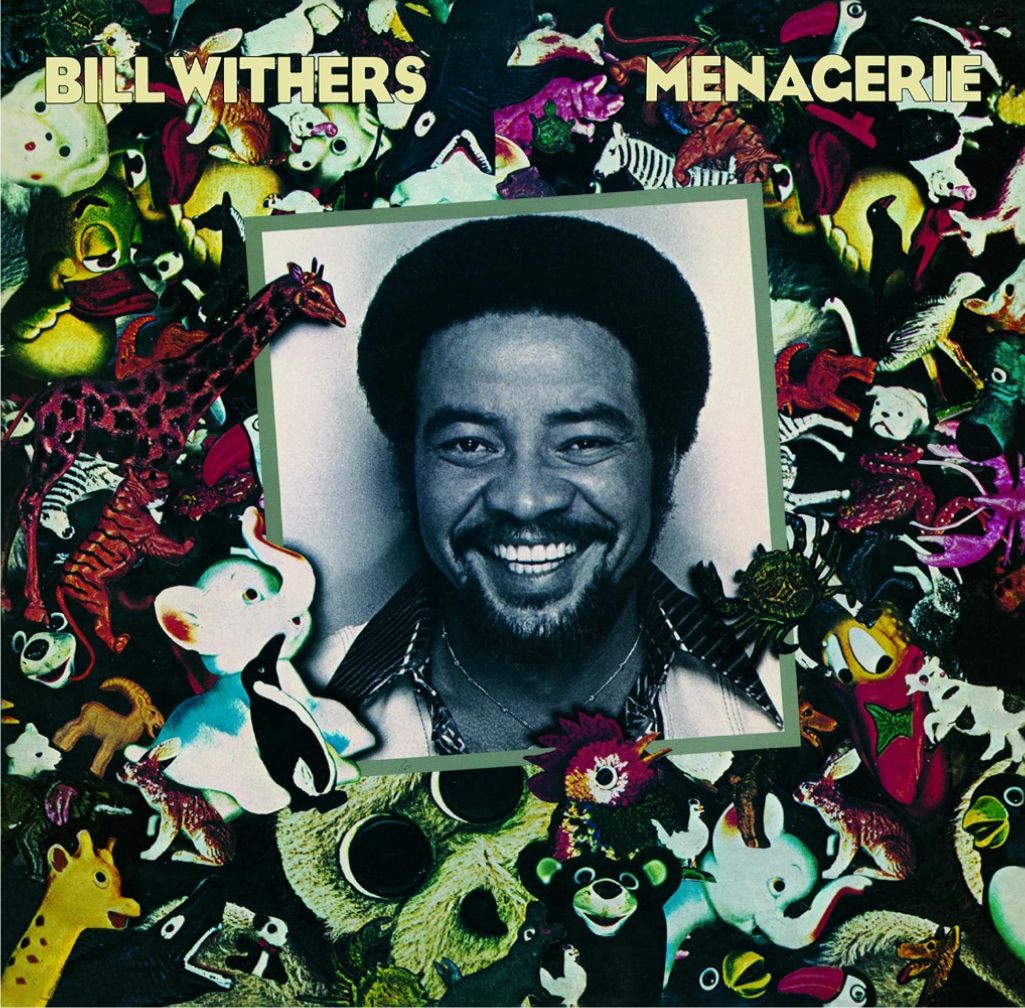
23. Bill Withers – Menagerie
Bill Withers had an uncanny ability to make the profound feel conversational. Menagerie is a warm, funky, and impeccably produced slice of 70s soul. It features a more 'uptempo' feel than his earlier, sparser work, leaning into the light-funk textures of the late Seventies. Withers’ voice is a comforting, soulful anchor throughout, tackling themes of domestic bliss and urban life with his signature honesty. It’s an album that feels like a humid afternoon in the city, proving that soul music didn't need pyrotechnics to be deeply moving and rhythmically infectious.
Key Track: Lovely Day
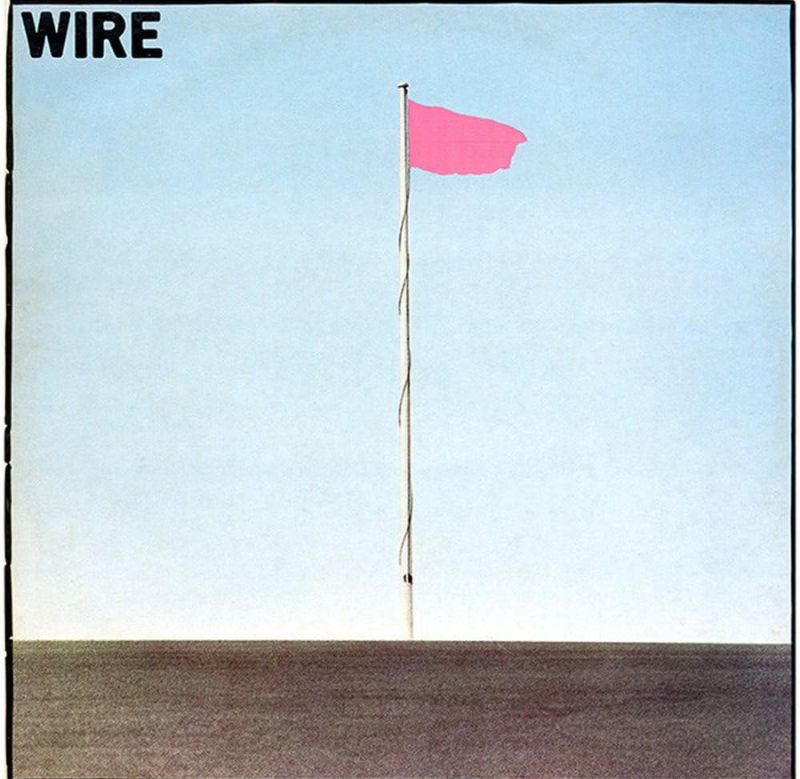
22. Wire – Pink Flag
The debut LP from art punkers Wire stripped punk down to its molecular level. While peers leaned into stadium-sized anthems, Wire delivered 21 tracks of minimalist precision, some lasting less than a minute. By removing all 'rock' artifice –solos, choruses, and wasted breath – they created a jagged, conceptual masterpiece. Pink Flag wasn’t just a punk record; it was the birth of post-punk, proving that brevity and structural discipline could be far more radical than volume.
Key Track: 1 2 X U
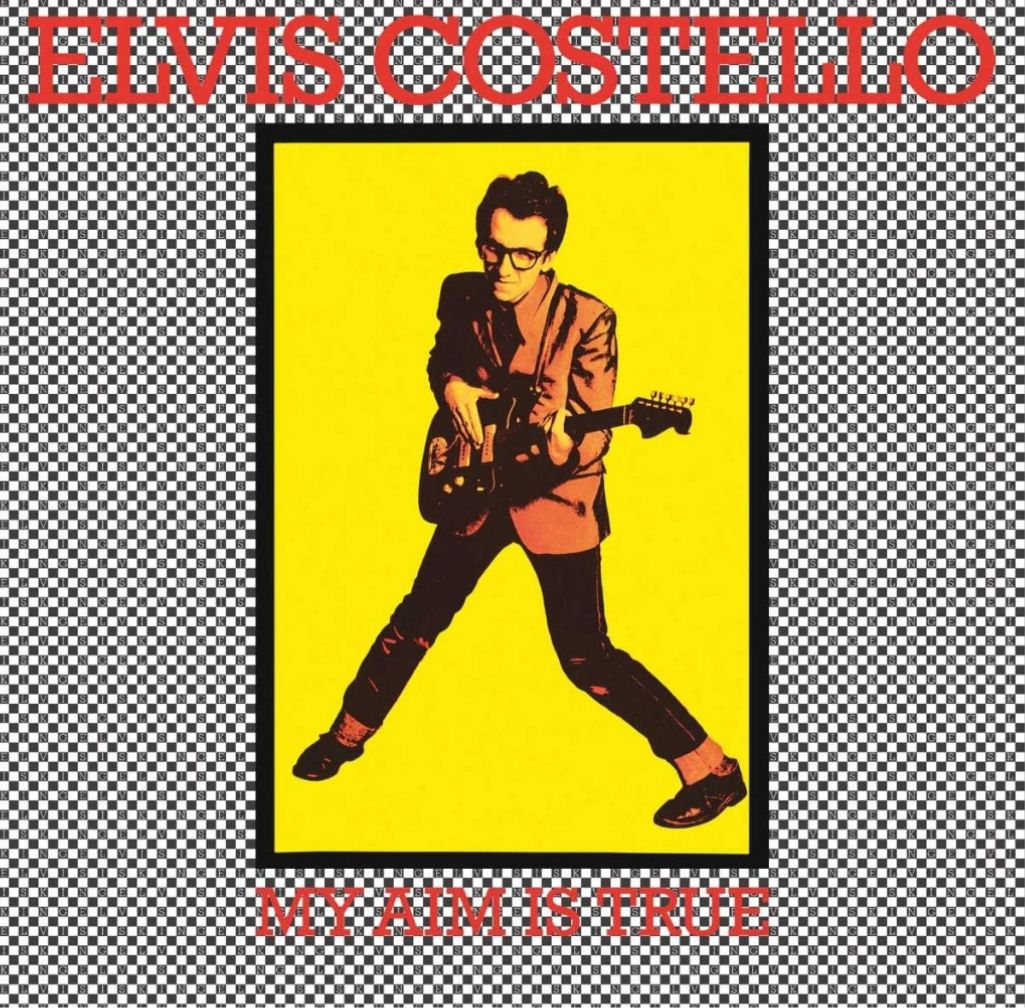
21. Elvis Costello – My Aim Is True
Costello arrived as the "angry young man" of the New Wave, blending the snarl of punk with the sophisticated songwriting of Buddy Holly and the Brill Building. Produced by Nick Lowe and backed by the band Clover, his debut is a lean, biting collection of songs about revenge, guilt, and sexual frustration. Costello’s wordplay was lightyears ahead of his peers, and his ability to pack complex emotions into two-minute pop nuggets was startling. It signalled the moment that punk’s energy was beginning to be harnessed by a new breed of literate, melodic songwriters.
Key Track: Alison
20. Brian Eno – Before and After Science
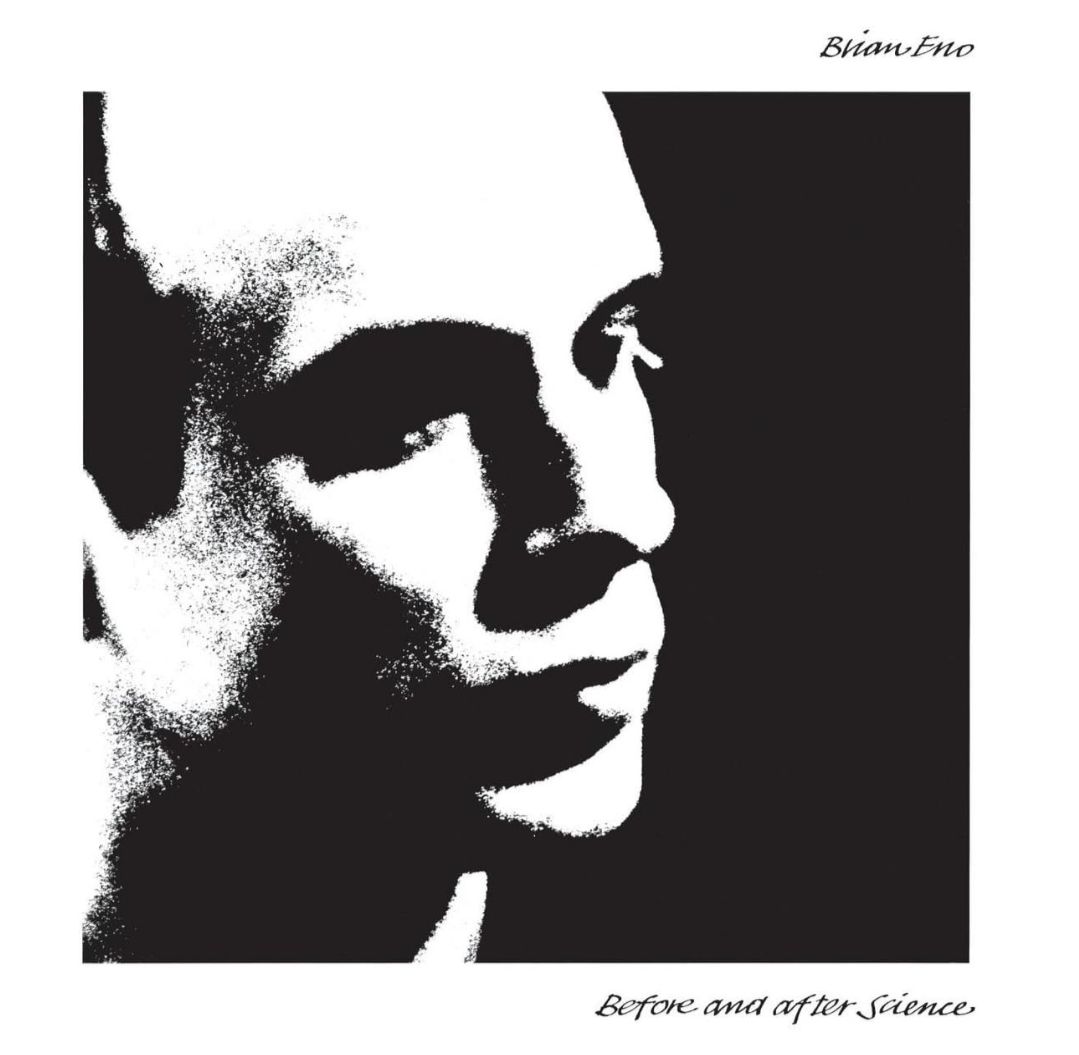
Before and After Science is the ultimate bridge between Brian Eno’s art-pop past and his ambient future. The album is a masterpiece of two halves: 'Before' features jagged, hyper-rhythmic 'propulsion' tracks, while 'After' dissolves into serene, pastoral soundscapes. By merging precision-engineered funk with ethereal textures, Eno perfected the studio-as-instrument approach, creating a visionary template for the experimental pop and ambient movements of the 1980s.
Key Track: By This River
19. Muddy Waters – Hard Again
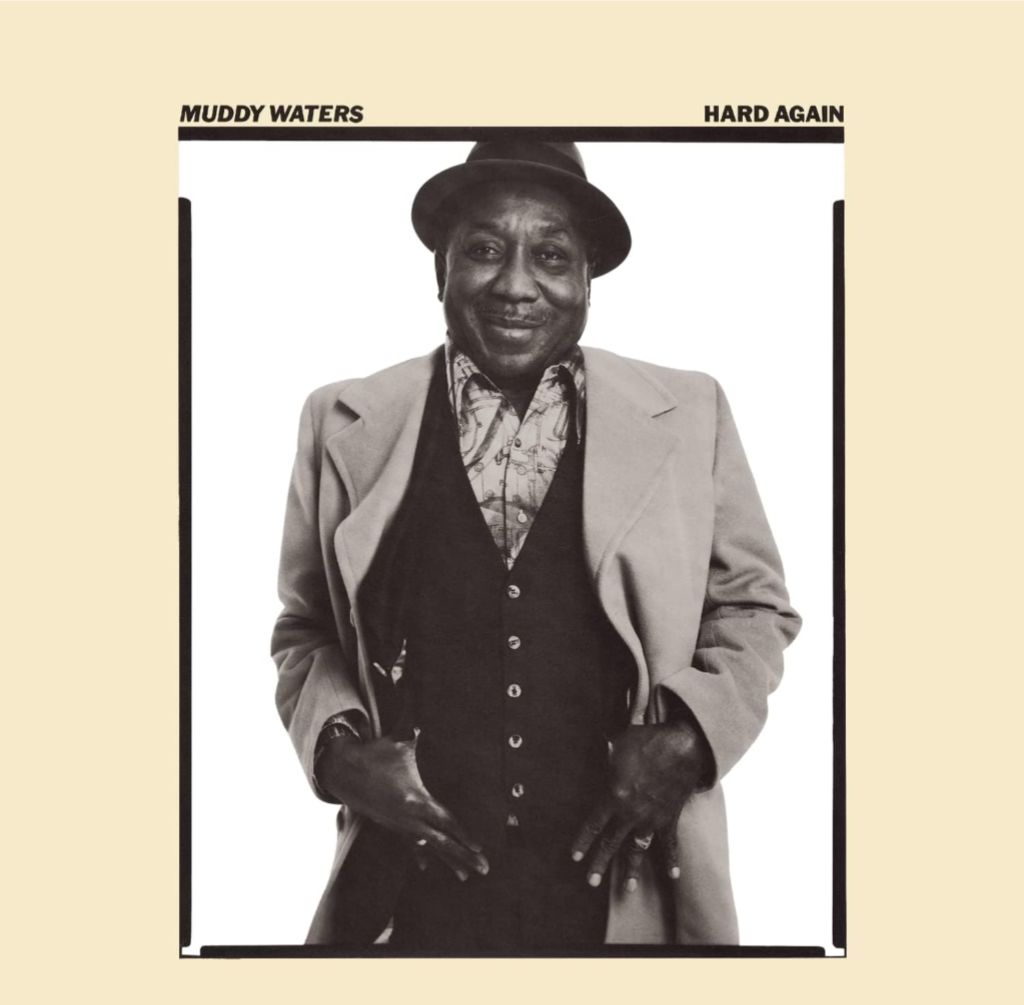
In a year of new sounds, the master of the Delta blues proved he was still the king. Produced by Johnny Winter, Hard Again was a massive comeback that stripped away the psych-rock experiments of Muddy’s late-60s work in favour of raw, distorted, and incredibly loud Chicago blues. The band – including James Cotton on harmonica – sounds like a freight train, and Muddy’s voice has a weathered, commanding authority. It was a reminder that the heavy sounds the punks were chasing had been perfected decades earlier in the South Side of Chicago.
Key Track: Mannish Boy
- Muddy Waters finished strongly in our list of the greatest blues singers of all time
18. Chic – Chic
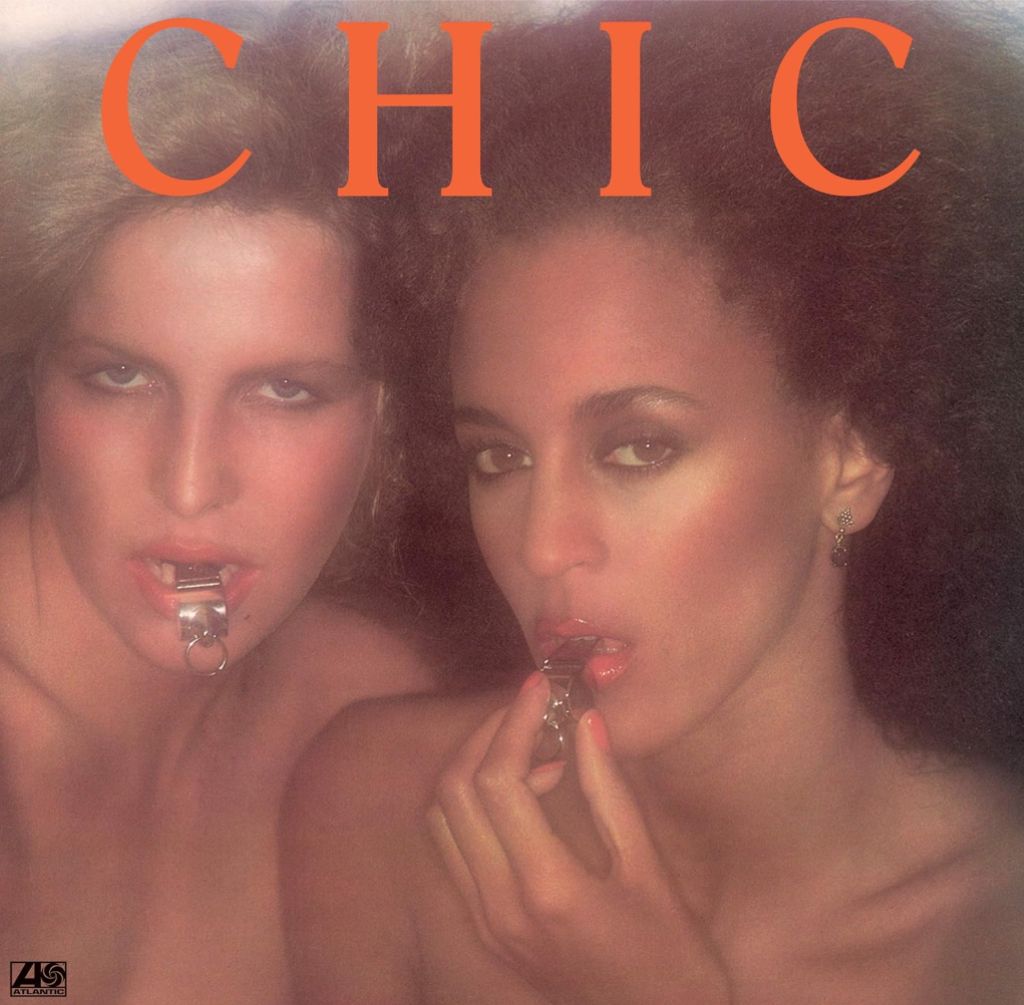
Nile Rodgers and Bernard Edwards didn't just make disco; they made 'Sophistifunk'. Their debut album arrived in 1977 with a revolutionary sound built around Rodgers’ 'chucking' guitar and Edwards’ melodic, propulsive basslines. It was music that felt aspirational – chic, cool, and rhythmically airtight. While disco was often dismissed as disposable, Chic brought a level of musicianship and minimalist arrangement that influenced everything from hip-hop to Duran Duran. This album proved that the dance floor could be a space for high-art precision and undeniable groove.
Key Track: Everybody Dance
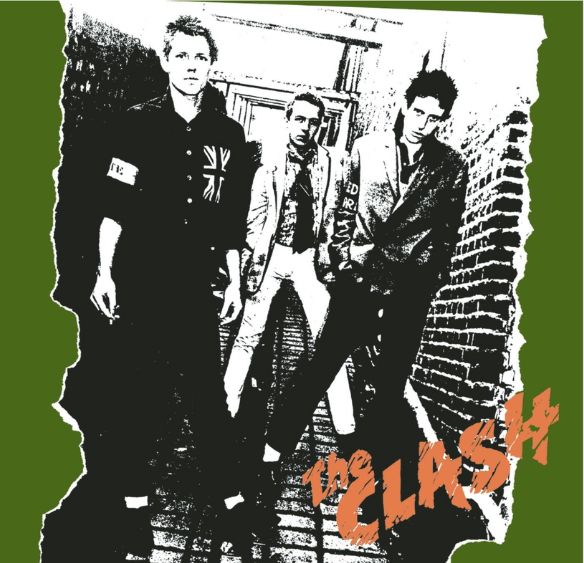
17. The Clash – The Clash
While the Sex Pistols were nihilistic, The Clash were idealistic. Their debut is a high-voltage blast of social commentary, tackling unemployment, racism, and the boredom of the UK suburbs. It’s a 'ragged' record, filled with amateurish energy and undeniable conviction. Joe Strummer’s bark and Mick Jones’ hooks created a template for 'punk with a purpose'. It also hinted at their future versatility by including a cover of Junior Murvin’s 'Police and Thieves', showing that even in their earliest days, The Clash were looking toward the global sounds of reggae.
Key Track: White Riot
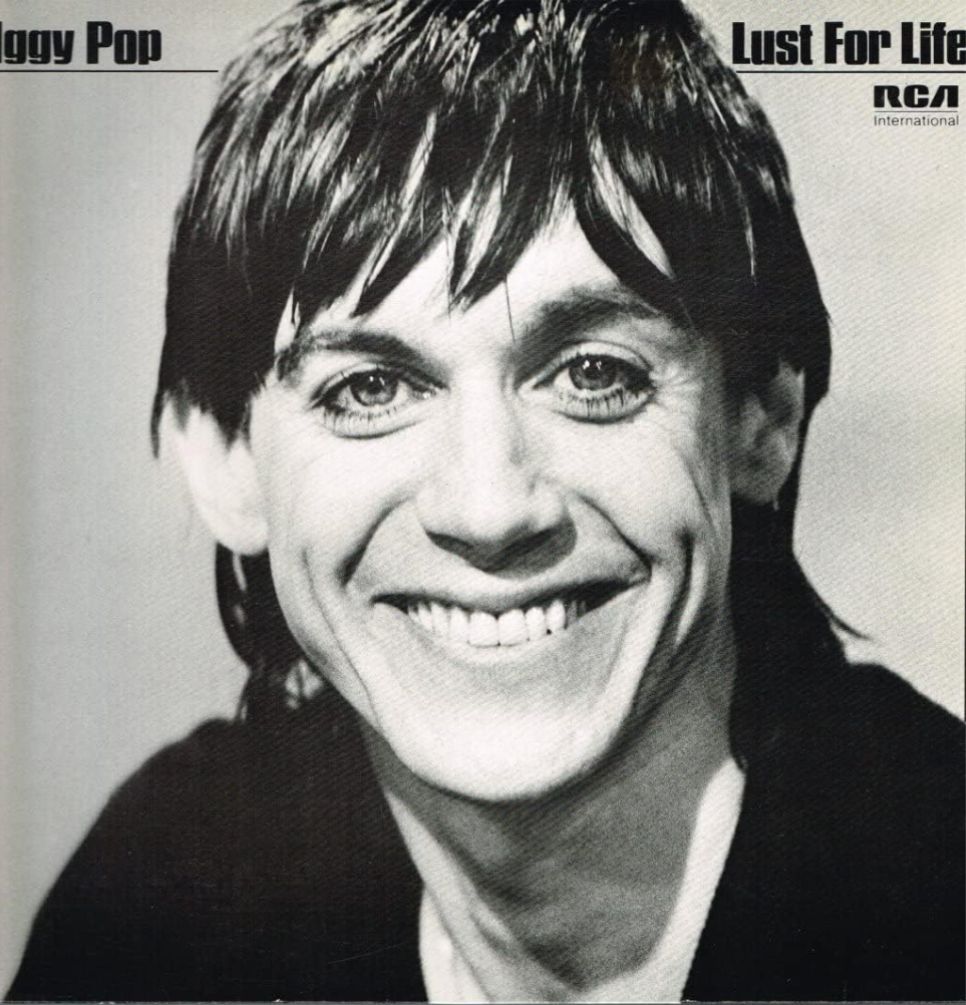
16. Iggy Pop – Lust for Life
Following the claustrophobic chill of The Idiot, Iggy Pop retreated to Berlin with David Bowie to record this explosive, rhythm-heavy celebration of survival. Lust for Life is a leaner, more 'rock' record than its predecessor, driven by the thunderous Sales brothers' rhythm section. It captures Iggy at his most charismatic and revitalized, blending the raw power of The Stooges with a new, sophisticated pop sensibility. It’s an album about kicking drugs and embracing the chaos of the city, delivered with a predatory, street-walking swagger that only the 'Godfather of Punk' could command.
Key Track: Lust for Life
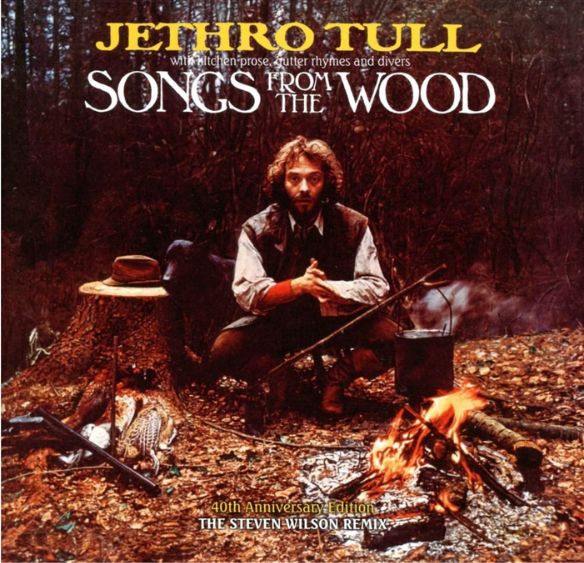
15. Jethro Tull – Songs from the Wood
Songs from the Wood represents the pivotal shift into Tull’s folk-rock trilogy, marking a retreat from the sprawling prog-concepts of the early seventies toward an earthy, pastoral sound. Influenced by Ian Anderson’s move to a farm in Buckinghamshire, the album celebrates British folklore and pagan tradition. By integrating intricate acoustic arrangements with David Palmer’s lush portative organ and synthesizers, the band successfully married virtuosic prog rock with the rhythmic vitality of traditional English folk.
Key Track: Songs from the Wood
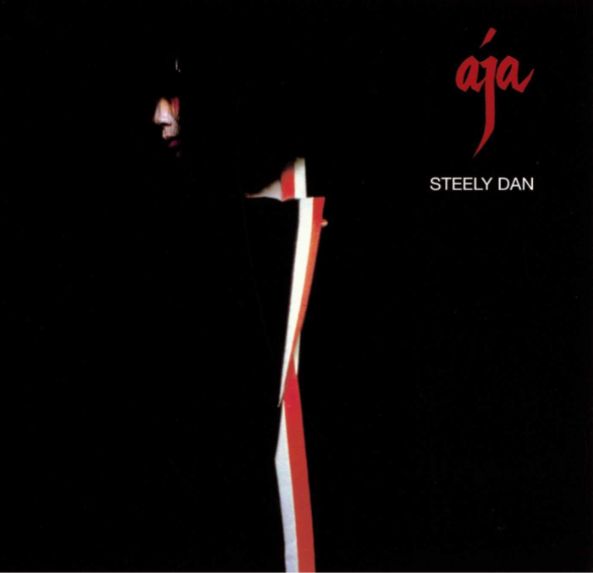
14. Steely Dan – Aja
The pinnacle of 'studio perfectionism'. On Aja, Walter Becker and Donald Fagen abandoned the idea of a 'band' entirely, employing a revolving door of the world's finest session musicians to achieve a flawless blend of jazz, rock, and pop. The production is so pristine it became the industry standard for testing hi-fi equipment. Lyrically, it is a cynical, literate tour of the L.A. underworld, but musically, it is as smooth as silk. It’s an album that shouldn't work – it’s too cold, too technical – yet the songwriting is so strong that it remains a sophisticated masterpiece.
Key Track: Peg
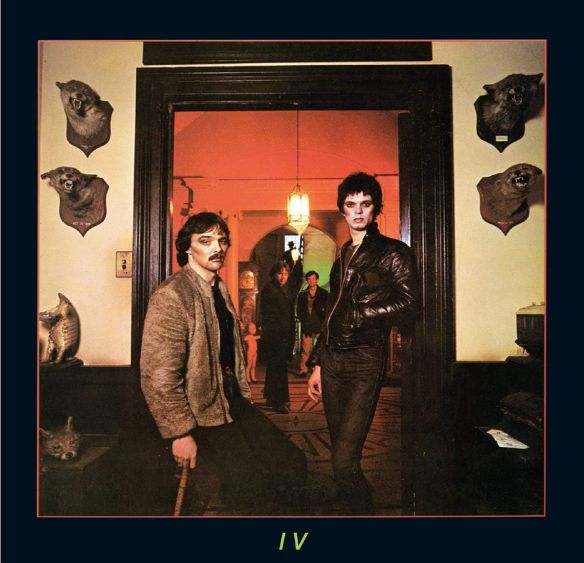
13. The Stranglers – Rattus Norvegicus
The debut album from Surrey, UK's Stranglers remains punk’s most musically sophisticated outlier. While the scene prioritized 'Year Zero' amateurism, The Stranglers brought virtuosity, age, and a menacing, organ-driven growl. Dave Greenfield’s psychedelic keyboards and Jean-Jacques Burnel’s distorted, lead-bass sound created a dark, intellectual aggression that felt distinct from the three-chord standard. The Stranglers were the bridge between pub-rock’s grit and post-punk’s brooding complexity, proving punk could be both dangerous and complex.
Key Track: (Get A) Grip (On Yourself)
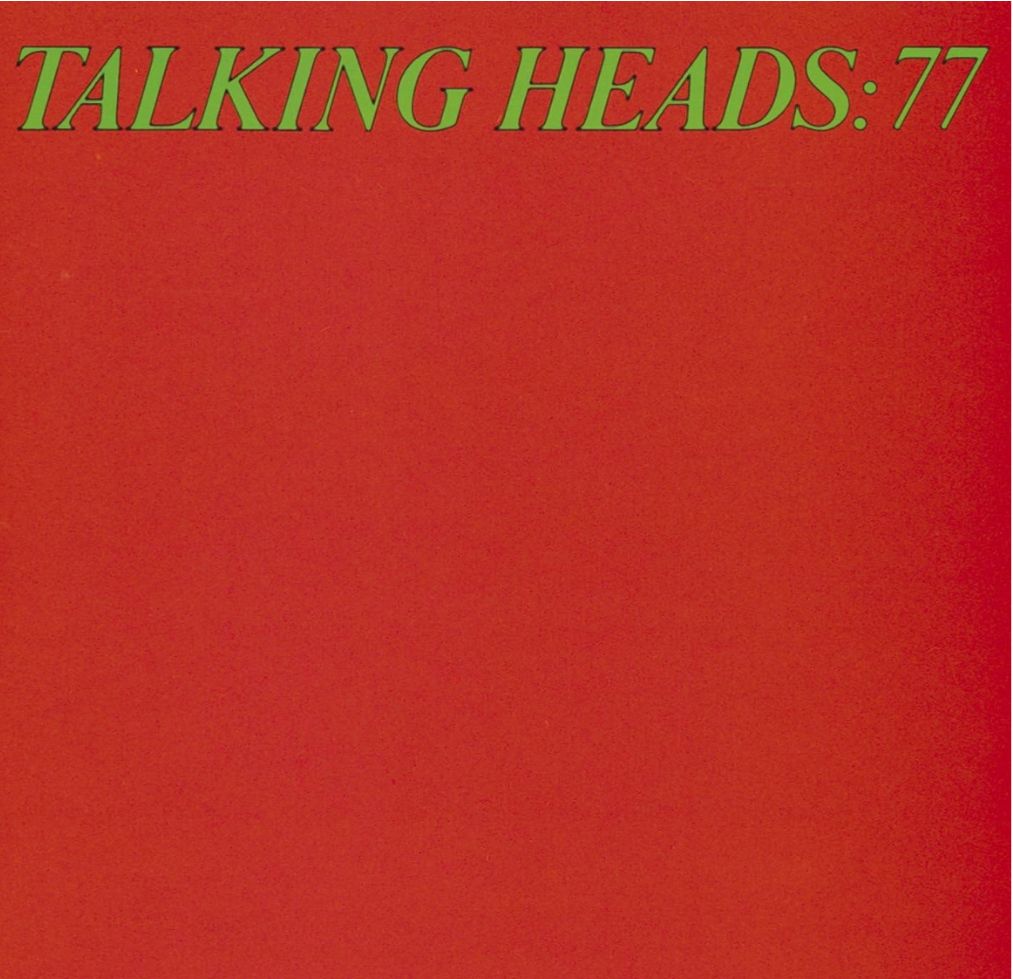
12. Talking Heads – Talking Heads: 77
An intellectual antidote to punk’s raw nihilism. Emerging from the NYC art-school scene, Talking Heads replaced leather jackets with polo shirts and jagged distortion with clean, interlocking rhythms. David Byrne’s anxious, high-strung vocals and the rhythm section’s proto-funk precision created a jittery, 'nervous' energy that essentially birthed the Post-Punk and New Wave movements, proving that rock could be brainy, danceable, and deeply unsettling.
Key Track: Psycho Killer
11. Lynyrd Skynyrd – Street Survivors
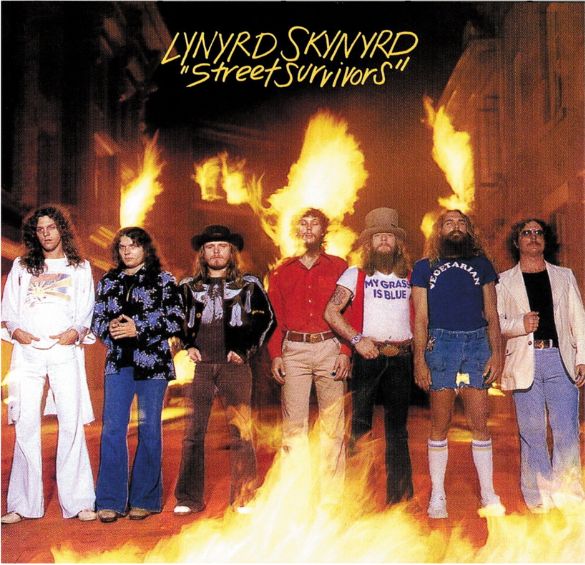
Released in 1977, Street Survivors was the definitive realization of Skynyrd’s triple-guitar attack, revitalized by new recruit Steve Gaines. It showcased a band pivoting toward a more sophisticated, soul-infused rock sound on tracks like 'That Smell'. Tragically, the album was released just three days before the plane crash that killed Ronnie Van Zant and the Gaines siblings, forever cementing this high-energy masterpiece as their final, poignant statement.
Key Track: What's Your Name
- This LP also features in our list of the best Southern Rock albums
10. Yes – Going for the One
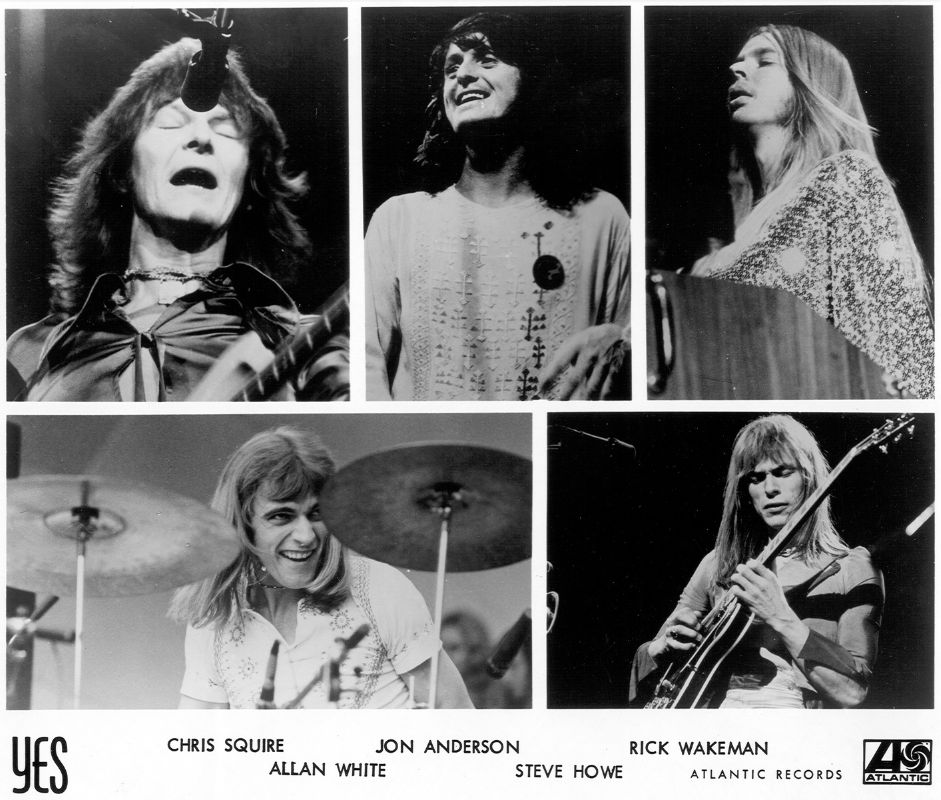
Released in 1977, Going for the One is the moment Yes successfully navigated the shift from the sprawling, cosmic excess of the early seventies into the sharper, more direct energy of the late-decade rock landscape. After the complex density of Relayer, the band retreated to Montreux, Switzerland, to craft a record that balanced their signature technical virtuosity with a newfound sense of joy and accessibility.
It is a landmark entry for two reasons: the return of keyboard wizard Rick Wakeman and the band’s embrace of a more 'organic', live-in-the-studio sound. From the boogie-rock slide guitar of the title track to the majestic, pipe-organ-driven spiritualism of the 15-minute epic 'Awaken', the album remains the ultimate bridge between their symphonic past and a leaner, more vibrant future.
Key Track: Awaken
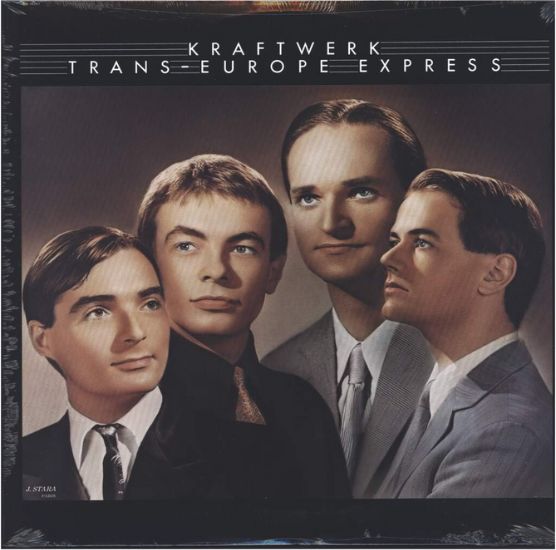
9. Kraftwerk – Trans-Europe Express
In 1977, the future arrived on a train. Kraftwerk moved further away from their Krautrock roots toward a pristine, synthesized pop that would change music forever. Trans-Europe Express is a concept album about the elegance of European travel, defined by its hypnotic, mechanical rhythms and beautiful, cold melodies. It is a foundational text for hip-hop (famously sampled by Afrika Bambaataa), techno, and every synth-pop band of the 80s. While rock was looking back to the blues, Kraftwerk was looking toward a digital world, creating a hauntingly beautiful aesthetic that still feels modern.
Key Track: Trans-Europe Express
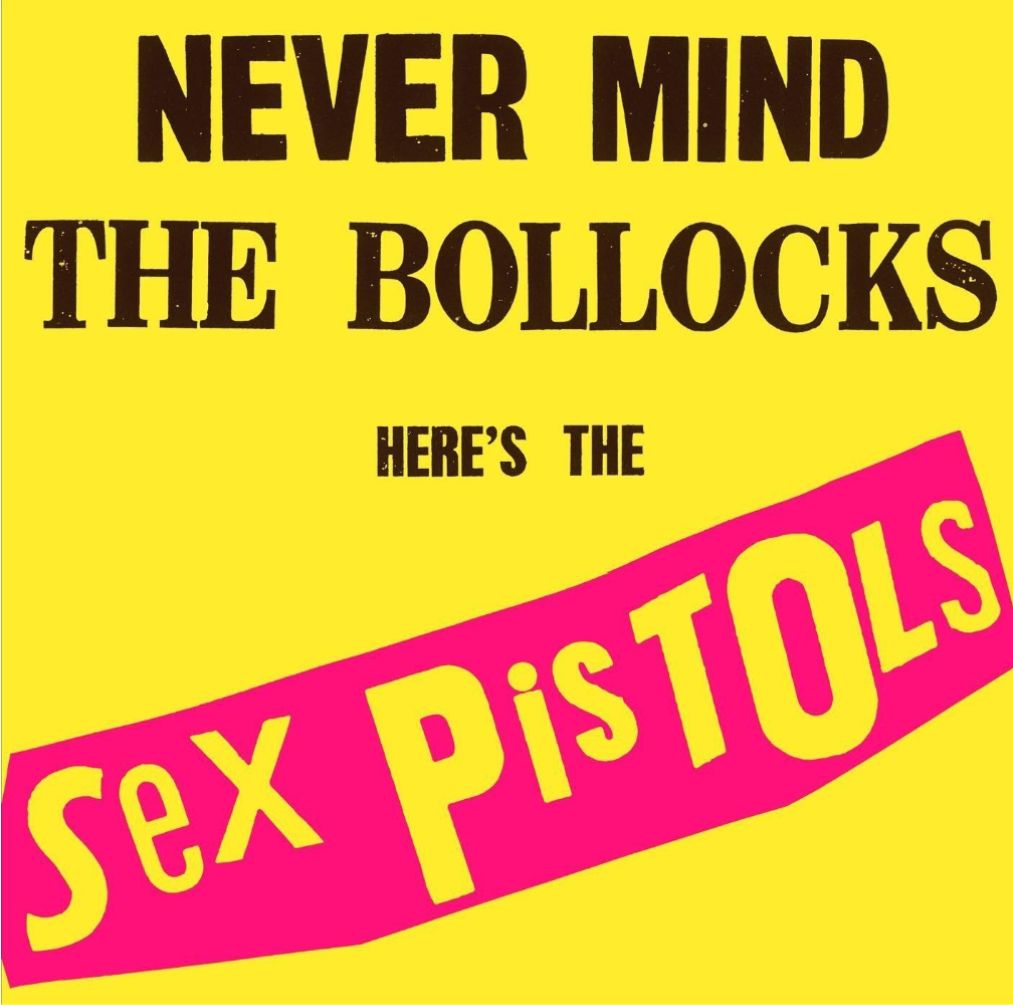
8. Sex Pistols – Never Mind the Bollocks, Here's the Sex Pistols
The most dangerous album of the decade. Despite the media circus surrounding them, the Pistols’ only studio album is an incredibly well-constructed, heavy-hitting rock record. Produced by Chris Thomas, it possesses a 'wall of sound' guitar density that few other punk bands could match. Johnny Rotten’s sneering, distinctive delivery remains the definitive voice of a generation’s frustration. It’s an album that sought to destroy the music industry while simultaneously perfecting the art of the rock-and-roll provocation. It remains the essential 'Big Bang' of the punk era.
Key Track: Anarchy in the U.K.
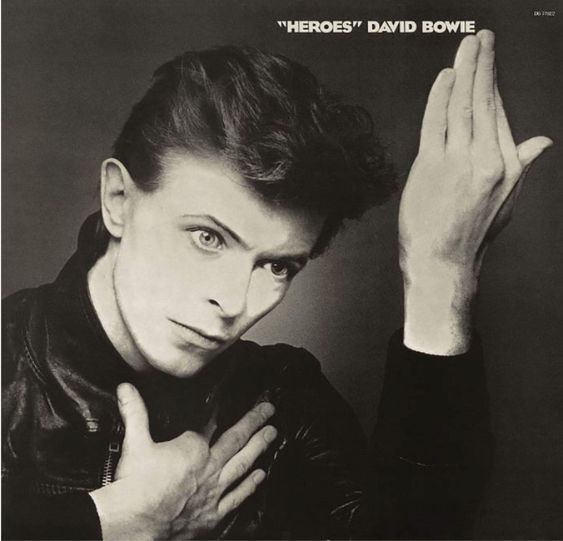
7. David Bowie – “Heroes”
The centrepiece of Bowie’s visionary 'Berlin Trilogy', “Heroes” is a breathtaking blend of art-rock, ambient electronics, and pop. With Brian Eno’s 'oblique' strategies and Robert Fripp’s soaring, feedback-driven guitar work, Bowie captured the haunted, divided energy of the Cold War city. The title track remains one of the greatest anthems in rock history – a song about finding a moment of triumph in the face of inevitable collapse. The album’s second half, filled with dark, instrumental soundscapes, pushed the boundaries of what a 'pop star' was allowed to do, influencing the entire post-punk and electronic movement.
Key Track: "Heroes"
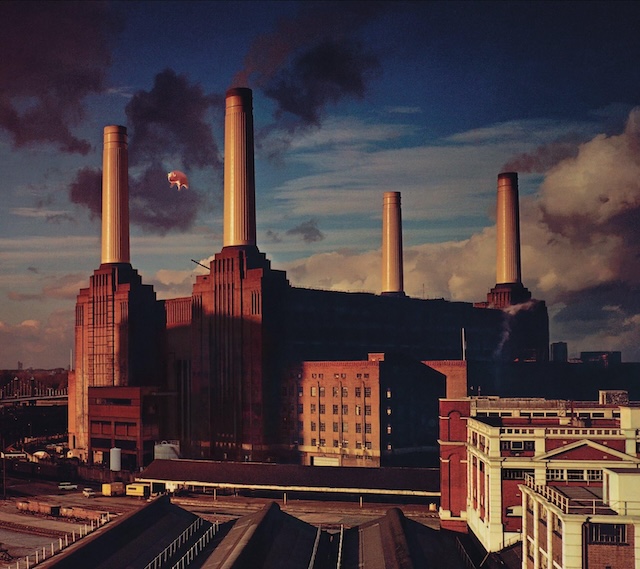
6. Pink Floyd – Animals
Amidst the rise of punk, Pink Floyd released their most aggressive and cynical work. Loosely based on Orwell’s Animal Farm, the album is a scathing critique of the social and political decay of 1970s Britain. The tracks are long, guitar-heavy, and filled with Roger Waters’ biting lyrics. It lacks the 'spacey' warmth of Wish You Were Here, replacing it with a cold, industrial grit. It’s a massive, towering achievement of progressive rock that felt surprisingly aligned with punk’s 'no future' sentiment, delivered with the technical mastery only Floyd could provide.
Key Track: Dogs
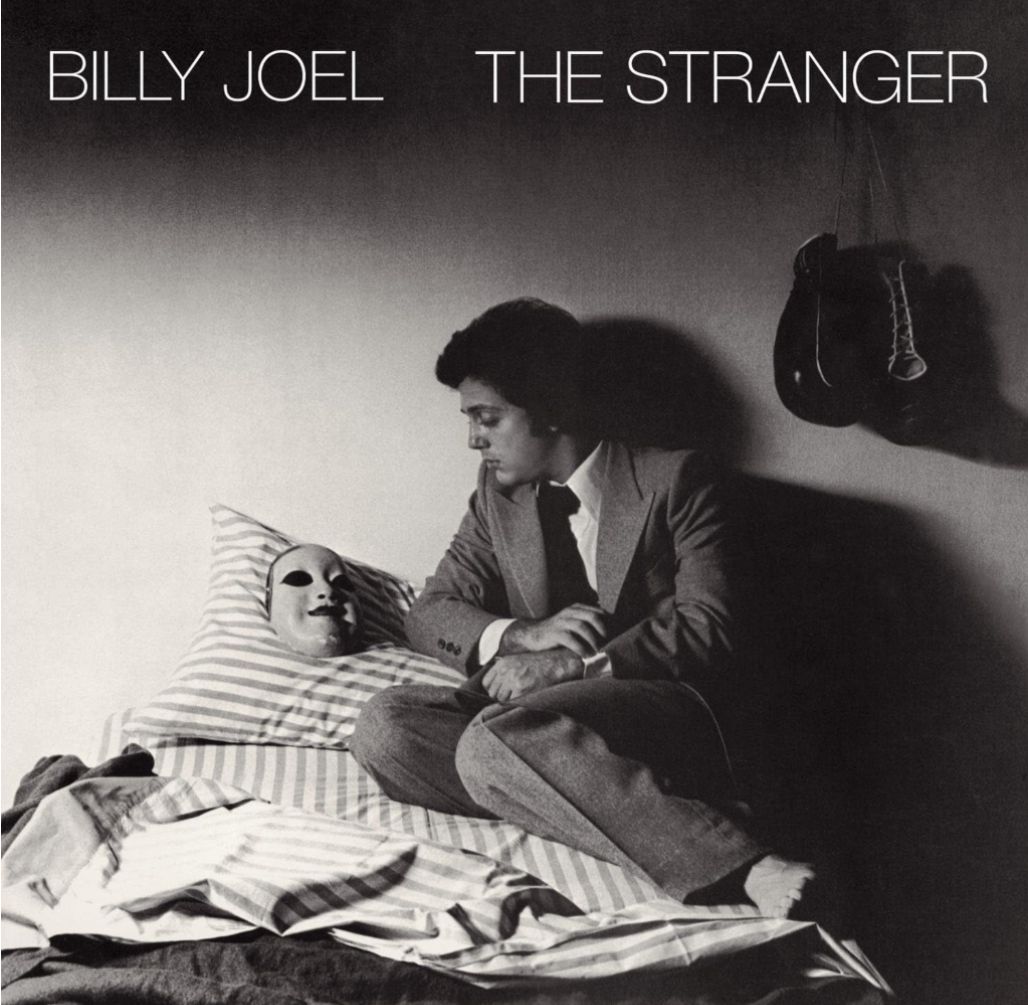
5. Billy Joel - The Stranger
The Stranger comes early on one of rock's most remarkable album runs, and it's the best of them. is the definitive Billy Joel statement, balancing his Tin Pan Alley sensibilities with gritty New York rock. Under Phil Ramone’s crisp production, Joel finally captured his touring band’s live energy, elevating vignette songwriting into high art. From the cinematic sprawl of 'Scenes from an Italian Restaurant' to the soulful introspection of 'Vienna', the album is a flawless, nine-track masterpiece of melody and working-class storytelling.
Key Track: Scenes From An Italian Restaurant
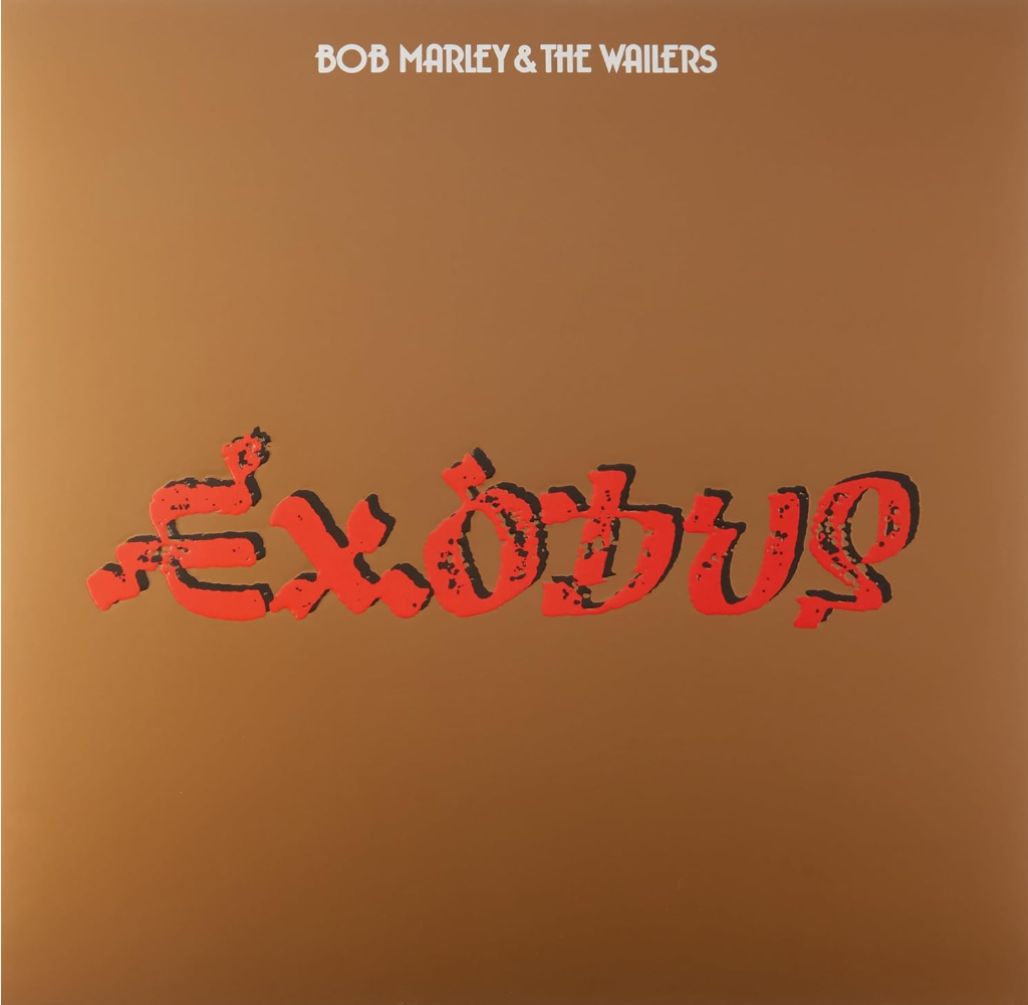
4. Bob Marley & The Wailers – Exodus
Recorded in London following an assassination attempt in Jamaica, Exodus is a spiritual and political landmark. Side One side features heavy, militant reggae tracks, while the second side is filled with some of the most beautiful love songs ever recorded. It is a masterpiece of production, blending traditional roots-reggae with a slick, international pop sensibility that made Marley a global superstar. It’s an album of profound resilience and faith, standing as a peaceful, rhythmic counterpoint to the aggressive turmoil of 1977 London.
Key Track: Exodus
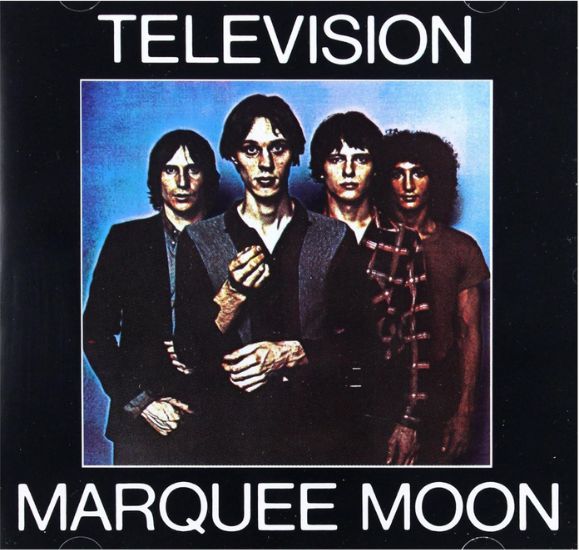
3. Television – Marquee Moon
While the rest of the 1977 class was either screaming or dancing, Television was rewriting the rules of the electric guitar. Marquee Moon is a sprawling, cinematic, and utterly unique masterpiece that bridges the gap between punk’s raw energy and the improvisational complexity of jazz. Tom Verlaine and Richard Lloyd’s interlocking guitar lines are telepathic, creating a crystalline 'forest' of sound. It is an album that feels both urban and ethereal, intellectually rigorous yet emotionally resonant. It is the greatest record of 1977 because it sounds like nothing that came before it and remains a blueprint for everything 'alternative' that came after.
Key Track: Marquee Moon
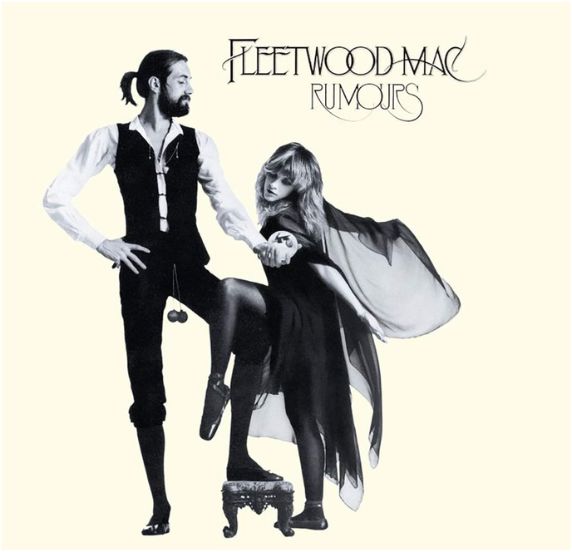
2. Fleetwood Mac – Rumours
1977’s commercial juggernaut is also its most perfect pop statement. Recorded as Fleetwood Mac's two central couples were spectacularly falling apart, Rumours turned internal soap opera into universal art. Every track is a pristine masterpiece of melody and harmony, masking deep emotional pain with sunny, West Coast production. It is a rare example of a blockbuster album that is also critically irreproachable. From the stomp of 'The Chain' to the ethereal 'Dreams', it is a flawless document of interpersonal warfare and the resilience of the human heart, defining the FM Rock era forever.
Key Track: Dreams
1. David Bowie – Low
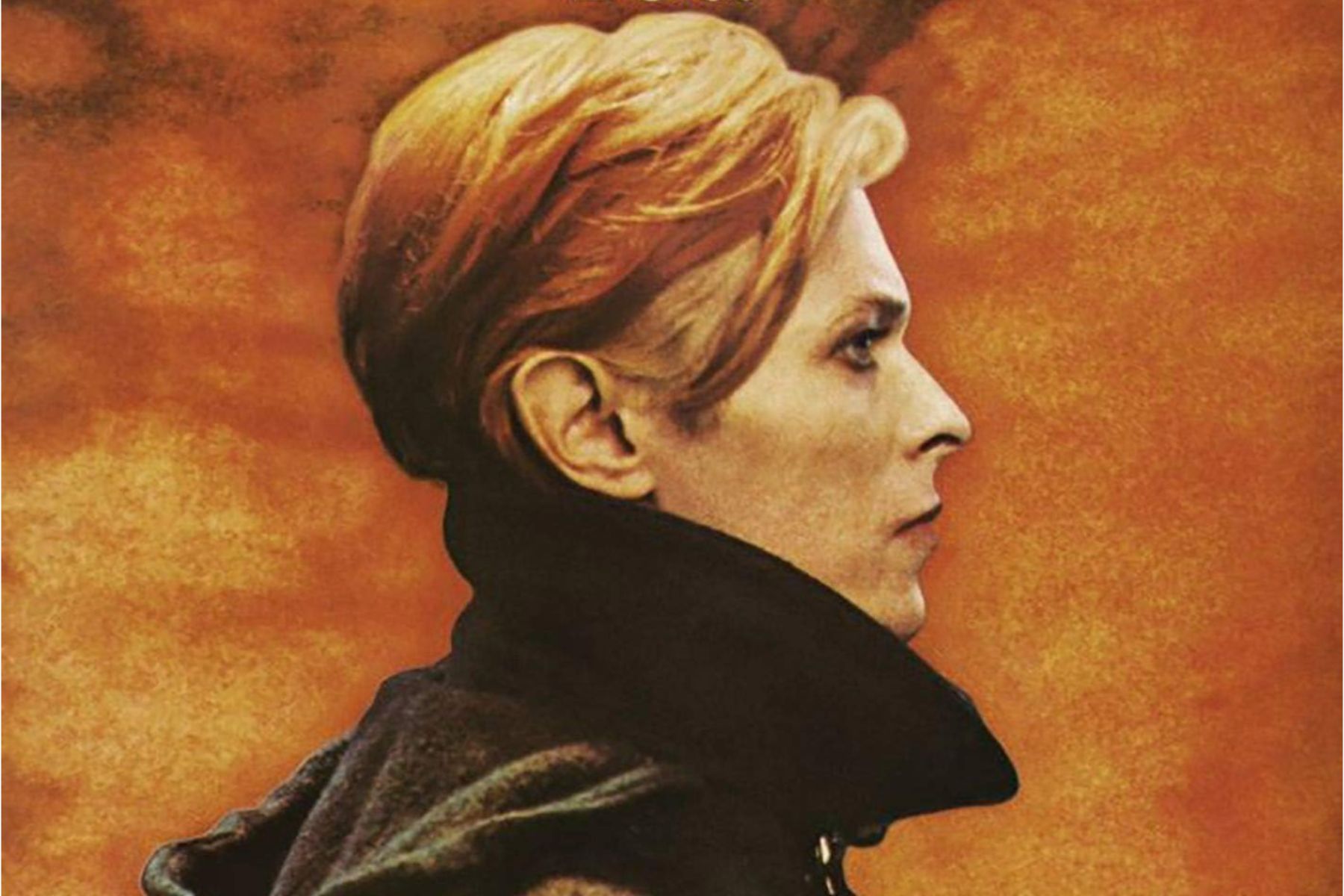
While the flashy aggression of punk defined 1977’s headlines, David Bowie’s Low defined its future. Emerging from a soul-crushing low ebb in Los Angeles – marred by a severe cocaine addiction and near-psychosis – Bowie retreated to Europe to exorcise his demons. The result was a radical, two-faced masterpiece: Side A features paranoid, fractured avant-pop, while Side B unfolds into haunting, cinematic ambient soundscapes.
Collaborating with Brian Eno and producer Tony Visconti, Bowie pioneered a new musical language, famously utilizing the Eventide Harmonizer to create a pitch-shifted drum sound that became the foundational blueprint for post-punk and 80s new wave. Visionary and uncompromising, Low proved that an established superstar could shatter pop conventions and still create the decade's most enduring, atmospheric art.
Key Tracks: It's such an album of two sides, we're picking two. For the upbeat art pop thrills, Sound and Vision. For the space and atmosphere, Warszawa. But we also love this: