Every record label wants a hit. The trouble is, nobody can agree on what a hit should sound like.
Artists are driven by creative instincts that don't always make commercial sense: they want to take risks, challenge expectations and make records that sound like nothing before them. Executives tend to be more pragmatic. They have budgets, deadlines and reputations on the line, and the prospect of an expensive, unconventional album can look less like genius than a looming disaster. Sometimes the arguments end in compromise.
Sometimes they become bitter battles over whether a record should be released at all. And sometimes the artists win, leaving the doubters to eat their words. These 10 classic albums all emerged from that uneasy relationship between creative ambition and commercial reality – and some very nearly didn't make it out.
1. Bruce Springsteen: Nebraska (1982)
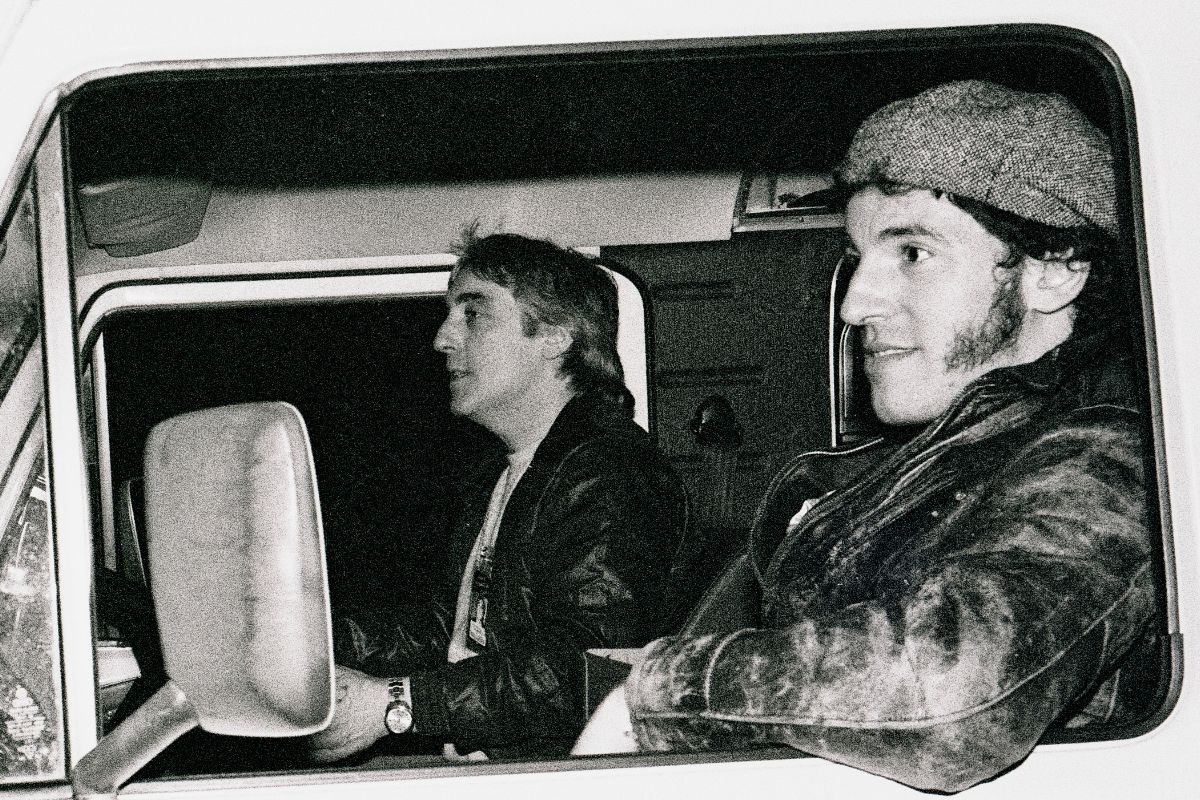
Columbia executives were horrified when Springsteen handed them a rough, hiss-heavy cassette recorded on a four-track in his bedroom. Expecting a polished, stadium-ready rock album with the E Street Band, the label begged him to re-record the tracks.
Springsteen refused, leaving Columbia to reluctantly ship a stark, acoustic masterpiece. Ironically, the precise sparseness that so worried executives became the secret to the album's enduring critical legacy.
2. Nirvana: In Utero (1993)
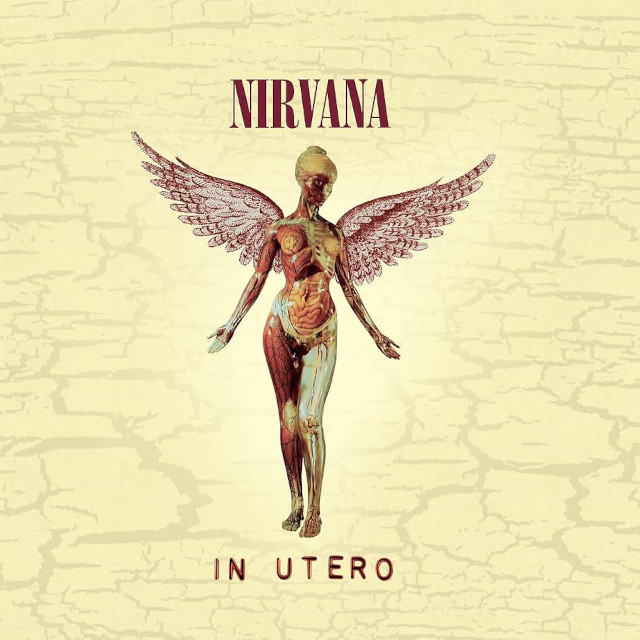
Following the massive success of Nevermind, Geffen Records anticipated another clean, radio-friendly megahit. Instead, Kurt Cobain brought back Steve Albini’s abrasive, feedback-drenched master tapes. Label executives feared that the intentionally harsh production would destroy the band’s commercial momentum and alienate their newly minted pop audience.
They aggressively pushed for slicker remixes, prompting a bitter feud over artistic control before a compromised mix was released. Despite the panic, it debuted at number one, cementing its legacy as an uncompromising masterpiece that stands toe-to-toe with Nevermind.
3. Frank Zappa: Läther (1996)

Frank Zappa’s Läther was a four-LP extravaganza that his record company, Warner Bros., tried to prevent from reaching the shops. Scheduled for Halloween 1977, it brought together music from several projects, spanning orchestral experiments, jazz-rock and Zappa’s gloriously eccentric guitar work.
But after a bitter contractual dispute, Warner threatened legal action against the rival distributor Phonogram, forcing Zappa to shelve the release. In December, he retaliated by broadcasting the entire album on Californian radio and encouraging listeners to tape it. Läther finally received an official release in 1996, 19 years after its intended debut.
4. Neil Young: Tonight's the Night (1975)
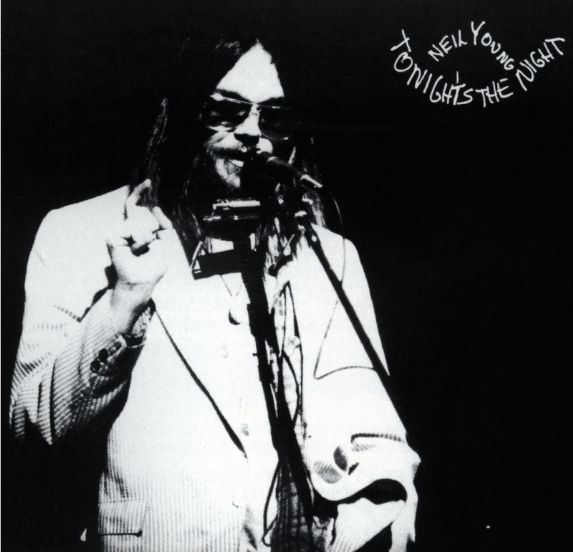
Reprise Records shelved this album for nearly two years, desperate to prevent its release. Recorded in the painful aftermath of drug-overdose deaths among Young’s inner circle, the music was dark, loosely performed, and soaked in grief. Label executives found the project far too bleak and uncommercial compared to his 1972 hit album Harvest.
Young stood his ground against intense corporate pressure, insisting the raw, unpolished grief had to be heard just as it was. Result? What must rank among Young's rawest, most captivating material.
5. Marvin Gaye: What's Going On (1971)
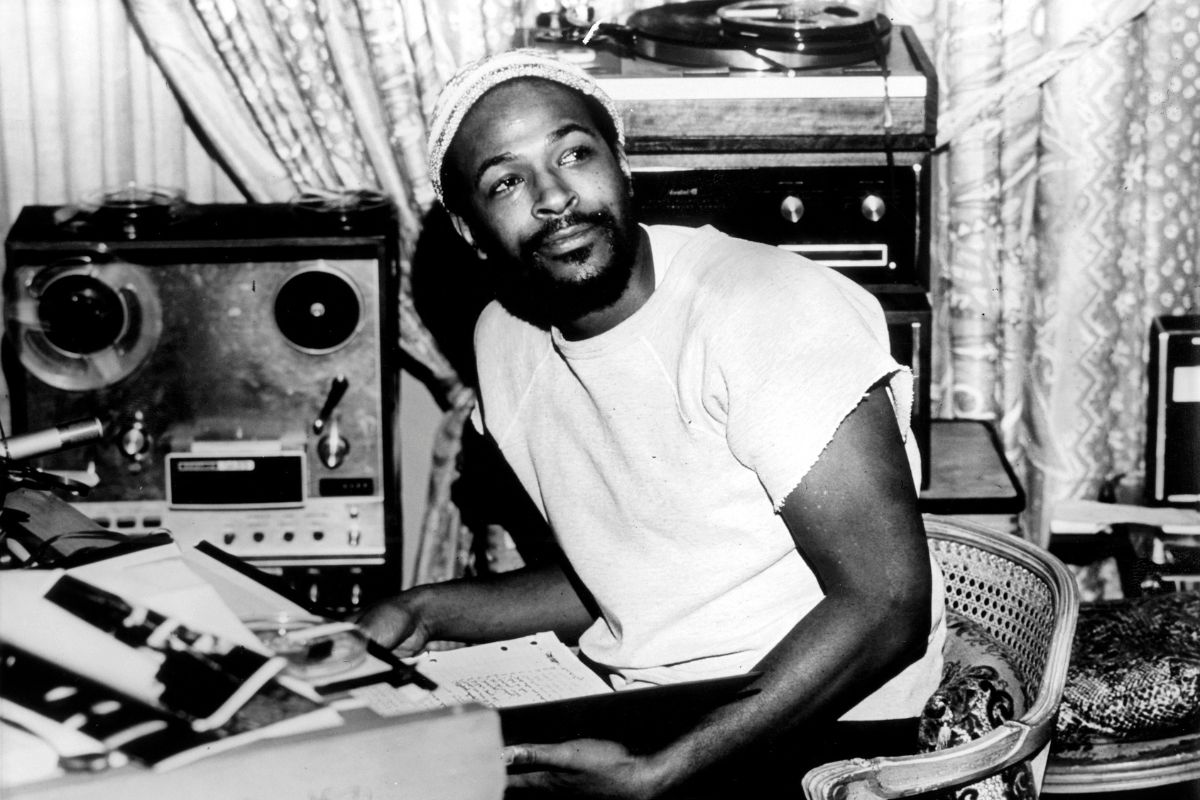
Motown chief Berry Gordy initially flat-out refused to release the title track, calling it the worst song he had ever heard and warning Gaye that political social commentary would ruin his career. Fearing the loss of Motown’s hit-making pop formula, the label stalled for months. Gaye went on strike, refusing to record any new material until Gordy relented.
Finally released in May 1971, the resulting album utterly transformed soul music and redefined Motown’s artistic boundaries.
6. Lou Reed: Metal Machine Music (1975)
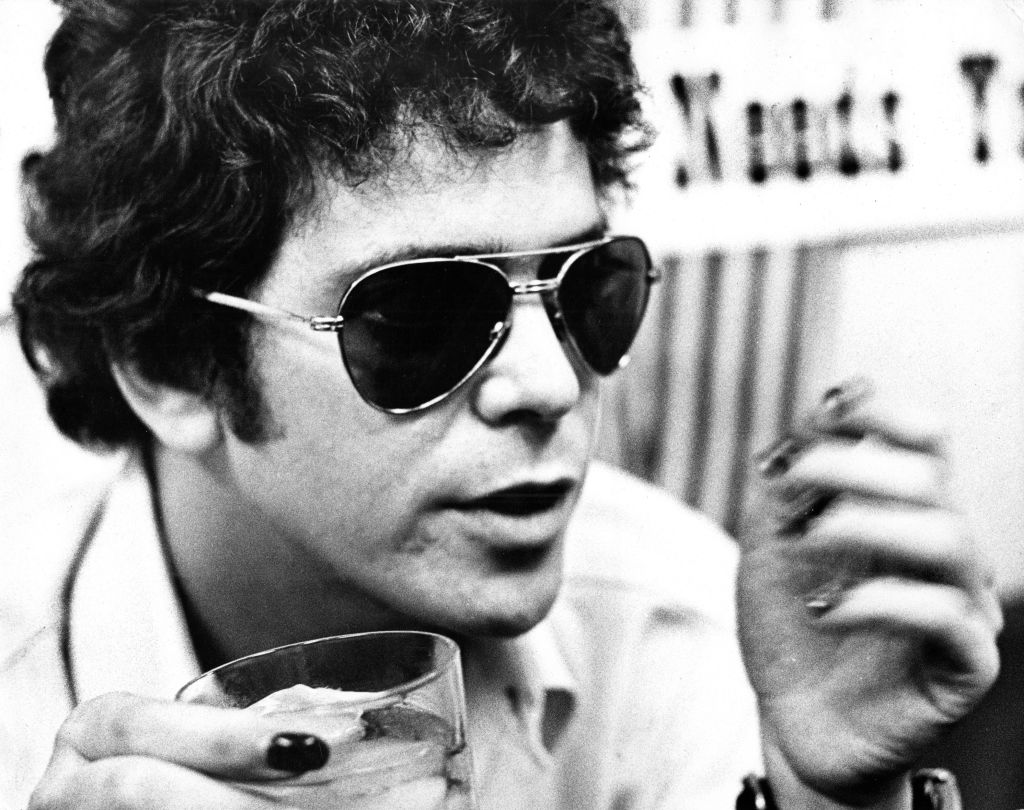
RCA executives reportedly believed Reed was playing a malicious practical joke when he delivered an hour of uninterrupted, guitar feedback and noise with no melody, rhythm, or lyrics. Terrified of customer refunds and potential lawsuits for damaged speakers, the label released it under immense strain.
That anxiety proved justified: upon release, thousands of bewildered fans and retailers inundated RCA with demands for refunds, assuming the shrieking static was a physical manufacturing defect. Unable to manage the unprecedented wave of returns and mounting public outrage, RCA pulled the double album from shelves after just three weeks, sealing its fate as one of history's most famously confrontational releases.
7. Sly and the Family Stone: There's a Riot Goin' On (1971)
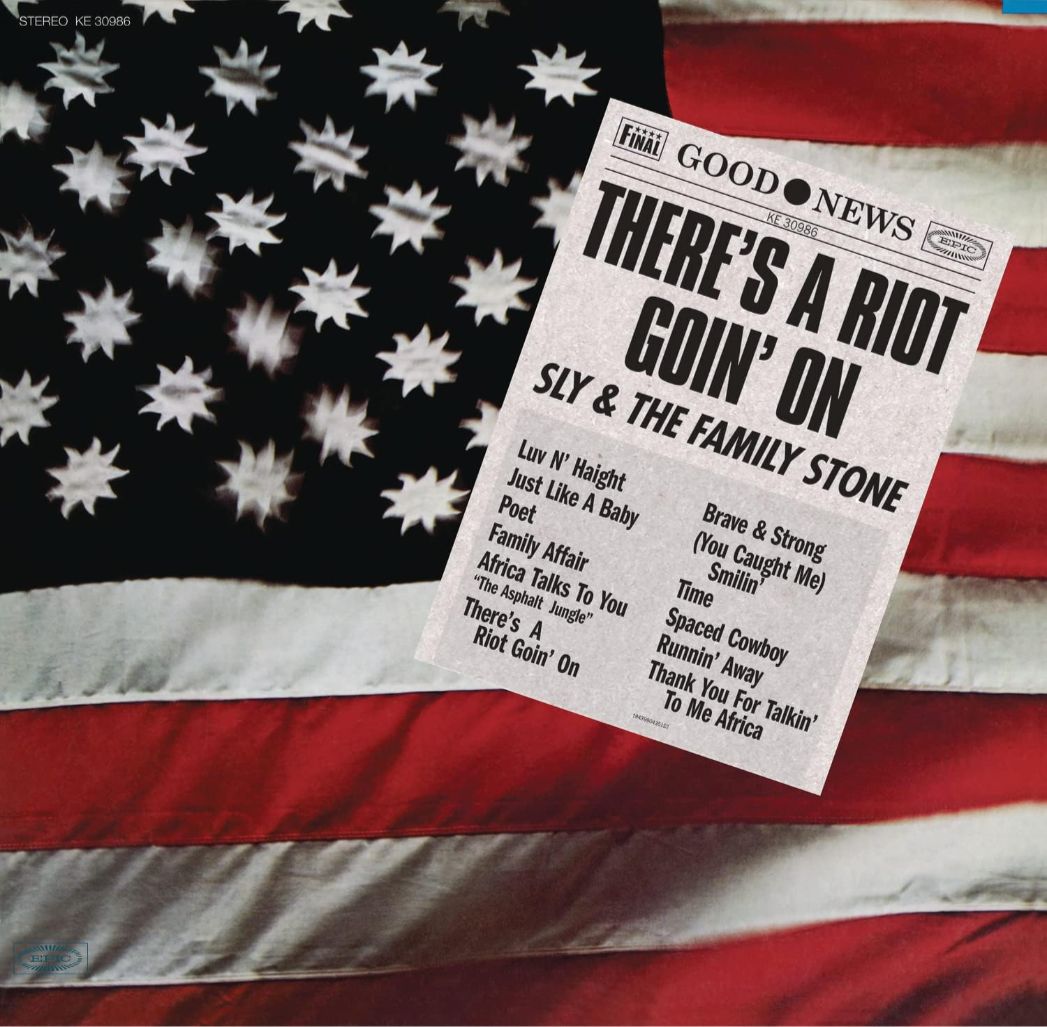
Flushed with the upbeat energy of Stand!, Epic Records expected another set of radiant, funk-pop anthems. Instead, Sly Stone delivered a murky, claustrophobic record plagued by endless overdubbing and tape degradation. Terrified by the heavy, drug-influenced atmosphere and lack of obvious singles, Epic feared total career suicide.
Panicked executives repeatedly tried to delay the release, begging Stone to return to the studio and polish the dark, muddy tracks into something radio-friendly. Stone refused, forcing out a record that became a landmark dark masterpiece – a cynical, soul-drenched postscript to the Sixties that redefined funk and influenced generations of hip-hop and R&B producers.
8. Kate Bush: The Dreaming (1982)

EMI Records grew extremely anxious as Kate Bush took total control of the studio, using early digital samplers and unconventional instrumentation to forge a dense, aggressive sonic world. Accustomed to her delicate, hit-making pop persona, executives worried the album’s harsh textures and lack of obvious commercial hooks would derail her career. EMI pressured her to pull back, but Bush refused to compromise, delivering a deeply experimental work that pushed her label to its limits.
9. David Bowie: Low (1977)
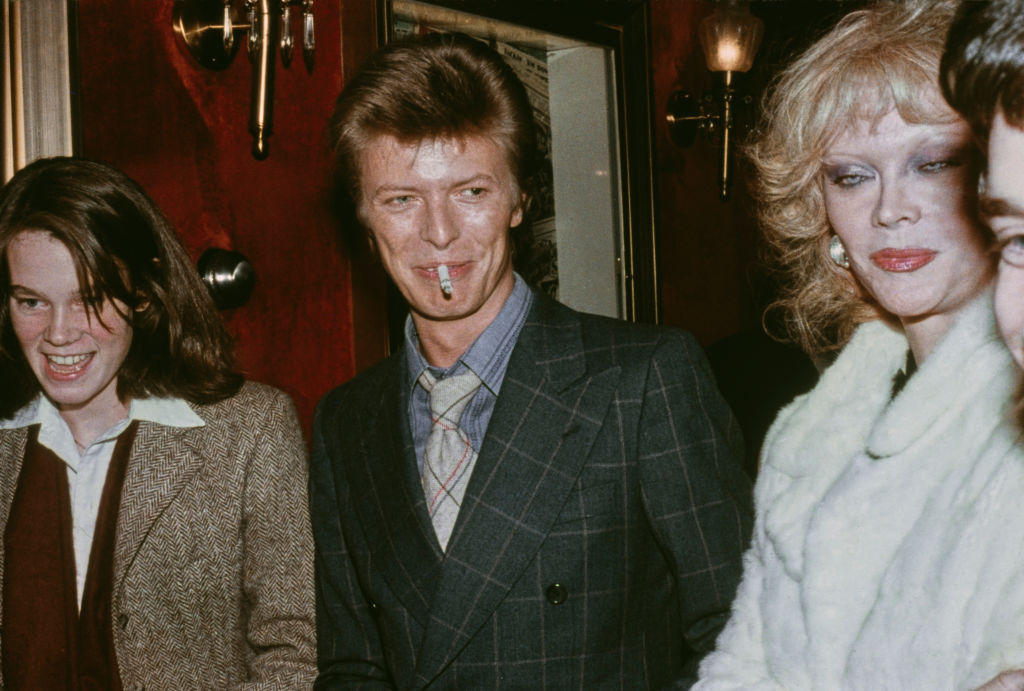
Even for such a famously chameleon-like artist, Low was unlike anything Bowie had released before. After the slick soul of Young Americans and the art-rock of Station to Station, he delivered a fractured, minimalist record split between terse, experimental songs and haunting ambient instrumentals inspired by Berlin.
RCA executives were horrified. Expecting another commercially accessible album, they questioned whether Low was even finished and delayed its release by several months, reportedly fearing it would be career suicide. Bowie refused to compromise, insisting the album appear as intended.
History vindicated him: Low became the groundbreaking first chapter of his celebrated Berlin Trilogy, profoundly influencing post-punk, synth-pop and ambient music.
- We ranked all 26 Bowie albums. And, um, Ziggy Stardust doesn't make the top 3
- Never mind the punks – these are the best classic rock albums of 1977
10. Frank Zappa – Thing-Fish (1984)
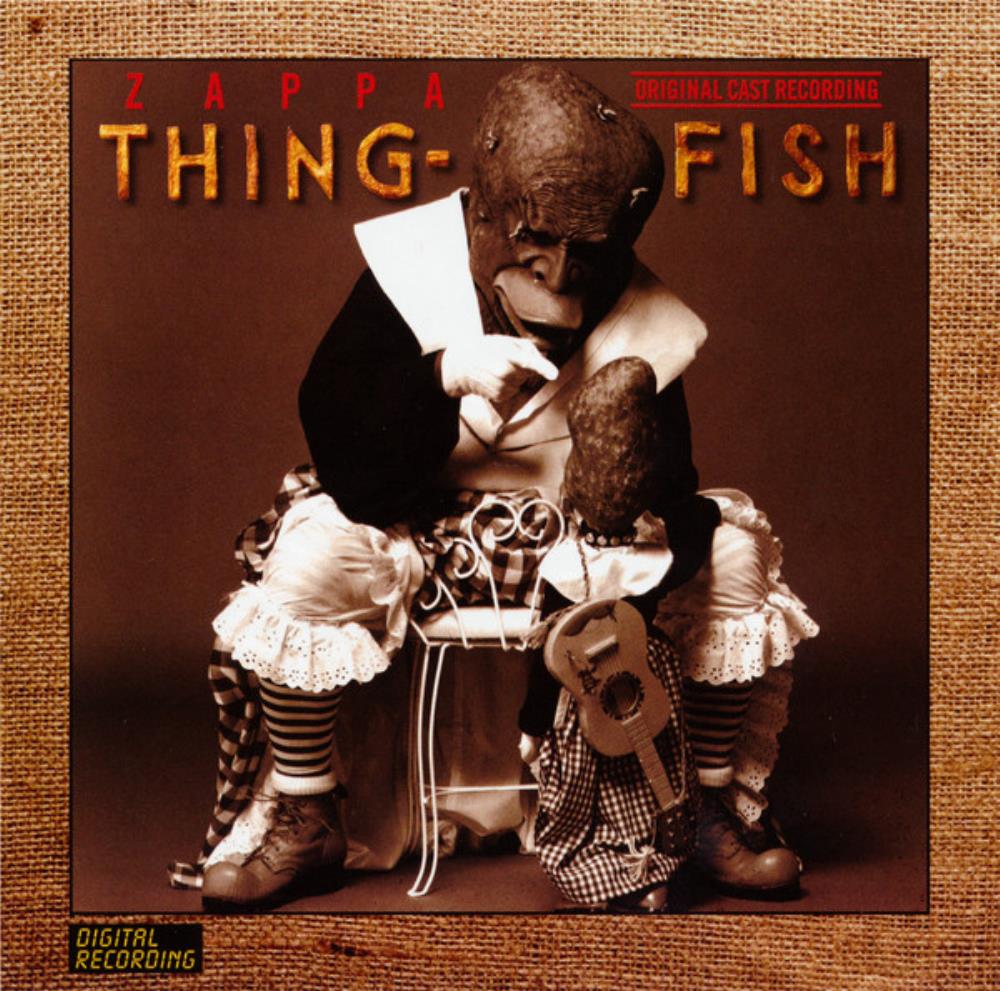
Frank Zappa's Thing-Fish was a sprawling, satirical triple album that proved too much for MCA Records. The company had agreed to distribute the record, and test pressings were already being made, when a member of its quality-control department objected to the lyrics. MCA promptly cancelled its distribution deal, leaving Zappa to find another way to get the album into shops.
He eventually secured a new arrangement with Capitol/EMI, releasing the record with a sardonic warning sticker declaring that its contents were not to be feared or suppressed. It was classic Zappa: provocative, confrontational and determined to have the last word. But for a time, one offended listener inside a record company threatened to derail the entire project.
Pics Getty Images