In the high-stakes gamble of rock ‘n’ roll, timing is everything.
For every legendary frontman basking in the glow of a sold-out stadium, there is often a 'forgotten' member who helped lay the foundation, only to walk away just as the mortar was setting. Whether driven by creative friction, health struggles, or a simple desire for a quiet life, these musicians exited stage left moments before their bandmates ascended to icon status.
This list explores the sliding-door moments of rock history – the guitarists and drummers who traded superstardom for obscurity. From Pete Best’s heartbreak in Liverpool to Anthony Phillips’ quiet departure from Genesis, these stories serve as poignant reminders of how thin the line is between household name and musical footnote.
1. Pete Best (The Beatles)
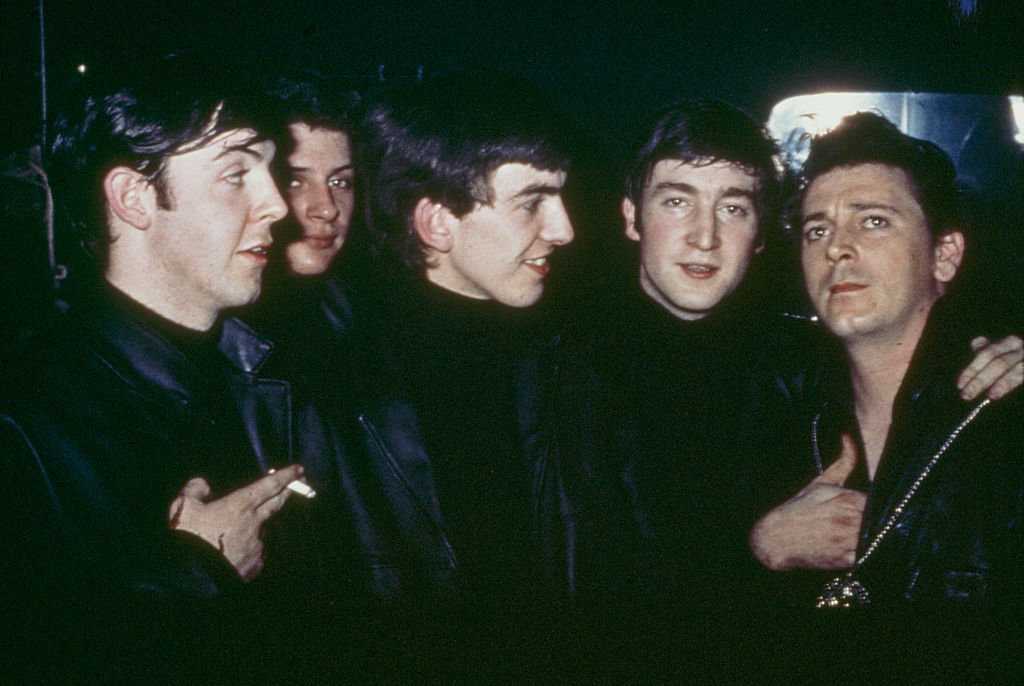
Pete Best is the ultimate 'nearly-famous' tragedy, serving as the Beatles' drummer from 1960 until his dismissal in August 1962 – just weeks before they recorded their first hit, 'Love Me Do'. While the band’s popularity exploded globally, Best was left behind in Liverpool.
The reason for his firing remains a mix of professional and personal friction. Producer George Martin was famously dissatisfied with Best's drumming technique, preferring a session musician for recordings. Additionally, Best was often seen as an outsider who didn't share the other members' wit or sense of camaraderie.
While fans often speculated that Paul McCartney was jealous of Best’s 'movie star' looks and popularity with female fans, the primary drivers were musical compatibility and the group's desire for a more cohesive personality, which they found in Ringo Starr.
You can hear Pete's drumming on a number of early Beatles recordings, including 'Besame Mucho' played at the audition for Decca Records on 1 January 1962. The Beatles were, famously, rejected by Decca:
2. Anthony Phillips (Genesis)
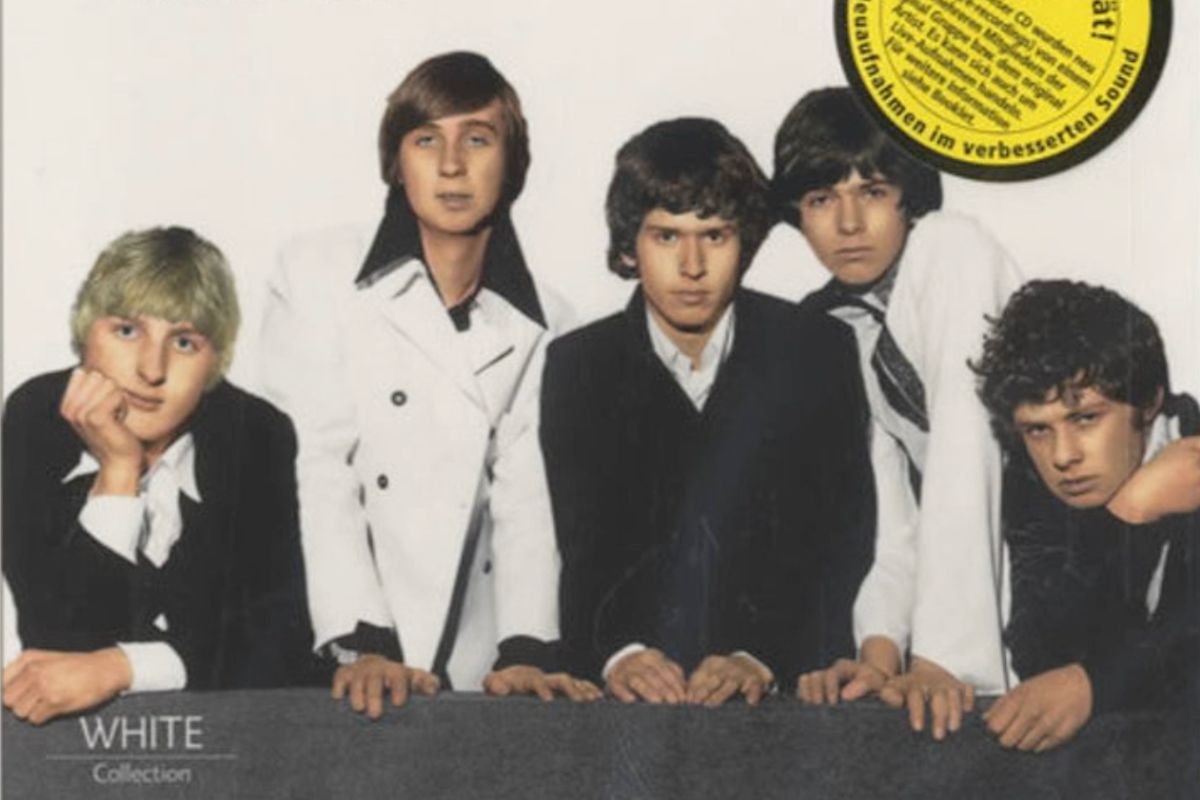
Anthony Phillips was the heart of Genesis during their formative years, acting as their primary songwriter and acoustic architect. He played a defining role on the band's first two albums, including the 1970 folk-prog masterpiece Trespass. However, Phillips struggled with severe stage fright and the physical toll of a bout of pneumonia, leading him to quit the group that same year.
His departure was a pivotal 'sliding doors' moment in rock history. While his exit nearly broke the band, it forced them to recruit Phil Collins and Steve Hackett, sparking their evolution into global superstars. While Genesis filled stadiums, Phillips pursued a quiet, scholarly life in music, releasing the acclaimed solo debut The Geese & the Ghost and becoming a prolific composer of library music and ambient guitar suites.
3. Dave Mustaine (Metallica)
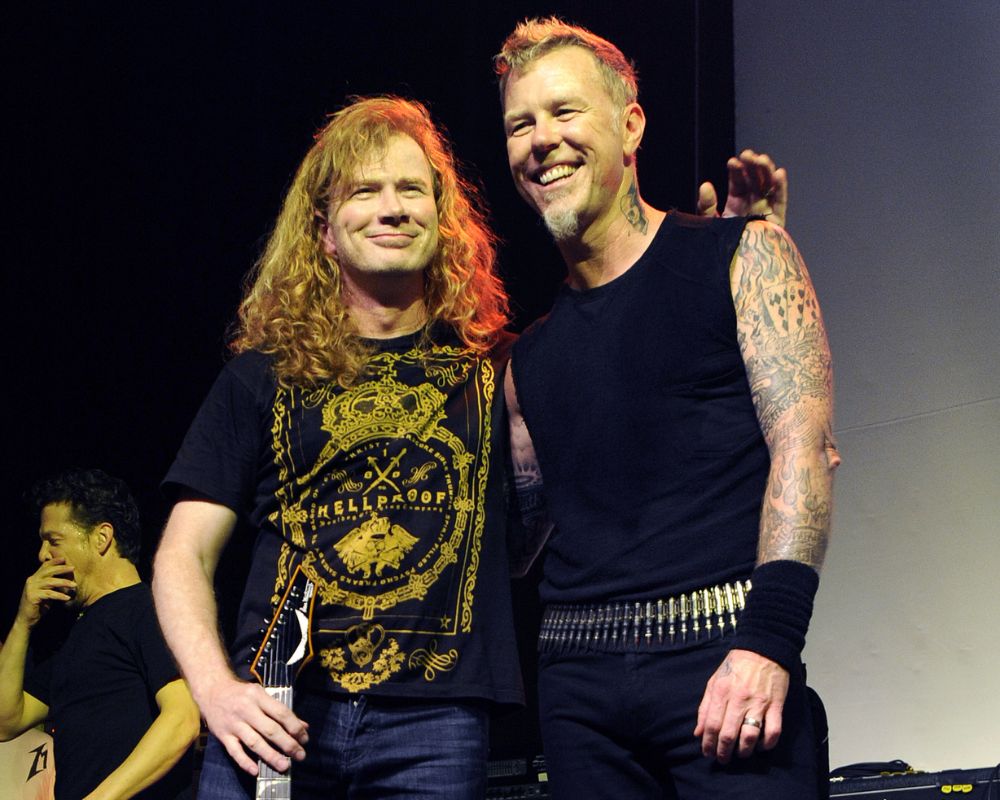
Fired by his Metallica bandmates just before they recorded their debut album Kill ’Em All – and a few years before the wildly successful Master of Puppets (one of rock music's legendary third albums), Dave Mustaine missed out on Metallica’s rise to fame as global metal icons. He was handed his marching orders in 1983, after several drunken altercations with his bandmates, drug abuse and aggressive behaviour.
It wasn’t all bad though, as Mustaine went on to form Megadeth, and enjoyed significant success with that band. But the sting from the Metallica eviction fuelled decades of rivalry. We named Dave Mustaine's dismissal from Metallica as one of rock music's most infamous firings.
4. Henry Padovani (The Police)
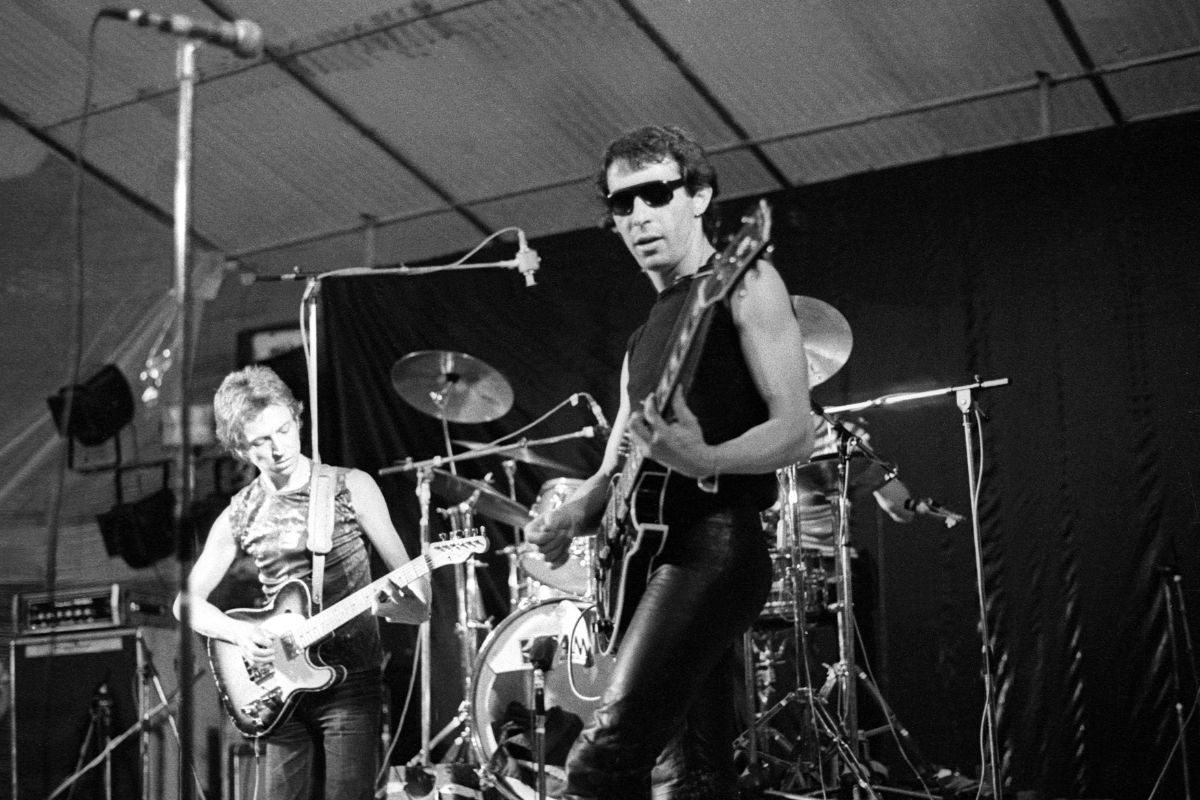
The Police’s original guitarist was replaced by Andy Summers, who had originally been part of the band as second guitarist. Padovani left just before the band broke internationally with ‘Roxanne’, which helped cement their legendary status. He was let go by Sting, who wasn’t content with his technical abilities, and instead recruited Andy Summers for the sole guitar spot.
Leaving the band didn’t halt Padovani’s career – he joined Wayne County & the Electric Chairs, who The Police had supported in 1977. The Italian guitarist joined The Police again on stage for the final encore of their show in Paris during the 2007 reunion tour.
5. Vince Clarke (Depeche Mode)
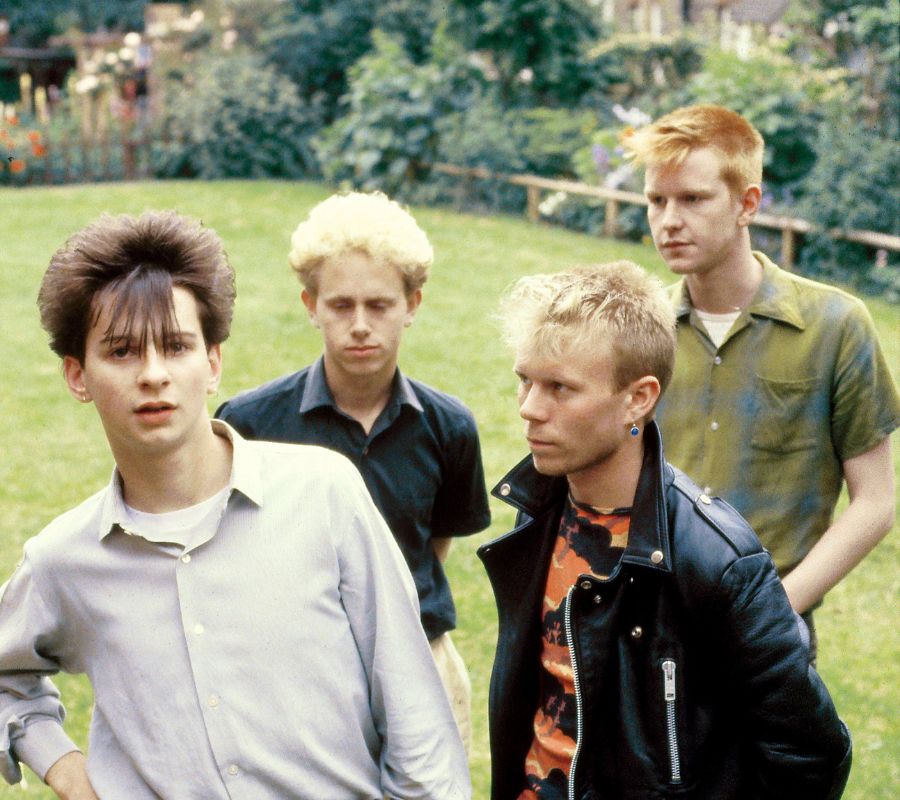
Imagine writing almost all the songs on your band's debut album, watching it become a hit – and then deciding you don't want to be in the band anymore. That's essentially what happened to Vince Clarke. He wrote nine of the 11 songs on Depeche Mode's first LP Speak & Spell, including ‘Just Can't Get Enough’, as Depeche Mode suddenly found themselves enjoying major chart success.
Yet Clarke was uncomfortable with the demands of success, particularly touring and interviews, and increasingly frustrated by having to compromise with his bandmates. 'I didn't feel happy. Or contented. Or fulfilled,' he said shortly after leaving in 1981.
The extraordinary part is what happened next: Depeche Mode went on to become one of the biggest synth-pop bands of all time, while Clarke formed Yazoo and later Erasure. He missed Depeche Mode's superstardom – but hardly faded away.
6. Bob Welch (Fleetwood Mac)
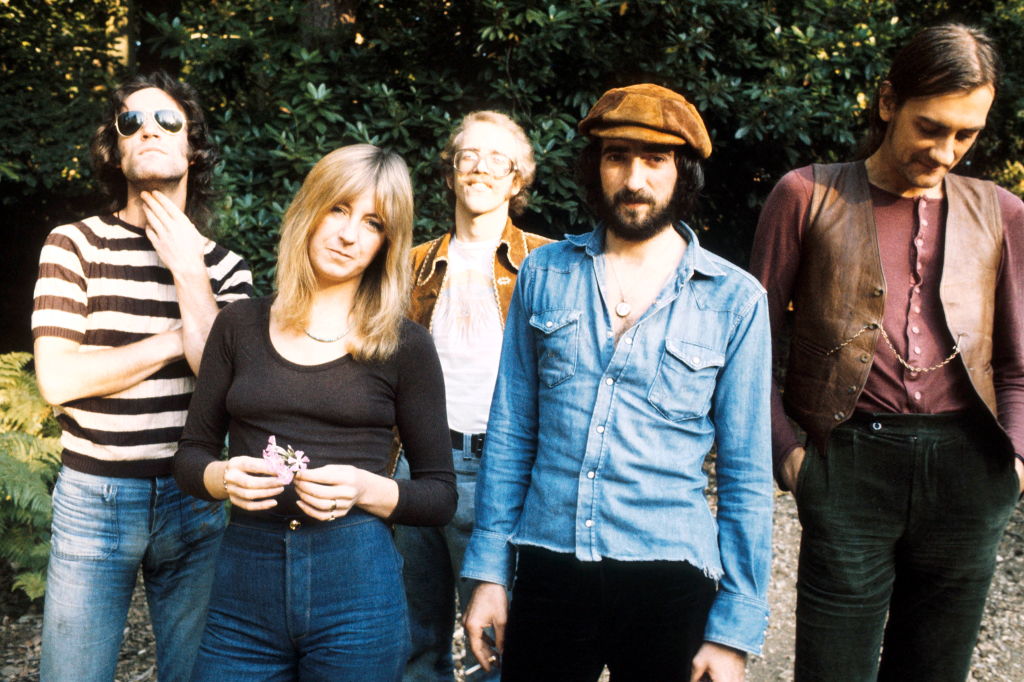
Bob Welch was part of Fleetwood Mac from 1971 to 1974, but during this time, he was experiencing burnout and marriage difficulties, and was also having creative challenges with the rest of the band. He was replaced by Lindsey Buckingham and Stevie Nicks, whose arrival injected new commercial momentum into the band’s career.
Welch missed out on the era that brought Rumours, which has become one of the biggest albums of all time. Though he enjoyed a successful solo career after he left Fleetwood Mac, but relations with the band became acrimonious – suing them for breach of contract related to the underpayment of royalties.
Here's 'Hypnotized' from 1973's Mystery to Me, one of Welch's greatest contributions to the band:
7. Dennis Stratton (Iron Maiden)
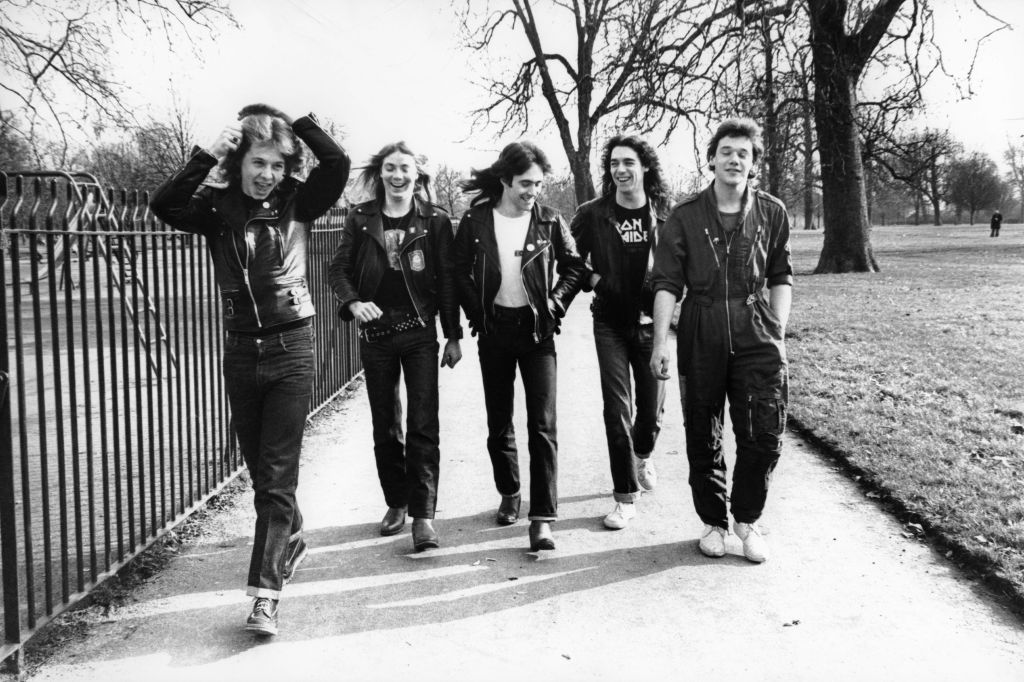
The line-up of Iron Maiden in its early years was highly changeable, with members coming and going as the band found its sound. One of these musicians was guitarist Dennis Stratton, who joined the band in 1979 and performed on their 1980 self-titled debut album, which debuted at No. 4 in the UK Albums chart. The band then supported Kiss on the European leg of their Unmasked tour, but Stratton was fired shortly after this, with the band citing ‘musical differences’.
He has since suggested that his preference for ‘easy listening’ music and bands like Queen and The Eagles over heavy metal led to friction with the rest of the band.
8. Doug Hopkins (Gin Blossoms)
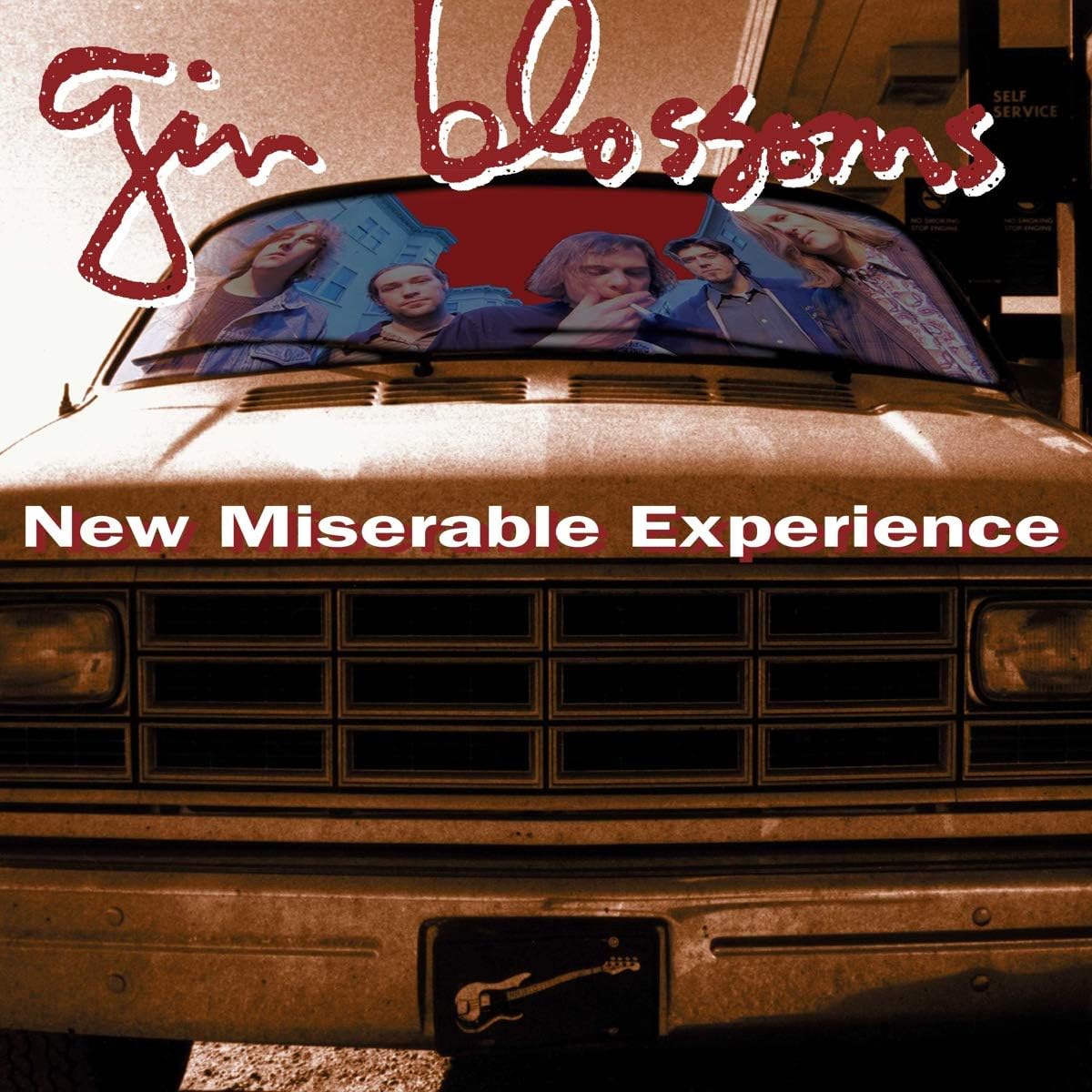
Doug Hopkins is one of the most poignant cases here because he didn't simply leave a band before it became famous: he helped write the songs that would make it famous, then was gone before the biggest success arrived. Hopkins was the principal songwriter and guitarist for Gin Blossoms, co-writing several of the songs on their breakthrough album New Miserable Experience (1992), including the hits ‘Found Out About You’ and ‘Hey Jealousy’.
But his worsening alcoholism created serious tensions within the band, and he was fired in 1992, shortly before New Miserable Experience became a huge commercial success. The album eventually went quadruple platinum, while Hopkins watched his former bandmates become stars.
The story has an especially tragic ending: Hopkins died by suicide in 1993, aged 32. His songwriting remained central to Gin Blossoms' success, making his departure one of the feature's most painful examples of being on the brink of fame – but not being there to experience it.
9. Syd Barrett (Pink Floyd)
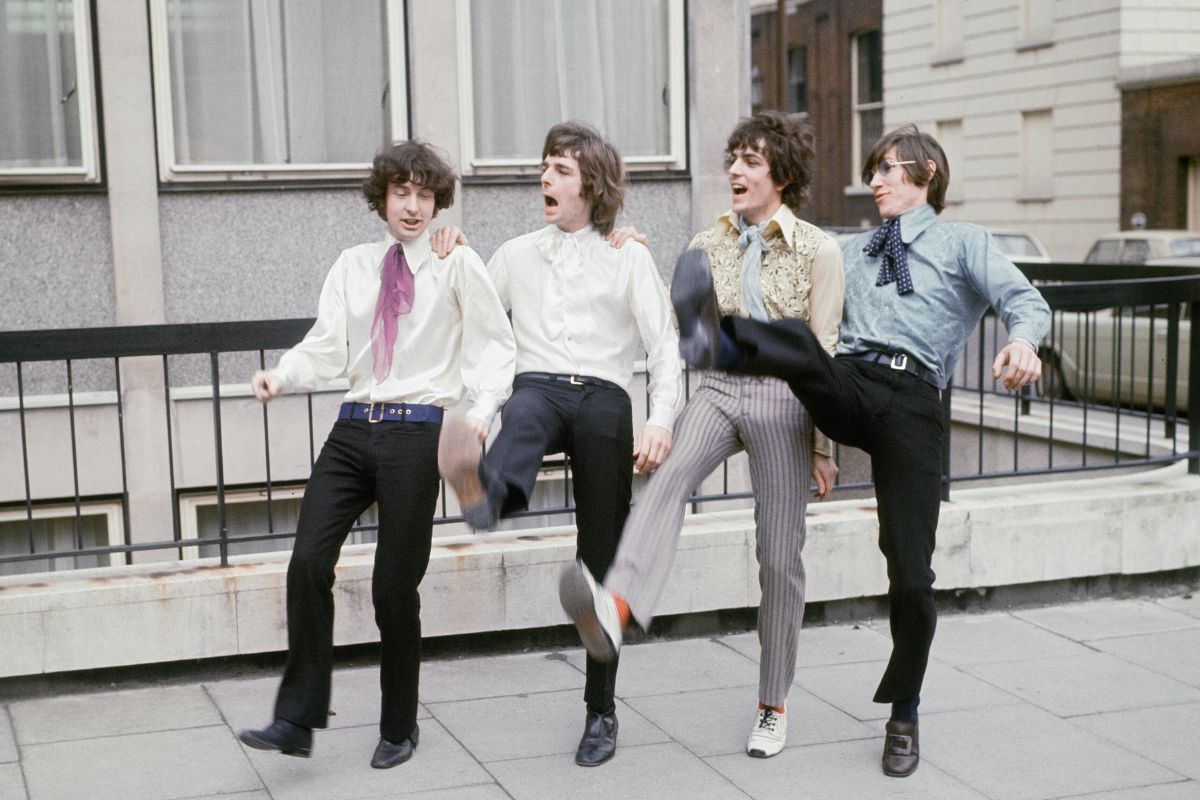
One of rock music’s most tragic exits, Syd Barrett’s departure from Pink Floyd came as a result of his LSD abuse and mental health issues. The band had grown tired of his behaviour, particularly during live performances where he was unreliable and sometimes failed to appear entirely. In 1968, Roger Waters was driving the band to a show in Southampton. When it came time to pick Syd up, someone from the band simply responded, ‘Let’s not bother’.
Barrett had written most of the band’s material at this stage, and the plan was to keep him on as a non-touring member, but even that proved to be untenable. He then pursued a brief solo career, releasing two solo albums within a year. In 1975, Barrett arrived at Pink Floyd’s studio in one of rock music’s most haunting, surreal moments. He then retreated from the public eye entirely, before dying in 2006 from pancreatic cancer.
He will be forever be fondly remembered for the madcap psychedelic whimsy he brought to early Floyd classics such as 'Flaming':
10. John Curulewski (Styx)
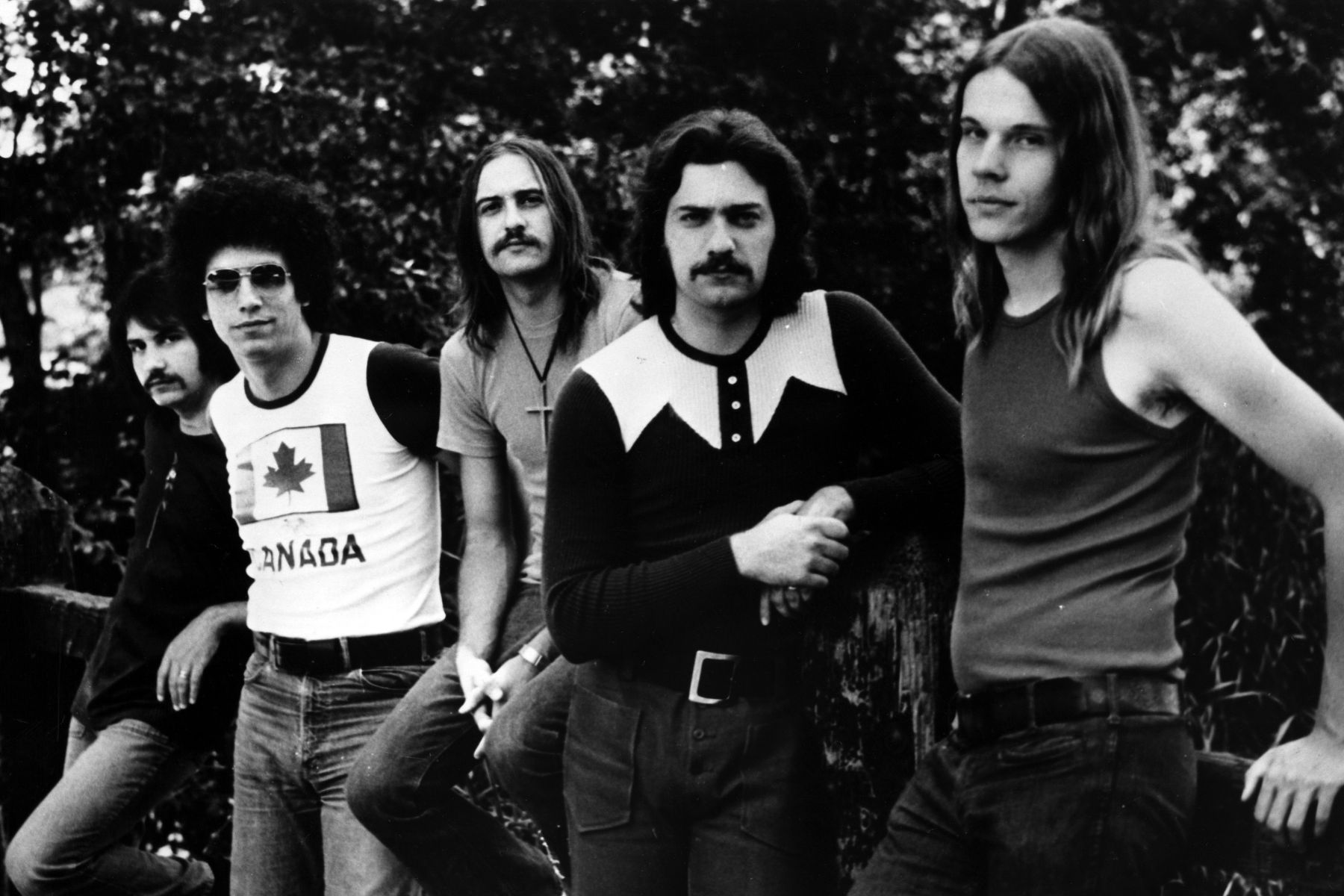
The tale of Styx's founding guitarist remains one of rock’s most poignant 'what if' stories. A versatile musician who favored the band’s early progressive and folk-inflected sound, Curulewski played on the band's first five albums. However, he grew weary of the gruelling tour cycle and craved more time with his family.
In 1975, just after the release of Equinox, Curulewski made the fateful decision to leave the group. In a stroke of historical irony, his departure occurred mere moments before Styx skyrocketed to international superstardom. His replacement, Tommy Shaw, provided the pop sensibility and rock star persona that helped define their multi-platinum era.
While his former bandmates became household names filling stadiums, Curulewski transitioned into teaching and session work. He remains a cult figure for purists who cherish the raw, experimental roots of 1970s arena rock.
To hear the bridge between the John Curulewski era and the superstardom that followed, listen to 'Lady' from the 1973 album Styx II. It is the song that essentially saved the band’s career. Although it was released years earlier, it became a delayed smash hit in 1975, just as Curulewski was preparing to depart. It features the classic Styx blueprint: a delicate, classical-style piano opening that explodes into a high-energy power ballad.
11. Dave Krusen (Pearl Jam)
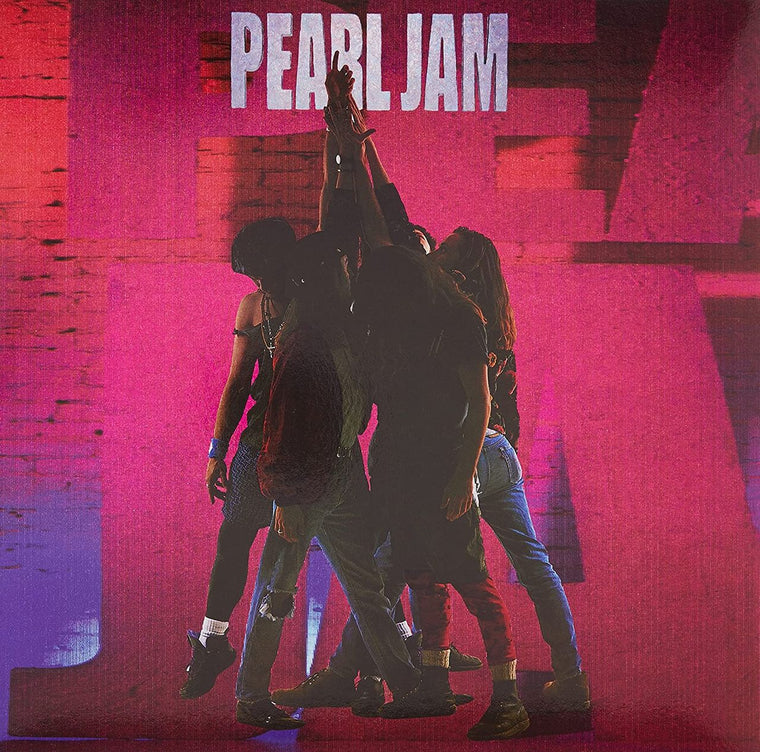
Dave Krusen had one of the most frustratingly well-timed exits in rock history. Pearl Jam's original drummer played on their debut album, Ten, but left the band in May 1991, shortly after recording was completed, because his alcoholism had become unmanageable. 'They had to let me go,' Krusen later admitted. 'I couldn't stop drinking, and it was causing problems.
He therefore missed almost everything that followed: Ten became a phenomenon, Pearl Jam became one of the biggest bands in the world, and Krusen was replaced first by Dave Abbruzzese and later by Jack Irons and Matt Cameron. The painful irony is that Krusen had helped create the album that made Pearl Jam famous – then had to watch the explosion from the sidelines.
12. Glen Matlock (Sex Pistols)
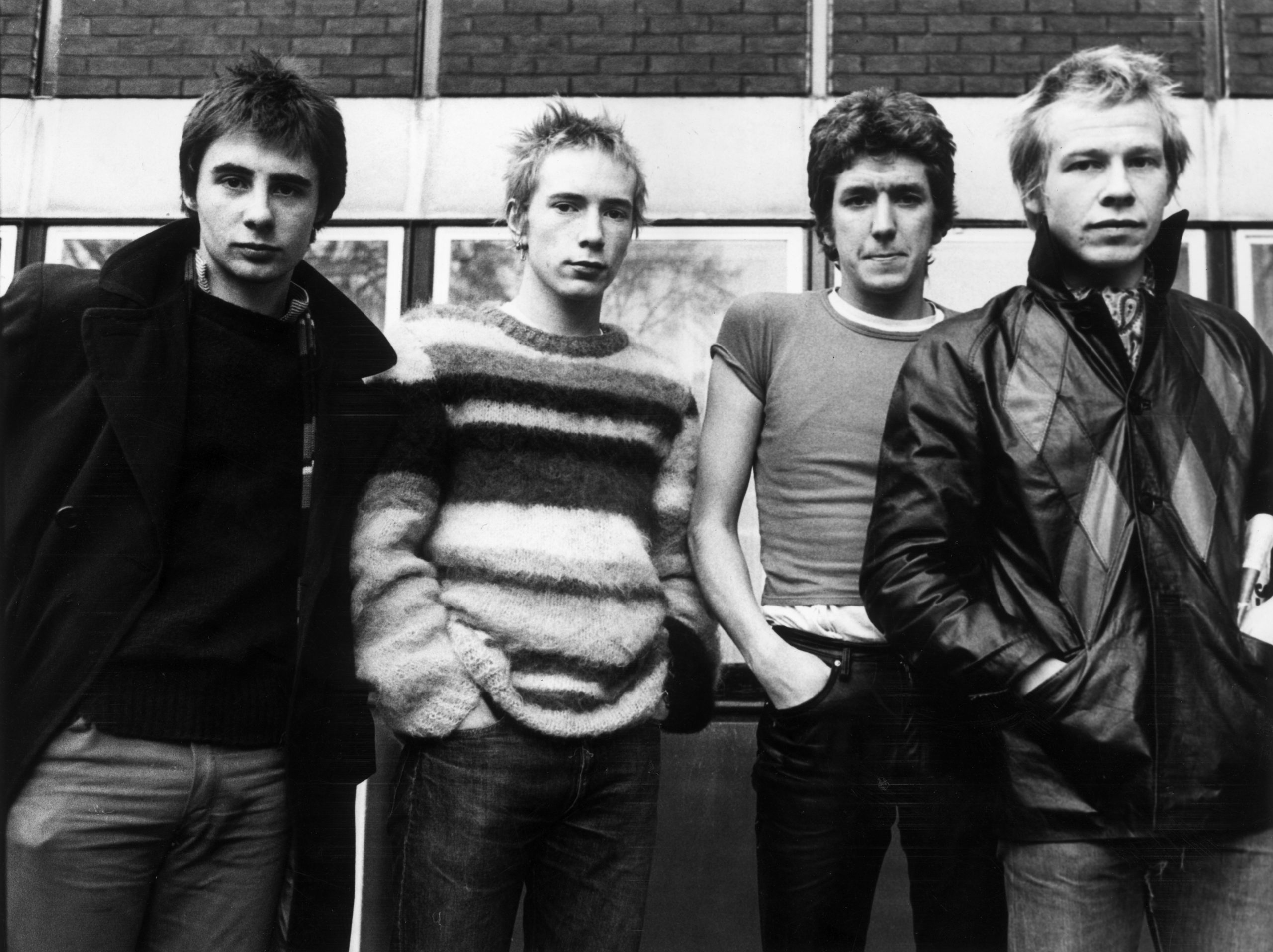
Credited as a songwriter on ten of the 12 songs on the Sex Pistols’ only studio album, Never Mind the Bollocks, Here’s the Sex Pistols, bassist Glen Matlock left the band early in the recording process. He might have been involved in the early songwriting, but he’s only credited as a bassist and backing vocalist on one song on the album: ‘Anarchy in the UK’.
He left the Sex Pistols in February 1977, replaced by one Sid Vicious. The band’s manager announced that Matlock had been ‘thrown out of the band’ because ‘he liked The Beatles’. The truth is that tensions between Matlock and lead singer Johnny Rotten were high, and manager Malcolm McLaren was supposedly encouraging chaos within the band to create a nihilistic punk image.
Vicious was a fan of the band and was in their wider circle, attending all their gigs and creating chaos and drama around them. The band’s debut album was released in October of that year – and exploded.
After the Sex Pistols, Matlock remained in the music industry, forming other bands such as Rich Kids. Then, after the death of Vicious, Matlock returned to the band for subsequent Sex Pistols reunions and performances.
13. Peter Banks (Yes)
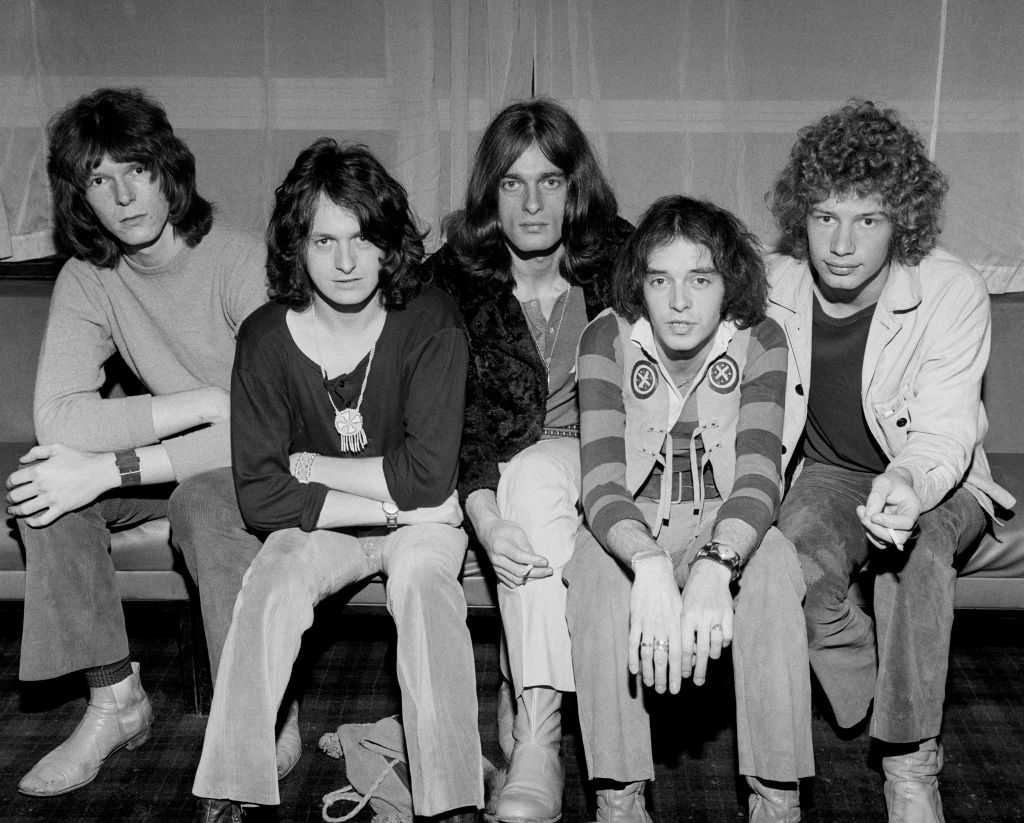
Peter Banks was the guitarist on Yes's first two albums, helping establish the band's early sound alongside Jon Anderson, Chris Squire, Tony Kaye and Bill Bruford. But by 1970, tensions were growing over the band's musical direction and Banks was increasingly regarded as the wrong guitarist for the next stage of Yes's development. Steve Howe replaced him.
The timing could hardly have been worse. Banks departed just before Yes embarked on the extraordinary run that would make them prog-rock giants: The Yes Album, Fragile and Close to the Edge. He subsequently formed Flash and pursued other projects, but never came close to the fame Yes achieved. In another version of history, Banks might have been the guitarist on those records – and one of prog's most recognisable names.
Pics Getty Images