Rock has always thrived on the friction between generations.
Whether it was a suggestive swivel of the hips in the Fifties or the spiked leather and nihilism of the Eighties, certain artists seemed specifically engineered to trigger parental anxiety. This list explores those ‘dangerous’ acts that were banned from turntables and scrubbed from posters – the bands that represented a terrifying shift in values, a threat to eardrums, or simply a walk on the wild side.
1. Elvis Presley
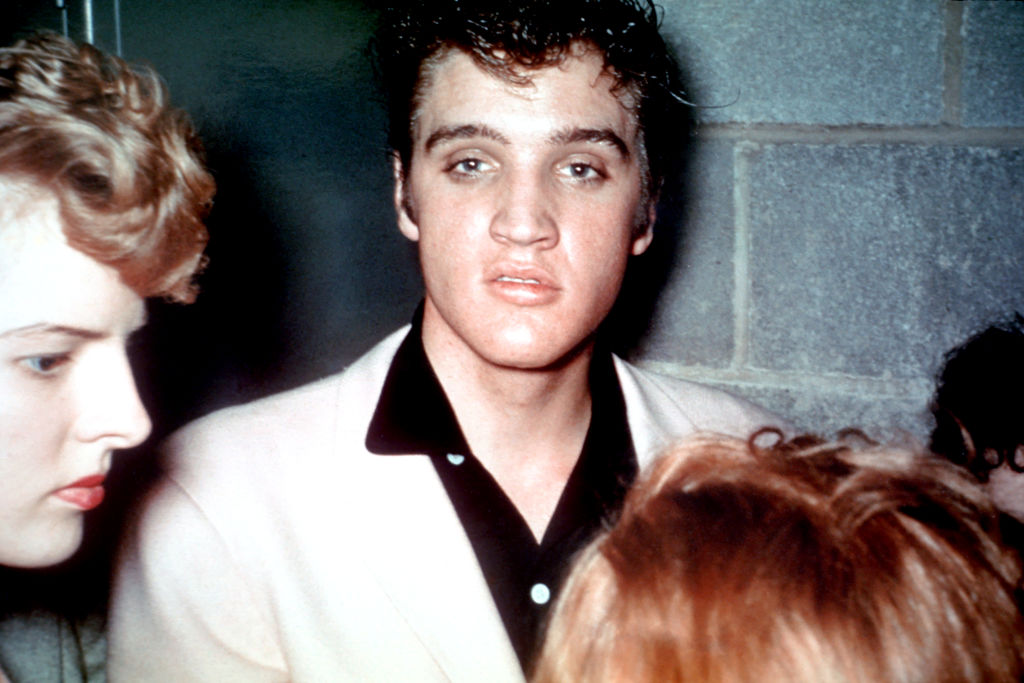
In 1956, Elvis was the ultimate ‘corrupter of youth’. It wasn't just the music; it was the ‘suggestive’ way he moved his hips – famously censored by TV cameras – and the perceived influence of ‘jungle music’ (a derogatory, racially charged descriptor used by the white conservative establishment) that threatened the conservative social order of the time.
2. The Rolling Stones
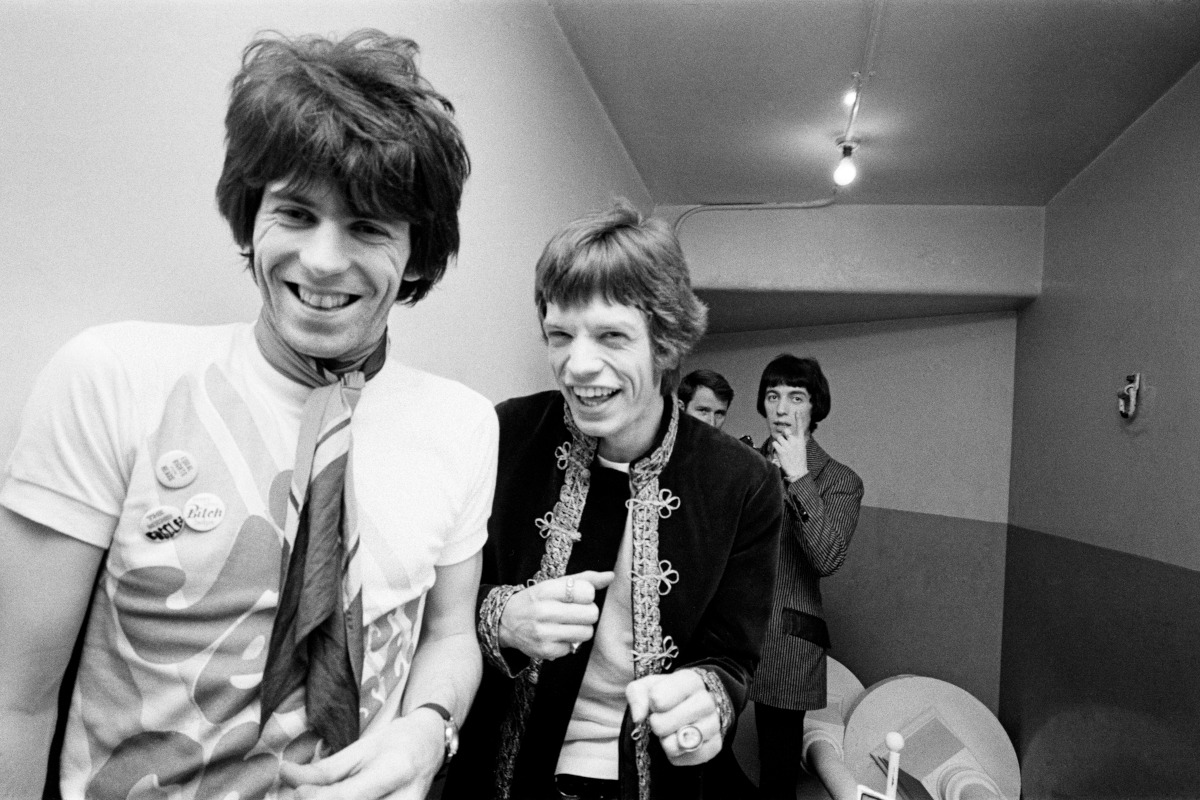
If the Beatles were the boys you brought home to meet your parents, the Stones were the ones you would be meeting at the party later that night. Their dishevelled look and ‘Street Fighting Man’ attitude made them the definitive symbols of 1960s delinquency.
3. Alice Cooper
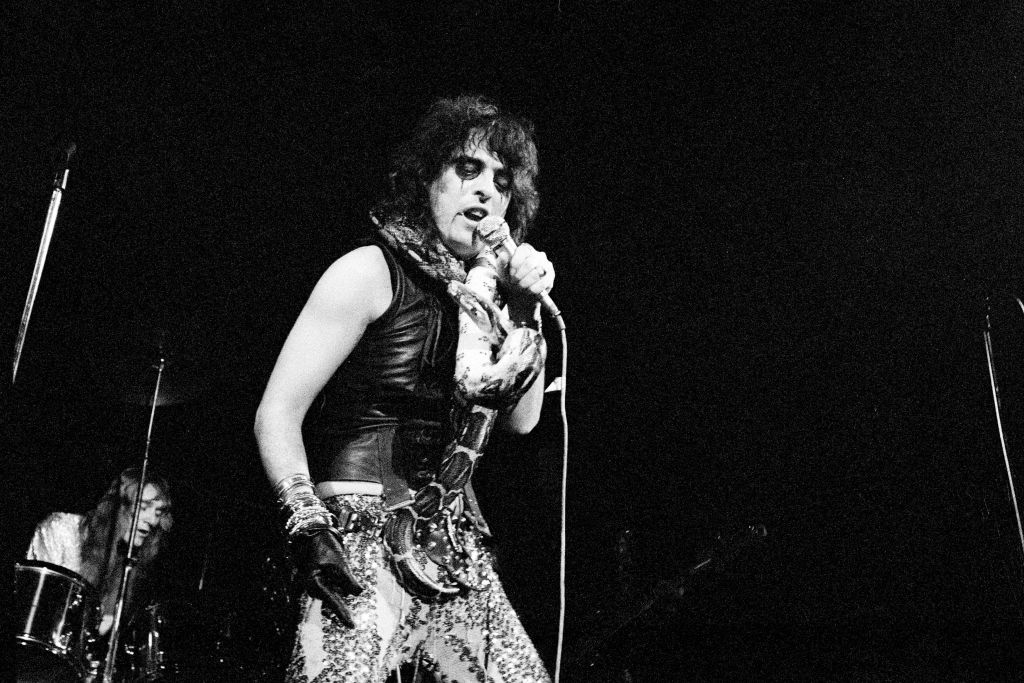
Alice Cooper turned rock into a horror movie. With guillotines, electric chairs, and boa constrictors, he was the first artist to make ‘theatrical violence’ a cornerstone of his set. To a 1970s parent, a kid listening to Alice’s 1975 album Welcome to My Nightmare was clearly headed for a life of occultism.
4. The Sex Pistols
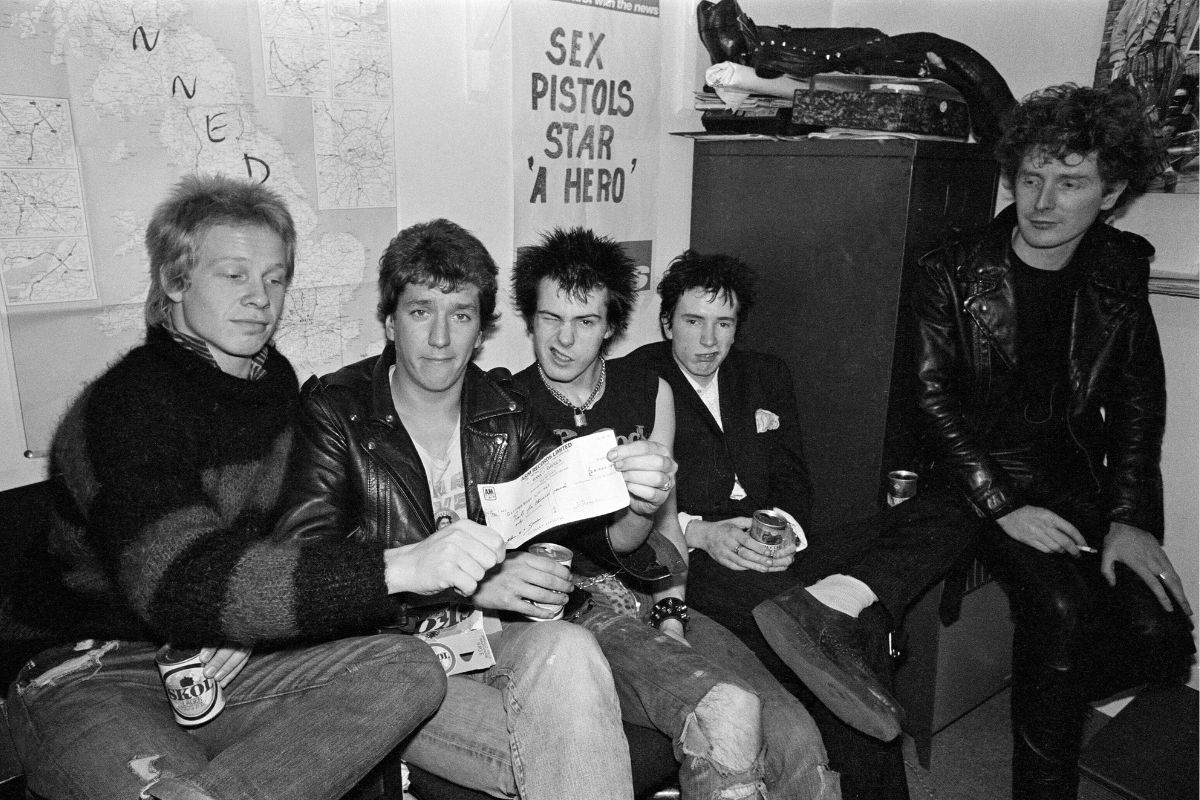
The Pistols didn't just play music; they attacked the status quo. Between their provocative, swearword-dropping television appearances and songs like ‘God Save the Queen’, they represented a complete breakdown of British manners and authority that terrified the middle class.
5. Black Sabbath
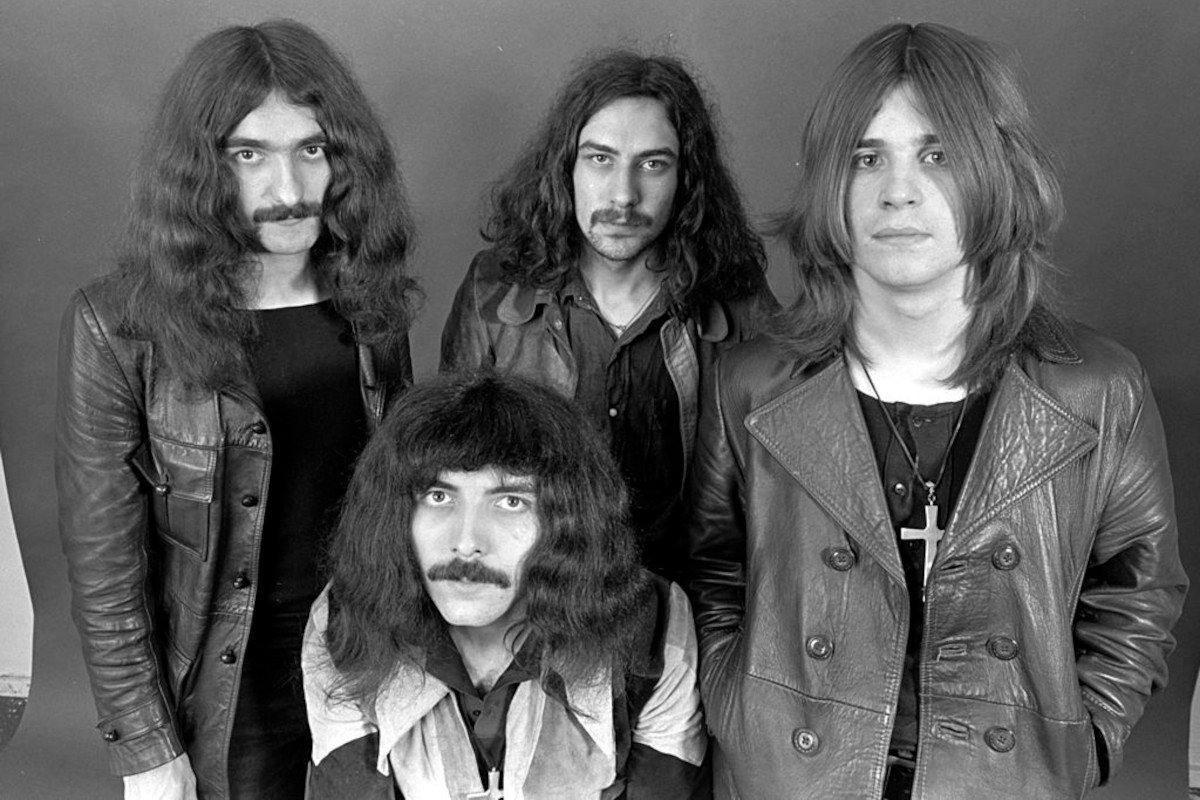
The heavy, downtuned tritone – or Devil’s Chord – that raised the curtain on Black Sabbath’s 1970 debut album sounded like the end of the world. Parents were convinced Tony Iommi’s ominous riffs and Geezer Butler’s macabre, apocalyptic lyrics were a direct recruitment tool for the Church of Satan.
6. W.A.S.P.
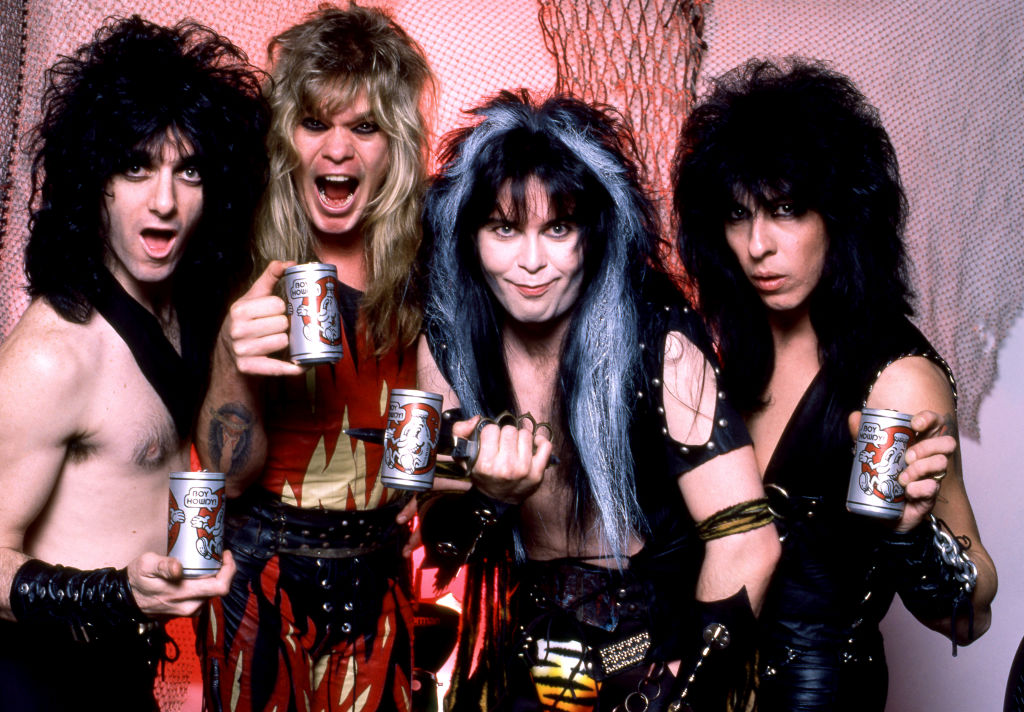
Led by Blackie Lawless, W.A.S.P. was one of the most prominent targets of the Parents Music Resource Center’s (PMRC’s) ‘Filthy Fifteen’ – 15 songs they wanted banned from the airwaves. With raw meat being thrown into the crowd and lyrics focusing on extreme sexual deviance, they were the ultimate 1980s nightmare for any suburban mother.
7. The Velvet Underground
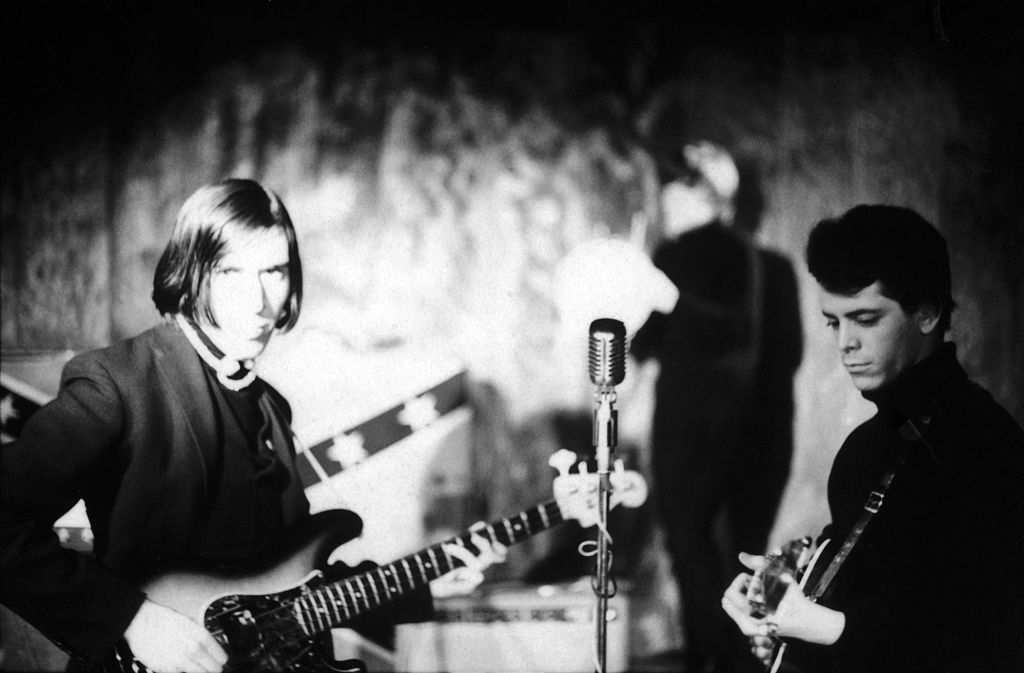
Long before punk, Lou Reed was writing about heroin addiction and sadomasochism. The Velvets didn't offer the colourful escapism of the 1960s; they offered the gritty, drug-fuelled reality of New York’s underbelly, which was far too ugly and sordid for the average household.
8. Guns N’ Roses
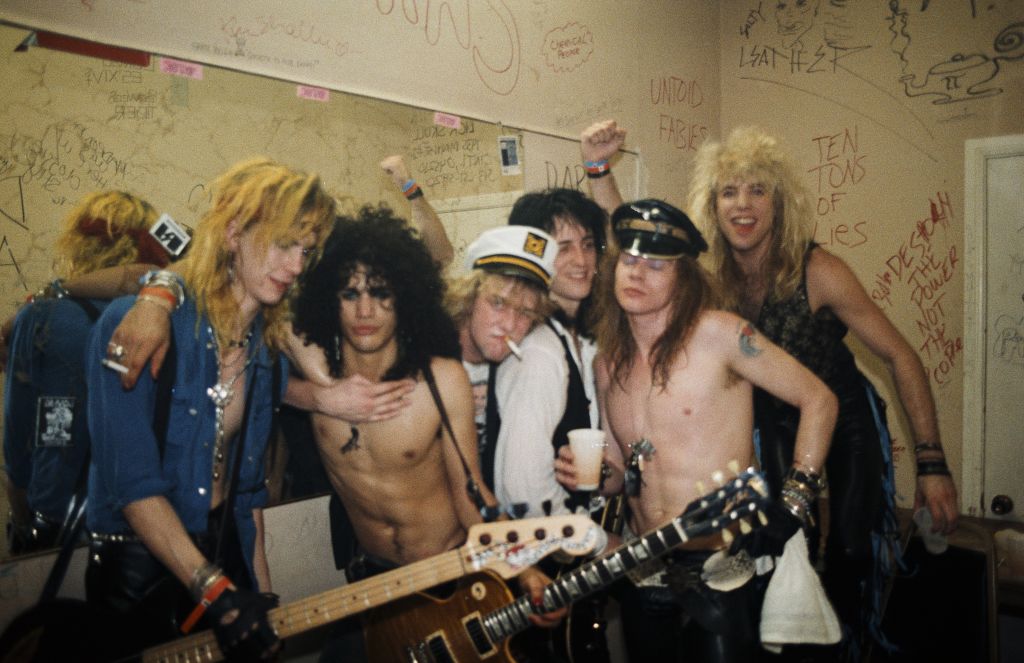
In 1987, GNR brought a sense of danger back to the Sunset Strip. They polarised the public by replacing the polished ‘hair metal’ trend with a gritty, dangerous realism.
Their controversy stemmed from unpolished depictions of urban decay, substance abuse, and volatile live performances marked by riots and unpredictability. While critics hailed their authenticity, the band faced intense scrutiny for offensive lyrics and a hedonistic lifestyle that epitomized rock’s most rebellious extremes.
9. MC5
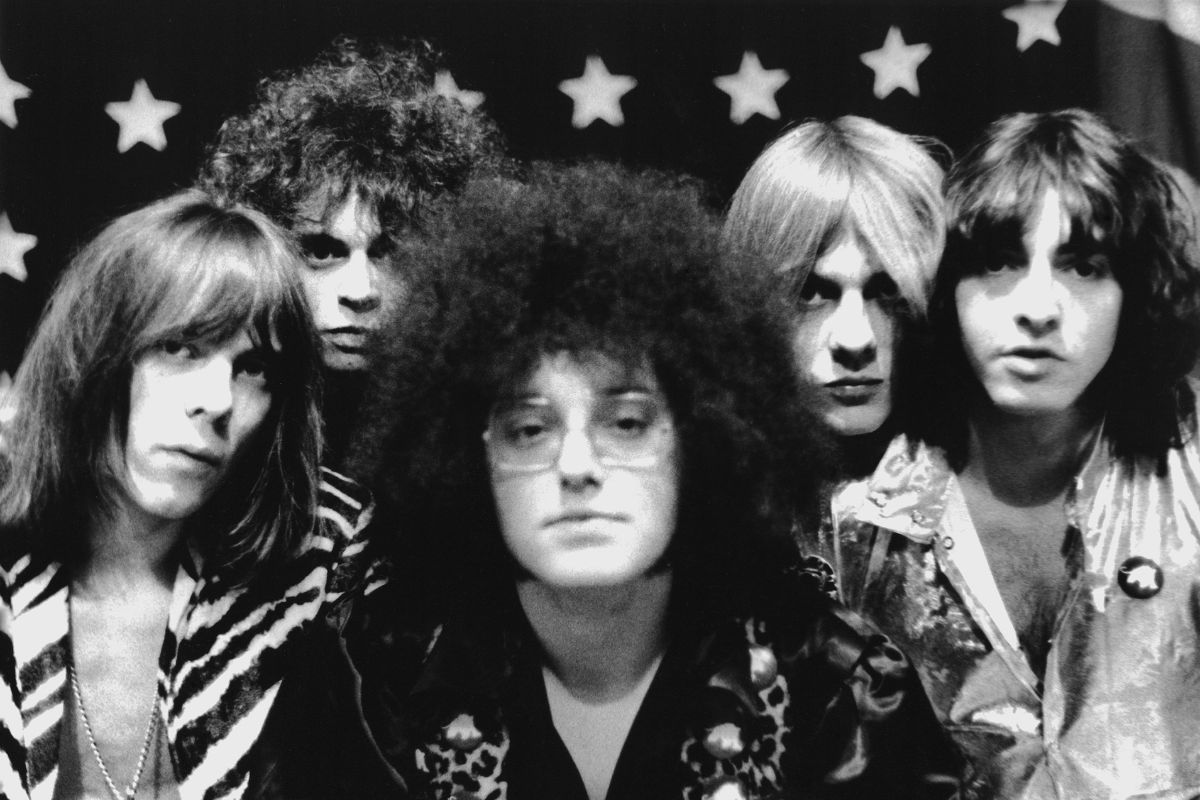
With their ‘Kick Out the Jams’ mantra – a command to either play with total passion or get off the stage – Detroit’s Motor City Five were viewed as genuine political revolutionaries. Their loud, aggressive sound was a sonic call to arms that worried the FBI.
They were the official musical wing of the White Panther Party, a far-left anti-racist group dedicated to total cultural revolution. This dangerous fusion of high-decibel garage rock and radical militancy turned their concerts into volatile, high-stakes political rallies.
10. Slayer
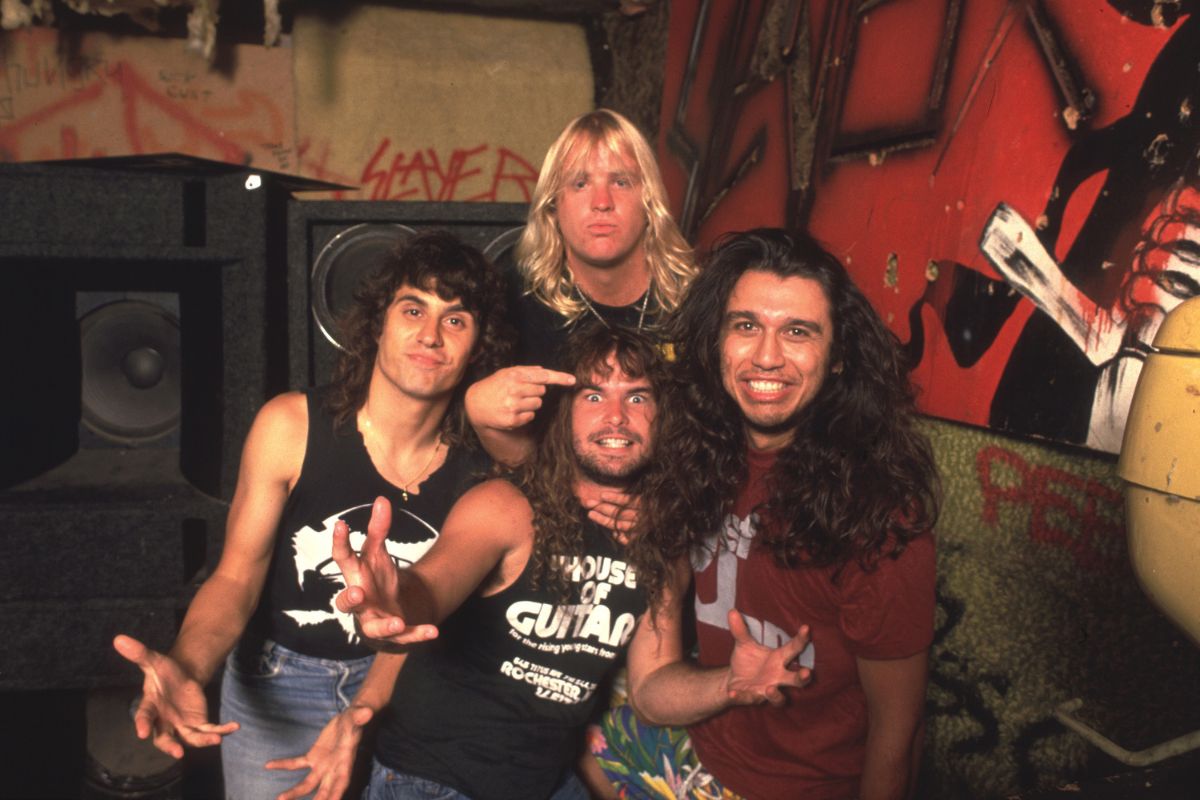
While other metal bands sang about dragons and wizards, Slayer confronted the grim reality of human evil, penning tracks about Nazi atrocities, war crimes, and real-world serial killers. Added to that, the sheer punishing velocity and frantic aggression of their music sounded like pure, unadulterated chaos to untrained ears. This intense sonic assault, combined with their pitch-black themes, instantly marked them down as uniquely ‘unhealthy’ for impressionable young minds everywhere.
11. The Doors
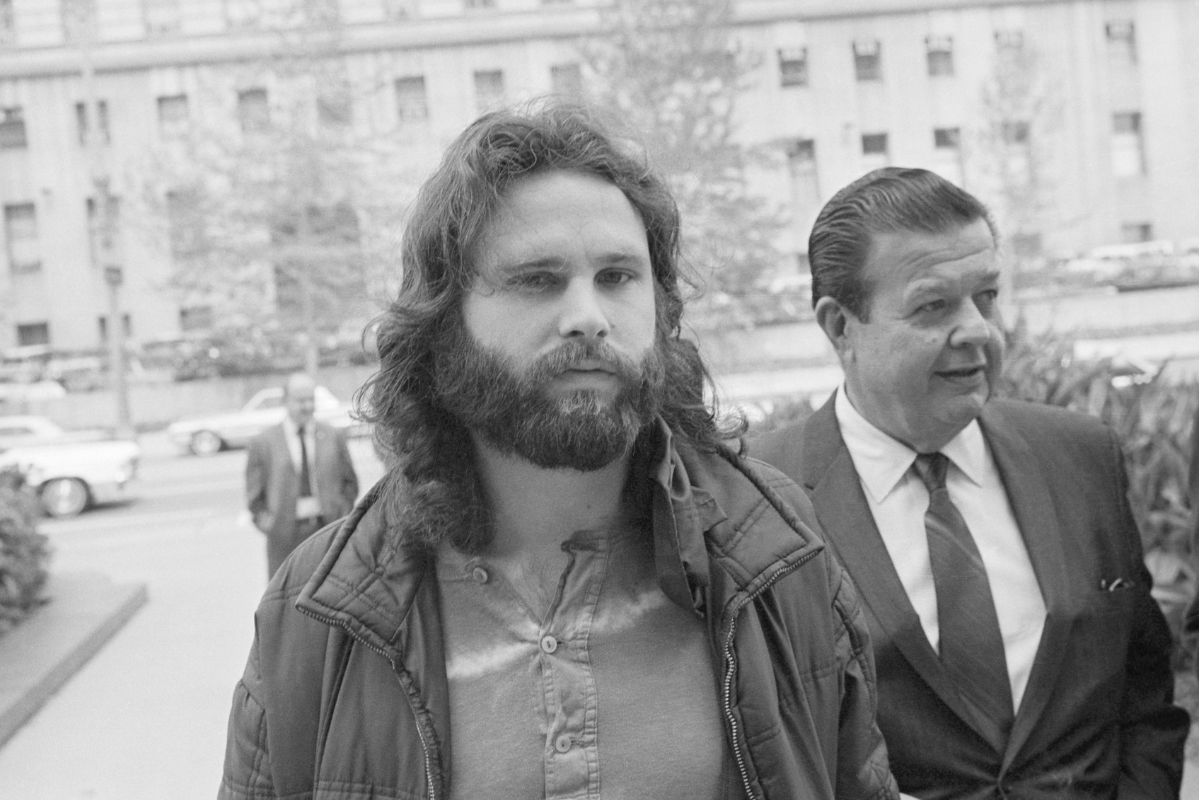
Jim Morrison’s ‘Lizard King’ persona was a provocative cocktail of tight leather, psychedelic shamanism, and dark Oedipal complexes. By blending high-concept poetry with unpredictable theatrics, he transformed rock concerts into dangerous, ritualistic experiences. His onstage arrests for lewd and lascivious behaviour solidified his reputation as a volatile icon of drug-fuelled rebellion.
For the conservative establishment, Morrison was a terrifying poster child for a counterculture they feared would permanently claim their children’s futures and dismantle traditional social values.
12. Mötley Crüe
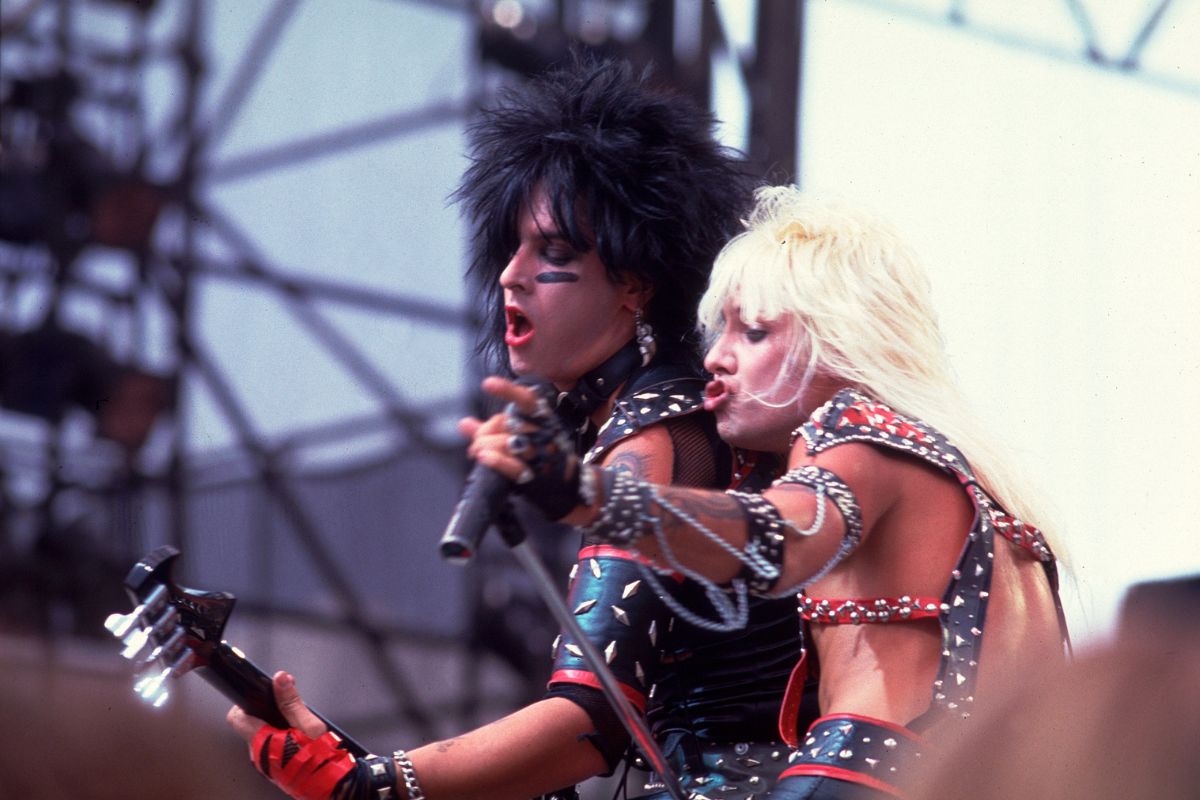
Mötley Crüe defined the 1980s through a provocative blend of occult-inspired aesthetics and a lifestyle characterized by constant upheaval. Between Nikki Sixx’s highly publicized brushes with mortality and the group’s overarching reputation for excess, they became a central focus for cultural watchdogs.
Their defiant image and unrefined lyrics were instrumental in the movement that led to the creation of the Parental Advisory label, forever marking them as the era's ultimate outlaws.
13. Iggy & The Stooges
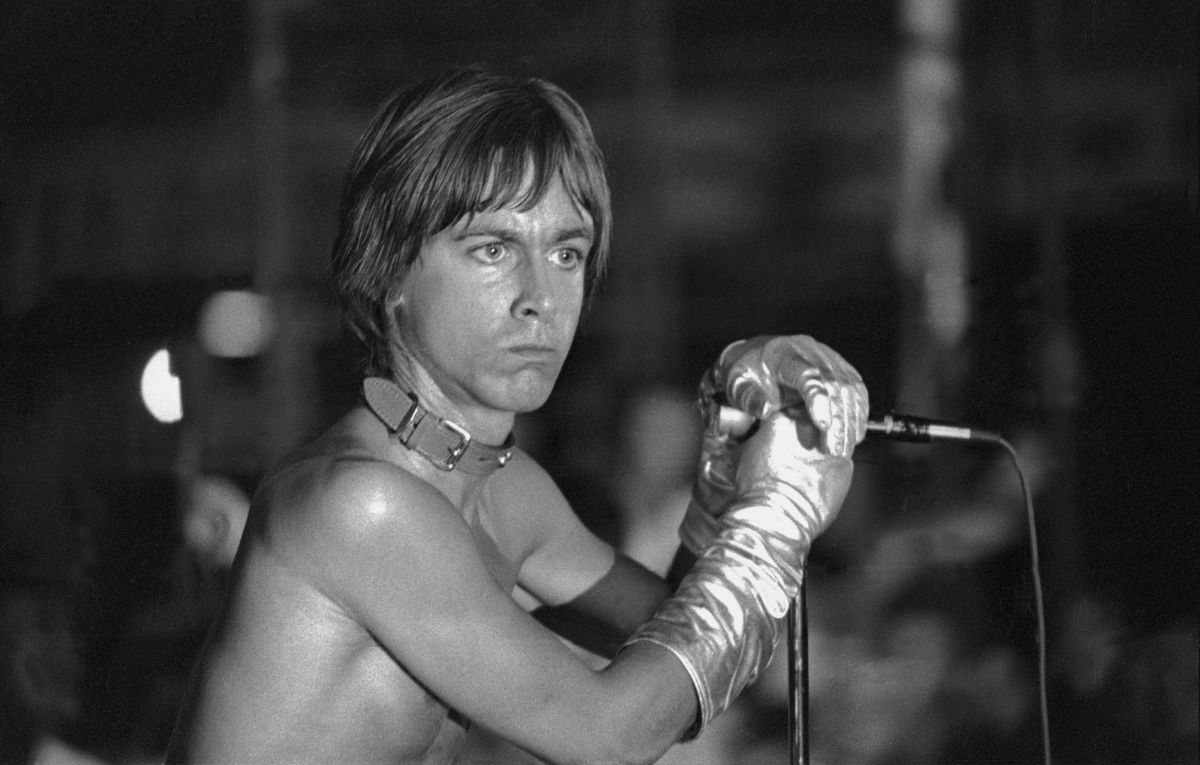
Iggy Pop would smear himself with peanut butter, cut his chest with glass, and dive into the crowd. To a parent in 1969, this wasn't music; it was a mental health crisis caught on tape – a terrifying display of raw, unhinged masculinity.
14. KISS
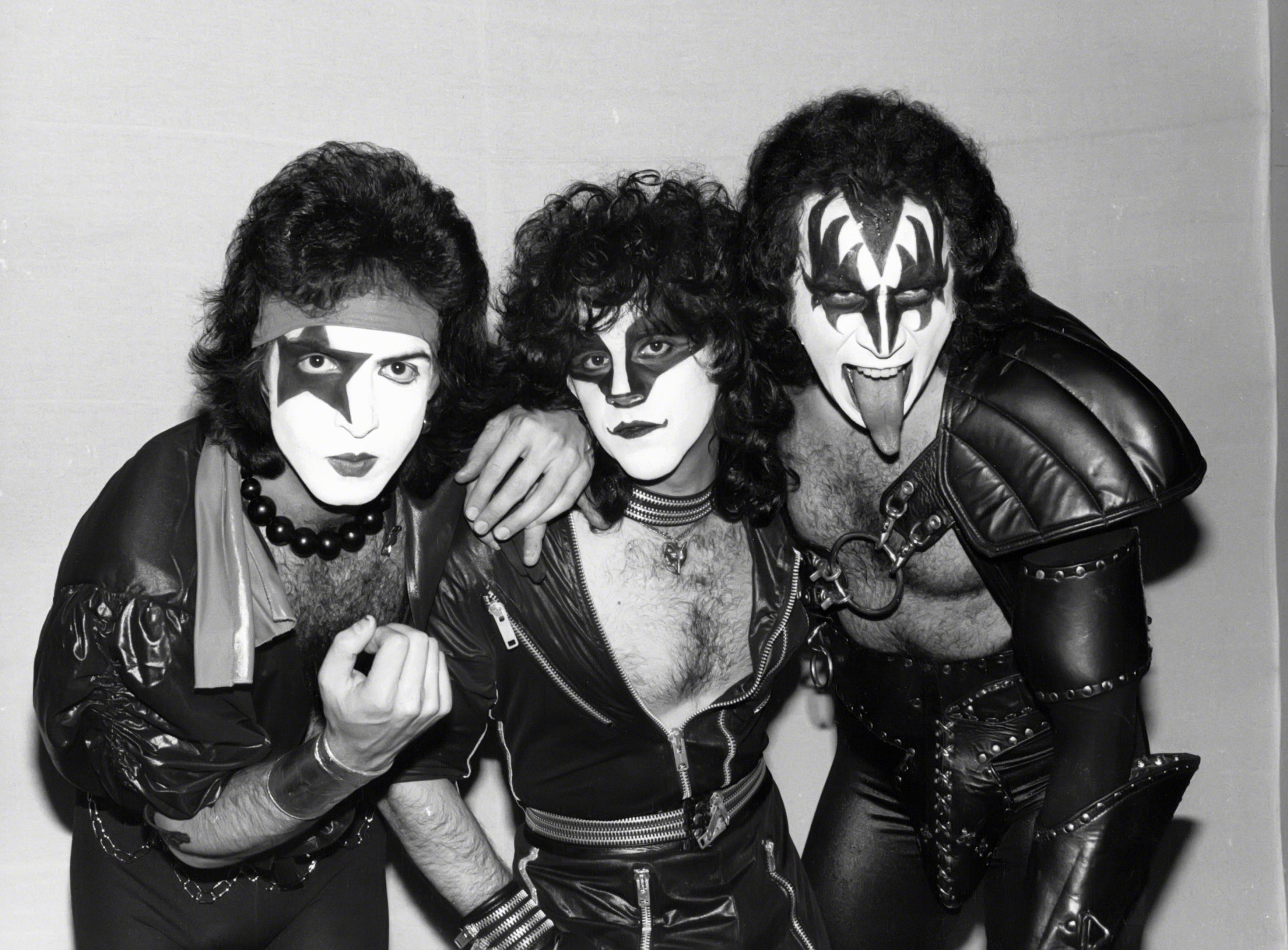
Before everyone knew they were just savvy marketing businessmen, KISS were widely rumoured to be the “Knights in Satan’s Service.” Their theatrical face paint, blood-spitting, and onstage fire-breathing cultivated a terrifying, demonic image.
This shocking spectacle heavily fuelled the brewing “Satanic Panic” across American suburbs, where paranoid religious groups and anxious parents genuinely feared that rock music was a gateway to literal occult worship and youth corruption.
15. Dead Kennedys
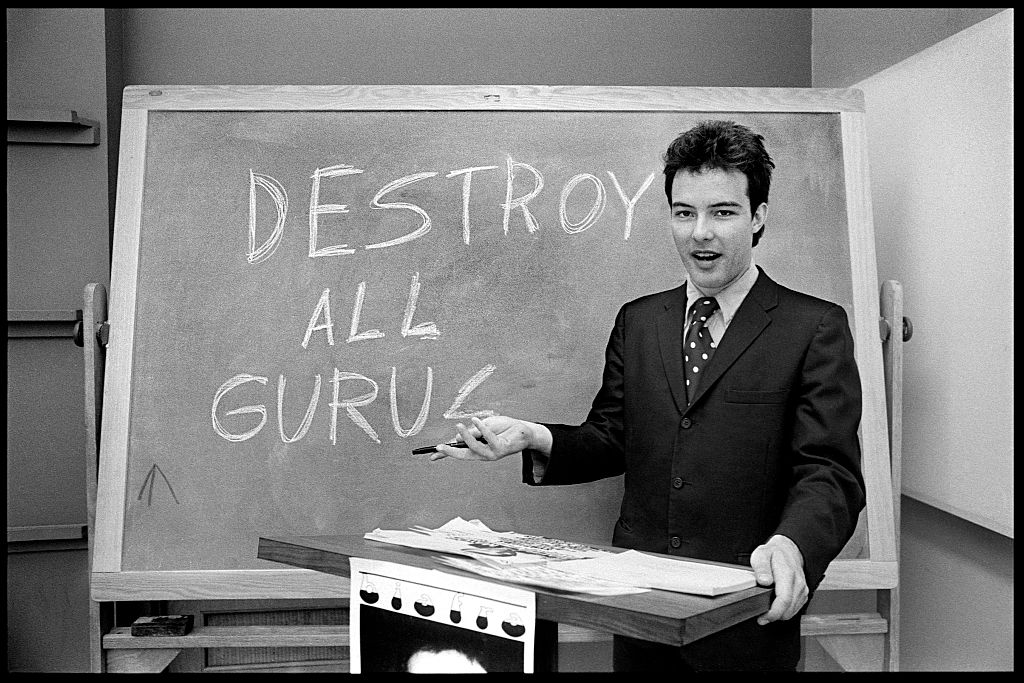
Jello Biafra’s satirical, high-speed political rants targeted everything from consumerism to government surveillance with a razor-sharp wit that many found genuinely threatening. The band’s name alone was offensive enough to ensure their records were hidden under mattresses, while their confrontational imagery sparked intense legal battles.
Their 1985 album Frankenchrist became a lightning rod for controversy, featuring H.R. Giger’s Landscape XX – a graphic, surrealist poster that depicted rows of genitalia – ultimately landing the group in a high-profile obscenity trial that tested the limits of artistic expression.
16. New York Dolls
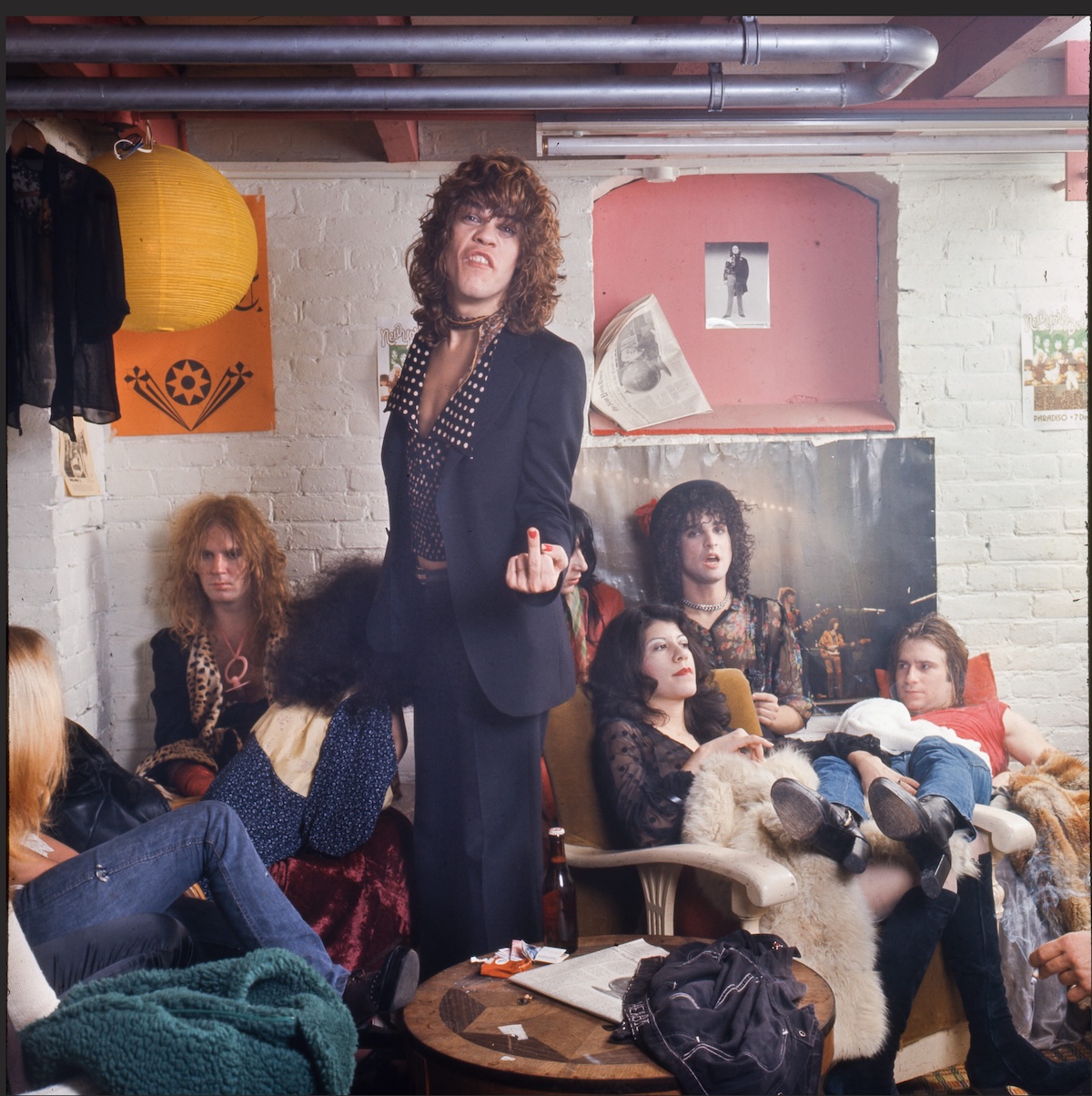
The New York Dolls’ collision of ‘ugly’ street-rock and gender-bending drag presented a double threat to the 1970s establishment. By pairing high-heeled glamour with a sound that resembled a glorious plane crash, they aggressively dismantled traditional views of masculinity. This confrontational style made them a target for critics, who viewed them as a corrupting influence on both aesthetic and moral levels.
17. Mercyful Fate
King Diamond’s corpse paint and his collection of human bones were a bit much for the 1980s. Unlike bands who used occult imagery to achieve a level of ‘spookiness’, Mercyful Fate felt like they actually meant it, which was enough to get them banned from many Christian households.
18. GWAR
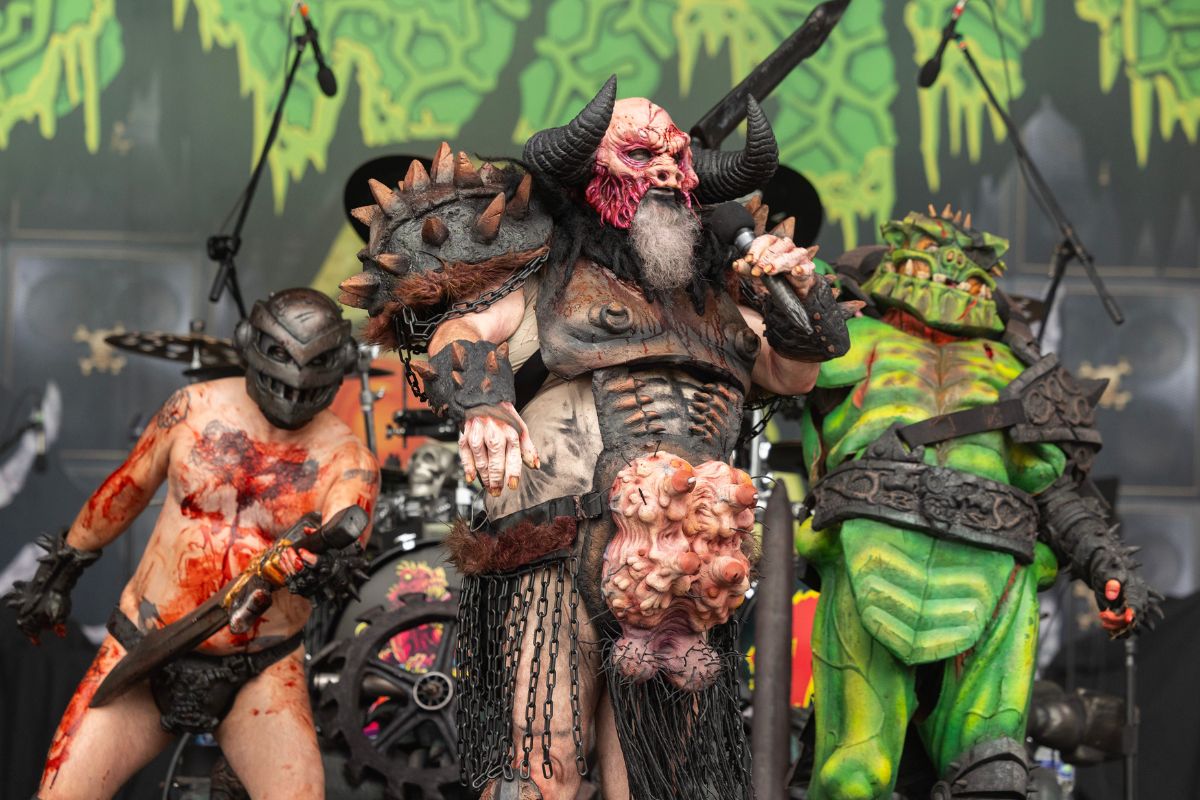
An intergalactic horde of monsters spraying fake ‘bodily fluids’ on their audience? GWAR was the ultimate test of parental tolerance. They were the grotesque, cartoonish extreme of rock and roll that made the PMRC’s heads spin.
19. Public Image Ltd (PiL)
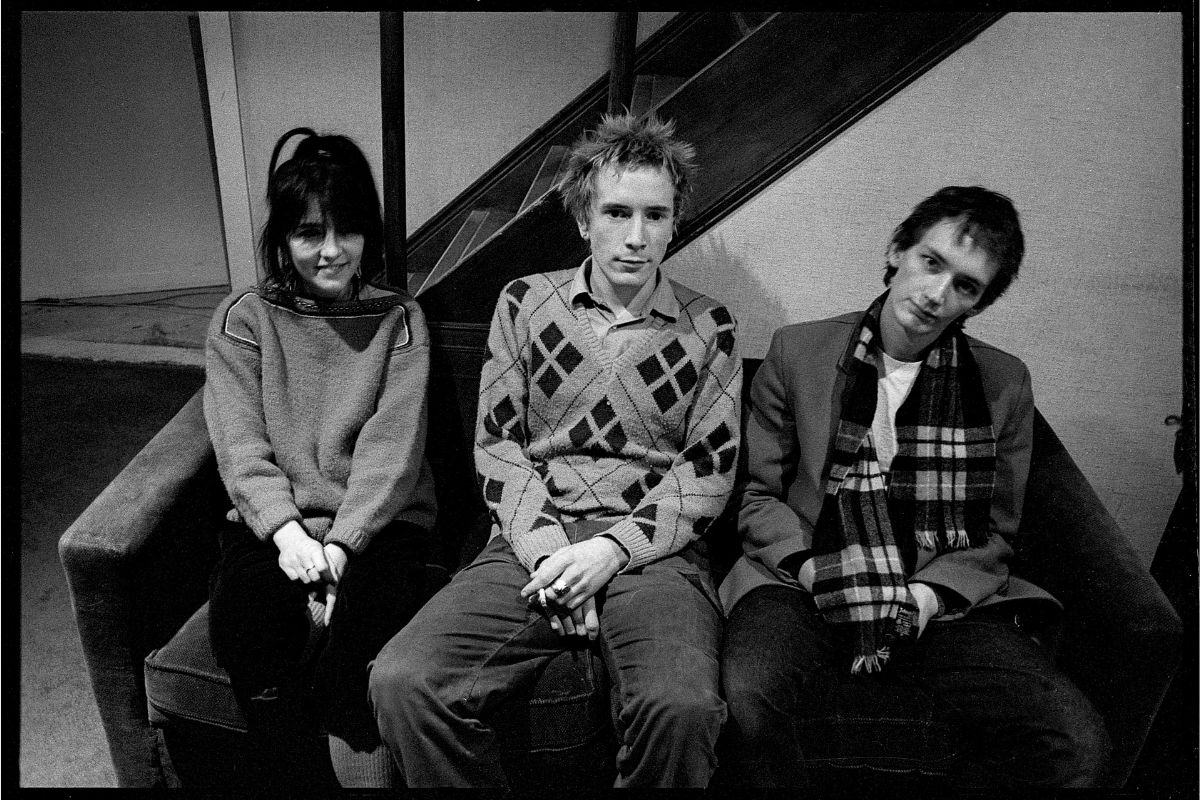
After the Sex Pistols, John Lydon returned with a sound that was even more challenging. The screeching guitars and dub-heavy bass of Metal Box were designed to be ‘anti-pop’, a dissonant noise that parents found genuinely physically painful to listen to.
20. Marilyn Manson (Late 80s Era)
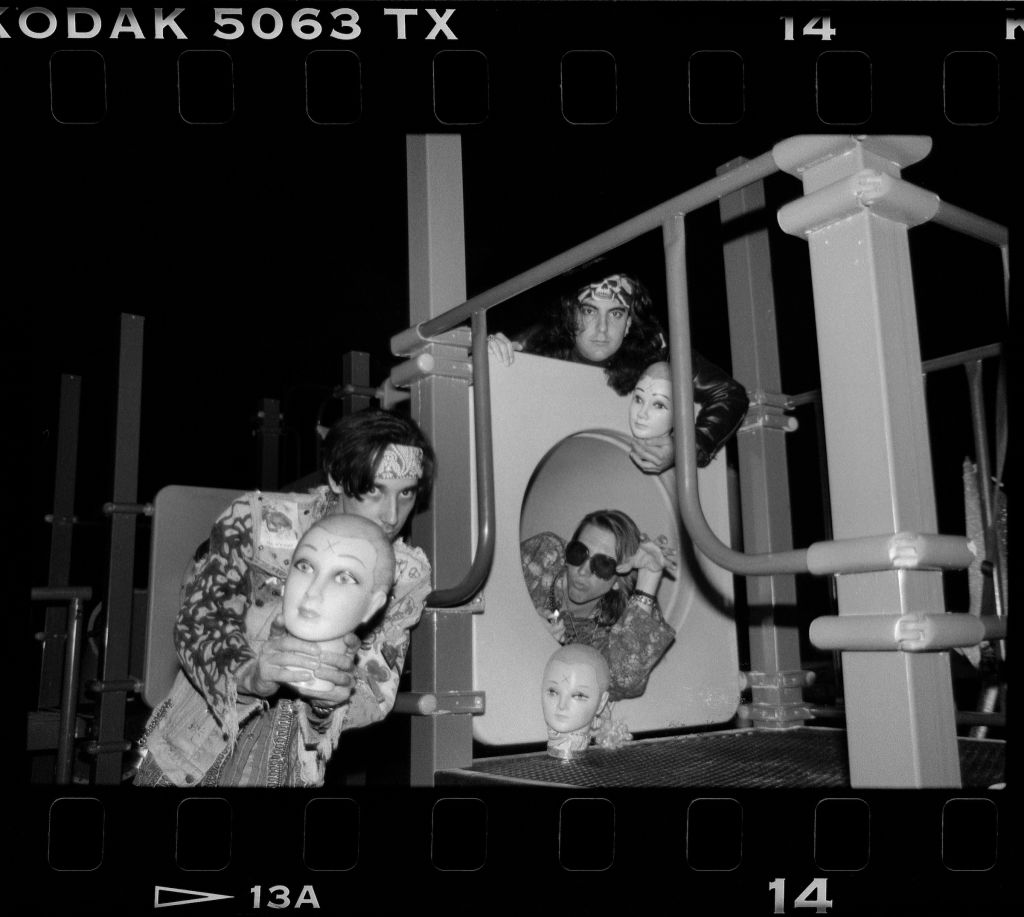
Though he would peak the following decade, Marilyn Manson’s late-1980s Spooky Kids era established the foundational blueprint for the ultimate parental bogeyman. By combining abrasive industrial noise with a direct, calculated assault on traditional religious and family values, he crafted a persona that felt like a genuine threat to the social fabric.
To a panicked public, Manson became the menacing figurehead of forbidden music for the late 20th century. His use of transgressive imagery and shock-rock theatrics turned every performance into a lightning rod for protests, censorship, and widespread moral outrage.
21. The Cramps
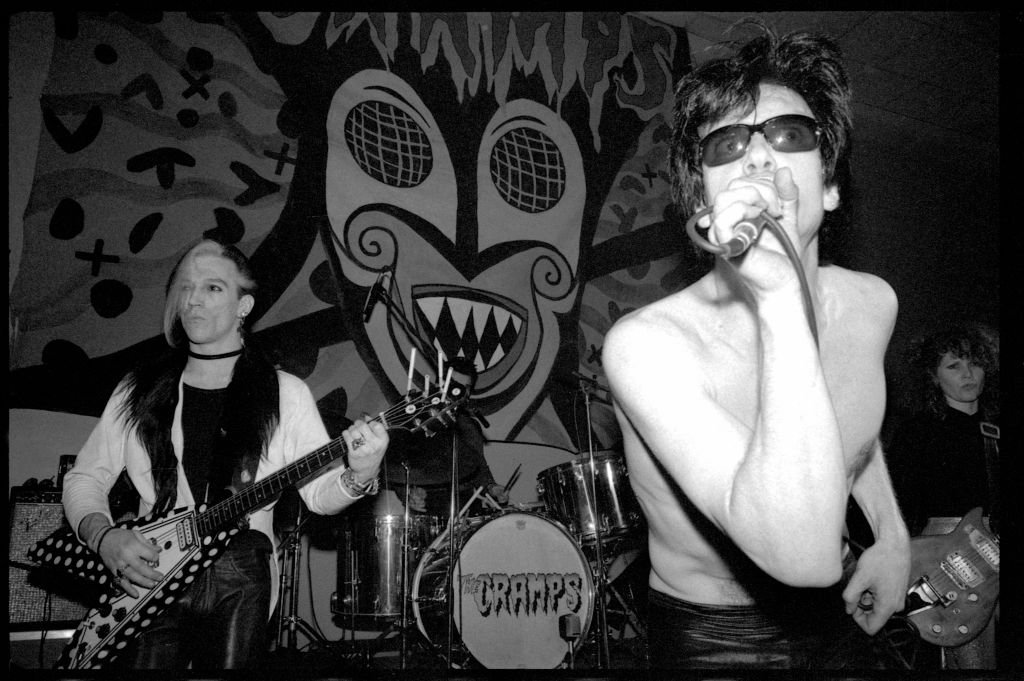
Blending 1950s rockabilly with B-movie horror aesthetics and heavy sexual fetishism, Lux Interior and Poison Ivy emerged as the ultimate ‘creatures from the black lagoon’ of the 1980s New York scene. Their music was a swampy, trashy celebration of everything the establishment found distasteful.
By elevating campy subcultures to a high-voltage art form, The Cramps challenged social norms and became a magnet for controversy, perpetually worrying parents with their uninhibited, primal performances.
Pics Getty Images
Top pic The Cramps, 1980. L-R Lux Interior, Julien Griensnatch, Poison Ivy, Nick Knox