The Rolling Stones represent the longest-running soap opera in rock history.
Theirs is a 60-year saga defined by cultural defiance, internal friction, and unparalleled musical chemistry. Emerging as the dangerous antithesis to the Beatles, they spent the mid Sixties perfecting a menacing, rhythm-and-blues-based sound.
Then, between 1968 and 1972, came a quartet of albums that define the very architecture of rock and roll. Following this, the band transitioned into a globally dominant brand, navigating the disco era, the MTV age, and the stadium-rock boom of the 21st century.
While their output has occasionally been uneven, their best work remains the gold standard for swagger, soul, and songwriting, cementing their status as the world's most enduring rock band. Here’s our ranking of their 26 studio albums, from most forgettable to greatest of all.
Rolling Stones albums ranked
26. Dirty Work (1986)
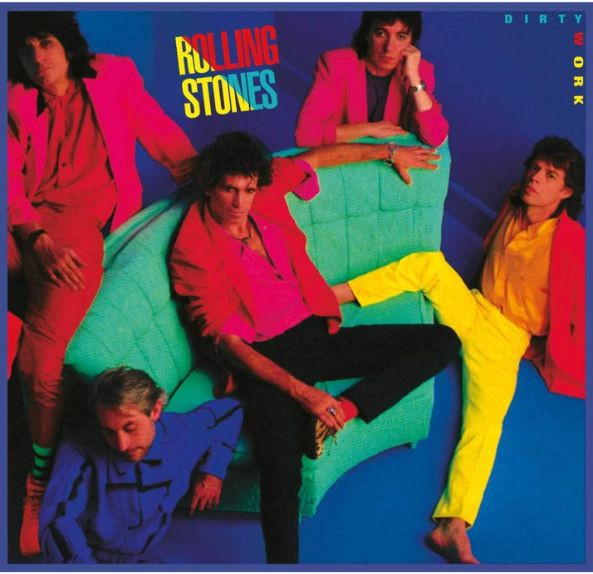
Recorded during the height of the legendary feud between Mick Jagger and Keith Richards, this album feels brittle and uninspired. The production is harsh, and the band’s legendary chemistry is noticeably absent. It’s the sound of a group that barely wanted to be in the same room.
Key Track: One Hit (To the Body)
25. Steel Wheels (1989)
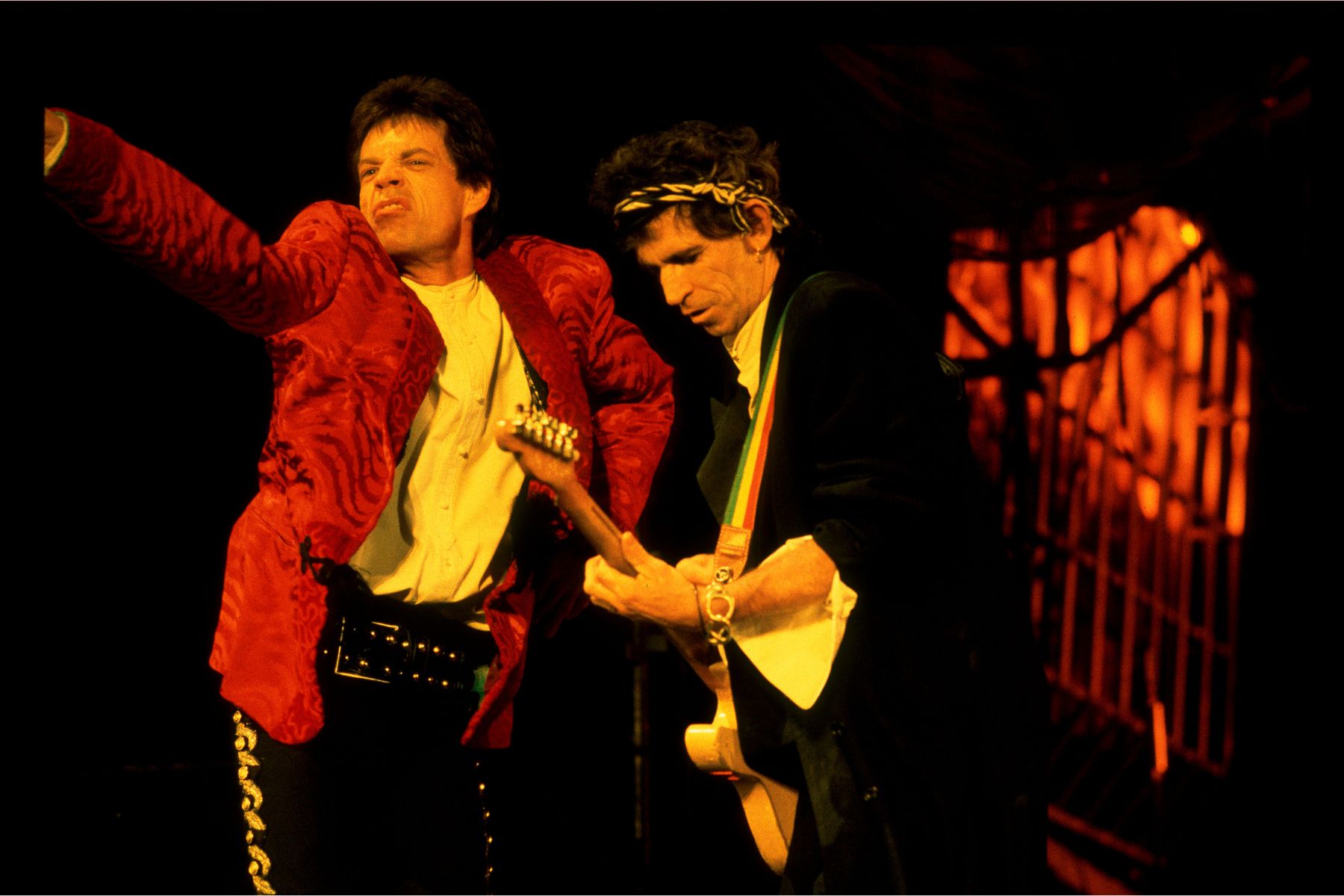
The comeback album that launched the Stones’ modern era of massive stadium tours, after the creative desert that was much of the 1980s. It is professionally crafted and sleek, but many of the songs feel calculated rather than felt. Steel Wheels did, though, serve its purpose in reuniting the band after years of bickering.
Key Track: Mixed Emotions
24. Bridges to Babylon (1997)
The Stones tried to modernize their sound by bringing in contemporary producers like The Dust Brothers. While ambitious, the result is a bit of a muddled identity crisis, though Keith Richards’ ballads provide some of the record's most genuine moments.
Key Track: Saint of Me
23. Undercover (1983)
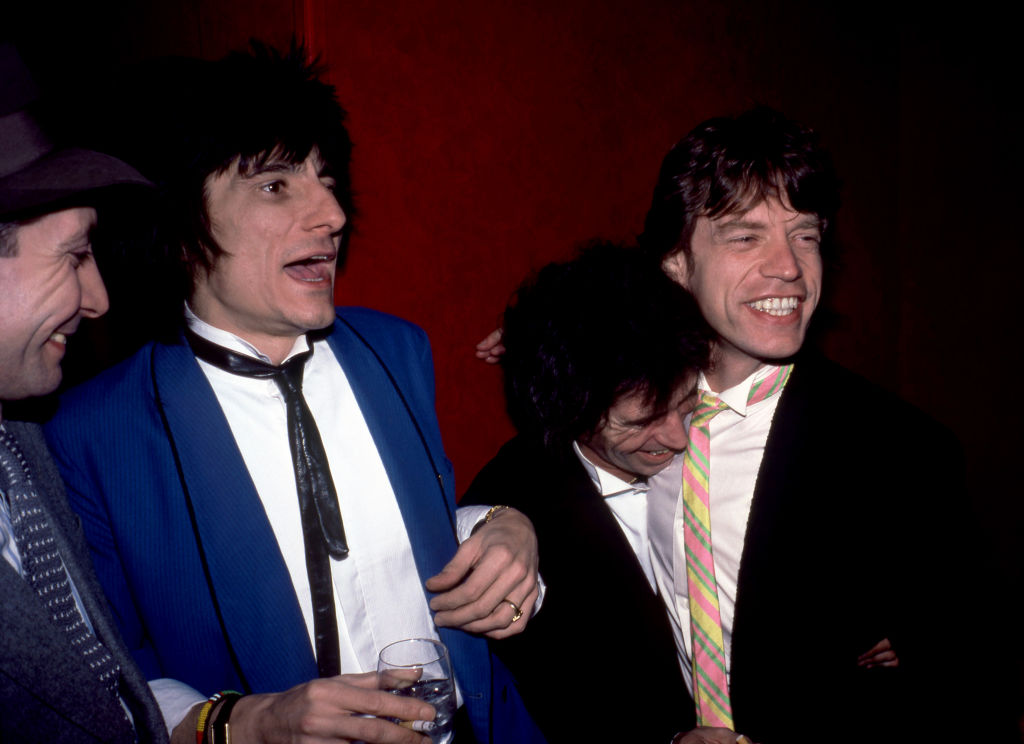
An odd, aggressive album heavily influenced by the violent political climate and the emerging sounds of New Wave and dub. It is the last time the Stones truly sounded dangerous, even if the songwriting is hit-or-miss throughout the tracklist.
Key Track: Undercover of the Night
22. Voodoo Lounge (1994)
1994's Voodoo Lounge was the Stones' first album without bassist Bill Wyman. It was a conscious effort to return to a classic, ‘rootsy’ Stones sound after the glossy 80s. While overlong, it features some sturdy rock songs and proved they still had life in the studio.
Key Track: You Got Me Rocking
21. A Bigger Bang (2005)
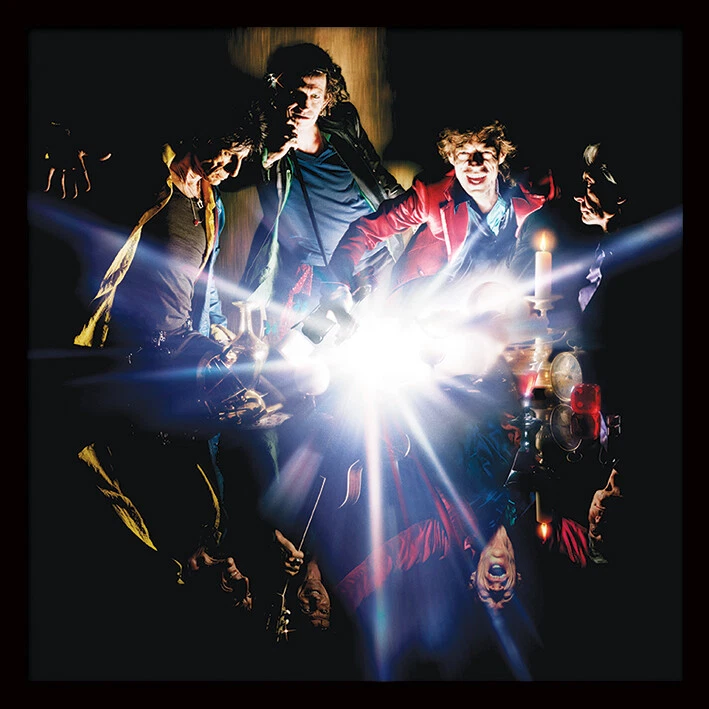
A surprisingly raw and energetic record for a band in their fifth decade. It features a ‘back-to-basics’ approach with plenty of jagged guitar interplay between Keith and Ronnie Wood, though it suffers slightly from a 64-minute runtime.
Key Track: Rough Justice
20. England’s Newest Hit Makers (1964)
The Stones’ 1964 debut is the definitive manifesto of the British blues boom. While the Beatles specialized in ‘yeah-yeah-yeah’ optimism, this record delivered a raw, snarling education in American R&B. By covering Slim Harpo and Chuck Berry with unprecedented aggression, they established a dangerous, unpolished identity that prioritized rhythmic ‘swing’ and raw physical tension over traditional pop polish.
19. It’s Only Rock 'n Roll (1974)
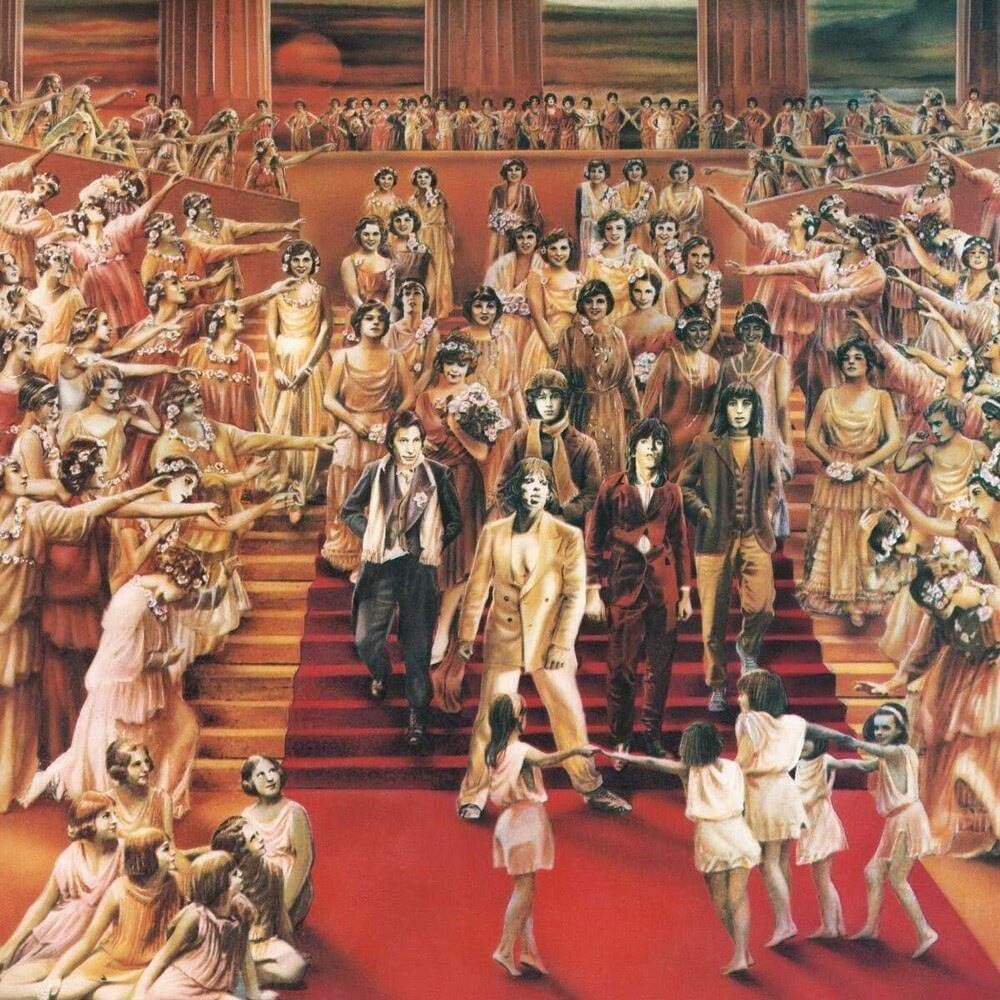
A transitional record that finds the band sounding somewhat exhausted. While the title track is a surefire mid-70s rock anthem, much of the material feels like a retread of their greater works from earlier in the decade. It lacks the sharp focus of the albums that preceded it. Rock gave us a lot of fine albums in 1974, but this perhaps isn't one of them.
Key Track: Time Waits for No One
18. Emotional Rescue (1980)
Following the gritty success of Some Girls, the band doubled down on danceable grooves and falsetto vocals with Emotional Rescue. It is a fun, lightweight record that often feels like a collection of late ‘70s studio leftovers, yet it remains an essential document of the Stones’ fascination with the urban night. Highlights include the infectious, disco-flecked title track and the hypnotic, bass-heavy ‘Dance Pt. 1’, which showcases the band’s mastery of the 'groove' over traditional rock structures. A polarizing but undeniably stylish detour.
Key Track: She’s So Cold
17. Black and Blue (1976)
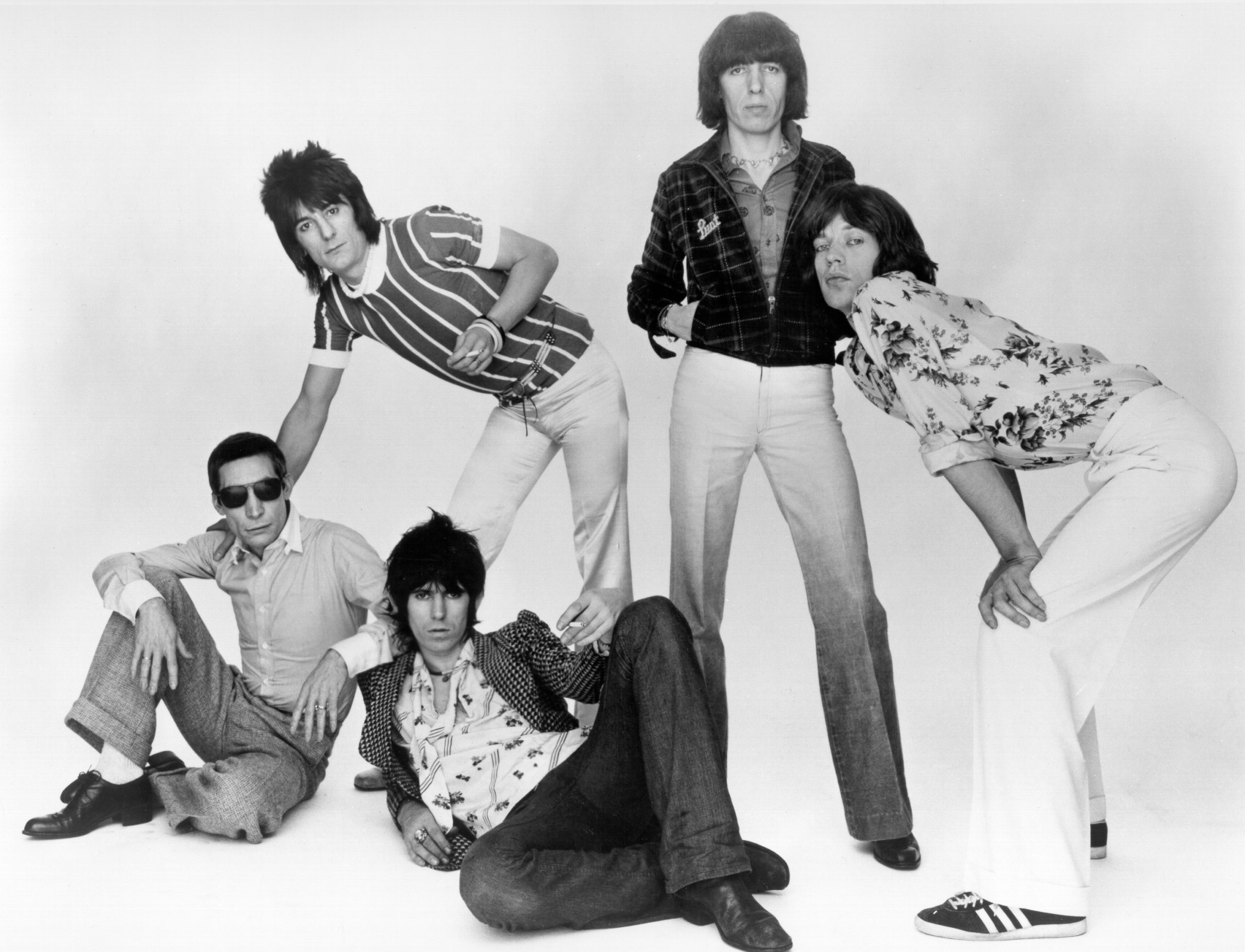
1976's Black and Blue is essentially a series of auditions for a new guitarist after Mick Taylor's departure. The album is a loose, funky exploration of reggae, soul, and jazz. It’s more of a ‘vibe’ record than a songwriting powerhouse, but the musicianship is top-tier.
Key Track: Hand of Fate
16. 12 x 5 (1964)
An essential document of the Stones’ early R&B obsession. Expanding on their UK EP Five by Five, 12 x 5 captures the band’s raw, rhythmic urgency at Chicago’s Chess Studios. This is also the sound of the Stones transitioning from a blues covers band to original songwriters. The record crackles with an authentic, gritty energy that many British peers couldn't replicate.
Key Track: Time Is On My Side
15. Blue & Lonesome (2016)
A vital late-career return to form, capturing the Stones doing exactly what they were formed to do: play the blues. Recorded in just three days with zero overdubbing, it strips away the ‘stadium rock’ artifice of their modern era, revealing a band that still possesses a visceral, intuitive connection to the Chicago sound. Mick Jagger’s harmonica playing is a revelation here, sounding both more authoritative and more feral at 73 than he did in his twenties. Their most focused and energetic studio work since 1981’s Tattoo You.
Key Track: Ride ‘Em On Down
14. Their Satanic Majesties Request (1967)
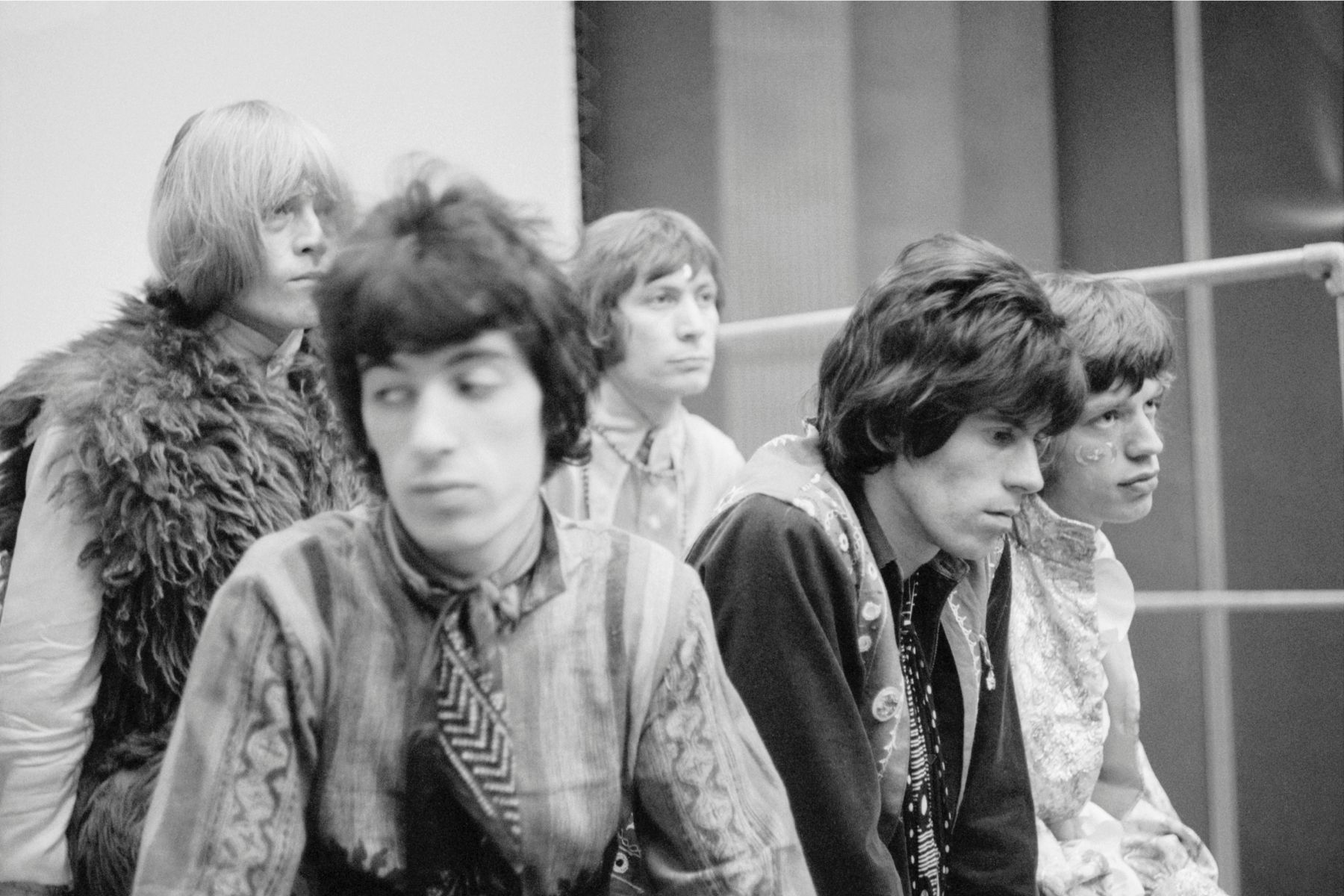
The Stones' controversial response to Sgt. Pepper. It is a messy, indulgent, but occasionally brilliant psychedelic experiment. While often dismissed by the band themselves, it contains some of their most imaginative and hauntingly strange musical arrangements.
Key Track: 2000 Light Years from Home
13. Hackney Diamonds (2023)
The Stones' most recent effort proved to be a revelatory, late-career triumph. Featuring punchy production and a revitalized Mick Jagger, it successfully captured the band’s classic swagger without sounding like a parody. It’s a remarkable testament to their longevity and enduring relevance.
Key Track: Sweet Sounds of Heaven
12. Between the Buttons (1967)
The peak of the Stones’ ‘pop’ phase, this album is sophisticated, witty, and heavily influenced by the Kinks and the Beatles. It showcases Brian Jones’ versatility as a multi-instrumentalist (deploying the likes of the dulcimer, theremin and yes, the kazoo) and Jagger’s growing skill as a social commentator on the London scene.
Key Track: Ruby Tuesday
11. The Rolling Stones, Now! (1965)
One of their strongest early American releases, this record captures the raw, sweaty energy of their R&B beginnings. It’s a masterclass in how to adapt American blues for a new generation, played with an intensity and ‘bad boy’ attitude that the Beatles couldn't touch.
Key Track: Heart of Stone
10. Out of Our Heads (1965)
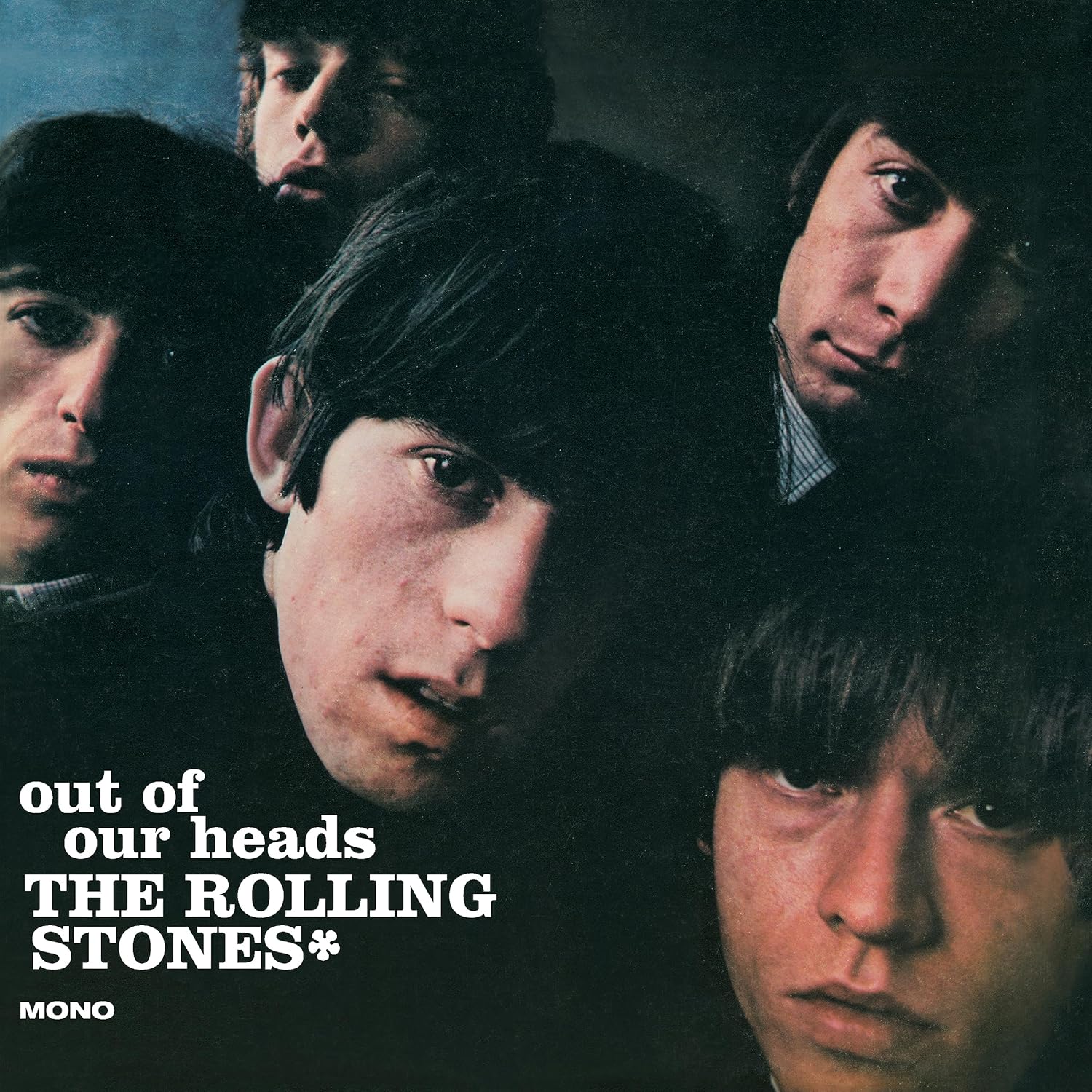
The definitive pivot point in the Stones' early career. It marks the precise moment the band shifted from being world-class R&B disciples to becoming revolutionary songwriters. The US version is a particular highlight because it introduced the modern guitar riff to the world via the unforgettable ‘(I Can’t Get No) Satisfaction’, moving rock music away from simple melodies and toward a tougher, more cynical social commentary.
Elsewwhere, by blending soulful covers (‘Mercy, Mercy’) with dark, original baroque-pop (‘Play with Fire’), the album proved they had the range to lead the British Invasion. It was their first US #1, signalling that they weren't just following the Beatles: they were carving out a dangerous, gritty alternative.
Key Track: Play with Fire
9. Goats Head Soup (1973)
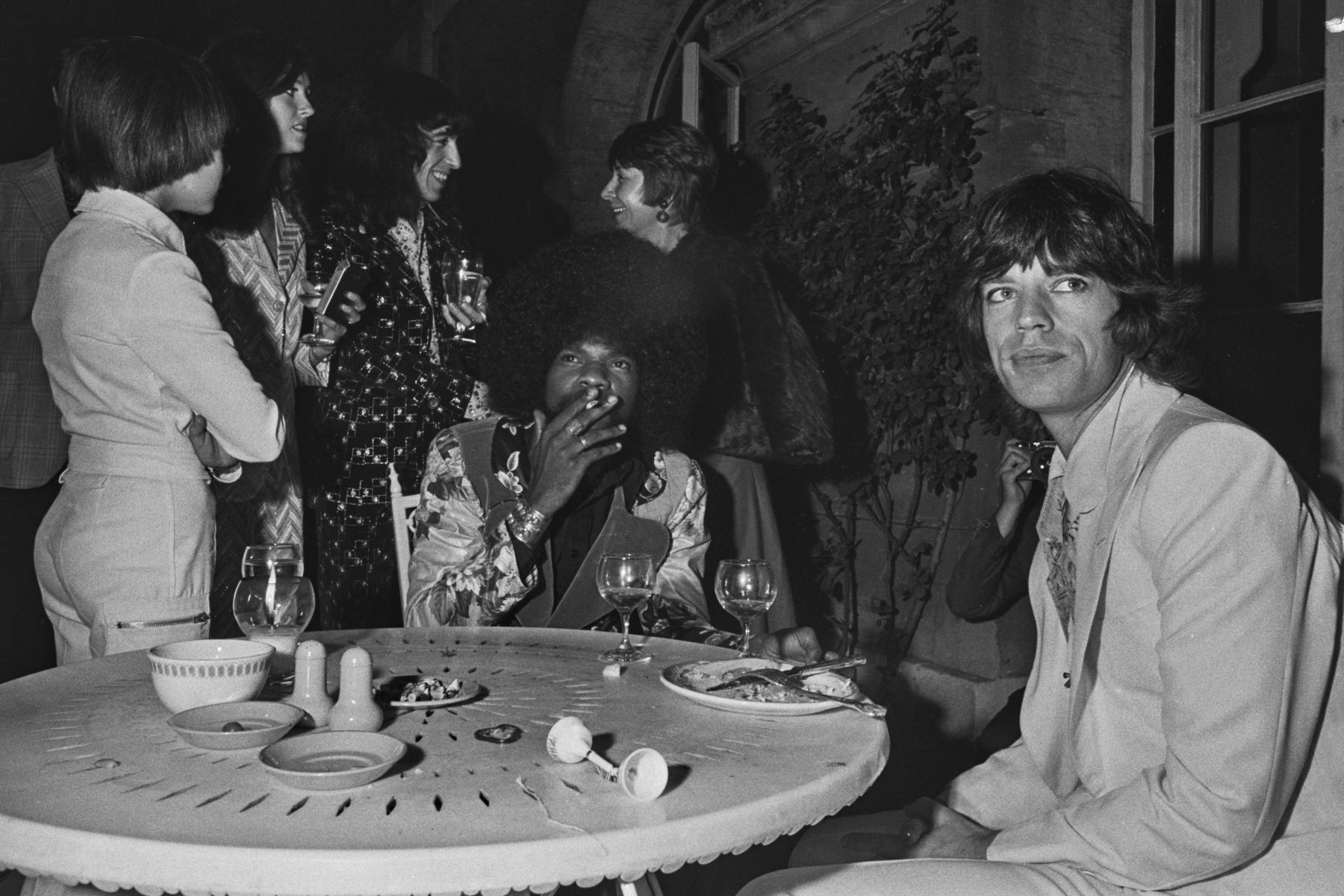
This is the sound of the Stones’ golden era ending in a hazy, exhausted comedown. While it may lack the frantic energy of their earlier work or the sheer ballsy energy and focus of Sticky Fingers, 1973's Goats Head Soup replaces all this with a dark, sophisticated decadence.
Tracks like ‘Dancing with Mr. D’ and the visceral ‘Star Star’ showcase a band leaning into their ‘Princes of Darkness’ persona, while ‘Angie’ proved they could still dominate the charts with a world-class ballad. It is an essential, murky bridge between their outlaw youth and stadium-rock future.
Key Track: Angie
8. December's Children (and Everybody's) (1965)
1965's December's Children is a vital snapshot of the Stones’ final evolution before their move into full-blown psychedelia. It balances the band’s toughest rock-and-roll snarl – as heard in the live-wire energy of ‘Route 66’ – with the emerging, cynical brilliance of the Jagger/Richards songwriting partnership.
The inclusion of the acoustic-driven ‘As Tears Go By’ and the rebellious, folk-rock chiming of ‘Get Off of My Cloud’ proved the band could dominate the charts while maintaining a defiant, anti-establishment edge. It is the sound of a band that had fully outgrown its influences and was now defining the zeitgeist.
Key Track: Get Off of My Cloud
7. Aftermath (1966)
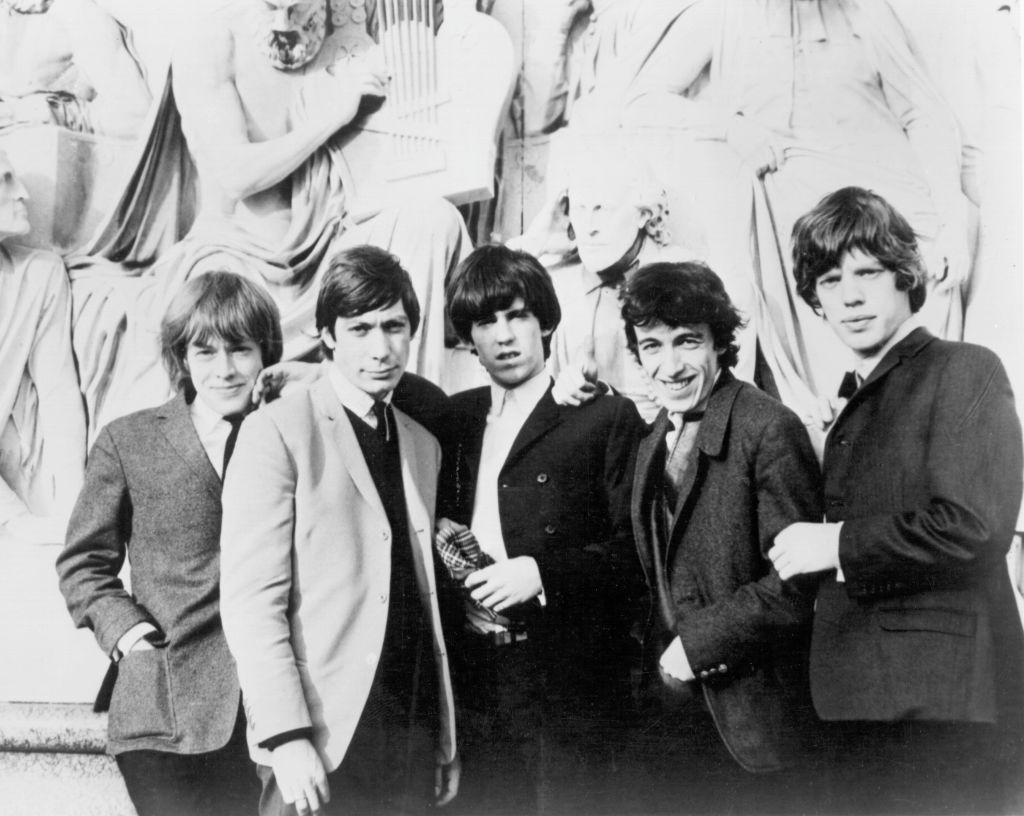
Aftermath was the first Stones album to consist entirely of Jagger/Richards originals, representing a massive leap forward in songwriting and musical diversity. It is the pivotal moment the Stones transcended their blues-cover origins to become baroque-pop innovators.
By incorporating Brian Jones’ experimental textures – most notably the haunting Appalachian dulcimer on ‘Lady Jane’ and the raga-inflected sitar on ‘Paint It, Black’ – the band crafted a sophisticated, cynical, and globally influential masterpiece that challenged the Beatles' creative dominance.
Key Track: Under My Thumb
6. Tattoo You (1981)
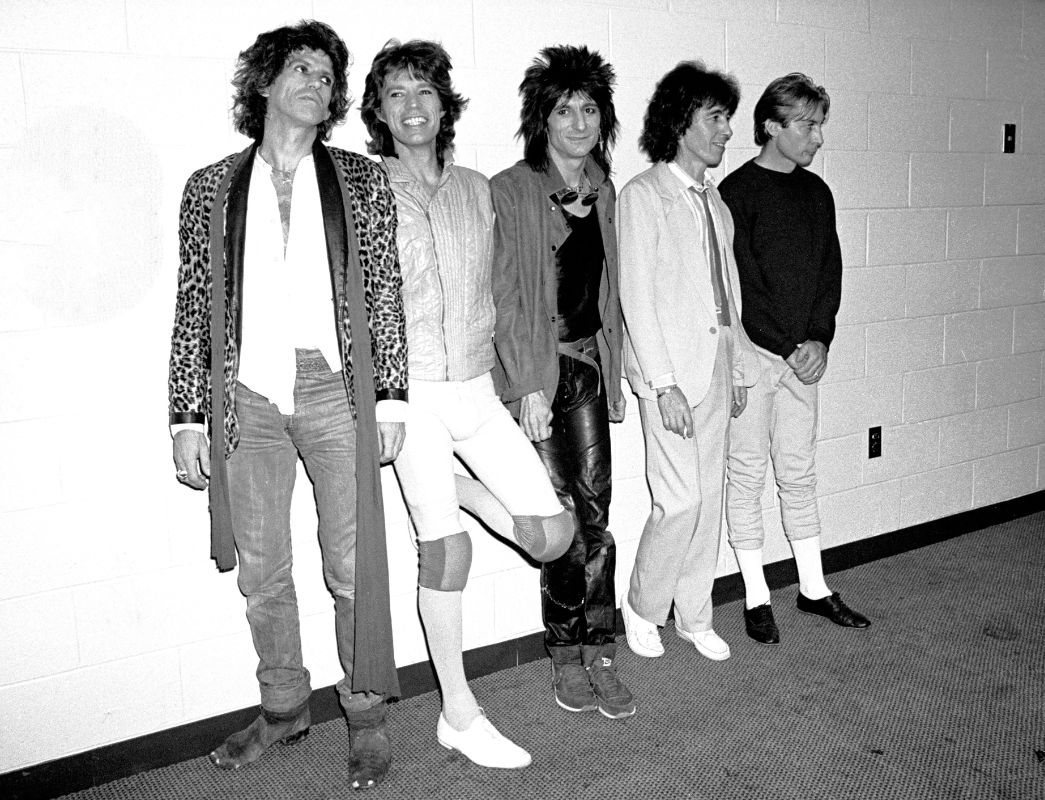
Remarkably, this mid-period classic was cobbled together from studio outtakes spanning the previous decade, yet it remains one of their most seamless works. It resulted in a cohesive, brilliantly paced record that balances high-octane rockers with some of the most beautiful, soulful ballads of their career. By polishing discarded gems into hits, they captured their last truly ‘great’ studio moment, proving that even their leftovers were superior to most bands' primary output.
Key Track: Waiting on a Friend
5. Some Girls (1978)
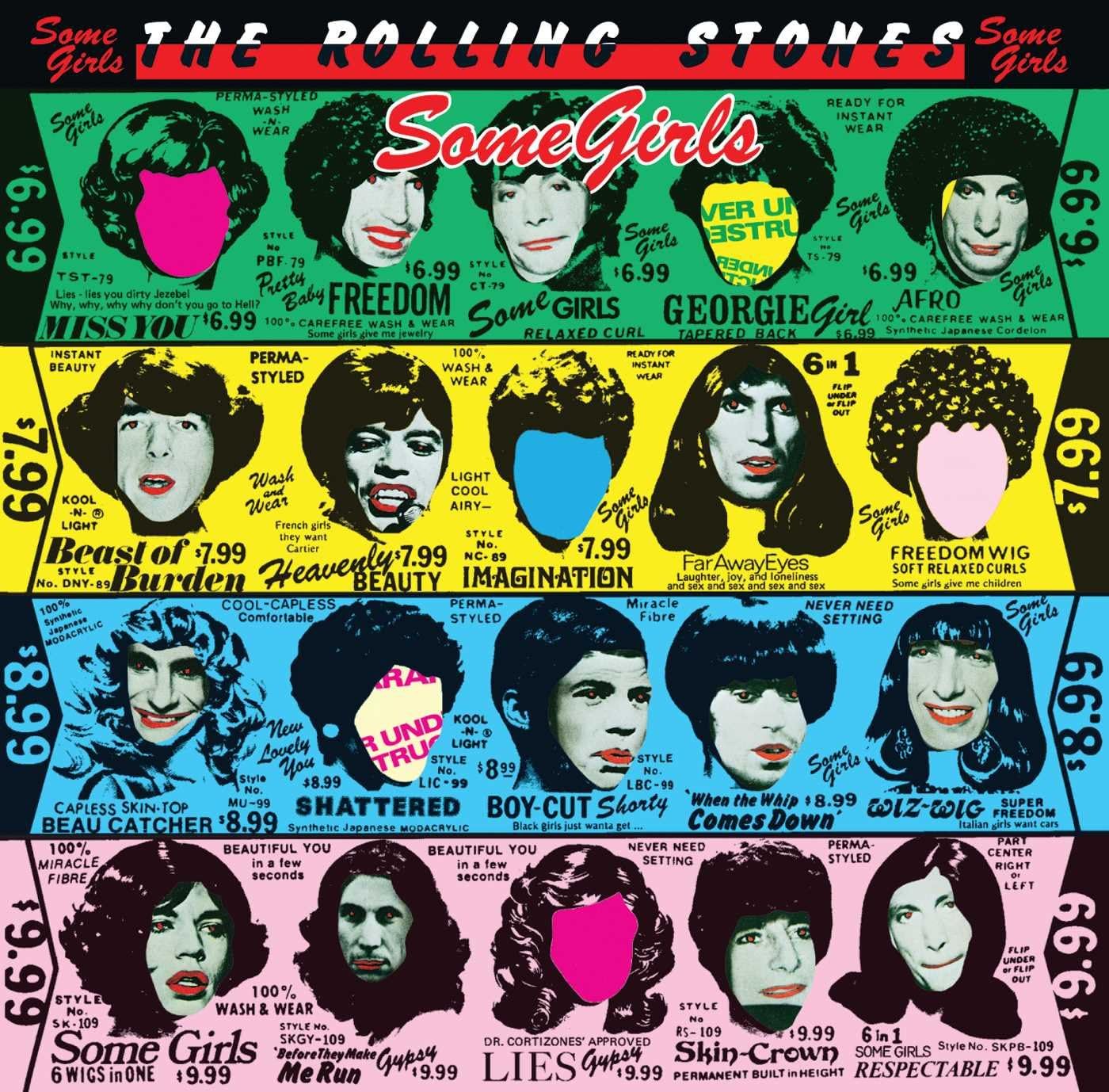
Challenged and stimulated alike by the rise of punk and disco, the Stones responded in 1978 with their most focused and energetic album since their early 70s heyday. It is a gritty, New York-centric record that proved the band could still be lean, mean, and culturally dominant in a changing musical landscape. By absorbing Manhattan’s club grooves and street-level aggression, they successfully revitalized their sound, delivering a sharp, satirical, and dangerously fast masterpiece that silenced any talk of irrelevance.
Key Track: Beast of Burden
4. Beggars Banquet (1968)
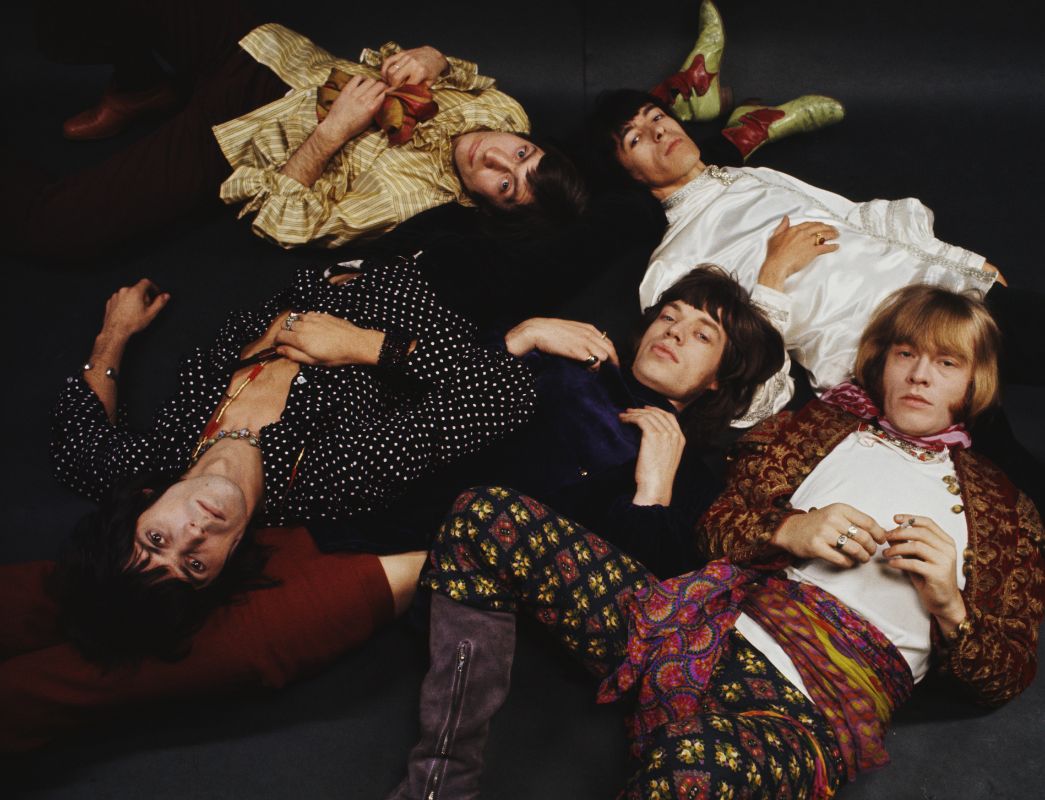
Famously, the album that initiated the Stones’ legendary ‘Golden Era’. By stripping away the failed psychedelia of 1967 and returning to their roots in country and acoustic blues, they discovered a new, darker maturity. It introduced Jagger and Richards’ Glimmer Twins persona and a sense of street-fighting menace that would define them forever.
From the shamanic provocation of ‘Sympathy for the Devil’ to the rural grit of ‘No Expectations’ (with slide guitar from Brian Jones, one of his last contributions before his tragic death), this 1968 masterpiece is the moment where the band successfully pivoted from pop stars to dangerous, delta-blues outlaws.
Key Track: Sympathy for the Devil
3. Let It Bleed (1969)
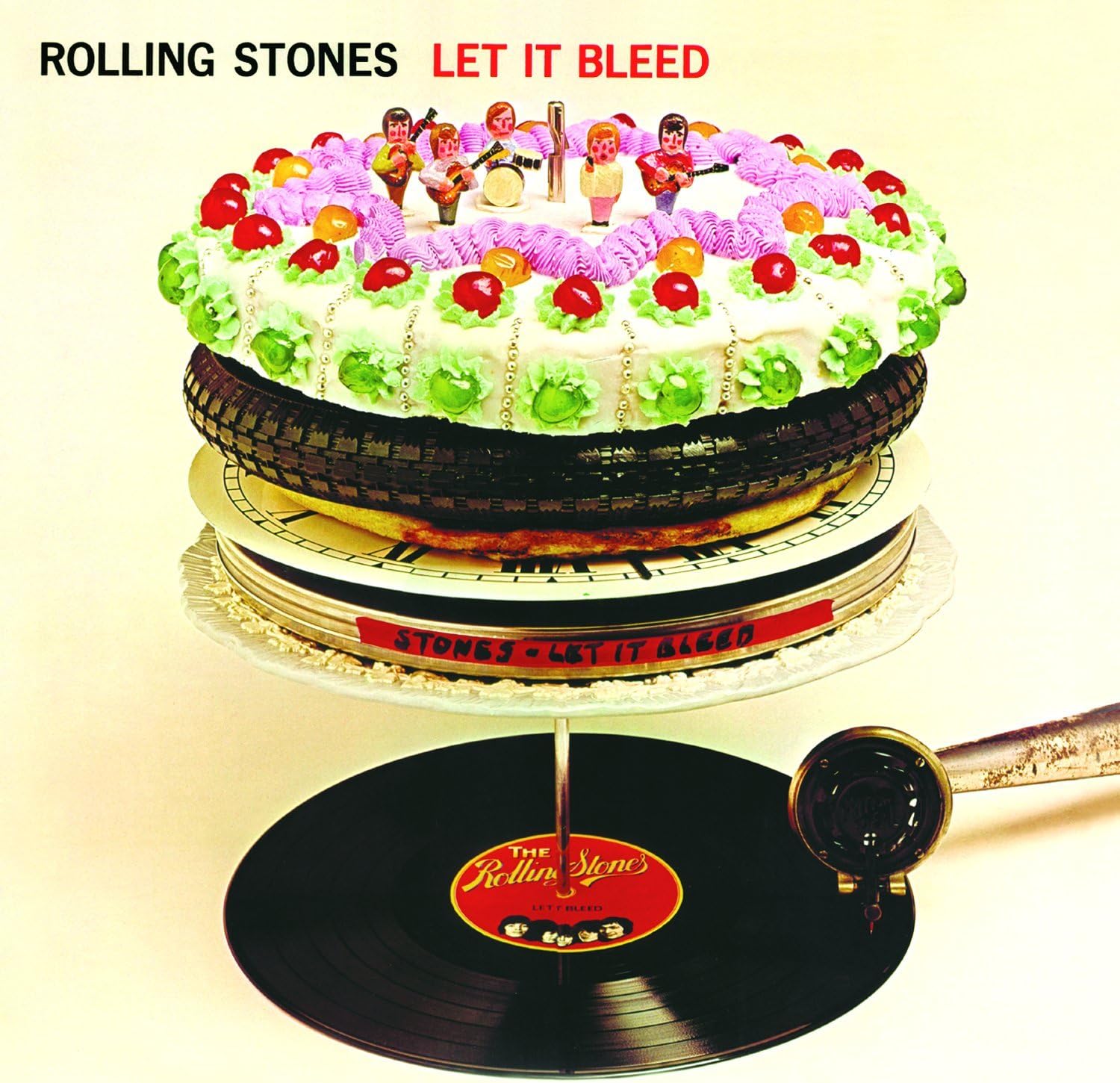
A dark, apocalyptic masterpiece released as the 1960s dream turned into a nightmare. It is a record haunted by the Vietnam War and by the shadow of Brian Jones' death. Every track feels essential, blending gospel, country-blues, and rock into a cohesive, terrifyingly powerful document of social upheaval.
From the menacing omens of ‘Gimme Shelter’ (‘rape, murder: it’s just a shot away’) to the choir-backed finale ‘You Can’t Always Get What You Want’, the Stones' dispatch from 1969 captures a generation losing its 'Summer of Love' innocence, cementing the Stones as the ultimate chroniclers of a world in flames.
Key Track: Gimme Shelter
2. Sticky Fingers (1971)
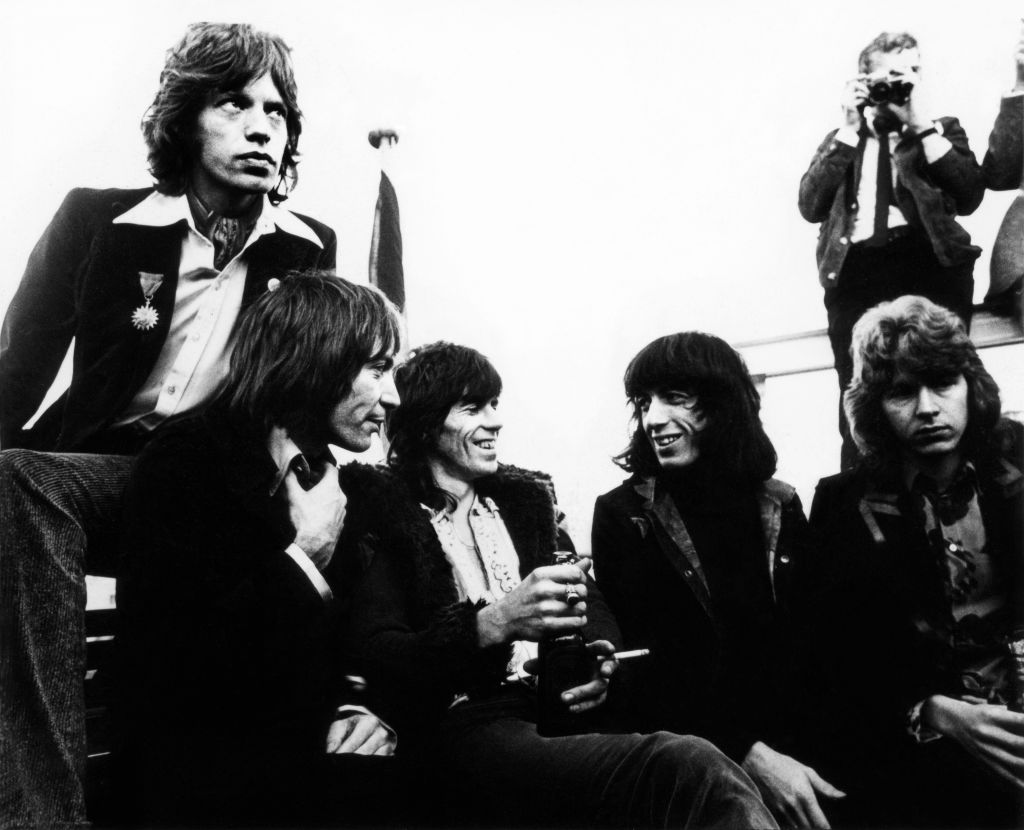
If its 1972 follow-up is a sprawling, swampy marathon, Sticky Fingers is a perfect, lean sprint – and the most sophisticated distillation of the Stones’ ‘outlaw’ aesthetic. With the arrival of Mick Taylor on guitar, the band’s musicality reached a virtuosic peak; his fluid, melodic solos provided a counterpoint to Keith Richards’ percussive, five-string riffs.
From the gritty, raw swagger of ‘Brown Sugar’ to the cosmic country of ‘Wild Horses’ and the Latin-infused jazz-rock (and glorious Taylor-led fadeout) of ‘Can’t You Hear Me Knocking’, the album covers more ground with greater precision than any other in their catalogue. It's also one of four timeless masterpieces (alongside Led Zeppelin's IV, The Who’s Who’s Next, and Pink Floyd’s Meddle) that make 1971 rock's greatest year.
Key Track: Can't You Hear Me Knocking
1. Exile on Main St. (1972)
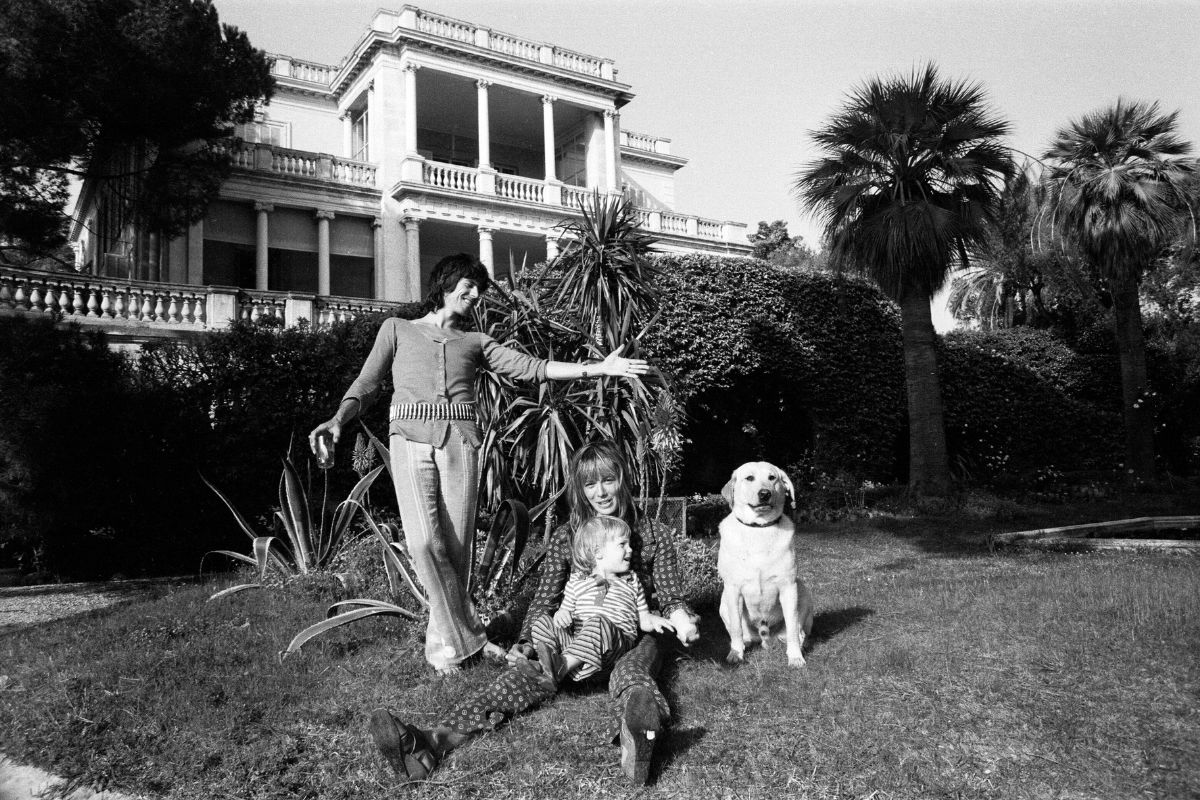
Recorded in the basement of the grand French villa Keith Richards was renting while the band were fleeing British taxes, this sprawling double album is the ultimate ‘rock’ record. It is a murky, dense, and intoxicating blend of blues, soul, country, and gospel. It doesn't reveal its secrets immediately; it demands repeated listens to uncover the brilliance buried in its swampy, low-fidelity mix.
Exile stands as the definitive Rolling Stones statement. It is a gritty, sprawling, and soulful masterpiece that captures the band at the height of their powers, living as outlaws and translating American roots music into something entirely their own. It is the ultimate testament to their chemistry, capturing a specific, unrepeatable moment in time when they were truly the ‘Greatest Rock and Roll Band in the World’.
Key Track: Tumbling Dice
Pics: Getty Images