There are few moments in rock criticism quite as memorable.
The critic in question is Greil Marcus, the year is 1970, and Marcus is beginning his review of Bob Dylan's new album.
“What is this s***?” he asks. And the question seems to sum up the bewilderment of fans for whom, for much of the past decade, Dylan has served as the voice of a generation.
The record in question? Well, it's a sprawling double album, and it seems to have little interest in engaging with those fans or meeting their expectations. It's full of covers, old folk songs, country standards, live recordings and oddly casual performances. Some listeners are wondering whether Dylan is taking the mickey. Others suspect he has simply lost his way.
Dylan was in retreat
To understand the frankly bemused reaction of Marcus and those many thousands of fans, we should remind ourselves where Bob Dylan was in 1970. Songs such as 'Blowin' in the Wind' and 'The Times They Are A-Changin’' had made Dylan the voice of the folk movement in the mid 1960s, but he had spent a lot of the later part of that decade retreating from the public role that had been thrust upon him.
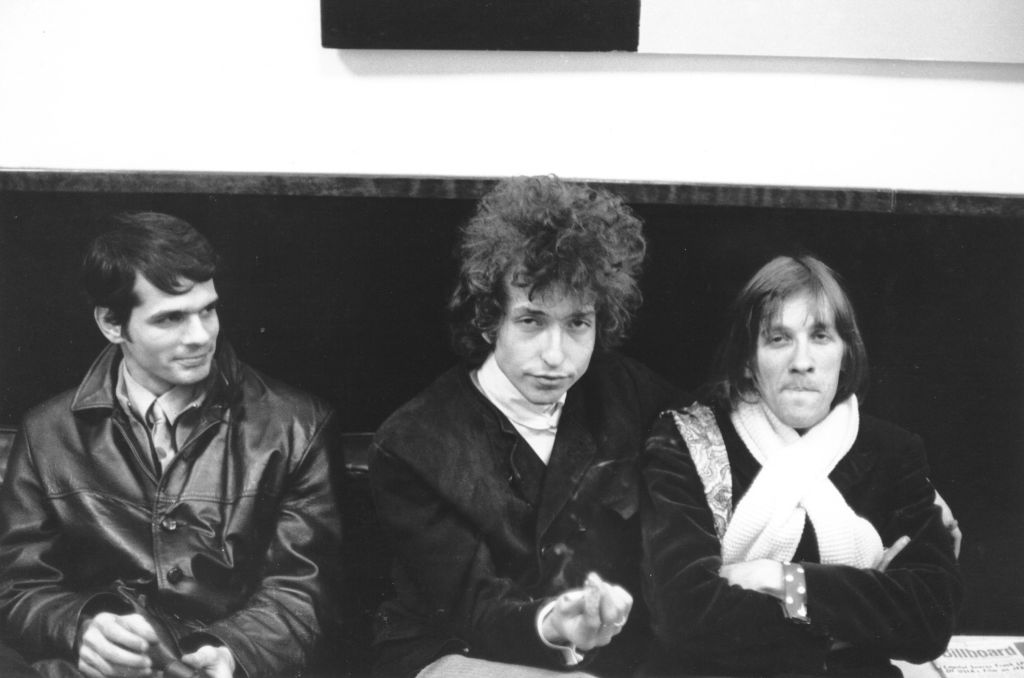
After his 1966 motorcycle accident, he settled in Woodstock, New York, and pretty much stepped away from touring. His music changed, too. After the epoch-making trio of albums Bringing It All Back Home, Highway 61 Revisited (both 1965) and 1966's Blonde on Blonde, John Wesley Harding (1967) was strikingly spare, minimal, and mysterious. Next, Nashville Skyline (1969) embraced country music, complete with a surprisingly warm, crooning vocal style.
Both of these albums, while not on the same level of ambition as the preceding trio, had been well received. Even so, everyone could see that something had changed within Dylan. He was no longer trying to speak for a generation. But with his next move, he would seem to withdraw even further from the 'spokesman of a generation' role.
Dylan had begun recording material in Nashville in 1969, initially with the idea of making a collection of other people's songs. He returned to the studio with many of the musicians who had played on Nashville Skyline: guitarists including Charlie Daniels, Norman Blake and Fred Carter Jr, steel guitarist Pete Drake, and drummer Kenneth Buttrey.
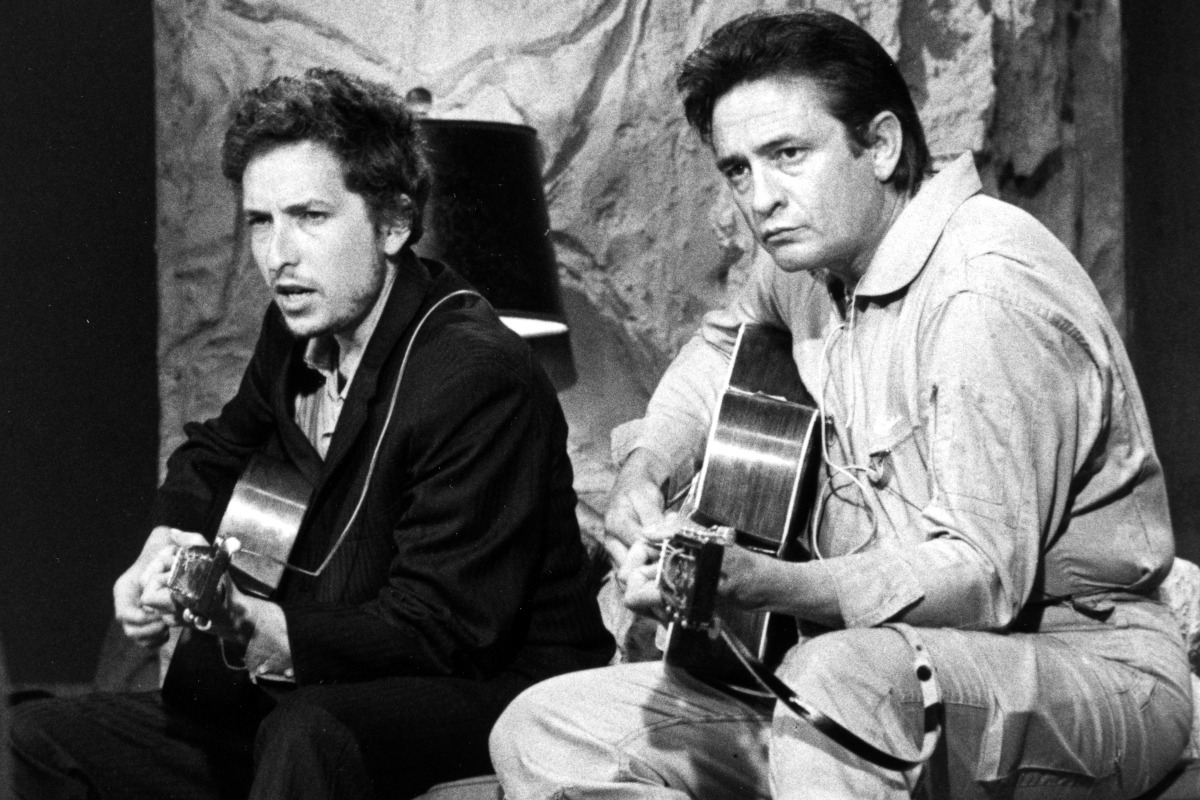
They tackled old country and pop favourites, including 'Blue Moon', 'Let It Be Me' and 'I Forgot More Than You'll Ever Know'. Dylan was also recording his own material, among it 'Living the Blues'.
'Varied wildly in mood and quality'
Things then took a slightly different turn. Dylan went back to Woodstock – but took several months to get back into the studio. When he resumed recording in New York in March 1970, he worked with a different group of musicians, including guitarist David Bromberg and keyboard player Al Kooper.
Together, this group of musicians set down some pared-back versions of traditional folk songs, as well as some new material. Some of these recordings were subsequently given elaborate overdubs, with strings, horns and backing singers added in Nashville. The final selection also included performances recorded at the 1969 Isle of Wight Festival, where Dylan had appeared with The Band.
The result, released on 8 June 1970, was Self Portrait: a double album that seemed to have beenput together to deliberately confuse and confound those legions of fans expecting 'another Dylan album'. There were traditional songs, country standards, covers of contemporary material, live tracks and original compositions.
The performances varied wildly in mood and quality. Some had that natural Dylan warmth and playfulness intact; others, though, sounded as though they'd been set down in a hurry, and without much passion. Then there were the oddities: the brief, jaunty instrumental 'Woogie Boogie', which sounds like a piano-room diversion that somehow made it onto the album, and the rambling, almost comic 'Wigwam', with its wordless vocal refrain.
And what about that unmistakable voice? On Self Portrait, Dylan's vocals alternated between the laid-back country croon he'd introduced on Nashville Skyline, and that world-weary rasp we'd heard on the earlier 1960s albums.
'A cover-up, not a revelation'
For fans who wanted another Blonde on Blonde, or even another Nashville Skyline, it was a bewildering experience. And that title? Well, it seemed part of the head-scratching mystery of it all. Was this really Dylan offering a true portrait of himself and where he wanted to go musically – or was he deliberately obscuring the picture?
Greil Marcus's review in Rolling Stone became part of the album's mythology almost immediately. Its opening question – “What is this s***?” – was blunt enough to enter rock history. But Marcus's full review was, actually, more thoughtful than that famous first line suggests.
He saw it as a kind of tease in musical form: or, in his words, a 'cover-up, not (...) a revelation'. And he did find some treasure among the oddness. He admired 'Copper Kettle' and 'Living the Blues', while finding other performances almost wilfully dreadful. Dylan's version of Paul Simon's 'The Boxer', for instance, prompted the verdict: 'Jesus, is it awful'.
You can understand some of the negative reaction. Dylan had spent much of the previous decade being treated as a cultural spokesman, a songwriter whose every move was scrutinised for some deeper meaning. Now, he was apparently giving fans the opposite: a set of songs that seemed deliberately hard to love or to pin down.
Dylan later described it as a joke
Some listeners thought it was a joke at their expense; for others, this was Dylan simply coasting. The album's commercial performance, at least, was hardly disastrous. The critics and some fans may not have known what to make of Self Portrait, but it performed well in the album charts, climbing to No. 4 in the US and topping the charts in the UK (for perspective, the hallowed Blonde on Blonde had made No. 9 and No. 3 respectively).
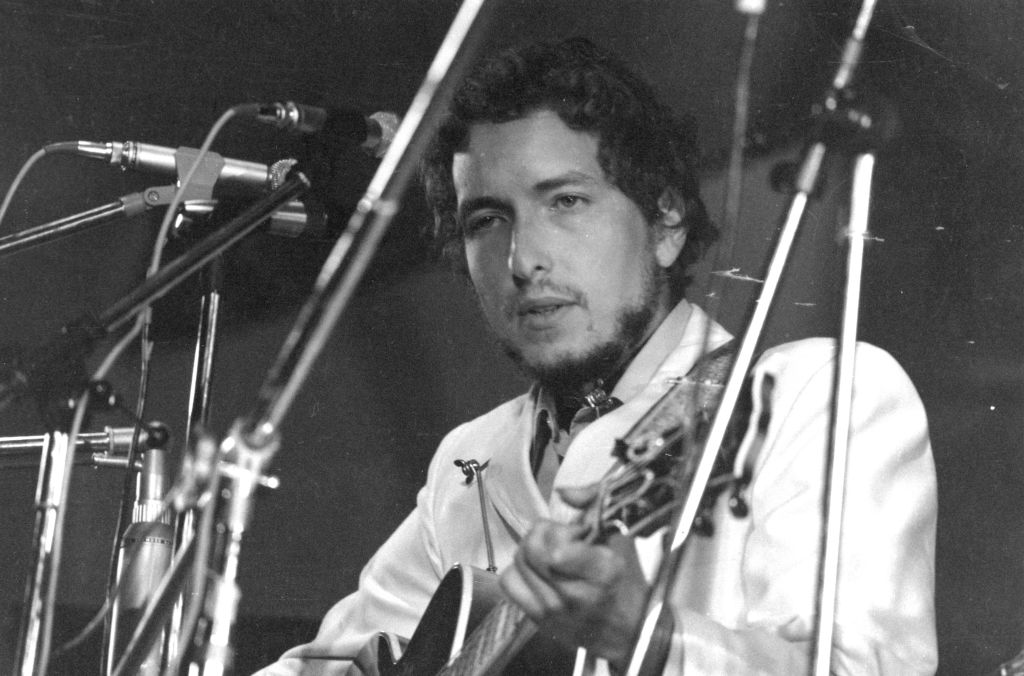
Dylan himself later encouraged the idea that the record had been designed to confound his audience. In his 1981 interview with Rolling Stone, he suggested that he had released it to make people stop buying his records. He subsequently described it as a joke. That explanation is tempting, although it doesn't really answer the question: what exactly was Bob Dylan setting out to do with Self Portrait?
The album was assembled from recordings made over a period of months, with different musicians and approaches; it may have been less a single grand act of sabotage than a refusal to provide the kind of statement everyone expected from him.
Uneven, sometimes exasperating
And what about Self Portrait now? What do we think of it with the benefit of more than 50 years of appraisal? Like the album itself, the answer to this is: it's complicated. In 2013, the release of The Bootleg Series Vol. 10: Another Self Portrait (1969–1971) offered an alternative view of the sessions. This featured previously unheard versions of several songs. They were less heavily overdubbed, so now listeners could hear what Dylan originally produced in the studio before some of the more elaborate arrangements were layered on top.
The difference was revealing. Stripped back, the material often sounded warmer, more intimate and more convincing. It also made clear that there was more going on in these sessions than the original double album had allowed anyone to hear.
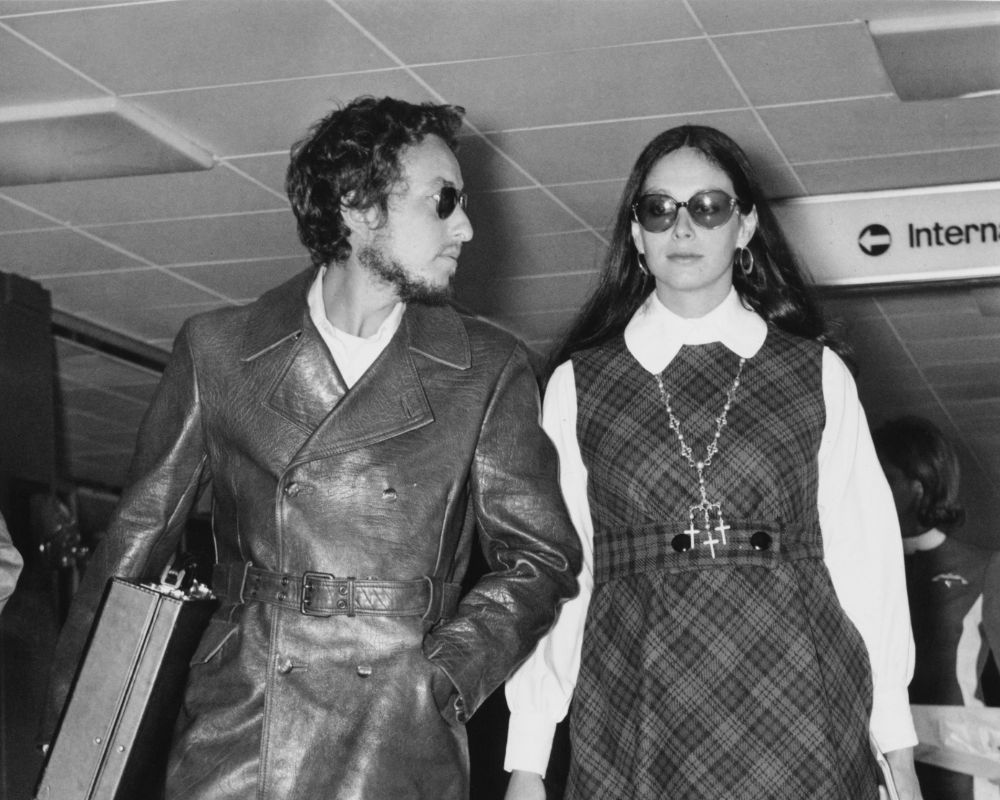
Let's be clear, though. None of this makes Self Portrait a lost masterpiece. It remains an uneven, sometimes exasperating record, and the decision to pad it out with so much miscellaneous material is still difficult to defend. But it is more interesting than its reputation as Dylan's great misfire suggests.
Perhaps the best way to describe Self Portrait is that it sounds like a musician resisting the demands of an audience. A musician who didn't want to be tied down, anymore, to the idea of him that his many adoring fans had built up.
He may have promised a self-portrait with the album's title, but in fact Bob Dylan gave us something subtly different: a picture that was hard to pin down, with a lot of the detail hard to pin down (a bit like the artwork on the cover, in fact). Whether that was a joke, a retreat or an act of artistic independence, fans and critics were left trying to work out what they were looking at.
5 more albums that left fans and critics baffled
Dylan isn't the only major artist to deliver something that fans and critics really didn't know what to make of. These icons also went wilfully against the grain:
1. Lou Reed – Metal Machine Music (1975)
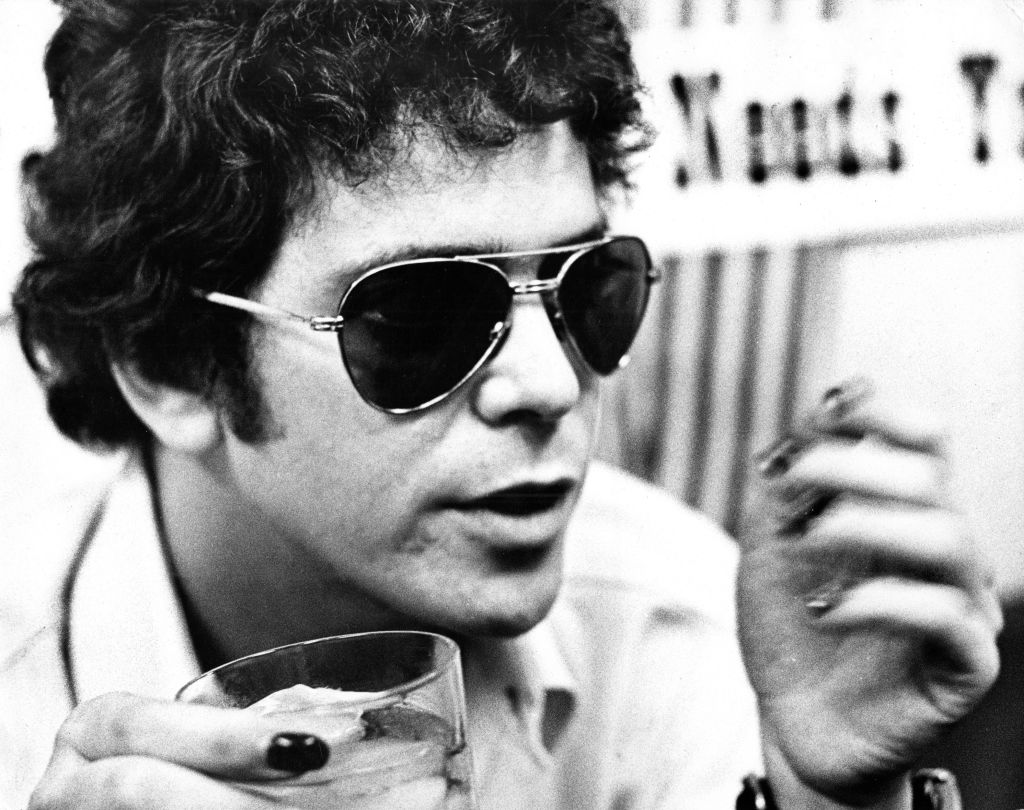
Coming after the acclaimed, Bowie-produced Transformer and the commerically successful Sally Can't Dance, Reed's double album of guitar feedback and electronic noise was a spectacularly hostile gesture – or so many listeners thought. Critics were appalled, buyers returned copies, and RCA withdrew it from sale within weeks.
And Reed's reaction? He insisted that Metal Machine Music was a serious artistic statement, and that anyone who didn't like it just didn't have the right mindset to understand what he was doing.
2. The Beach Boys – Smiley Smile (1967)
The Beach Boys had just given us the grandly ambitious Pet Sounds, and seemed to be locked in a friendly rivalry with The Beatles for who could push creativity and studio wizardry to the utmost. So it came as something of a shock that the band's next release was this strange, homespun collection of fragmentary songs, odd noises and playful experiments.
The reaction to Smiley Smile was muted, and many listeners wondered what had happened to those towering creative ambitions of the previous year.
3. John Lennon and Yoko Ono – Unfinished Music No. 1: Two Virgins (1968)
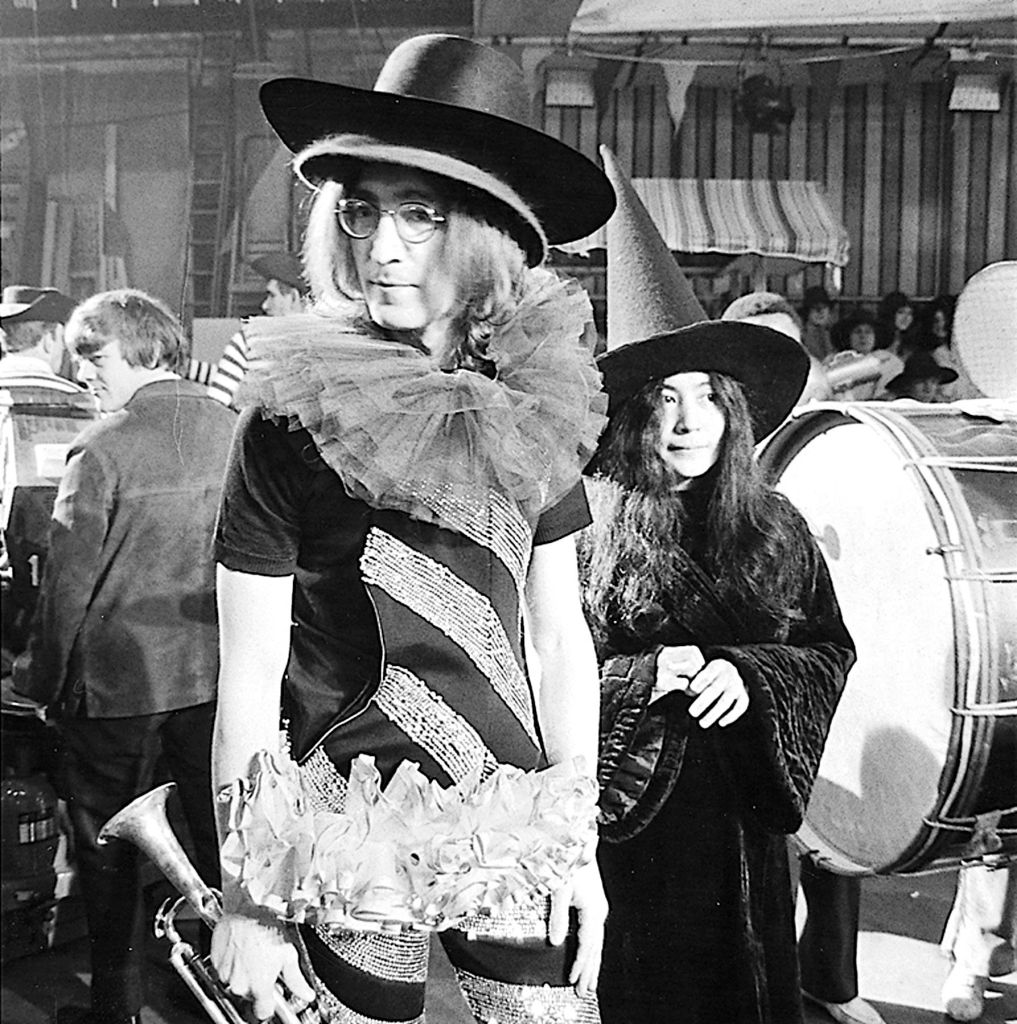
Even by the standards of late-Sixties experimentation, this was a tough sell. An improvised collage of tape loops, sound effects and vocalisations, it bore little resemblance to the music that had made Lennon famous. The full-frontal nude photograph of Lennon and Ono on the sleeve caused almost as much outrage as the music itself.
4. Queen: Hot Space (1982)
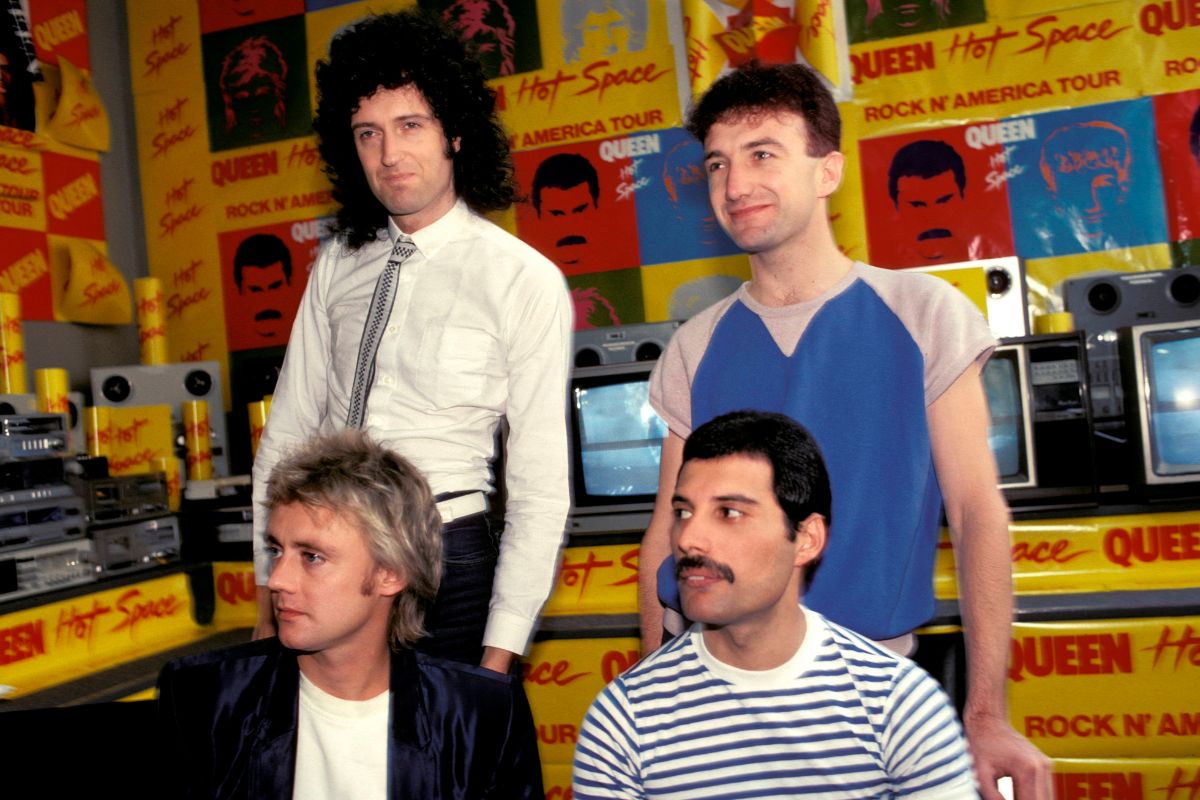
It was the early '80s, so we shouldn't really have been surprised. Even so, when Queen – one of the most adored guitar bands of the previous decade – suddenly embraced disco, funk, synthesizers and drum machines left many fans cold.
After years of grand guitar anthems, Hot Space sounded like a startling change of direction, with Brian May's expressive guitars largely pushed into the background. 'Under Pressure' was a triumph, but much of the album struggled to win over the band's established audience.
5. Lou Reed and Metallica: Lulu (2011)
The unlikely collaboration between Reed and Metallica produced an album of grinding metal, spoken-word vocals and dark theatrical lyrics inspired by plays by Frank Wedekind. Fans of both artists were divided, and critics were frequently scathing. David Bowie admired it, but that was hardly the general reaction.ƒs
Pics Getty Images