Not every great album makes an impression when it first appears.
Sometimes a band takes a sharp turn just when its audience wants more of the same. Sometimes a record is so strange, challenging or out of step with current tastes that listeners simply don't know what to make of it. And sometimes an album slips out with barely anyone noticing.
The interesting thing is what happens next. The Beastie Boys' Paul's Boutique went from commercial disappointment to hip-hop landmark. And Nick Drake's Pink Moon, which barely registered on its release, became one of the most cherished albums of its kind.
Here are 11 records that found their audience late – and whose reputations have grown enormously with time.
1. Velvet Underground – Velvet Underground & Nico (1967)
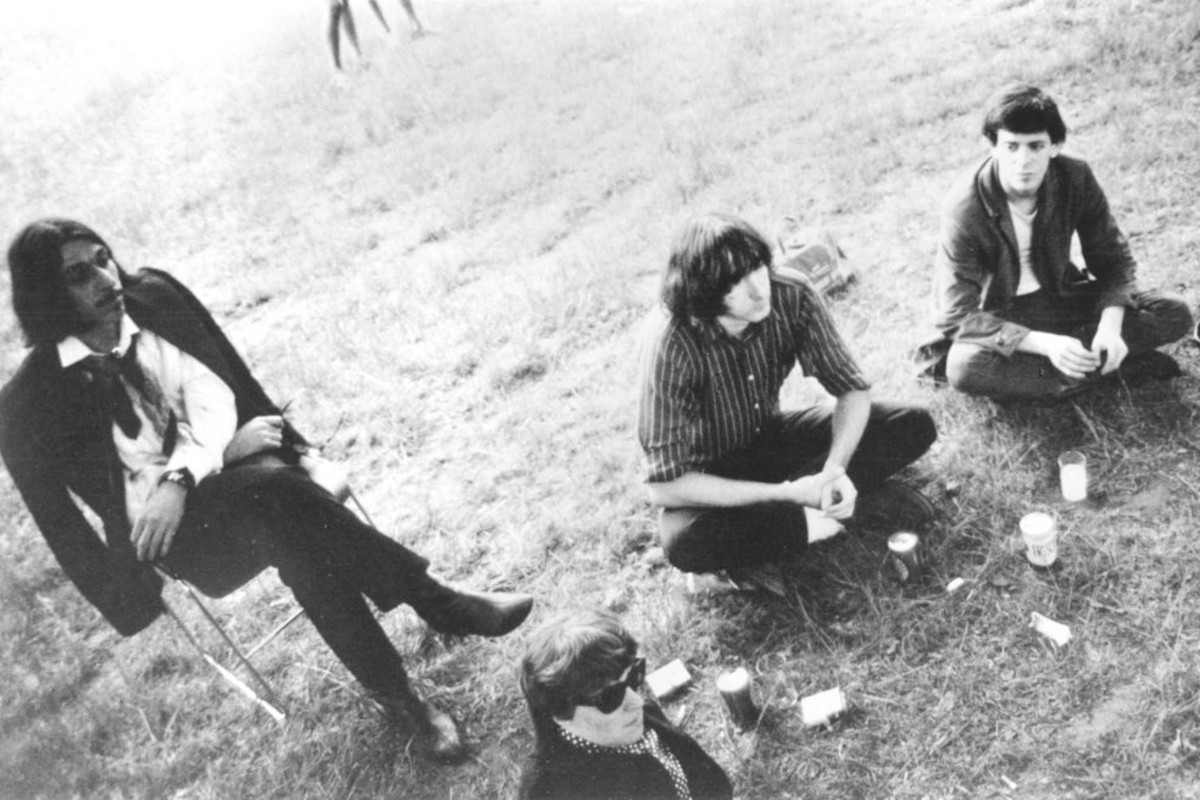
When Lou Reed and John Cale unveiled their Andy Warhol-backed debut, the mainstream music industry looked away in disgust. Radio stations refused to broadcast its unvarnished tales of drug addiction, sadomasochism, and street-level paranoia, while record stores quietly pulled it from shelves under legal threats.
It sold poorly upon release, yet its abrasive viola drones and stark realism laid the bedrock for punk, indie, and alternative music. As the famous adage goes, almost everyone who bought one of those few thousand initial copies was inspired to start a band.
Highlight: 'Heroin'
2. The Zombies – Odessey and Oracle (1968)
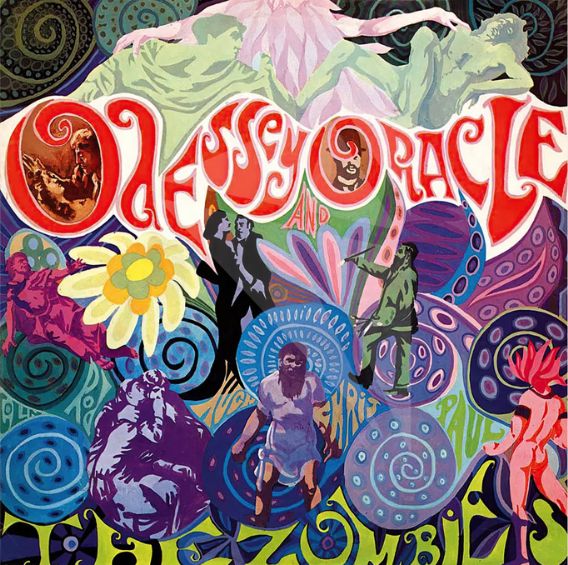
By the time the Zombies released Odessey and Oracle, the band were effectively finished. They had split up during the album's making, and their label showed little enthusiasm for a record that arrived without a functioning group to promote it.
Its intricate harmonies, inventive arrangements and richly coloured songs were largely overlooked, despite the presence of 'Time of the Season', which became a hit in the US the following year. The album's reputation grew steadily afterwards, and it is now widely regarded as one of the finest British psychedelic pop records of the 1960s.
Highlight: 'Hung Up on a Dream'
3. The Kinks – The Kinks Are the Village Green Preservation Society (1968)
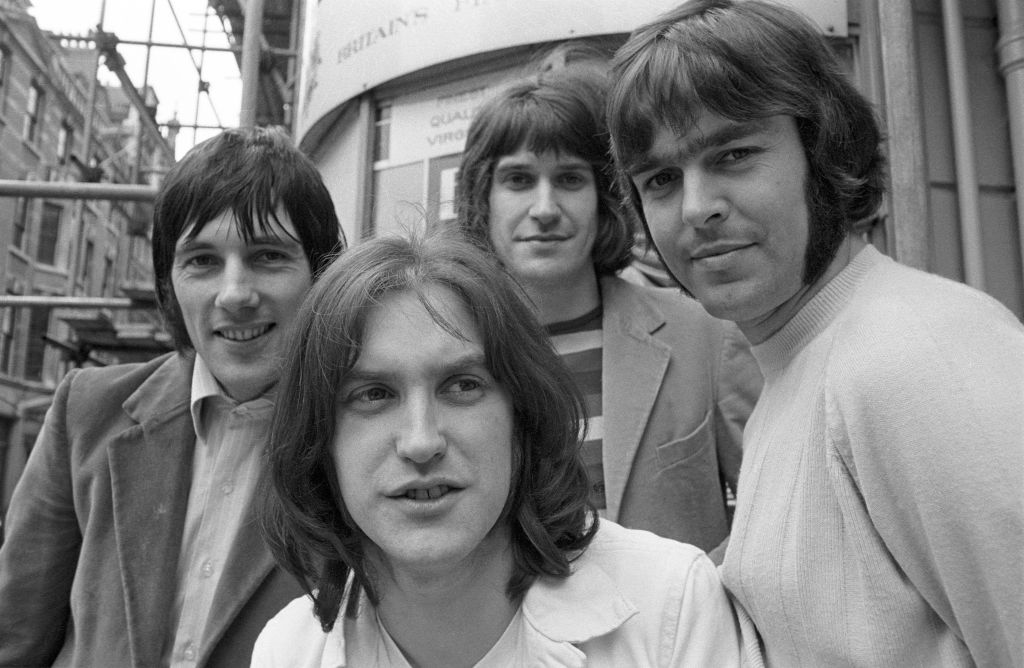
By 1968, the Kinks were in a curious position. Ray Davies was writing increasingly eccentric songs about English characters, fading traditions and a world that seemed to be disappearing, while the rest of the music business was embracing psychedelia and bigger, bolder sounds.
The resulting album was a long way from what audiences expected, and it sold poorly on release. There were no major hit singles to draw people in, either. But Village Green's gentle eccentricity, sharp observations and affectionate nostalgia have since made it one of the most cherished albums of its era.
Highlight: 'Village Green'
4. Orchestral Manoeuvres in the Dark – Dazzle Ships (1983)

Following the multi-platinum success of Architecture & Morality, OMD had the world at their feet. Instead of delivering another suite of lush synth-pop hits, Andy McCluskey and Paul Humphreys built an experimental soundscape dominated by shortwave radio static, cold war telemetry, and Soviet speaking clocks.
Contemporary critics panned it as a self-indulgent commercial misstep, and the sudden drop in sales nearly broke the band. Decades after its 1983 release, Dazzle Ships was triumphantly re-evaluated by electronic producers and critics alike, now revered as a courageous, ahead-of-its-time avant-garde pop experiment.
Highlight: 'International'
5. Beastie Boys – Paul's Boutique (1989)
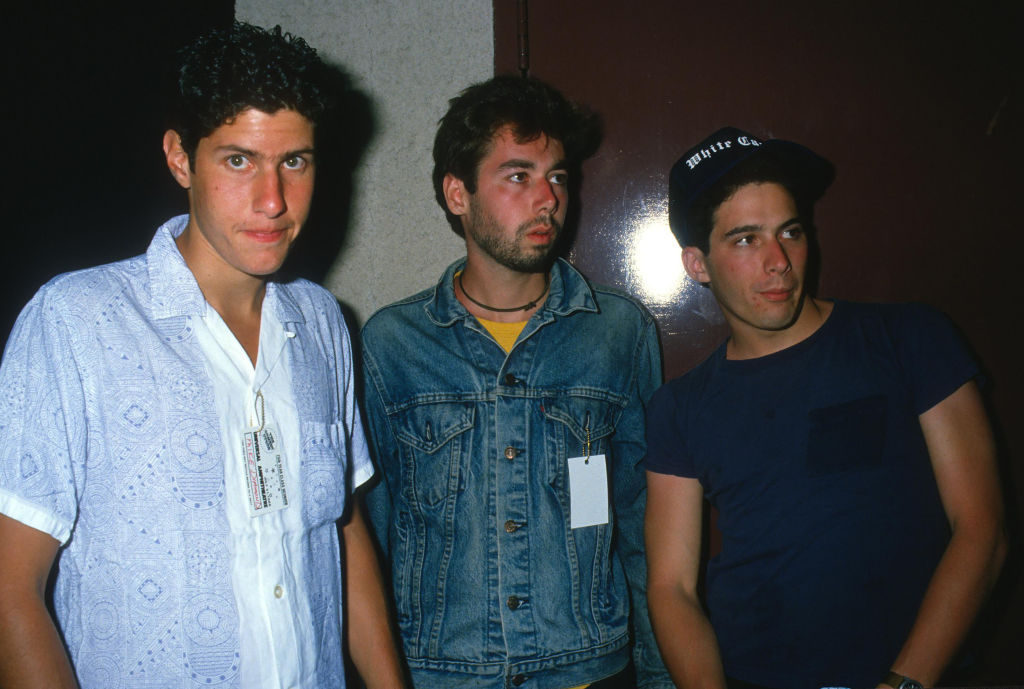
After exploding into the mainstream as beer-swilling frat-rap superstars with Licensed to Ill, the Beastie Boys retreated to Los Angeles and teamed up with The Dust Brothers. The result was a dense, cinematic mosaic built on hundreds of unauthorised samples, woven into intricate lyrical narratives.
Capitol Records didn't know how to market an album without a obvious arena single, and radio programmers ignored it. The record stalled commercially, but history vindicated the group: Paul’s Boutique is today regarded as the Sgt. Pepper of hip-hop and a landmark sampling achievement that could never legally be made today.
Highlight: 'Shake Your Rump'
6. Lou Reed – Berlin (1973)
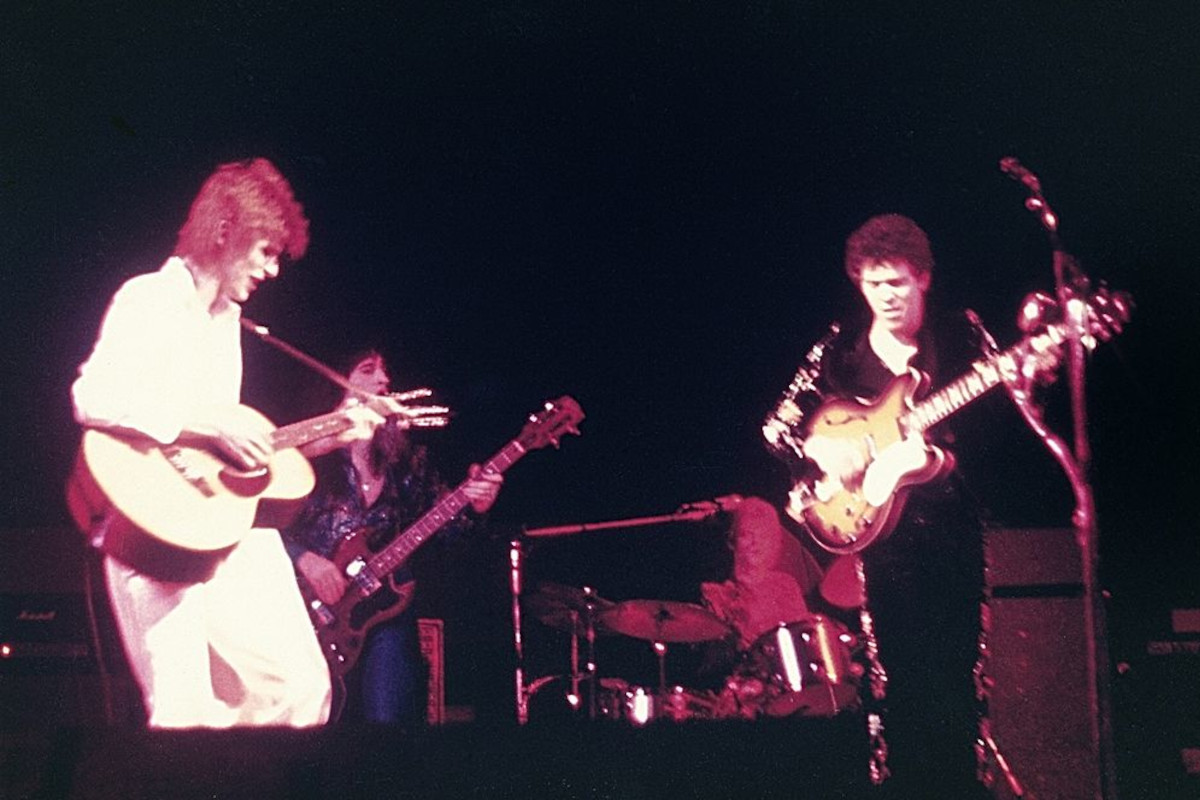
After the relative accessibility of Transformer, Lou Reed's Berlin was almost calculated to alienate listeners. A bleak, orchestrated story of addiction, domestic violence and emotional collapse, it was initially greeted with bewilderment and, in some quarters, outright hostility.
Rolling Stone famously dismissed it as a disappointment, while its commercial performance was modest compared with Transformer. Yet the album's reputation has steadily transformed. Its darkness, theatrical arrangements and brutally unsentimental storytelling now seem central to Reed's artistic legacy.
What once looked like an unpleasant detour is now widely regarded as one of his defining achievements.
Highlight track: ‘Caroline Says II’
7. Nick Drake – Pink Moon (1972)
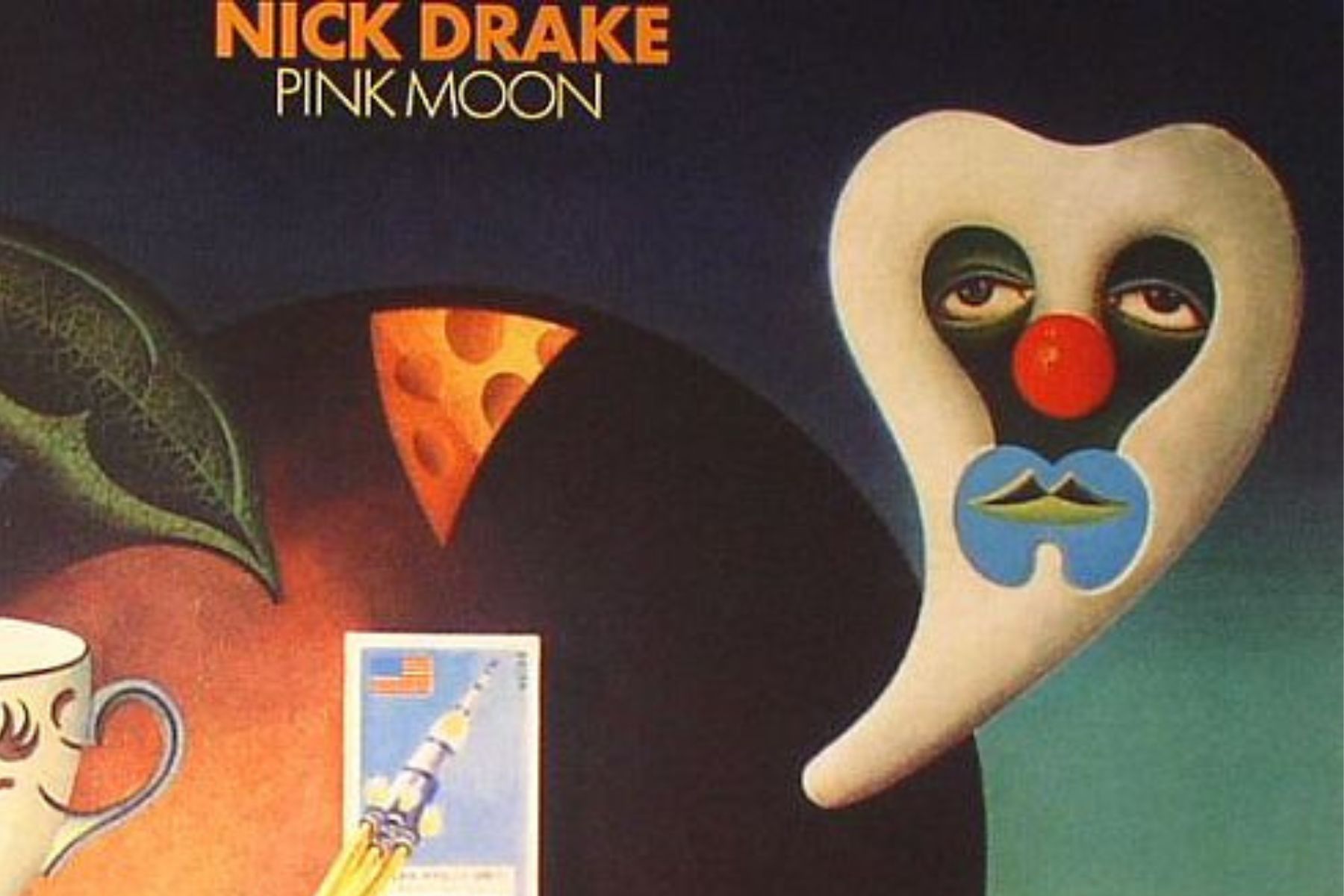
Nick Drake's third and final album barely made a ripple when it appeared in 1972. There was no tour, virtually no promotion and little commercial interest; Pink Moon was an extraordinarily intimate record, consisting largely of Drake's voice, acoustic guitar and a few spare piano notes. Its reputation grew slowly after his death, as musicians and listeners discovered the remarkable emotional precision hidden within its apparent simplicity.
By the 1990s, it had become a touchstone for a new generation of singer-songwriters – helped by a memorable Volkswagen advert featuring ‘Pink Moon’. What sounded like an obscure, melancholy folk record eventually became one of the most revered albums of its kind.
Highlight track: ‘Pink Moon’
8. The Stooges – The Stooges (1969)
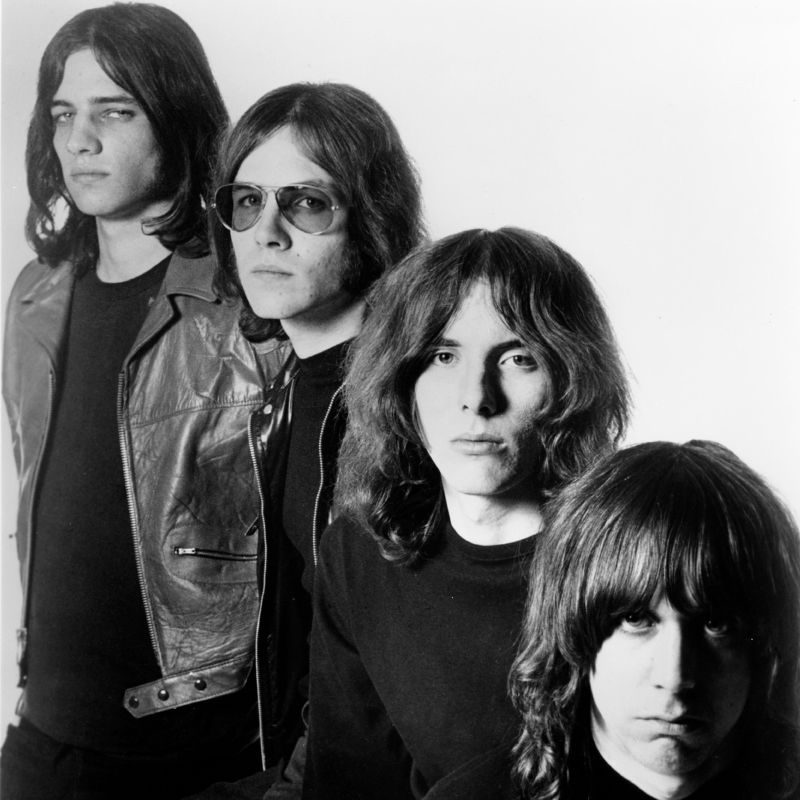
When the Stooges released their debut album in 1969, it sounded like a deliberate affront to almost everything rock music was supposed to be. Produced by John Cale, its primitive guitar riffs, pounding rhythms and Iggy Pop's confrontational vocals were a world away from the polished psychedelia and elaborate studio productions then in fashion.
The record sold poorly and attracted some decidedly unenthusiastic reviews. But its raw, stripped-down attack proved hugely influential, helping to lay the groundwork for punk and alternative rock. What initially sounded like an ugly dead end eventually became a blueprint for an entirely new musical movement.
Highlight: 'I Wanna Be Your Dog'
9. Weezer – Pinkerton (1996)
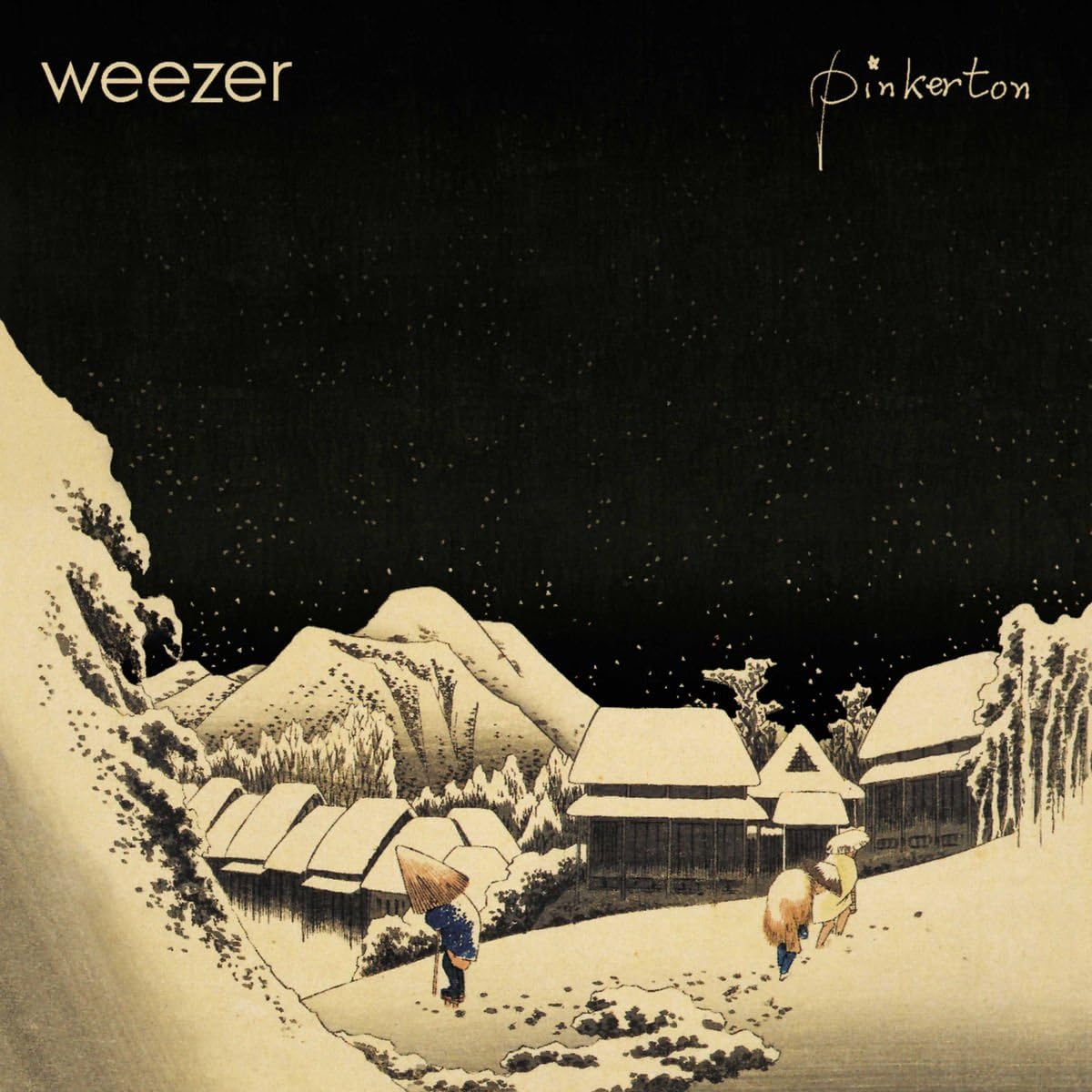
Hurtled into fame by their glossy, video-friendly debut, Rivers Cuomo retreated into his shell to write Pinkerton. Raw, abrasive, and uncomfortably intimate, the album swapped bright power-pop hooks for feedback-laden guitars and desperate, messy confessionals.
Upon release, critics tore it apart, and Rolling Stone readers voted it one of the worst albums of the year. Devastated by the backlash, Cuomo temporarily withdrew from songwriting. Yet, as the years passed, an entire generation of indie and emo bands adopted its raw honesty as a holy scripture, turning a commercial flop into a revered cult classic.
Highlight: 'El Scorcho'
10. Scott Walker – Scott 4 (1969)
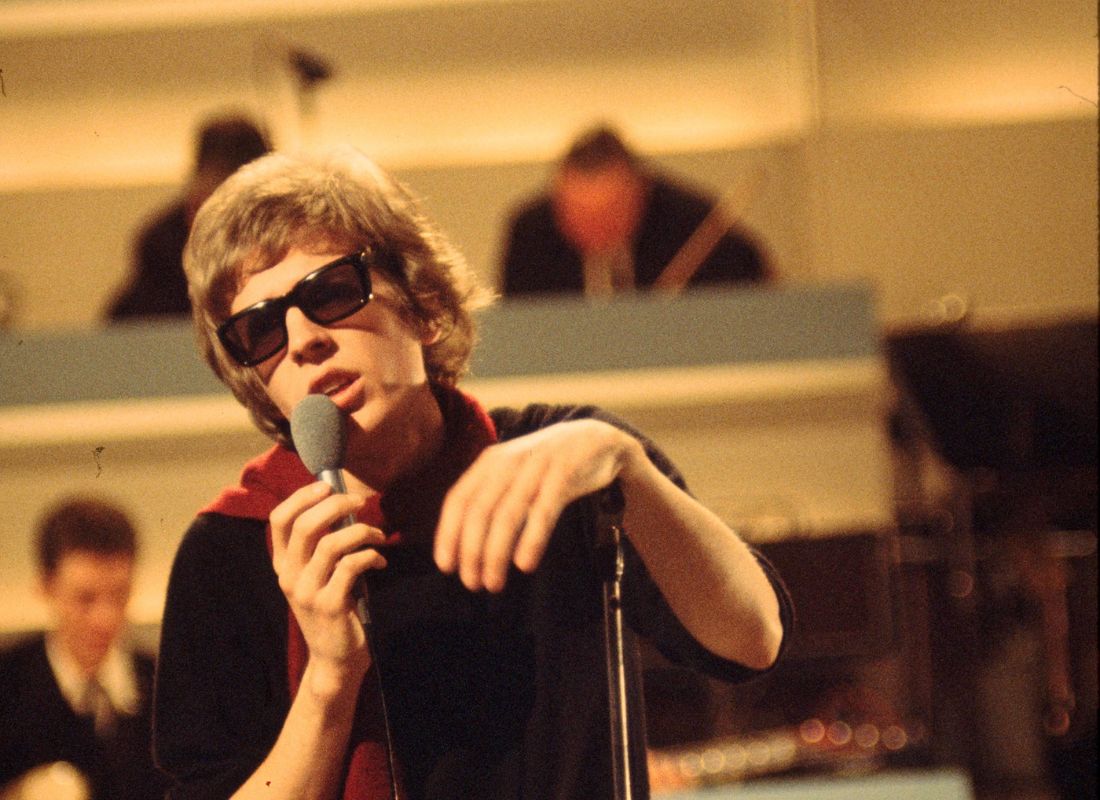
Scott Walker's fourth solo album was a spectacular commercial failure: released under his real name, Noel Scott Engel, it barely registered with the public and was quickly deleted. Yet its reputation has grown enormously since.
Gone were the relatively accessible pop songs of his earlier work; in their place came brooding orchestration, existential lyrics and an increasingly uncompromising vision. ‘The Seventh Seal’, inspired by Ingmar Bergman's film, announced the album's ambitions immediately, while ‘The Old Man's Back Again’ remains one of Walker's most extraordinary recordings. Today, Scott 4 is regarded as a landmark of sophisticated, unsettling art pop.
Highlight track: ‘The Old Man's Back Again’
11. Slint – Spiderland (1991)
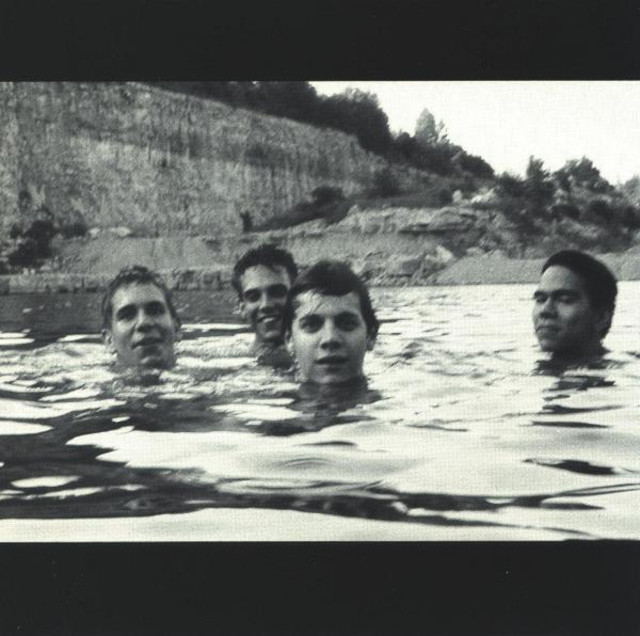
Recorded over just a few days by four teenagers from Louisville, Kentucky, Spiderland arrived with zero fanfare. The band broke up before the record even hit stores, and early press coverage was practically non-existent.
Listeners who did stumble across it were met with something alien: hushed spoken-word narratives, jagged guitar dynamics, and tense, claustrophobic math-rock structures. Through word-of-mouth recommendations over the following decade, the album became a sacred text, single-handedly providing the blueprint for post-rock and influencing countless guitar bands throughout the 1990s and 2000s.
Highlight: 'Good Morning, Captain'
Band pics Getty Images