
When a band as big as ZZ Top is ready for a makeover, you know that powerful forces are in play.
And, back in 1983, the playbook the Texan trio followed to ensure their relevancy was a familiar one. The first step was the introduction of synths and drum machines, in order to make the band sound more palatable for radio airplay.
With the dominance of MTV, the second step would be an increased focus on the promo music video, something ZZ Top mastered with aplomb. Away from the mainstream, important guitar bands were beginning to get their act together, with both R.E.M. and Metallica delivering promising debuts.
Here are 1983’s 21 greatest albums, accompanied by the recommendation of a key track for your listening pleasure.
The 21 best albums of 1983
21. Aztec Camera – High Land, Hard Rain
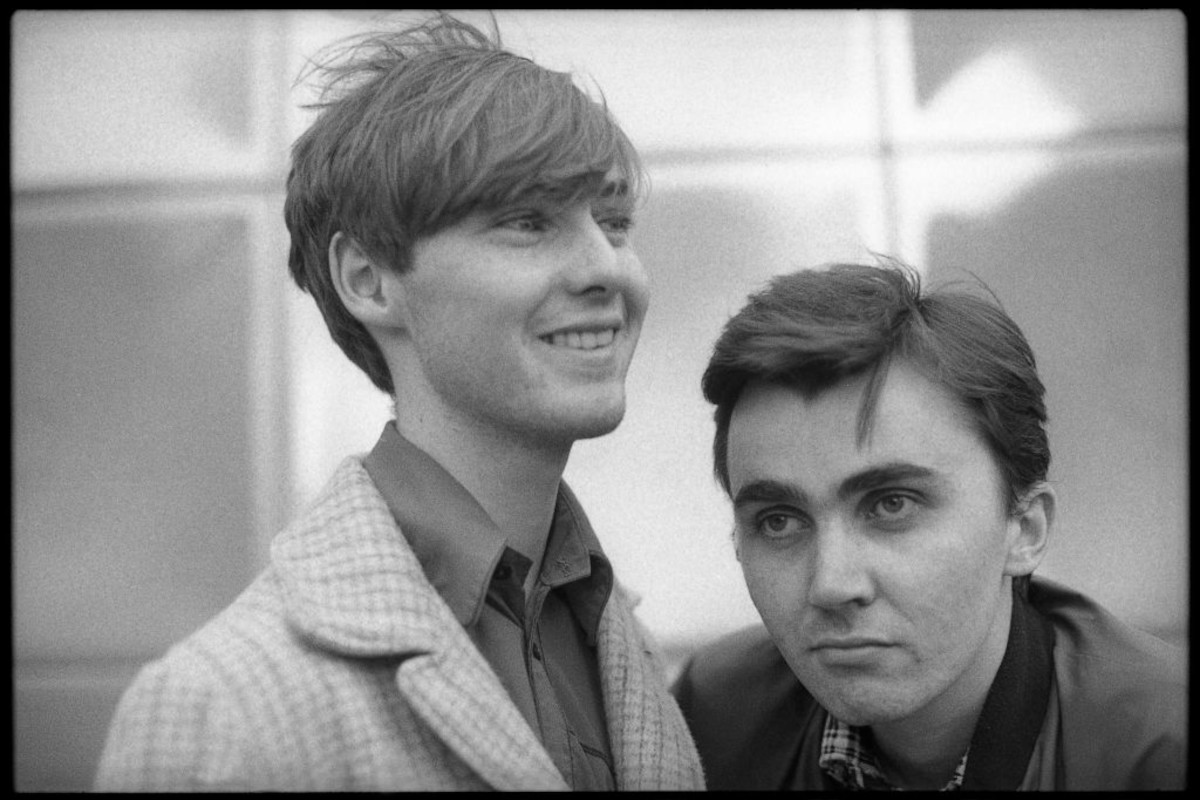
Aztec Camera’s debut showcased the songwriting skills of Scottish wunderkind Roddy Frame, who was still a teenager when he wrote the album.
His tender years belied the sophistication of the songs, which are loaded with timeless folk-pop melodies. Irresistible second single ‘Oblivious’ was a top 20 hit in the UK.
Key track: 'Pillar To Post'
20. Pink Floyd – The Final Cut
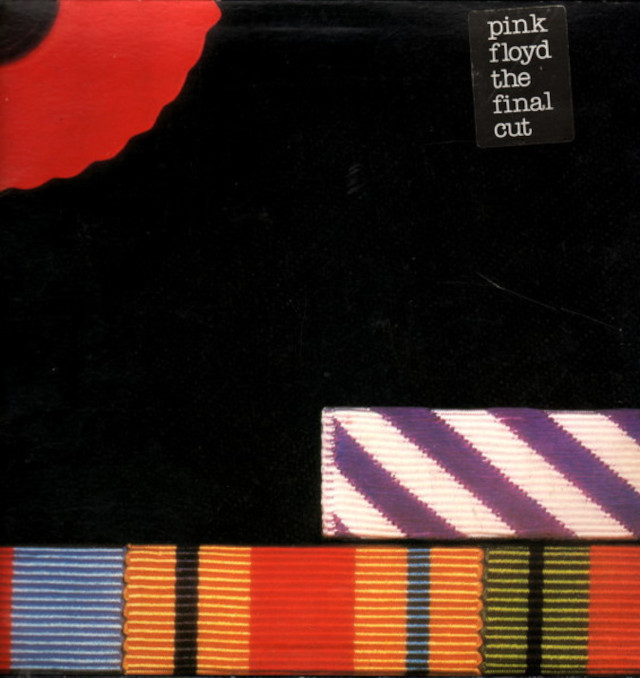
The Final Cut was initially intended to be Pink Floyd’s final album until David Gilmour and Nick Mason expressed a desire to continue, much to the annoyance of Roger Waters. The recording was a fractious affair, with many believing that Waters treated the sessions as a solo project.
The resulting album is understandably flawed, but not without extended passages of heart-wrenching beauty.
Key track: 'The Gunner's Dream'
19. Robert Plant – The Principle Of Moments
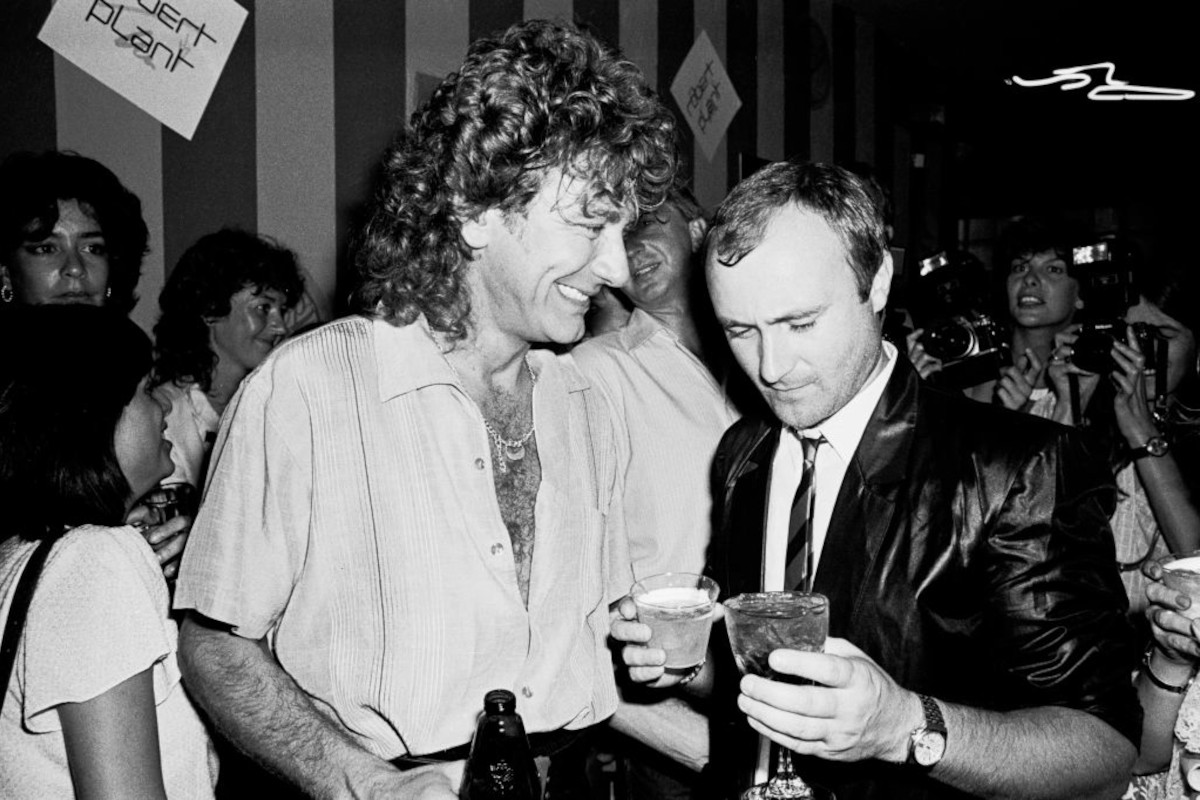
The former Led Zeppelin man’s second solo album was far removed from the blood and thunder of his previous band. With an eye on radio play, the production was polished, clinical, and very un-Led Zep like. Lead single ‘Big Log’ was a regular on MTV, bringing Plant unfamiliar success in the singles chart.
Genesis drummer Phil Collins played on five of the eight tracks, and even toured the US to promote the album.
Key track: 'Big Log'
18. The Go-Betweens – Before Hollywood
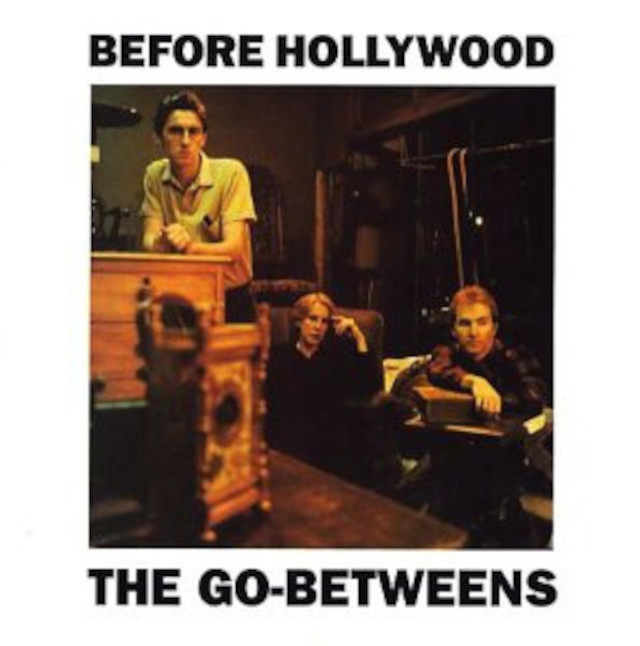
In Robert Forster and Grant McLennan the Australian indie outfit were blessed with two talented songwriters. Competition between the two drove the band to greater heights, and second album Before Hollywood is the perfect distillation of their skills as writers of highly literate pop songs. The album contains the Go-Betweens greatest track, the hypnotically haunting ‘Cattle And Cane.’
Key track: 'Cattle And Cane'
17. Tears For Fears – The Hurting
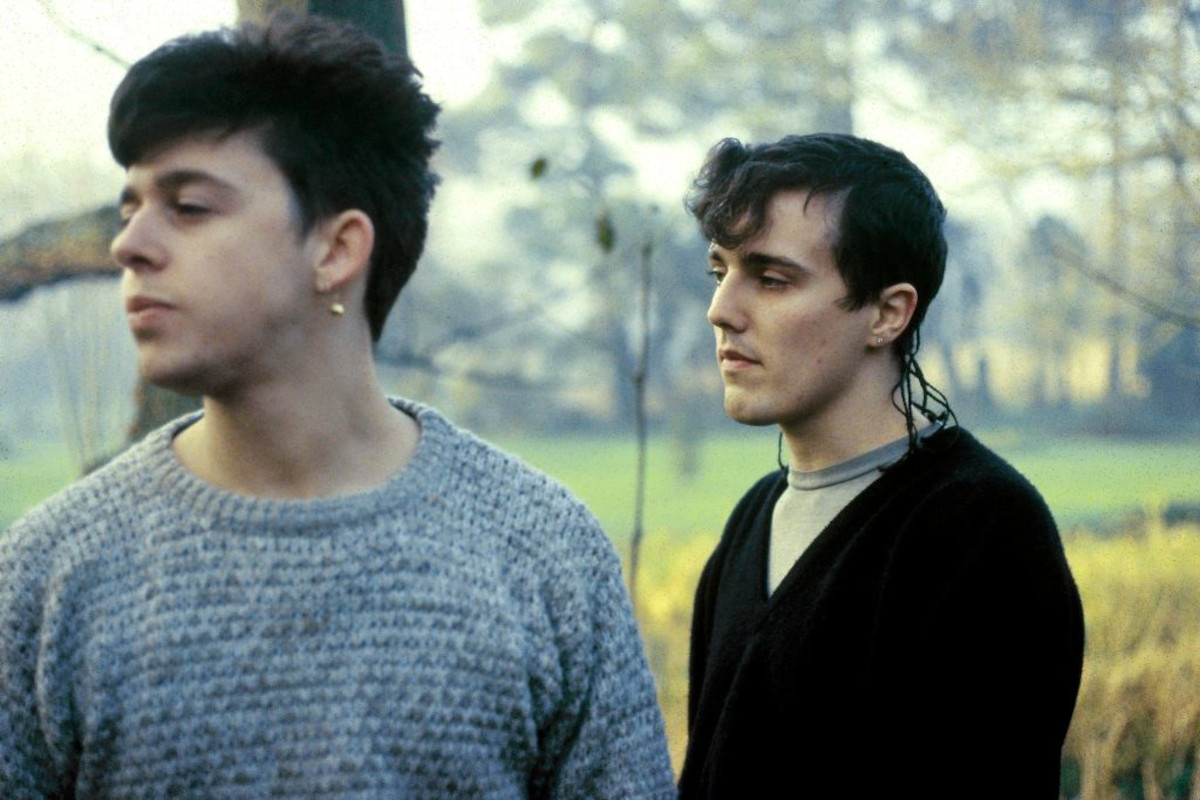
Although they formed part of the Second British Invasion of acts that dominated the US charts in the early 80s, Tears For Fears bore little comparison to their peers. This was painfully apparent in the themes of their early material that dealt with the harmful fallout of childhood trauma.
The dark subject matter proved not to be a barrier to commercial success with the album containing no less than three top five UK hits. Before settling on their name Orzabal and Smith went under the name History Of Headaches.
Key track: 'Mad World'
16. Echo and The Bunnymen – Porcupine
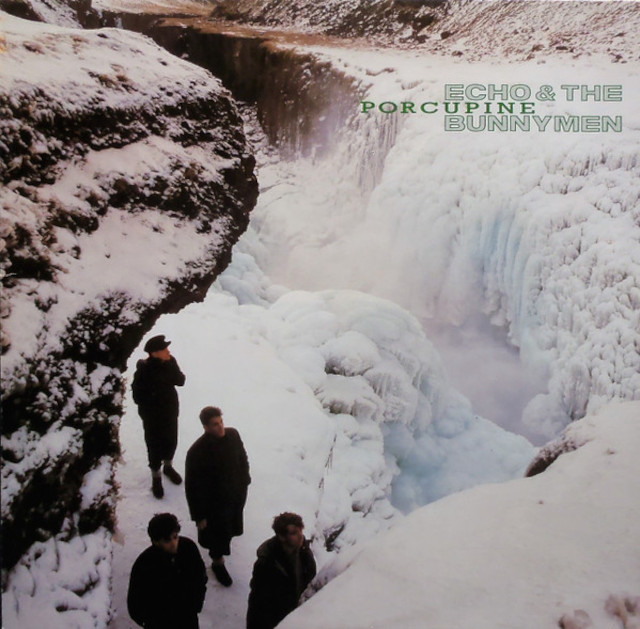
The first two Echo and The Bunnymen albums, Crocodiles and Heaven Up Here were released to great acclaim. The sense of expectation was that their third album was the Liverpool band’s chance to breakthrough to the big time.
Porcupine opened with a pair of monumental singles in ‘The Cutter’ and ‘The Back Of Love’, but its prevailing dark mood stifled any chance of global superstardom. The door was open, but the band weren’t able to walk through it.
Key track: 'The Cutter'
15. ZZ Top – Eliminator
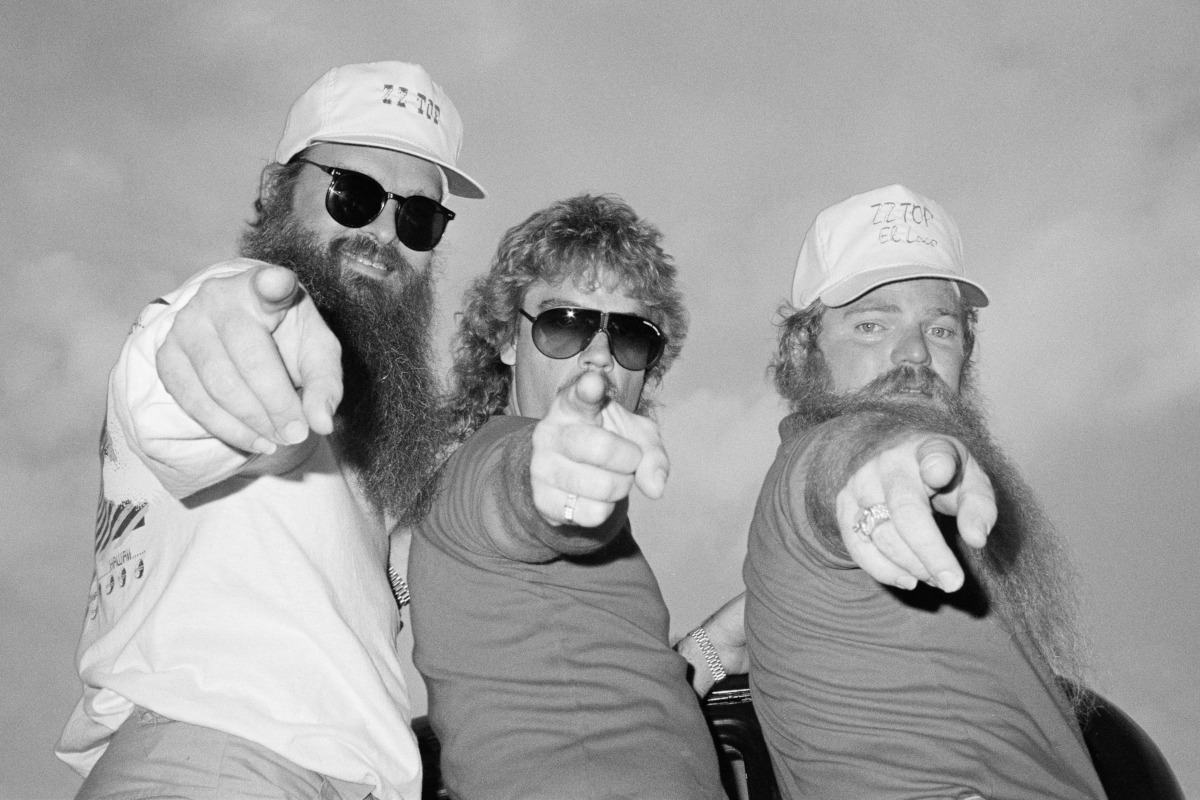
ZZ Top had been serving up a familiar brand of blues-tinted boogie since their formation way back in 1969. In an attempt to modernise the band’s singular sound, the Texan trio’s eighth studio album saw the inevitable introduction of drum machines and synths.
The band also found themselves the unlikely stars of MTV with a number of tracks from ‘Eliminator’ placed on heavy rotation. The makeover paid dividends and the average age of ZZ Top’s audience dropped drastically almost overnight.
Key track: 'Gimme All Your Lovin''
14. Elvis Costello – Punch The Clock
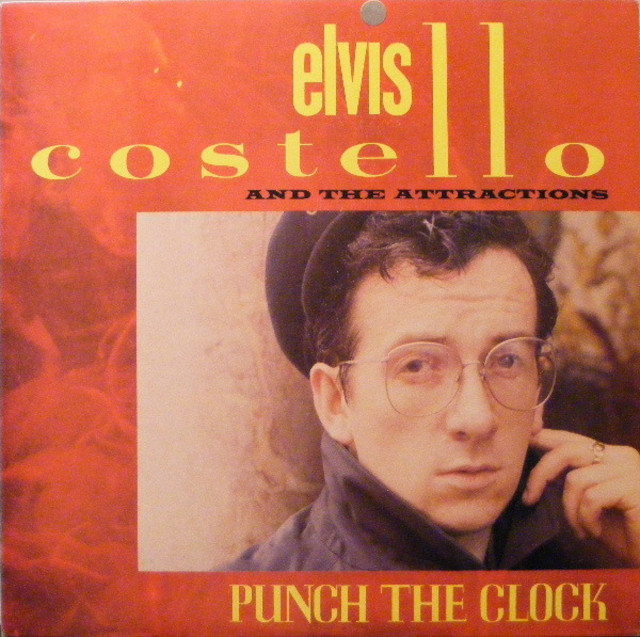
The choice of Langer and Winstanley as producers was a telling one, as it was clear Costello desired a commercial sound. The glossy 80s treatment proved to be both a blessing and a curse.
Lead single ‘Everyday I Write The Book’ provided the consummate songwriter with his first US Top 40 hit, but he later stated dissatisfaction with some elements of the production. Jazz icon Chet Baker provided trumpet on Costello’s version of ‘Shipbuilding’, a track previously recorded by Robert Wyatt.
Key track: 'Let Them All Talk'
13. Quiet Riot – Metal Health
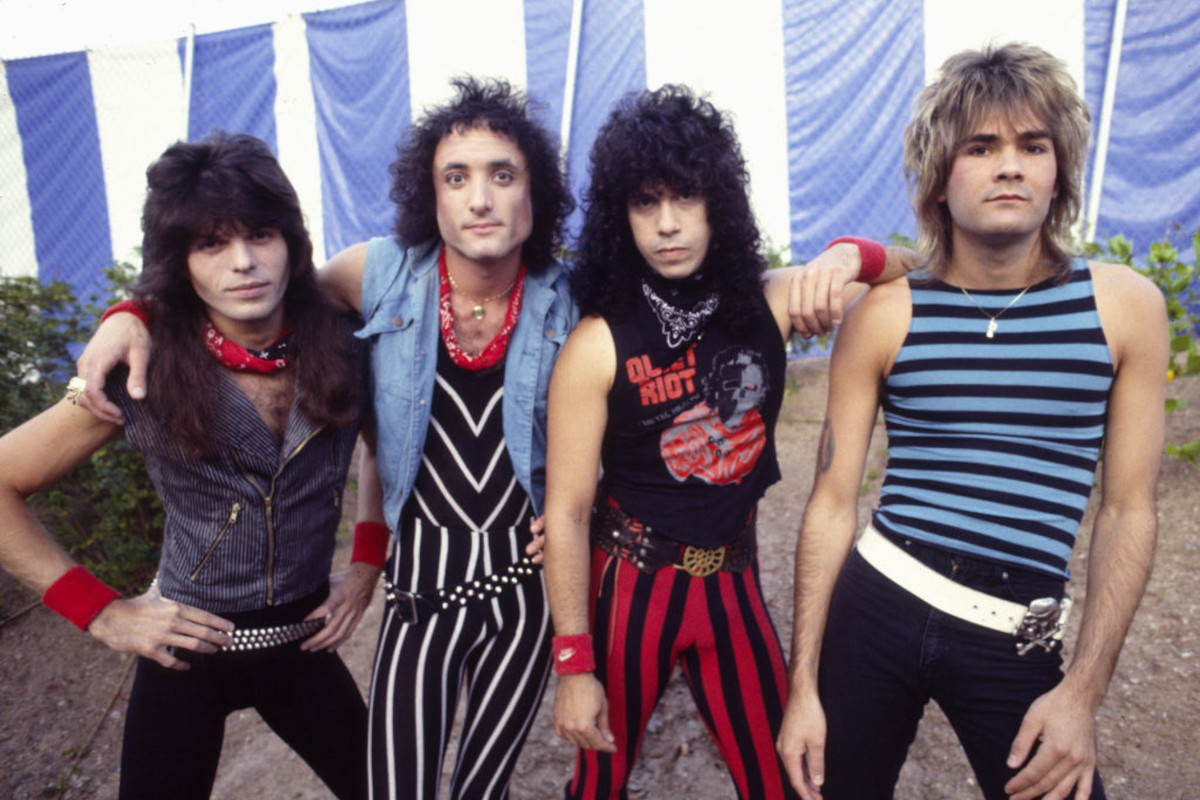
Metal Health is the first heavy metal record to reach number one on the US Billboard chart, achieving the significant feat off the back of two massive hits, ‘Metal Health (Bang Your Head)' and Slade cover ‘Cum On Feel The Noize’.
Quiet Riot’s story wasn’t one of overnight success with the band initially forming back in 1973. Metal Health was the first album not to feature co-founder Randy Rhoads, who died in a plane crash while on tour with Ozzy Osbourne.
The album’s success paved the way for the flood of glam and hair metal bands that were set to dominate the charts.
Key track: 'Cum On Feel The Noize'
12. Metallica – Kill 'Em All
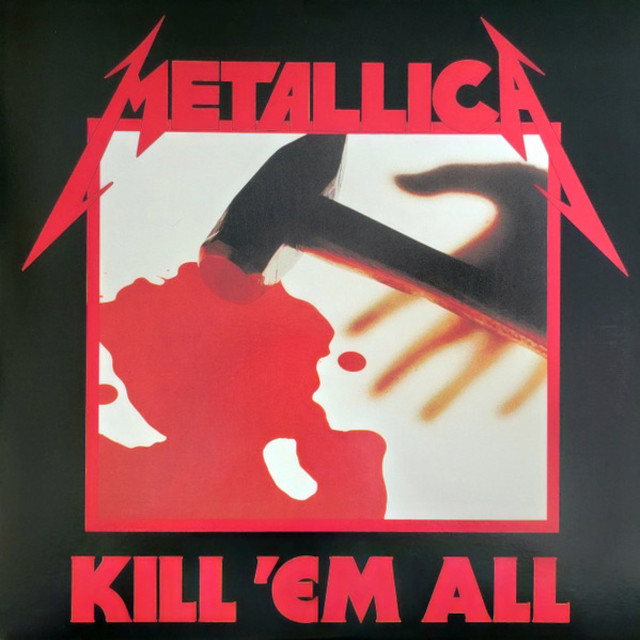
Metallica’s earth-shaking debut album is widely regarded as ground zero for the thrash metal movement. Explosively combining heavy metal riffs with the breakneck tempo of hardcore punk, it was not an album for the faint of heart (or stiff of neck). The band were keen to call the album ‘Metal Up Your Ass’ but were overruled by spoilsport label bosses.
Key track: 'The Four Horsemen'
11. Violent Femmes – Violent Femmes
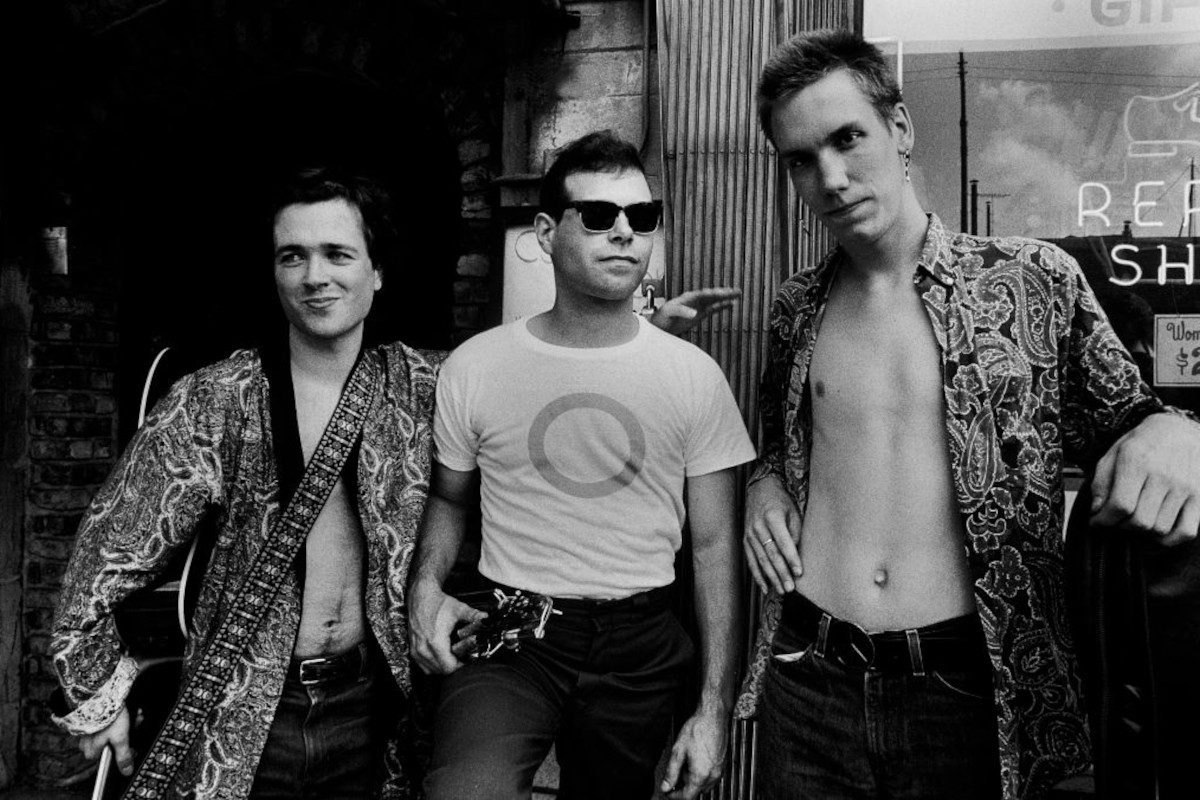
The Wisconsin trio’s debut album featured a raw acoustic sound unlike anything that was being played on the radio. Its DIY folk-punk attitude was a genuine wonder in the age of hair metal and synth-pop bands. Standout tracks ‘Blister In The Sun’ and ‘Add It Up’ remain staples of any self-respecting indie night.
The Violent Femmes caught their first big break when the late Pretenders’ guitarist James Honeyman Scott invited them up on stage at a gig after spotting them busking.
Key track: 'Blister In The Sun'
10. Dio – Holy Diver
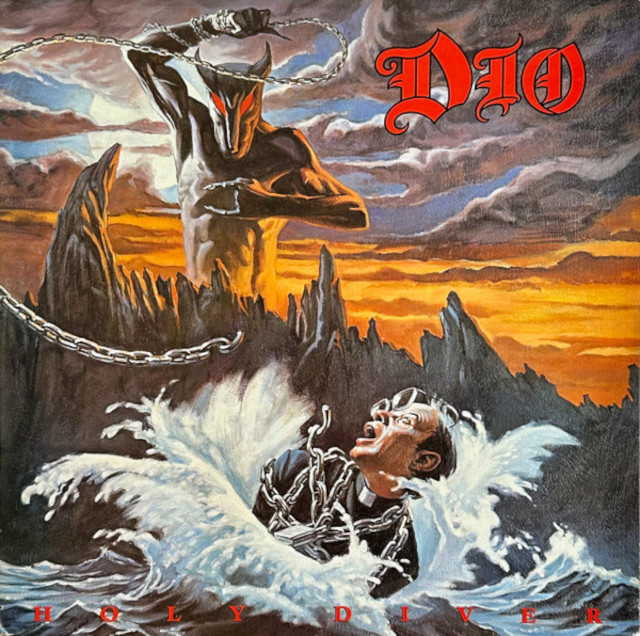
Ronnie James Dio recorded three albums with Black Sabbath before his services were no longer required. Holy Diver is the diminutive frontman’s debut album with the newly formed group that just happened to borrow his surname. A smart operator, Dio wasted no time in introducing fantasy elements into the band’s lyrical content and artwork.
It was a visual aesthetic that metal fans passionately embraced. As the man who introduced the ‘devil horns’ hand gesture, it was unfortunate that in 2003 Ronnie James Dio severed his thumb in a gardening accident involving a garden gnome.
Key track: 'Rainbow In The Dark'
9. U2 – War
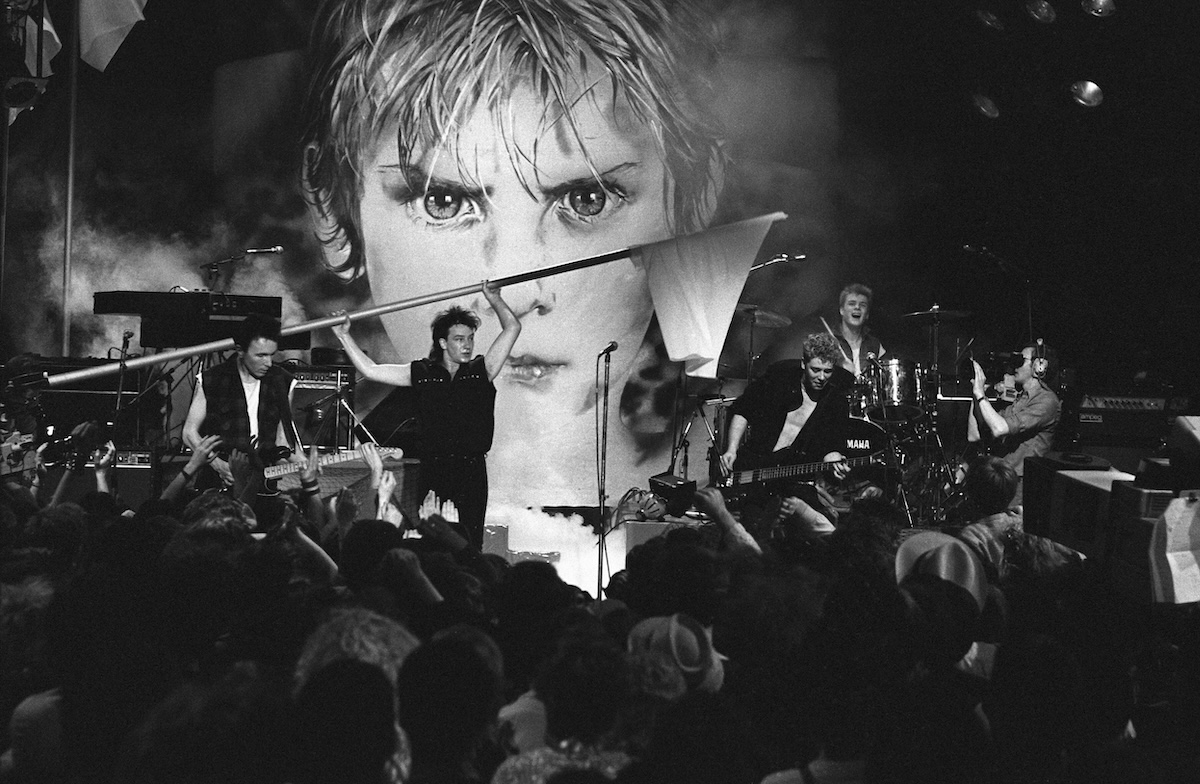
War entered the UK album charts at number one, knocking Michael Jackson’s Thriller off of top spot. It was the Dublin band’s breakthrough album in the States climbing up to number 12. War was U2’s first overtly political offering with key track ‘Sunday Bloody Sunday’ a powerful and passionate protest song.
The album was driven relentlessly forward by the Edge’s aggressive guitar sound. Curiously, two of the tracks on War featured backing vocals by the Coconuts, of Kid Creole and the Coconuts fame.
Key track: 'Sunday Bloody Sunday'
8. Talking Heads – Speaking In Tongues
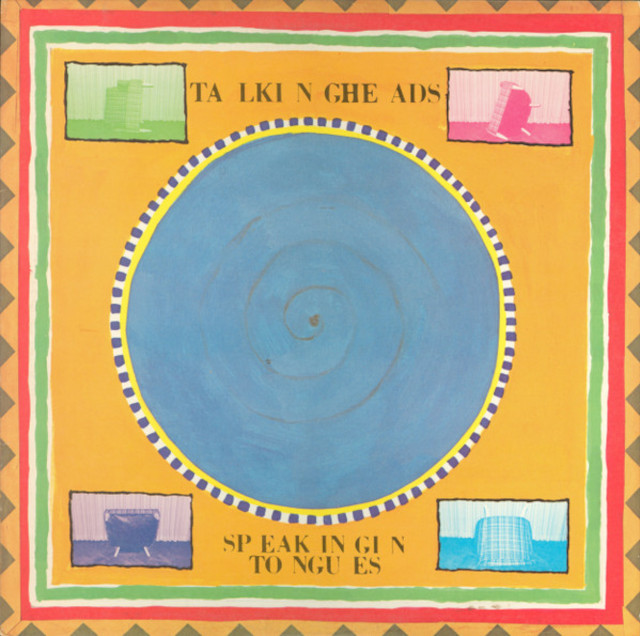
For their fifth studio album Talking Heads dispensed with the services of Brian Eno and assigned production duties to themselves. The complex art-funk rhythms of previous album Remain In Light were reshaped.
The result was a more accessible brand of funky pop, defined by album opener ‘Burning Down The House’. The promotional tour for Speaking In Tongues formed the basis of the much-loved concert film Stop Making Sense.
Key track: 'Burning Down The House'
7. David Bowie – Let's Dance
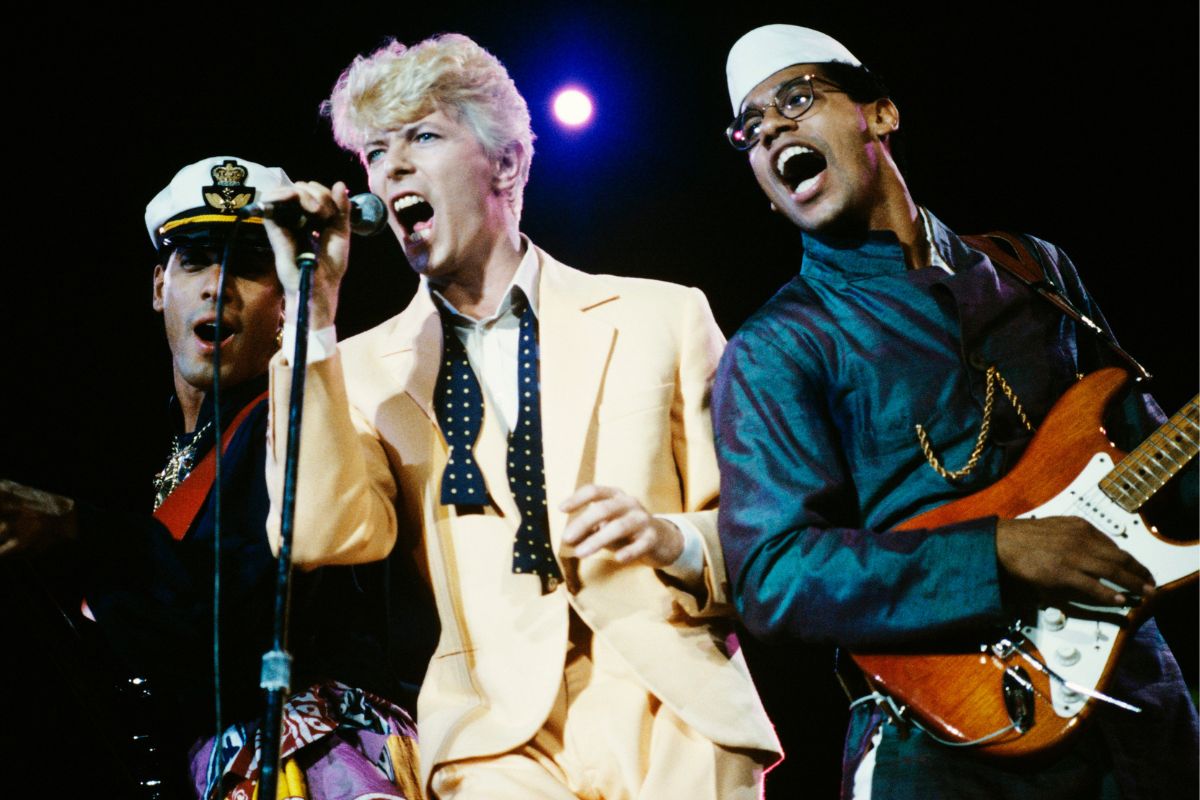
The Berlin trilogy of albums (Low, Heroes, Lodger) accumulated David Bowie as much artistic credibility as one rock star could muster. With Let’s Dance the focus was on commercial success. To this end, the musical magpie brought in Chic’s Nile Rodgers on production duties and front-loaded the album with hits.
Let’s Dance became Bowie’s best-selling record and turned the great man into a global pop icon. Blues guitarist Stevie Ray Vaughan appeared on a number of tracks.
Key track: 'Modern Love'
6. Def Leppard – Pyromania
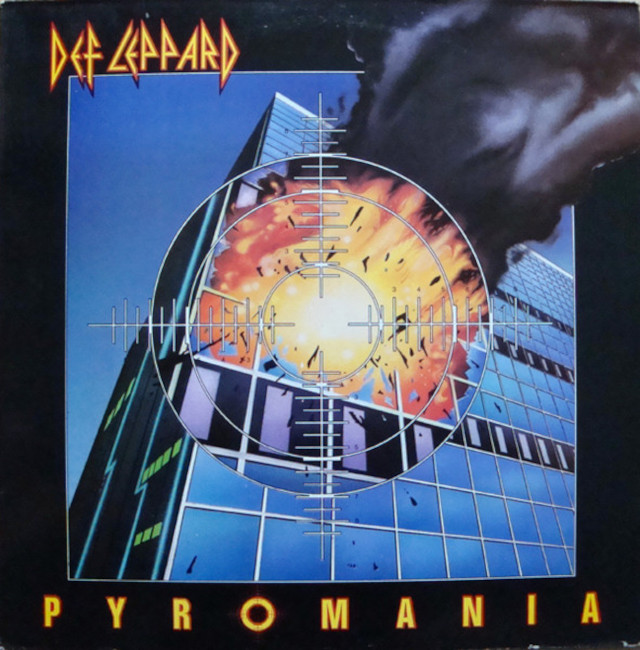
During the recording of their third studio album Def Leppard were struggling to find the guitar sound they were after, so much so they considered burning all their amplifiers, hence the fire-starting album title. Needless to say, under Mutt Lange’s expert production, the guitar sound was found.
Pyromania sounded great on the radio and was a massive hit in both the UK and US. Sonically the album was a strategic shift away from heavy metal towards hook-laden glam.
Key track: 'Photograph'
5. Tom Waits – Swordfishtrombones
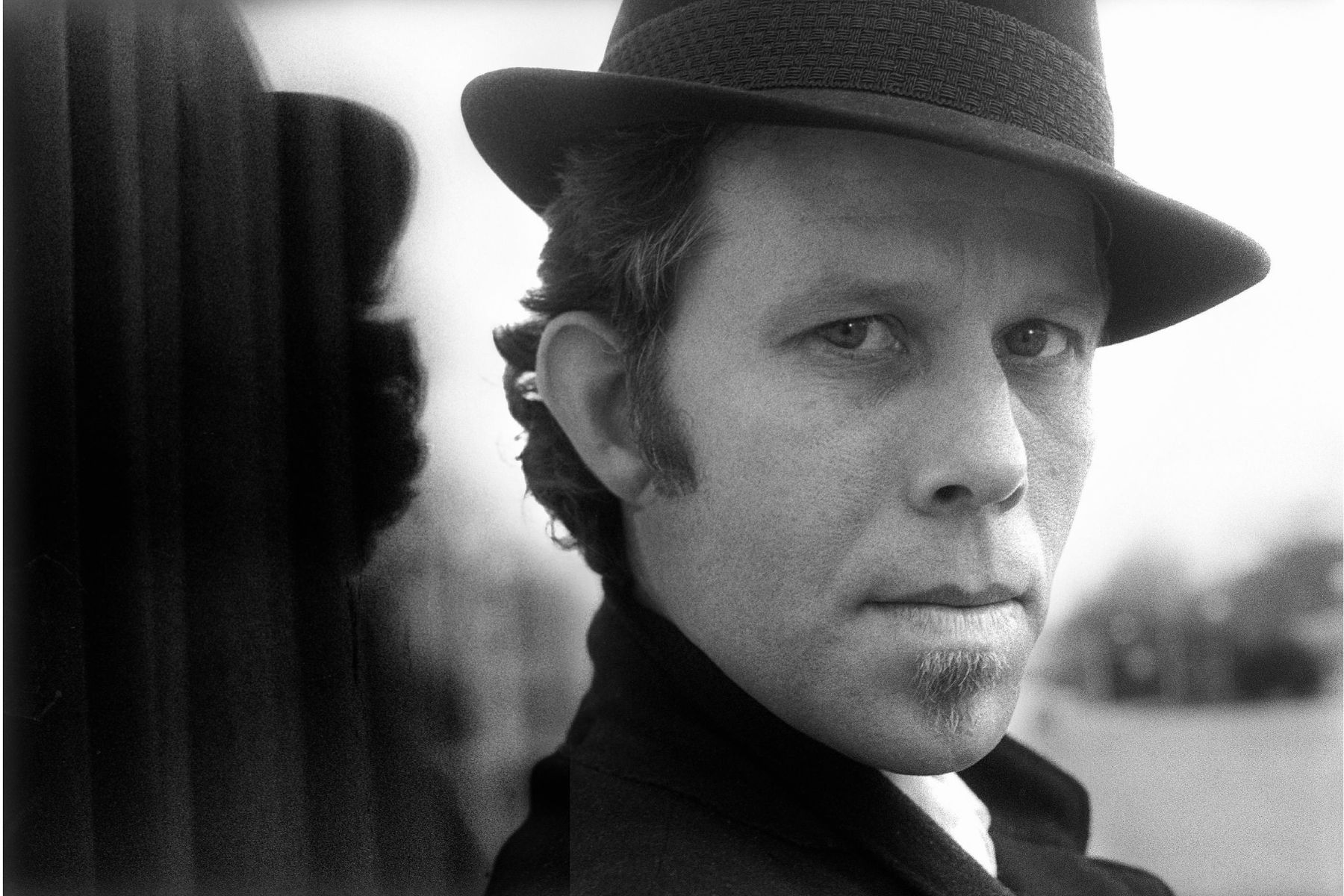
On his eighth studio album Tom Waits stepped away from the piano-based composition of his previous offerings. In its place he created a fully realised sonic world populated with unconventional instrumentation and a crazily amplified vocal delivery.
Every track on Swordfishtrombones is a different kind of adventure. This fearless reinvention gave Waits the space to add fresh depth and an atmospheric fascination to his songs.
Key track: 'In The Neighbourhood'
4. Brian Eno – Apollo: Atmospheres And Soundtracks
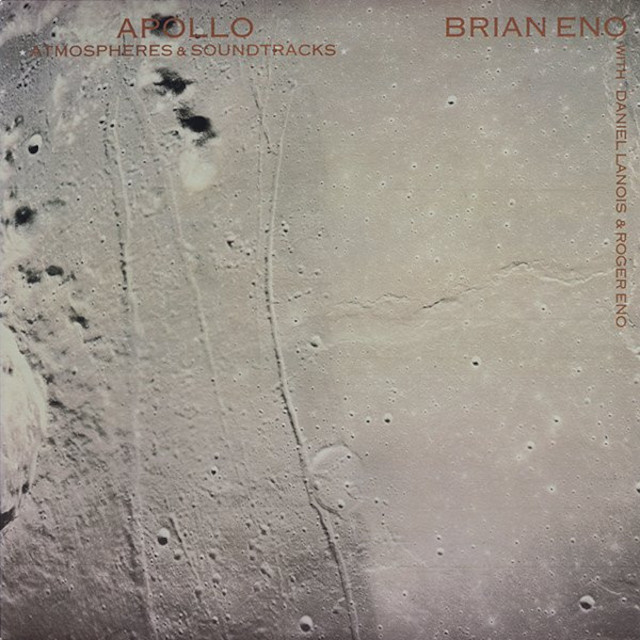
Originally composed as the soundtrack for a documentary about the NASA moon landings, Eno’s Apollo is one of ambient electronica’s greatest achievements. Written in collaboration with his brother Roger Eno and celebrated producer Daniel Lanois, the album consists of masterfully crafted series of hauntingly serene soundscapes.
Key track: 'An Ending (Ascent)'
3. The The – Soul Mining
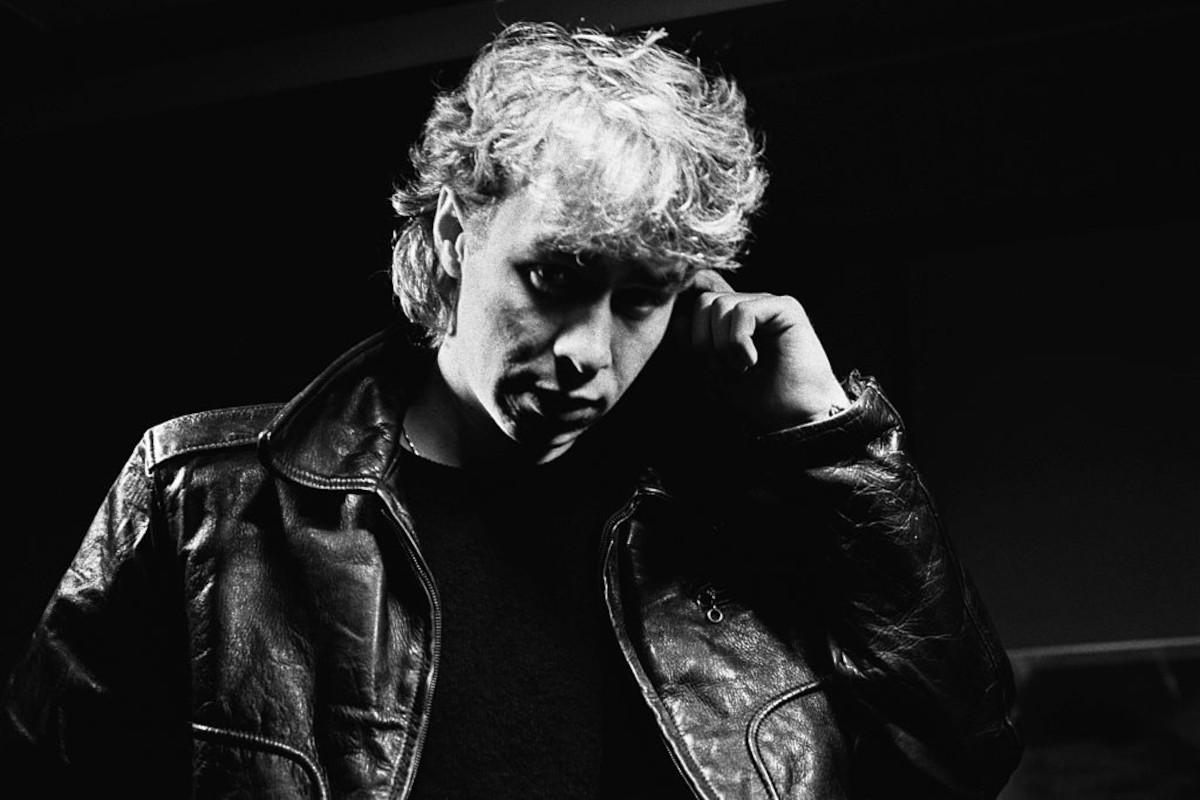
On Soul Mining Matt Johnson deftly discovered a compelling sweet spot between post-punk gloom and synth-pop cheeriness. And in doing so he delivered one of the year’s most rewarding debuts. Johnson’s confessional lyrics sit well on top of the album’s layered synth beats.
Jools Holland contributes a memorable piano solo on highlight track ‘Uncertain Smile’. The album’s original working title was The Pornography Of Despair.
Key track: 'This Is The Day'
2. New Order – Power, Corruption And Lies
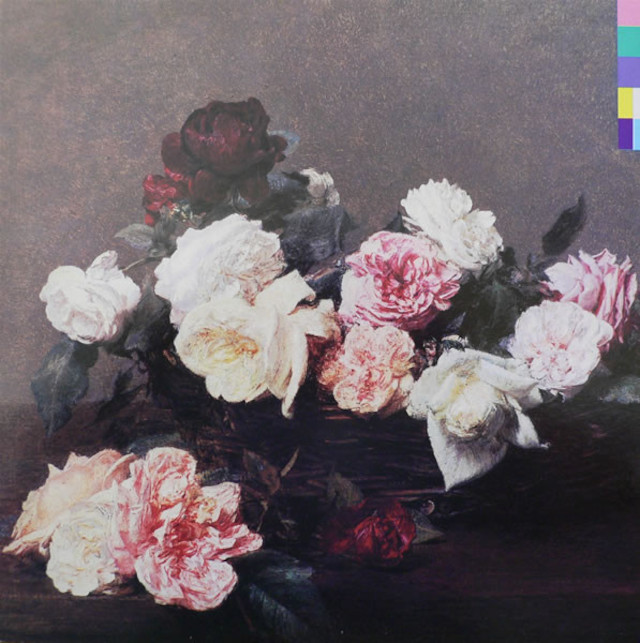
New Order’s second album signalled the band’s move away from the post-punk of their origins and towards the electronic dance-pop of their future. Despite its transitionary nature, Power, Corruption and Lies arrived perfectly formed and is rightly regarded as one of the defining album of the 1980s.
Peter Saville’s exquisite sleeve was the perfect accompaniment. Classic single ‘Blue Monday’ was added to the US version of the album.
Key track: 'Your Silent Face'
1. R.E.M. – Murmur
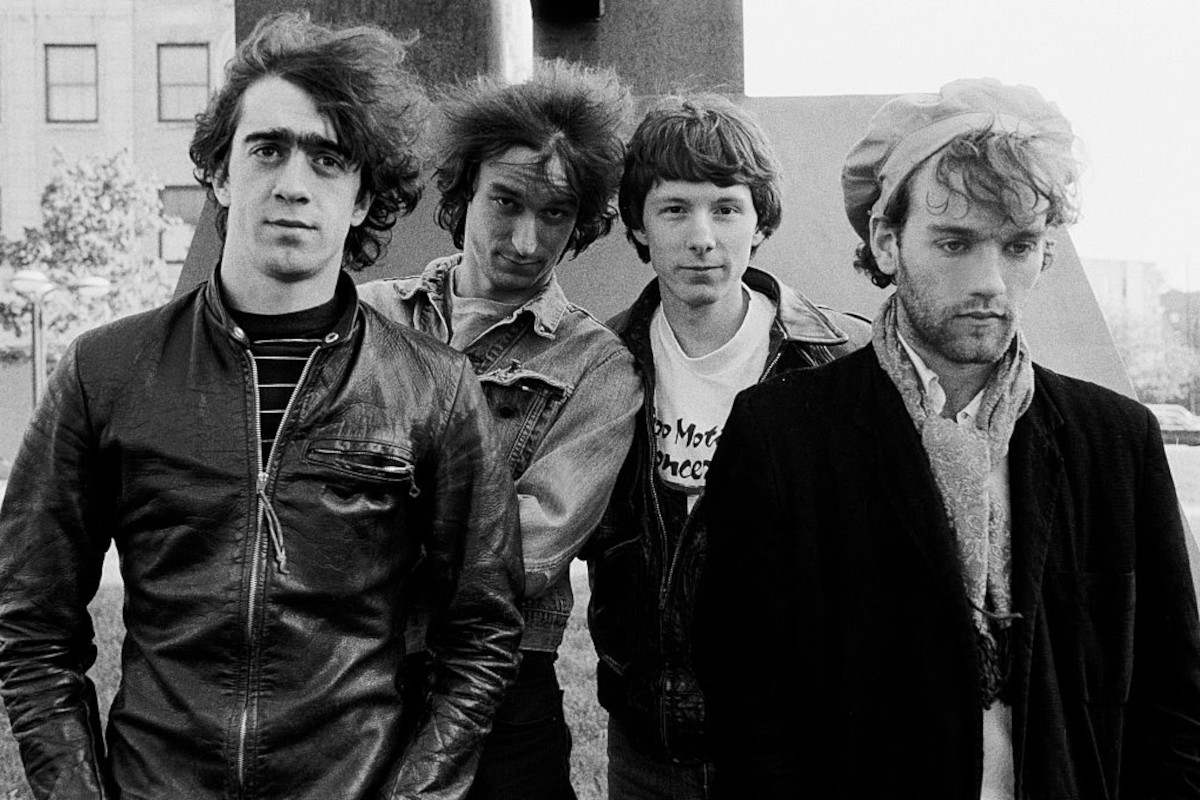
With its Byrds-likejangly guitars and melodic rhythms R.E.M.’s debut redefined the sound of alternative rock on both sides of the Atlantic.
Without a synth in sight, the four-piece bucked the sonic trends of the day to inject fresh life into the classic guitar band set-up. Singer Michael Stipe’s mumbled vocals are low in the mix creating the perfect contrast with Peter Buck’s ringing Rickenbackers.
Key track: 'Radio Free Europe'
All photos Getty Images / Album sleeves Discogs. Top image Barney Sumner of New Order, 1983


