Talent alone has never guaranteed greatness.
Rock history is littered with bands blessed with extraordinary musicianship, visionary songwriters or once-in-a-generation frontmen who somehow never fulfilled the promise they seemed destined to realise. Sometimes the problem was ego.
Sometimes it was addiction, impossible personalities or catastrophic timing. Others simply never discovered the sound that perfectly matched their abilities, lurching between styles or collapsing just as success beckoned. The artists below were rarely failures in any conventional sense – many sold millions of records – but compared with the astonishing gifts at their disposal, each leaves behind the nagging feeling that rock history should have been even kinder to them.
13 bands who really should have been bigger
1. The Faces
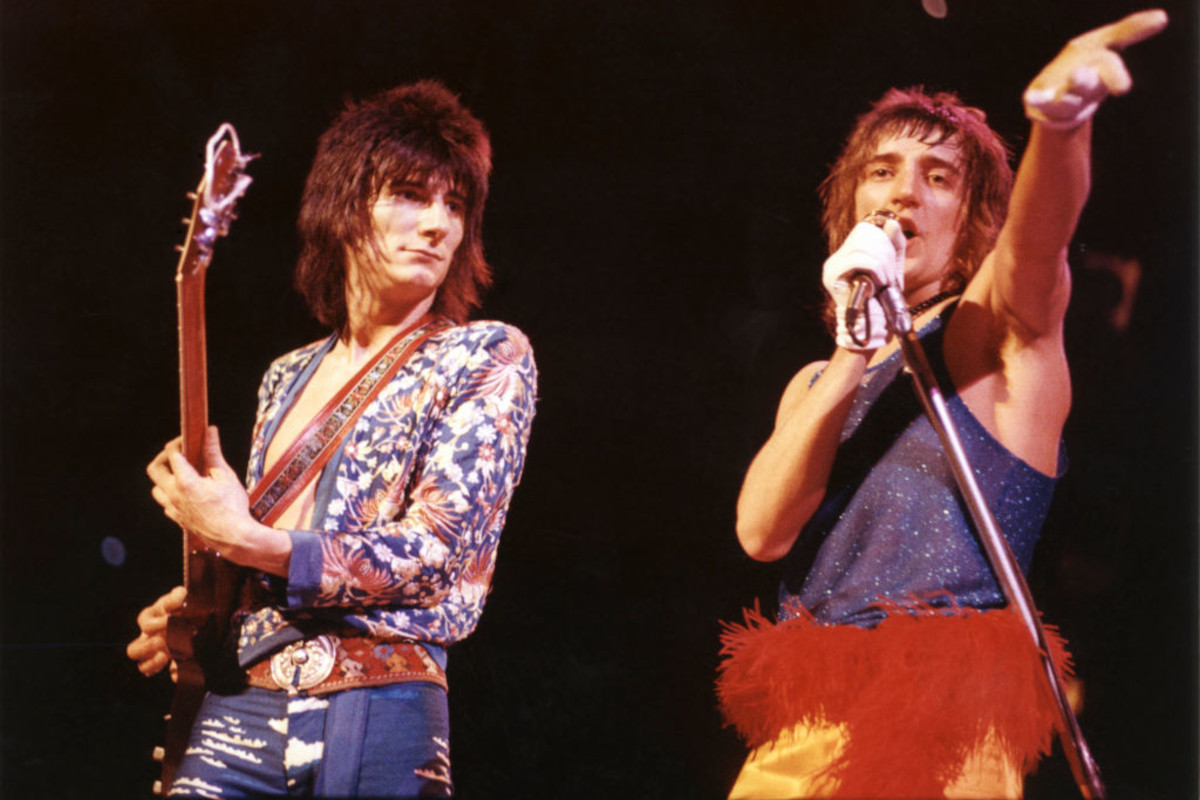
The Problem: Too much partying, not enough recording.
Few bands have ever looked like they were having more fun than The Faces. Rod Stewart, Ronnie Lane, Ian McLagan, Kenney Jones and Ronnie Wood possessed effortless chemistry, combining soulful swagger with ragged musicianship that influenced everyone from The Black Crowes to Oasis.
Yet they released just four studio albums before disintegrating. Stewart's rapidly expanding solo career increasingly took priority, while alcohol blurred the line between exuberance and self-destruction. Live, they were magnificent. On record, they rarely captured their full powers. For a band blessed with so much personality and talent, their catalogue feels surprisingly slight.
At their best: 'Stay With Me' (1971). Ronnie Wood's choppy riff, Ian McLagan's rollicking piano, Kenney Jones' swinging groove, Ronnie Lane's melodic bass and Rod Stewart at his most charismatic. It's ragged in exactly the right way.
2. Blind Faith
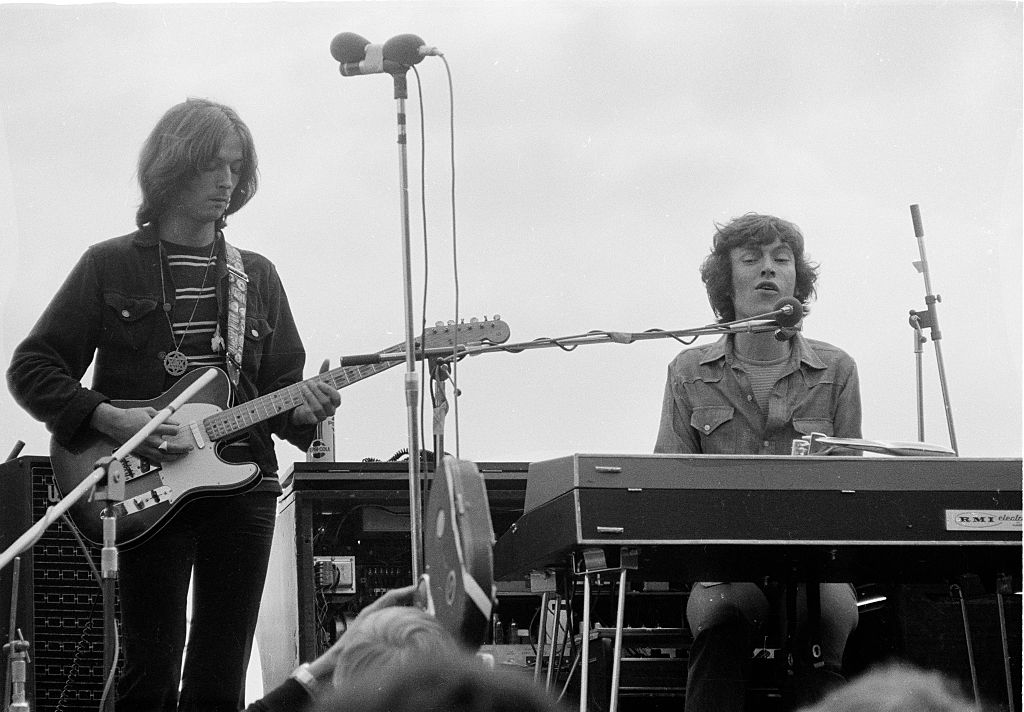
The Problem: Unrealistic hype, coupled with little creative direction
As the music world’s first true supergroup, Blind Faith boasted Eric Clapton (guitar), Ginger Baker (drums, both ex-Cream), Traffic guitarist/frontman Steve Winwood and bassist Ric Grech (ex-Family). The sheer level of blues-rock pedigree in the room was staggering; they were widely expected to outshine both Cream and Traffic.
Instead, Clapton and co. became a victim of corporate greed and lack of vision. Rushed out onto a massive stadium tour before they had written enough material to fill a full setlist, the band was paralyzed by the immense pressure and a lack of distinct creative direction. They recorded one self-titled studio album in 1969, suffered through a miserable tour playing songs they barely knew, and folded within months, completely wasting a dream lineup.
At their best: 'Can't Find My Way Home' (1969). A beautifully understated song from Steve Winwood, with one of his finest vocal performances. The acoustic arrangement, gospel undertones and spacious feel make it timeless. It's arguably the band's defining achievement.
3. Faith No More
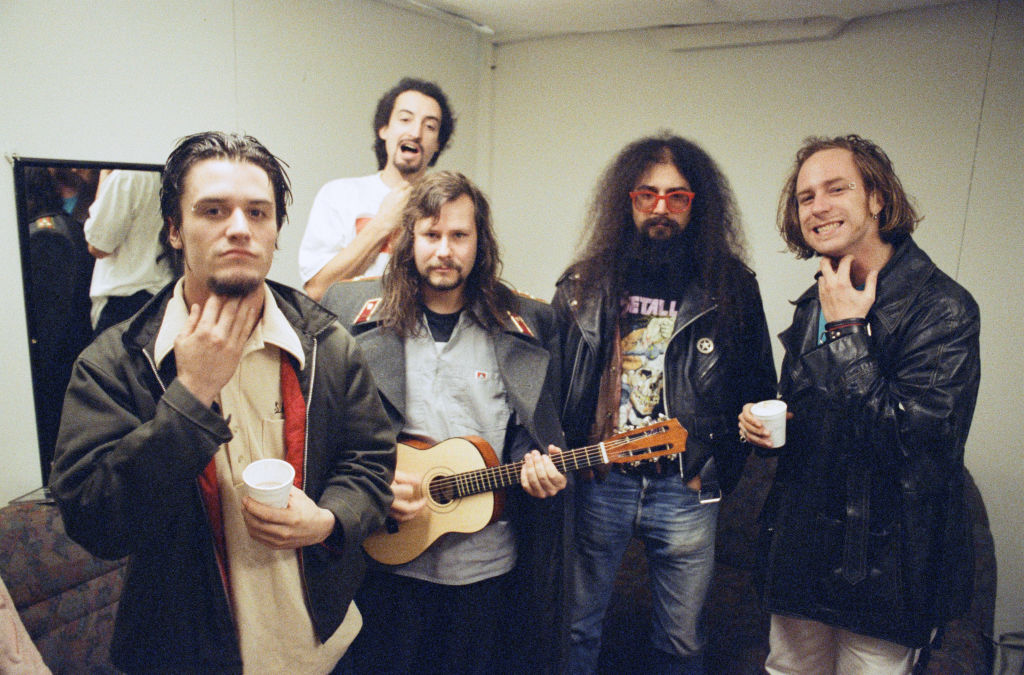
The Problem: Active disdain for their own commercial viability.
Faith No More are the spiritual architects of alternative metal. Driven by the chameleonic, five-octave vocal range of Mike Patton and a backing band capable of pivoting from thrash metal to lounge jazz on a dime, their musical capability was staggering. After hitting the mainstream with 1989's The Real Thing, the world was ready for them to take the throne.
Instead, the band suffered an identity crisis, actively sabotaging their own commercial prospects with 1992's avant-garde Angel Dust. They actively despised the "funk metal" label they had helped create, choosing to alienate casual fans with challenging, abrasive soundscapes rather than cementing their place in the rock elite. In short, Faith No More chose cult status over commercial immortality.
At their best: 'Midlife Crisis' (1992). Probably the definitive Faith No More track. It marries Mike Patton's extraordinary vocal range with funk, metal, hip-hop rhythms and darkly catchy melodies. Clever, heavy and accessible all at once.
4. Badfinger
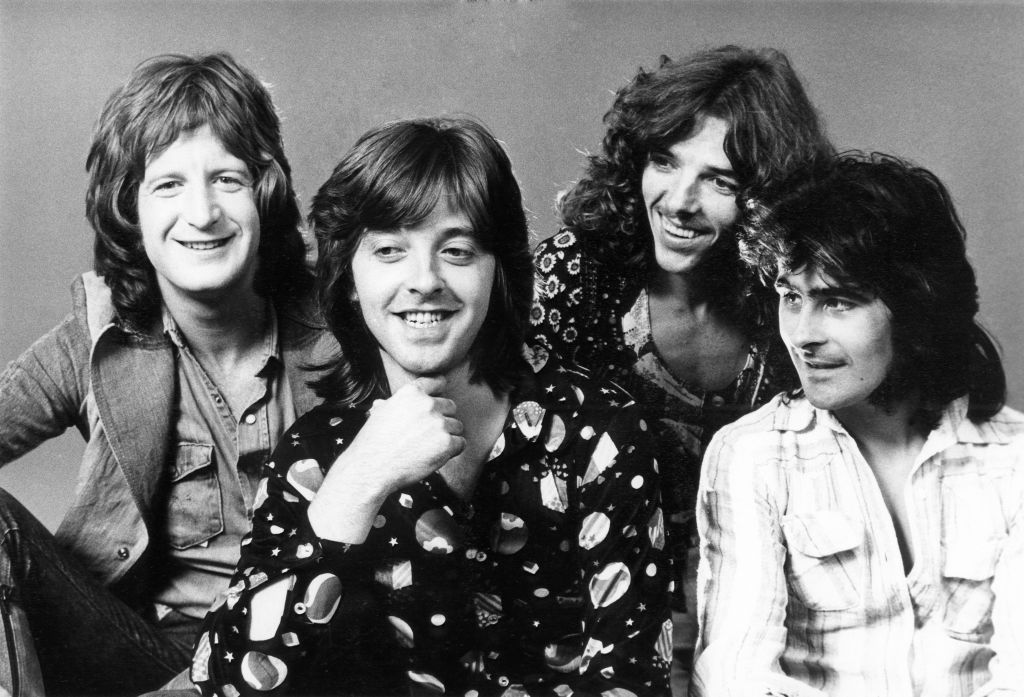
The Problem: Catastrophic management and crushing misfortune
Badfinger had the songs, the chops and the Beatles' blessing – a trifecta that should have made them '70s rock royalty. Instead, they became victims of one of the music industry's most notorious management disasters. Their business affairs were controlled by manager Stan Polley, whose opaque finances, broken promises and alleged withholding of royalties left the band perpetually short of money despite a string of hit records.
Endless contractual disputes between labels only deepened the chaos, with albums delayed and momentum repeatedly stalled. The crushing financial and emotional strain contributed to the tragic suicides of Pete Ham in 1975 and Tom Evans in 1983. Few bands have possessed so much melodic talent, only to have it squandered so completely by catastrophic management.
At their best: 'No Matter What' (1970). An irresistible hook, gorgeous vocal harmonies, crunchy guitars and the kind of effortless melodic gift that recalls the very best of the Beatles. It's one of the great power-pop singles and sounds as fresh today as it did in 1970.
5. Love
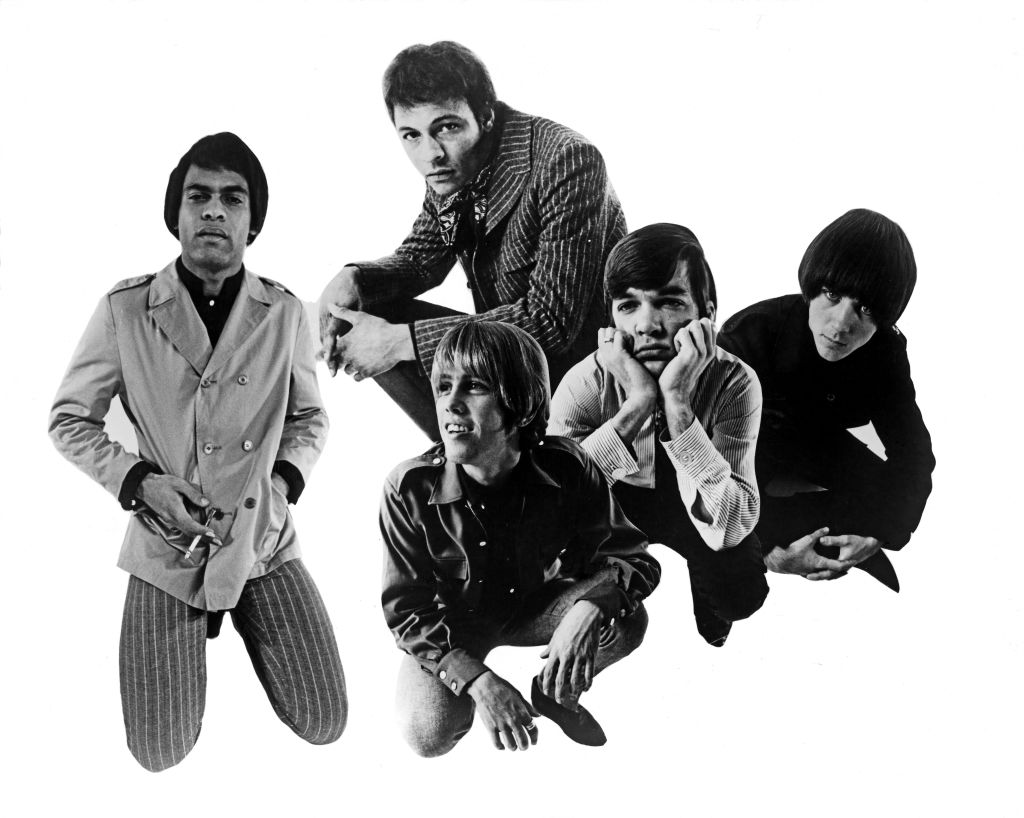
The Problem: A genius frontman who refused to leave Los Angeles
Arthur Lee had the songwriting talent to rival anyone in the ’60s, but his refusal to tour badly limited Love’s chances of national success. The music itself is part of the fascination: an uneasy blend of folk, baroque pop, flamenco flourishes and hard-edged psychedelia, often shifting from delicate beauty to sudden, jagged intensity. Their 1967 classic Forever Changes captures that tension perfectly, with arrangements that feel both ornate and fragile, as if they might collapse at any moment.
It's one of the greatest albums of the 1960s. It was made by a man who thought he was dying
Lee’s reluctance to tour is usually attributed to a mix of anxiety, distrust of the music industry machine, and a preference for studio control over live performance. Combined with internal instability and erratic leadership, it meant the band rarely capitalised on their momentum beyond Los Angeles, leaving them cult heroes rather than mainstream contenders.
At their best: 'Alone Again Or' (1967). One of the most breathtaking openings of the 1960s, and a perfect distillation of their elegance and melancholy.
6. Mott the Hoople
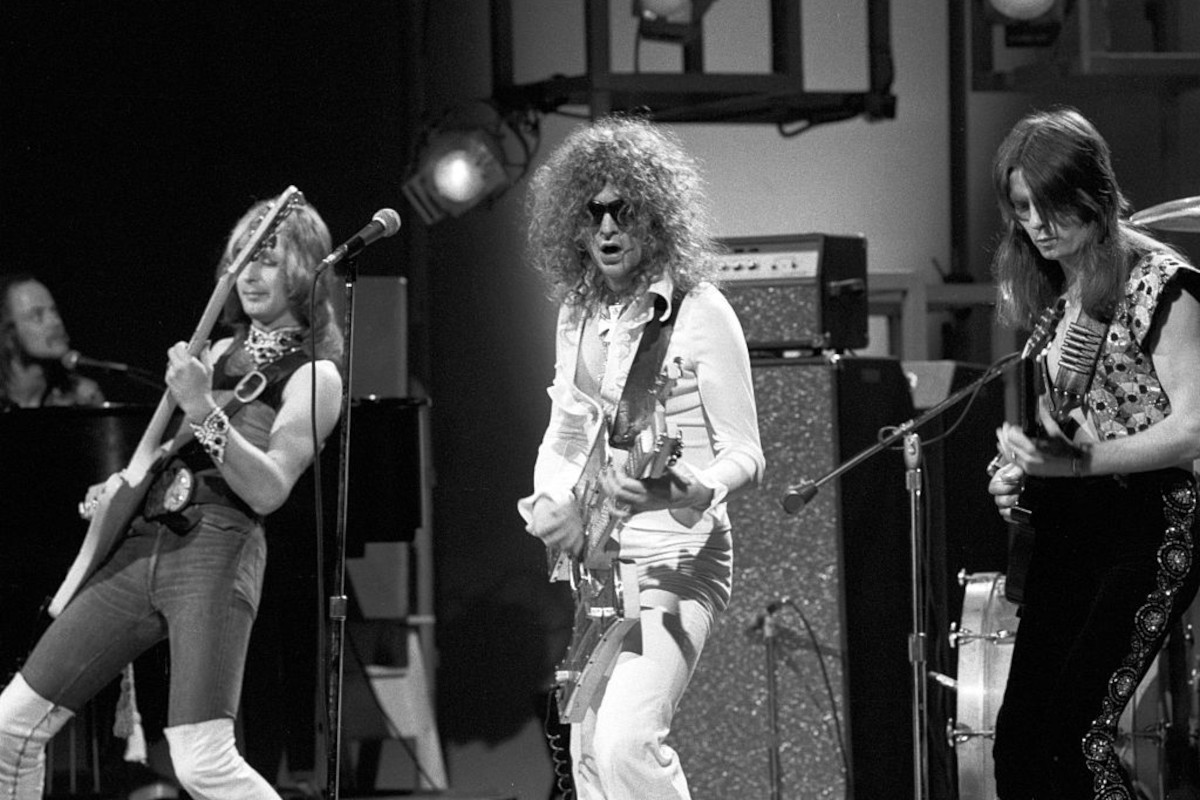
The Problem: Chronic identity crises and burnout at the worst moments
Mott the Hoople had everything: a killer frontman, a cult following, and a rocket‑boost from David Bowie. But after All the Young Dudes gave them a shot at superstardom, the band splintered under exhaustion, stylistic confusion, and internal friction. They never fully capitalized on their breakthrough, drifting between glam, hard rock, and pub‑rock without locking down a defining sound that could sustain their momentum.
At their best: 'All the Way from Memphis'. Peak Mott storytelling: witty, slightly chaotic, and full of rock’n’roll myth-making.
7. Cream
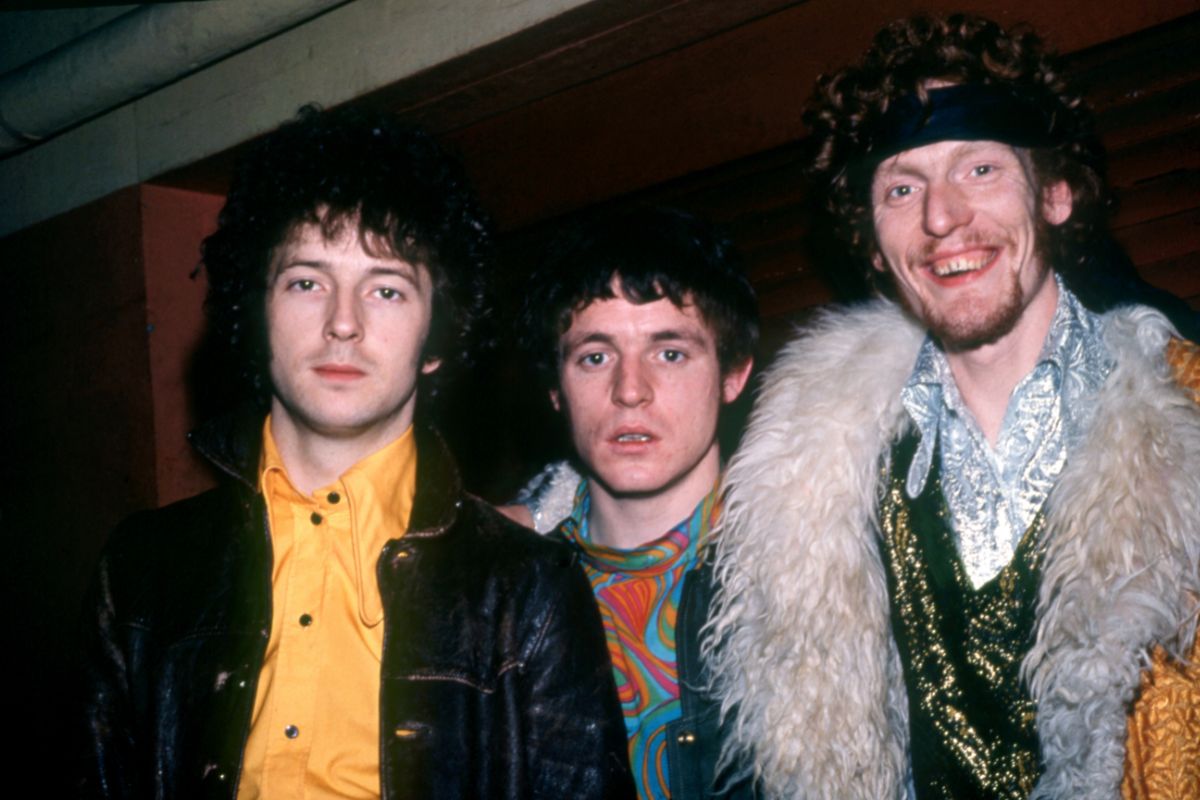
The Problem: Two of them couldn't stand each other.
Three virtuosos. Eric Clapton, Jack Bruce and Ginger Baker helped redefine blues-rock and laid foundations for hard rock and heavy metal.
Yet personal animosity poisoned the band almost from the beginning. Bruce and Baker argued relentlessly, while Clapton grew increasingly weary of the endless displays of instrumental one-upmanship. They achieved remarkable things in barely two years, but their internal dysfunction ensured they never explored anything like their full potential.
At their best: 'Sunshine of Your Love'. It’s the band in miniature: Eric Clapton’s thick, iconic riff, Jack Bruce’s driving bass and vocal grit, and Ginger Baker’s jazz-inflected power turning a simple blues idea into something heavy, hypnotic and slightly dangerous. It helped define what would become hard rock and early metal, without ever losing its blues DNA.
8. Big Star
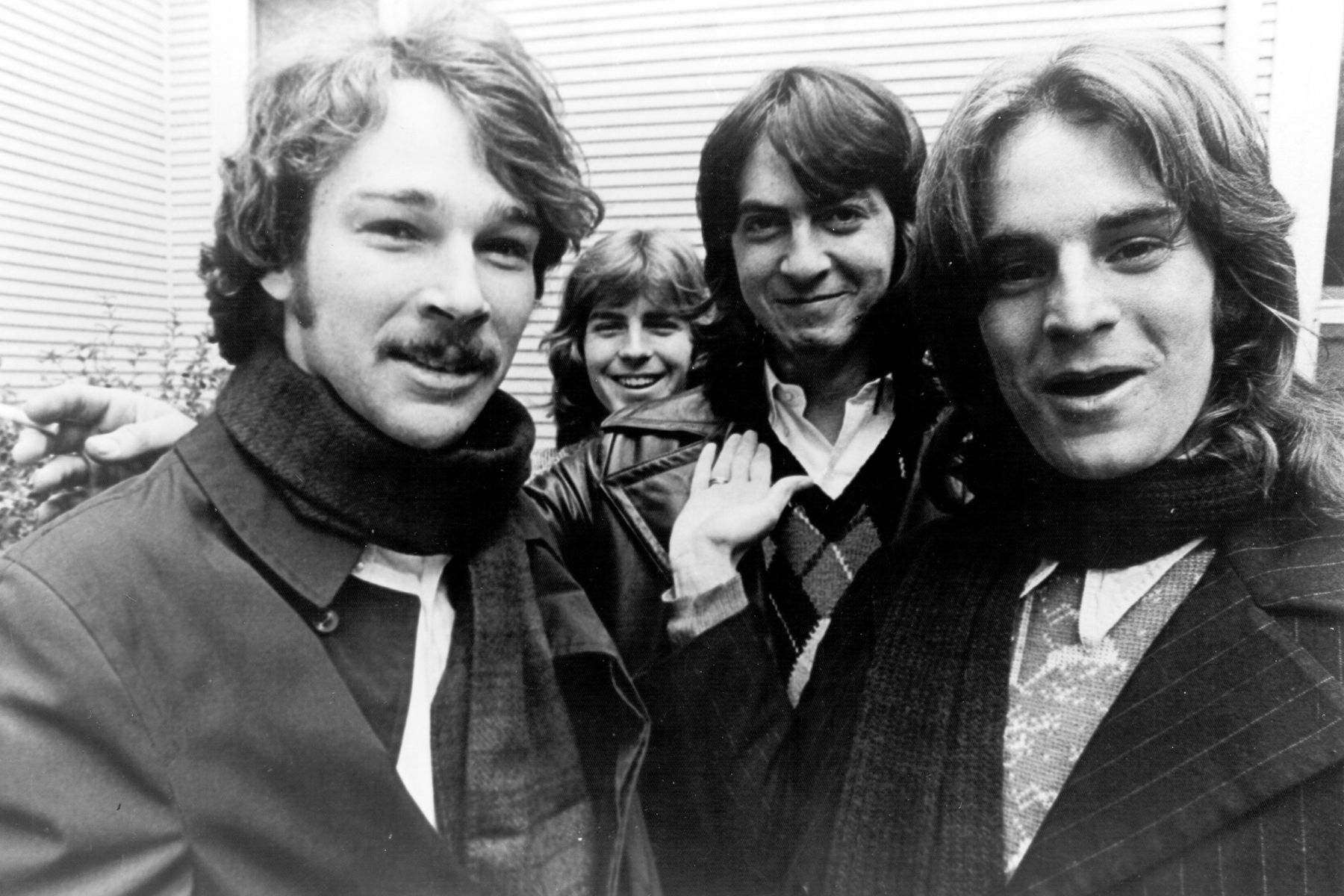
The Problem: Umm, everything except the (wonderful) music.
Big Star possessed magnificent songwriting, glorious harmonies and timeless melodies that later inspired R.E.M., Cheap Trick, Teenage Fanclub and countless power-pop bands.
Commercially, however, they were crippled by dreadful distribution, poor promotion and deteriorating relationships. Recognition came decades later, by which time Chris Bell had died and Alex Chilton had largely moved on. Their influence became enormous – but only after the opportunity itself had disappeared.
At their best: 'September Gurls' (1972). The perfect power-pop song? Chiming, Byrds-y guitars, aching Beatles-esque melodies, and Alex Chilton's bittersweet vocal, balancing youthful optimism with underlying melancholy.
9. Sly and the Family Stone
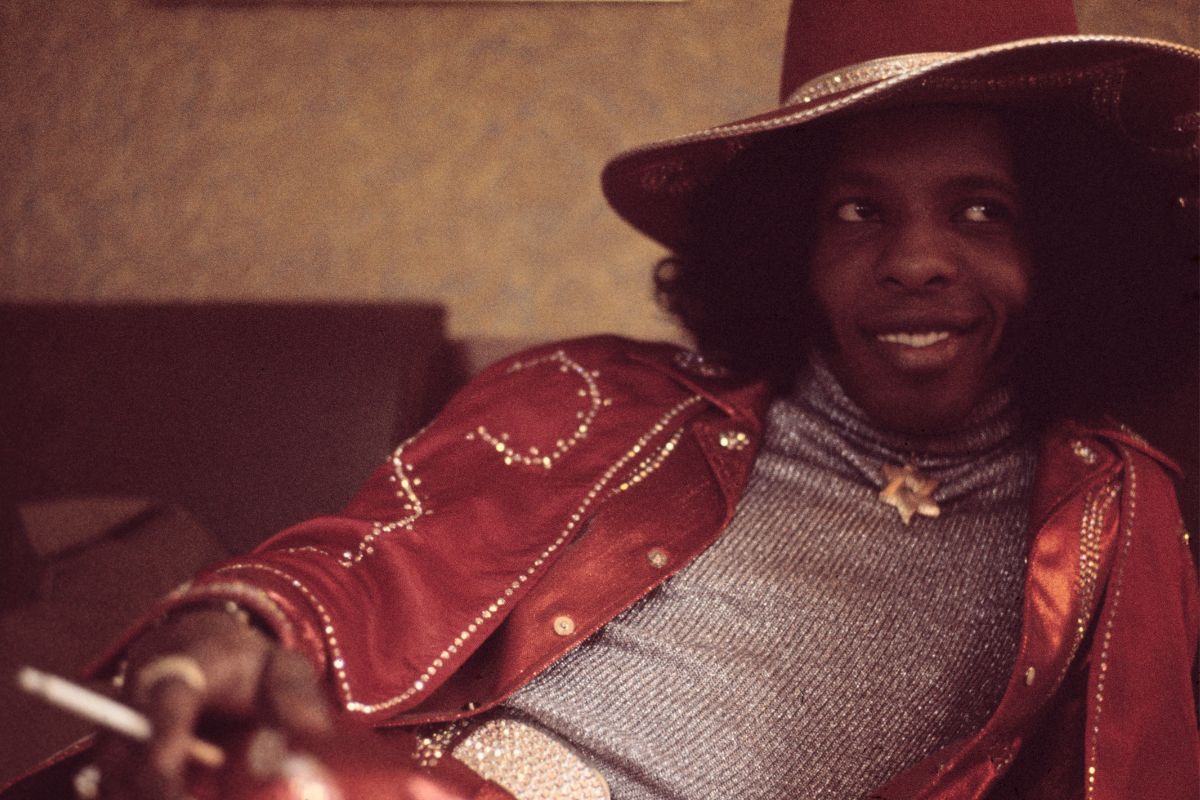
The Problem: Drug-fuelled paranoia and erratic behaviour.
Sly Stone was a revolutionary genius who blended funk, soul, and psychedelic rock into a vibrant, multicultural celebration of American music. Following their legendary, high-energy performance at Woodstock in 1969, the band was positioned to dominate the coming decade.
The 17 greatest albums from 1969, the year rock traded Flower Power for the Manson nightmare
Instead, a severe cocaine addiction and mounting paranoia turned Stone into a volatile recluse. He began regularly missing major arena concerts, arriving hours late, or walking off stages mid-set. While 1971's There's a Riot Goin' On was a dark masterpiece, it signalled the end of their unity. The band dissolved into a haze of missed opportunities and financial ruin, squandering a vision that could have rewritten pop history.
At their best: 'Thank You (Falettinme Be Mice Elf Agin)'. Bottles the SATFS magic in one explosive statement: infectious bass-driven funk, razor-sharp groove from Larry Graham and Sly Stone’s playful, socially aware lyrical wit. It’s both celebratory and subtly pointed, embodying the band’s ability to fuse dancefloor energy with deeper cultural commentary.
1971: rock's greatest year? These 23 albums make the case
10. Buffalo Springfield
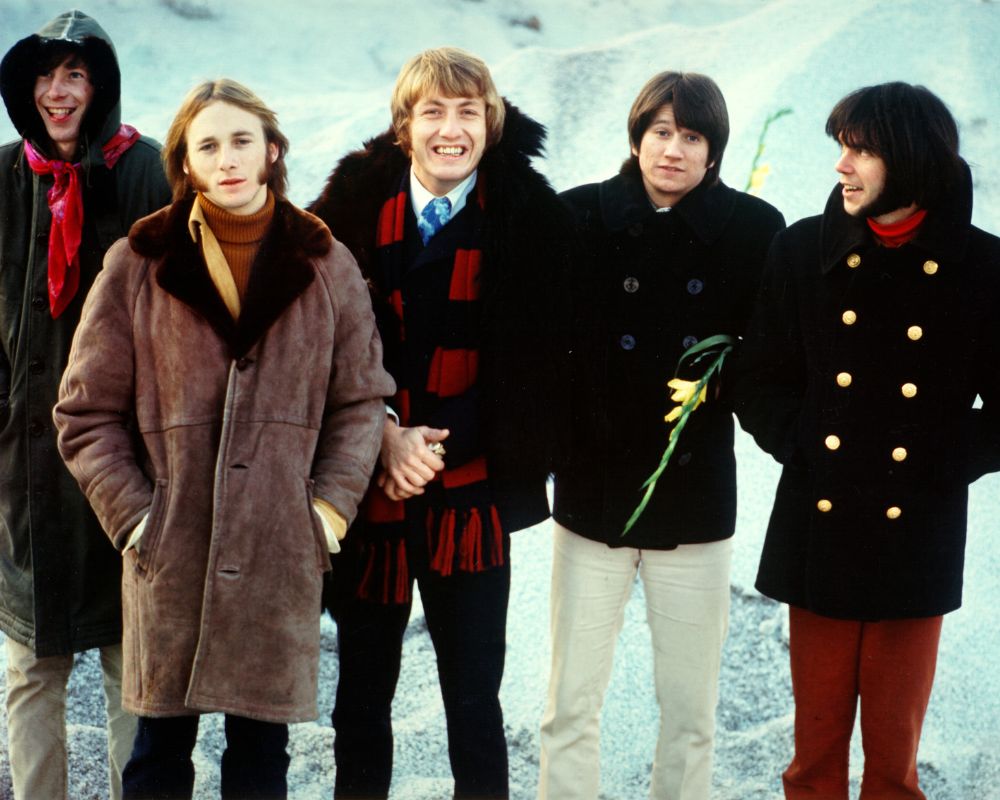
The Problem: Too many leaders.
Neil Young, Stephen Stills and Richie Furay all possessed enough songwriting talent to lead successful bands individually. Together, however, conflicting personalities, fragile internal trust, management instability and Young’s famously unpredictable comings and goings prevented Buffalo Springfield from lasting beyond three albums. Even at their most cohesive, they felt like a band constantly on the verge of dissolving, with songs often written and recorded under shifting line-ups and uncertain momentum.
We asked you to name Neil Young's best album. And you said...
Yet that instability produced extraordinary results: a rare fusion of folk, country, psychedelia and early protest rock that helped define the sound of late-’60s California. They changed American rock forever, but always felt like the opening chapter rather than the full story.
At their best: 'For What It's Worth' (1966). Still one of the most perfect protest singles of its era, built on Stills’ unmistakable riff and an atmosphere of tense, watchful calm.
11. Lauryn Hill

The Problem: Inability to cope with the machinery of fame.
After anchoring The Fugees, Lauryn Hill released The Miseducation of Lauryn Hill in 1998. It was a flawless masterpiece that swept the Grammys and seamlessly rewrote the rules of neo-soul, hip-hop, and R&B. Hill possessed an otherworldly vocal range, an elite rap flow, and a deeply poetic worldview. She was positioned to be the definitive voice of her generation.
Instead, the overwhelming pressure of sudden global stardom, coupled with deep-seated distrust of the corporate music industry, caused her to retreat. Her subsequent output consisted of a raw, erratic MTV Unplugged session, followed by decades of famously erratic, drastically late concert appearances where she tore apart her own classic arrangements. An unmatched musical intellect, permanently sidelined by her own internal battles.
At her best: 'Doo Wop (That Thing)' (1998). Sharp social commentary wrapped in an irresistibly catchy blend of hip-hop, soul and vintage pop sensibility. The production is stripped but precise, built around a warm groove that lets her vocal delivery – alternating between rap cadence and melodic singing – carry the message.
And then there's that video...
12. The Zombies
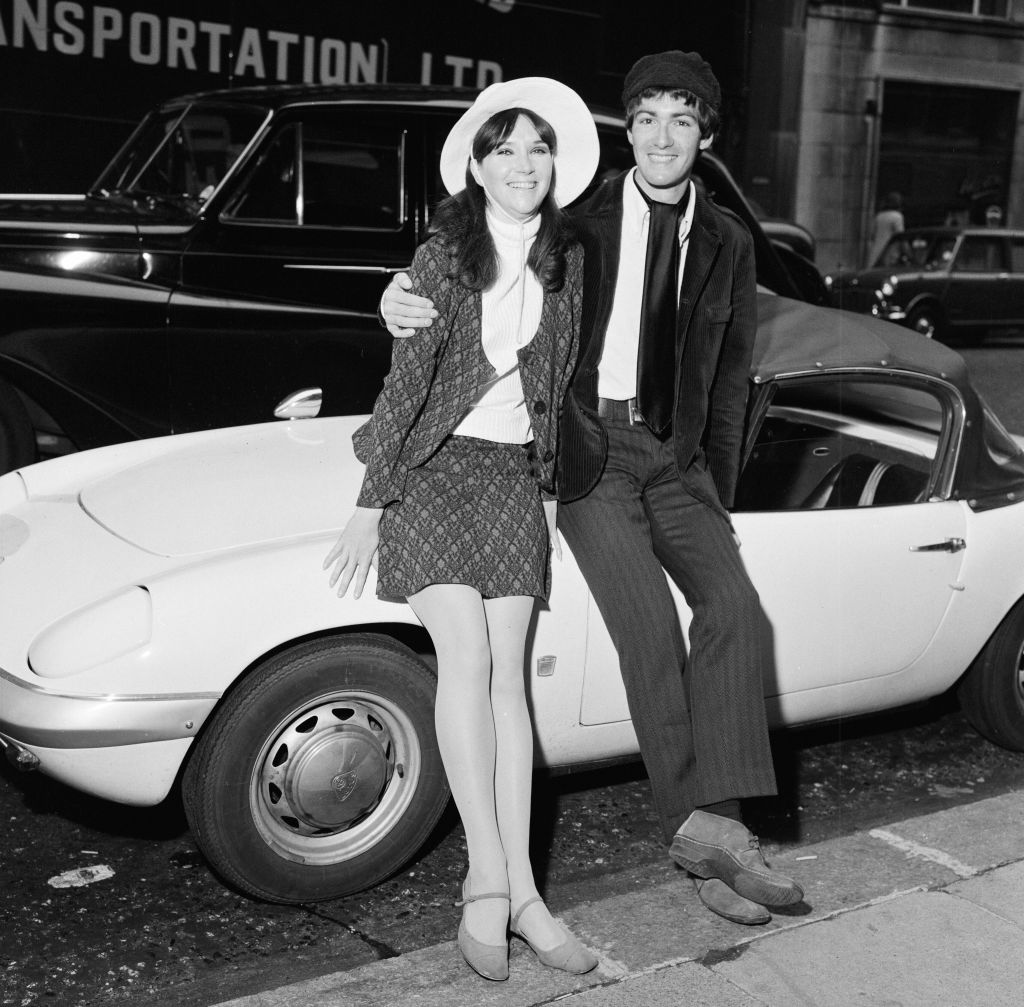
The Problem: A masterpiece released after the band had already quit
The Zombies were melodic, sophisticated, and quietly brilliant – but their timing was disastrous. By the time Odessey and Oracle hit shelves, the band had already broken up, leaving one of the era’s greatest albums without anyone to promote it. Their early hits proved they had mainstream potential, yet internal fatigue and poor industry support meant they never achieved the sustained success their talent warranted.
At their best: 'Time of the Season' (1967). Captures everything that made The Zombies special: Colin Blunstone’s unusually intimate, almost fragile vocal tone, Rod Argent’s sophisticated keyboard work, and a hypnotic, slightly eerie groove that feels both pop-perfect and psychologically strange.
13. Terence Trent D'Arby
The Problem: Monumental arrogance and sonic over-ambition.

With his 1987 debut, Terence Trent D'Arby looked certain for global superstardom. He possessed Prince’s multi-instrumental genius, Sam Cooke’s soulful vocal grit, and a striking, model-esque look. He famously declared his debut album to be better than Sgt. Pepper.
But when it came time to follow it up, D'Arby's eccentricities completely overtook his talent. 1989's Neither Fish Nor Flesh was a sprawling, self-indulgent concept album that alienated his massive pop audience by diving into sub-genres he couldn't quite control. D'Arby refused to play the pop-star game, completely killed his commercial momentum, and spent the rest of his career releasing obscure, avant-garde projects under a different name.
At his best: 'If You Let Me Stay' (1987). Captures D’Arby at his most irresistible: soulful vocals, sharp pop instincts and just enough swagger to suggest he really might be the next great star.
Pics Getty Images
Top pic Big Star, 1972