
In the late 1970s, punk rock broke out on both sides on the Atlantic.
But, while there was a large degree of overlap (specifically in terms of ripped clothing and a snotty attitude), the US and UK scenes were fundamentally very different beasts.
The US scene grew out of personal expression with bands such as the Ramones and Television reacting to inner-city feelings of alienation and boredom. Conversely, the UK scene was a working-class movement that burst out of a deep-seated dissatisfaction with the socio-political environment of the day.
Punk bands like Sex Pistols and The Clash channelled this anger into the music they were making. The result was undeniably impactful in terms of sonic attack, but some of the early records were difficult to fully relate to.
The Clash, in particular, looked to evolve their repertoire, moving swiftly on from the basic punk thrash to a more mature rock sound. 1979’s London Calling and the following year’s Sandinista saw the band experiment with a variety of genres, including dub, funk, rockabilly and even a curious form of proto-hip-hop.
While it was a case of diminishing returns in the UK, this sonic evolution opened doors for The Clash in the States. Released in May 1982, the band’s fifth studio album Combat Rock provided the breakthrough. With a couple of hit singles, ‘Rock The Casbah’ and ‘Should I Stay Or I Go’, and a not-insignificant 61 weeks on the album chart, The Clash had arrived Stateside but, as it turned out, there was a severe price to pay.
Serious addiction and infighting
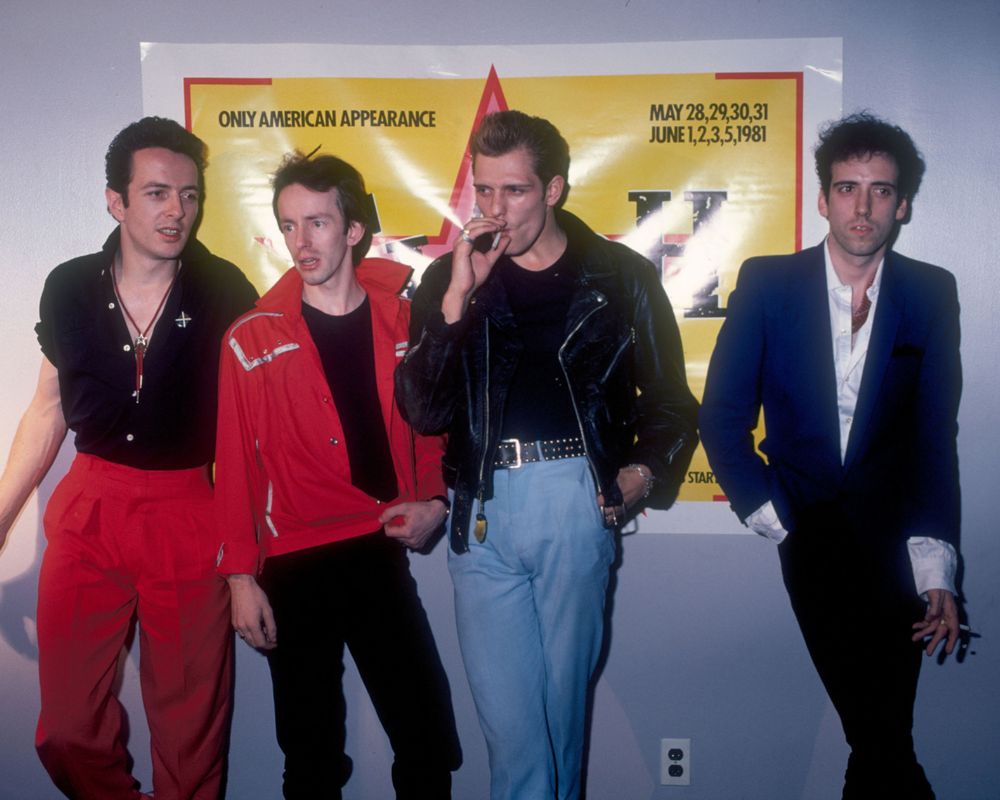
Combat Rock’s popularity was kick-started by second single ‘Rock The Casbah’, a top 10 chart hit that found itself on heavy rotation on the recently launched MTV. Drummer Topper Headon assembled the music for the track: a move that broke the songwriting monopoly established by the band's two most prominent figures, lead guitarist/vocalist Mick Jones and rhythm guitarist/vocalist Joe Strummer.
Headon’s metronomic drumming skills were an important factor in The Clash’s success, particularly during live shows, but his growing heroin addiction during the recording of Combat Rock created serious tensions. Headon became increasingly withdrawn from the rest of the band, and despite having co-written The Clash’s biggest ever hit he was asked to leave the band just days before the album’s release.
The internal pressures and artistic differences within the band during the recording of Combat Rock didn’t end there. Jones and Strummer, The Clash’s two principal players, were constantly bickering about the musical direction of the album. Worse, Strummer had recently reinstated the band’s original manager Bernie Rhodes, an appointment that didn’t sit well with Jones.
Hardcore Clash fans still complain
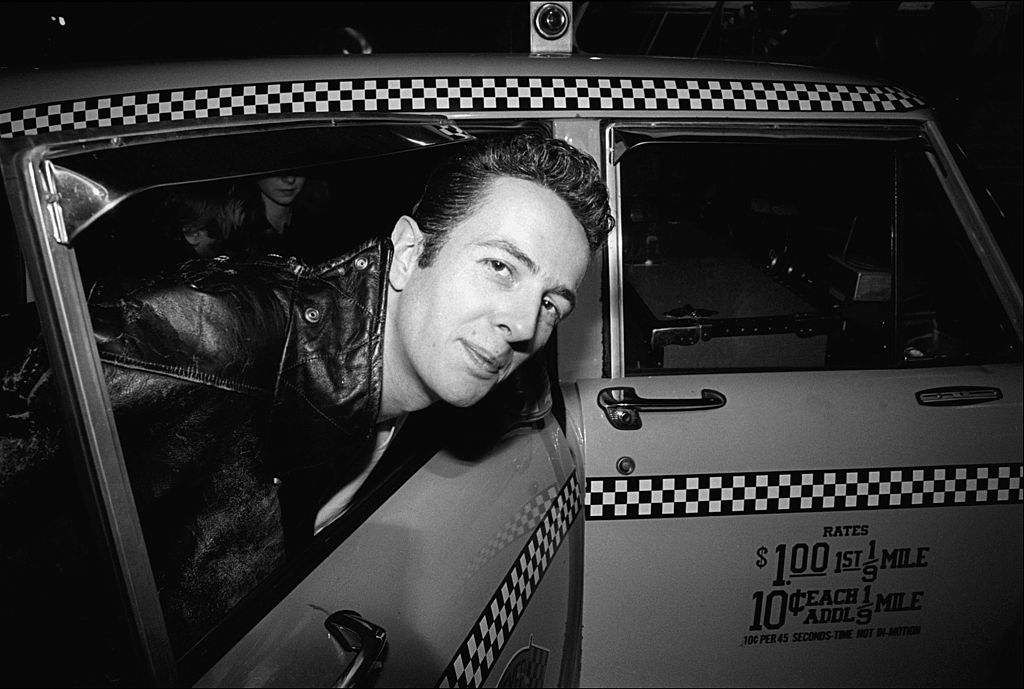
After a double album (London Calling) followed by a triple (Sandinista) Strummer, along with bass player Paul Simonon, called for brevity. Jones, on the other hand, was all for releasing another double album. In fact, he had mixed a sprawling 77-minute double album called Rat Patrol From Fort Bragg full of instrumental intros and extended dance mixes.
Much to Jones’ resentment, however, producer Glyn Johns was hired to hack and slash his original mix down to a more manageable running time. The veteran producer worked his magic, getting the final mix down to a 46-minute single album.
Famed for his work with The Who and The Rolling Stones, Johns is widely acknowledged for doing a good job on the edit. His radio-friendly production brought the vocals and guitars upfront in the mix, enabling the band to nab a couple of hits and achieve multi-platinum status. Hardcore Clash fans, though, still complain about him sabotaging Jones’ creative vision.
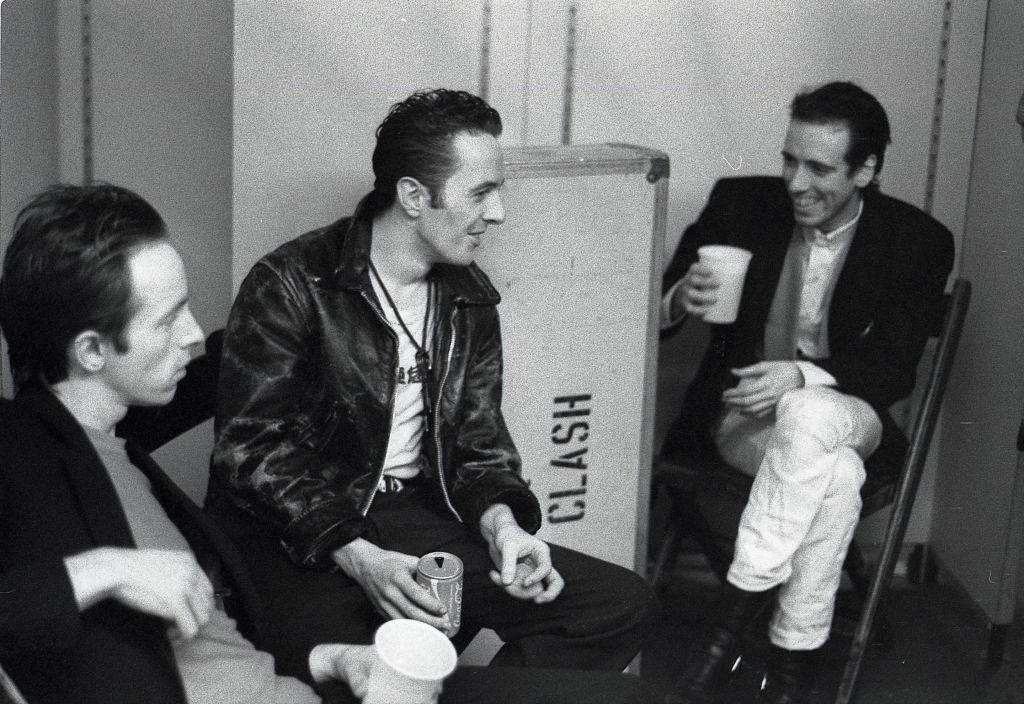
The decision to replace his edit made Jones feel isolated in the band that he had founded only six years previously, leading to a highly toxic atmosphere within The Clash. Strummer described Jones’ behaviour during this period as acting like ‘Elizabeth Taylor in a filthy mood.’ With the band’s songwriters no longer communicating with each other something had to give, and Strummer and Simonon fired Jones from the band at the end of the Combat Rock tour on September 1, 1983.
Combat Rock had brought The Clash the crossover success in the US they had always craved, but with half of the original line-up lost to infighting and addiction it was the last album recorded by the classic line-up.
Strummer and Simonon stuck around to record and release one more album, 1985's decidedly average Cut The Crap. After that, the gig was up. The Clash disbanded.
Jones went on to found the short-lived and underappreciated Big Audio Dynamite. Strummer embarked on a solo career via a short stint in The Pogues. His premature death in 2002 nixed the possibility of any meaningful reunion for the one UK punk band that truly cracked the US… albeit briefly.
Combat Rock in three key tracks
1. Know Your Rights
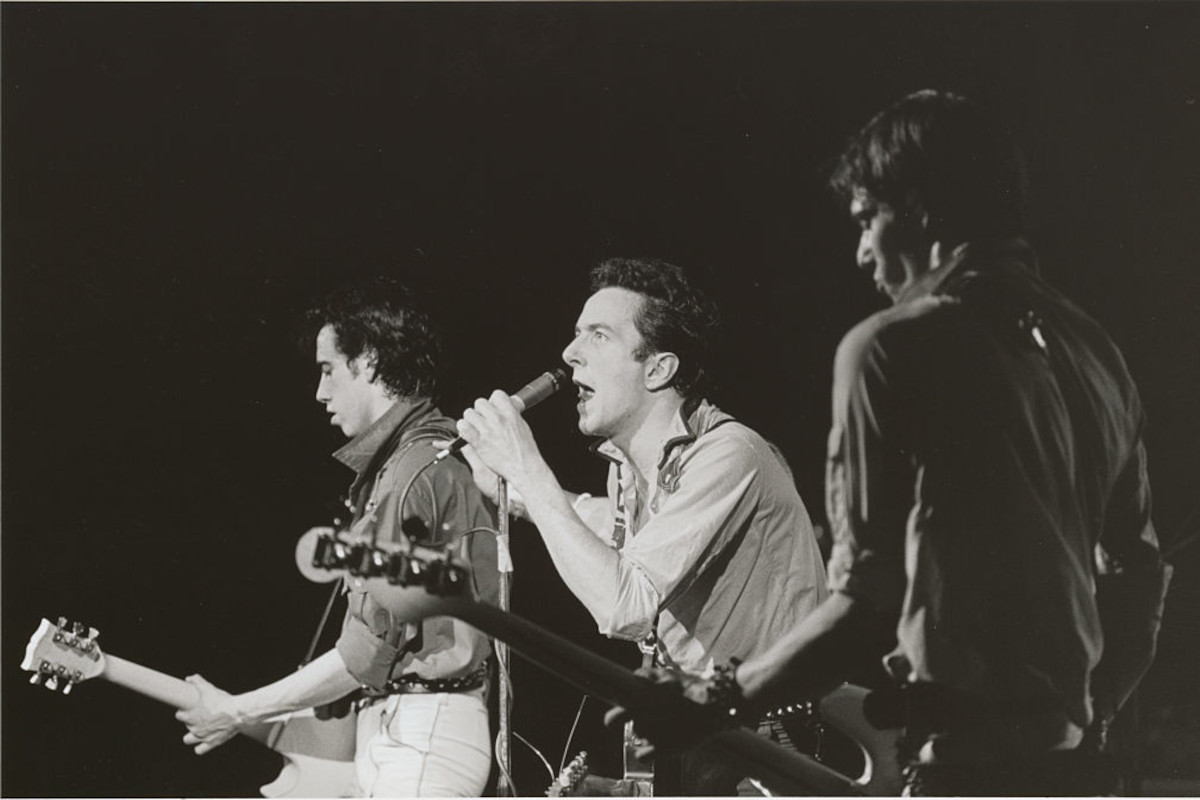
“This is a public service announcement… with guitars” urgently announces Joe Strummer on the album’s barnstorming lead single. ‘Combat Rock’s’ opening track crackles with punk energy. While the music may have been more radio-friendly, the band’s political stance was not diluted.
2. Should I Stay Or Should I Go?
The closest The Clash ever got to a Rolling Stones tribute, the rollicking ‘Should I Stay Or Should I Go’ endures as one of the band’s most accessible songs. Jones denied that he wrote the track as an examination of his position in the band. The track was used prominently in season one of sci-fi potboiler ‘Stranger Things’.
3. Straight To Hell
A high watermark for the album, ‘Straight To Hell’ reflects Joe Strummer’s fascination with the Vietnam War, an interest piqued by his undying love of the movie Apocalypse Now. In 2007, rapper M.I.A memorably sampled the track in her hit ‘Paper Planes’.
Five more great 70s UK punk bands (who DIDN'T break America)
Thanks to Combat Rock, The Clash were the only UK punk of the 70s to make a serious mark in the US chart. Here are five who didn’t make it big in the States, but had a lot going for them nonetheless
1. The Sex Pistols
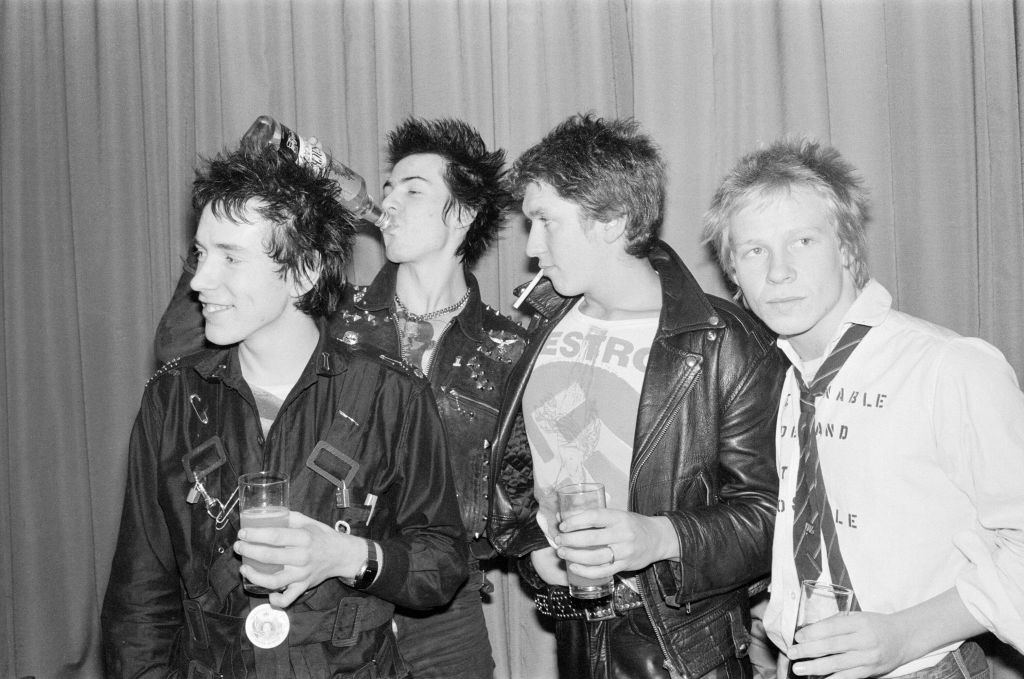
The self-destructive nature of The Sex Pistols meant they weren’t around long enough to make a significant impression in the US. The band’s only tour of the States was an unmitigated disaster which led directly to them splitting up.
2. The Damned
The Damned never held the same heavyweight punk kudos as the Sex Pistols or The Clash. Fast starters, the band can lay claim to releasing both the first ever punk single (‘New Rose’) and punk album (‘Damned Damned Damned’) in the UK.
3. X-Ray Spex
Fronted by the inimitable Poly Styrene, X-Ray Spex were one of the most influential of all the punk groups, with the Riot Girl movement owing them a specific debt. Newcomers should beat a rapid path to debut album ‘Germfree Adolescents’.
4. Generation X
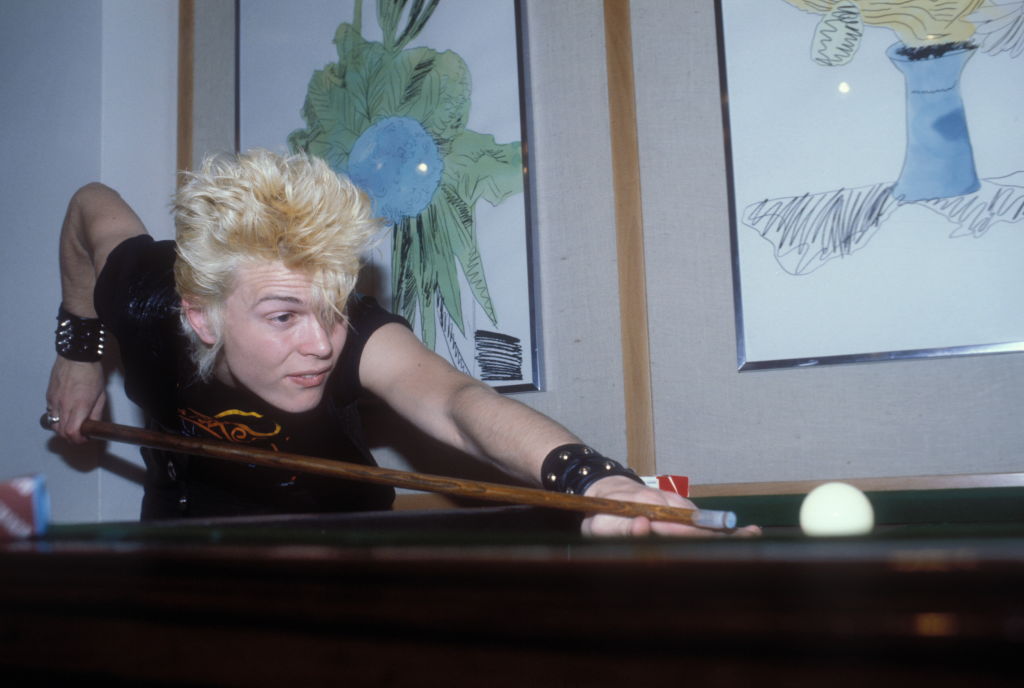
Generation X were the band that first gave Billy Idol a platform to show off his talents, but we shouldn’t hold that entirely against them. Gen X’s early pop-punk 45s are highly recommended.
5. Buzzcocks
With ‘Spiral Scratch’, their fabled debut EP, Buzzcocks took punk out of London and brought itto Manchester. A hugely important band, they were a huge influence on the following generation of bands to emerge from their hometown.
Pics Getty Images


