
MTV celebrated its second year as a broadcaster in 1982. Its relentless broadcasting of promo videos was turning music into a visual medium and turning acts like Prince and Duran Duran into international superstars.
The recording studio ruled the roost. It was the location where rough edges were ironed out and the use of fast-changing technology was dramatically changing the way music was made.
Rock was losing its total dominance of the charts with the rise of fresh subgenres a real threat. Heavy rock bands were in a difficult spot, needing to choose between commercial viability or metal authenticity.
Here are 1982’s 21 greatest albums – each one complete with a key track if you’re looking for a great place to start.
The best albums of 1982
21. Mission Of Burma – Vs
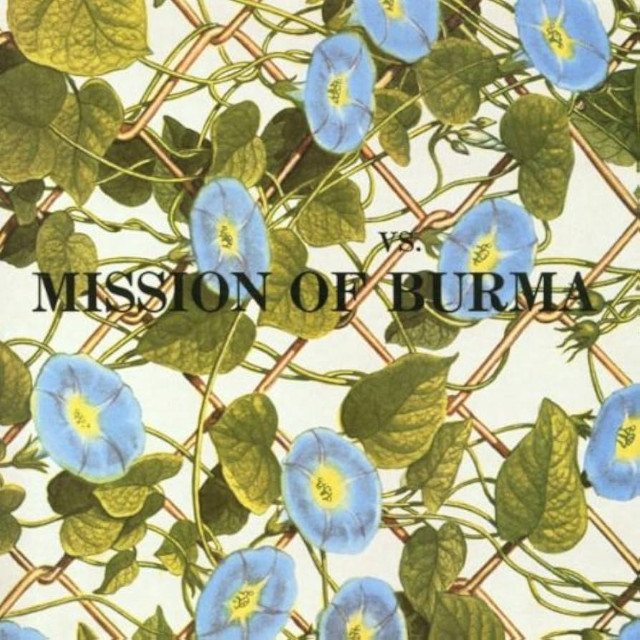
US post-punks Mission Of Burma were based out of Boston and influential outfit in the underground music scene. The first incarnation of the band lasted from 1979 to 1983 until the band disbanded because of the tinnitus suffered by co-founder Roger Miller.
On top of any number of loud live performances, their early legacy amounted to Vs, the band’s only full-length album of this period. Vs was a powerful mix of post-punk melody and dissonant noise, and deserves a wider audience to this day.
Key track: 'Secrets'
20. The Fall – Hex Enduction Hour
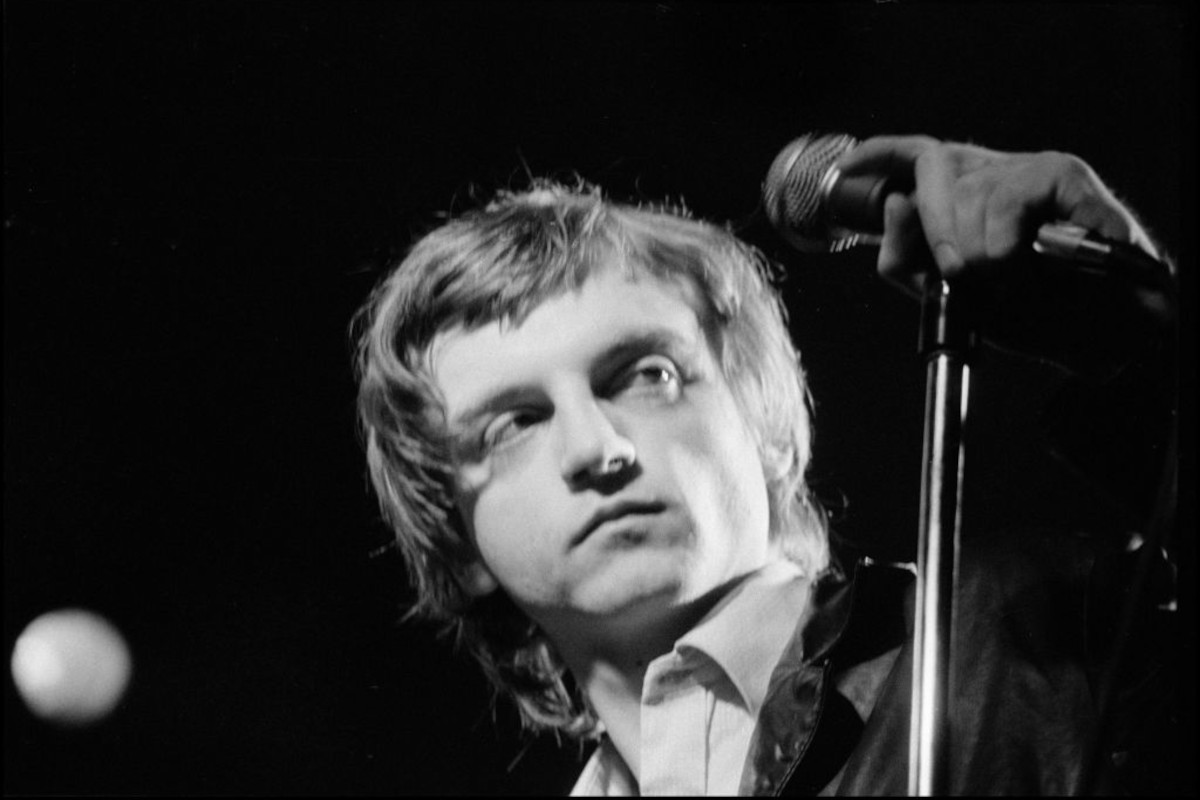
Recorded in a lava cave in Iceland and a disused cinema in Hitchin, Hex Enduction Hour was The Fall’s fourth studio album. It was the first album to feature the band’s fabled two-drummer line-up. Capturing the Manchester outfit’s amateur abrasiveness, Hex stands out as an early masterwork in The Fall’s extensive discography.
The album crashed into the UK album charts at number 71 and failed to get any higher. At the time this was regarded as great success by the band.
Key track: 'Hip Priest'
19. Eno – Ambient 4: On Land
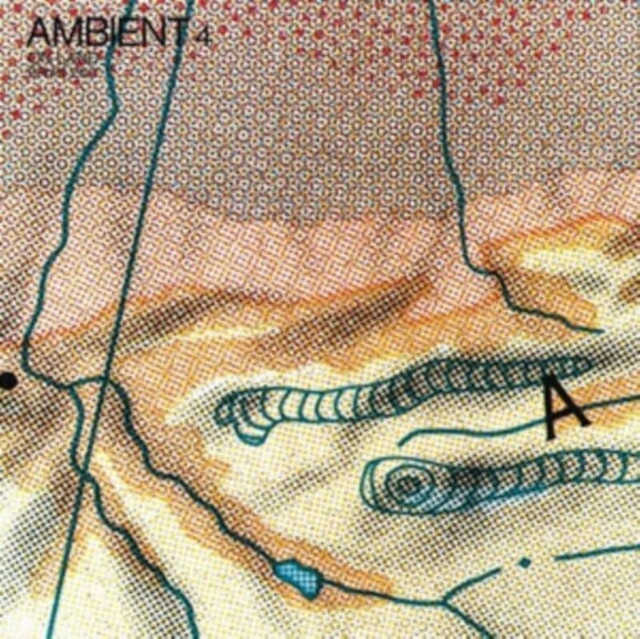
Released a year after his acclaimed collaboration with David Byrne, My Life In The Bush of Ghosts, Ambient 4: On Land was Brian Eno’s eighth studio album. It proved to be the final instalment in his envelope-pushing series of Ambient albums.
Art-rock’s nutty professor used non-instruments, such as stones and chains, to add to his soundscapes, along with natural world noises such as birds and insects. This quasi-pastoral feel increased the album’s sense of place beyond the confines of the recording studio to create a richer, more thoughtful experience.
Key track: 'Dunwich Beach, Autumn, 1960'
18. Judas Priest – Screaming For Vengeance
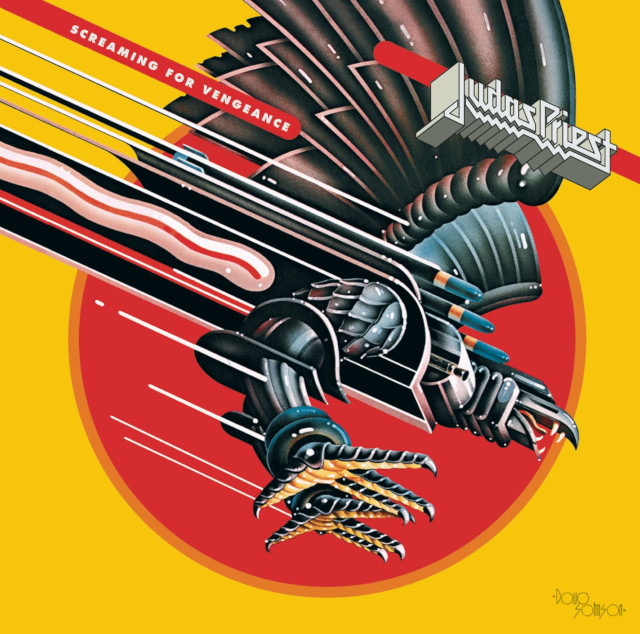
Like many other bands of their ilk in the early 80s, Judas Priest were treading a fine line between commercial viability and heavy metal authenticity. For their eighth studio album they chose the latter and heavy rock was back. Recorded in Ibiza, it proved to be the band’s commercial breakthrough in the US.
The album’s lead single ‘You’ve Got Another Thing Coming’ was actually a late addition, but proved to be an enduring favourite. The legacy of Screaming For Vengeance lies in the fact that there was still an audience desperate to hear loud, aggressive rock guitar.
Key track: 'You've Got Another Thing Coming'
17. The Cure – Pornography
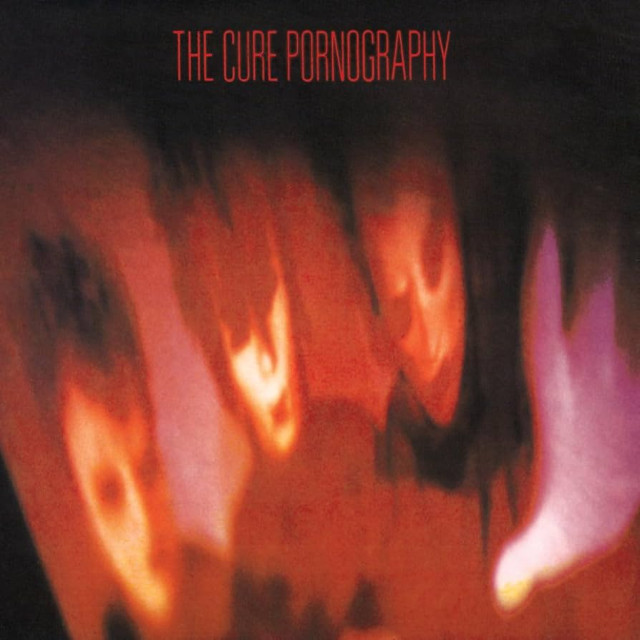
Pornography was The Cure’s fourth studio album and forms the final instalment in the band’s intense post-punk trilogy of albums, which includes Seventeen Seconds (1980) and Faith (1981). Described spectacularly by a rock critic at the time as “Phil Spector In Hell", the album’s unsettling intensity has made it a claustrophobic touchstone album for the bat-loving, Goth-rock movement that followed.
Subsequent albums saw The Cure veer away from the torment of Pornography and towards a relatively ‘poppier’ sound.
Key track: 'The Hanging Garden'
16. XTC – English Settlement
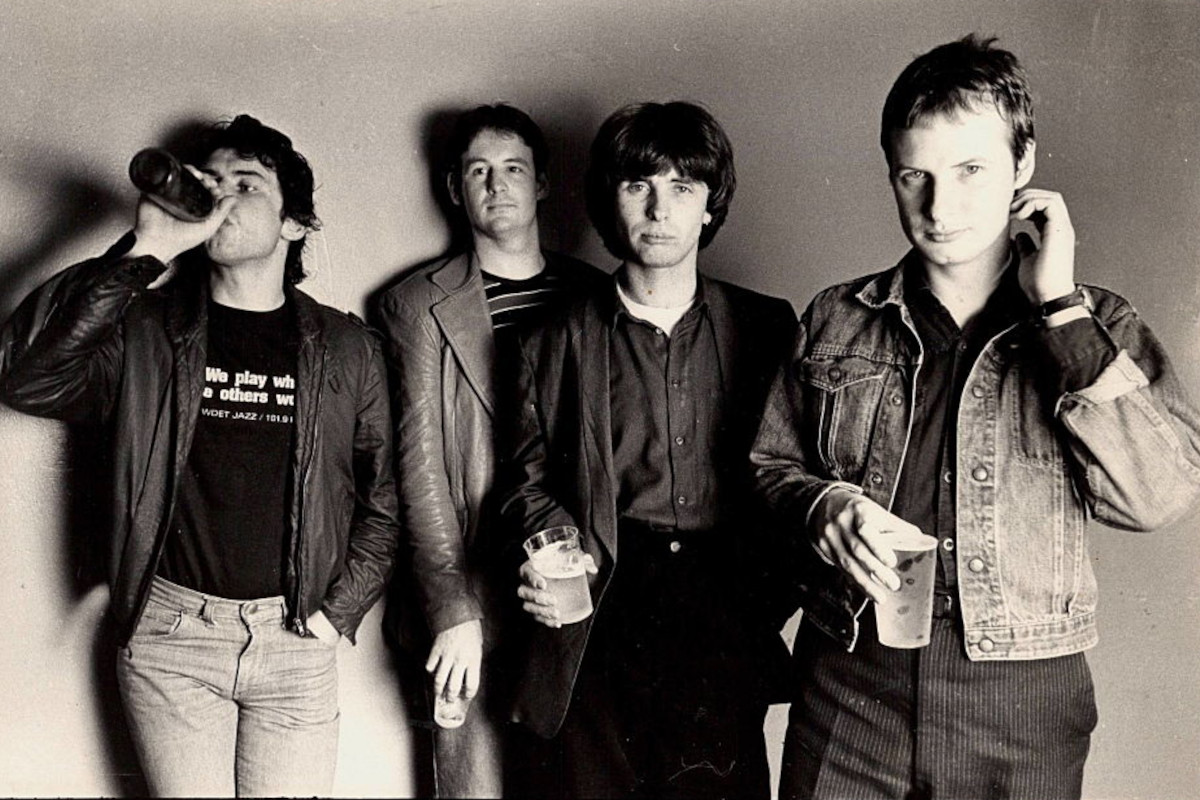
For their fifth studio album, and first double, XTC pivoted from the punchy, angular new wave stylings for a lusher, more pastoral soundscape that embraced the band’s ‘Englishness’. Its release coincided with the band’s decision to can touring and become a studio-only project.
With a range of new instrumentation and a fresh layer of rich complexity, the album’s track listing reflects this decision. Lead single ‘Senses Working Overtime’ is proof positive that the change of direction was worth it. Many still regard the album as XTC’s crowning glory.
Key track: 'Senses Working Overtime'
15. Bad Brains – Bad Brains
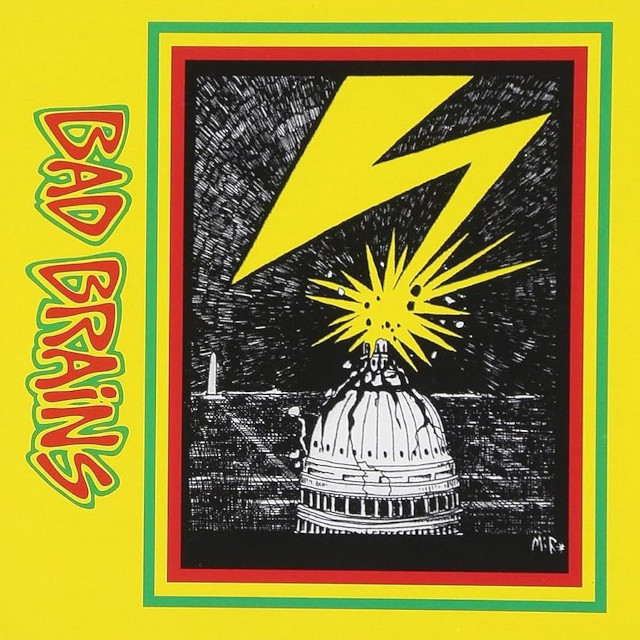
Washington DC’s Bad Brains were always blazing a trail, and the band’s debut album is no exception to that rule. Reflecting the band’s DIY underground status, the self-titled offering was originally released on cassette only and is often referred to as ‘The Yellow Tape’.
Delivered at a breakneck speed but with impressive precision, the album is a foundation stone for the hardcore punk movement. Your hardcore punk record collection starts here.
Key track: 'Pay To Cum'
14. Rush – Signals
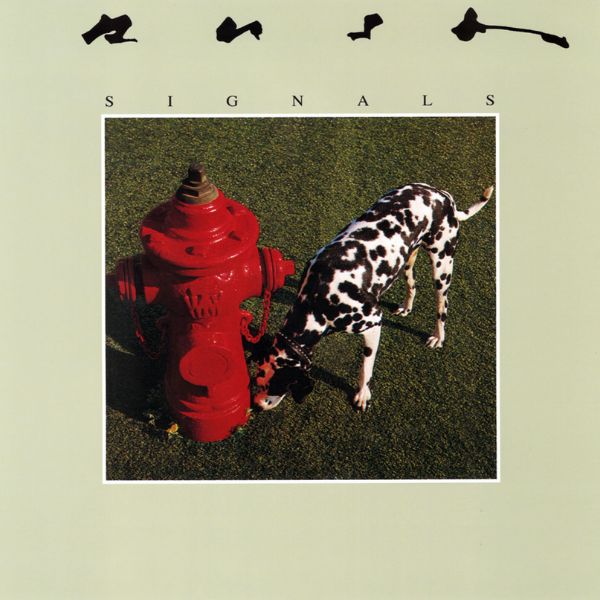
Following on from the ambitiously transitional Moving Pictures, Signals is the next instalment of Rush’s masterplan of how to survive the 80s. It sees the band edge further away from their earlier straight-up progressive rock sound. The guitars are returned to their cases and the Moogs are unboxed for a synth-heavy new wave sound.
As a result the musical shift, the song’s lyrical content also changed with sci-fi and fantasy themes kicked to the dustbin. Signals proved that Rush could still cut it in the age of MTV.
Key track: 'Subdivisions'
13. Laurie Anderson – Big Science

The British singles chart in the early 80s was open for anything, as witnessed by NYC avant-garde artist Laurie Anderson reaching number two with ‘O Superman’. This unlikeliest of chart hits was boosted by the influential championing of legendary DJ John Peel.
Riding on the single’s success, Big Science was exposed to a wider audience than expected, garnering a high degree of critical acclaim and a degree of commercial success. The album’s themes of identity and corporate culture are unnervingly prescient today.
Key track: 'O Superman'
12. Joe Jackson – Night And Day
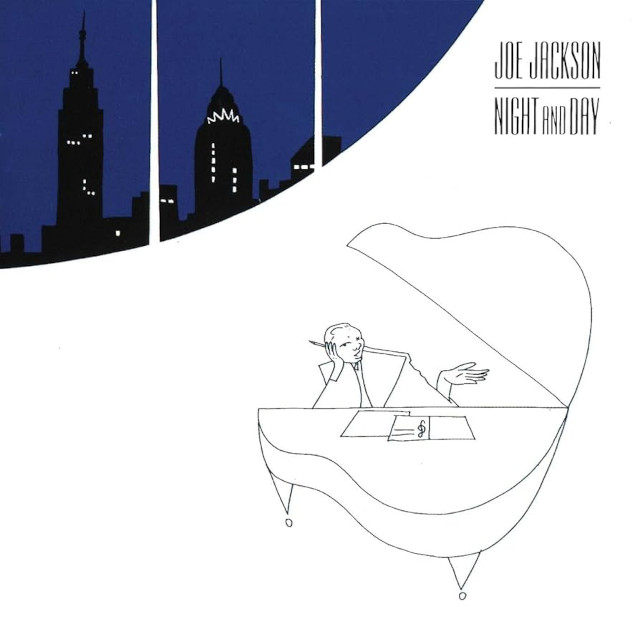
Joe Jackson’s career ignited the same time as New Wave, and he was often labelled as a dime-store Elvis Costello with a copycat cheap suit and skinny tie. The label was unfair as Jackson was a skilled songwriter and handy jazz-adjacent piano player.
His fifth studio album was written and recorded in Manhattan and attempts to capture the mood of the city he had recently relocated to. The album’s conceit is to structure the songs as to reflect the cycles of a day in New York City.
Night And Day is heavily inspired by Cole Porter, whose song title Jackson borrow for the album's title.
Key track: 'Stepping Out'
11. Toto – IV
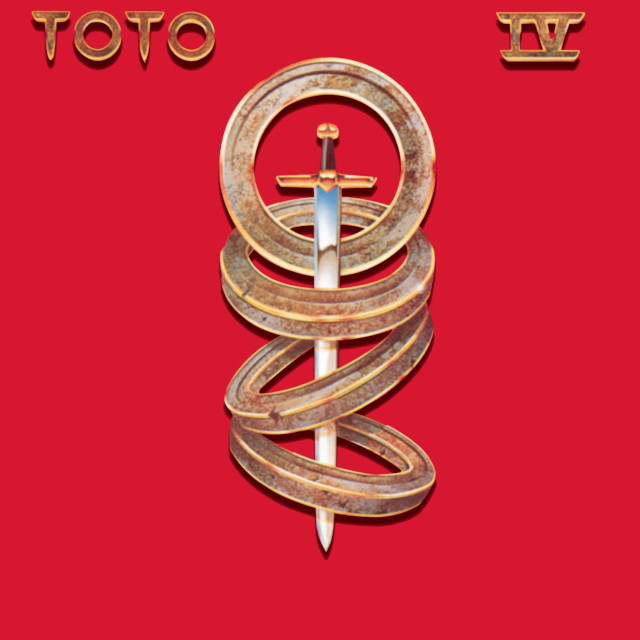
Toto were a band under record company pressure and in need of a hit album before the release of their fourth studio album. A return to the basics of their eponymous debut album (1978) achieved not only commercial success, but also a cupboard full of Grammy awards.
In ‘Rosanna’ and ‘Africa’ the band also achieved the rule of the soft rock airwaves. Toto was famously comprised of highly rated session musicians, two of which were involved in the production of Michael Jackson’s Thriller, which meant the IV promo tour had to be put on hold.
Key track: 'Rosanna'
10. Iron Maiden – Number Of The Beast
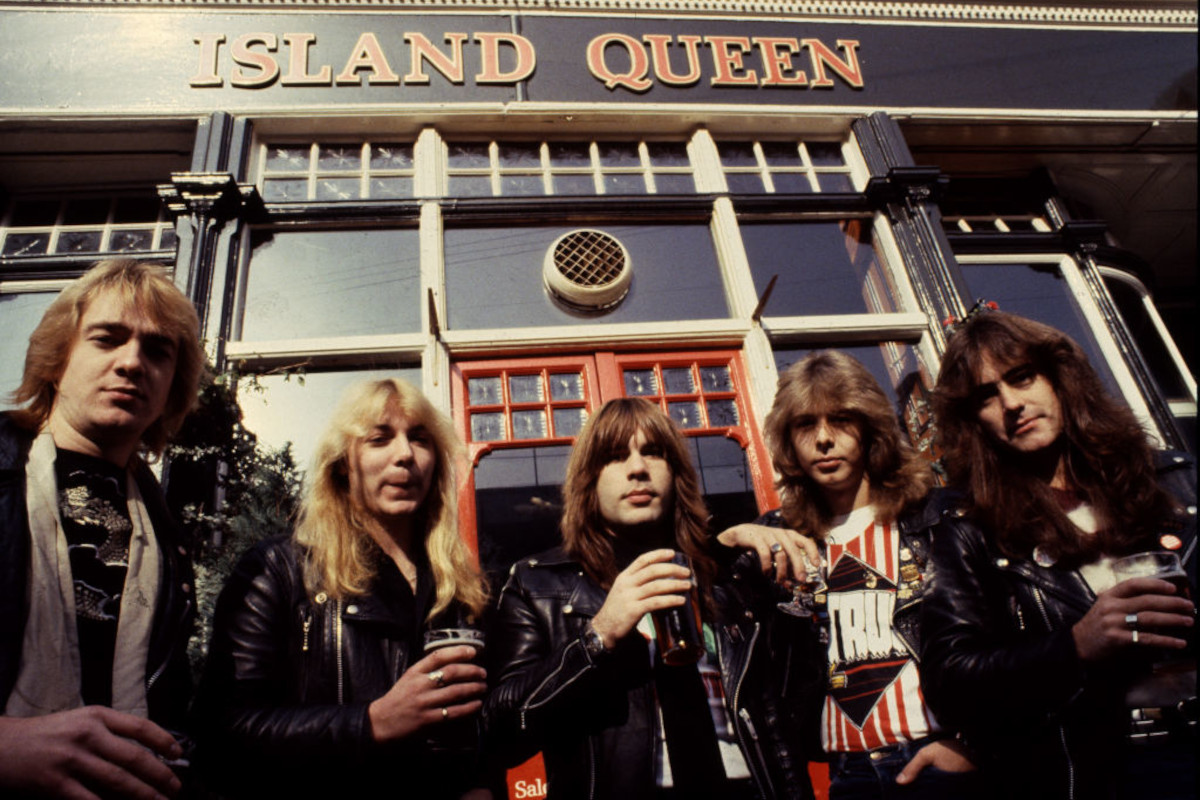
Heavy metal was suffering from a low profile in the early 80s, but if there was one album that re-established the genre’s sonic boundaries in 1982 it was Iron Maiden with the mighty Number Of The Beast.
It was the first Iron Maiden album to feature the intrepid Bruce Dickinson as frontman, whose booming vocals added an epic feel to the band’s brand of metal. Timeless tracks such as ‘Run To The Hills’ and ‘The Number Of The Beast’ established Maiden as international stars.
With its satanic imagery and religious themes the album stirred up controversy with various religious groups that, in turn, helped to sell a lot of t-shirts.
Key track: 'Hallowed Be Thy Name'
9. Duran Duran – Rio
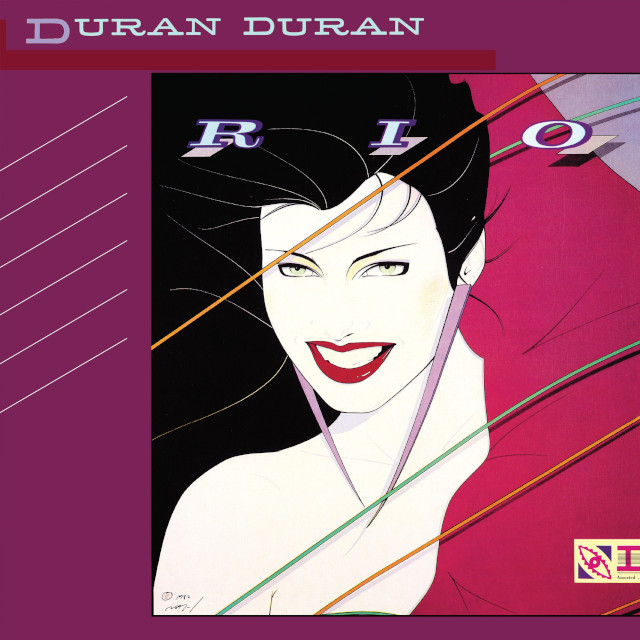
Duran Duran were never a band lacking in confidence. Their cocksure second studio album launched them onto the world stage, it was as if global superstardom was never in doubt. Rio is loaded with great songs, spawning a number of chart hits, including ‘Hungry Like The Wolf’ and ‘Save A Prayer.’
With a cover illustrated by celebrated graphic artist Patrick Nagel, the album went a long way to establish the band’s glamorous, decade-defining aesthetic.
Key track: 'The Chauffeur'
8. Bruce Springsteen – Nebraska
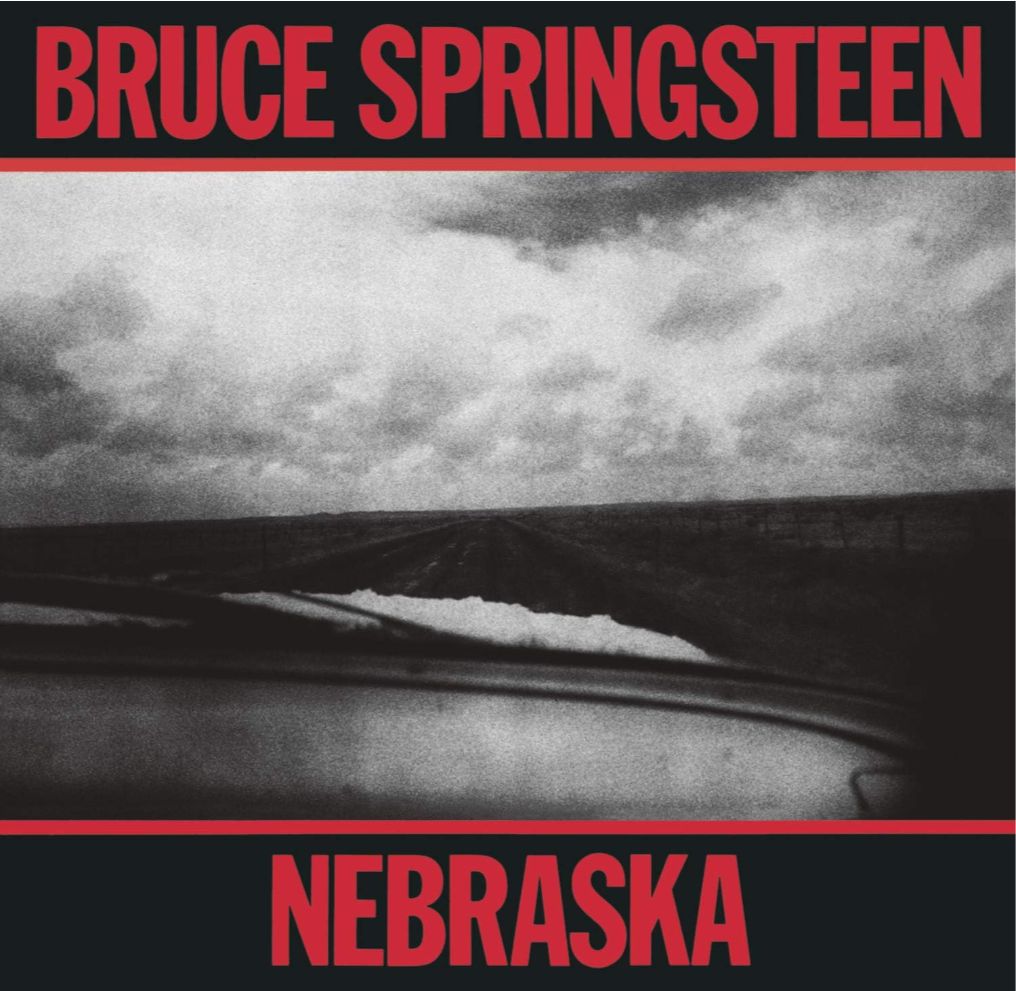
In terms of sonics, Springsteen’s follow-up to the stadium-friendly The River couldn’t have been further removed from the synth-led pop and rock inhabiting the album charts. Nebraska is a raw and deeply personal folk-tinged offering recorded in his New Jersey bedroom on a four-track machine.
The stark, desolate music is the perfect backing to the songs, which tell stories of blue-collar workers struggling to keep it together. Nebraska received mixed reviews at the time, but is now regarded as one of Springsteen’s towering successes.
The album’s legacy is that it paved the way for any number of the lo-fi indie singer-songwriters that followed it.
Key track: 'Highway Patrolman'
7. Prince – 1999
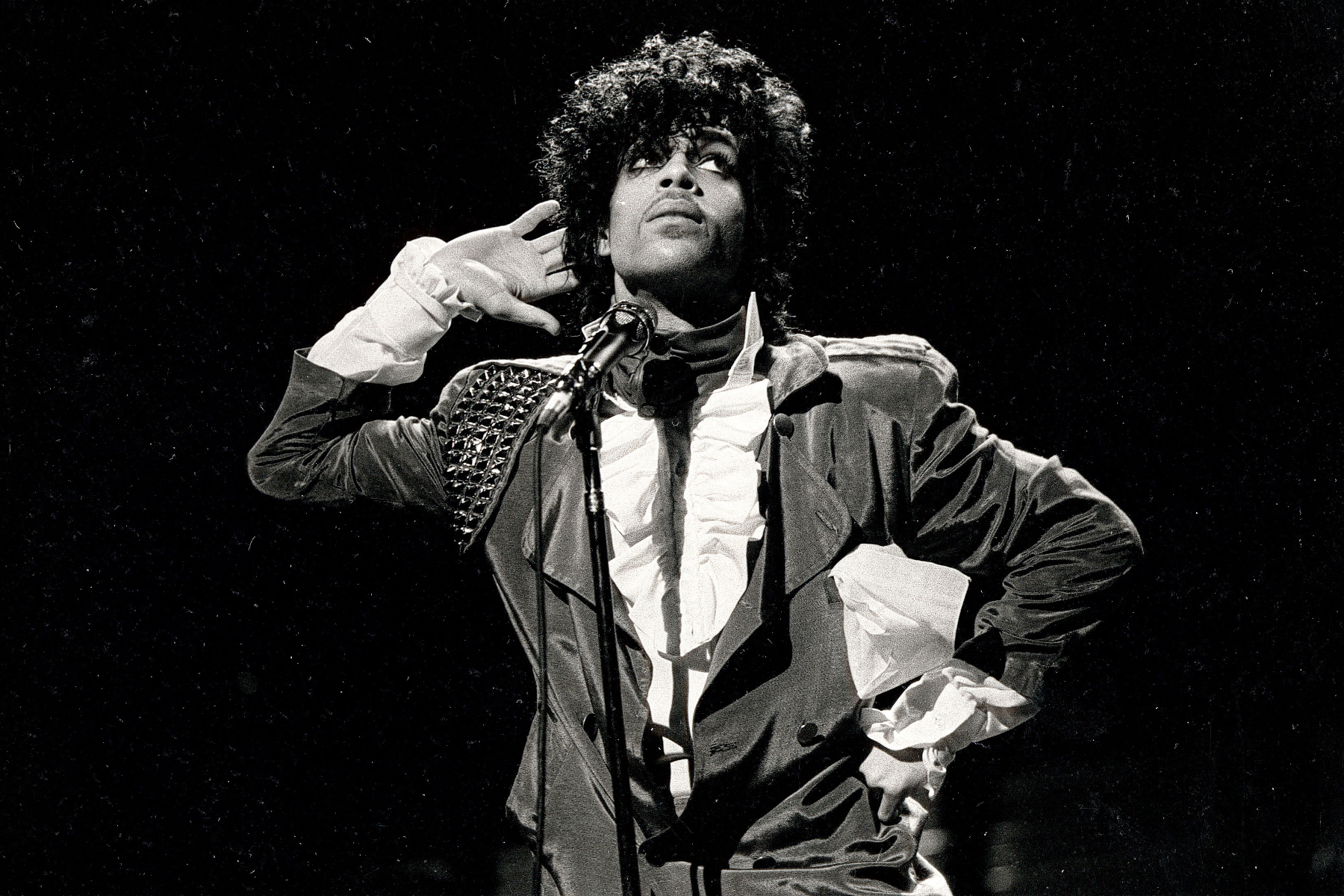
1982’s 1999 was the breakthrough album that paved the way for the global fame that was to beckon with Prince’s next release, Purple Rain. Released as a double, its synth & drum machine-heavy mix of pop, funk, rock and new wave established the genre-blending ‘Minneapolis sound’ and opened the doors to his massive crossover appeal.
It was Prince’s fifth studio album and the first to chart in the top 10 of the US album charts. Singles 1999 and ‘Little Red Corvette’ were on heavy rotation on MTV.
Key track: 'Little Red Corvette'
6. Kate Bush – The Dreaming
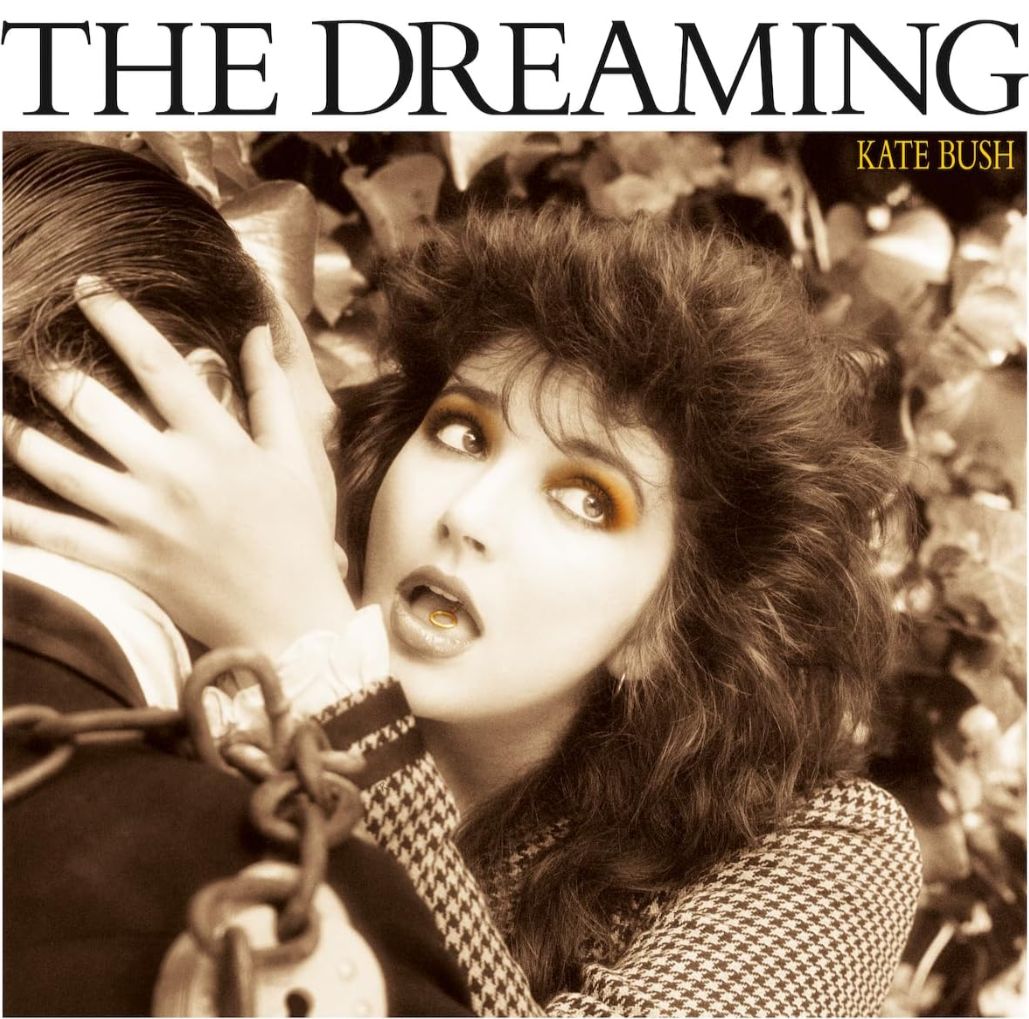
The Dreaming saw Kate Bush experiment with her sound and song structures like never before. A major catalyst for the change of sonic tack was the Fairlight CMI sampler, a revolutionary new machine that gave artists access to new sounds and textures.
Rather than use it as a tool to add novelty sounds, Bush treated the new technology as a gateway to designing extended passages of music for the album. Understandably, this took the singer-songwriter into unexplored waters, which she managed to navigate which masterly skill.
The initial critical reception was mixed, but The Dreaming is now regarded, as it always should have been, as a masterpiece of artistic achievement.
Key track: 'Sat In Your Lap'
5. The Clash – Combat Rock
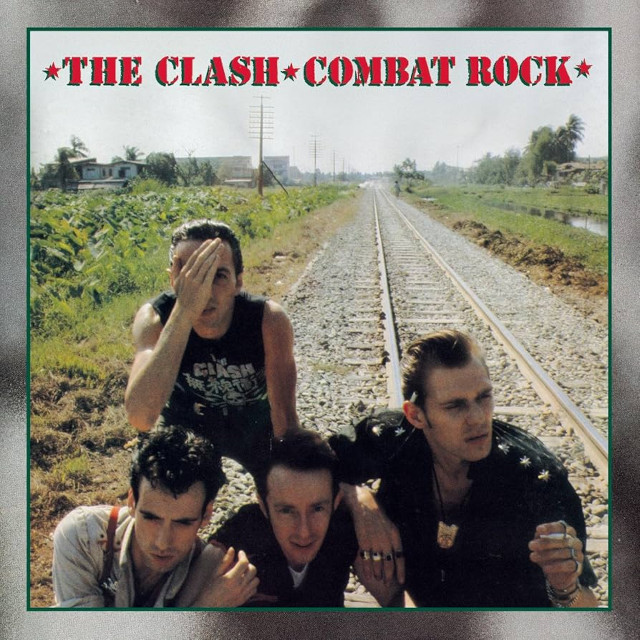
After the indulgence of triple album Sandinista the Clash’s fifth studio album was, understandably, a more focused and coherent offering. It’s the band’s biggest selling album in the US and reached number two in the UK album charts, thanks largely to the inclusion of two of the band’s biggest and most accessible hits, ‘Rock The Casbah’ and ‘Should I Stay Or Should I Go’.
Despite this ‘sell-out’ grab for radio air-time, Combat Rock still fulfils the band’s quota of political themes. The band fell apart soon after the album’s release with drummer Topper Headon shown the door because of his messy heroin addiction.
Key track: 'Straight To Hell'
4. Simple Minds – New Gold Dream
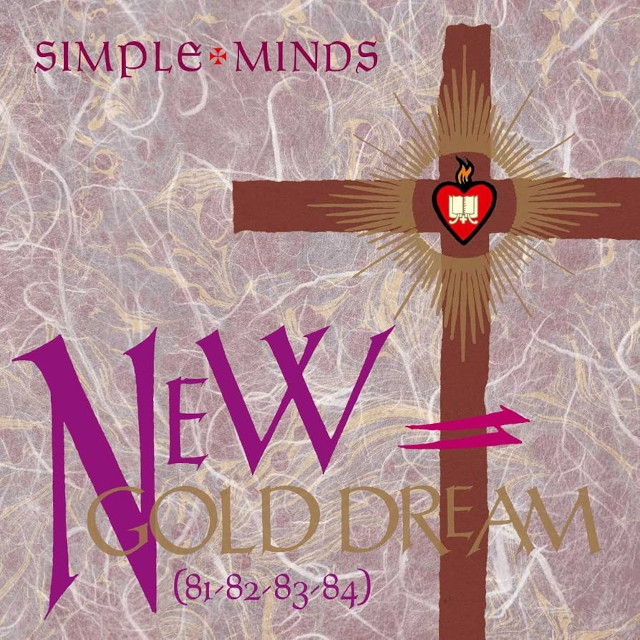
New Gold Dream is the album where everything clicked into place for Simple Minds. The experimental art-rock style of previous albums, while still present, was toned down and replaced by a more hook-driven pop sensibility.
The band caught fire commercially with the album dispensing three chart hits, including breakthrough ‘A Promised You A Miracle’, ‘Glittering Prize’, and ‘Someone Somewhere In Summertime.’
The band embraced mainstream success with relish and never looked back. Jazz legend Herbie Hancock donates a keyboard solo for one of the tracks.
Key track: 'Promised You A Miracle'
3. Richard and Linda Thompson – Shoot Out The Lights
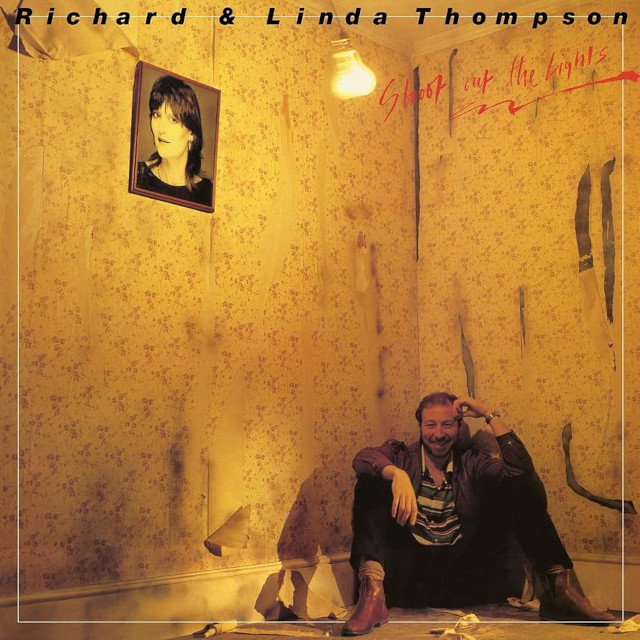
Richard and Linda’s marital strife lit the fuse on one of 1982’s finest albums. While Shoot Out The Lights was being recorded she was two months pregnant; by the time the album was released, the marriage was over.
The acrimony, pain and raw emotion of a fracturing relationship inspired Richard to scale new heights with his songwriting, reinvigorating his solo career. Inevitably, it was their final album together.
The album cover is not light on symbolism, picturing a dishevelled Richard sitting on the floor of a room with a photo of Linda in a frame looking over him.
Key track: 'Wall Of Death'
2. Elvis Costello and The Attractions – Imperial Bedroom
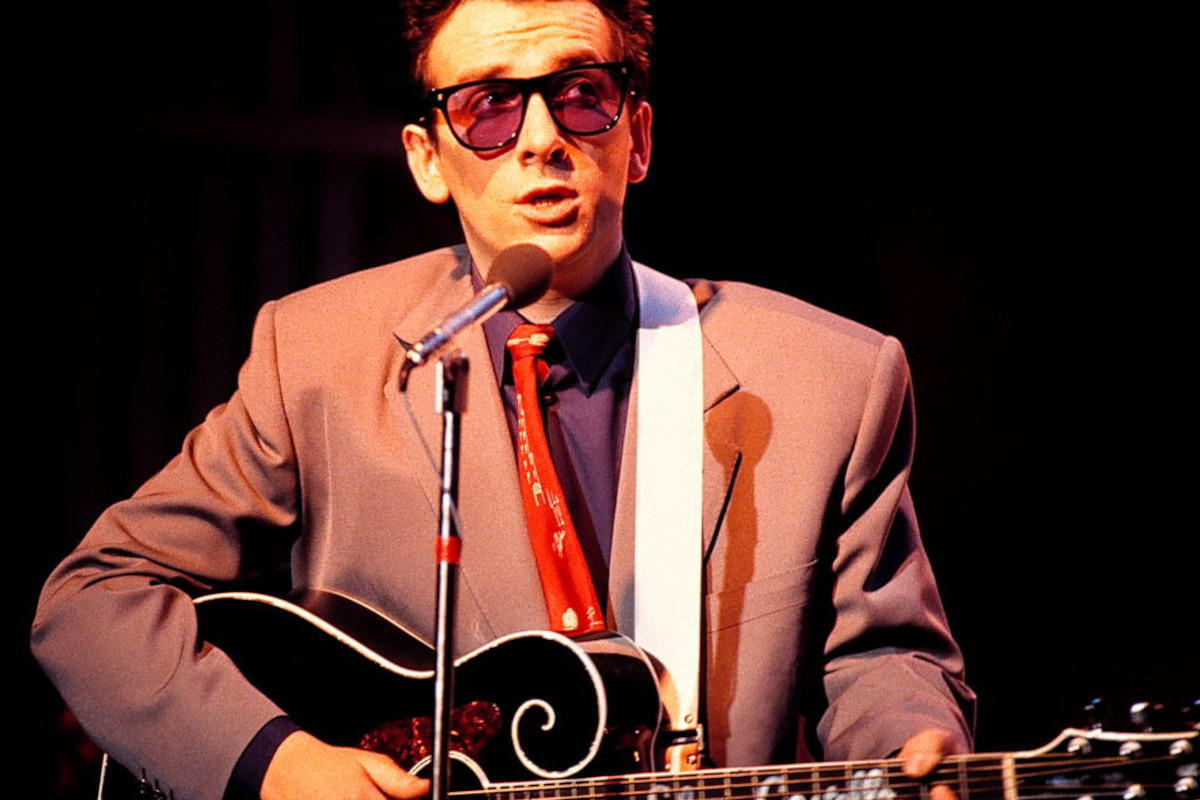
For his seventh studio album Elvis Costello refrained from inviting back trusted compadre Nick Lowe into the studio for production duties. He felt that his concepts for the album would be too complex for Lowe and the former Beatles engineer Geoff Emerick.
Imperial Bedroom turned out to be Costello’s Sergeant Pepper with fresh levels of studio experimentation applied to a strong catalogue of songs.
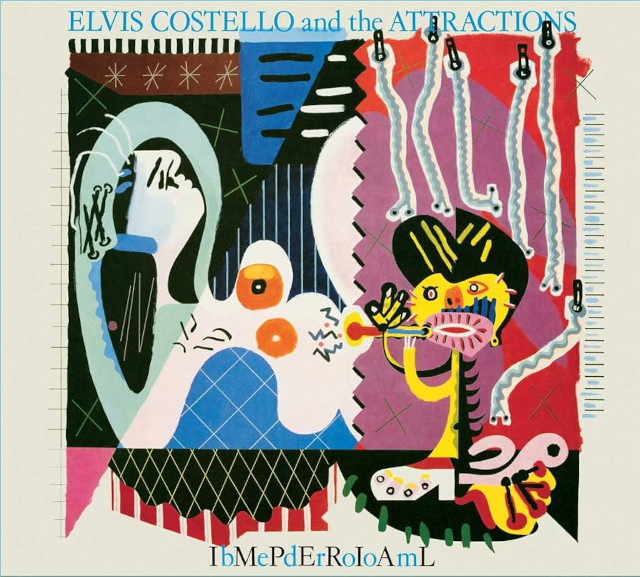
Critical acclaim was considerable, but Costello’s commercial appeal continued its downward trajectory. With the dust now settled, Imperial Bedroom is considered one of his finest offerings.
Key track: 'Beyond Belief'
1. Donald Fagen – The Nightfly
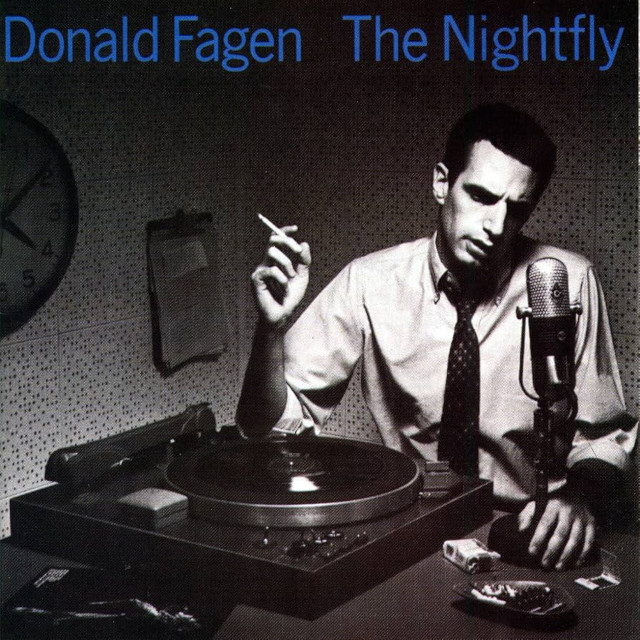
The Nightfly was Donald Fagen’s debut solo album and the first time he’d recorded without bandmate Walter Becker. Going it alone freed up Fagen’s songwriting and the archly cryptic and cynical world of Steely Dan was swapped for something more biographical.
To do this Fagen went back to his childhood and the memories evoked by listening to late-night radio. The Nightfly was one of the first albums to be recorded digitally, and set new levels of excellence in terms of studio production. It’s an audiophile’s dream of an album.
Key track: 'I.G.Y (What A Beautiful World)'
All photos Getty Images / Album sleeves Amazon
Top image Iron Maiden band photo, circa 1982; they are (L-R): Dave Murray, Clive Burr, Bruce Dickinson, Steve Harris, and Adrian Smith


