Britpop’s swagger, rave culture's euphoria and indie-dance’s optimism. The Nineties might be very en vogue currently (especially with another Oasis tour juggernaut in the pipelines), but these nine songs expose the darker underbelly of the decade.
Murder, abuse, genocide and psychological collapse are present and correct, and all delivered with a fearlessness that’s still unsettling today. And yet, from the grunge titans of Nirvana and Pearl Jam to British greats the Auteurs and Manic Street Preachers, these tracks aren’t unlistenable or unremittingly bleak, but somehow uplifting and energising (well, mostly) by virtue of their thrilling compositions and provocative subject matter.
Decades later, these nine tracks still shock and still disturb. But, in many cases, they’re more powerful than ever. Time to sit back and take a journey into a world, to quote the Manics, of culture, alienation, boredom and despair (and much, much worse).
1. Pearl Jam, 'Jeremy' (1992)
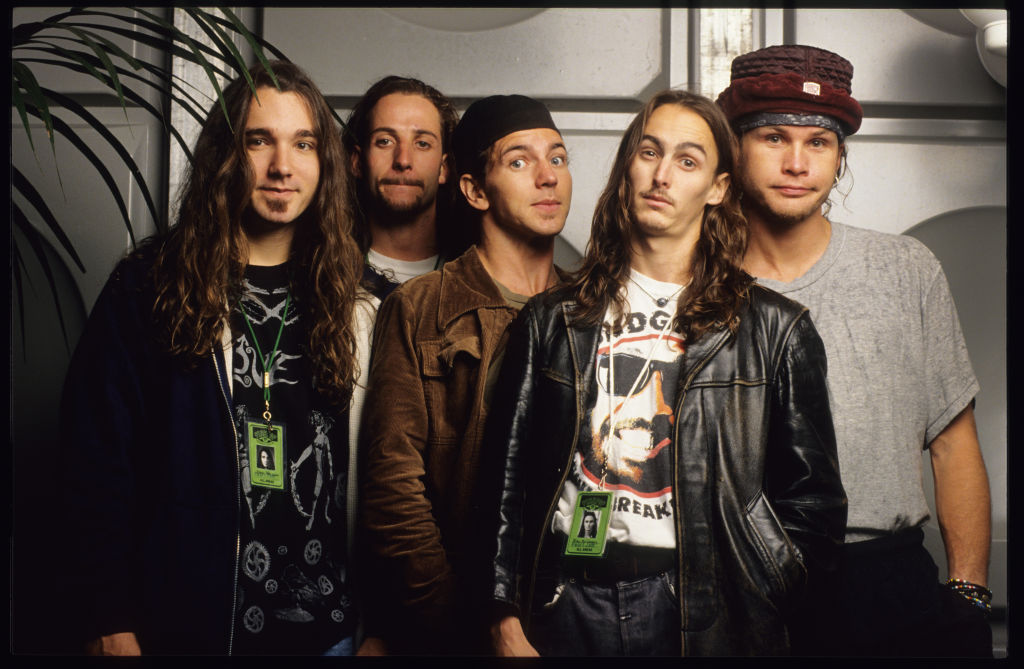
Pearl Jam could easily occupy multiple slots on this list, with Eddie Vedder’s lyrics often concerning abuse (see 'Rearviewmirror)', mental disorders ('Daughter') and suicide ('Immortality').
But let’s go for 'Jeremy', which follows in the footsteps of Springsteen's 'Born in the USA' and Creedence’s 'Fortunate Son' by juxtaposing a rousing, stadium-friendly singalong with something lyrically far, far darker.
A prime example of Vedder’s lyrical content blurring the boundaries between the autobiographical and fictional, the narrative focuses on the titular character, a bullied and neglected teen who shoots himself dead in front of his classroom tormentors. More than 30 years on, both the song and its controversial video retain their power to shock.
2. Nirvana, 'Polly' (1991)
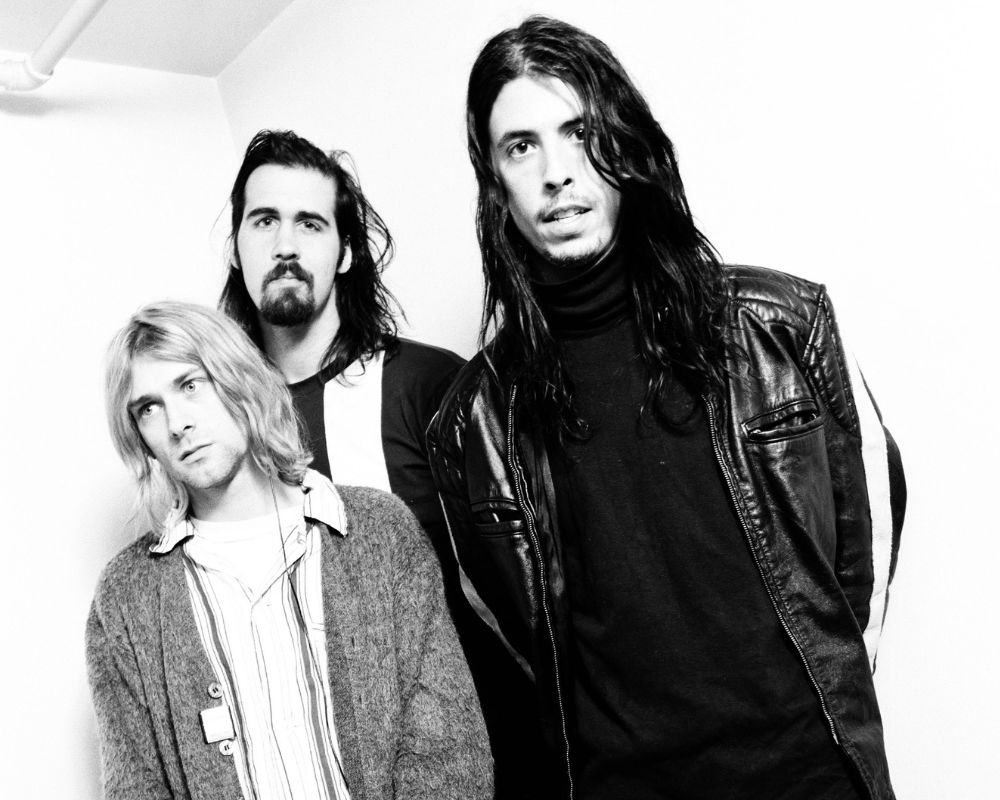
Written on a battered five-string guitar in 1987, Polly was inspired by the abduction, torture and survival of a 14-year-old girl in Tacoma, Washington, that year.
Nirvana frontman Kurt Cobain wrote the song from the perspective of the perpetrator to highlight the horror of the crime and honour the victim’s resilience, even if Cobain reportedly felt some listeners misunderstood Polly as glorifying violence rather than condemning it. Its equally confrontational successor, Rape Me, would appear on In Utero two years later.
3. Hole, 'Mrs Jones' (1991)
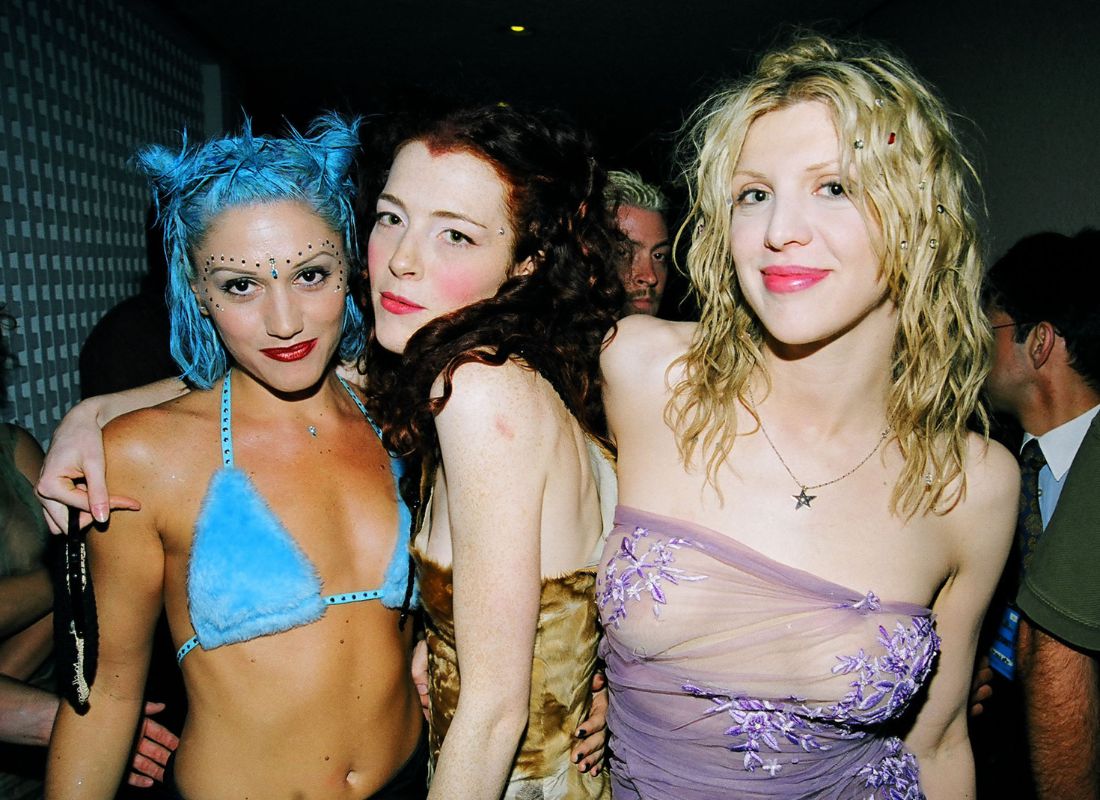
Appearing on Hole’s Pretty on the Inside in 1991,Mrs. Jones is a reminder of Courtney Love and Hole’s ability to produce feral, ferocious and uncompromising rock that few other bands would attempt.
Distorted guitars and Love’s screamed and spoken word vocals make this, frankly, a nightmarish listen. Aptly enough, given that it details a rape followed by a botched, alleyway abortion. Trauma, desperation and bodily autonomy dominate as the track reaches its distressing dénouement.
4. Afghan Whigs, 'Going to Town' (1996)
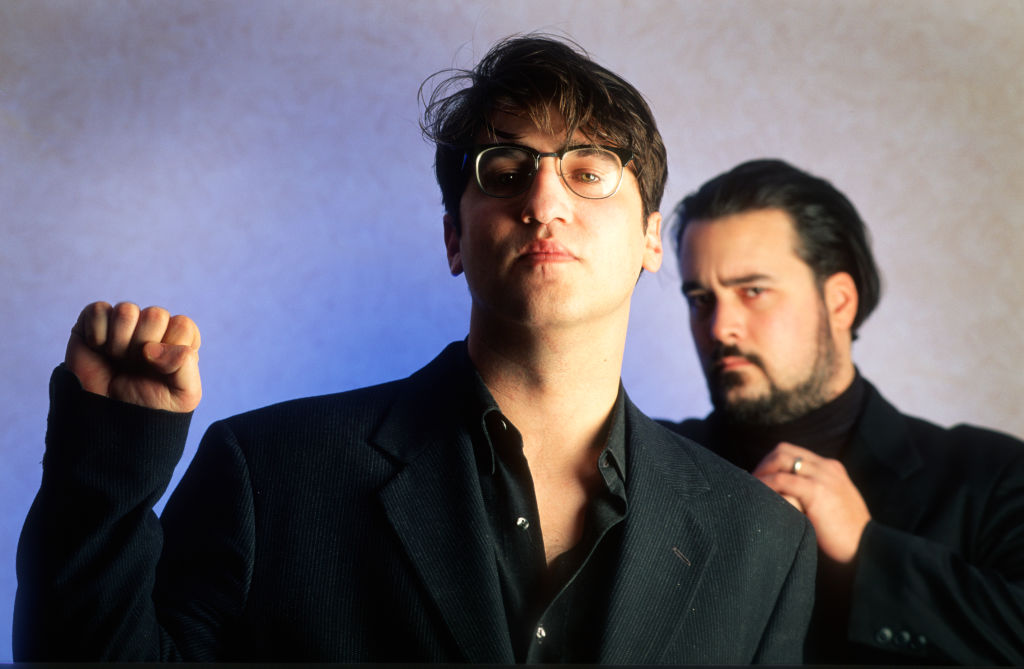
Self-loathing, toxic masculinity and emotional despair are rarely far from the surface in Greg Dulli’s creepy, confessional lyrics and never more so than on the Afghan Whigs’ one-two of mid-nineties classics, Gentlemen and Black Love, two of the decade’s defining alt-rock albums.
The nasty noir of 'Debonair', 'Crime Scene Pt 1', and' Fountain and Fairfax' could all take the title of the Whigs’ darkest song, but let’s opt for the searing 'Going to Town' from Black Love.
Another seedy, sexy and swaggering soul classic from the Whigs, this time concerning a man wantonly sabotaging a relationship. Or, more literally, a pair of arsonists burning down the town ('I’ll get the car, you get the match and gasoline'). Either way, it’s vintage Dulli: seductive, self-destructive and steeped in noir.
5. The Auteurs, 'Unsolved Child Murder' (1996)
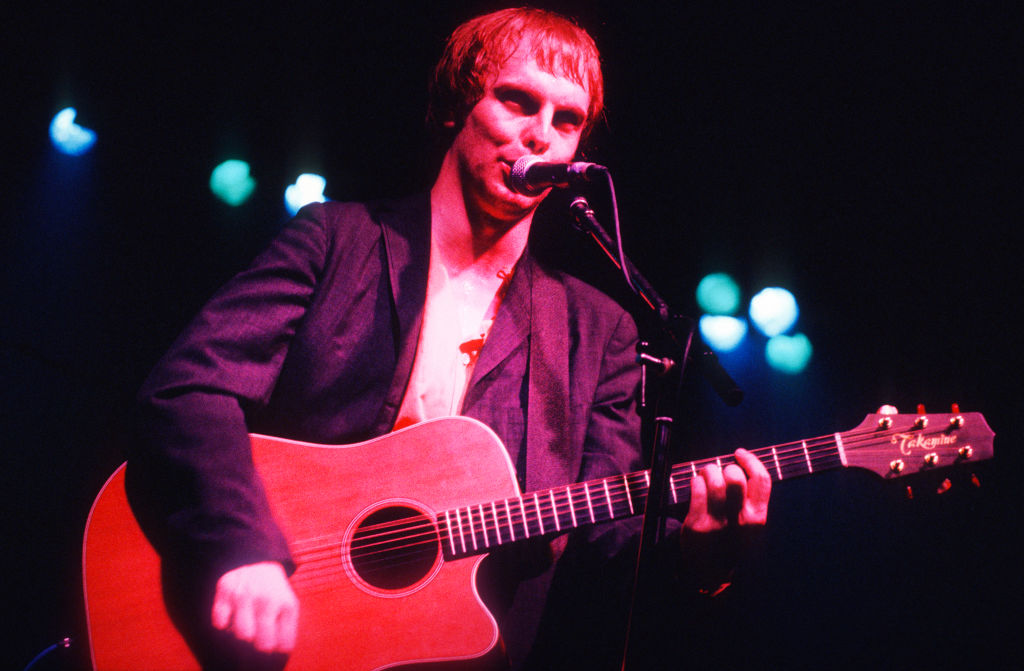
As the title suggests, the Auteurs’ Steve Albini-produced masterpiece After Murder Park is no barrel of laughs. Jarring with the jangly Britpop that was ruling the British charts, it’s at times crushingly bleak. And yet it boasts some of Luke Haines’ finest songwriting, all written while the frontman was experiencing an impending breakdown and a year-long recuperation period following an unwise jump from a 15ft wall.
'Light Aircraft on Fire' and 'The Child Brides' ('throw yourself at the tide / I’ll see you on the other side') could vie for the title in this grisly battle, but the album’s centrepiece 'Unsolved Child Murder' edges it.
Long rumoured to have been inspired by an incident from Haines’ own past, the track details the fallout of an unsolved tragedy, with Haines showing the parents being driven mad by grief, preyed on by mediums and spiteful neighbours.
And yet it’s all delivered by beautiful, Beatles-esque baroque pop (it was even recorded at Abbey Road), complete with horn and string sections.
6. PJ Harvey, 'Down by the Water' (1995)
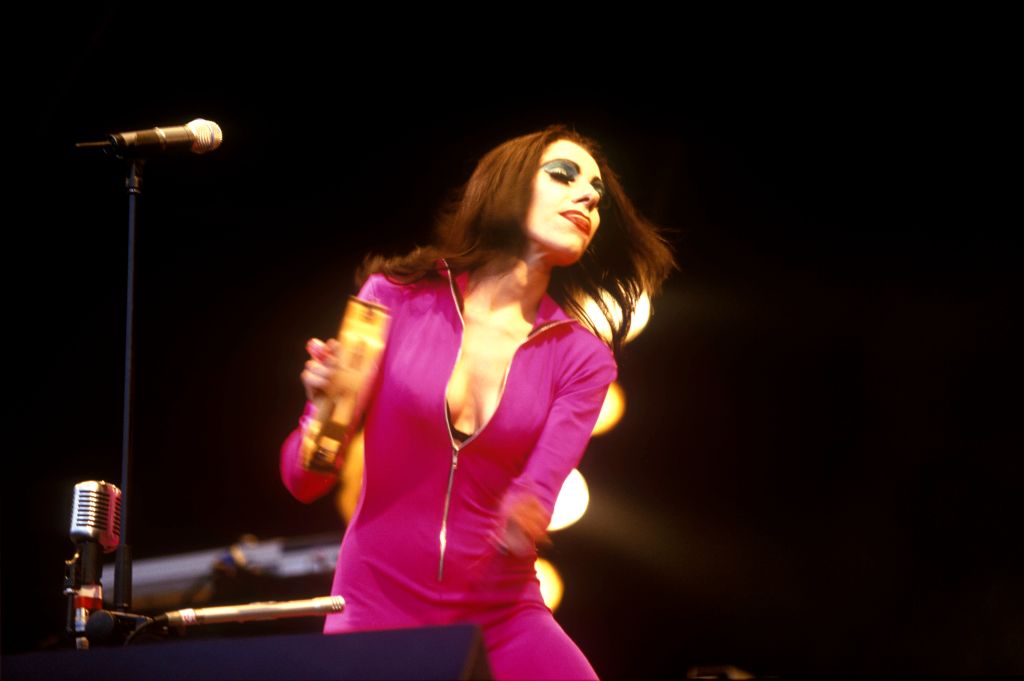
Beneath the hip-shaking maracas, nursery-rhyme melodies and 'little fish, big fish' coda, Polly Jean Harvey inhabits the mind of a mother confessing to drowning her child.
As she pleads 'Oh help me Jesus / Come through this storm / I had to lose her / To do her harm', guilt, madness and remorse become increasingly intertwined. The melody may be seductive, but the song's psychological horror lingers long after it ends.
Despite the unremitting lyrical bleakness, it’s been a live staple of Harvey’s shows for three decades – never more so than her classic 1995 Glastonbury appearance, complete with *that* pink catsuit.
7. Korn, 'Daddy' (1994)
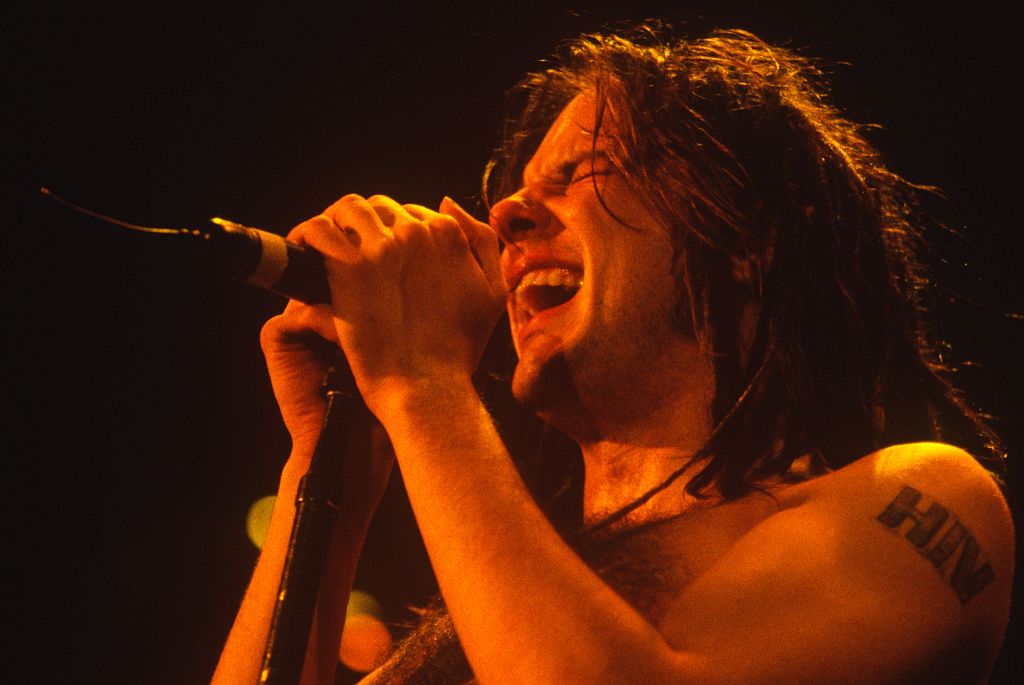
The acceptable face of the nu-metal genre they’d become entwined with at the tail-end of the decade, Korn have always had more musical and lyrical depth than the empty bluster and cartoon excesses of Limp Bizkit and co.
That’s showcased here in this harrowing account of childhood abuse from the band’s self-titled 1994 debut album. In it, we find singer Jonathan Davis detailing the episode before facing the pain and confusion of not being believed by his parents, which is where the ‘Daddy’ of the title is believed to come from. Betrayal and helplessness follow and, if the lyrics are far from subtle and the expletives fly, it still carries a hefty emotional weight.
8. Screaming Trees, 'Dying Days' (1996)
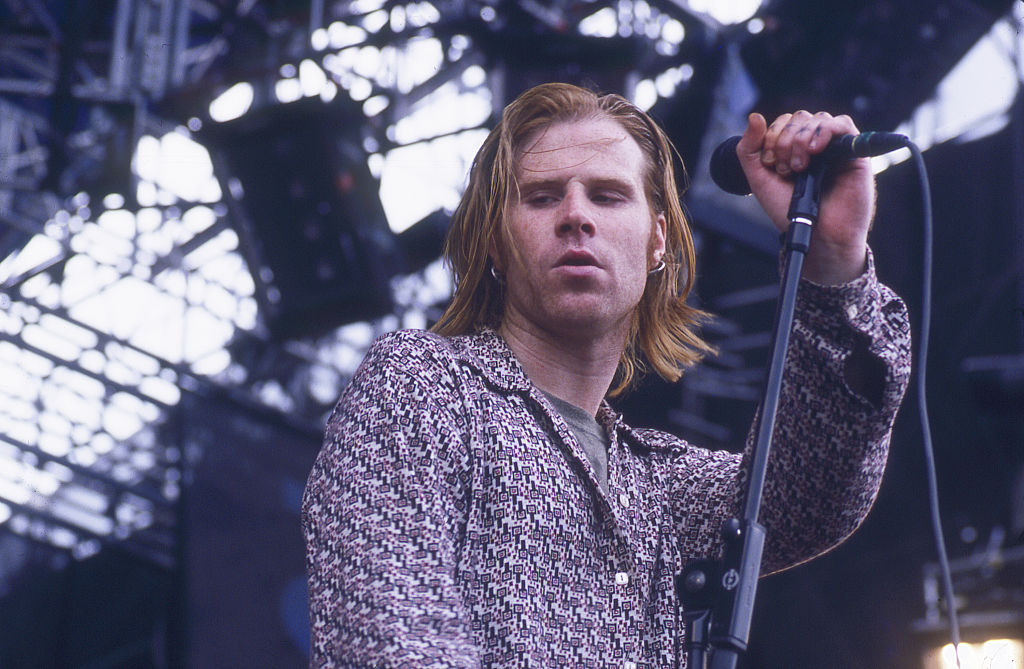
This lost classic from the Screaming Trees’ final album acts as an elegy to the Seattle rock scene in which the Trees were founding members.
The lyrics deal with the numerous deaths that occurred in Seattle's music community during that time, said to include Kristen Pfaff of Hole and Kurt Cobain, a close friend of Mark Lanegan’s (the Trees’ frontman missed various phone calls from the Nirvana singer on the day of his death).
‘I walk the ghost town / used to be my city’ Lanegan rasps over one of the band's last great up-tempo rockers, before a killer guitar solo by another Seattle stalwart, Pearl Jam guitarist Mike McCready.
9. Manic Street Preachers, 'The Intense Humming of Evil' (1994)
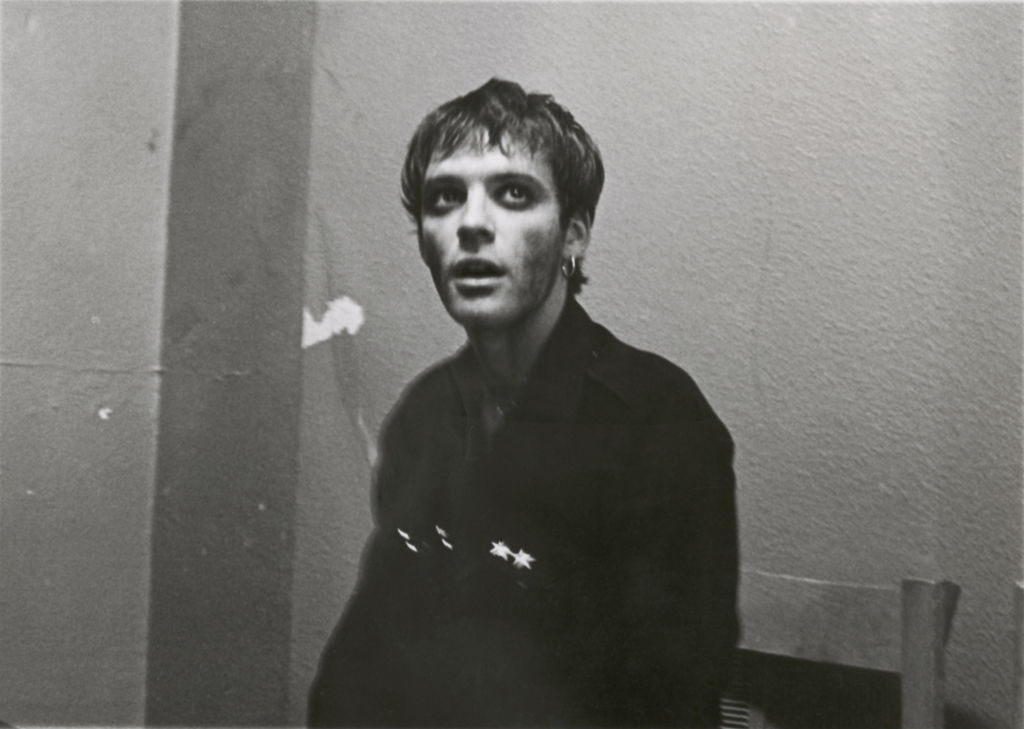
The Manics' horror-filled 1994 opus The Holy Bible could comfortably provide the tracks for every slot on this list. Industrialised genocide, capital punishment, self-harm, eating disorders and mental illness are confronted with brutal honesty by a band living through its final days as a four-piece. Even the song titles ('Of Walking Abortion', 'Die in the Summertime', 'Mausoleum') are enough to send a shiver down the spine.
If that makes the album sound unrelentingly bleak, it's also an exhilarating listen. The opening rush of 'Faster', the blistering guitar solo in 'Archives of Pain' and some of James Dean Bradfield's finest vocal performances ensure The Holy Bible remains as thrilling as it is disturbing.
Richey Edwards' devastating '4st 7lb', a harrowing portrait of anorexia ('I wanna walk in the snow and not soil its purity'), warrants a place on this list in its own right. But it's impossible to overlook 'The Intense Humming of Evil', surely one of the most distressing songs ever released by a major-label rock band.
Like its Holy Bible companion piece 'Mausoleum' ('No birds, no birds, the sky has swollen black'), the song was inspired by visits to the concentration camps at Dachau and Belsen. It opens with clanging metal, a hiss of gas and a sample from a Soviet documentary on the Nuremberg Trials, before Bradfield's fractured guitar and Sean Moore's mechanistic drumbeat drive the listener towards an utterly chilling finale.
Never have the Manics sounded closer to Joy Division, themselves named after the Nazi "joy divisions" used for sexual slavery in concentration camps. Unsurprisingly, it remains a rarity in the band's live set.
Meanwhile, Edwards and Nicky Wire's lyrics force listeners to confront the Holocaust head-on, the chorus distilling unimaginable horror into four devastating lines:
'6 million screaming souls / Maybe misery, maybe nothing at all / Lives that wouldn't have changed a thing / Never counted, never mattered, never be'
Six months after The Holy Bible's release, Edwards disappeared and was never seen again. By 1996, the Manics had re-emerged as unlikely stadium stars with Everything Must Go.
Pics Getty Images. Top pic Screaming Trees, 1996