We like to think of our beloved rock icons getting off to the perfect start.
That debut album that perfectly crystallises their entire soundworld, and delivers a fully formed new talent onto a delighted world.
The truth, though, is usually a little different. Thanks to a variety of reasons ranging from too much studio tinkering to you-just-weren't-quite-ready-yet, some of rock's most iconic bands and performers got off to a pretty indifferent start. Here are 13 debut albums that didn't manage to launch their artists with a bang.
1. David Bowie – David Bowie (1967)
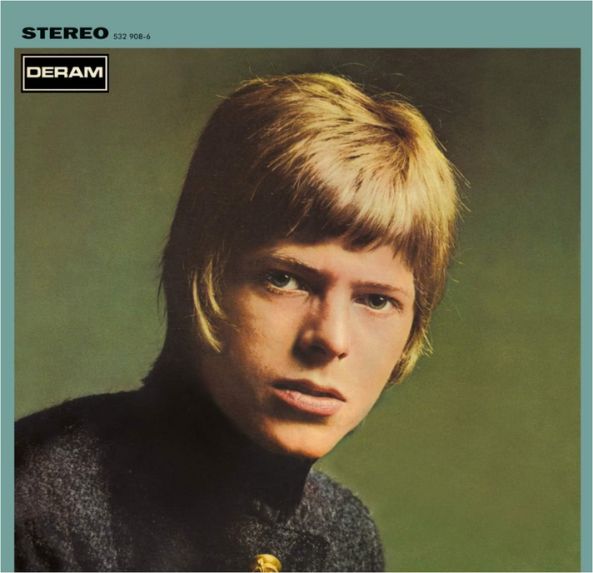
The problem with this one is that it's the sound of a young Bowie trying desperately to land on his musical style. Bowie's debut was released at the zenith of psychedelia, and it's a whimsical collection of novelty songs and music-hall-influenced pop that doesn't give many clues to the otherworldly, pan-sexual rock icon that he would soon become.
Bowie's fascination with Anthony Newley and eccentric Englishness is the dominant strand here, resulting in songs like the bizarre 'The Laughing Gnome'. Charming in their way, we suppose, but several degrees less interesting than 1971's Hunky Dory, or Ziggy Stardust from a year later. It's kind of studiedly whimsical, all lush orchestral arrangements and over-the-top character studies, and there is little clue of what was coming just a few short years ahead.
2. Elton John – Empty Sky (1969)
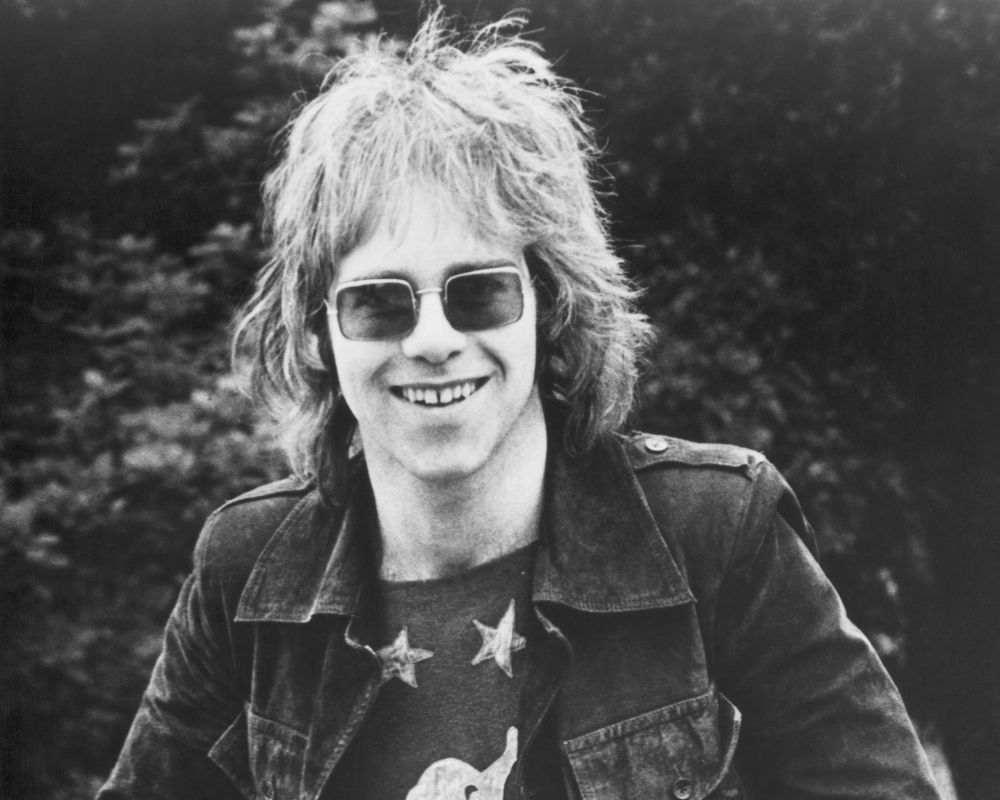
Before long, Elton John was to enjoy one of the greatest album runs in rock history – but it certainly didn't start with his debut. Empty Sky is a perfectly decent, but sprawling collection of folk-tinged rock that is completely lacking in focus or any signature moments.
The album is often hampered by overly long jams and ambitious, but often messy, arrangements. Crucially, it fails to display the sophisticated, anthemic piano work and bombastic pop polish that would propel him to stardom soon enough with the 1970 double whammy of Elton John and Tumbleweed Connection.
Instead, Empty Sky is a work of transition, where the soon-to-be-epochal songwriting partnership with Bernie Taupin was still finding its theatrical voice.
3. Lou Reed – Lou Reed (1972)
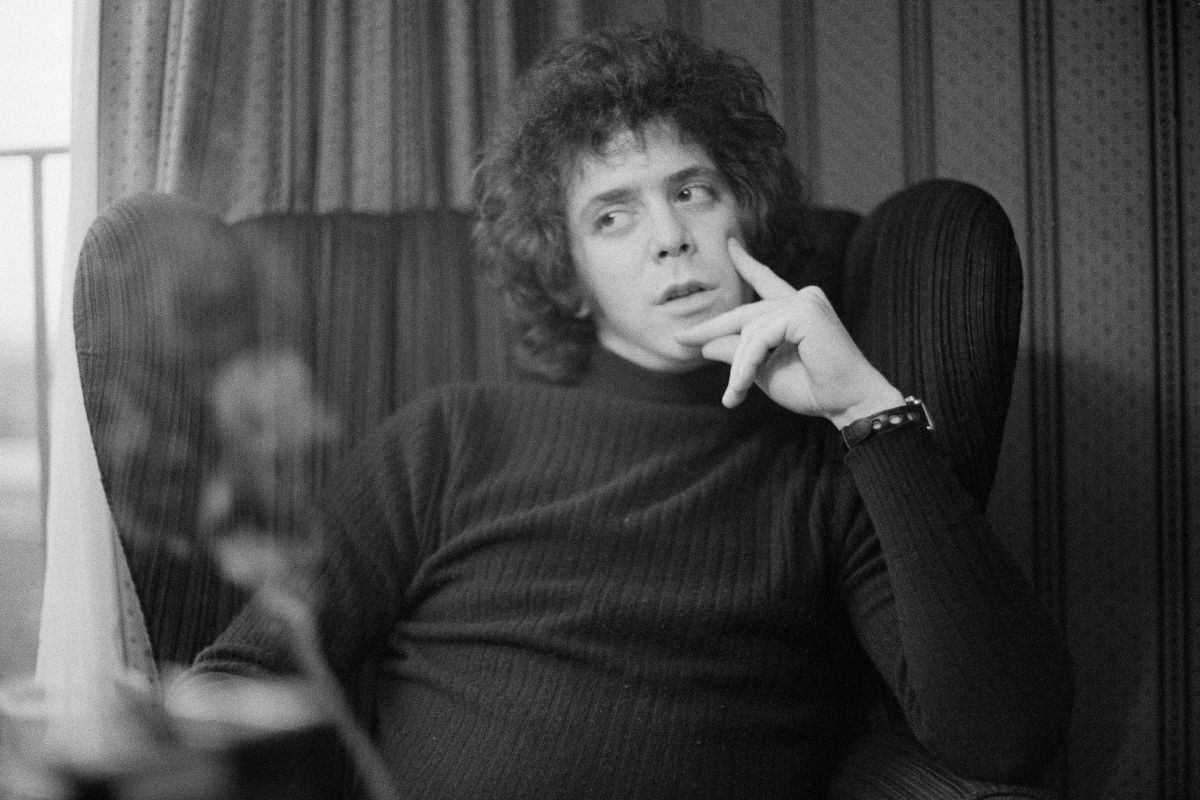
After quitting The Velvet Underground in 1970, Lou Reed’s first move as a solo artist was (somewhat perversely, it seems to us) to make a commercial pop record. He was in a strange transitional position: he had no band or collaborators, so instead called on some (very capable) session musicians. Material-wise, Reed had eight unrecorded Velvets-era songs in the locker, to which he added two new numbers: 'Going Down' and 'Berlin', which he'd revisit the following year.
All of which gives Lou Reed a slightly tentative feel. There's none of the snarl and New York demi-monde swagger of the Velvet Underground at their best.
But we wouldn't have to wait long at all to hear Reed revitalised. Only until later in 1972, in fact, with the era-defining Transformer.
4. John Lennon and Yoko Ono – Unfinished Music No. 1: Two Virgins (1968)
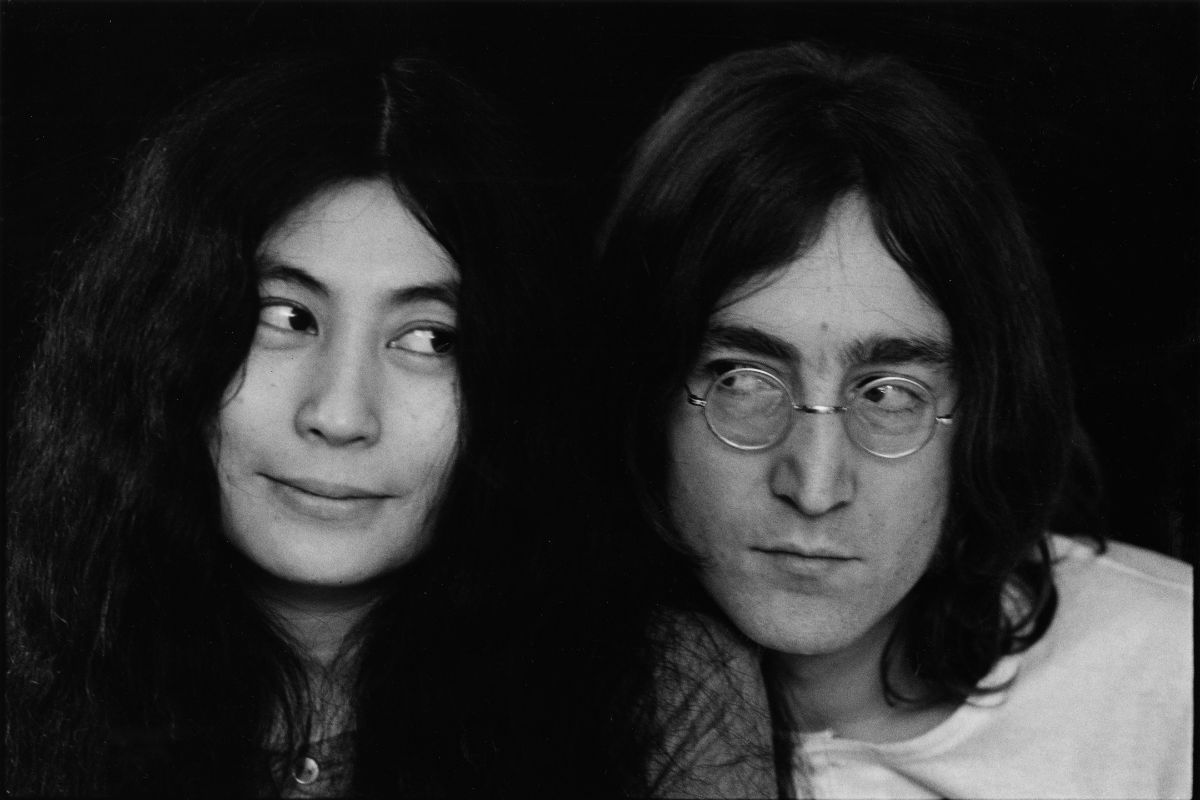
The thing everyone knows about this album is its cover - a portrait of a naked Lennon and Ono, both gazing fixedly at the camera with no hint of inhibition. The music, and we use the term in its broadest sense, leaves less of an impression. It's not so much an album of music, more a kind of audio scrapbook of John and Yoko’s first night together.
It's performance art, it's an extended tape-recorder experiment. It also doesn't give much of a clue as to where Lennon will be heading with his solo career. There's noise, there's avant-garde meandering. But there isn't the melodic genius, or the emotional directness, that we'd get on 1970's Plastic Ono Band.
5. Johnny Cougar – Chestnut Street Incident (1976)
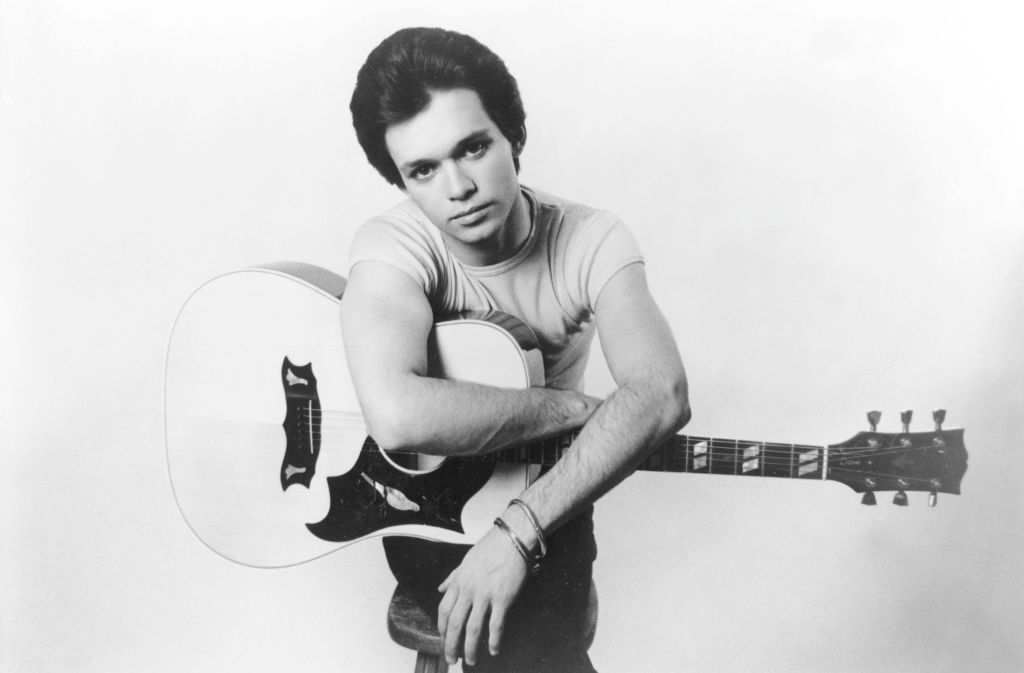
It's kind of fitting that he released his debut under the 'Johnny Cougar' moniker, as this album doesn't much resemble the John Mellencamp who would go on to give us some of the best-loved heartland-rock albums of the late 1970s and 1980s.
Instead of the muscular songwriting and vivid Midwestern storytelling that became his signature, Chestnut Street Incident offers a mishmash of slick pop, slightly anodyne rock, and some curious cover versions ('Jailhouse Rock', 'Do You Believe in Magic?', The Doors' 'Twentieth Century Fox').
Mellencamp himself has long disowned his 1976 debut, and it’s easy to understand why: the production is thin, the songs generic, and the overall identity a little hard to pin down. As debuts go, a false start.
6. Genesis – From Genesis to Revelation (1969)
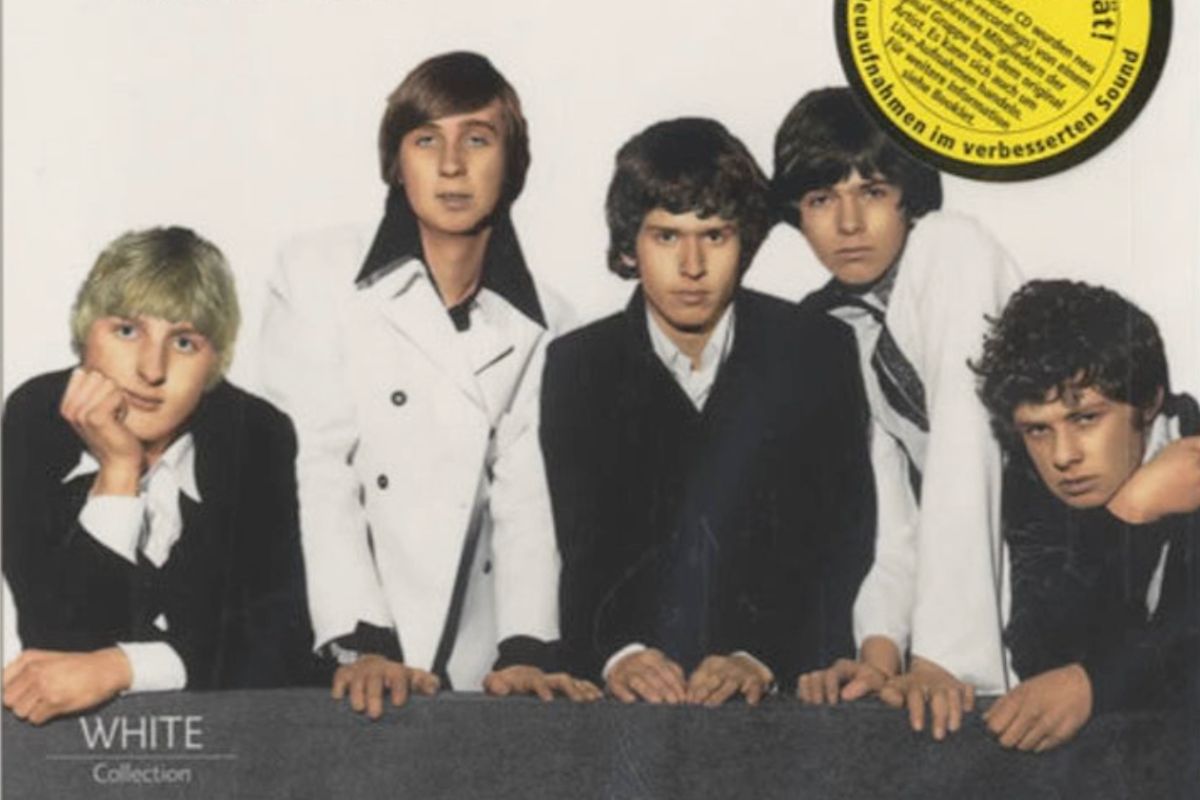
This is the sound of a great band being led astray by their producer. Private schoolboys Genesis (Peter Gabriel, Tony Banks et al were pupils of the prestigious Charterhouse School) loved their classical music and, indeed, classical mythology.
These two passions would come to the fore soon enough, in Genesis' ever-more ambitious and complex prog rock sound and in the classical- and myth-tinged epics that lent such atmosphere to albums such as 1971's Nursery Cryme. But for now, the boys' producer Jonathan King locked them into a strange, lushly orchestrated, quasi-religious folk-pop sound. The debut's short, unassuming song structures give no hint to the prog rock beast that is about to be unleashed.
Peter Gabriel’s distinctive voice is often muddied by fussy production touches, and the album was both a commercial failure and something of a false dawn for the band who would soon be exemplars of all that was most thrillingly adventurous about early 1970s rock.
7. Billy Joel – Cold Spring Harbor (1971)
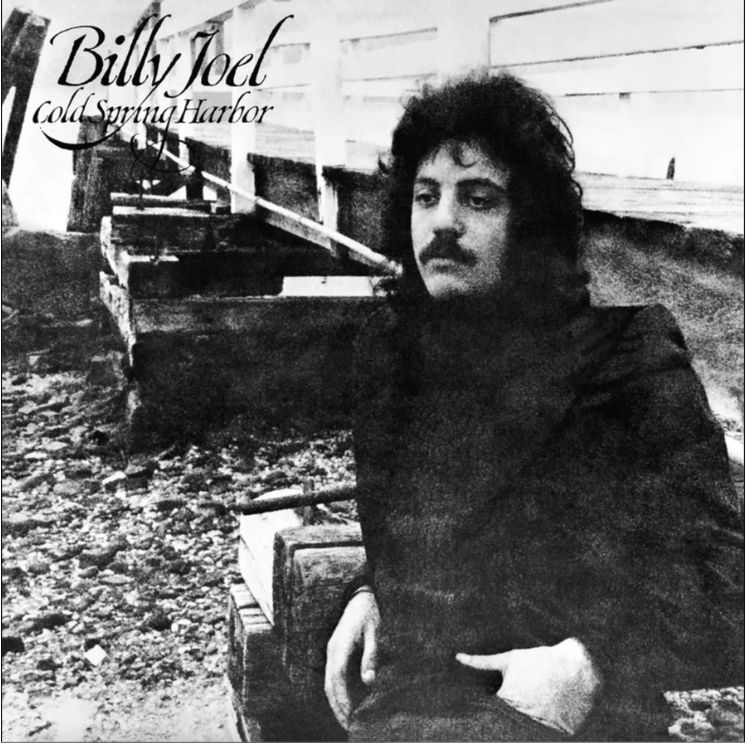
It's a slightly sad one, this. Billy Joel's 1971 debut is actually not half bad. A tad uneven, perhaps, but blessed with some real standout moments - 'Everybody Loves You Now' is wearily bitter, 'She's Got a Way' beautiful - that show the sensitive-yet-confident singer-songwriter Joel is becoming before our eyes.
No, the problem is not Joel's songs, but the production. An error at the mastering stage meant that the original album played faster than intended, raising Joel's vocals and making him sound high-pitched and slightly strained. , completely undermining the emotional weight and confidence of his performances.
Joel was horrified and later disowned the record, although a 1983 remastering sorted out the mess.
8. Radiohead – Pablo Honey (1993)
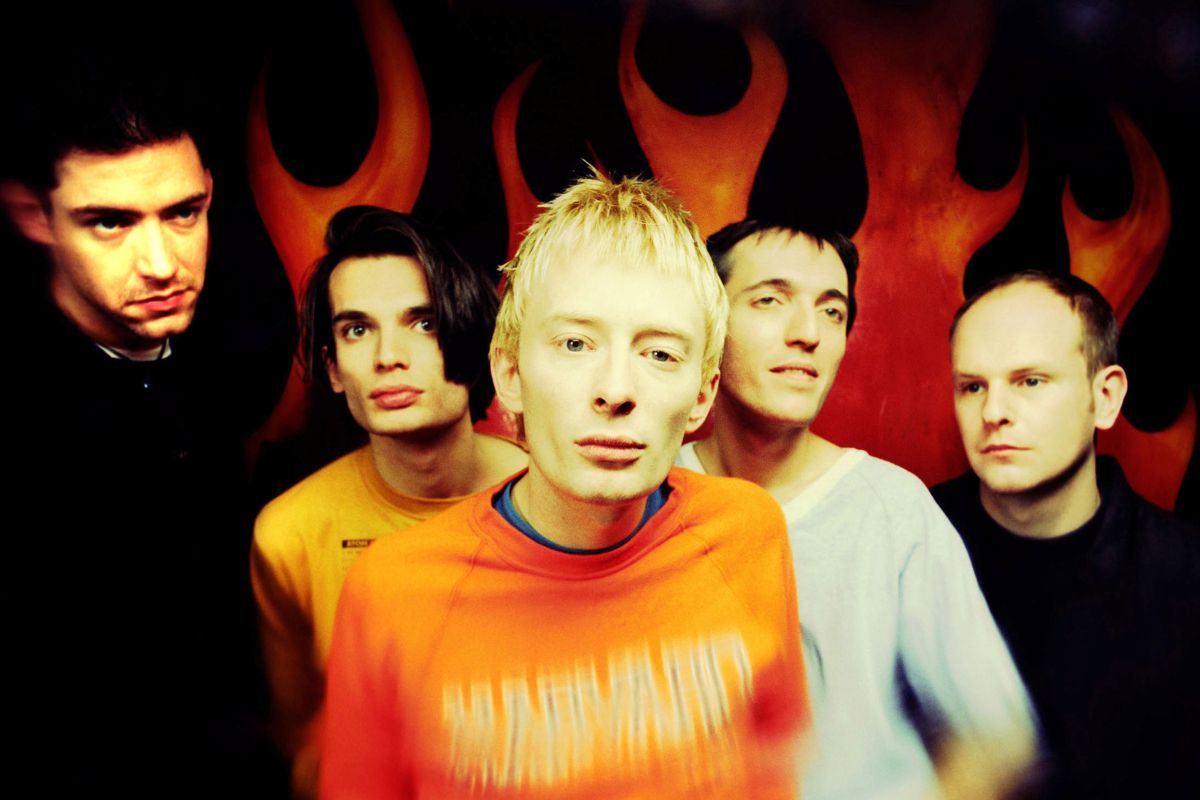
The strange thing about Radiohead's debut is that its reputation rests largely on one song - the huge international hit 'Creep'.
Talk about a song carrying an album. In fact, Radiohead frontman Thom Yorke has largely distanced himself from 'Creep' (for a long time he called it 'Crap', finding its adolescent angst out of kilter with the band's growing fame and sophistication), but there's no denying it's got something. Which is more than can be said for Radiohead's slightly bland, middle-of-the-road guitar rock debut.
Within a few years Radiohead would be launched on the journey into experimentation and sonic textures that would bring them such era-defining albums as OK Computer and Kid A. But that spirit of adventure is not to be heard on Pablo Honey.
9. Van Morrison – Blowin' Your Mind! (1967)
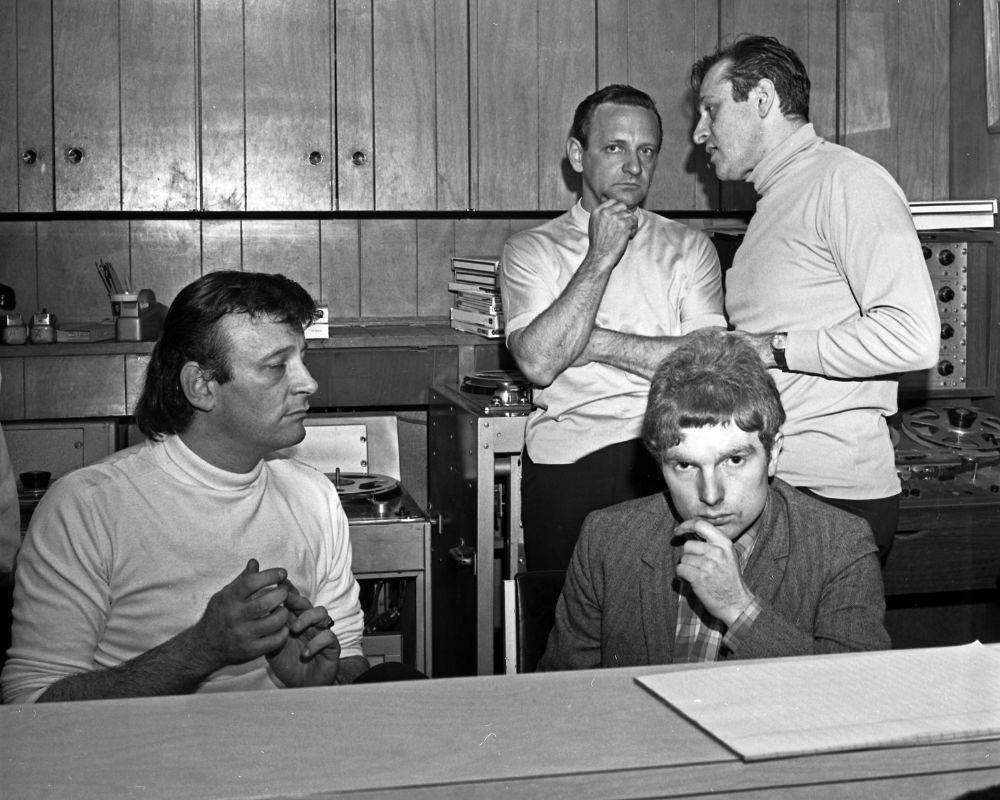
A contractual obligation album arising out of Van Morrison's previous incarnation with the band Them, Blowin' Your Mind! is a strange mix of R&B, folk and garage rock, made in a pressure-cooker atmosphere and, crucially, released without Van the Man's say-so.
Like Pablo Honey above, there is redemption in the form of one standout track ('Brown Eyed Girl'). But it's disjointed, hard to pin an identity on, and gives no clue to the poetic, mercurial, stream-of-consciousness talent that would soon unleash the matchless Astral Weeks on an unsuspecting world.
10. The Smiths – The Smiths (1984)
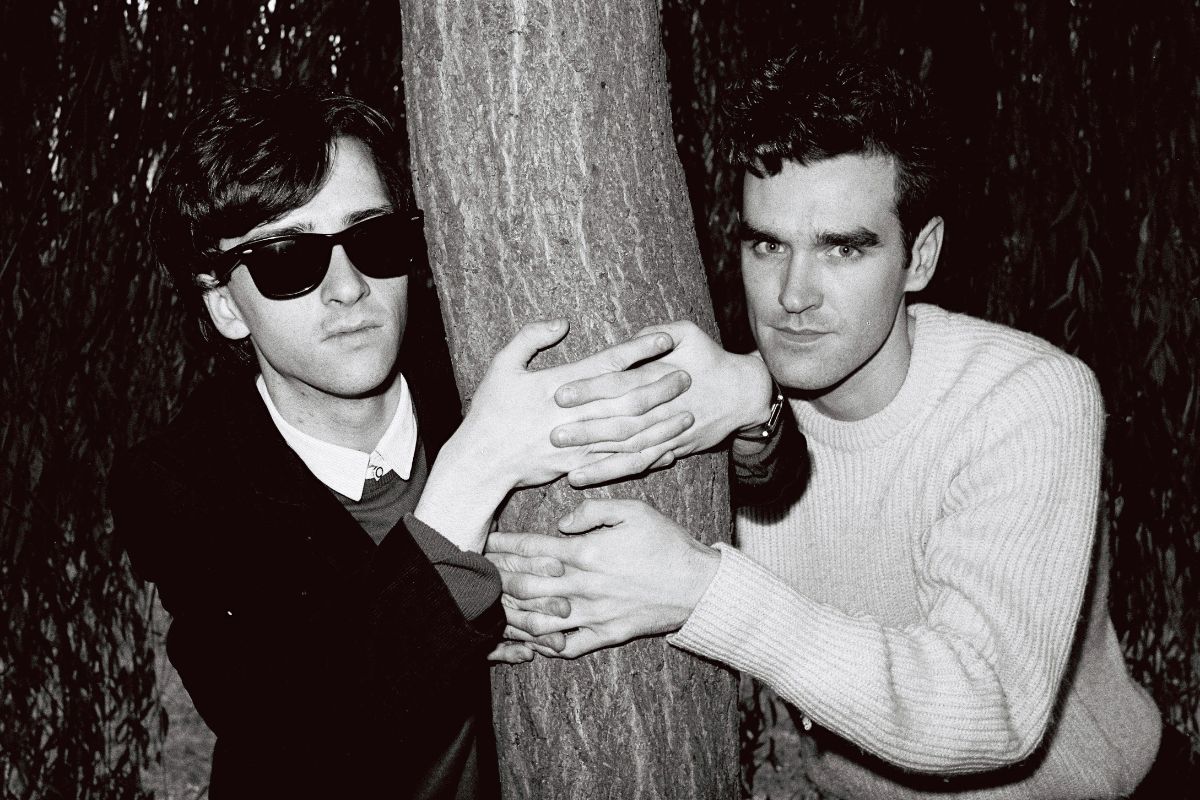
It's not fair to call The Smiths' debut album poor. What album that contained tracks like 'Reel Around the Fountain', 'Still Ill', 'What Difference Does It Make?' and the sublime 'Hand in Glove' could be tarred with that brush?
No, the problem is less with the album itself, and more with the massive sense of expectation on which it failed to deliver. By the time the album dropped in February 1984, Morrissey, Johnny Marr, Andy Rourke and Mike Joyce were one of the most talked-about bands in Britain. Their singles, BBC sessions and live performances had stirred up a huge sense of anticipation among fans of literate, jangly alternative pop.
The debut duly climbed to No. 2 in the UK album chart. No failure there. But some of the electric intensity of those sessions and gigs seemed to be missing - due in part to a flat, muddy sound. Fans wanting to hear the true Smiths magic set down on tape would have to wait for Hatful of Hollow, the compilation of BBC sessions, singles and B-sides released later in '84.
- The Smiths were one of those British bands America never really 'got'
11. Beck – Golden Feelings (1993)
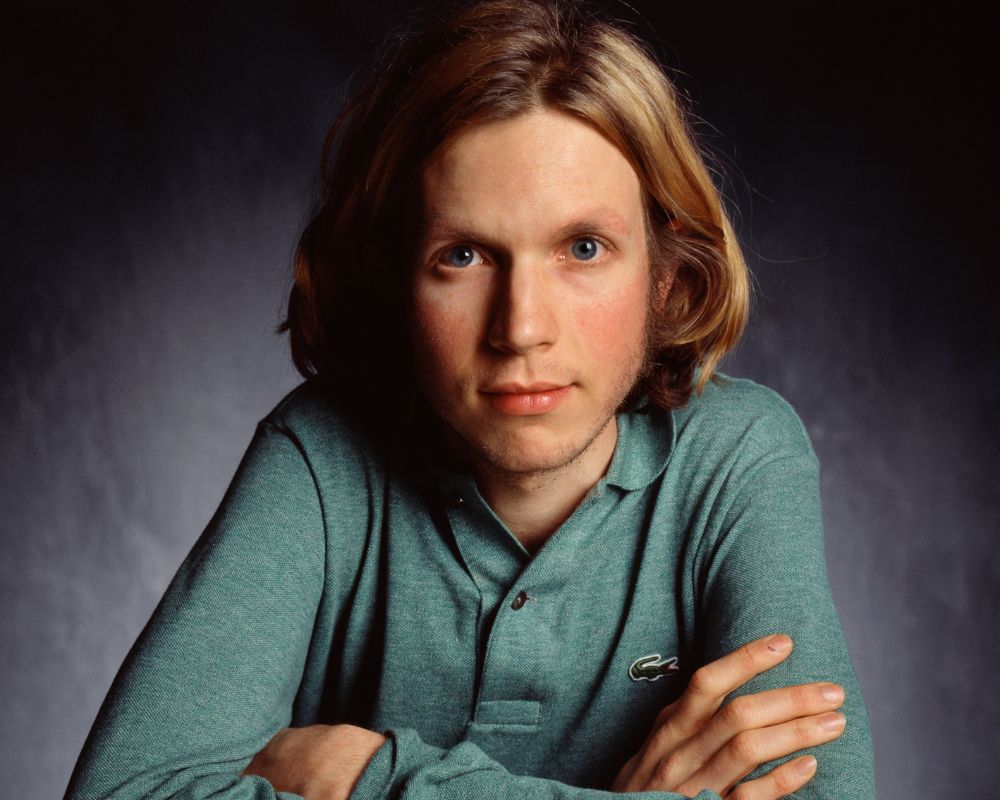
Think early Beck and you think 'Loser', 'Devil's Haircut', the wild, inventive energy and playful, sample-heavy hip-hop-cum-alt.rock-cum-psychedelia of the albums Mellow Gold (1994) and 1996's Odelay!
But Beck David Hansen's 1993 debut is several musical miles from these gems-to-come. Recorded on a four-track cassette, it's a scrappy mix of spoken-word oddities, sound collages and lo-fi folk that often sounds as though it might fall apart at any moment.
Compare it with Mellow Gold, where the weirdness comes wrapped in catchy tunes and a mischievous pop sensibility, or Odelay!, where Beck turns hip-hop samples, funk and folk into something gloriously inventive. There’s little sign of that gift for unlikely hooks here, let alone the sheer craft of those later records.
12. Warren Zevon Wanted Dead or Alive (1970)
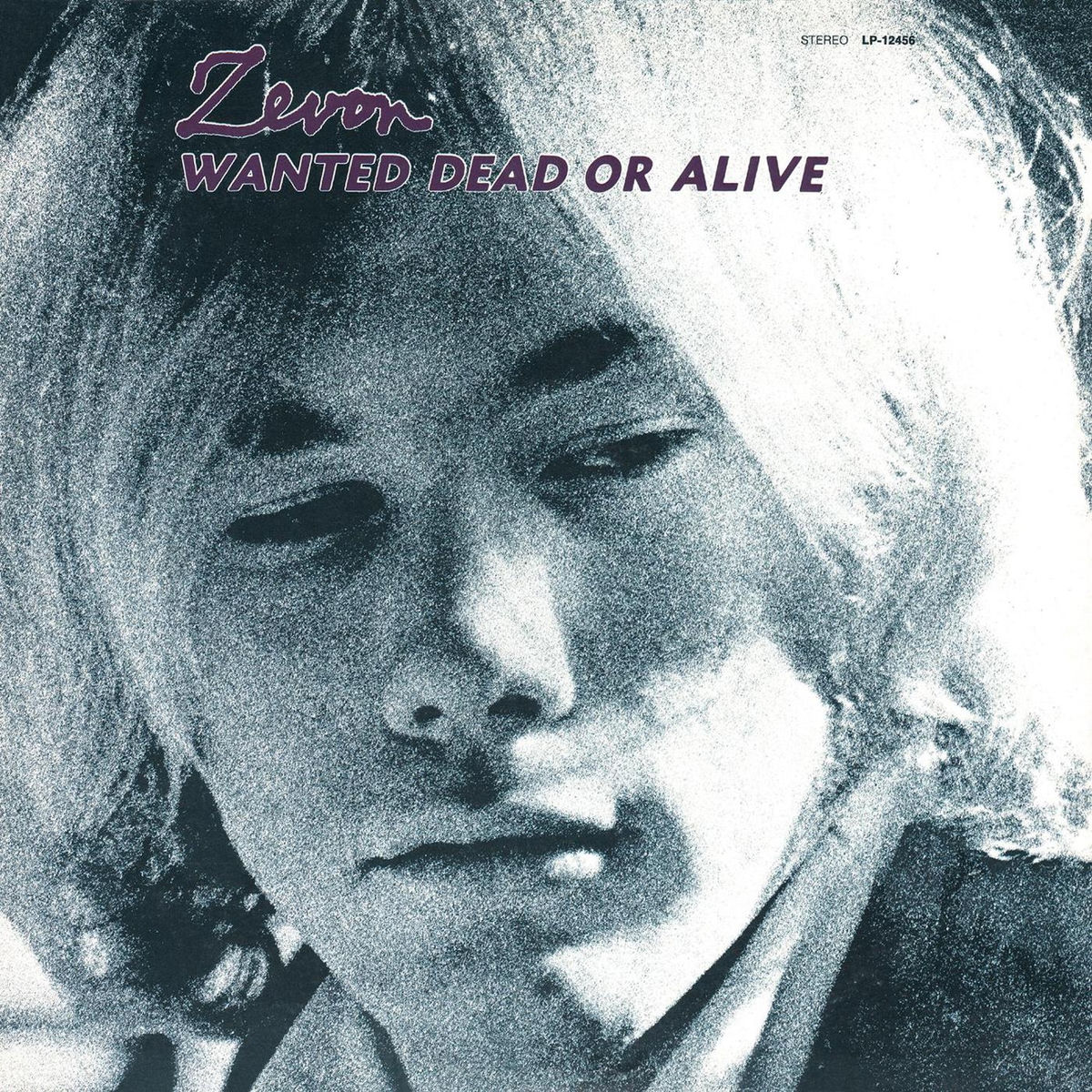
The debut LP from the great Warren Zevon did not make waves when it emerged in 1970, and to be honest we can see why. The sessions were a mess: producer Kim Fowley fell out with Zevon and walked off, later claiming that the 23-year-old just wanted to play every instrument himself and wouldn’t listen to anyone else.
The result? A slightly confused mix of rock, psychedelic rock and blues, with the odd glimpse of the talent Zevon would become but precious little of the sharp, darkly funny songwriting that would make his name. Zevon had to wait until 1976, when Jackson Browne helped him start afresh, for the (eponymous) album that finally showed the world what he could do.
13. Alice Cooper Pretties for You (1969)
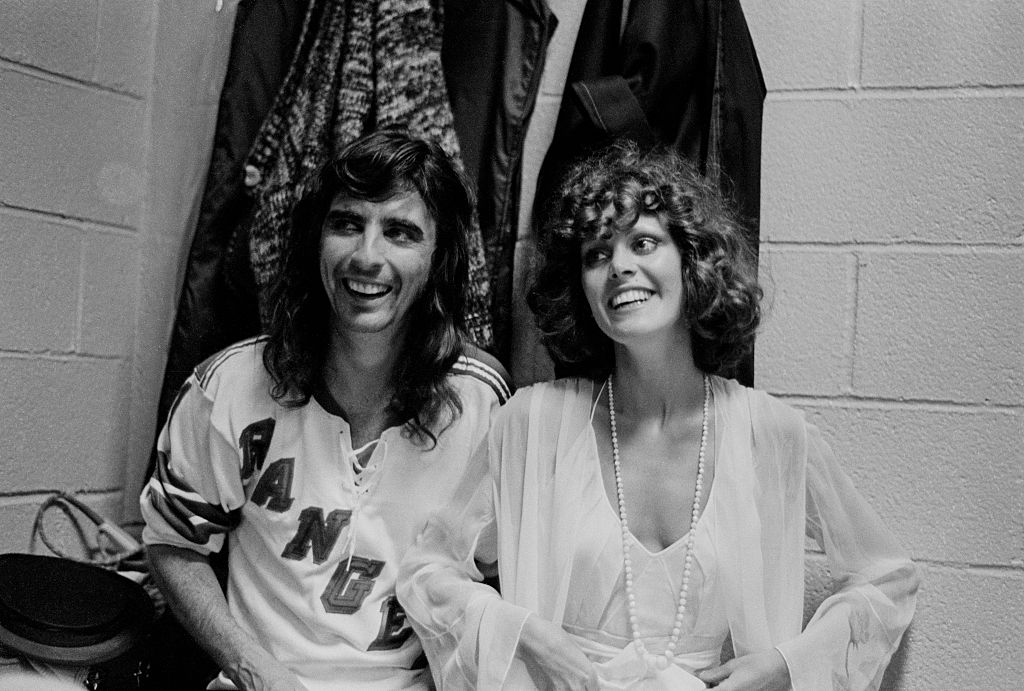
Originally produced by Frank Zappa, Alice Cooper's 1969 debut was a disjointed collection of psychedelic 'hippie weirdness' that bore little resemblance to where the band was heading. . Listeners were largely put off by the avant-garde time signatures and lack of clear hooks, and Pretties for You barely deted the charts. The King of Shock Rock has not turned up yet here.
Pics Getty Images
Top pic The cover of Billy Joel's Cold Spring Harbor, 1971