The 1960s ended not with a whimper, but with a series of tectonic crashes.
By 1970, the Sixties' 'Technicolor Dream' had faded into a cold, grey morning-after. The Beatles officially fractured, leaving a void where the world’s creative centre once sat, while the tragic deaths of Jimi Hendrix and Janis Joplin signalled the end of the psychedelic era’s invincibility. The peace-and-love ethos of Woodstock had been curdled by the violence of Altamont and the grim reality of the Vietnam War.
Consequently, the music of 1970 became heavier, more introspective, and deeply cynical. It was the year rock music grew up, traded its beads for denim, and looked inward. From the birth of heavy metal’s 'iron man' to the quiet, bruised confessions of the singer-songwriter movement, 1970 was a sprawling, brilliant, and often dark transition into a decade that would redefine the limits of the long-playing record.
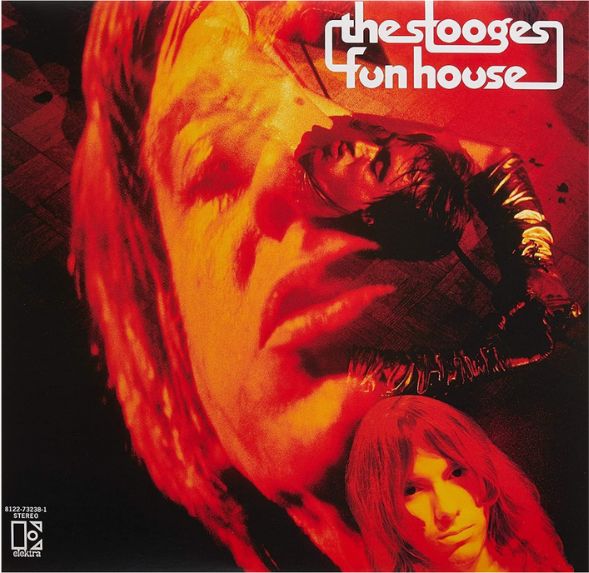
25. The Stooges – Fun House
If the 60s proclaimed that 'all you need is love', Fun House was the sound of a brick through a window. Iggy Pop and his band moved beyond the garage-rock of their debut into a primal, jazz-inflected chaos. The interplay between Steve Mackay’s screaming saxophone and Ron Asheton’s sludge-thick guitar created a terrifying, claustrophobic energy. It remains a foundational text for punk, capturing the raw, ugly, and exhilarating side of the 1970 hangover.
Key Track: T.V. Eye
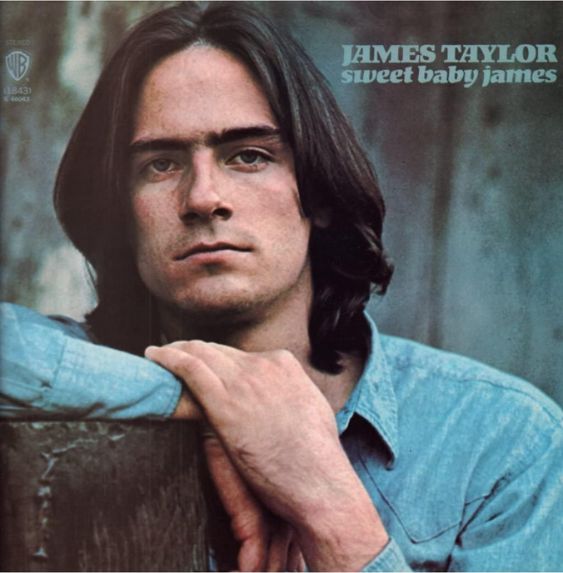
24. James Taylor – Sweet Baby James
As the volume of the late 60s became exhausting, James Taylor provided the antidote. This album defined the quintessential 70s singer-songwriter aesthetic: intimate, pastoral, and deeply personal. Taylor’s gentle fingerpicking and soothing baritone mask a record that deals with mental institutions and profound loneliness. It was a commercial juggernaut that signalled a shift away from stadium bombast toward the quiet sanctuary of the bedroom, making vulnerability the new 'cool' for a shell-shocked generation.
Key Track: Fire and Rain
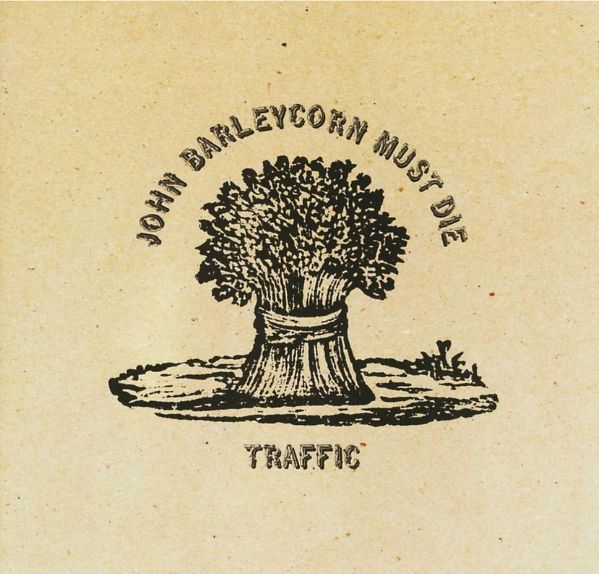
23. Traffic – John Barleycorn Must Die
After a brief hiatus during which he joined the short-lived Blind Faith, Steve Winwood reconvened Traffic for what was originally intended as a solo project. The result is a quintessential 'British' record – a seamless blend of jazz, folk and R&B that feels rooted in the very soil of the English countryside. The title track, a traditional folk ballad, is reinvented here as a haunting, jazz-rock epic. It represents the 1970 trend of rock musicians looking backward into history to find a new way forward.
Key Track: John Barleycorn (Must Die)
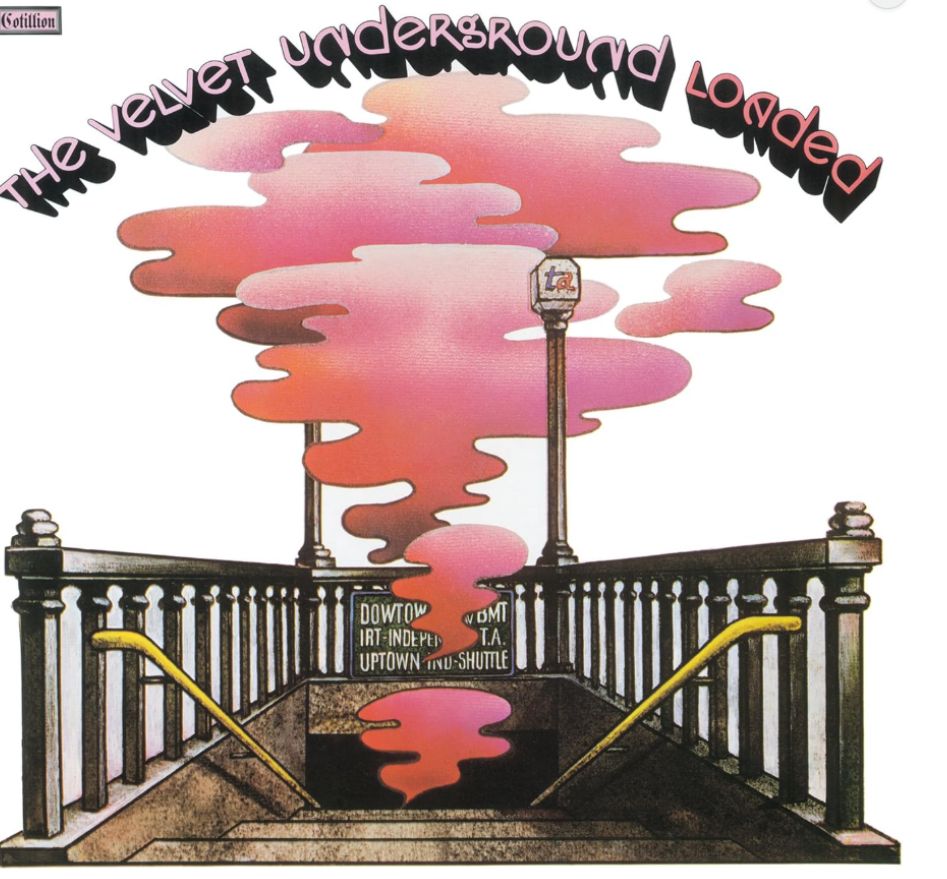
22. The Velvet Underground – Loaded
By 1970, Lou Reed was determined to make a 'loaded' album full of hits to save the Velvet Underground from what was looking like obscurity. While it lacked the experimental avant-garde drone of their earlier work, Loaded replaced it with an album of perfect rock and roll. It is a celebratory, sun-drenched record that still feels street-smart. Ironically, as the band was falling apart, they produced a collection of songs that proved they could write mainstream anthems as well as almost anyone else.
Key Track: Sweet Jane
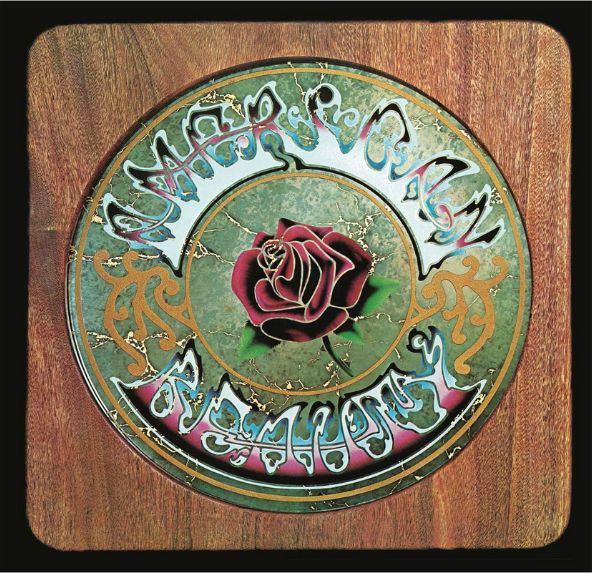
21. Grateful Dead – American Beauty
Abandoning the sprawling psychedelic jams of their earlier years, the Dead turned toward the heart of the country in 1970. American Beauty is a masterpiece of folk-rock and high-lonesome harmony. Influenced by their friendship with Crosby, Stills, Nash & Young, the band focused on tight songwriting and acoustic textures. It captures a sense of mortality and nostalgia, feeling like an old, weathered photograph of an America that was rapidly changing.
Key Track: Ripple
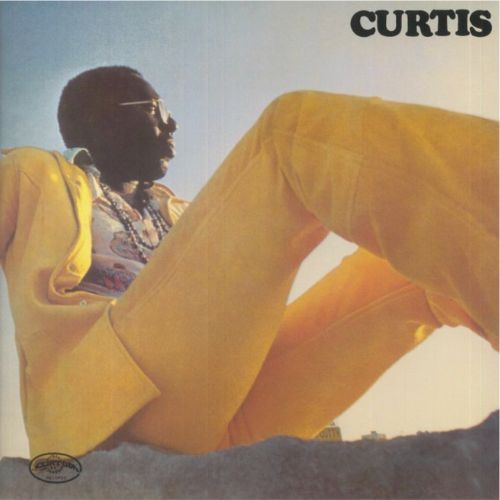
20. Curtis Mayfield – Curtis
Leaving The Impressions, Curtis Mayfield launched his solo career with a record that moved soul music into the cinematic and the political. With its fuzz guitars, soaring strings, and Mayfield’s effortless falsetto, the album addressed the Black experience in America with unflinching honesty. It set the stage for the socially conscious soul of the 1970s, proving that you could make people dance while simultaneously challenging their conscience and demanding justice.
Key Track: Move On Up
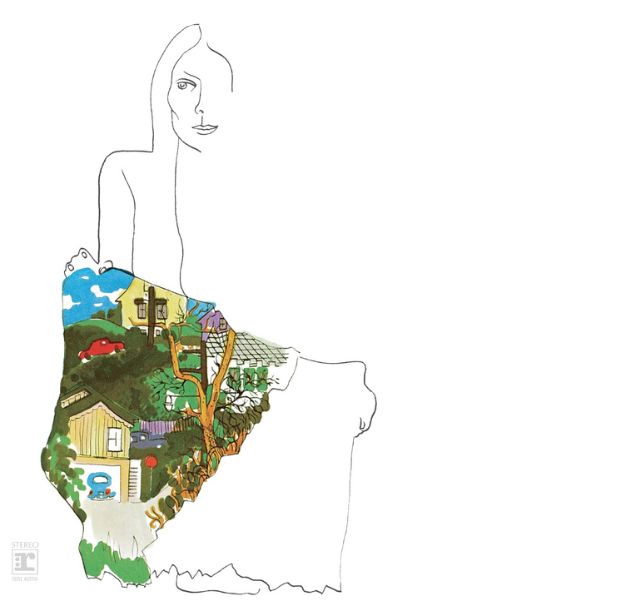
19. Joni Mitchell – Ladies of the Canyon
This is the bridge between Joni’s folk music origins and the sophisticated, jazz-inflected art she would soon create. It is a vivid portrait of the Laurel Canyon scene, blending sun-drenched domesticity with a growing sense of social unease. With her idiosyncratic guitar tunings and soaring piano melodies, Mitchell captured the transition from the hippie dream ('Woodstock') to the commercialized reality of the 1970s. It remains a towering achievement of female perspective and poetic songwriting.
Key Track: For Free
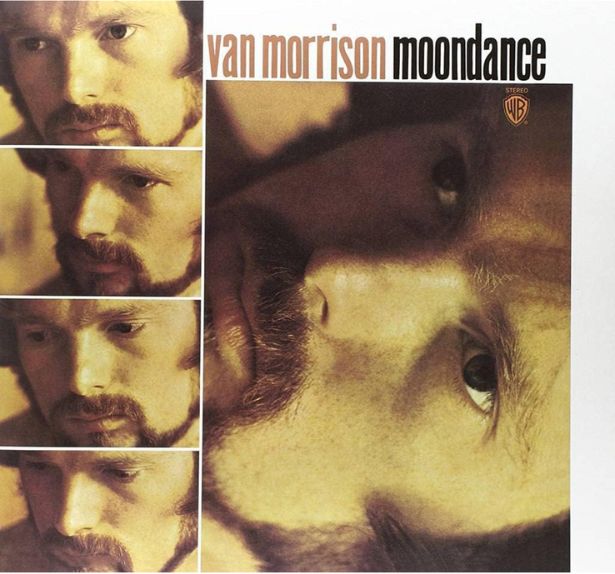
18. Van Morrison – Moondance
After the abstract, stream-of-consciousness beauty of Astral Weeks, Belfast troubadour Van Morrison returned to Earth with a tighter, jazz-inflected R&B sound. Moondance is a joyous, spiritually charged record that feels like a celebration of late-night mysticism. The brass arrangements are crisp, and Morrison’s vocals have never been more soulful or controlled. It is a sophisticated, 'grown-up' rock album that manages to be both commercially accessible and artistically profound.
Key Track: Into the Mystic
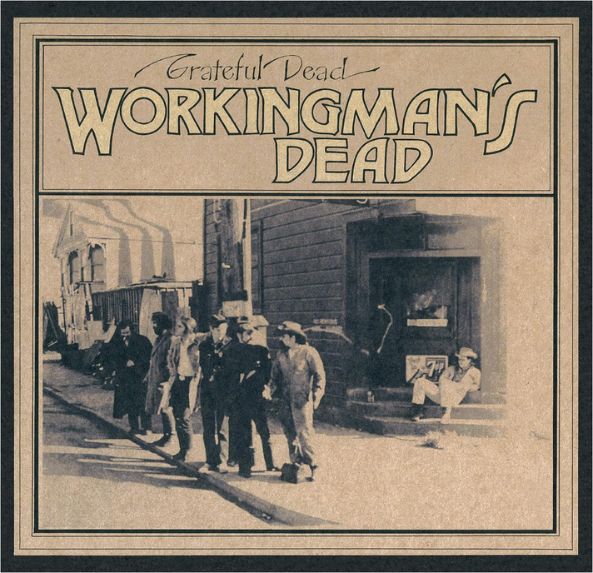
17. Grateful Dead – Workingman’s Dead
Released just months before American Beauty, this was the moment the Dead abandoned the lysergic jams of the 60s for the dusty trails of Americana. Inspired by the high-lonesome harmonies of the Bakersfield sound, the band traded their experimentalism for tight, blue-collar storytelling. It is a record steeped in the mythology of the American West – trains, outlaws, and hard-won wisdom – positioning the Dead as the quintessential band of the 'new' old America.
Key Track: Uncle John's Band
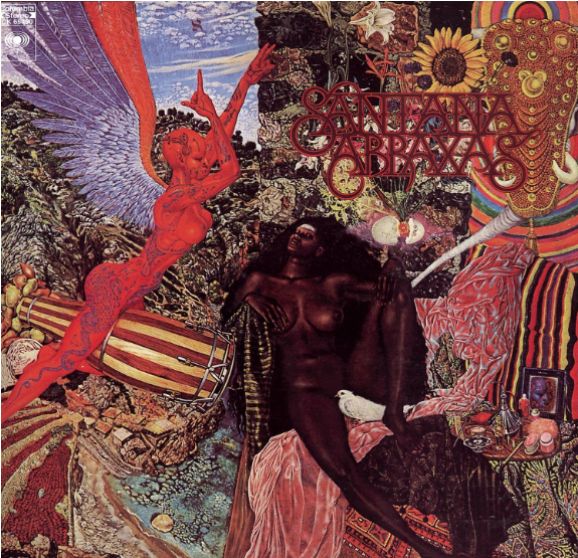
16. Santana – Abraxas
On their second album, Carlos Santana and his band perfected their fusion of Latin rhythms, jazz, and psychedelic blues. Abraxas is a sultry, atmospheric journey that feels incredibly fluid. The interplay between the percussion and Santana’s singing, sustain-heavy guitar lines created a sound that was both exotic and universally appealing. It remains a landmark of world-fusion, proving that rock and roll was a global language capable of absorbing any influence and turning it into gold.
Key Track: Black Magic Woman / Gypsy Queen
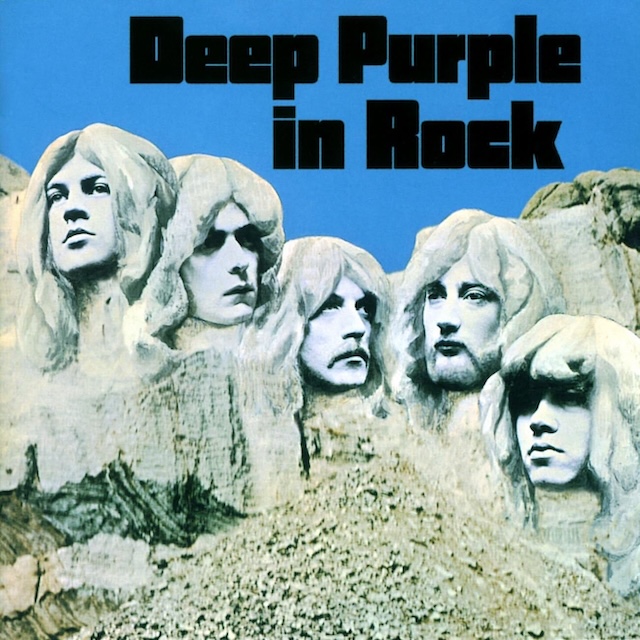
15. Deep Purple – In Rock
This album is the blueprint for the 'Mark II' lineup, capturing the moment Deep Purple abandoned psychedelic pop for blistering, high-velocity hard rock. Ian Gillan’s glass-shattering screams and Ritchie Blackmore’s neo-classical guitar shredding on tracks like 'Speed King' and 'Child in Time' set a new standard for heavy metal. It is a loud, uncompromising record that defined the genre's power.
Key Track: Speed King
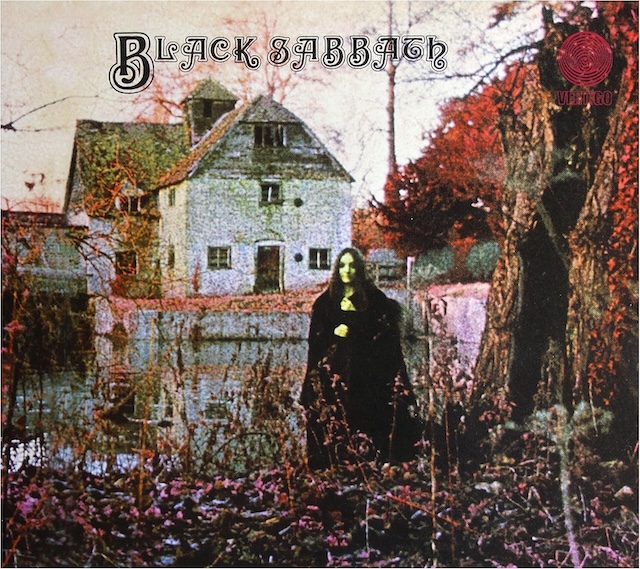
14. Black Sabbath – Black Sabbath
Everything changed on Friday the 13th of February, 1970. When the needle first hit the groove of Black Sabbath’s debut, the opening three notes of the title track – the dissonant, tritone or 'Devil's Interval' –signalled the terrifying birth of a new world. This album is the true 'morning after' the Sixties; it effectively snuffed out the flickering candles of the hippie dream, replacing the California sun with the bleak shadows of the occult and the soot-choked smog of the industrial English Midlands. It remains the definitive 1970 record, a seismic shift that birthed the entire heavy metal universe from the ashes of flower power.
Key Track: Black Sabbath
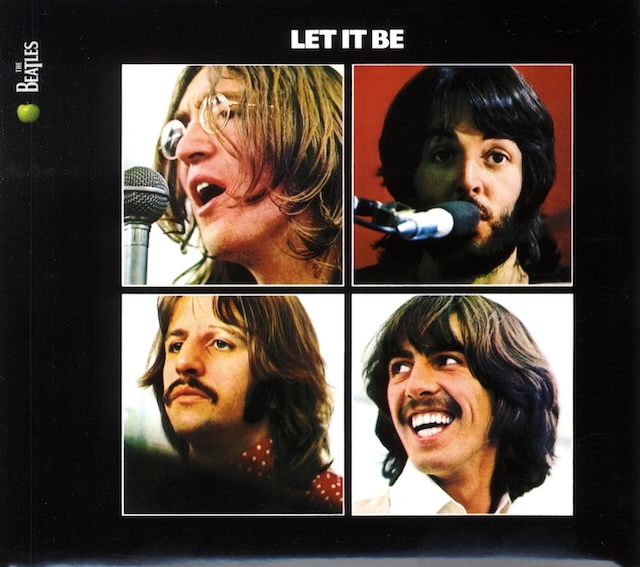
13. The Beatles – Let It Be
Released a month after the band’s public split, Let It Be serves as a ragged, bittersweet farewell. While the 'Get Back' sessions were famously fraught with tension, the resulting album contains some of the most enduring hymns in the rock canon. From the serene title track to the raw rock and roll of 'Get Back', Let It Be captures the world’s greatest band trying to return to their roots even as their foundation was crumbling. It is the definitive soundtrack to the end of an era.
Key Track: Across the Universe
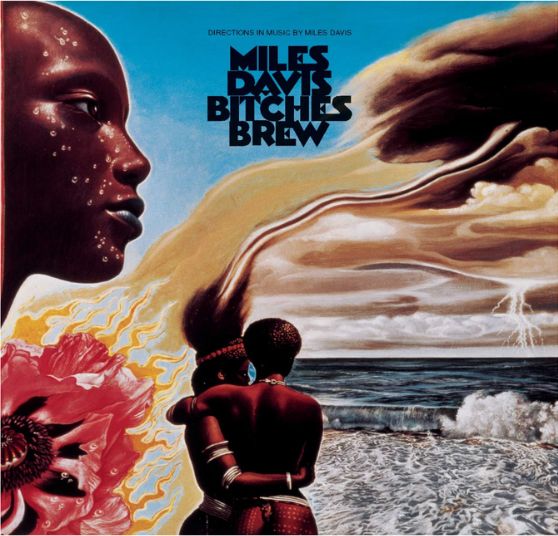
12. Miles Davis – Bitches Brew
This wasn't just an album; it was a boundary-dissolving explosion. Miles Davis plugged in his trumpet and led a large ensemble into a dark, swirling world of electric funk and avant-garde jazz. It is a dense, challenging, and hallucinatory record that terrified jazz purists but captivated the rock world. By merging the sophistication of jazz with the volume and intensity of rock, Davis created the blueprint for fusion and proved that the 70s would be a decade of limitless sonic experimentation.
Key Track: Pharaoh's Dance
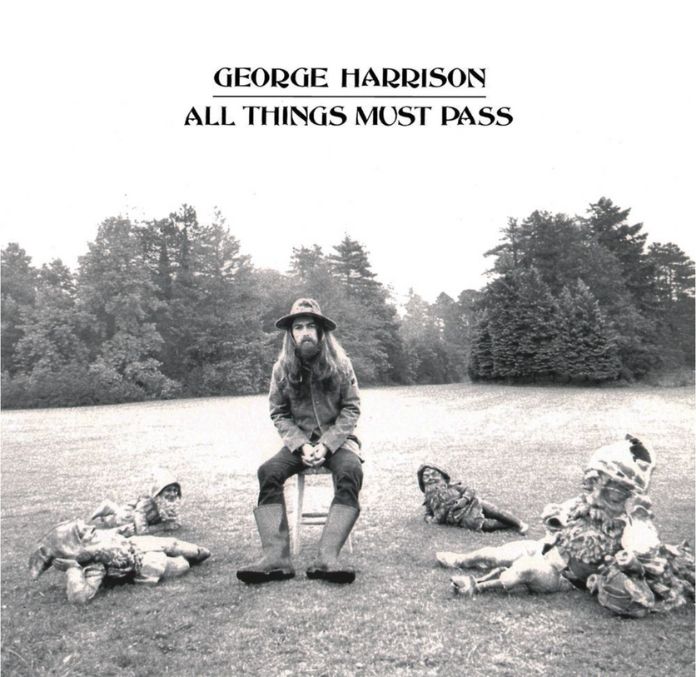
11. George Harrison – All Things Must Pass
For years, George Harrison’s songwriting was stifled by the Lennon-McCartney shadow; in 1970, the dam finally broke. This triple-album is a sprawling, Phil Spector-produced 'Wall of Sound' masterpiece of spiritual yearning and slide guitar. It is a deeply religious and philosophical record that feels like a deep sigh of relief. By far the most successful and cohesive debut of any ex-Beatle, it proved that George was a songwriting giant who had been hiding in plain sight.
Key Track: My Sweet Lord
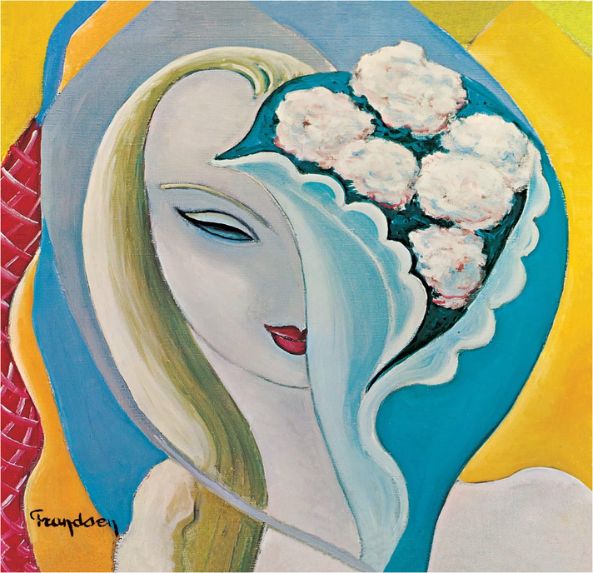
10. Derek and the Dominos – Layla and Other Assorted Love Songs
Born out of Eric Clapton’s unrequited love for Pattie Boyd, this double album is the ultimate blues-rock exorcism. The addition of Duane Allman’s soaring slide guitar pushed Clapton to a level of passion he never reached again. It is a raw, sweating, and heart-wrenching record that feels like a live session in a humid studio. It’s an album about pain, obsession, and the redemptive power of the electric guitar, culminating in the most famous coda in rock history.
Key Track: Layla
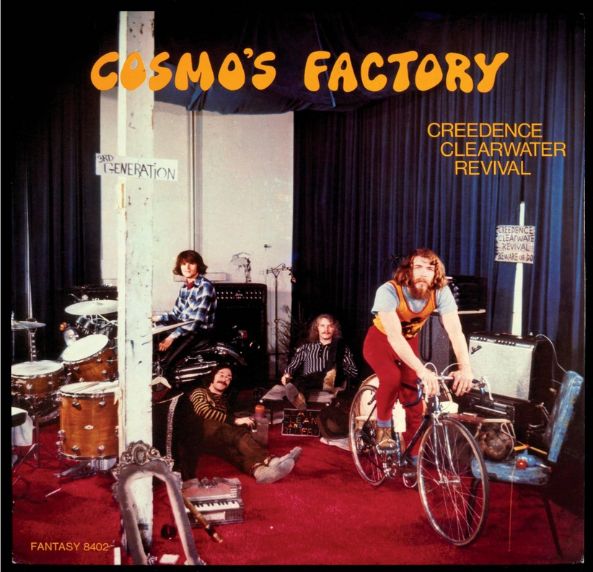
9. Creedence Clearwater Revival – Cosmo's Factory
The absolute peak of Creedence's commercial and creative dominance, this album is a masterclass in roots rock. John Fogerty’s uncanny ability to churn out hits like 'Travelin' Band' and 'Up Around the Bend' while delivering an 11-minute psych-blues workout of 'I Heard It Through the Grapevine' is staggering. It remains the definitive document of Americana – despite the band hailing from Northern California. Key Track: Up Around the Bend
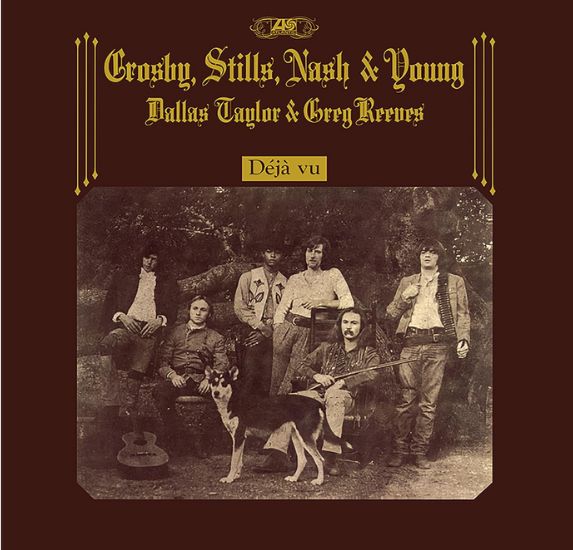
8. Crosby, Stills, Nash & Young – Déjà Vu
The addition of Neil Young turned a successful folk-pop trio into a volatile, high-stakes rock supergroup. Déjà Vu is a meticulously crafted album that captures the fractured spirit of the American counterculture. The harmonies are pristine, but the underlying tension is electric. From the Woodstock-era anthem 'Woodstock' to the domestic bliss of 'Our House', it covers the entire emotional spectrum of a generation trying to find its way back to the garden.
Key Track: Helpless
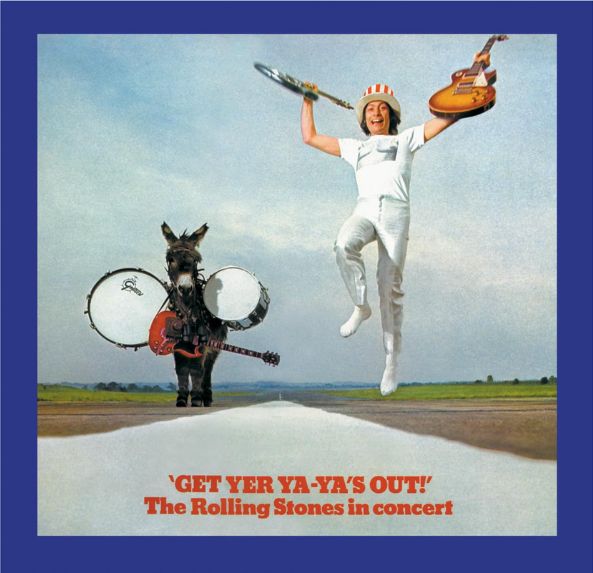
7. The Rolling Stones – Get Yer Ya-Ya’s Out!
Simply, one of the best live albums ever made. Recorded at Madison Square Garden in late 1969 and released in 1970, it captures the Rolling Stones at their 'World’s Greatest Rock and Roll Band' peak. With Mick Taylor’s fluid guitar leads adding a new level of sophistication to Keith Richards’ gritty riffs, the band sounds dangerous, sleazy, and unstoppable. It serves as the perfect, high-octane epitaph for the 60s live circuit.
Key Track: Midnight Rambler
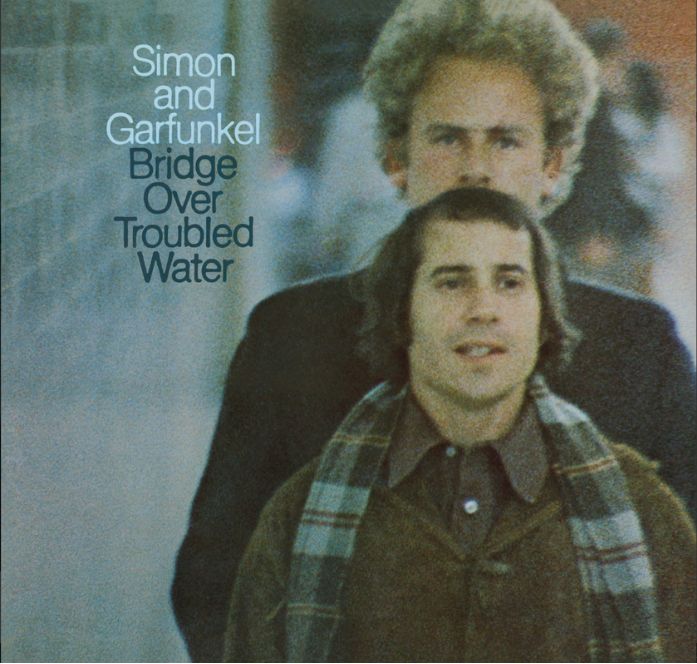
6. Simon & Garfunkel – Bridge Over Troubled Water
The final studio album from the most successful duo in history is a monumental achievement in production and harmony. It is a record of immense scale, shifting from the gospel-soaked title track to the Andean folk of 'El Condor Pasa'. Despite the soaring music, there is a palpable sense of the duo’s impending breakup: a bittersweet quality that mirrored the end of the 1960s itself. It remains one of the best-selling and most beloved records of all time.
Key Track: The Boxer
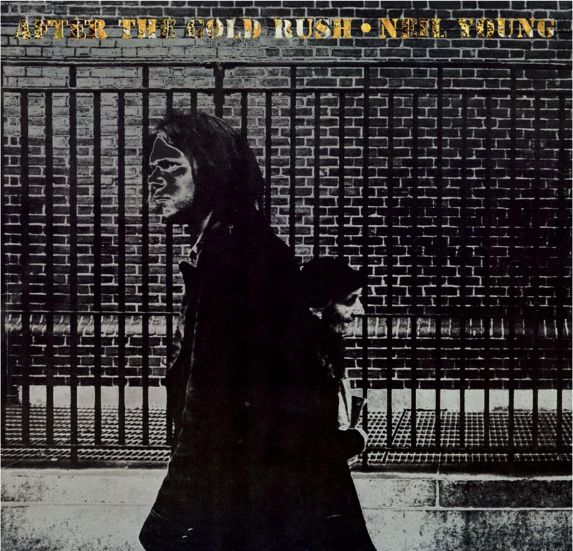
5. Neil Young – After the Gold Rush
While his peers were aiming for the stadium, Neil Young retreated to his basement to record this ragged, beautiful folk-rock masterpiece. Moving between lonely piano ballads and crunchy, fuzz-drenched rockers, Young explored themes of environmental decay, lost love, and the failure of the 60s dream. His high, fragile voice gives the record a sense of desperate honesty. It is an album of incredible intimacy that remains the definitive blueprint for the sensitive loner-rocker.
Key Track: Southern Man
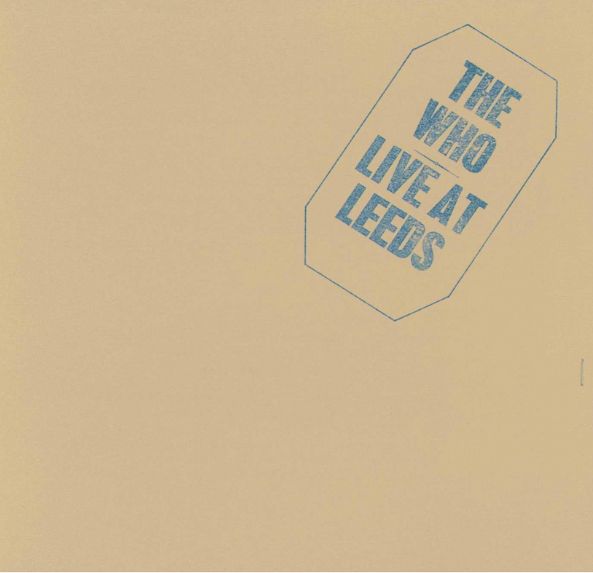
4. The Who – Live at Leeds
Widely considered the greatest live rock album ever recorded, Live at Leeds captures The Who at their most feral and athletic. Stripped of the studio polish of Tommy, the band becomes a thunderous, improvisational beast. Pete Townshend’s power chords and Keith Moon’s explosive drumming transform 'My Generation' into a sprawling, 15-minute masterpiece of controlled chaos. It is the raw, beating heart of 70s rock.
Key Track: My Generation
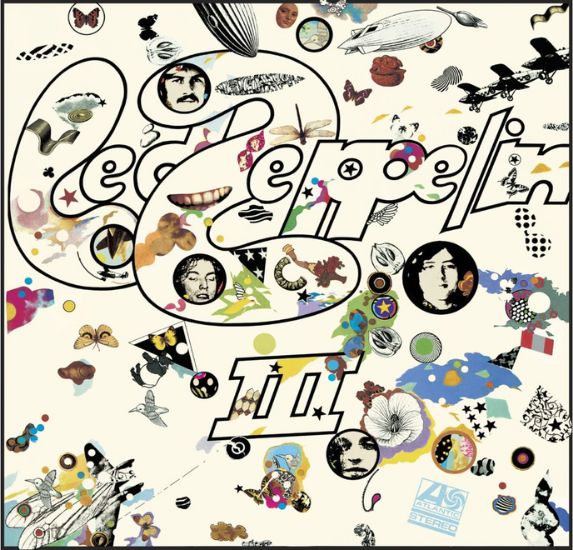
3. Led Zeppelin – Led Zeppelin III
After two albums of heavy-blues dominance, Led Zeppelin shocked the rock world by going acoustic. Drawing from Celtic folk music and their retreat to the Welsh cottage Bron-Yr-Aur, the band showed a newfound light and shade. While opener 'Immigrant Song' provided the thunder, the rest of the album was a pastoral, mandolin-heavy exploration of British tradition. It proved that Zeppelin were not just heavy, but a multifaceted musical force capable of profound subtlety and ancient, mystical atmosphere.
Key Track: Since I've Been Loving You
2. John Lennon – John Lennon/Plastic Ono Band
If Paul McCartney’s 1970 debut was a gentle retreat to the farm, Lennon’s was a primal scream. Stripping away all the artifice of The Beatles, John delivered his most jarringly honest work. Influenced by Arthur Janov’s Primal Therapy, the lyrics deal with the loss of his mother, the death of the Beatles, and his own childhood trauma. The production is stark and skeletal, placing his raw, pained voice at the centre. It is the most brave and nakedly vulnerable album in rock history.
Key Track: God
1. Black Sabbath – Paranoid
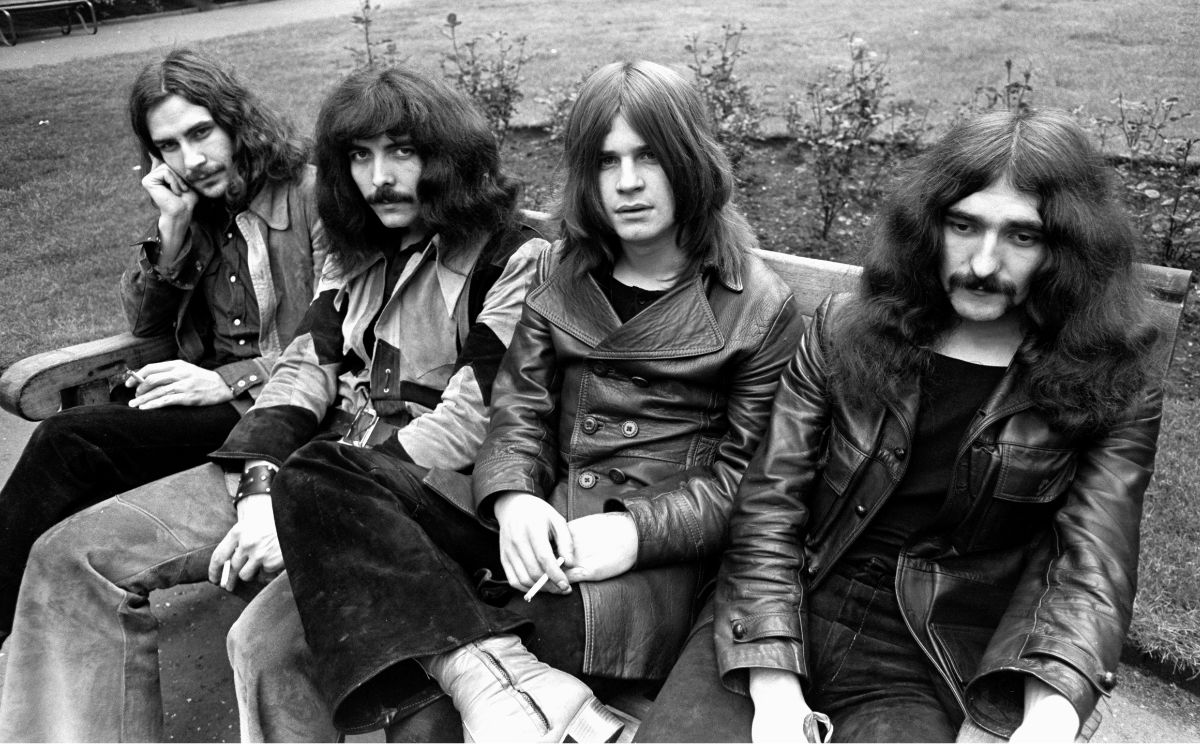
Released just months after Black Sabbath’s self-titled debut, Paranoid arrived like a lightning bolt of industrial dread, serving as the definitive blueprint for the entire heavy metal genre. Tony Iommi’s monolithic, downturned riffs and Geezer Butler’s doom-laden lyrics – exploring the horrors of Vietnam, the vacuum of mental collapse, and the shadows of the occult – provided a jagged, uncompromising contrast to the fading optimism of the hippie era.
From the relentless gallop of the title track to the crushing anti-war sentiment of 'War Pigs', it is a heavy, rhythmic, and surprisingly catchy record. It successfully captured the soot-stained grit of Birmingham’s working-class heart and exported it to the world, creating a dark, enduring new religion for a disaffected generation of youth who found the Summer of Love ringing hollow.
Key Track: War Pigs
Pics Getty Images