Rock reunions are supposed to be moments of triumph – a chance to rekindle chemistry, relive glory days, and remind fans why they fell in love in the first place.
But sometimes, lightning simply refuses to strike twice. For every euphoric comeback tour, there’s a reunion mired in tension, nostalgia fatigue, or plain bad timing. Whether undone by clashing egos, creative exhaustion, or a sense that the world had simply moved on, these bands proved that not every legend can be rebuilt.
From The Byrds’ half-hearted 1973 gathering to The Police’s politely professional victory lap, these attempts to revive old magic ended up exposing the fragility behind rock’s most mythic partnerships. The result? A fascinating catalogue of almosts, misfires, and reminders that sometimes, the most powerful thing a band can do – is stay broken up.
1. The Byrds (1972-73)
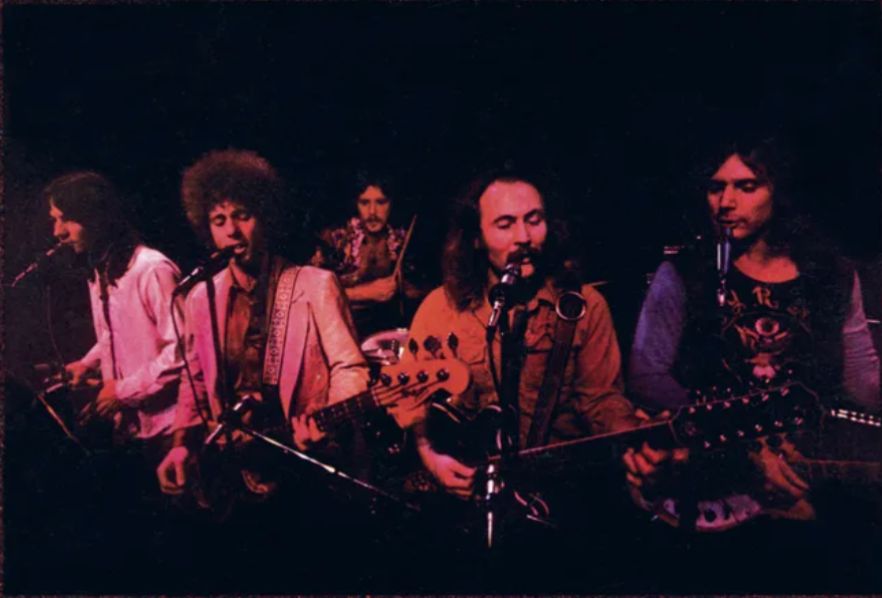
In 1973, the original 1965 Byrds quintet – Roger McGuinn, David Crosby, Chris Hillman, Gene Clark, and Michael Clarke – finally reunited.
Fans hoped for a return to Mr Tambourine Man brilliance: chiming guitars, close harmonies, that singular folk-rock sparkle. What they got instead was a collection of polished but disconnected solo efforts. Each Byrd brought in his own song, recorded largely in isolation, with little of the group interplay that once defined them.
David Crosby’s smooth, West Coast-style production further diluted the edge, smothering Roger McGuinn’s trademark Rickenbacker shimmer beneath layers of studio sheen. The result was technically competent but emotionally flat – a band that sounded like five solo artists sharing a sleeve rather than a vision. Byrds wasn’t a disaster, but it was a wistful reminder that the magic of their 1960s flight depended on unity, energy, and the restless tension that time had quietly dissolved.
2. The Knack (1991)
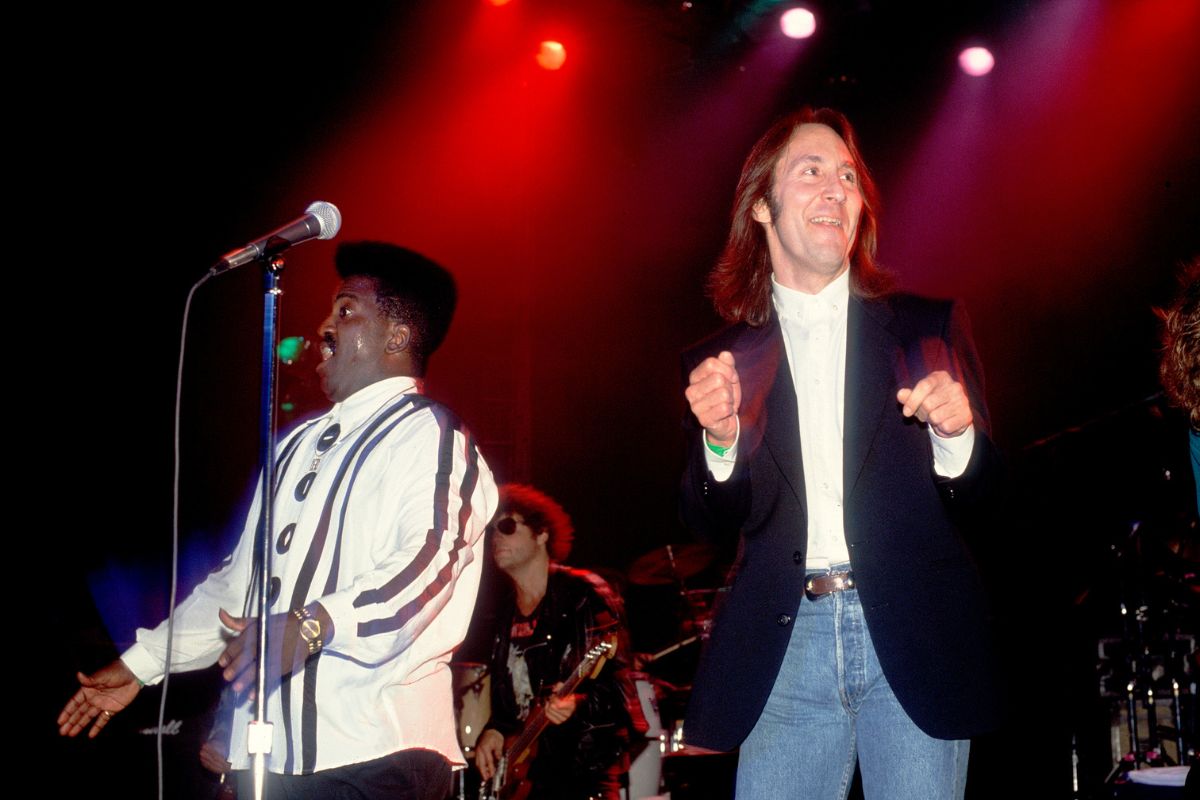
The Knack’s 1991 reunion with the album Serious Fun is one of the most stark examples of a band misreading the room.
In 1979, they were a global phenomenon, but they had also become victims of one of the most aggressive 'anti-hype' backlashes in music history. By the time they returned over a decade later, the power-pop sheen that made 'My Sharona' a hit was considered radioactive.
Produced by the legendary Don Was, Serious Fun attempted to add a harder, more contemporary rock edge to their sound, but the public remained indifferent. The band found themselves in a cruel limbo: too 'pop' for the burgeoning alternative scene and too 'old news' for the Top 40. Lead singer Doug Fieger’s undeniable gift for a hook couldn't overcome the 'Knack-phobia' that still lingered from their overexposed peak.
The album sank without a trace, proving that once the industry and the public turn on a 'manufactured' sensation, a second act is nearly impossible to secure.
3. Emerson, Lake & Palmer (1992)
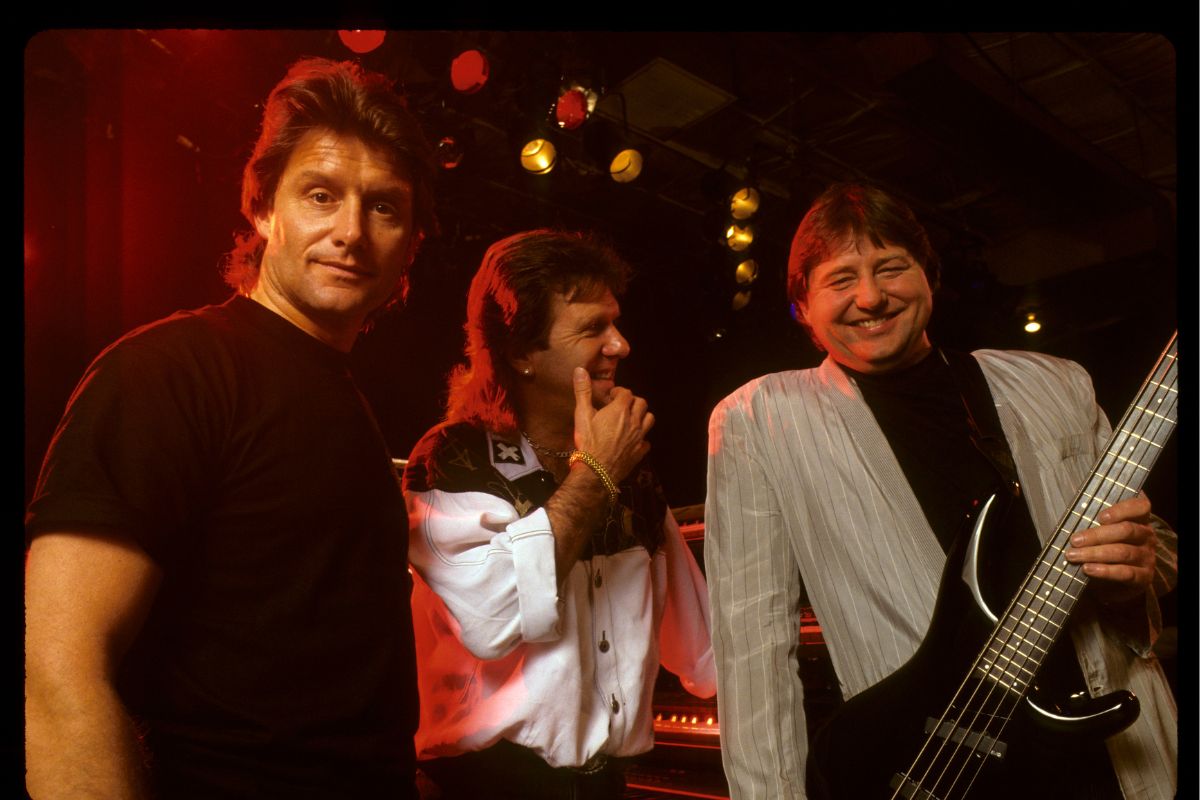
When the prog rock triumvirate reunited in 1992 for the album Black Moon, they were attempting to reclaim a throne that had long since been dismantled.
In the early 1970s, ELP represented the apex of rock bombast, but the early 1990s musical landscape was defined by the stripped-back grit of grunge – the literal antithesis of a twenty-minute Moog synthesizer solo.
While the musicianship was still technically staggering, the ELP 'magic' was now hampered by physical decline. Keith Emerson was beginning to suffer from repetitive stress injuries in his right hand, and Greg Lake’s once-crystalline angelic voice had deepened into a gravelly baritone. The subsequent tours saw the band playing to dwindling audiences in smaller venues, a far cry from the stadiums they once filled with literal cannons and rotating pianos.
It was a dignified effort, but it ultimately proved that their brand of high-art excess was a relic of a very specific cultural moment that could not be manufactured a second time.
4. The Velvet Underground (1993)
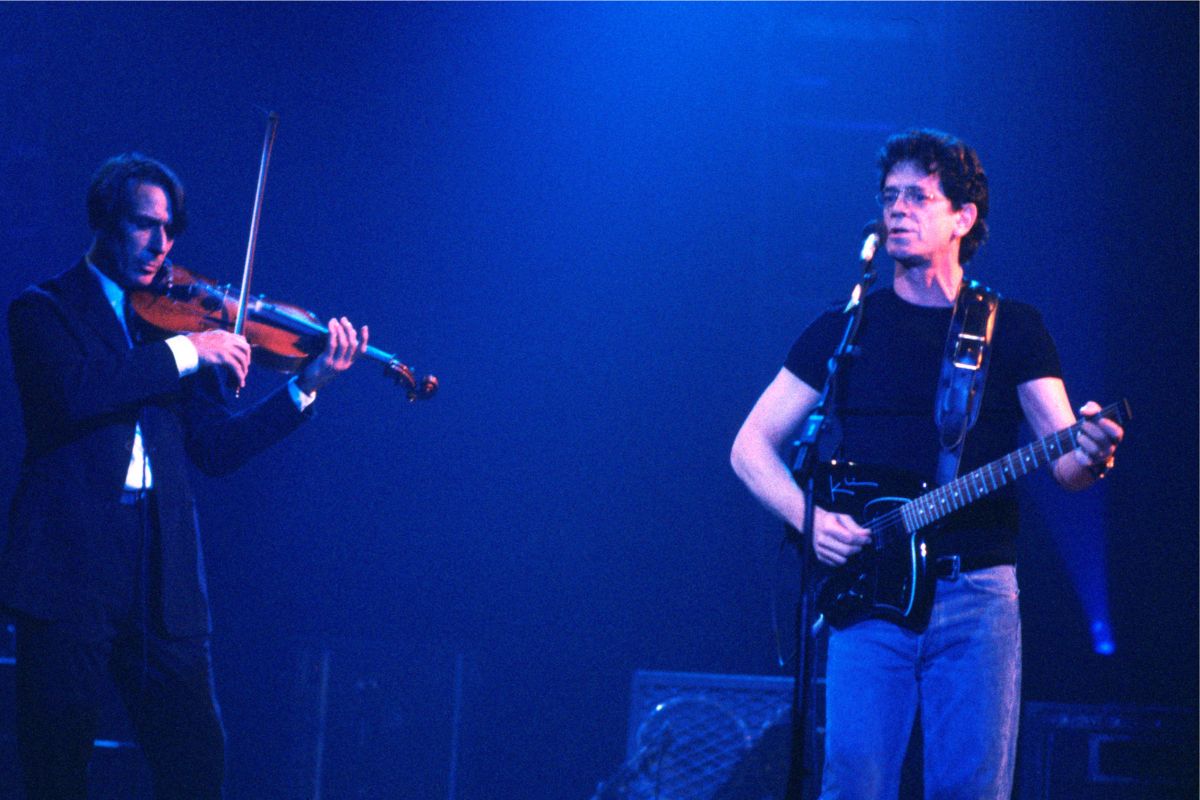
Lou Reed and John Cale’s relationship had always been volatile – the combustible engine that powered The Velvet Underground’s genius.
Reed’s streetwise minimalism clashed with Cale’s avant-garde intensity, and by 1968 their creative rivalry boiled over, with Reed pushing Cale out of the band.
For years, bitterness festered. Yet in 1993, after Cale and Reed had reconciled to make Songs for Drella (their elegy for Andy Warhol), the unthinkable happened: the original Velvets – Reed, Cale, Sterling Morrison, and Moe Tucker – reunited for a European tour.
Early shows were electric, reverent yet raw; when they launched into 'Venus in Furs' or 'Heroin', the years fell away. But the fragile peace didn’t last. Old tensions – over control, credit, and personality – resurfaced during plans for a U.S. leg and live album. Reed’s domineering ways reignited the feud, and Cale walked. Morrison’s death in 1995 sealed the band’s fate.
In later years, Reed and Cale reconciled at a respectful distance – mutual admiration tempered by history. Cale once remarked that he’d rather remember their work than their arguments; Reed, before his death in 2013, called their time together 'a perfect storm of creation and conflict'.
5. Jefferson Airplane (1989)
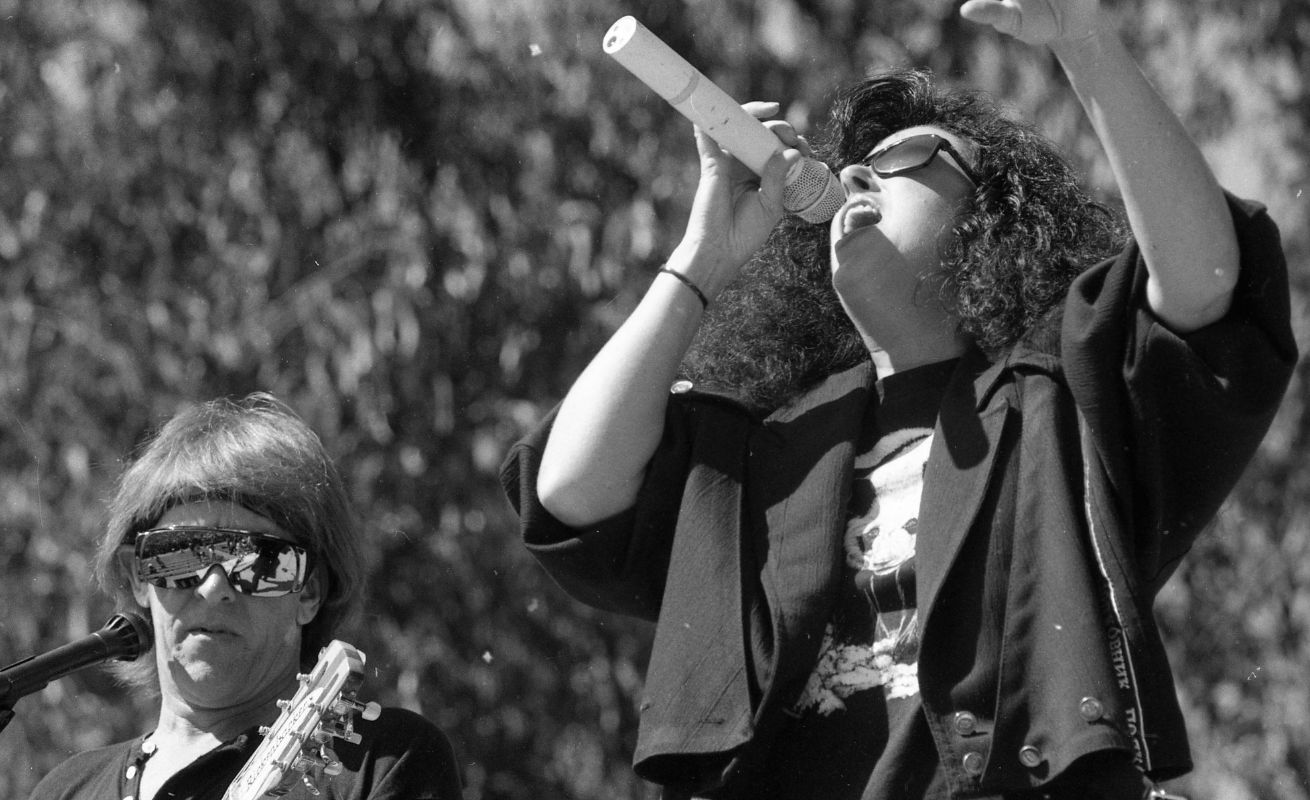
Two decades after their landmark psychedelic album Surrealistic Pillow, Grace Slick, Paul Kantner, and Marty Balin reunited for an eponymous album and brief tour.
Unfortunately, the record – drenched in dated ‘80s production – replaced the band’s acid-folk bite with glossy AOR mush. Slick herself later called it 'a mistake'. The reunion showed how psychedelic fire and middle-aged professionalism rarely mix; what once felt revolutionary now sounded like it belonged in a shopping mall.
6. The Doors (2000s)
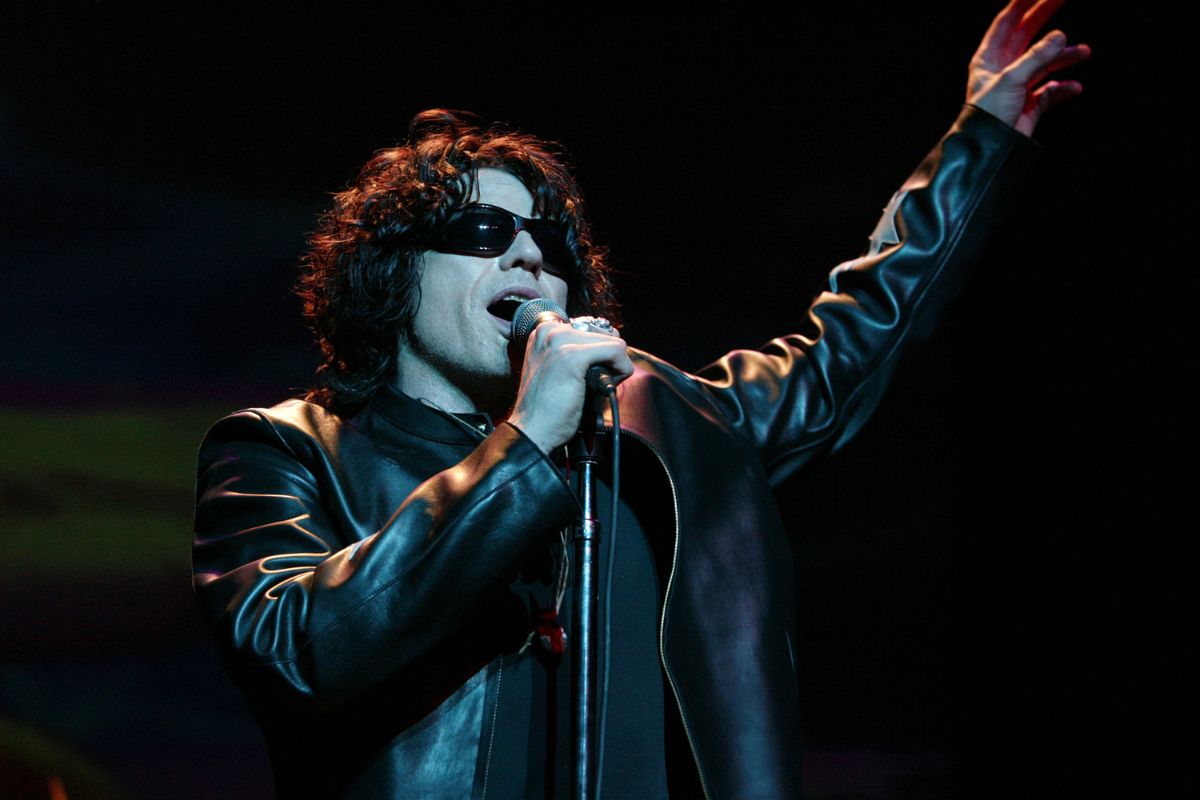
When Ray Manzarek and Robby Krieger re-formed as The Doors of the 21st Century, enlisting Ian Astbury of The Cult as frontman, it was a bold but uneasy experiment.
Astbury’s deep, brooding baritone echoed Morrison’s timbre, but without his wild, poetic unpredictability it felt more a tribute act than a true reincarnation.
Legal battles soon erupted, with drummer John Densmore and Jim Morrison’s estate successfully suing over the use of The Doors name. Onstage, the performances were polished yet haunted, evoking memory more than magic. What once felt mystical and dangerous now resembled a high-end séance – competent, respectful, but undeniably spectral.
See what you make of Astbury's Morrison, below:
7. The Police (2007-08)
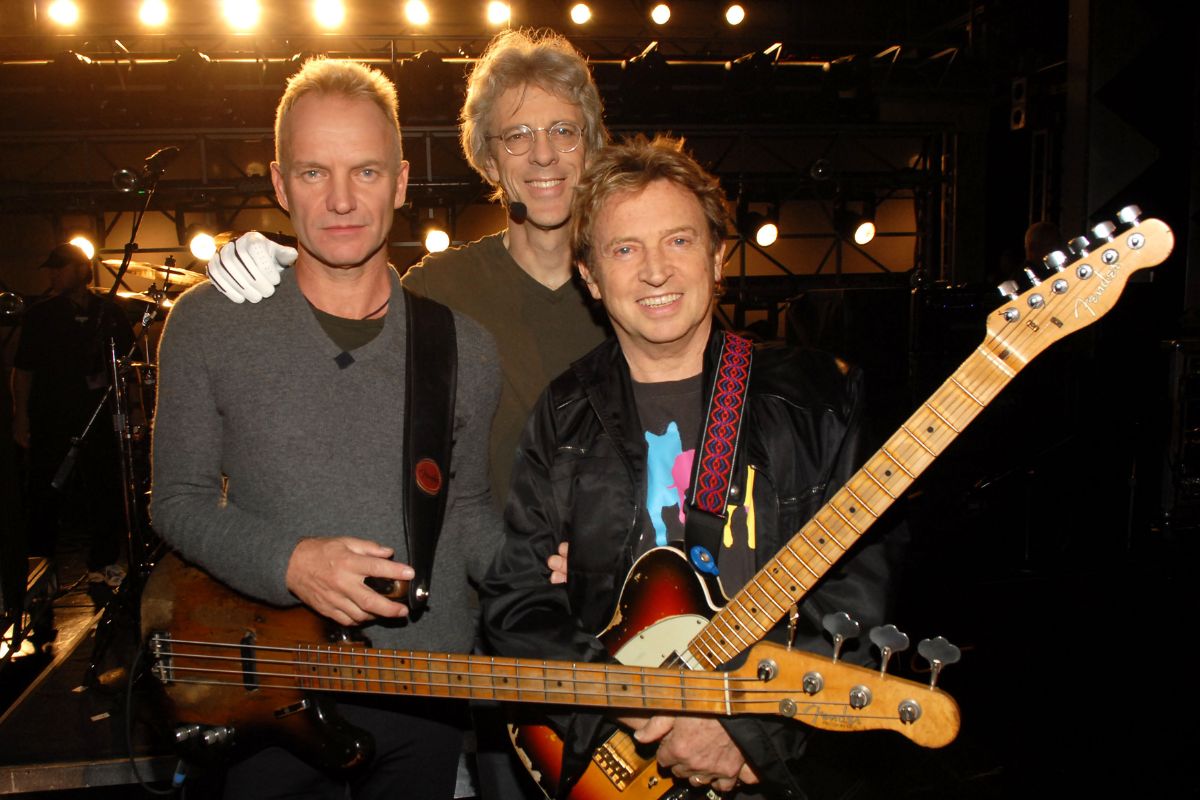
Bear with us here.
The Police’s 2007-08 reunion was, by almost any commercial measure, a triumph. Tickets sold rapidly, stadiums filled across Europe and North America, and the band’s greatest songs sounded as powerful as ever. Sting, Andy Summers and Stewart Copeland were still formidable musicians, and the tour grossed hundreds of millions of dollars.
But the reunion also exposed why The Police had broken up in the first place. Sting and Copeland’s old friction quickly resurfaced, with arguments over tempos, arrangements and the running order of shows. The musicians could recreate the sound, but not the restless creative partnership that had made the original band so exciting.
In that sense, The Police reunion was a strange kind of failure: a spectacularly successful tour that proved the old chemistry couldn’t really be brought back.
8. Cream (2005)
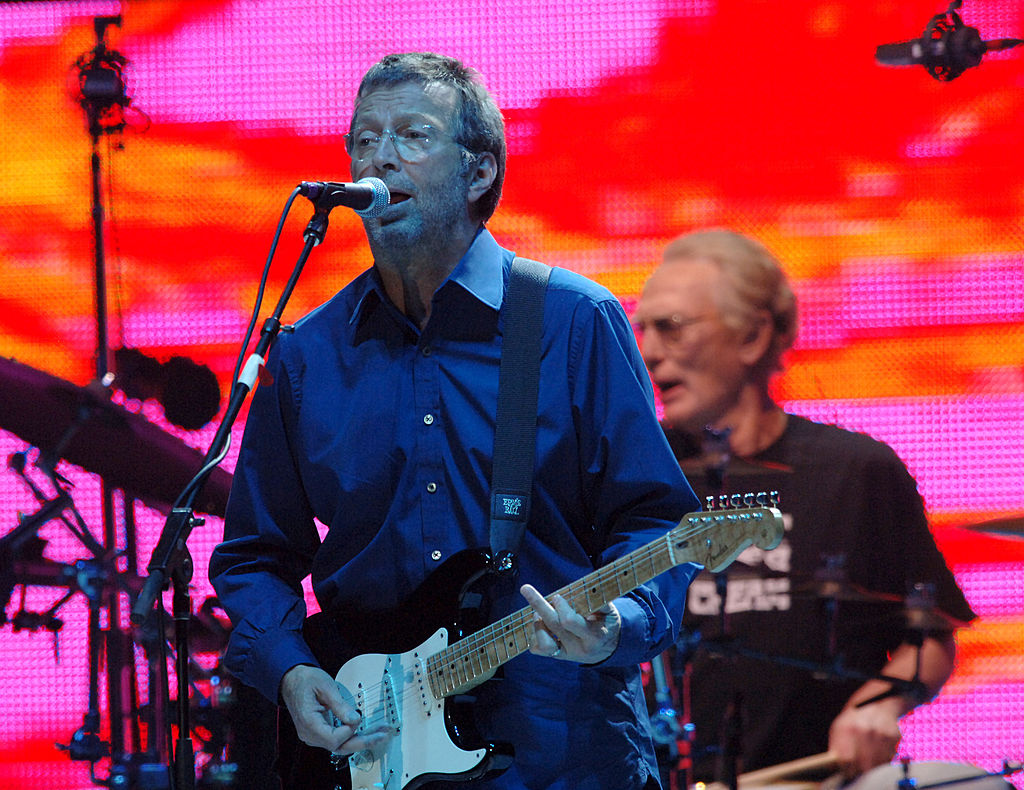
Cream's 2005 reunion looked irresistible on paper: Eric Clapton, Jack Bruce and Ginger Baker, reunited for the first time in nearly four decades.
Four shows at London's Royal Albert Hall sold out almost instantly, followed by three nights at New York's Madison Square Garden. Yet the performances revealed just how much time had passed. The musicians were still superb, but the explosive telepathy that had made Cream revolutionary in the 1960s had largely given way to measured, sometimes stately performances.
The old tensions hadn't disappeared either. Baker and Bruce had never been natural partners, and their famously fractious relationship remained part of the band's story. Cream could still play the songs brilliantly – but recreating the music wasn't quite the same as recreating the magic.
9. The Animals (1983)
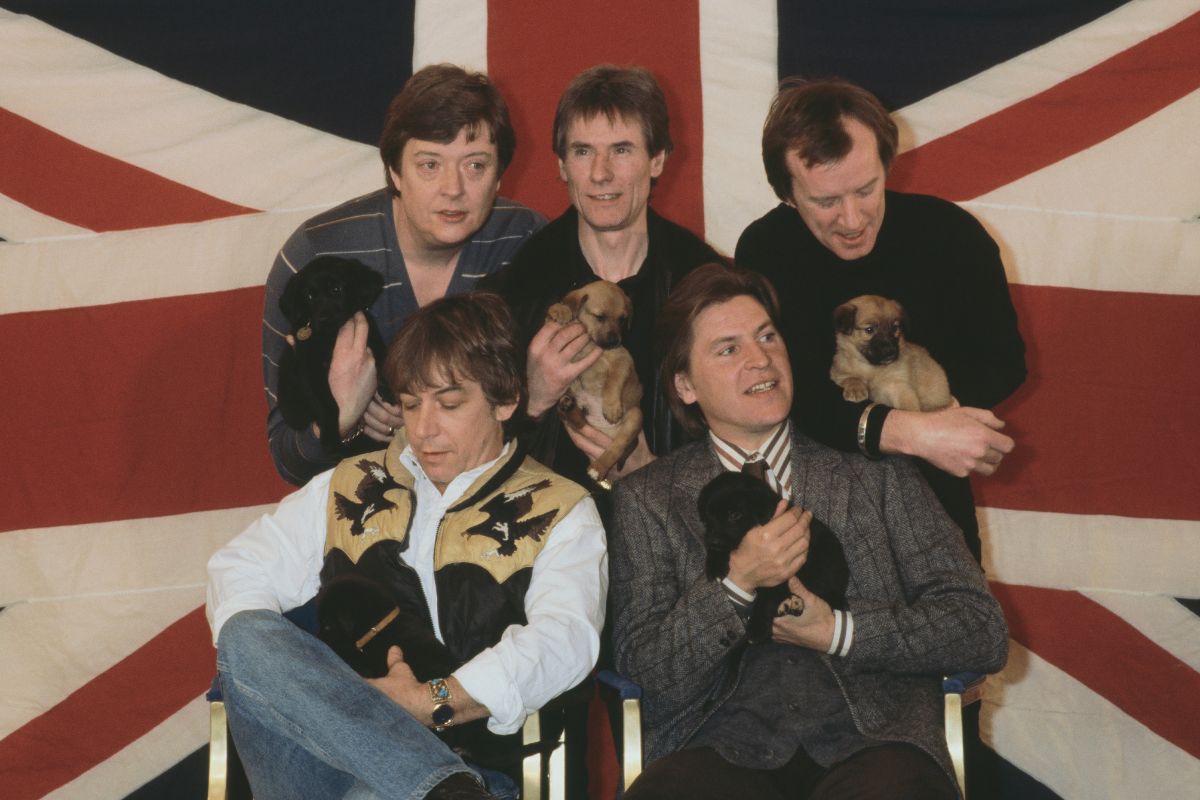
Eric Burdon and the original Animals reunited in 1983 for the album Ark and a supporting tour, but the results were disappointing.
The band’s original strength lay in raw, visceral rhythm and blues, characterised by gritty organ riffs, punchy guitar, and Burdon’s impassioned vocals. On Ark, they embraced synth-heavy production and contemporary studio polish, which smoothed away the ragged edges that had made their early work thrilling.
Burdon still sang with power, but the emotional urgency of classics like House of the Rising Sun was largely absent. While the album and tour offered nostalgia, they highlighted what had been lost: the unvarnished energy, rebellious spirit, and spontaneous interplay that defined the Animals at their peak. The attempt to modernise their sound revealed that some magic doesn’t translate, leaving fans wistful for the raw intensity of the 1960s.
10. New York Dolls (2004)
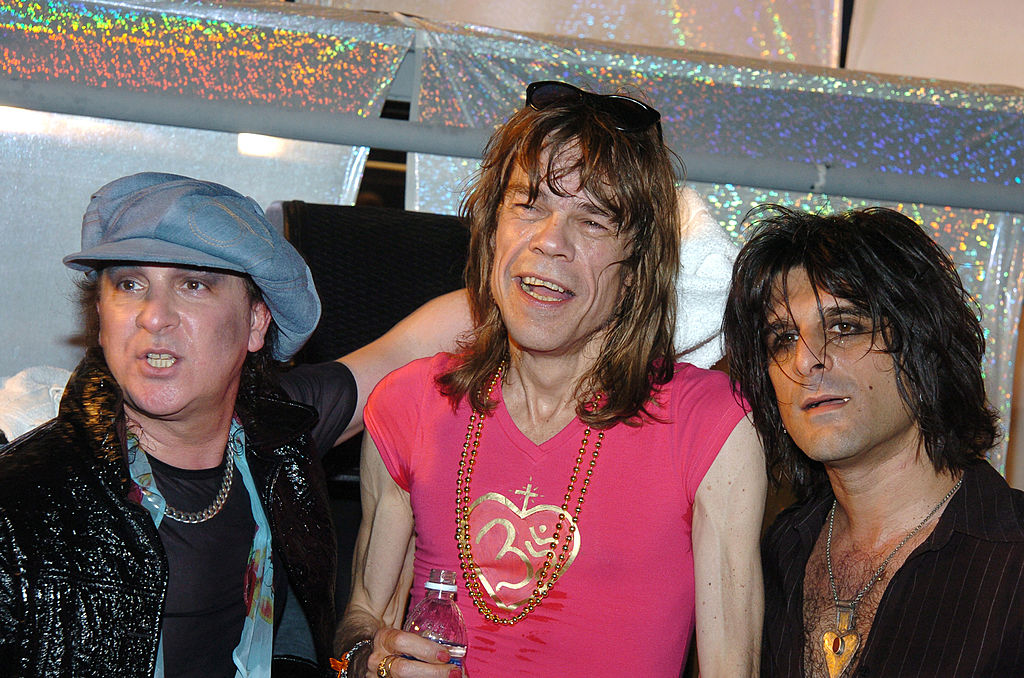
The New York Dolls had been gone for three decades when David Johansen and Sylvain Sylvain finally resurrected the band in 2004.
The original Dolls had been gloriously chaotic: trashy, theatrical and barely in control, with Johnny Thunders and Jerry Nolan adding an unpredictable edge that helped make their first two albums proto-punk classics.
The reunited Dolls could still deliver the songs, and their comeback album, One Day It Will Please Us to Remember Even This, was greeted warmly enough. But something fundamental was missing. Thunders and Nolan were dead, while the surviving members were now playing characters who had long since become rock mythology. The reunion produced enjoyable shows and respectable new music, but never recaptured the dangerous chemistry of the early 1970s.
It was less a resurrection than a reminder that some bands are inseparable from the people, age and circumstances that originally made them extraordinary.
11. Simon & Garfunkel (1981-2004)
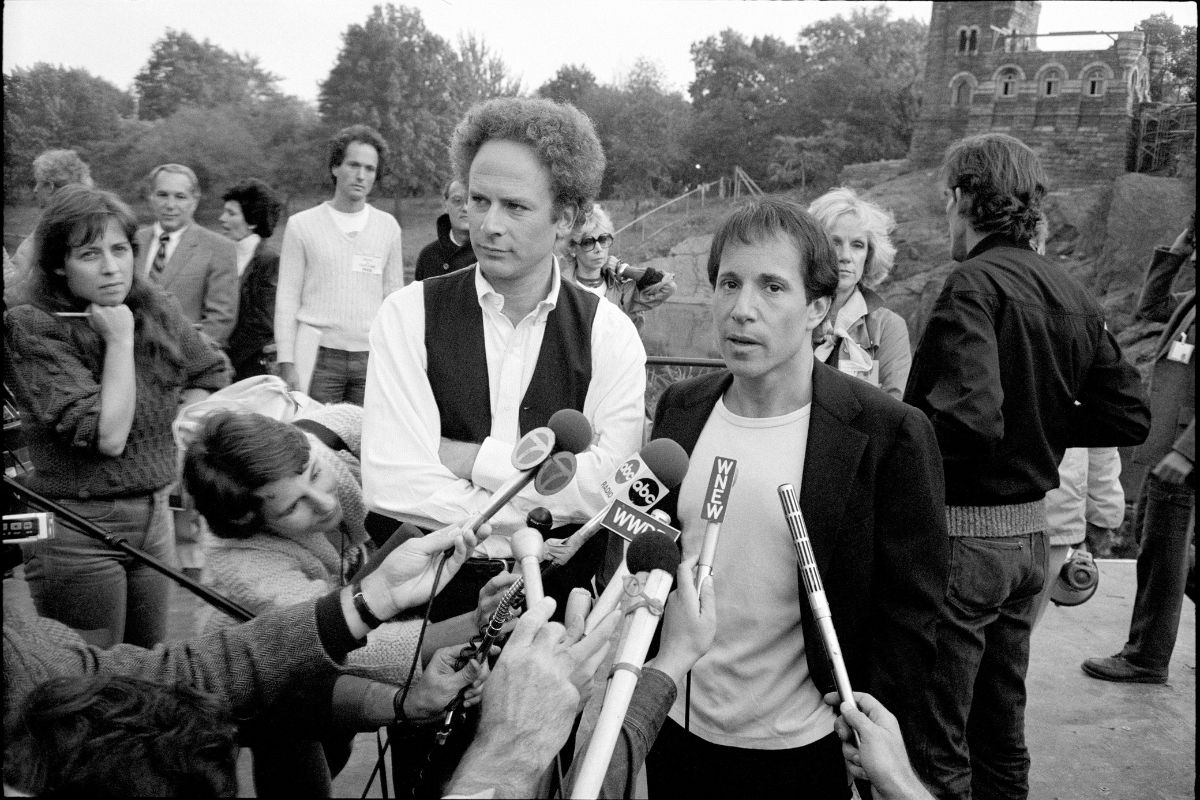
When Simon & Garfunkel reunited for their 1981 Central Park concert, half a million fans gathered beneath the New York skyline – a moment of nostalgia so powerful it seemed to promise reconciliation. Yet behind the perfect harmonies, the same old tensions simmered.
Paul Simon’s meticulous perfectionism clashed with Art Garfunkel’s instinctive, romantic idealism: Simon obsessed over arrangements and control; Garfunkel chased emotion and spontaneity. Recording sessions became battlegrounds – Simon, frustrated by Garfunkel’s phrasing or lateness; Garfunkel, wounded by Simon’s dominance. Several 'farewell' tours followed – in 1993, 2003-04, and sporadically after – each billed as a reunion, each ending in silence.
Onstage, they still blended like brothers; offstage, communication froze. The warmth that once defined their friendship never truly returned, eroded by pride, hurt, and decades of competing visions. The Simon and Garfunkel story remains one of exquisite musical unity shadowed by human discord – proof that even the purest harmonies can’t always heal old wounds.
That 'Bridge over Troubled Water' in Central Park, though...
Pics Getty Images
Top pic Carl Palmer, Keith Emerson and Greg Lake, 1992