Rock music is an art form rooted in perpetual mutation.
From primal, high-voltage rhythm to the dizzying architecture of progressive rock, each generation has birthed a sonic rebellion that rewrote the rules of its predecessor. These movements hit the culture like a flash flood – reshaping aesthetics, fashion, and social attitudes – only to recede just as rapidly. Some burned out under their own self-indulgence; others were ruthlessly eclipsed by the next wave of innovation.
This relentless rhythm of inception, peak, and decay is woven into rock’s DNA. Cosmic psychedelia hardened into heavy metal, glam’s theatrical glitter was violently dethroned by punk, and the polished decadence of the 1980s was torn down by the unwashed defiance of grunge.
These sounds froze a distinct slice of time in amber, capturing the raw idealism and audacity of musicians constructing entirely new worlds on the fly. Here are the rock subgenres that have effectively vanished from the modern landscape, left behind by rock's uncompromising evolution.
Forgotten rock genres
1. Arena rock (late 1970s/1980s)
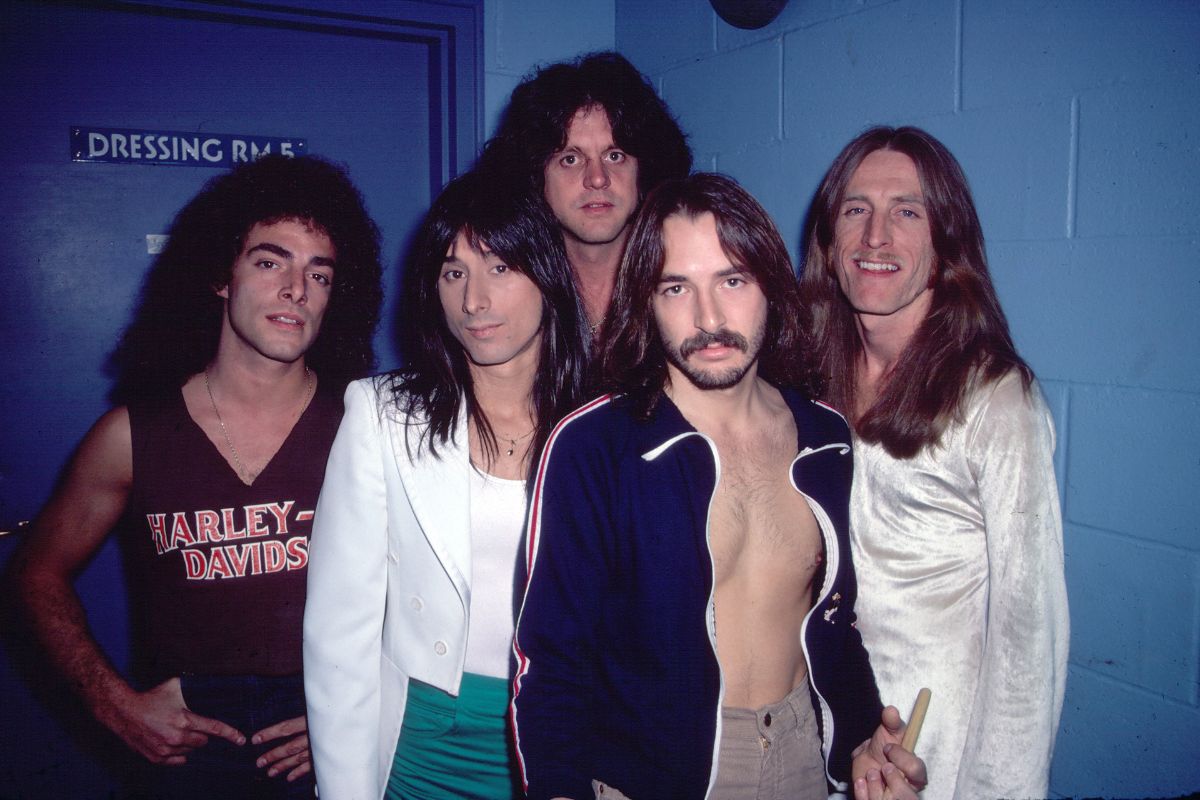
The sound: Larger-than-life electric guitar hooks, soaring multi-part vocal harmonies, massive, reverb-soaked drum beats, and dramatic synthesizer undercurrents.
The story: Arena rock transformed concerts from simple musical gigs into massive, communal spectacles. Bands like Journey, Foreigner, REO Speedwagon and Boston ruled this golden era, thriving on the shared cultural monoculture of commercial FM radio. Fuelled by state-of-the-art sound systems, lasers, and pyrotechnics, these bands built a larger-than-life mythology centred around the absolute stardom of virtuoso guitar gods and charismatic frontmen who could effortlessly command 50,000 screaming fans at once.
Why it vanished: The early 1990s brought a swift and brutal shift toward the raw, stripped-down intimacy of grunge, alongside the rapid mainstream rise of hip-hop and electronic dance music. Furthermore, the eventual fragmentation of the internet age dissolved the unified, mass-media audience required to sustain such monolithic rock stardom, leaving arena rock as a nostalgic relic of a more centralized musical era.
Key Track: Journey – 'Don't Stop Believin' (1981)
2. Jazz-rock / Fusion (1970s)
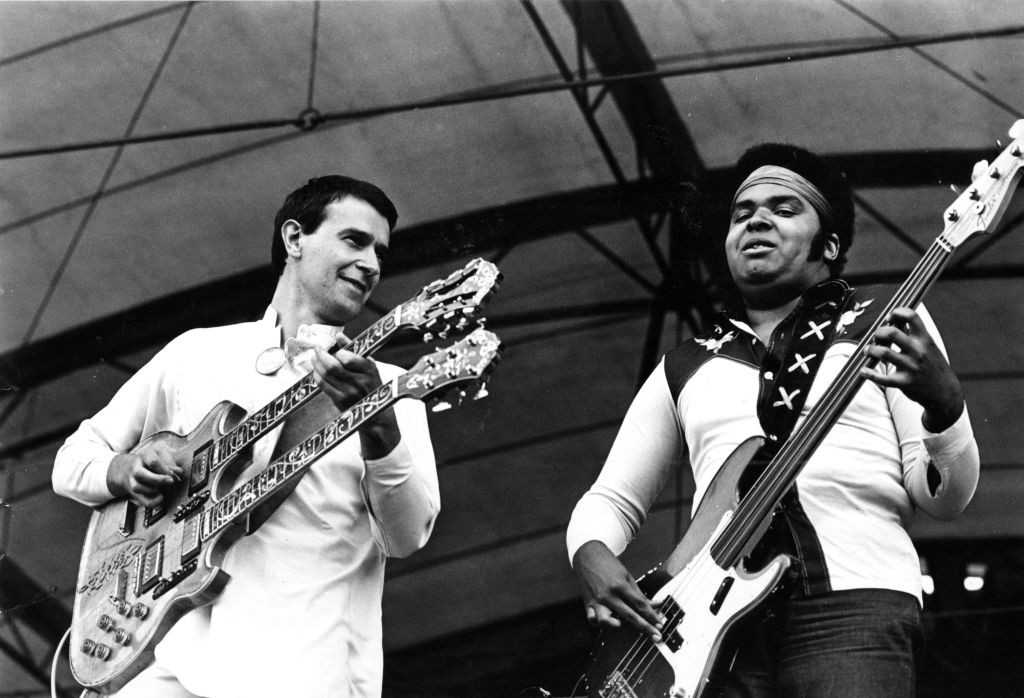
The sound: Virtuoso musicianship, blisteringly fast tempos, complex time signatures, and the marriage of heavy rock amplification with intricate jazz improvisation. Think mind-bending keyboard synths, lightning-fast guitar solos, and intensely complex drum patterns.
The story: Ignited at the turn of the decade by Miles Davis's legendary Bitches Brew (pictured above), fusion became a dominant force in 1970s rock culture. Bands like Mahavishnu Orchestra, Return to Forever, Weather Report and Jeff Beck filled massive theatrse and arenas. This wasn't a niche jazz subgenre; it was a mainstream rock phenomenon championed by critics and embraced by audiences who wanted rock's power elevated to Olympic-level technical skill.
Why it vanished: It fell victim to its own dizzying complexity and extreme indulgence. By the late '70s, many tracks descended into exhausting, multi-minute displays of instrumental flexing that left the average listener behind. Punk, with its demand for three chords and zero pretension, was no friend to jazz-rock. Fusion collapsed almost overnight, retreating into the music conservatory underground, leaving behind a wildly unique era where virtuosity ruled the rock world.
Key track: Mahavishnu Orchestra – 'Meeting of the Spirits' (1971)
3. Boogie rock (early-mid 1970s)

The sound: Before punk, this was the undisputed king of blue-collar, beer-soaked American and British arenas. It took basic 12-bar blues, jacked up the distortion, and added a heavy, relentless chugging rhythm designed for massive crowds to stomp along to.
The story: Bands like Grand Funk Railroad, Foghat, Canned Heat and Status Quo sold millions of records and filled stadiums worldwide. It was uncomplicated, anti-intellectual, hard-driving rock for the working class.
Why it vanished: When punk and New Wave burst onto the scene, boogie rock found itself the ultimate dinosaur genre. It lacked the lyrical depth of folk-rock and the theatricality of metal. Aside from ZZ Top's synth-makeover in the 80s, the pure, unironic chugging boogie sound entirely evaporated from mainstream rock.
Key Track: Foghat – 'Slow Ride' (1975)
4. Cowpunk / Roots punk (1980s)
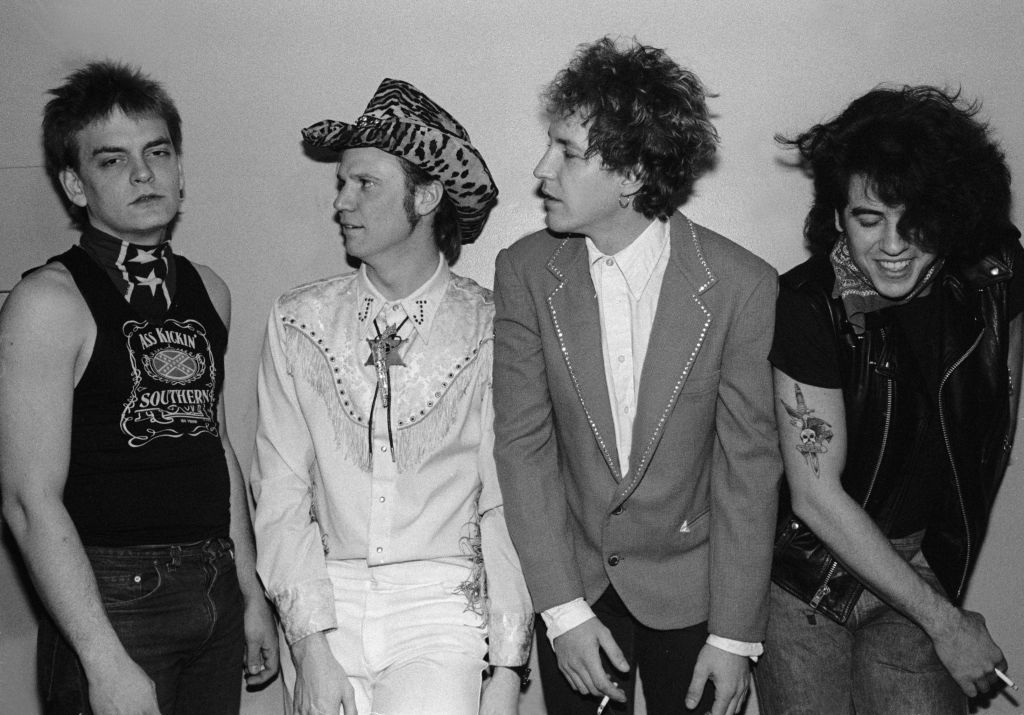
The sound: The fierce, frantic collision of traditional country/rockabilly and 1980s hardcore punk.
The Story: In the mid-80s, primarily across Southern California and the American South, a massive subculture formed around bands like Jason & the Scorchers, Rank and File, The Long Ryders and The Blasters. They injected old-school country twang and hillbilly swagger with blistering punk speeds and political anger. It was highly influential and a staple of 80s alternative print zines and college radio.
Why it vanished: It didn't just disappear; it was utterly swallowed by its own success when it mutated. By the 1990s, the 'punk' element was stripped away, and the genre slowed down, formalizing into what we now call alt-country (Uncle Tupelo, Wilco) or Americana. The raw, fast, chaotic visual world of mohawks and cowboy hats completely died out.
Key Track: Jason & the Scorchers – 'Absolutely Sweet Marie' (1984)
5. Glam rock (early 1970s)
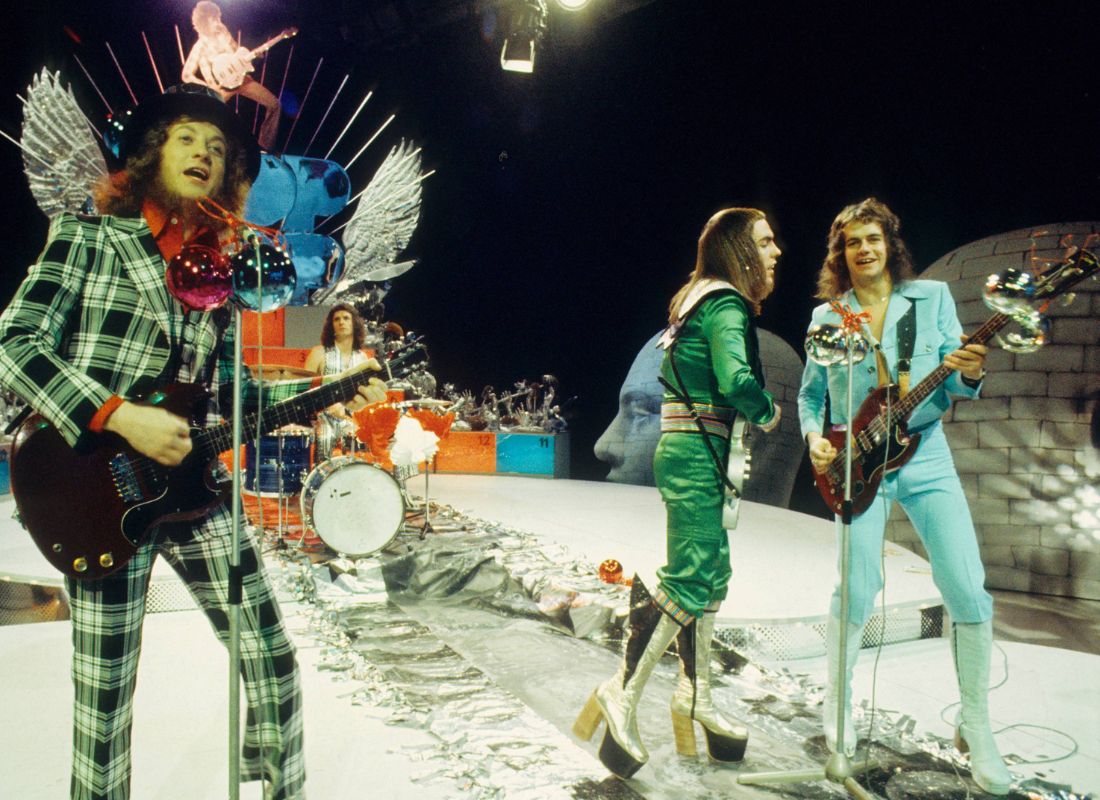
The sound: Glitter-soaked stompers, flamboyant riffs, androgynous vocals, theatricality over subtlety. Think big choruses, stack-heeled boots, and glitter-drenched amps.
The story: In the early 1970s, Britain birthed glam rock, a glorious explosion of camp swagger. Marc Bolan, David Bowie’s Ziggy Stardust, and bands like The Sweet, Slade, and Mud fused heavy riffs with bubblegum hooks. This wasn’t just music: it was an aesthetic revolt against denim-clad blues rock, a carnival of artifice and fun.
Why it vanished: By the late ’70s, punk sneered away the glitter. Bowie shape-shifted, Bolan died tragically, and Slade pivoted to nostalgia tours. Glam’s DNA survived in hair metal, and later in Lady Gaga’s theatricality, but the genre itself burned bright and fast.
Key track: T. Rex – '20th Century Boy' (1973)
6. New Romantics (early 1980s)
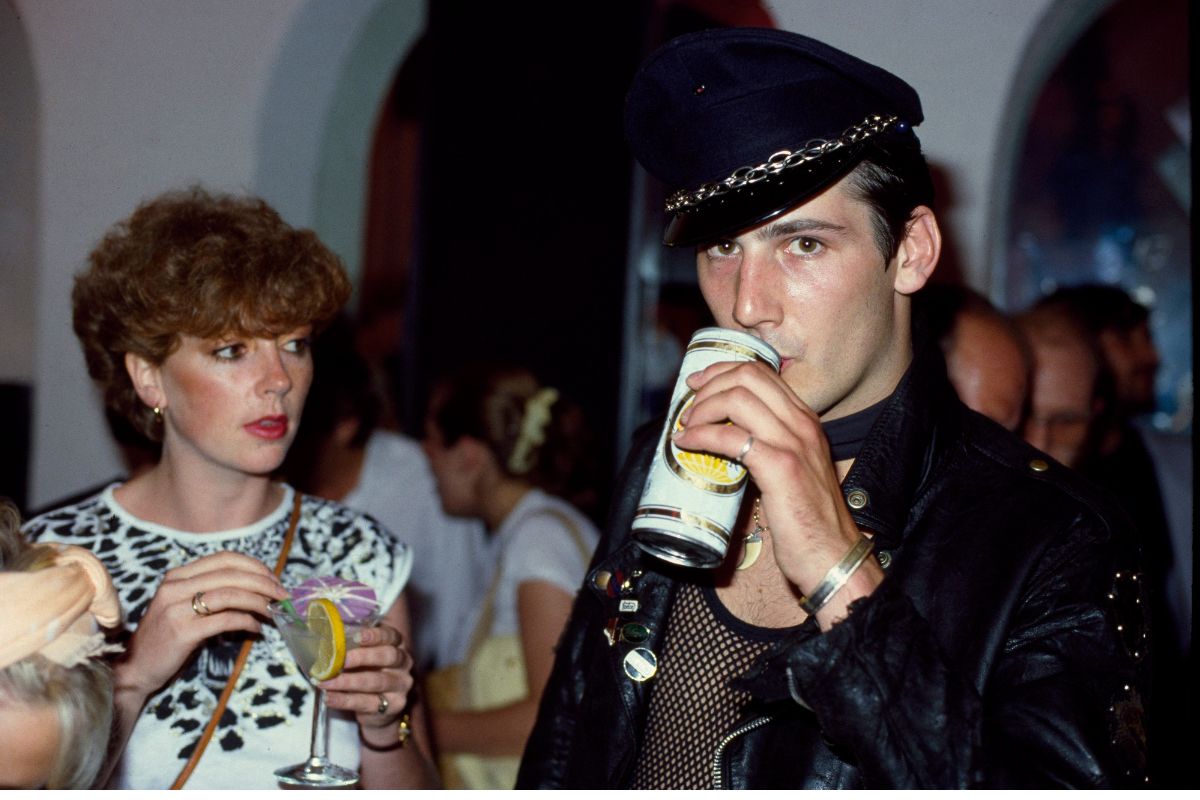
The sound: Sophisticated, synthesizer-heavy synthpop, dramatic electronic beats, and lush, cinematic melodies. It traded punk's raw, jagged guitars for a polished, avant-garde electronic escapism deeply influenced by David Bowie and Kraftwerk.
The story: A fleeting, hyper-specific reaction to the austerity of late-70s punk and the grey landscape of Thatcher-era Britain, this "peacock" revolution (1979–1982) centered on London clubs like The Blitz. The music was completely inseparable from extravagant, gender-bending fashion.
Why it vanished: Its reliance on underground exclusivity was inherently incompatible with the massive global stardom it achieved. As bands like Duran Duran and Spandau Ballet transitioned into mainstream MTV idols, the movement’s subcultural edge evaporated. By the mid-80s, its high-concept visual drama was entirely absorbed into the generic sheen of Big 80s pop.
Key Track: Visage – 'Fade to Grey' (1980)
7. Pub rock (mid 1970s)
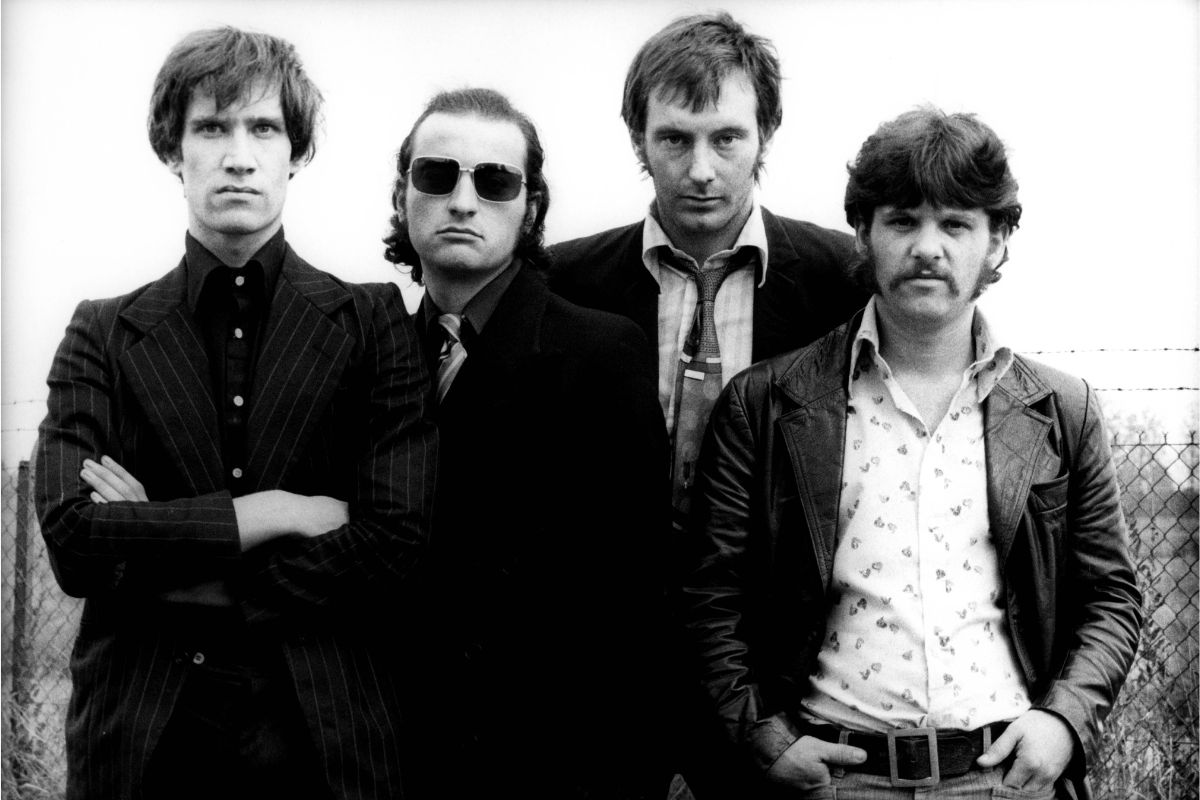
The sound: Stripped-down, no-frills rock ’n’ roll. Chuck Berry riffs, greasy barroom keys, beer-soaked singalongs.
The story: In mid-’70s Britain, while prog rock spiralled into complexity, pub rock offered a back-to-basics antidote. Bands like Dr. Feelgood, Brinsley Schwarz (featuring a young Nick Lowe), and Ducks Deluxe tore up cramped pubs with sweaty, high-energy sets. It was fast, raw, and democratic – music for drinking and dancing, not gazing at Roger Dean album covers.
Why it vanished: Pub rock essentially mutated into punk. Joe Strummer’s pre-Clash band, The 101ers, was a pub rock act. Many pub rockers ended up in punk and new wave groups. Once punk exploded, no one wanted to go back.
Key track: Dr. Feelgood – 'She Does It Right' (1974)
8. Rockabilly revival (late 1970s / early 80s)
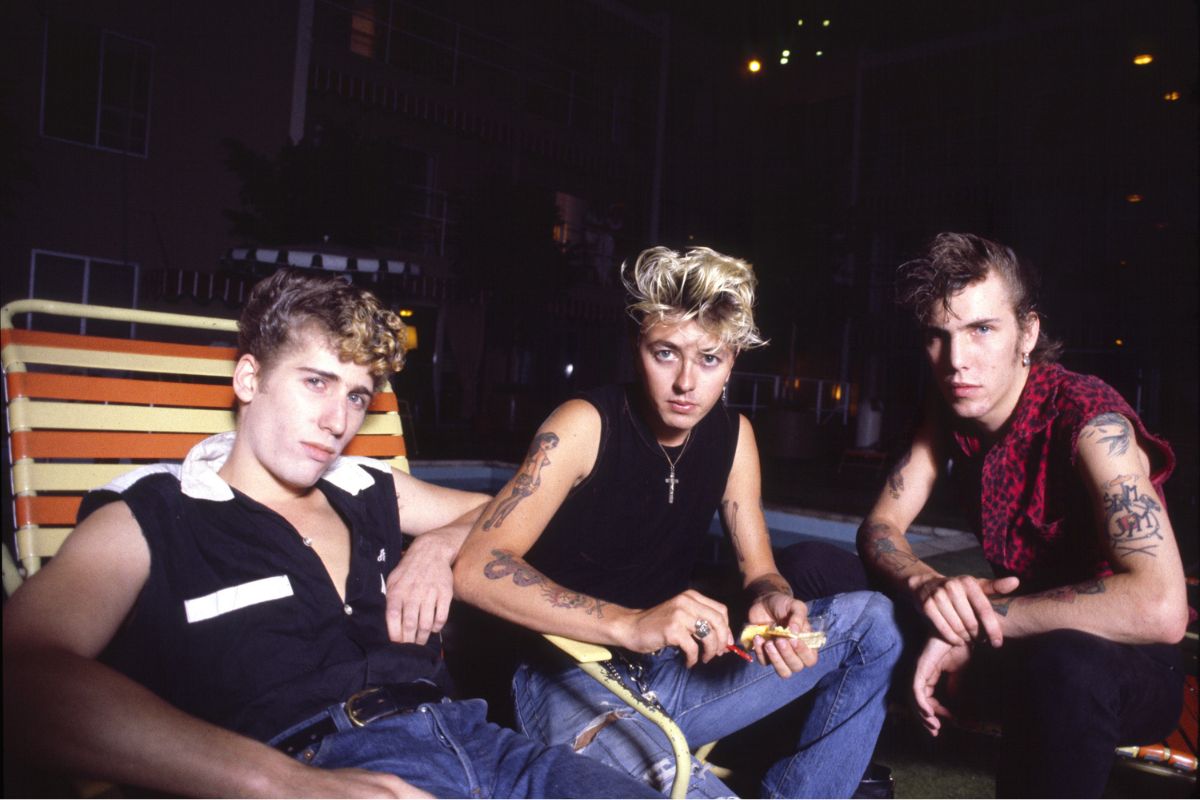
The sound: Twanging guitars, pompadours, leather jackets, upright bass slapped to within an inch of its life. Retro cool with ’50s swagger.
The story: Sure, rockabilly launched rock ’n’ roll in the 1950s, but its revival in the late ’70s/early ’80s was the real subculture moment. Stray Cats scored hits, Shakin’ Stevens topped UK charts, and psychobilly mutations like The Cramps added horror and punk edge. For a few years, quiffs and greaser style took over youth culture.
Why it vanished: By the mid-’80s, the retro schtick wore thin. Rockabilly became a niche scene, kept alive by diehards but irrelevant to mainstream rock. Every so often, a film (Back to the Future) or fashion cycle sparks interest, but the days of rockabilly topping charts are long gone.
Key track: Stray Cats – 'Rock This Town' (1981)
9. Christian rock (1980s / 1990s)
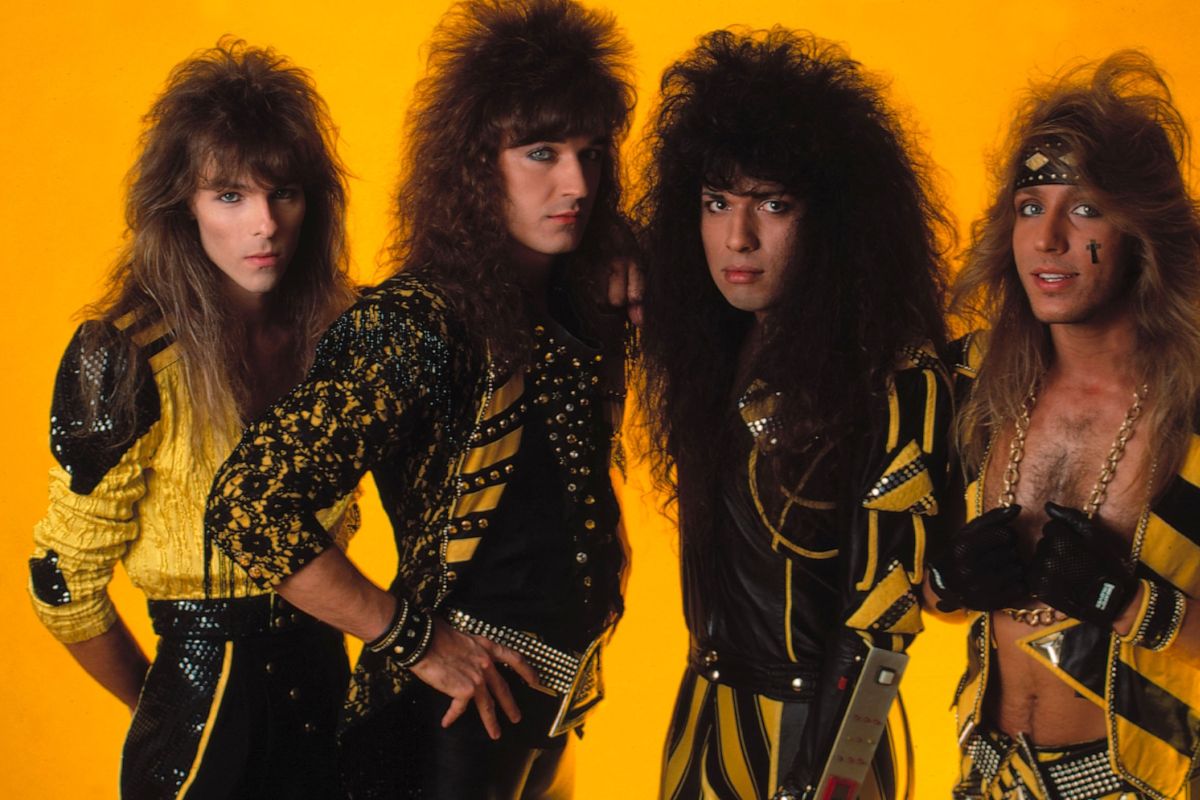
The sound: Arena-ready anthems, polished production, lyrics heavy on hope, faith, and salvation.
The story: Throughout the 1980s and ’90s, bands like Petra, Stryper, and later Jars of Clay made Christian rock a viable crossover force. Stryper filled stadiums with hair metal hooks and Bible verses. Creed (yes, they count) sold millions by blending post-grunge angst with vaguely spiritual uplift. For a moment, Christian rock seemed like a genre that could rival mainstream rock, not just exist in its own industry.
Why it vanished: By the 2000s, mainstream rock itself was in decline, and Christian rock’s big crossover appeal collapsed with it. The genre retreated back into the church festival circuit. Creed became a punchline, and post-grunge faded. While worship music thrives, the idea of “Christian rock as mainstream rock” has died.
Key track: Stryper – 'To Hell With the Devil' (1986)
10. College rock (1980s)
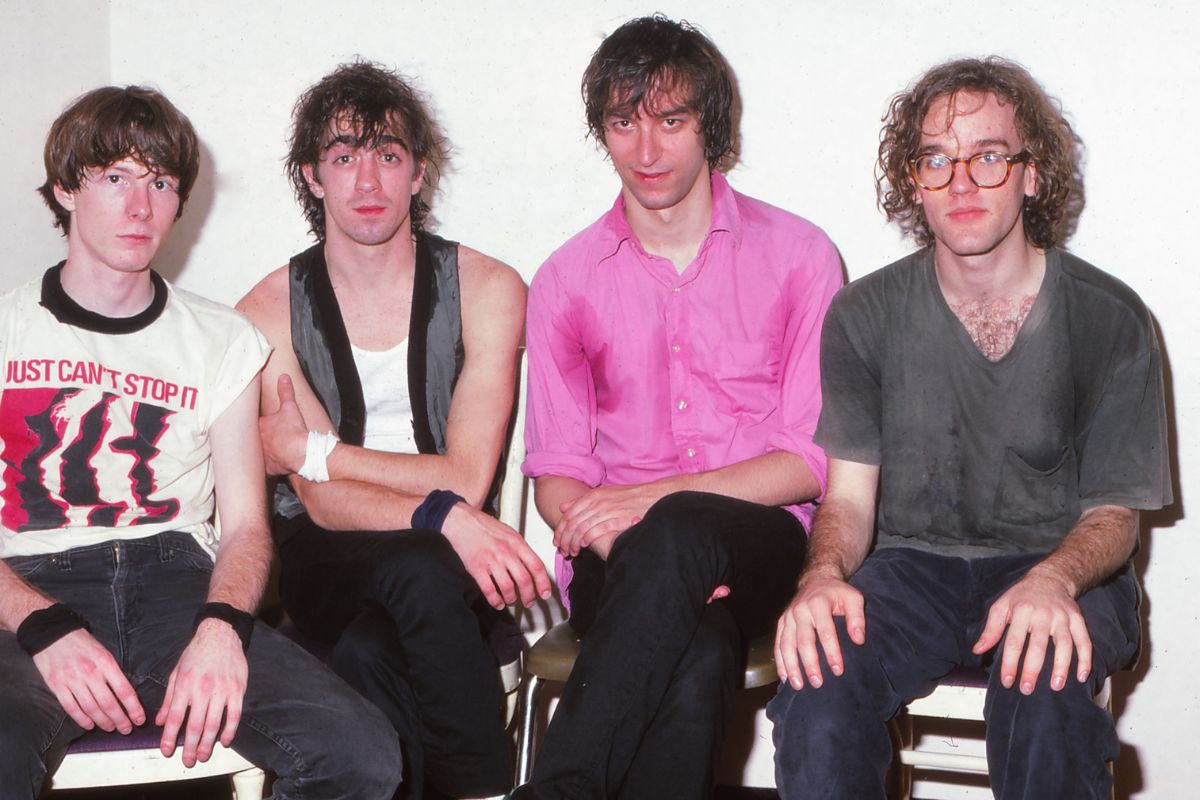
The sound: Jangly guitars, quirky lyrics, left-of-centre experimentation. More personality-driven than polished.
The story: Before 'indie rock' existed as a label, there was 'college rock' – the sound of the U.S. underground in the 1980s. Bands like R.E.M., Hüsker Dü, The Replacements, and 10,000 Maniacs gained followings via college radio stations rather than mainstream FM. It was the era of cheap vans, dorm-room cassette swaps, and DIY tours.
Why it vanished: College rock didn’t disappear: it was renamed. By the ’90s, 'alternative rock' and then 'indie rock' replaced the label. R.E.M. went stadium, The Replacements imploded, Hüsker Dü split, and college radio lost influence in the streaming age. The name may be gone, but the ethos persists in today’s indie.
Key track: R.E.M. – 'Radio Free Europe' (1983)
Why do genres just disappear?
Good question. We reckon that some genres vanish because they burn too brightly (hello, glam rock). Others morph into new forms (pub rock into punk, college rock into indie). Sometimes the wider culture moves on: . And sometimes, infrastructure collapses – college radio and Christian rock’s dedicated circuits simply lost cultural clout.
Rock is a restless beast, constantly reshaping itself, but these genres remind us of the wild detours along the way. They’re a testament to the way subcultures can thrive, dominate, and then vanish almost overnight.
4 other rock genres on life support
A few more endangered species worth mentioning:
1. Third wave ska punk
Once omnipresent in the late ’90s (No Doubt, Reel Big Fish). Now rarely heard outside reunion tours.
2. Rap rock / nu-metal

Limp Bizkit (pictured) ruled MTV; today, the hybrid feels like a cultural punchline (though it lurks in nostalgia festivals).
3. Swing Revival Rock
The Brian Setzer Orchestra, Big Bad Voodoo Daddy, Cherry Poppin’ Daddies briefly stormed late-’90s charts. Then… silence.
4. Shoegaze (original wave)
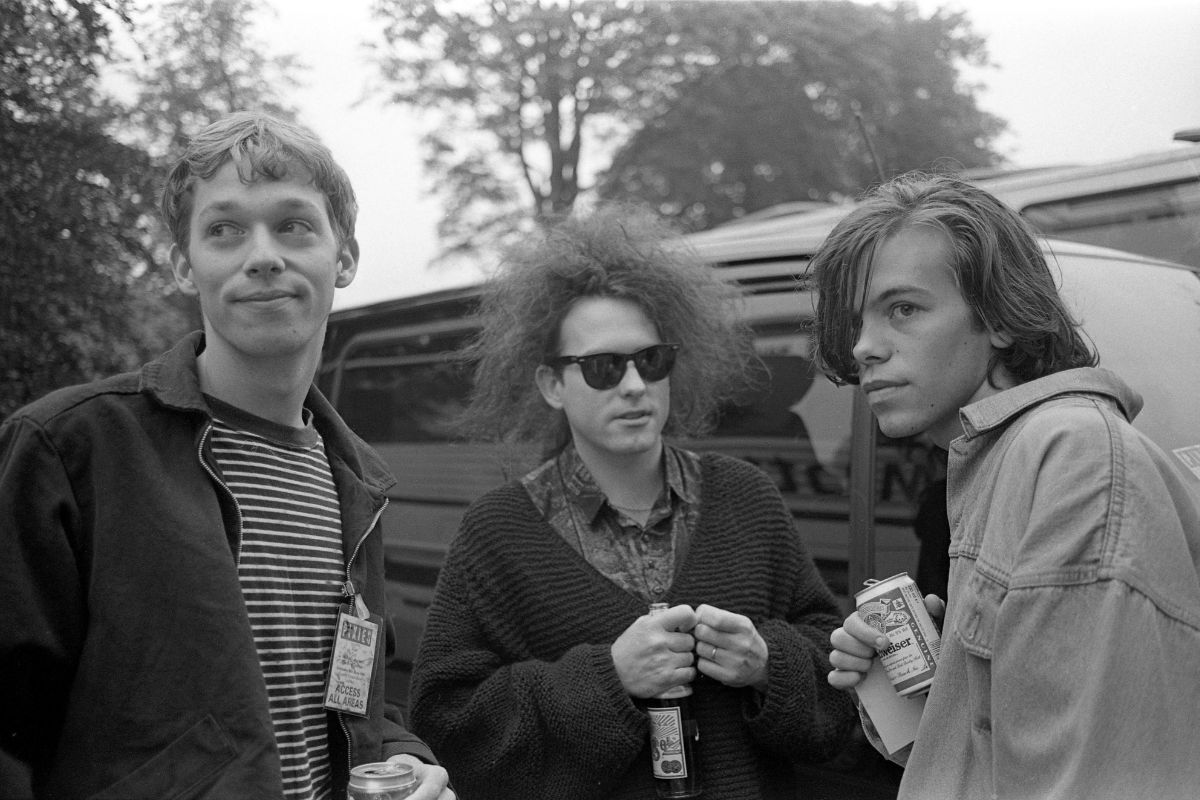
My Bloody Valentine, Ride and Lush created lush walls of sound in circa 1989-1991. Today, shoegaze has been revived by dream-pop, but the original wave dissolved fast.
Rock music’s history is littered with genres that thrived, exploded, and then disappeared. Some – glam, krautrock – left indelible fingerprints that future musicians continue to borrow from. Others, like pub rock or the rockabilly revival, feel like quirky cul-de-sacs. All of them, though, capture the restless energy of rock: a genre forever looking for the next sound, the next scene, the next mask to wear.
So while you may not hear these genres anymore, their ghosts echo on in unexpected places, from Lady Gaga’s glam theatrics to LCD Soundsystem’s krautrock grooves. Rock never really forgets; it just reinvents.
Pics Getty Images
Top pic Foghat, circa 1970