There was a time when a rock song lasting 20 minutes would have been almost unthinkable.
Then came the early 1970s, when progressive rock, jazz fusion and experimental music collided with a generation of musicians determined to see just how far the format could be stretched. Albums became conceptual, LP sides became musical canvases and virtuoso players discovered that audiences were willing to follow them on journeys far longer than the standard three-minute single.
It’s no coincidence, then, that so many of the great 10-minute-plus songs come from around 1970–75. But rock wasn’t alone: folk storytellers, jazz pioneers, funk innovators and electronic visionaries were also discovering the creative possibilities of time. Here are 21 of the greatest songs that stretch their magic past the 10-minute mark.
21. 'A Plague of Lighthouse Keepers' – Van der Graaf Generator (1971, 23:04)
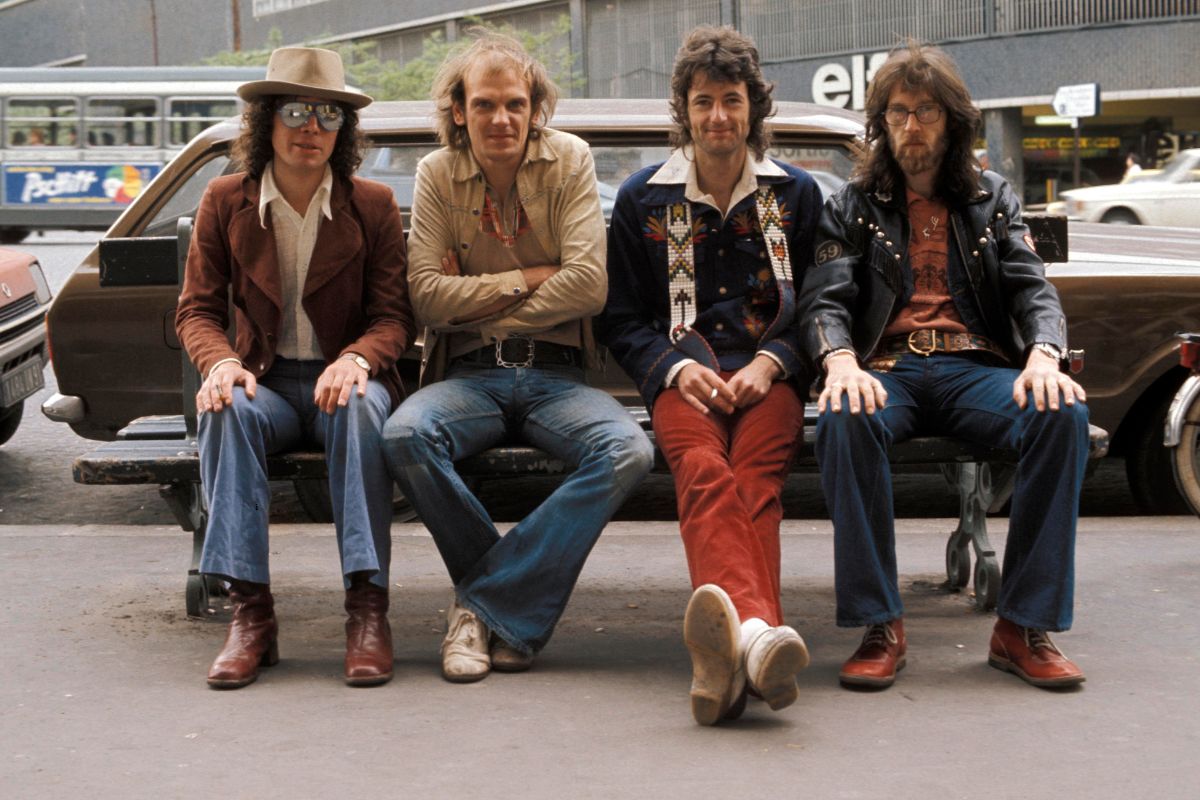
If some prog rock epics sound like elaborate musical adventures, the side-long track that closes out Van der Graaf Generator's 1971 album Pawn Hearts comes across like a nervous breakdown set to music. Peter Hammill’s fractured narrative moves through loneliness, paranoia, guilt and existential dread, while the band repeatedly changes direction beneath him.
At 23 minutes, it is certainly not an easy listen – but that instability is the point. Van der Graaf Generator made one of prog’s strangest long-form masterpieces, a piece that seems perpetually on the verge of coming apart.
20. 'The Romantic Warrior' – Return to Forever (1976, 10:52)
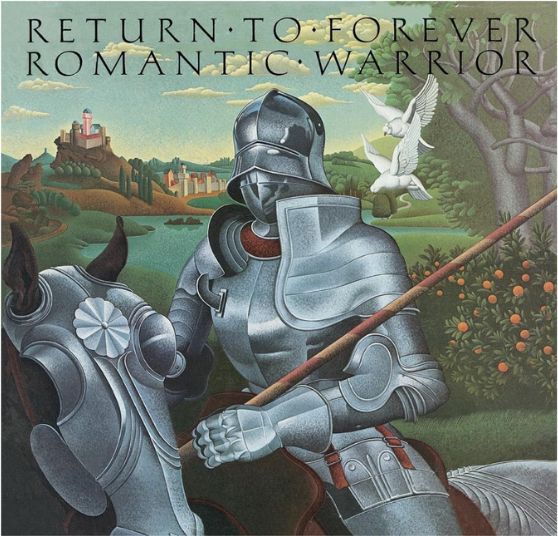
Prog rock didn't have the monopoly on elaborate instrumental compositions. The title track from Return to Forever's 1976 Romantic Warrior LP lasts nearly 11 minutes, and Chick Corea's jazz-fusion supergroup fills every second with intricate rhythms, sudden changes and astonishing musicianship.
Al Di Meola's guitar is particularly dazzling, but the piece never feels like a mere excuse for showing off. Its mixture of classical precision, rock power and jazz improvisation makes it one of the finest examples of fusion at its most ambitious.
19. 'The Low Spark of High Heeled Boys' – Traffic (1971, 11:44)
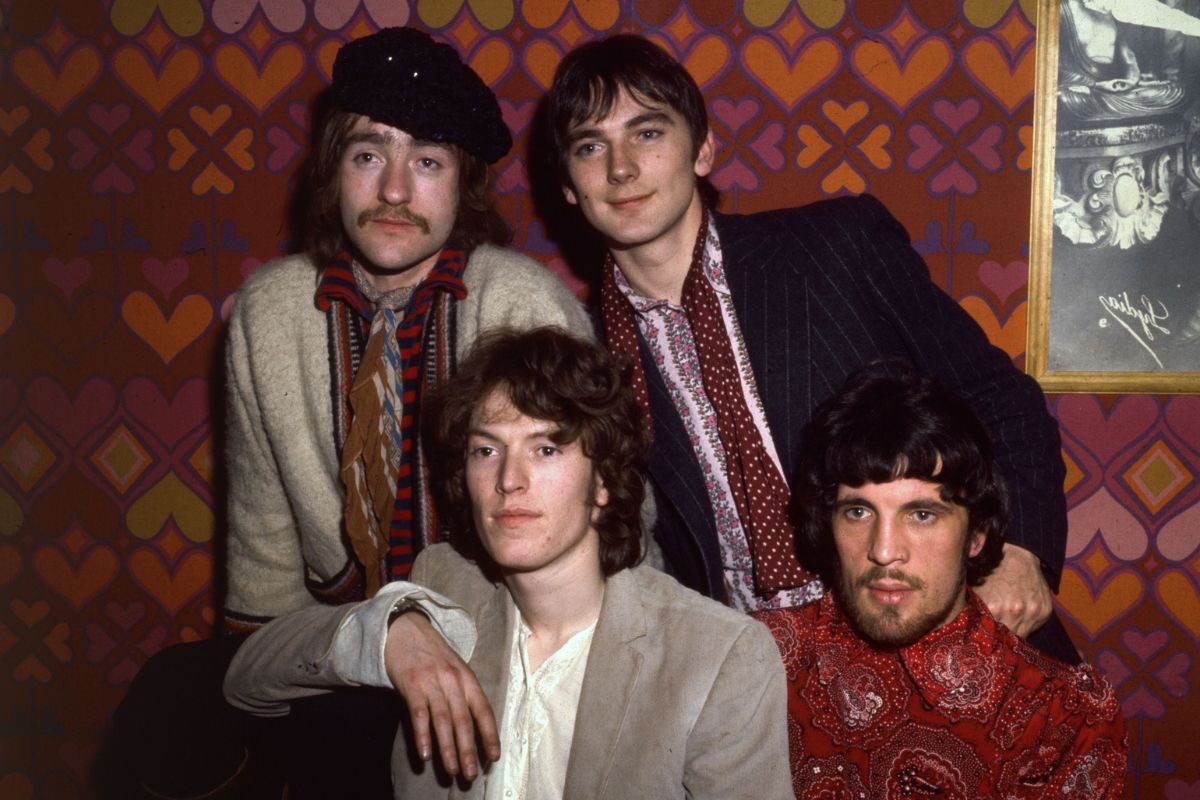
There is something wonderfully unhurried about Traffic’s 'The Low Spark of High Heeled Boys'. The title alone sounds like a fragment of beat poetry, but the music is even more elusive: Steve Winwood’s vocals float over a languid, jazz-inflected groove before the band gradually stretches the piece into instrumental territory.
At a little shy of 12 minutes, it is long without ever feeling conventionally 'epic'. Its genius lies in how little it seems to care about getting anywhere quickly.
18. 'Moon in June' – Soft Machine (1970, 19:08)
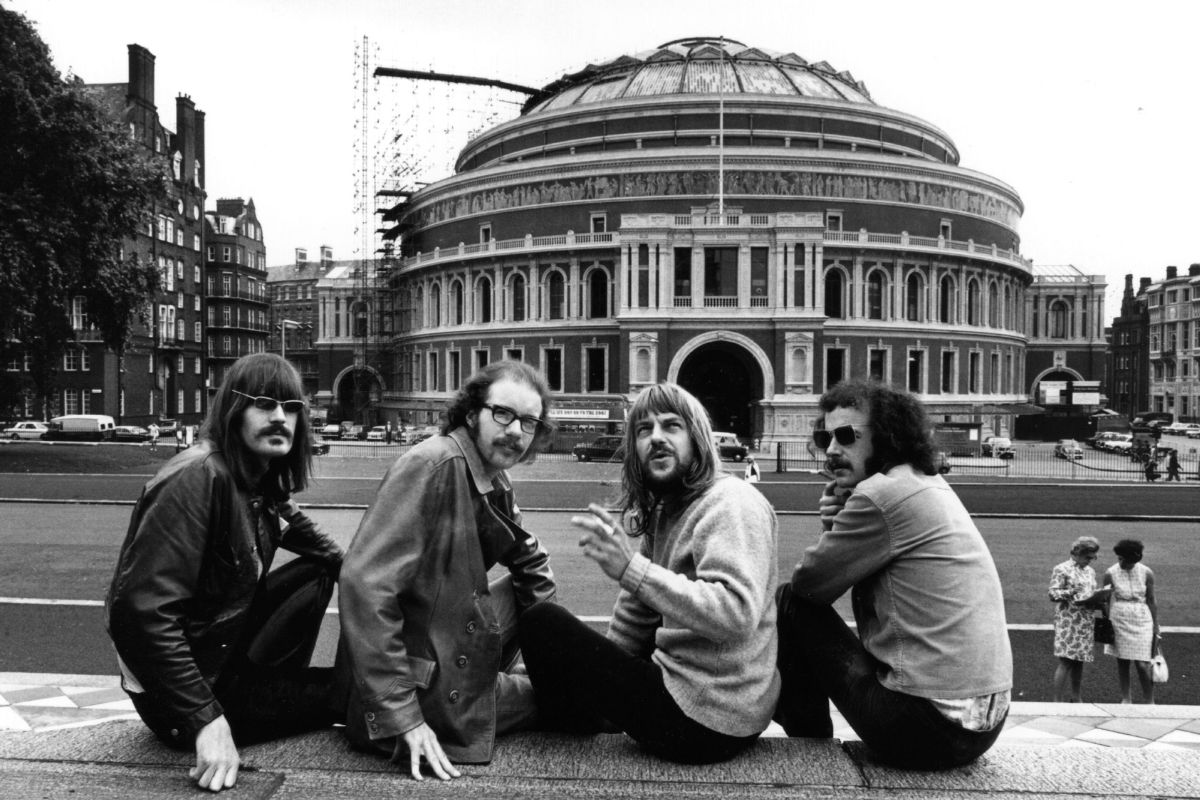
Robert Wyatt’s 'Moon in June' is Soft Machine’s great long-form masterpiece – and one of the strangest. Running for nearly 19 minutes, it begins with a remarkably beautiful, melodic song before gradually dissolving into a more abstract mixture of jazz, psychedelia and experimental rock.
Wyatt handles almost everything himself on the studio version, including vocals, drums and keyboards, while the music becomes increasingly free-form and unpredictable. It captures Soft Machine at their most adventurous: playful, dreamy and utterly resistant to the idea that a rock song should know where it’s going.
17. 'Alice’s Restaurant Massacree' – Arlo Guthrie (1967, 18:34)
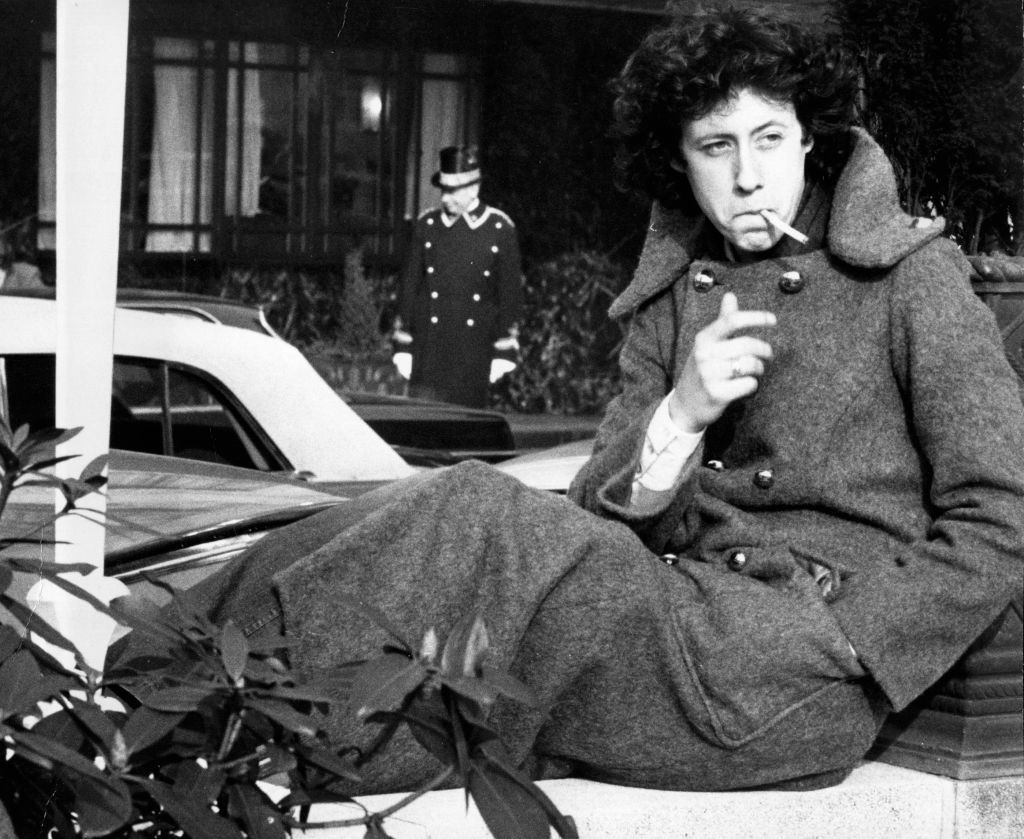
Not every great 18-minute song requires virtuoso musicianship or a sprawling prog-rock arrangement. Arlo Guthrie’s 'Alice’s Restaurant Massacree' is essentially a comic monologue with a guitar, telling an increasingly absurd story about Thanksgiving leftovers, an illegal dumping charge and the US military draft.
Its length is precisely what makes it work: Guthrie’s conversational delivery allows the story to accumulate detail, digression and punchlines at its own leisurely pace. It is folk music as stand-up comedy – and a genuine American counterculture classic.
16. 'Halleluwah' – Can (1971, 18:32)
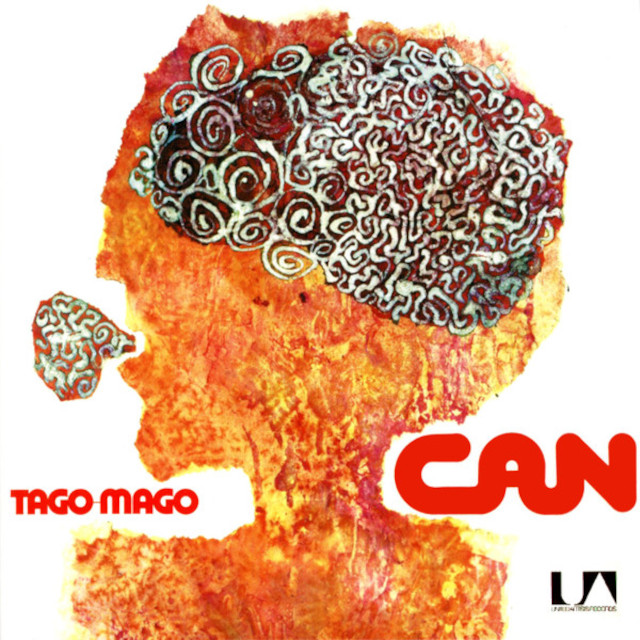
Can turned repetition into something hypnotic with 'Halleluwah', an 18-minute groove that barely seems to notice its own length. Jaki Liebezeit’s relentlessly precise drumming provides the engine, while Holger Czukay’s bass and Michael Karoli’s guitar gradually build an ever-shifting rhythmic landscape around Malcolm Mooney’s mantra-like vocals.
Released on 1971’s Tago Mago, this is krautrock at its most immersive: less a conventional song than a musical trance, and an extraordinary demonstration of how much mileage a band can find in a single groove.
15. '2112' – Rush (1976, 20:33)
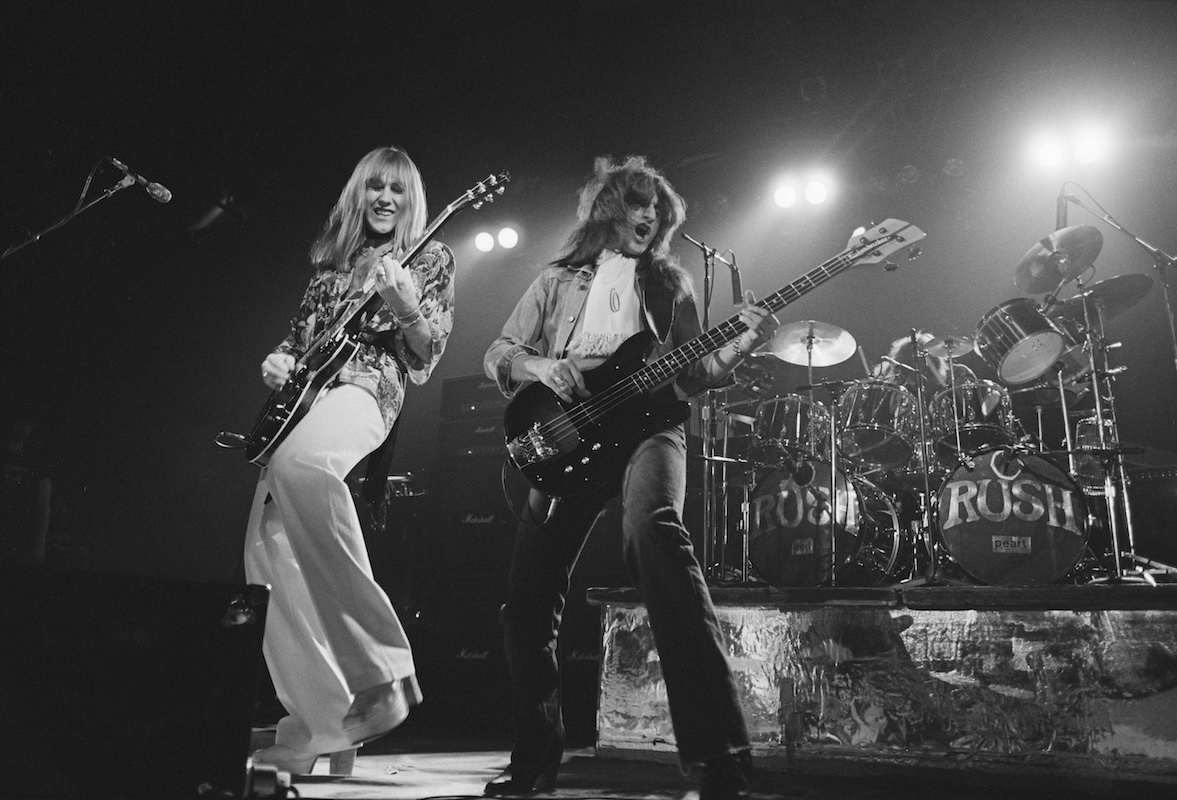
Rush didn’t merely make a long song with '2112'; they created a 20-minute science-fiction epic about individuality, authoritarianism and rebellion. The seven-part suite opens with a mysterious instrumental overture before following its protagonist through a dystopian future.
Geddy Lee, Alex Lifeson and Neil Peart combine virtuosity with surprisingly strong storytelling, and the music shifts effortlessly between delicate passages and full-throttle hard rock. It established Rush as masters of the extended format – without sacrificing the sheer excitement of a great rock song.
14. 'Tarkus' – Emerson, Lake & Palmer (1971, 20:59)
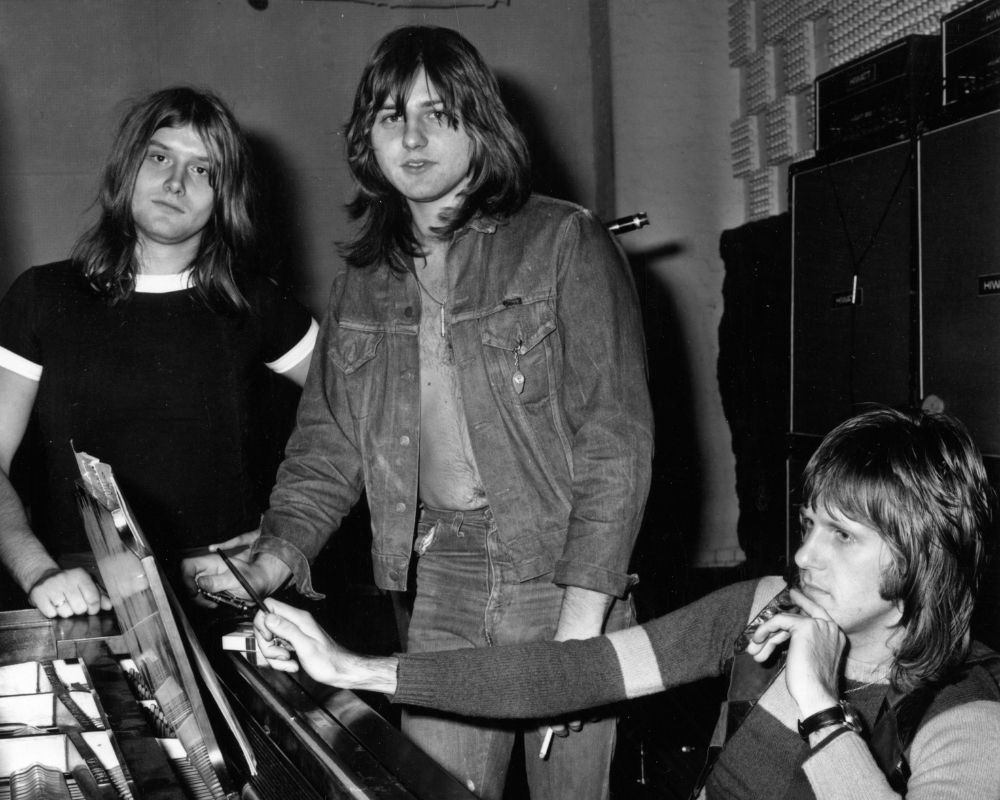
A 20-minute prog suite about an armadillo-like tank battling a mythical creature sounds like exactly the kind of thing that could have gone horribly wrong. Somehow, ELP made it work. 'Tarkus' moves through numerous sections, from Greg Lake’s stately vocals to Keith Emerson’s furious keyboard passages and Carl Palmer’s thunderous percussion.
It is excessive, theatrical and occasionally completely bonkers. In other words, it is quintessential progressive rock – but the musicianship is so formidable that the extravagance becomes part of its appeal.
13. 'In My Time of Dying' – Led Zeppelin (1975, 11:04)
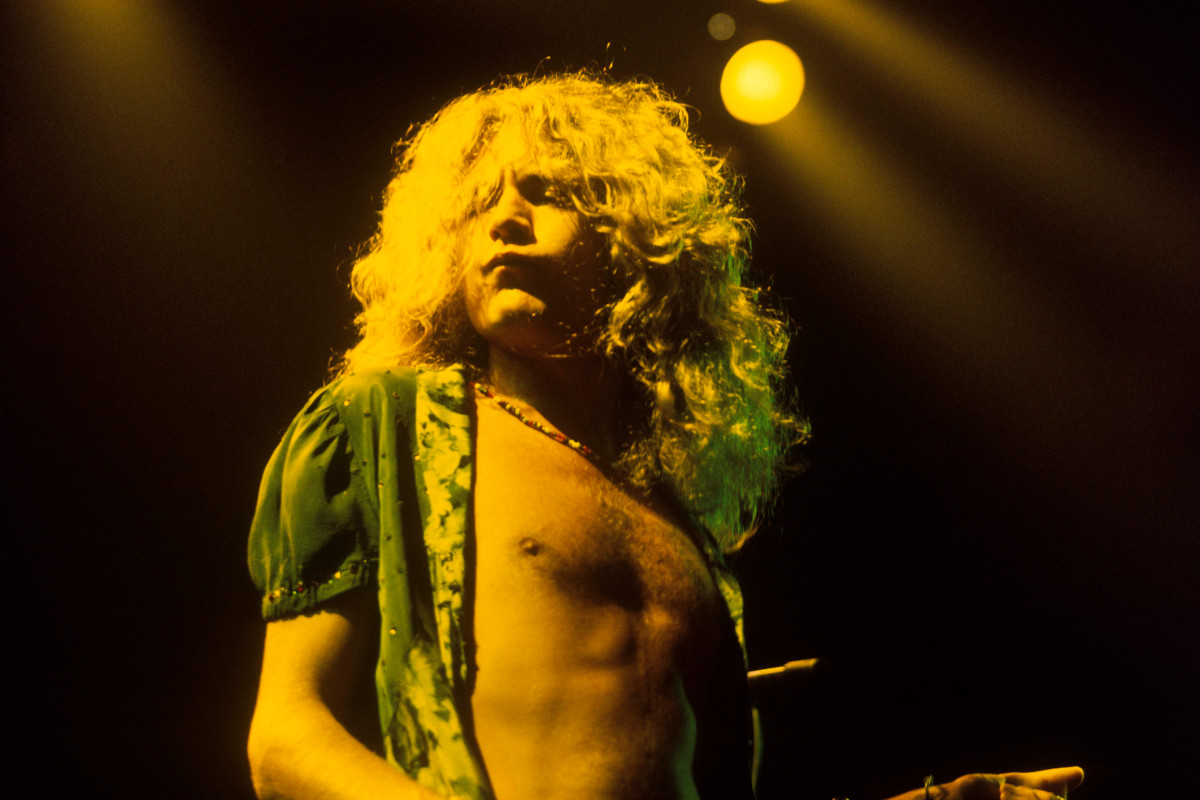
At 11 minutes, 'In My Time of Dying' is Led Zeppelin at their most gloriously excessive. Built around an old gospel/blues song, it starts with Jimmy Page’s slide guitar and gradually becomes a thunderous, improvisational workout, with Robert Plant howling his way through the verses while John Bonham and John Paul Jones keep the whole thing hurtling forward.
The band sound as if they’re discovering the song as they play it. It is messy, ecstatic and utterly enormous – the perfect example of Zeppelin proving that sometimes a great song simply needs more room to breathe.
12. 'In a Silent Way / It’s About That Time' – Miles Davis (1969, 19:52)
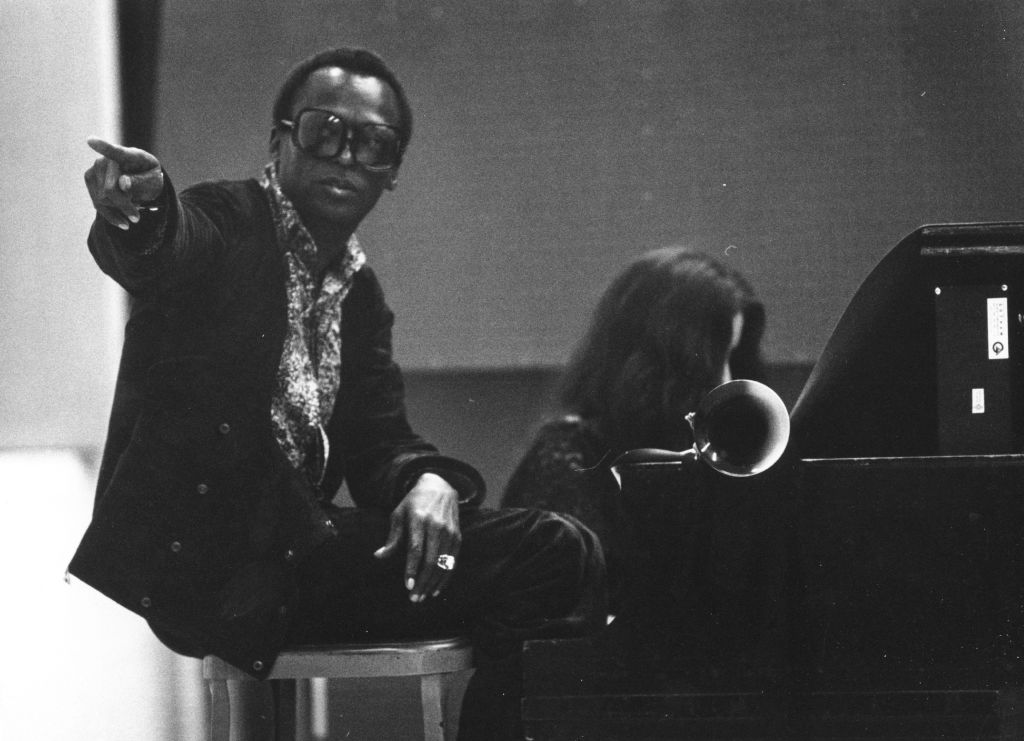
Miles Davis had already revolutionised jazz several times when he made In a Silent Way, but the title track pointed towards somewhere completely new. The 19-minute suite drifts between hushed, guitar-led passages and the more insistent 'It’s About That Time', with Wayne Shorter, John McLaughlin and Joe Zawinul among the stellar cast.
It barely seems to move at first – then you realise you've been drawn into an entirely different musical universe. Few long pieces are quite so hypnotic.
11. 'Maggot Brain' – Funkadelic (1971, 10:20)
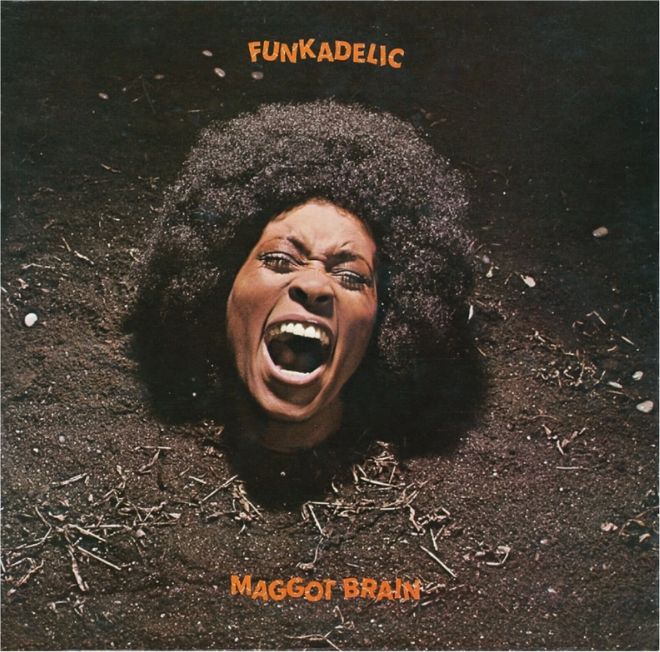
For the first few minutes, 'Maggot Brain' seems almost deliberately sparse. Then Eddie Hazel’s guitar enters, sounding wounded, ecstatic and barely tethered to the rhythm section behind him.
George Clinton reportedly told Hazel to imagine he had been told his mother was dead, then imagine being told she was alive – and the resulting 10-minute solo became one of funk’s great moments of emotional release. There are technically flashier guitar performances. Few have ever sounded quite so naked.
10. 'The End' – The Doors (1967, 11:41)
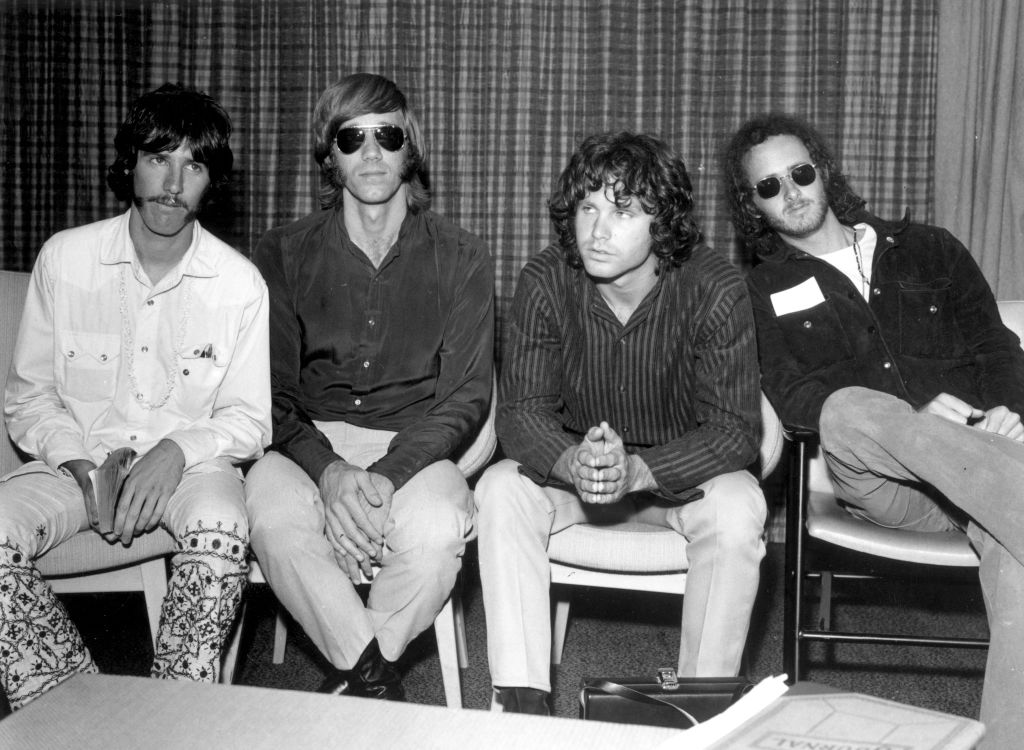
'The End' began life as something much smaller: a song The Doors played in clubs as a farewell to a departing girlfriend. Then Jim Morrison and the band kept expanding it until it became an 11-minute psychedelic nightmare.
Robby Krieger’s guitar and John Densmore’s drumming create an ominous, slow-moving backdrop for Morrison’s increasingly surreal imagery, culminating in the infamous Oedipal passage. It is less a song than a journey into darkness – and one of the defining statements of psychedelic rock.
9. 'The Musical Box' – Genesis (1971, 10:32)
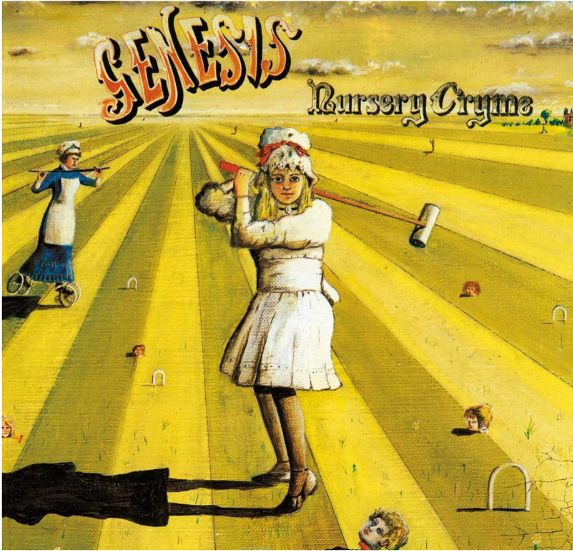
'The Musical Box' may be only 10 minutes and 25 seconds long – relatively compact alongside some of the longform tales we've discussed here – but Genesis cram an extraordinary amount of drama into it. Inspired by a Victorian children’s story, Peter Gabriel’s lyrics follow a murdered boy who returns as an old man trapped in a child’s body, leading to a surreal and increasingly unsettling encounter with his former playmate.
The music is just as theatrical, moving from delicate acoustic passages to Steve Hackett’s lyrical guitar and Tony Banks’ grandiose keyboards. It is Genesis in miniature: strange, sinister and gloriously overblown.
7. 'Telegraph Road' – Dire Straits (1982, 14:18)
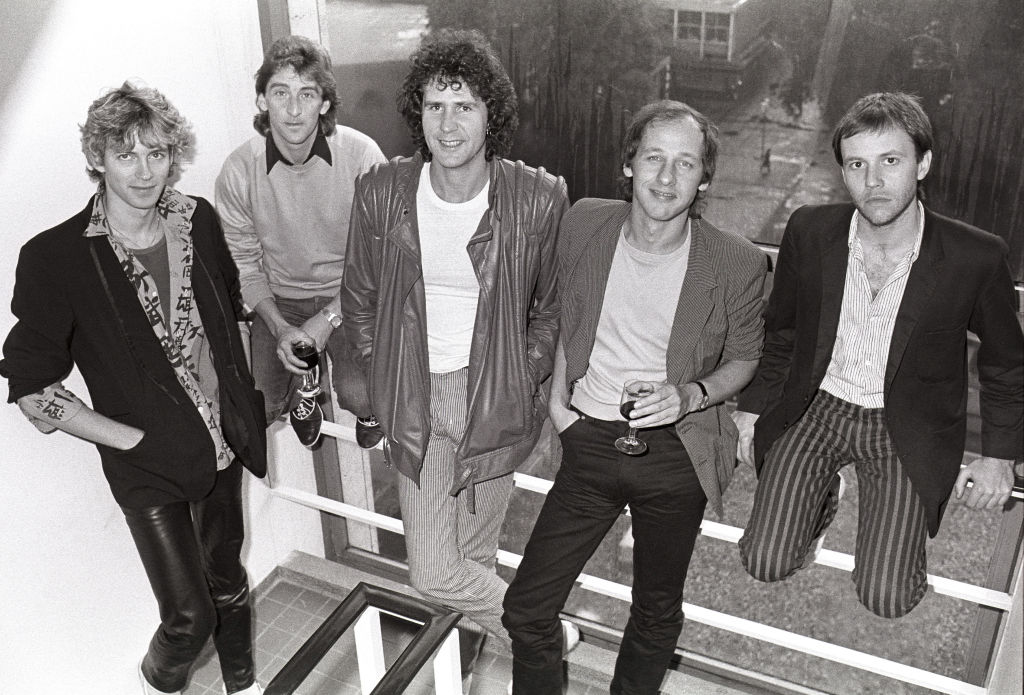
‘Telegraph Road’ is one of rock’s great slow-burn epics, taking its time to tell a story of ambition, progress, disappointment and loss. Mark Knopfler’s lyrics trace the rise and decline of an entire community, while the music builds patiently around some gorgeous piano playing and increasingly impassioned guitar work.
Nothing feels rushed or forced. By the time Knopfler unleashes that extraordinary closing solo, the song has accumulated so much emotion that its final release feels genuinely overwhelming. A remarkable piece of storytelling that often moves this writer near to tears.
7. 'Desolation Row' – Bob Dylan (1965, 11:21)
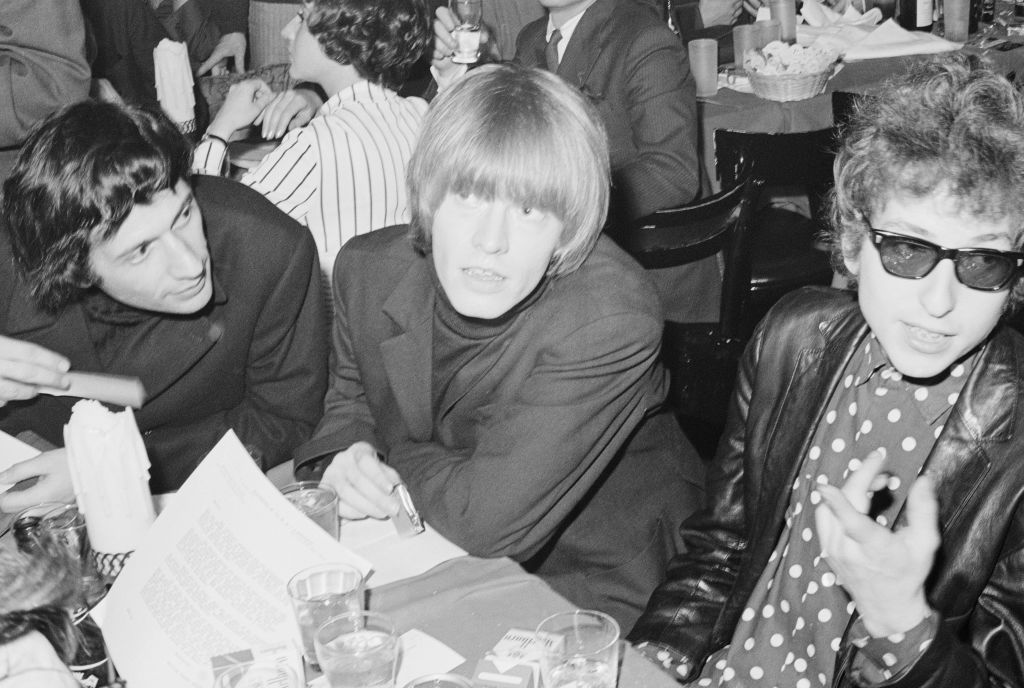
Dylan often ended his albums with a surreal magnum opus, and they don't come more surreal or protracted than the closer to 1965's Highway 61 Revisited album. Biblical characters, historical figures, lovers, criminals and celebrities wander through Dylan’s imaginary landscape, while Robbie Robertson’s acoustic guitar gives the whole thing a strangely weightless feel.
There’s no chorus to hurry things along and no obvious destination; instead, Dylan keeps adding another extraordinary image. Somehow, the sheer accumulation becomes the song’s structure. It is rambling, funny, sinister and endlessly quotable.
6. 'Echoes' – Pink Floyd (1971, 23:30)
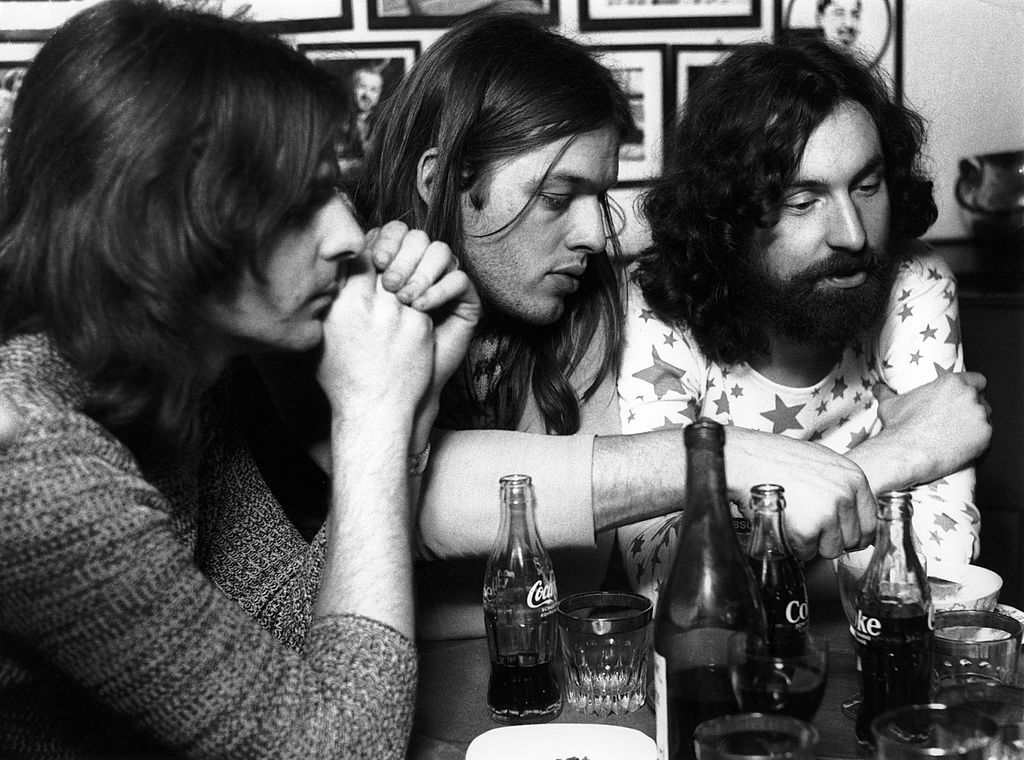
1971's Meddle is the album where Pink Floyd start to move away from their early space-rock forays into the widescreen grandeur, the immersive sonic richness, and the deeper psychological introspection that would define The Dark Side of the Moon, Wish You Were Here and the rest of their imperial phase.
And nowhere is that growing grandeur more evident than on 'Echoes', a 23‑minute composition that's also a journey into a complete imaginative world. Beginning with that sonar‑like ping, it unfolds as a slow‑burn journey through lyricism, psychedelia and near‑abstract sound design.
The band’s interplay is extraordinary: Gilmour’s soaring guitar, Wright’s oceanic keyboards and the hypnotic mid‑section create a sense of vast, tidal movement. It’s immersive, cinematic and boldly experimental without losing emotional clarity. 'Echoes' shows Pink Floyd at full creative stretch — ambitious, unified and capable of turning rock music into widescreen art.
5. 'Starless' – King Crimson (1974, 12:18)
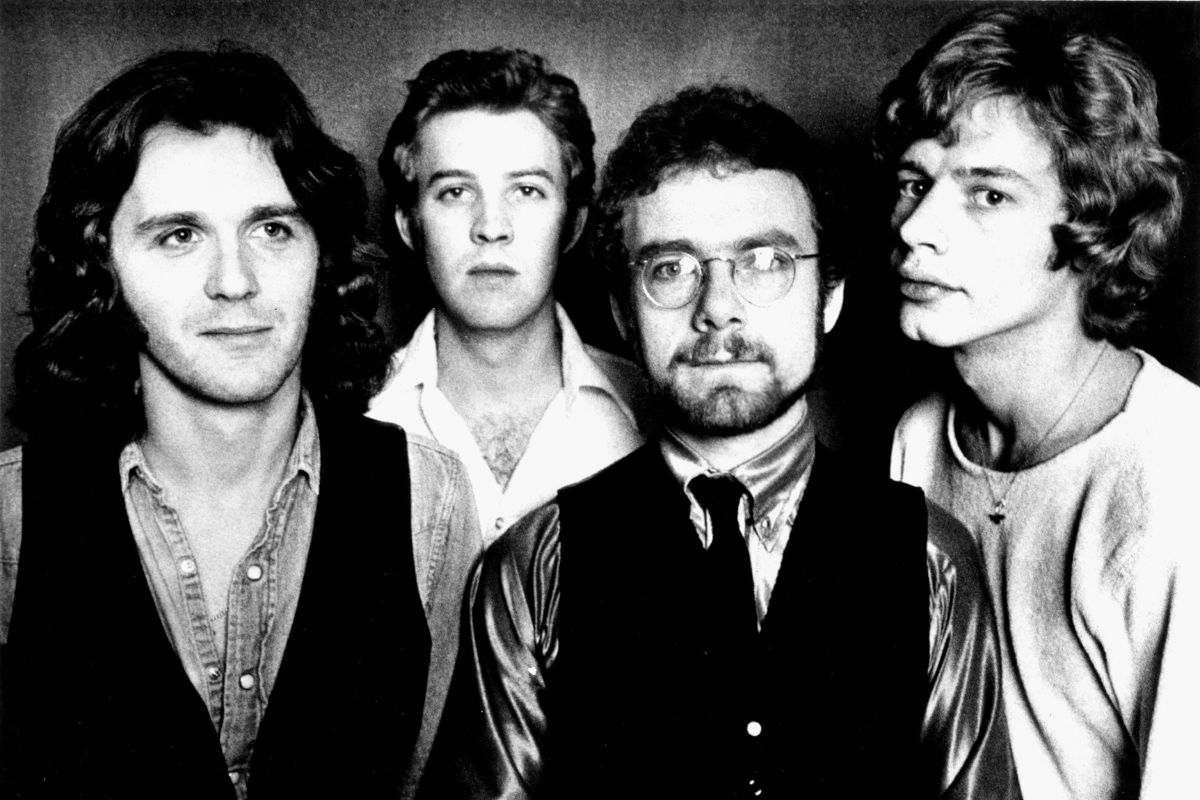
Few bands understood the art of making tension last quite like King Crimson. 'Starless' begins almost painfully quietly, with John Wetton’s voice and David Cross’s violin establishing a mournful atmosphere.
Then Bill Bruford and the rest of the band gradually turn up the pressure. Robert Fripp’s guitar and the rhythm section eventually lock into an almost hypnotic pattern, building towards a magnificent climax. At 12 minutes, it is an object lesson in how to make repetition feel like escalation rather than redundancy.
4. 'Thick as a Brick' – Jethro Tull (1972, 43:46)
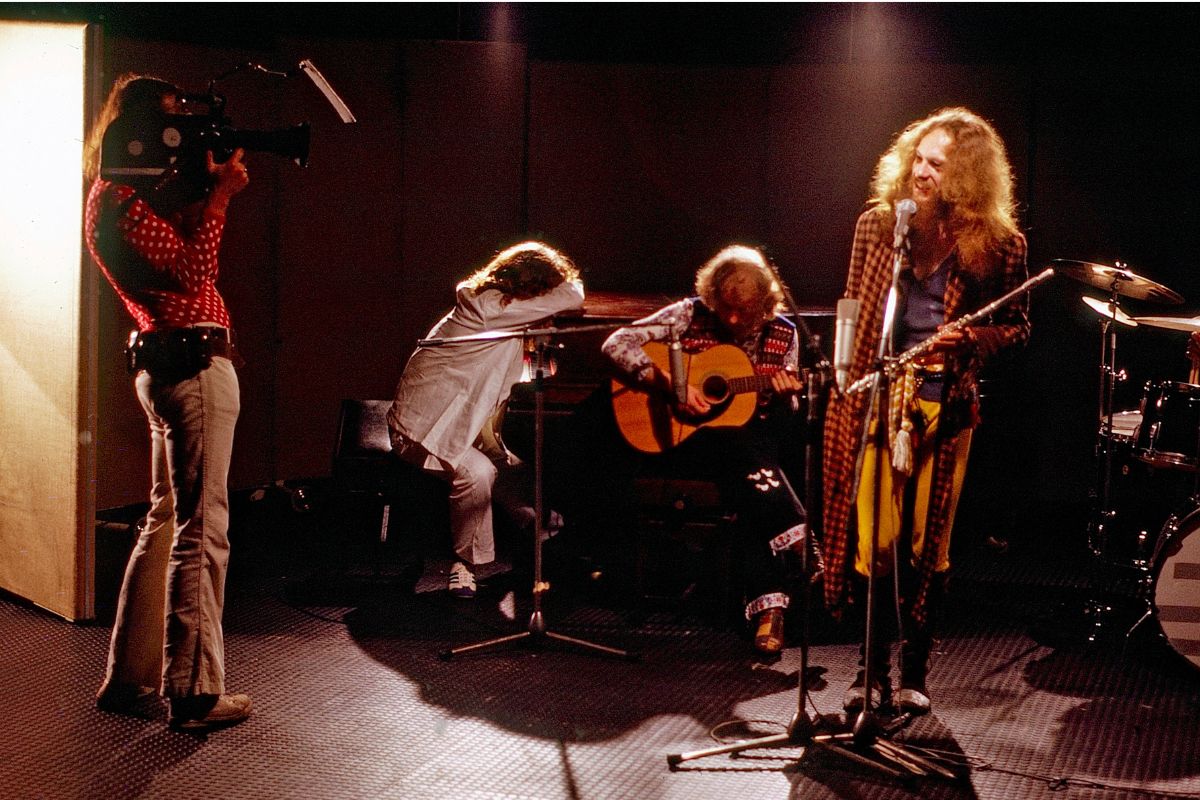
Jethro Tull’s answer to the idea of the prog-rock epic was to make the joke as enormous as possible. 'Thick as a Brick' originally occupied an entire album – essentially one near-44-minute composition divided into sections – complete with a mock newspaper created to accompany it.
Ian Anderson later explained that it was partly a parody of the pretensions of progressive rock. The joke, however, was backed by serious musicianship: beneath the satire lies a wonderfully intricate, constantly evolving piece of music.
3. 'Supper’s Ready' – Genesis (1972, 22:54)
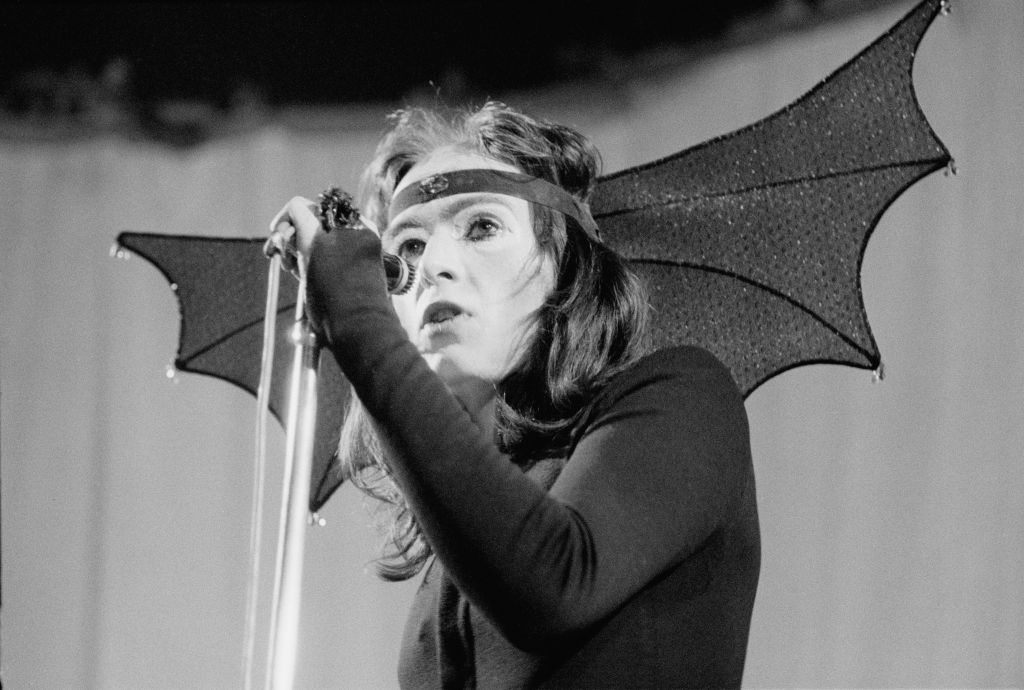
At just shy of 23 minutes and divided into seven sections, 'Supper’s Ready' is Genesis at their most ambitious and theatrical. At its heart is a sprawling story of good versus evil, drawing on Peter Gabriel’s dreams, biblical imagery and an apocalyptic vision of the world before ultimately arriving at a vision of redemption.
The lyrics move through mythology, dreams and apocalypse, while the music repeatedly changes character beneath him. There are pastoral passages, ominous instrumental sections and some of the band’s most memorable melodies. Crucially, though, it never feels like a technical exercise. Genesis understood that an epic needs drama as well as complexity – and 'Supper’s Ready' has both in abundance.
2. 'Shine On You Crazy Diamond Parts I-V' – Pink Floyd (1975, 13:33)
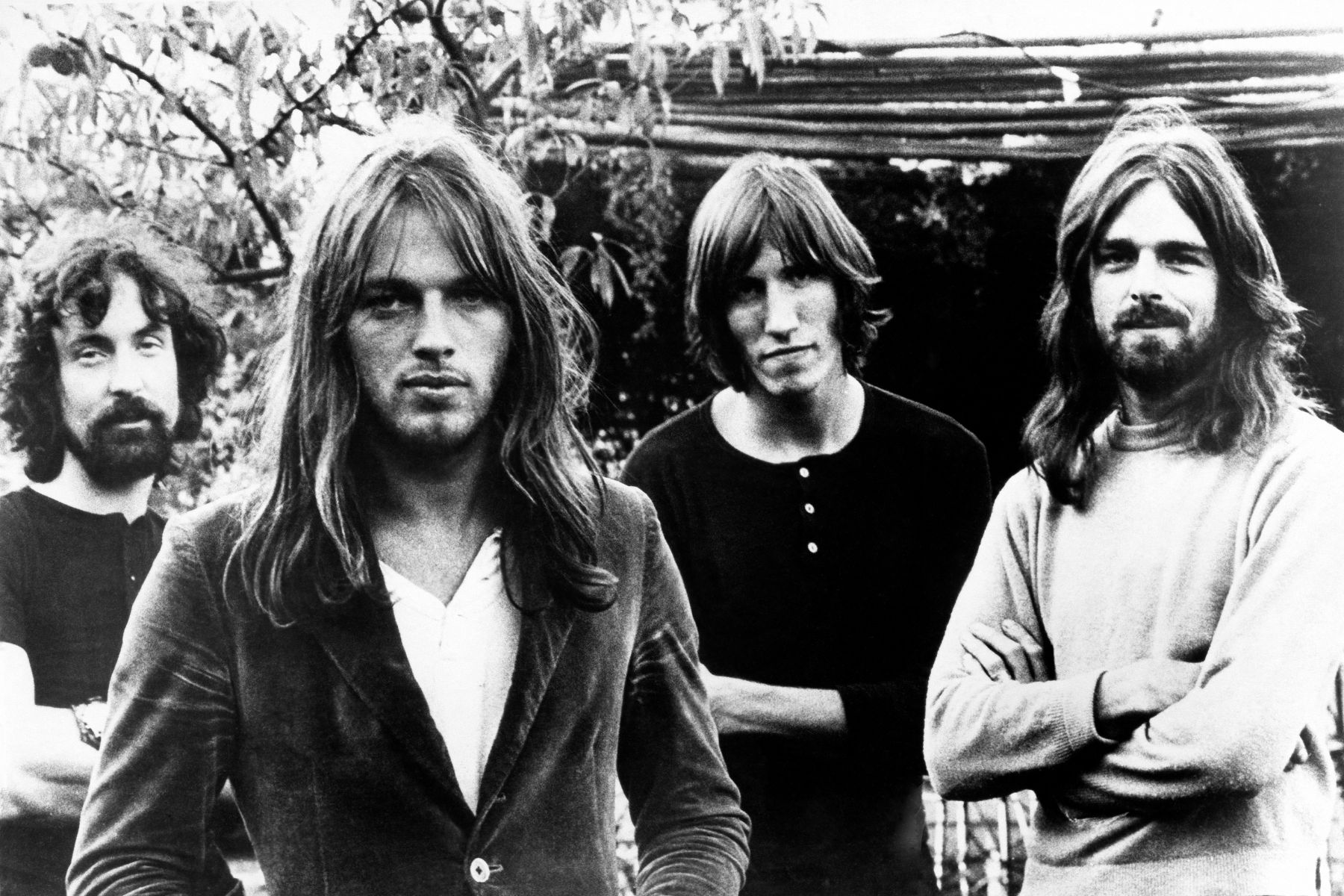
Few songs begin with such patience. The opening of 'Shine On You Crazy Diamond' takes its time, gradually assembling keyboards, guitar, saxophone and synthesizers before David Gilmour finally introduces that unmistakable four-note guitar phrase.
Across its sprawling 13 minutes (25 if you include Parts VI to IX that close out the Wish You Were Here album), Pink Floyd pay tribute to their much-missed pioneering creative spark Syd Barrett while creating music that feels simultaneously mournful and majestic. It is technically a suite rather than a conventional song, but that seems beside the point. Few pieces of rock music have ever made sadness sound so beautiful.
1. 'Close to the Edge' – Yes (1972, 18:43)
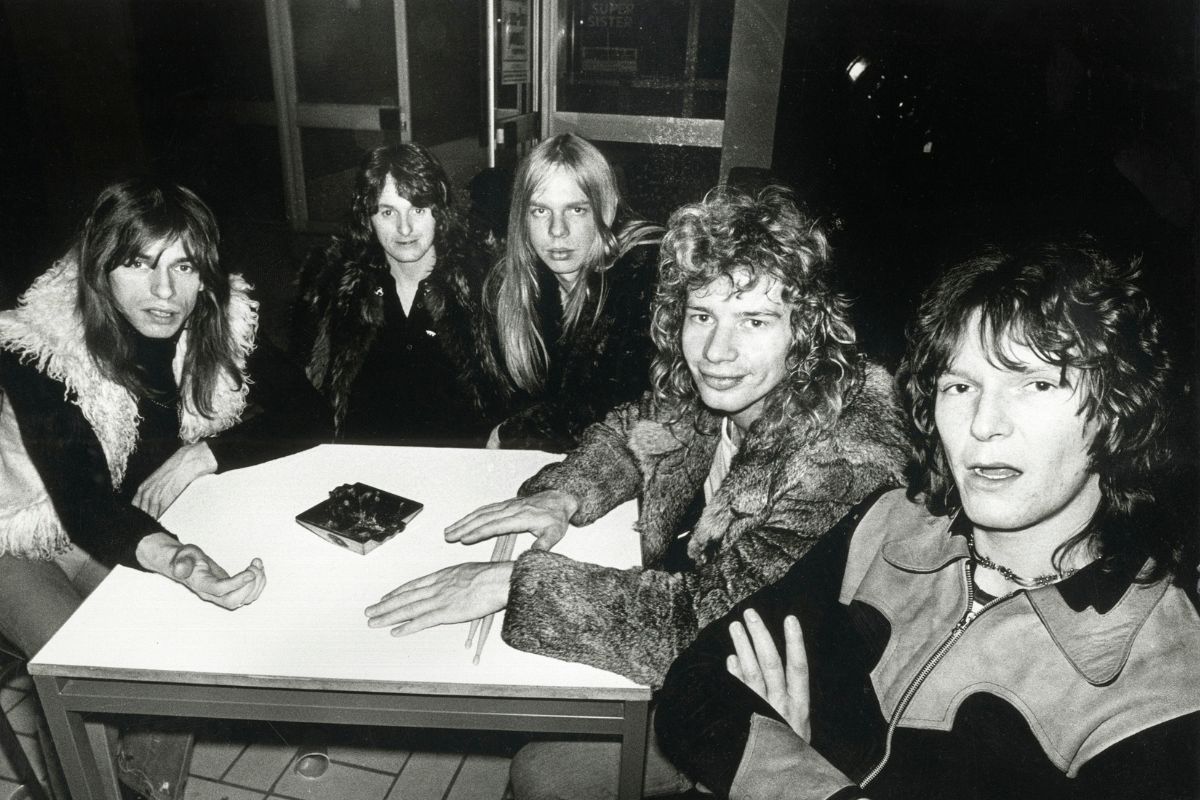
Yes took the basic idea of a rock song and stretched it until it became something almost symphonic. 'Close to the Edge' lasts nearly 19 minutes, but it is packed with ideas: intricate guitar and keyboard passages, sudden dynamic shifts, choral textures and Jon Anderson’s dreamlike lyrics.
Steve Howe, Chris Squire, Bill Bruford and Rick Wakeman sound less like five musicians playing a long song than a small orchestra constantly changing shape. It remains one of progressive rock’s most convincing arguments for ambition.
Pics Getty Images