Success in rock music is easy enough to explain. Longevity is much harder.
Every new movement promises to sweep away what came before. Punk rejected stadium rock. Synth-pop challenged guitar bands. Grunge made virtuosity unfashionable. Time and again, yesterday's heroes found themselves written off as dinosaurs.
Yet some artists refused to disappear. Whether by evolving, doubling down on their identity, or cultivating fiercely loyal audiences, they kept finding new ways to matter. Their careers weren't identical, but they all solved the same problem: how do you survive when the musical world decides you've become yesterday's news?
1. AC/DC

Strategy: Change almost nothing
Few bands have ignored fashion more completely than AC/DC.
When punk exploded, they kept playing hard rock. When synth-pop arrived, they ignored keyboards. Hair metal, grunge, nu-metal and indie all passed them by. Even the death of Bon Scott in 1980 failed to derail them.
Rather than evolving, AC/DC refined a formula until it became timeless. Malcolm Young's granite-tight rhythm guitar, Angus Young's feral, blues-infused solos and songs built on irresistible riffs proved endlessly renewable. On stage, that stripped-back precision turned into something almost elemental: a loud, sweat-drenched surge of pure momentum that made them one of the most reliable and visceral live acts in rock history.
What initially looked like stubbornness eventually became their greatest strength. Every generation discovers AC/DC sounding exactly as people hoped they would.
2. David Bowie
Strategy: Be first onto every new scene
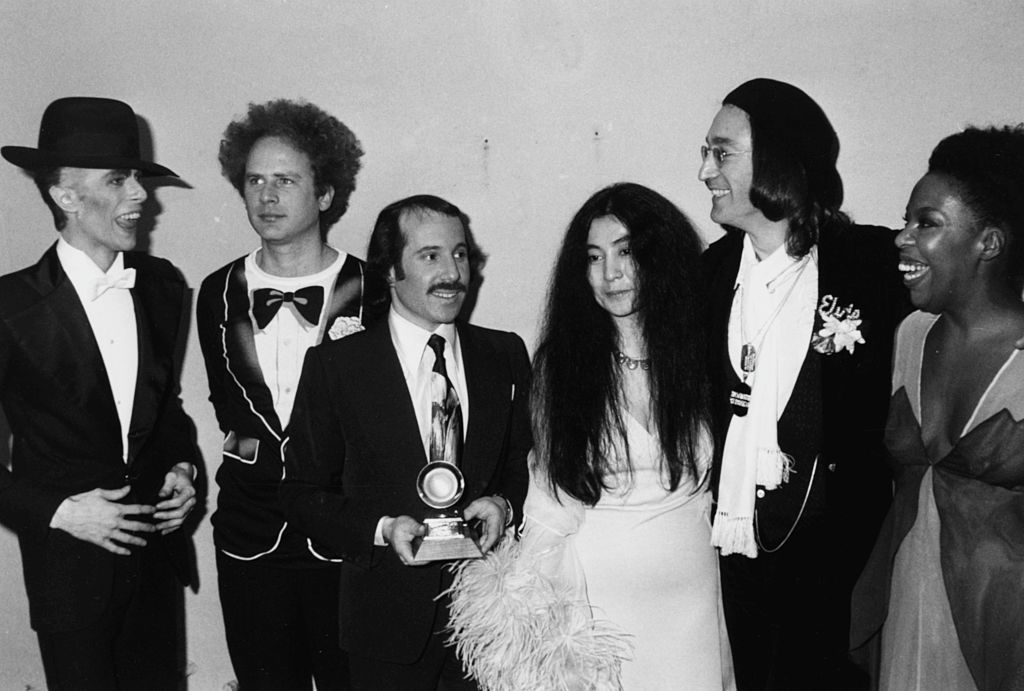
David Bowie rarely waited for the musical landscape to change before changing with it. Glam, soul, Berlin electronica, New Romanticism, industrial rock – he arrived at each destination just before everyone else. Rather than defending a successful formula, Bowie treated his career as an ongoing experiment, shedding personas almost as quickly as audiences embraced them.
Low (1977) is perhaps the clearest example. By the time its stark electronics, fragmented songwriting and ambient instrumentals were inspiring artists such as Joy Division, The Cure, Gary Numan and Ultravox, Bowie had already pushed further with the experimental "Heroes" and Lodger, before pivoting again towards the sleek, accessible pop of Scary Monsters (and Super Creeps), itself a major influence on the New Romantic movement.
Not every reinvention was commercially successful, but that was never really the point. Even his less celebrated periods laid the groundwork for future artists, while his creative peaks repeatedly redefined what rock could be. By refusing to become predictable, Bowie achieved something few artists manage: every generation discovered a different Bowie, and each felt entirely contemporary.
3. The Cure
Strategy: Build a world, not just a sound
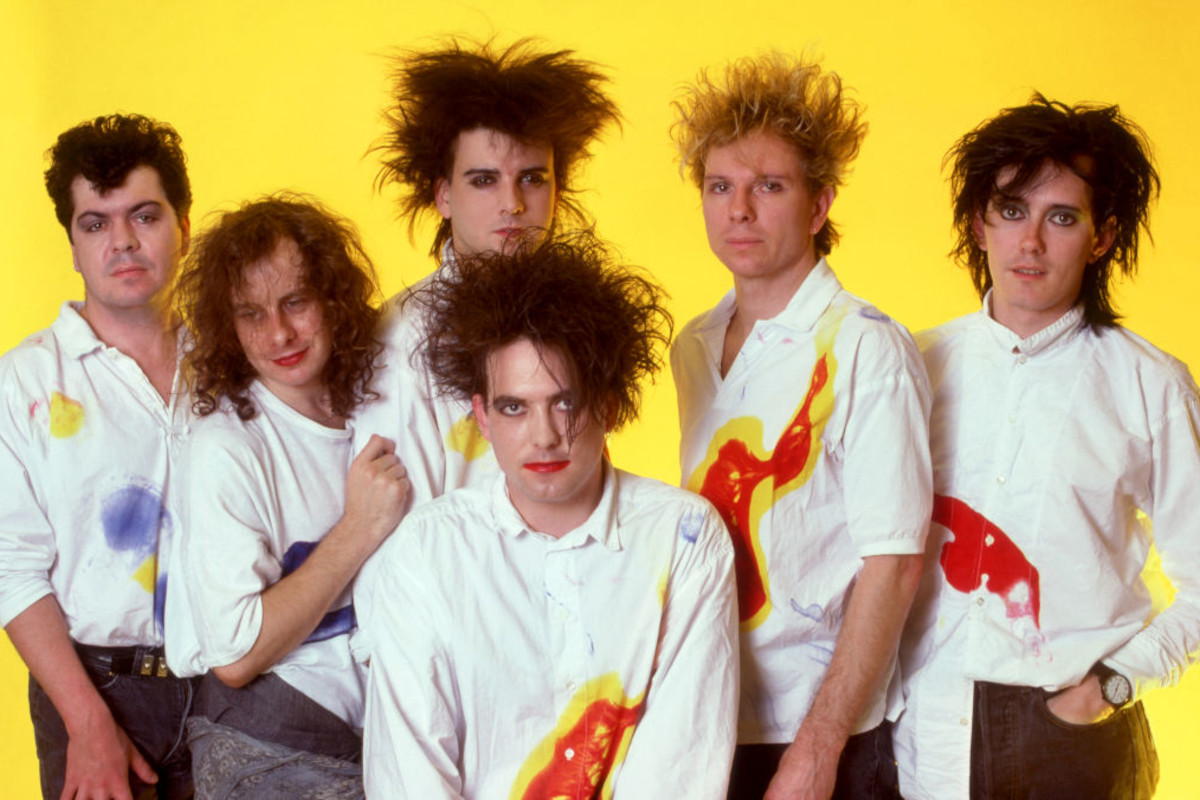
Unlike many of their contemporaries, The Cure survived because they created an identity that transcended any one musical style.
Robert Smith's unmistakable voice, image and lyrical worldview formed the centre of a self-contained universe that fans could instantly recognise, whether the band were making gloomy epics such as Faith and Pornography, shimmering pop hits like 'Just Like Heaven' and 'Friday I'm in Love', or sprawling, atmospheric albums such as Disintegration.
Trends came and went, but The Cure always sounded like themselves. By building an emotional and aesthetic world rather than committing to a single genre, they remained relevant to successive generations without ever appearing to chase fashion.
4. Genesis
Strategy: Listen and adapt
Genesis could easily have become another casualty of punk.
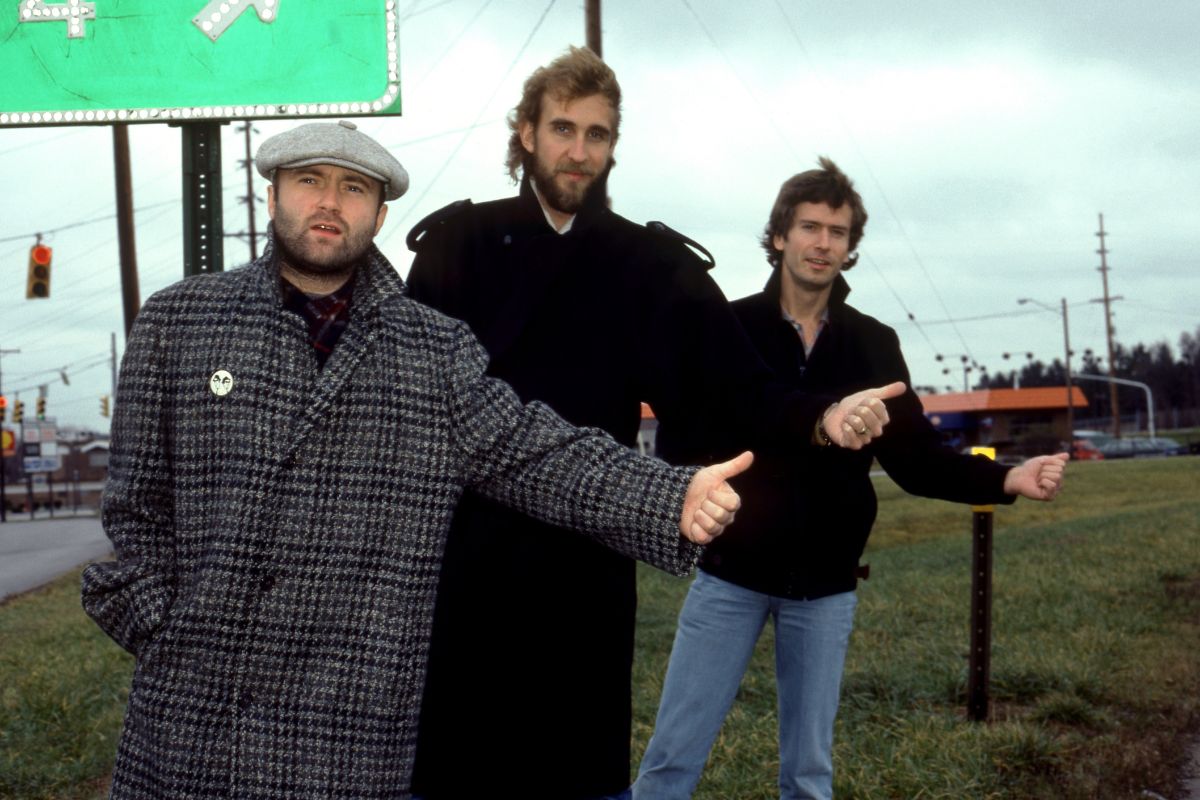
Instead, they recognised that the musical landscape had changed. The elaborate progressive suites and lyrical flights of fancy that distinguished albums like Nursery Cryme (1971) and 1972's Foxtrot gradually disappeared, songs became shorter and more direct, and drummer-turned-frontman Phil Collins emerged as one of the defining voices of 1980s pop.
Purists still debate whether this represented artistic compromise or evolution. Commercially, however, the answer is beyond dispute. Genesis became vastly bigger after prog's commercial peak had passed.
Few bands have navigated changing public tastes more successfully.
Here's 1983's 'Home By the Sea', where you can practically hear the band transitioning from prog to something poppier:
5. Aerosmith
Strategy: Survive yourself first
By the end of the 1970s, Aerosmith looked finished.
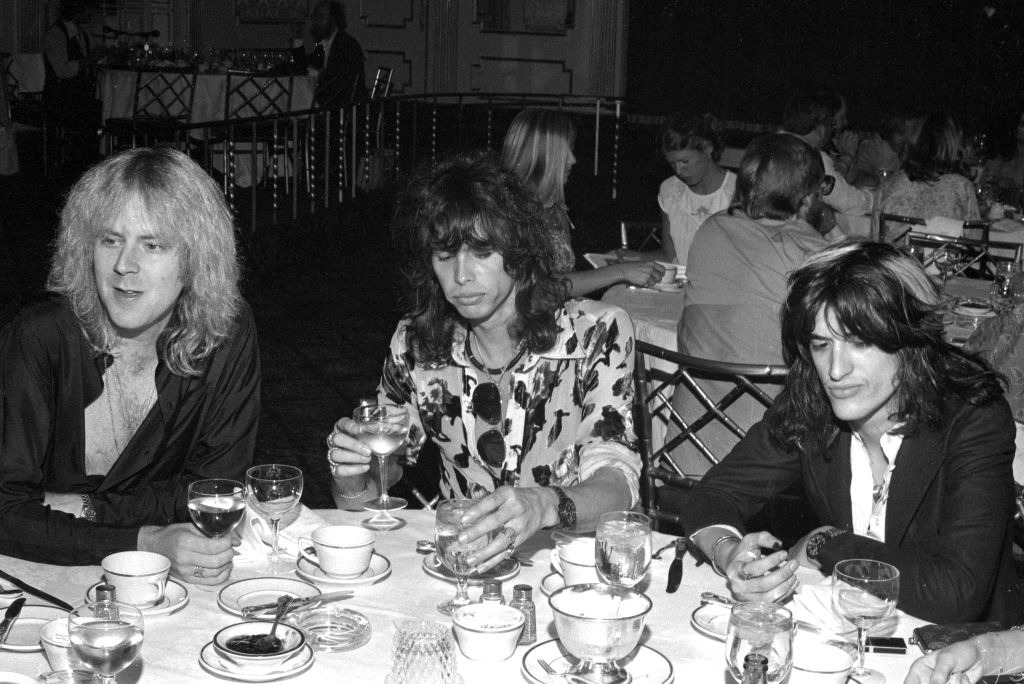
Drug addiction, collapsing relationships and declining records left America's biggest rock band on the brink. Guitarist Joe Perry cleared out in July 1979. Yet rehabilitation, the return of Perry in 1984, and frontman Steven Tyler's renewed focus gave them an unlikely second act.
Then came MTV.
Collaborations with Run-DMC and glossy albums like Permanent Vacation introduced Aerosmith to an entirely new audience. They became one of the few classic rock bands to enjoy two genuinely distinct periods of superstardom.
6. Fleetwood Mac
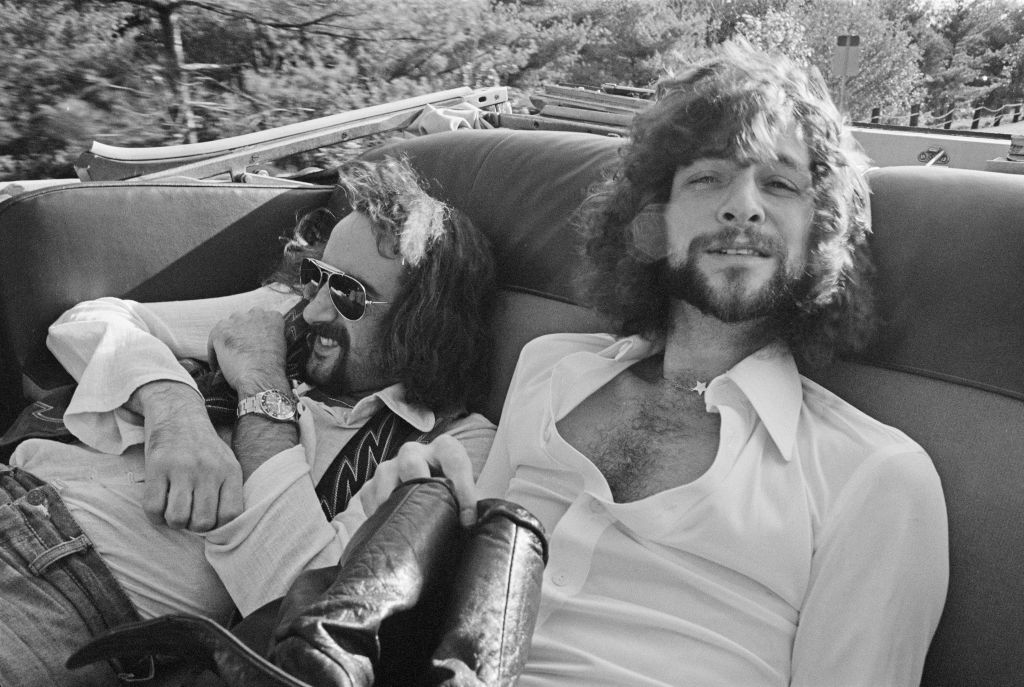
Strategy: Just keep reinventing
Almost every successful band fears major personnel changes. Fleetwood Mac practically depended on them.
They began in the late 1960s as one of Britain’s most respected blues outfits, led by Peter Green, whose guitar playing gave them a raw, expressive edge rooted firmly in Chicago blues tradition. This early version was defined by extended improvisation, minor-key melancholy and a rough, club-band energy that produced hits like Albatross and Oh Well, before internal pressures and Green’s departure destabilised the group.
In the early 1970s, the band shifted into a more melodic, radio-friendly rock direction under Bob Welch and later Bob Weston/Dave Walker-era turbulence, gradually shedding the blues intensity in favour of tighter songwriting and a softer, more polished West Coast-influenced sound. Albums from this period showed a band in flux, searching for identity but steadily moving away from its British blues roots.
The final transformation came with Lindsey Buckingham and Stevie Nicks in 1975, when the band fully reinvented itself as a California soft-rock phenomenon. With layered harmonies, pristine production and emotionally charged songwriting, Fleetwood Mac (1975) and 1977's Rumours turned personal turmoil into immaculate pop craftsmanship, making them one of the biggest bands in the world while still retaining a recognisable core identity.
Many groups collapse after losing key members. Fleetwood Mac repeatedly used change as an opportunity to become something even bigger.
9 more rock survivors who refused to go away
7. The Rolling Stones
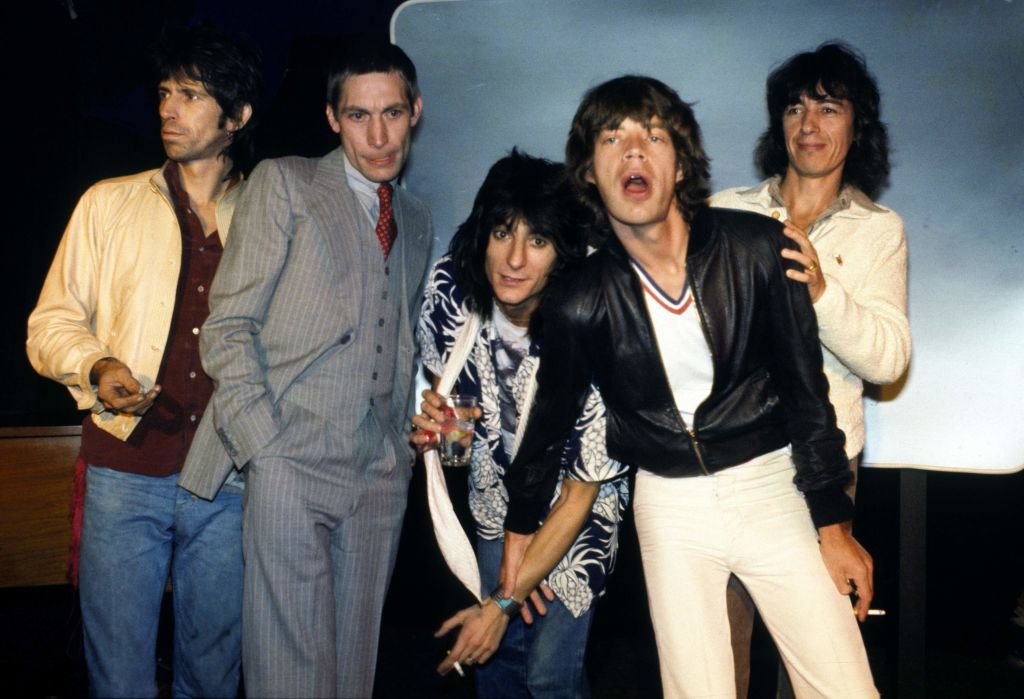
Strategy: Become bigger than fashion
By the early 1970s, The Rolling Stones had already survived the British beat boom, psychedelia and the death of Brian Jones. Then came glam, punk, new wave, grunge and Britpop, each supposedly heralding a new generation ready to replace the old guard.
The remarkable thing is that the Stones gradually stopped competing with younger bands altogether. Rather than chasing trends, they became an institution. Audiences no longer expected them to sound contemporary; they expected them to sound like The Rolling Stones.
There were occasional nods to changing fashions – 1978's Some Girls borrowed from punk and disco without ever feeling desperate, while Emotional Rescue (1980) flirted with post-disco and club rhythms in a deliberately loose, dancefloor-minded way – but their greatest achievement was turning themselves into rock’s permanent benchmark.
8. Rush

Strategy: Evolve without abandoning your identity
Rush were among punk's favourite targets. Long songs, science fiction lyrics and dazzling musicianship represented almost everything the new movement claimed to reject.
Instead of digging in, Rush quietly adapted. The sprawling epics gradually gave way to tighter songwriting, while Geddy Lee embraced synthesisers throughout the 1980s. Yet the band never abandoned the intelligence, precision and adventurous spirit that defined them.
When tastes swung back towards guitar music, Rush simply evolved again. By refusing to stand still – but also refusing to become anyone else – they remained one of rock's most respected bands for four decades.
9. Queen
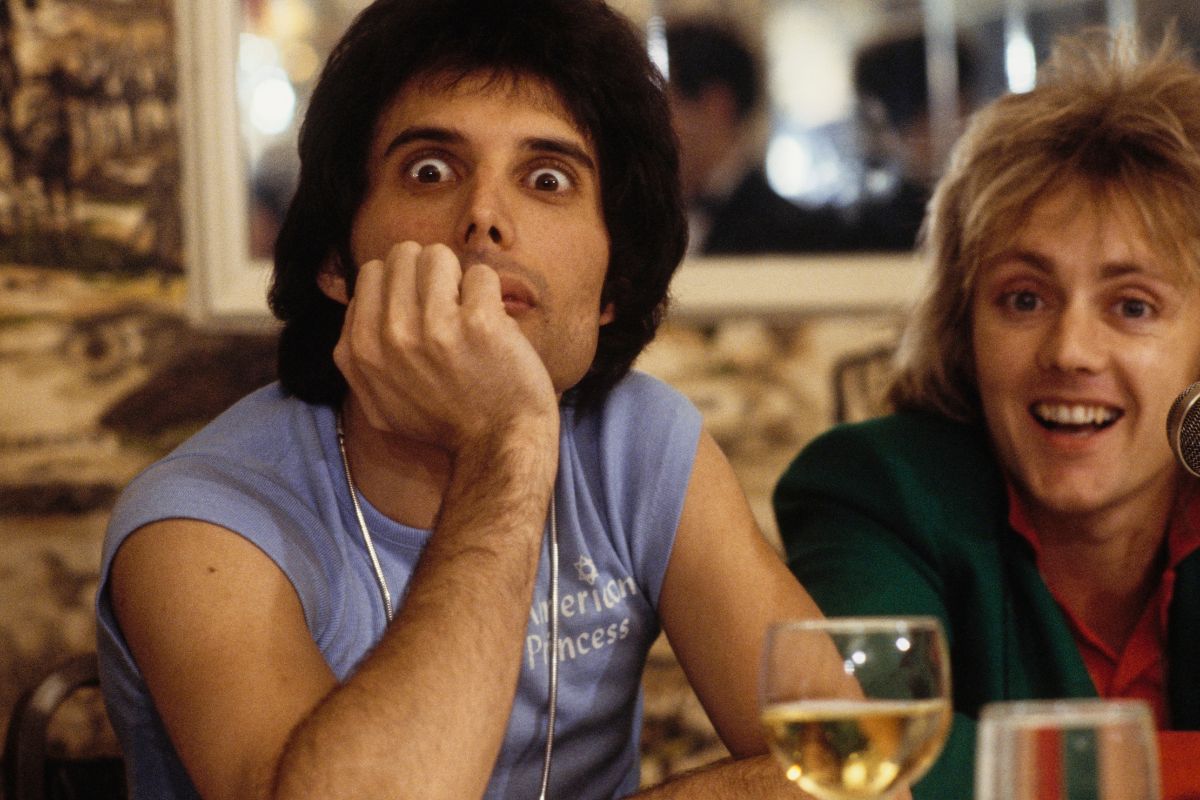
Strategy: Make unpredictability your trademark
Queen were almost impossible to pin down.
One album might contain hard rock, vaudeville, music hall, opera and funk, while the next embraced disco grooves or synth-pop. Yet Freddie Mercury, Brian May and company somehow made these stylistic leaps feel completely natural.
When punk dismissed them as bloated dinosaurs, Queen responded not by retreating but by becoming even more adventurous. Later, they absorbed elements of funk, dance music and contemporary pop while retaining the theatrical ambition that made them unique.
Their refusal to recognise genre boundaries ensured they never became trapped inside one.
Here's 'Seaside Rendezvous' (from A Night at the Opera, 1975), with its rapid-fire ragtime piano and a mid-section where Freddie Mercury and Roger Taylor imitate brass instruments and woodwinds using only their voices:
10. Iron Maiden

Strategy: Build a fanbase... and keep giving them what they want
Iron Maiden largely ignored the mainstream music industry and concentrated instead on cultivating one of rock's most loyal audiences.
The band rarely chased hit singles, fashionable producers or radio-friendly trends. Instead, they doubled down on galloping riffs, historical epics, elaborate artwork and spectacular live shows. Even when grunge briefly pushed traditional metal to the margins during the 1990s, Maiden continued touring relentlessly, filling arenas around the world.
When Bruce Dickinson returned in 1999, they entered one of the strongest periods of their career. Their success proved that cultivating a devoted global following could be far more durable than chasing short-lived chart success.
11. Motörhead

Strategy: Become bigger than any one genre
Lemmy famously insisted Motörhead weren't a heavy metal band. They simply played rock'n'roll.
Whatever label listeners attached to them, the formula barely changed across four decades. Every album delivered distorted bass, thunderous drums, razor-sharp riffs and Lemmy's unmistakable rasp. While countless bands reinvented themselves with each new trend, Motörhead became reassuringly dependable.
That consistency gradually became a virtue rather than a limitation. Fans knew exactly what they were getting, and that authenticity earned enormous respect across punk, metal, hard rock and even alternative music. Few bands were admired by such diverse audiences.
12. Tom Petty & the Heartbreakers

Strategy: Ignore fashion completely
Tom Petty seemed almost immune to changing musical trends.
While punk erupted, MTV transformed pop and grunge reshaped rock, Petty continued writing beautifully crafted songs rooted in classic American rock'n'roll, folk and jangly guitar pop. There were no dramatic reinventions or calculated image makeovers.
Instead, consistency became his greatest strength. His songwriting possessed a timeless quality that felt equally at home in 1977, 1987 or 2007, while the Heartbreakers remained one of the finest backing bands in rock.
Sometimes the best response to changing fashions is simply to write better songs than everybody else.
13. Tool

Strategy: Weaponize scarcity and absence
While most bands live in terror of being forgotten, Tool built a four-decade career by deliberately hiding from their audience.
Between their multi-platinum albums Lateralus (2001), 10,000 Days (2006), and Fear Inoculum (2019), the band allowed massive gaps of up to 13 years to pass without releasing a single second of new music. They stubbornly refused to put their music on streaming services like Spotify or Apple Music until 2019, making their back catalogue a hard-to-find, sacred text. They rarely gave interviews, hid in the shadows on stage, and let singer Maynard James Keenan focus on his Arizona winery for years at a time.
In any other industry, this total withdrawal would be commercial suicide. For Tool, it was a masterstroke. By creating a total vacuum of information, they forced their fanbase to obsess over the music they had released. Nu-metal, indie rock, and pop-punk all blew up and died during their periods of silence.
When Tool finally emerged from the shadows to release an album or announce a tour, they didn't just return: it felt like a mythic event. Their strategy proved that in a hyper-connected world, going completely dark is the ultimate way to stay relevant.
14. ZZ Top
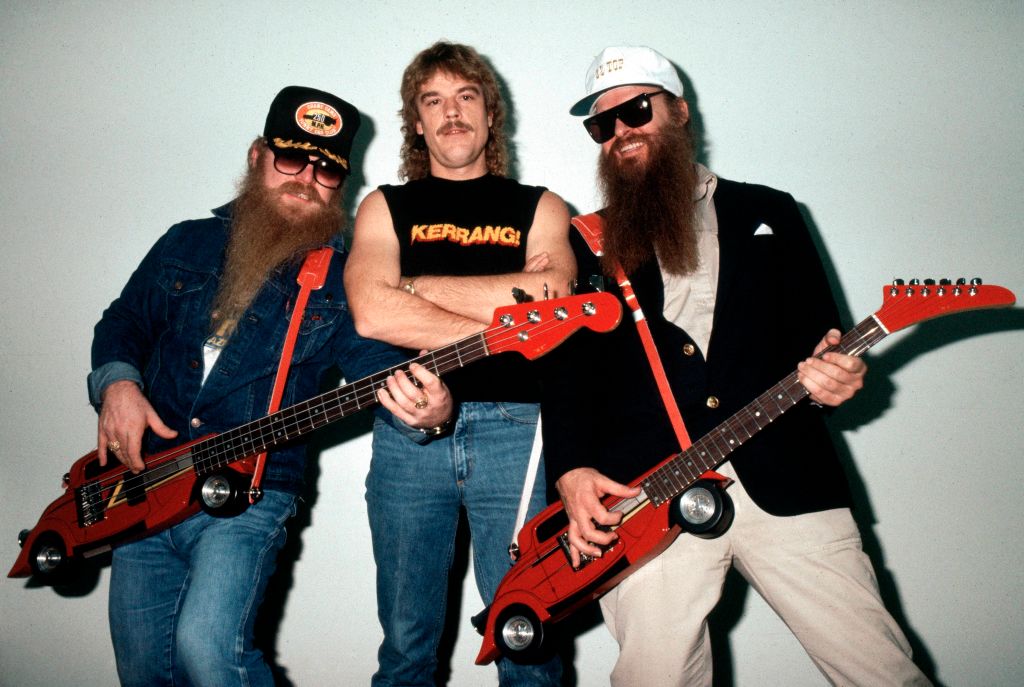
Strategy: Get a look
ZZ Top had already been together for more than a decade when they accidentally reinvented themselves for the MTV era.
Instead of abandoning their Texas blues-rock roots, Billy Gibbons, Dusty Hill and Frank Beard simply wrapped them in gleaming synthesisers, memorable videos and an unforgettable visual identity. Those matching beards, customised hot rods and deadpan humour became almost as famous as the music itself.
Albums such as Eliminator and Afterburner introduced the trio to millions of younger fans without alienating the audience that had supported them since the early 1970s. Their trick wasn't changing who they were – it was presenting the same core identity in a form perfectly suited to a new generation.
15. Judas Priest
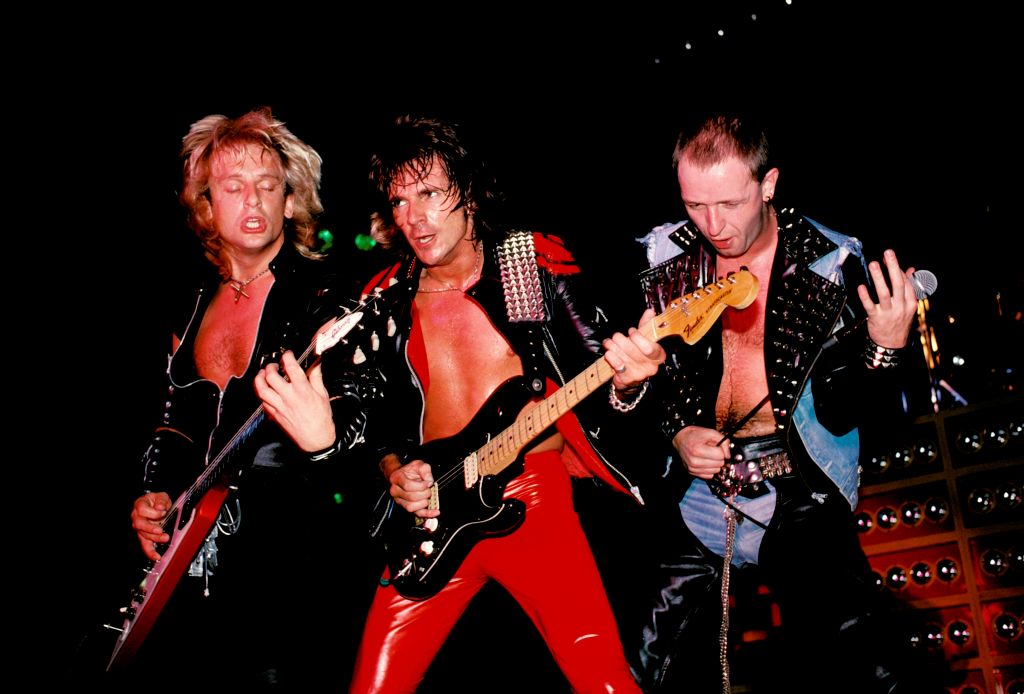
Strategy: Own your niche
Rather than chasing mainstream acceptance, Judas Priest helped define heavy metal itself.
The leather-and-studs image, the dual-guitar attack, Rob Halford's high-register operatic vocal style, and the emphasis on precision, speed and machine-like riffing essentially became a blueprint. Albums like British Steel didn’t just succeed within metal; they helped define what metal looked and sounded like for the next generation. That gives them a kind of 'genre authority' that few bands share.
Throughout disco, new wave, grunge and Britpop, the band remained unapologetically metal. After all, as Priest had helped establish the rules, they never needed to follow anybody else's.
Sometimes survival comes not from adapting, but from becoming the standard everyone else measures themselves against.
Pics Getty Images
Top pic AC/DC, 1980