Every era of music has its miracles: the songs that weren’t meant to be hits, weren’t backed by their creators, and weren’t expected to travel far beyond the studio walls.
Some were dismissed as filler, some were nearly buried by labels, some were released reluctantly, and some were written off entirely. Yet they’re the tracks that ended up defining careers, shaping genres and becoming the kind of cultural landmarks that outlive everyone involved.
There’s something irresistible about these unlikely triumphs. They reveal the gap between artistic intention and public reception; they show how fragile the line is between doubt and destiny; and they remind us that even the most confident artists can misjudge their own magic. Sometimes a song is too strange, too quiet, too long, too raw or too accidental to look like a hit on paper — until it becomes one.
These fifteen tracks share one thing: their creators never believed in them. But listeners did. And in the end, that faith proved louder than any hesitation in the studio.
1. Black Sabbath: ‘Paranoid’ (1970)
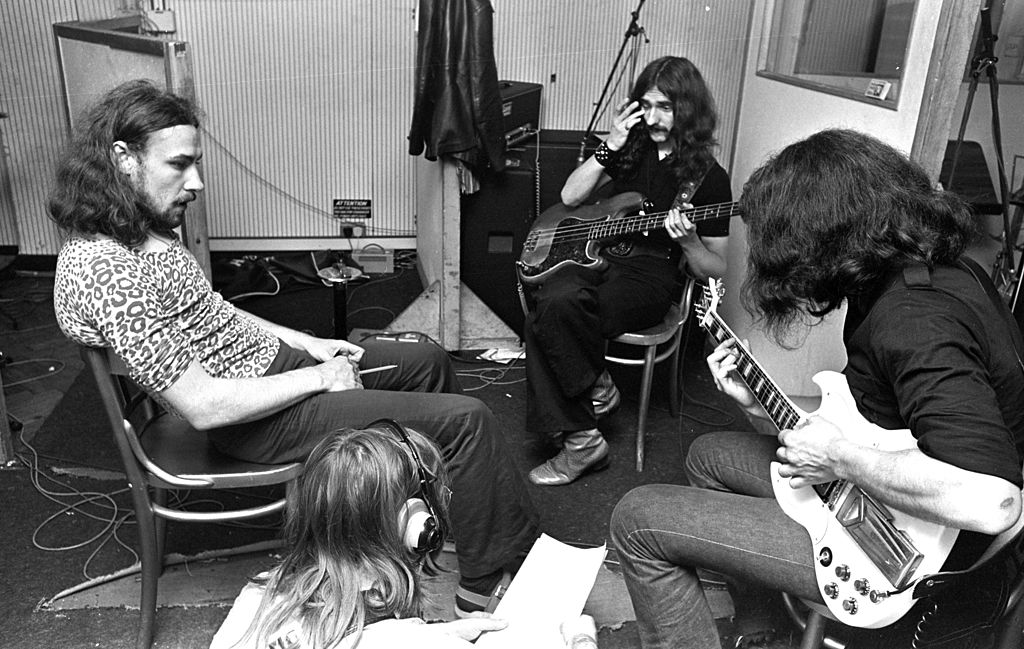
‘Paranoid’ is one of rock’s great ironies — a song that helped define heavy metal, yet was dashed off in minutes simply to fill space on the (eponymous) album. The band weren’t wrestling with doubt or perfectionism; they just needed another track, fast, and Tony Iommi’s urgent riff arrived almost as an afterthought.
No one imagined it as a single, let alone a breakthrough. But its tight, propulsive energy cut through the murk of early‑70s rock, racing up charts worldwide and giving Black Sabbath their first major hit.
2. Chicago – 'If You Leave Me Now' (1976)
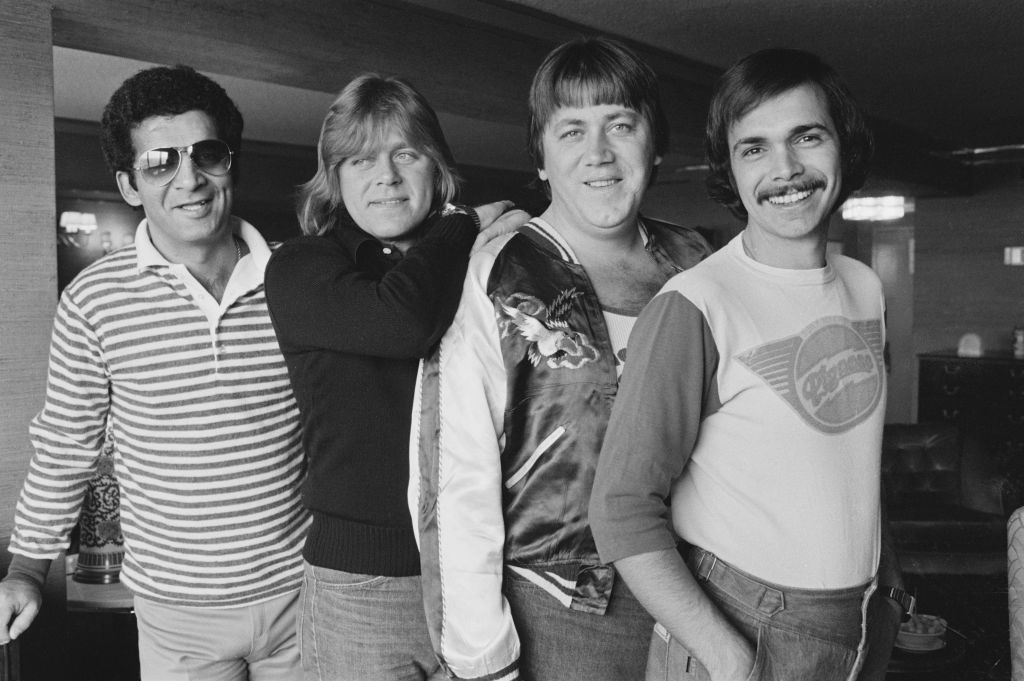
Chicago had built their reputation on muscular horn arrangements, extended instrumental passages and jazz-rock ambition. Then Peter Cetera came along with a soft, string-laden ballad that some of his bandmates had reportedly been reluctant to embrace. It was recorded almost as an afterthought during the Chicago X sessions – so much so that saxophonist Walter Parazaider has recalled not even realising it had made the album until he heard it on the radio.
Then the supposedly unlikely single exploded. 'If You Leave Me Now' became Chicago’s first US No.1, also topped the UK chart for three weeks and won the band its first Grammy. The song's success helped point Chicago towards the smoother, more pop-oriented sound that would dominate their later career.
3. a-ha – 'Take On Me' (1985)

a-ha never doubted 'Take On Me'. The problem was persuading anyone else to listen.
The song was released in 1984 and flopped; a re-recorded version failed again in 1985. Yet the band kept believing in it, while Warner Bros executive Jeff Ayeroff saw enough potential to give them another chance. The breakthrough came with a third release, a new recording and Steve Barron’s extraordinary pencil-sketch video, which took the song somewhere pop music had rarely been before.
Suddenly the failures were forgotten: 'Take On Me' reached No.1 in the US and No.2 in Britain in 1985, becoming a global phenomenon. Morten Harket later recalled that it was 'what we’d been waiting for and expecting to happen'. The remarkable thing, then, wasn't that a-ha underestimated their song – it was that the rest of the world took three attempts to catch up with them.
4. R.E.M.: ‘Losing My Religion’ (1991)
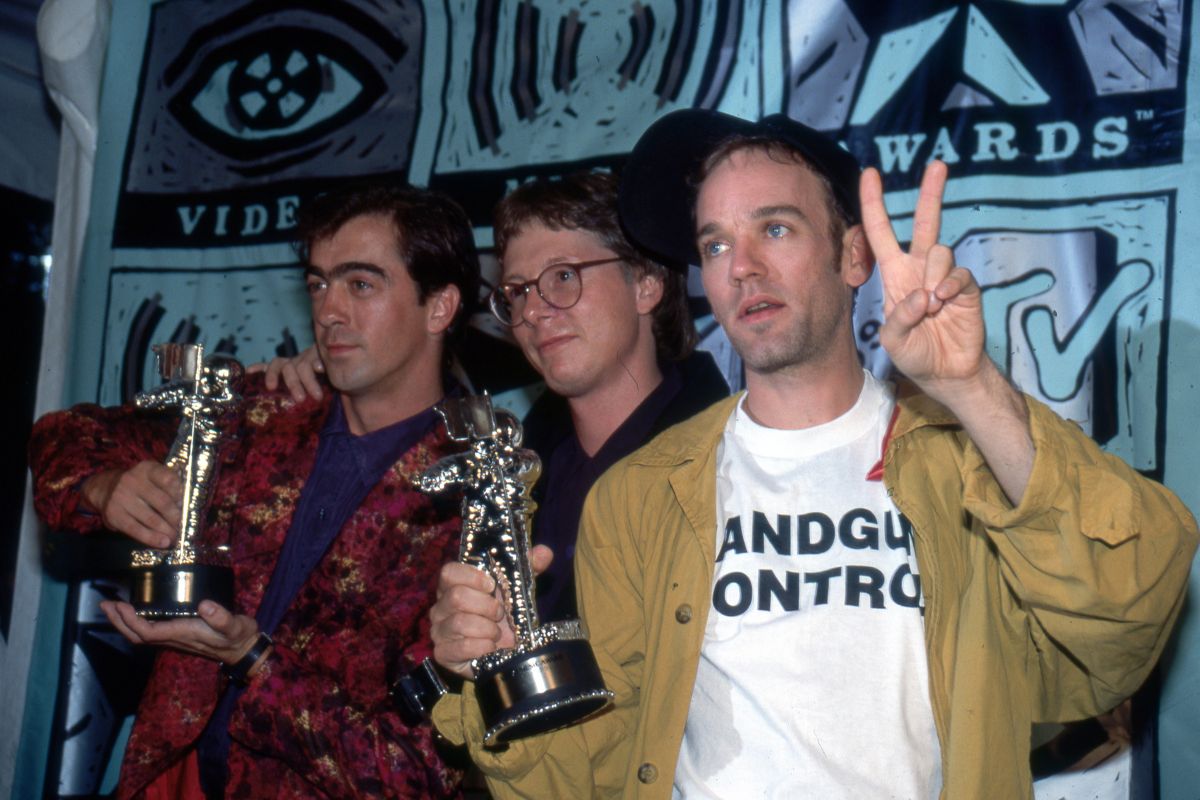
A mandolin‑driven, chorus‑less lament hardly screamed ‘hit’, and R.E.M. were wary of releasing 'Losing My Religion' at all. Warner weren’t convinced either, fearing it was too odd to anchor a campaign. Stipe wrote it from a place of emotional overload — a Southern phrase for losing your composure, wrapped around a story of obsessive, unrequited longing he wasn’t sure anyone would relate to.
Yet its hypnotic melancholy connected instantly, becoming the band’s biggest global success and reshaping what alternative rock could sound like on mainstream radio. A song built on doubt became the moment R.E.M. crossed over without compromising an inch.
5. Queen: 'Bohemian Rhapsody' (1975)
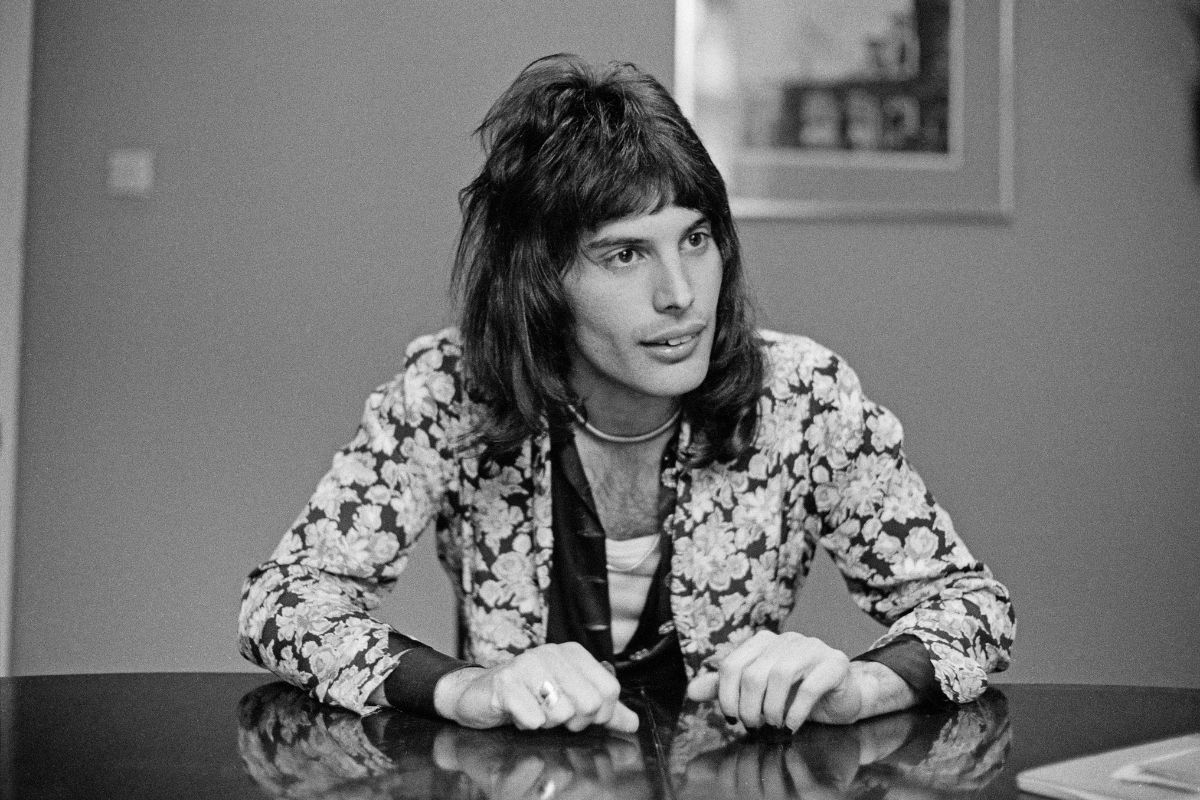
Few hit singles were doubted more than 'Bohemian Rhapsody'. EMI executives balked at releasing a track that ran at a shade under six minutes, convinced radio stations would never play it without heavy edits. Freddie Mercury refused to shorten it by even a second.
The breakthrough came when influential Capital Radio DJ Kenny Everett played the song 14 times in a single weekend, creating huge public demand before the record was even officially released. EMI finally relented, issued the unedited version, and watched Queen's epic become one of rock’s most enduring classics.
6. The Rolling Stones: '(I Can't Get No) Satisfaction' (1965)
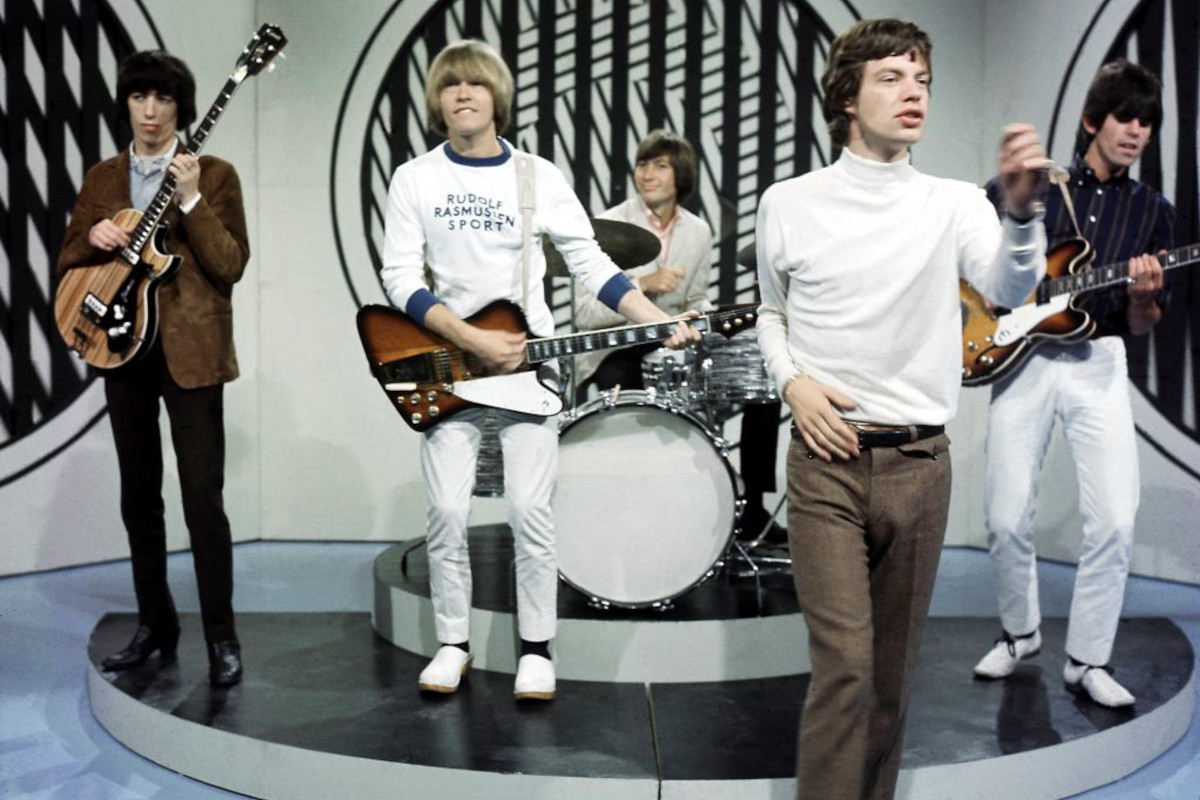
The Rolling Stones almost overlooked the riff that would define their career. Keith Richards famously woke in the middle of the night, recorded the now-iconic guitar figure onto a cassette, then fell back asleep, later dismissing it as little more than a sketch.
The fuzz-tone guitar was intended as a placeholder for a horn section, while the band initially favoured other songs as singles. Instead, '(I Can't Get No) Satisfaction' became the Stones’ first US No. 1 and one of rock’s most instantly recognisable anthems.
7. The Beach Boys: ‘God Only Knows’ (1966)
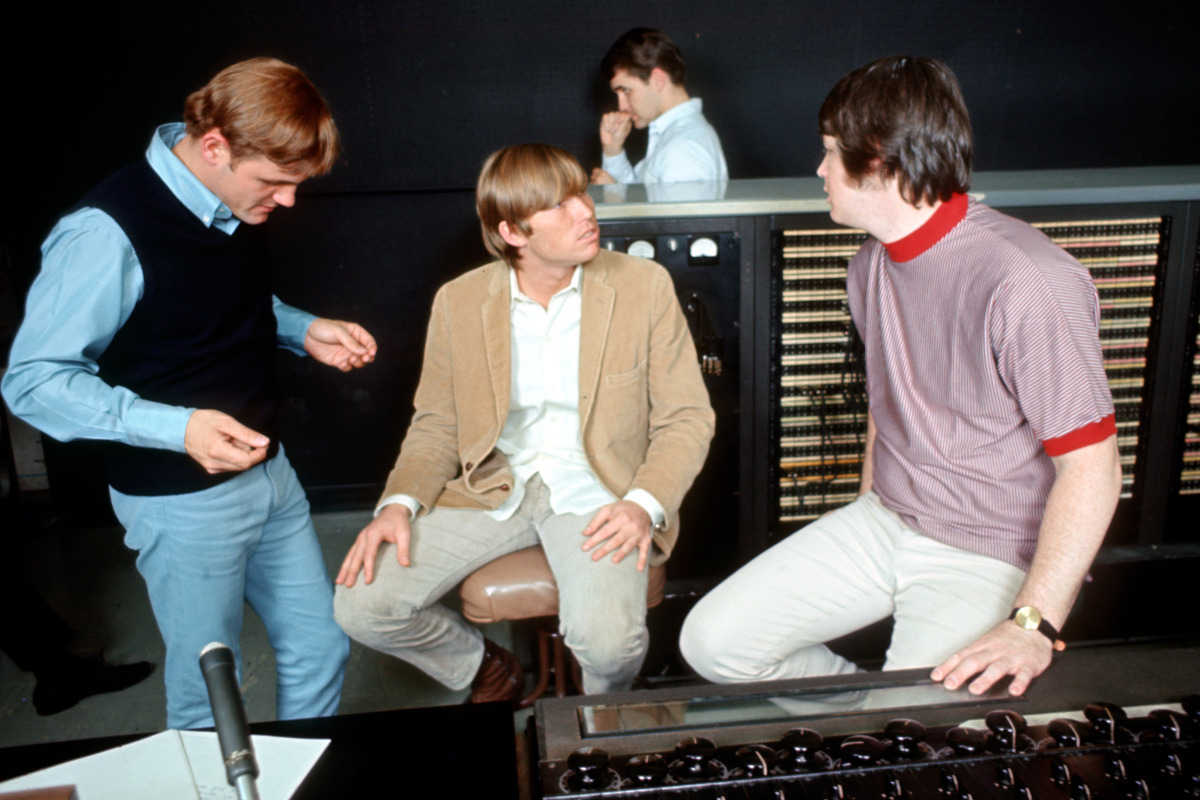
'God Only Knows’ is now one of pop’s most exquisite creations — a feather‑light hymn of devotion that sits at the emotional core of Pet Sounds, its tenderness forever bound up with Brian Wilson’s pursuit of something purer and more transcendent than chart pop. It's also, memorably, Paul McCartney's choice for the greatest song ever written. Yet its path to release was anything but smooth.
The Beach Boys' label Capitol were anxious about almost everything: the title, which they feared would offend conservative radio; the sentiment, which felt too nakedly vulnerable for a band known for surf‑bright optimism; and the structure, which drifted with an almost classical fluidity rather than following a standard verse‑chorus pattern.
Executives pushed back hard, worried it was too delicate to work as a single and might even damage the album campaign. Wilson refused to budge, insisting it was the emotional heart of his vision. And soon enough, a song the label nearly sidelined duly became a timeless classic.
8. Eurythmics – 'Sweet Dreams (Are Made of This)' (1983)

Nothing about Eurythmics' breakthrough single looked like a conventional hit.
Dave Stewart and Annie Lennox created the song merely as an experiment with a drum machine, synthesizers and an eight-track machine in a makeshift London studio. Even their record label wasn't convinced: there was, executives pointed out, no obvious chorus, and the duo had already endured a run of underperforming singles.
Stewart and Lennox thought they had something special; the people around them weren't so sure. Then an American radio DJ began playing the album track and listeners started demanding it. RCA finally released it as a single, and the strange, hypnotic song went to No.1 in America and No.2 in Britain, turning Eurythmics into international stars.
Forty-plus years later, it remains one of the defining sounds of 1980s pop – proof that sometimes the strangest song in the room is the one everyone ends up wanting.
9. Blue Öyster Cult – '(Don't Fear) The Reaper' (1976)
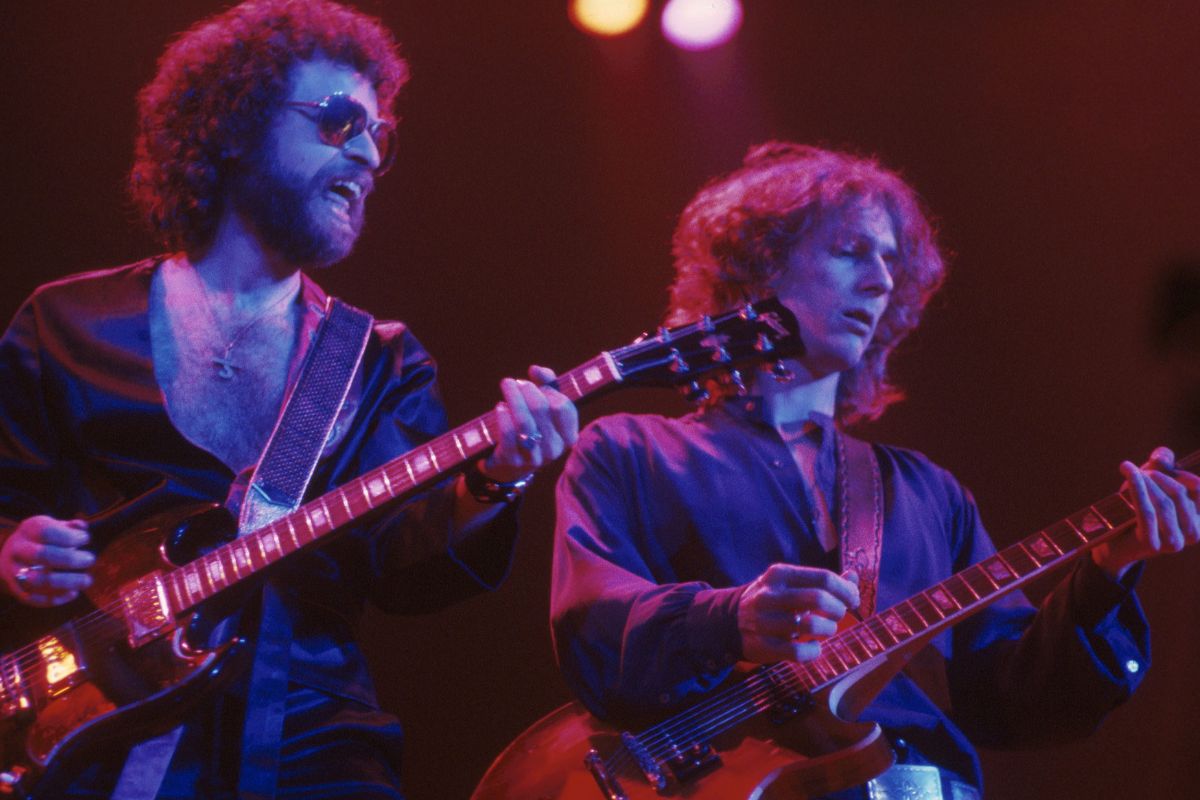
Blue Öyster Cult were not exactly a singles band, so nobody was expecting their eerie meditation on mortality to turn into a pop hit.
Guitarist Donald 'Buck Dharma' Roeser has said he thought the song might get some FM radio play, but didn't expect it to become big; producer David Lucas similarly recalled that the band expected to have a career rather than a hit. Instead, the shimmering guitars and unsettling melody carried '(Don't Fear) The Reaper' to No.12 on the Billboard Hot 100 – still BÖC's biggest chart success.
Its afterlife has been even more extraordinary. The song became a classic-rock staple, appeared in countless films and TV shows, and then acquired an entirely new identity when Saturday Night Live turned its recording-session cowbell into one of comedy's most enduring running jokes. Few songs have travelled quite so far from their origins.
10. Nirvana: ‘Smells Like Teen Spirit’ (1991)
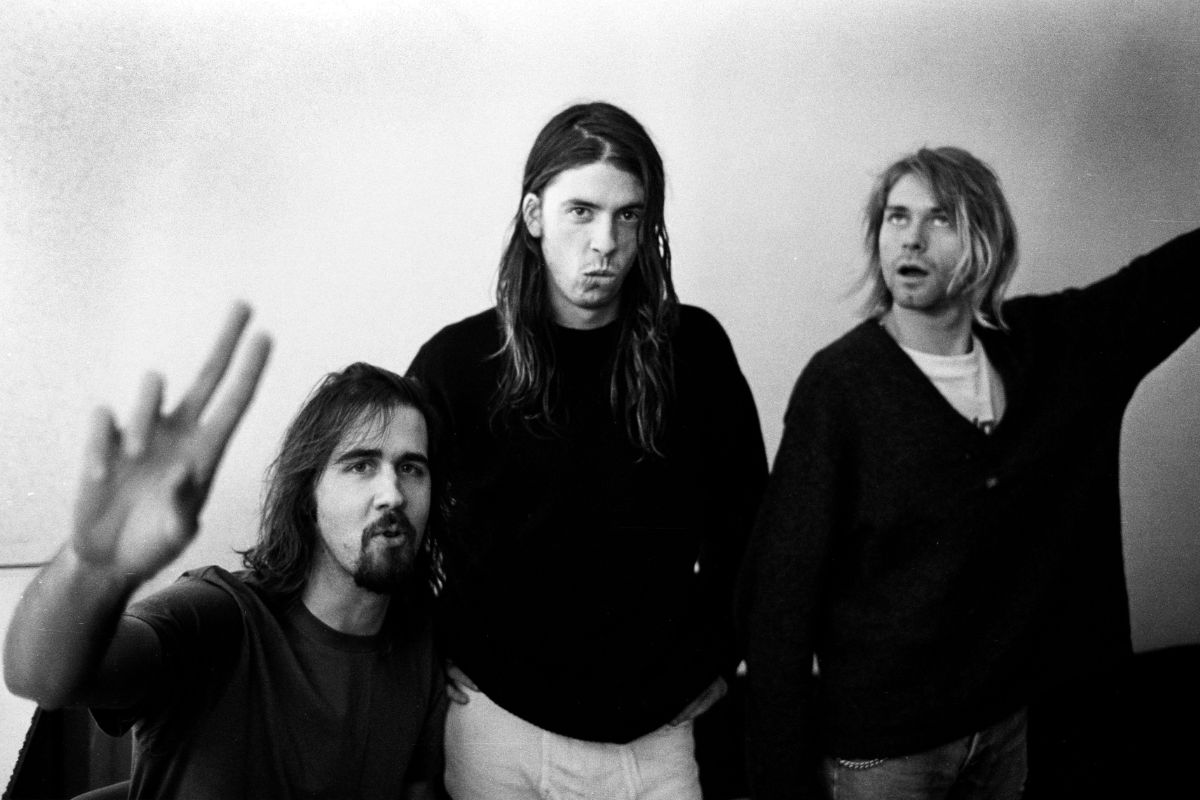
Make no mistake: Kurt Cobain knew 'Smells Like Teen Spirit' was a good song.
What he didn't seem to grasp was just how enormous it was about to become. Nirvana recorded it as a relatively straightforward attempt to write something catchy and anthemic, but neither Cobain nor the band appears to have anticipated that it would become the song that changed rock music. Producer Butch Vig was impressed by the recording, yet even he was taken aback by the reaction once it reached radio.
MTV quickly picked up the video, and the song began spreading far beyond the alternative-rock audience Nirvana had previously occupied. It reached No.6 in the US and No.7 in Britain, while Nevermind surged to No.1 and transformed Nirvana from an underground band into global stars. Cobain remained ambivalent about the song and its newfound status, sometimes struggling to understand why listeners had connected with it so intensely.
That may be what makes 'Smells Like Teen Spirit' such a perfect example of an unexpected anthem: the people who created it were simply too close to it to hear what everyone else was hearing. The song wasn't just a hit. It became a generational landmark.
11. Radiohead: ‘Creep’ (1992)
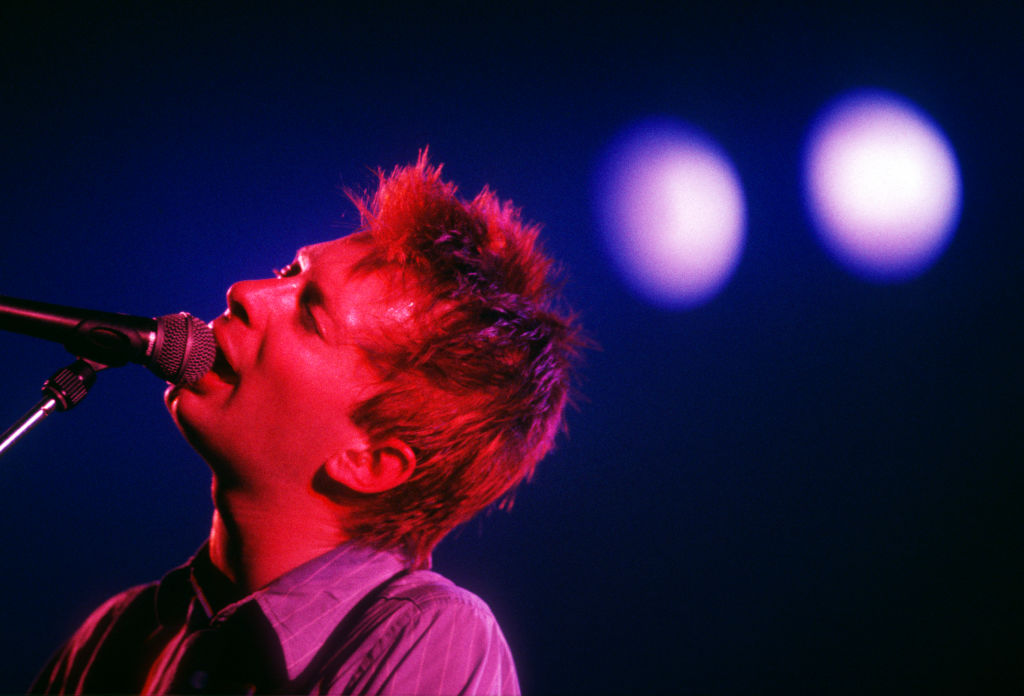
'Creep' was hardly an obvious hit – and Radiohead soon came to wish it had stayed that way. The song was recorded almost accidentally, when the band played it during a studio warm-up; Jonny Greenwood initially tried to sabotage it with the explosive guitar stabs that became one of its defining features.
Even after release, it looked like a failure: BBC Radio 1 considered it too depressing, and the single stalled at No.78 in Britain, selling only around 6,000 copies. Then something strange happened. Radio stations in Israel, New Zealand and elsewhere picked it up, before American alternative radio turned it into a breakout hit. A 1993 UK reissue reached No.7, while 'Creep' became Radiohead's biggest-selling single and eventually one of the defining alternative-rock songs of the 1990s.
The problem was that the band increasingly hated being known for it. Thom Yorke disliked the lyrics, Radiohead were reluctant to reissue it in Britain, and they eventually stopped playing it regularly. The song that nobody initially knew what to do with had made them famous – and then became the song they most wanted to escape.
Pics: Getty Images