The history of rock and roll is often written by the virtuosos... but its heart was frequently captured by the 'non-players'.
Technical proficiency is a marvellous tool, yet it rarely competes with a killer haircut, a piercing stare, or the ability to channel a generation’s angst. For these icons, the instrument was merely a prop for a much larger, more potent cultural explosion. Here are 15 rock icons who didn't have all the skills in the toolkit... but didn't let that hold them back.
1. Sid Vicious
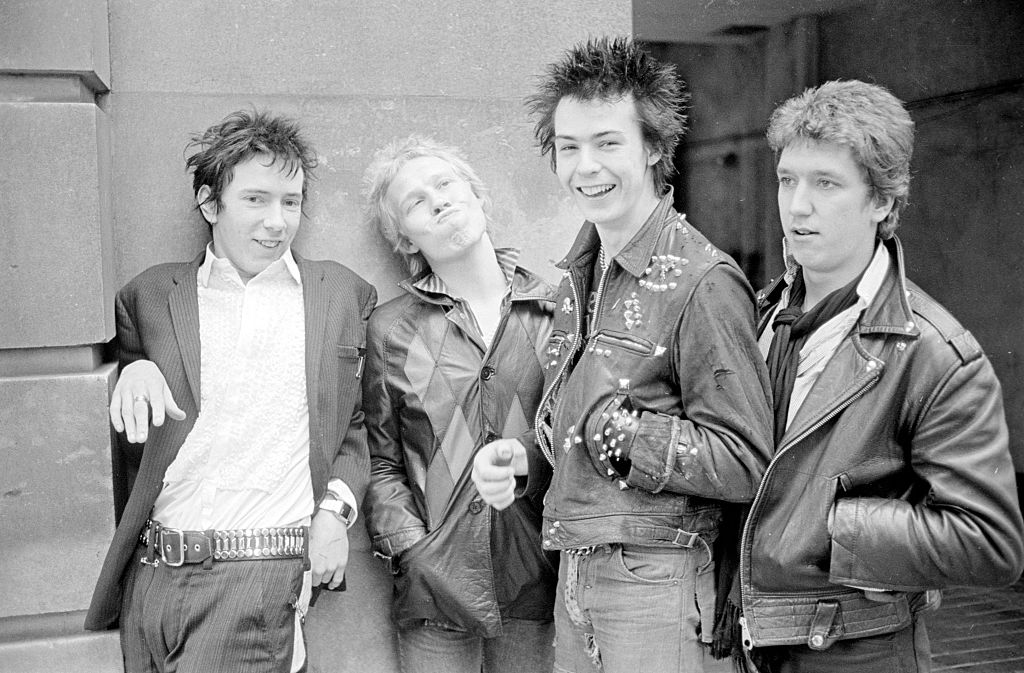
Sid Vicious remains the ultimate poster child for rock-and-roll mythology over musical utility. Famously, he couldn't play the bass guitar at all; legend has it his amplifier was often turned off during live sets while a session musician played behind the curtain. Lemmy Kilmister of Motörhead attempted to teach Sid how to play bass in the mid-1970s. After three days of lessons, Lemmy gave up, famously declaring that his pupil was 'hopeless' and couldn't play.
Yet, with his spiked hair, sneering lip, and padlock necklace, Vicious became the definitive visual shorthand for the 1970s punk movement. Sid proved that, when it came to punk icon status, looking the part was infinitely more important than hitting the right notes.
The X-Factor: A chaotic, self-destructive magnetism that defined an era.
2. Jim Morrison
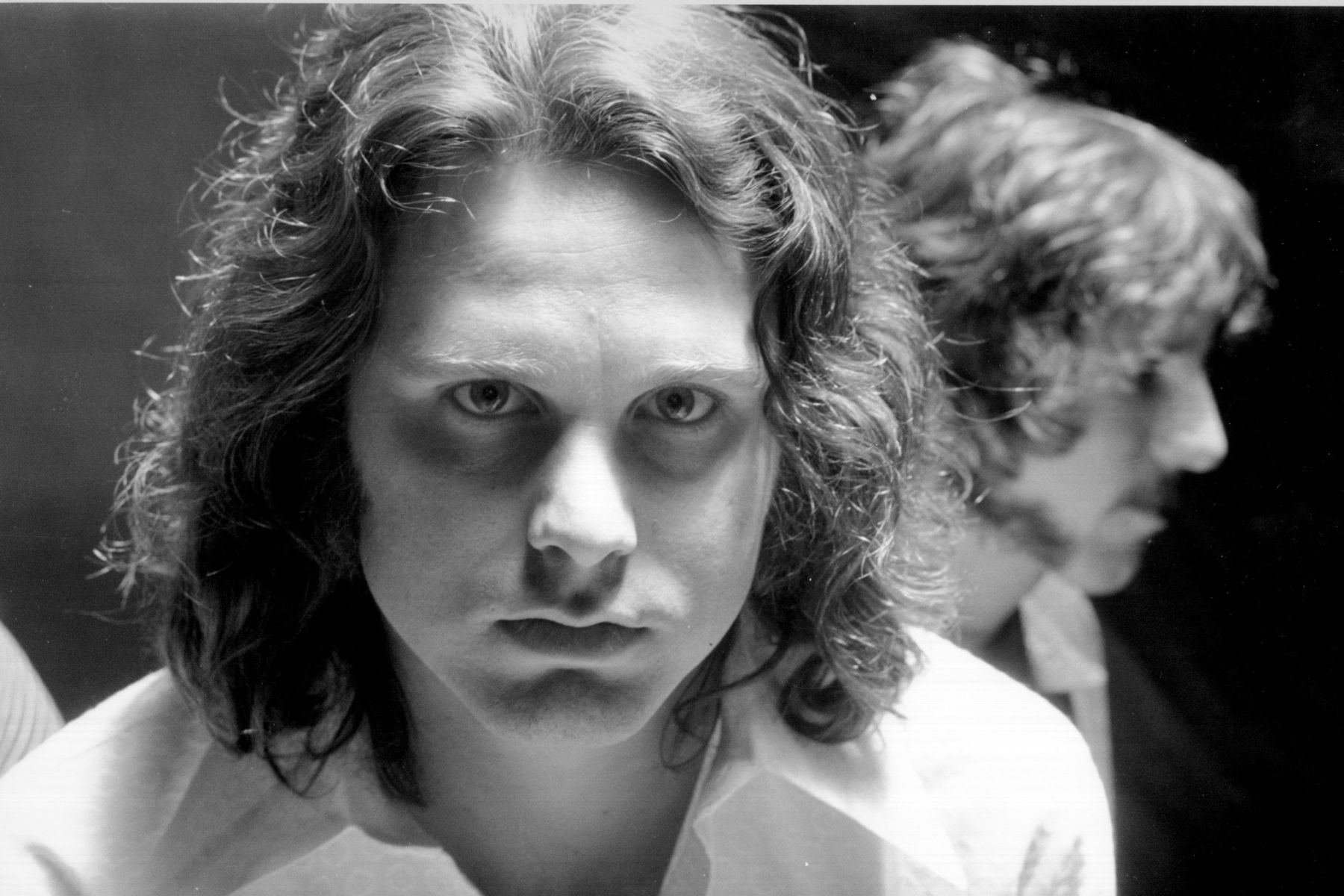
While his bandmates were jazz-trained virtuosos, Jim Morrison’s musical 'instrument' was strictly his baritone voice and his shamanic poetry. Technically, Morrison had a limited vocal range and often strayed off-key during his more spontaneous, improvisatory live performances.
However, his leather-clad 'Lizard King' persona, his mythical persona, and his ability to turn a concert into a psychological séance made these technical shortcomings irrelevant. Morrison wasn't a singer in the traditional sense; he was a cinematic force of nature that commanded total attention.
The X-Factor: A dangerous, poetic mystery that made him rock’s premier anti-hero.
3. Tommy Lee (Mötley Crüe)
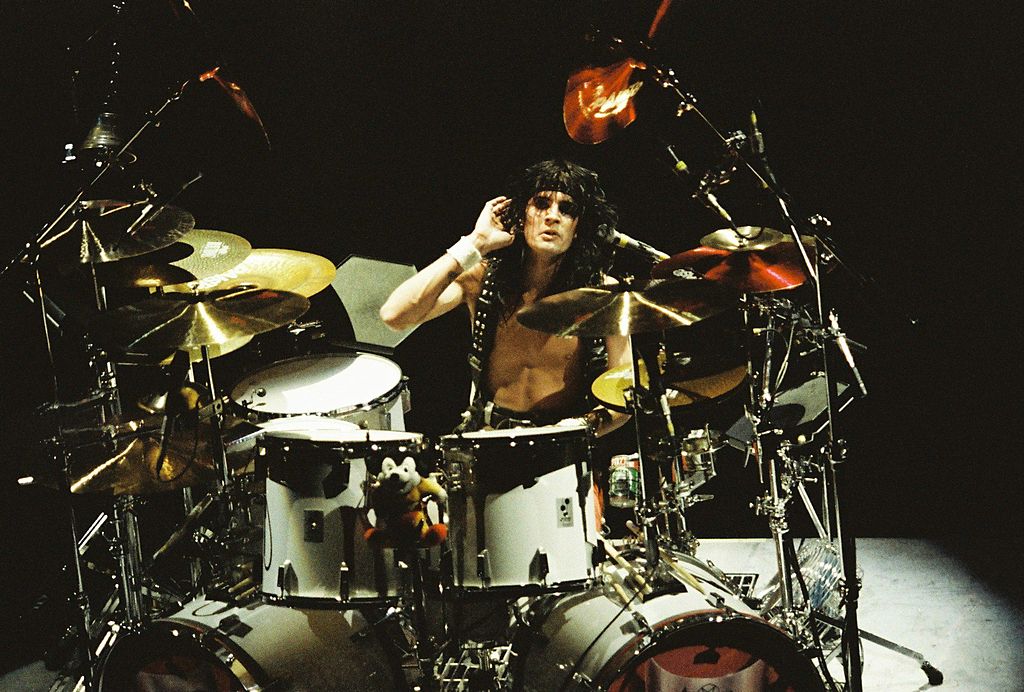
Tommy Lee is undoubtedly a high-energy performer, but compared to the technical wizards of the 1980s, his drumming was more about the spectacle than the subdivision. Lee understood that a rock drummer’s job in a stadium was to be a visual focal point.
Between the spinning roller-coaster drum kits and the relentless stick-twirling, he masked a relatively straightforward hard-rock style with pure, unadulterated showmanship. He was the engine of the Crüe's high-octane spectacle, proving that if you play loud enough and look cool enough, nobody cares about the rudiments.
The X-Factor: The ability to turn a drum riser into a high-octane circus act.
4. Lou Reed
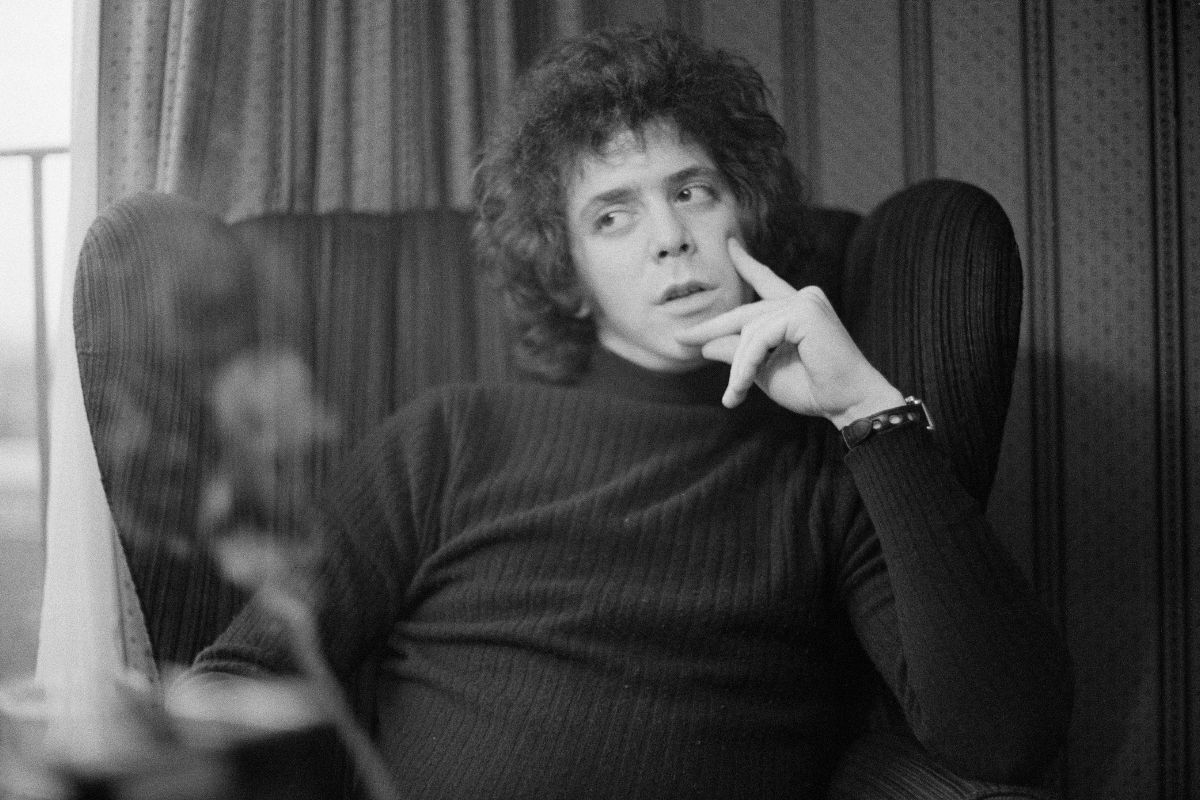
Lou Reed famously joked that "one chord is fine, two chords are pushing it, three chords and you’re into jazz." As a guitarist, Reed’s style was often abrasive, simplistic, and intentionally unpolished. His vocal delivery was a deadpan speak-sing that lacked traditional operatic beauty. But his "street-legal" cool and intellectual grit allowed him to invent art-rock. He didn't need to be a great player because he was a world-builder, using his limited tools to paint the dark underbelly of New York City with more truth than any virtuoso could.
The X-Factor: A cold, intellectual "street" credibility that influenced decades of indie rock.
5. Debbie Harry
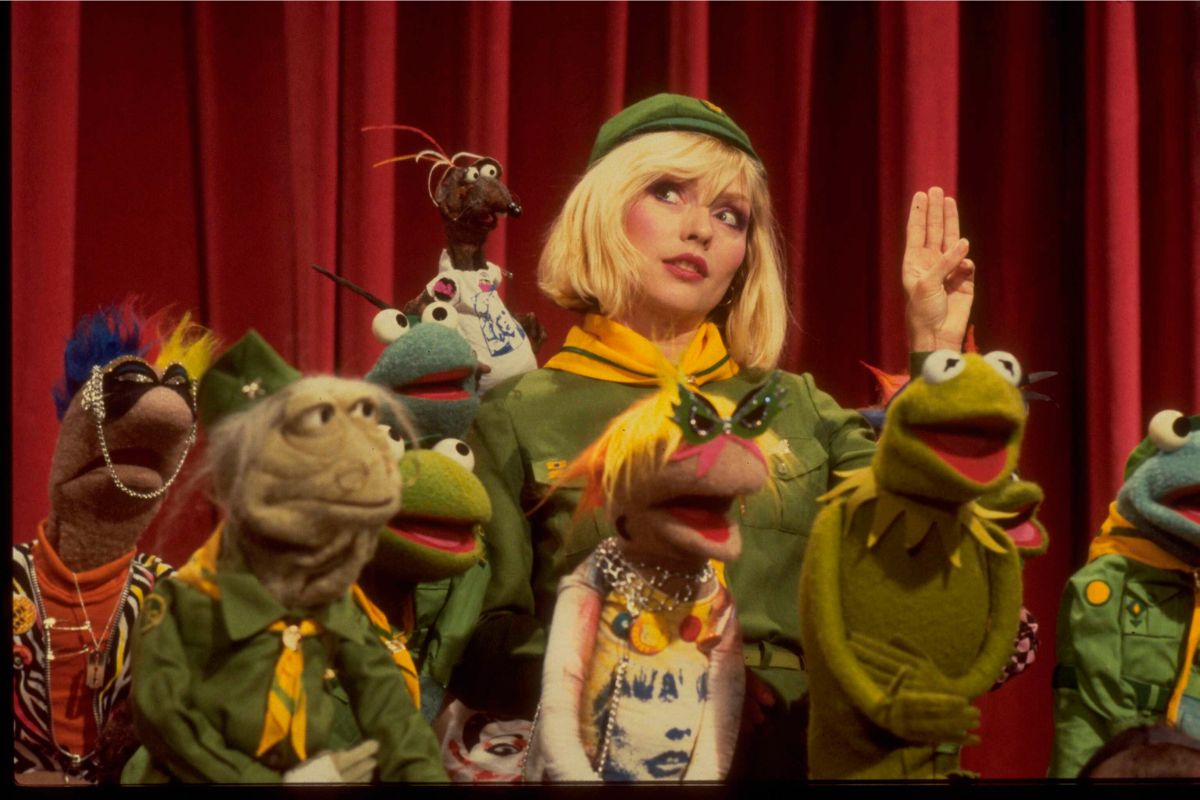
In the late 1970s, Debbie Harry was the coolest woman on the planet, but she would be the first to admit she wasn't a powerhouse vocalist in the vein of, say, Heart's Ann Wilson. Her voice was often thin and breathy, more suited for the art-house than the opera house. However, her ability to blend a "pin-up" aesthetic with a detached, punk-rock irony made her a global icon. She was the perfect focal point for a band that juggled disco, reggae, and rock, using her style to bridge the gap between underground cool and mainstream pop.
The X-Factor: A flawless, cinematic image that made her the face of New Wave.
6. Mick Jagger
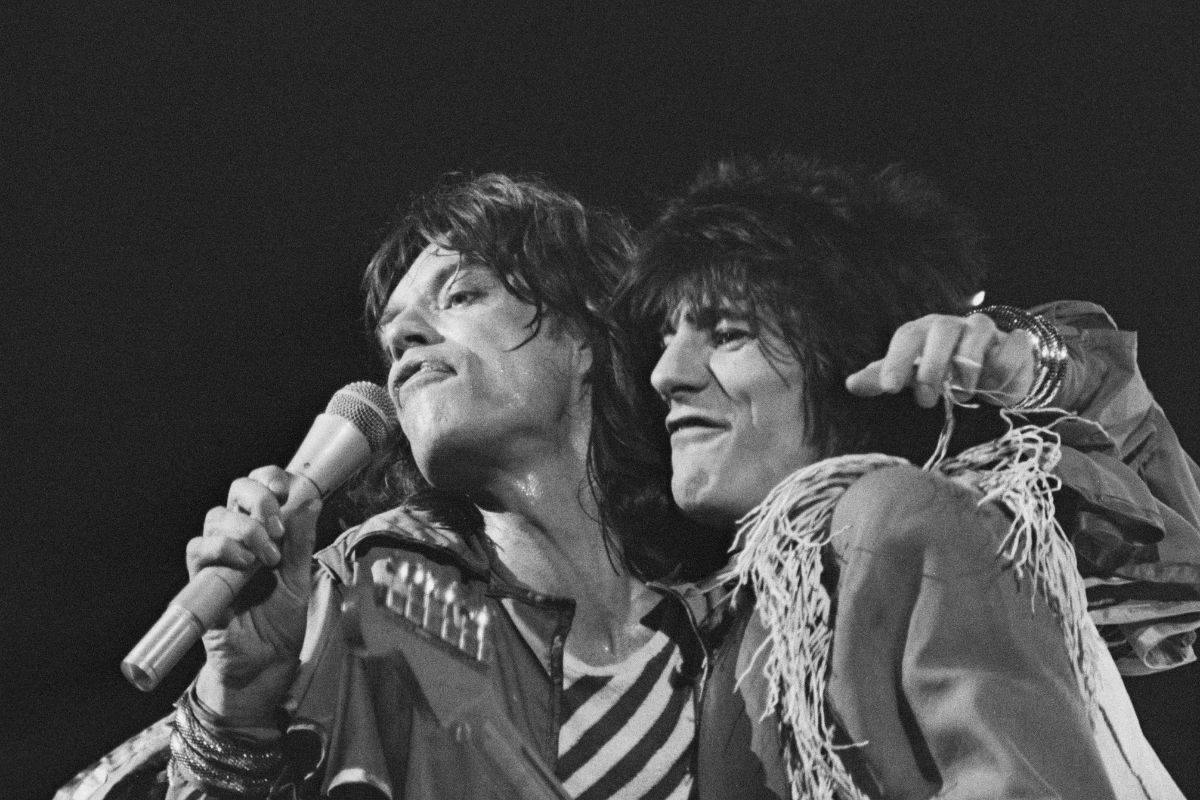
Controversial? Comparing Mick Jagger to a 'trained' singer is a losing battle; his voice is a rasping, bluesy bark that often prioritizes attitude over pitch. As a harmonica player or occasional guitarist, he is functional at best. But rock and roll isn't about perfection; it's about that "frontman" presence.
Jagger invented the modern blueprint for the role, using his athletic, prowling stage presence and magnetic, larger-than-life charisma to command audiences of 80,000 people. He proves that a great rock voice is about character, not coloratura.
The X-Factor: A tireless, serpentine energy that defined the "Rock God" archetype.
7. Nikki Sixx (Mötley Crüe)
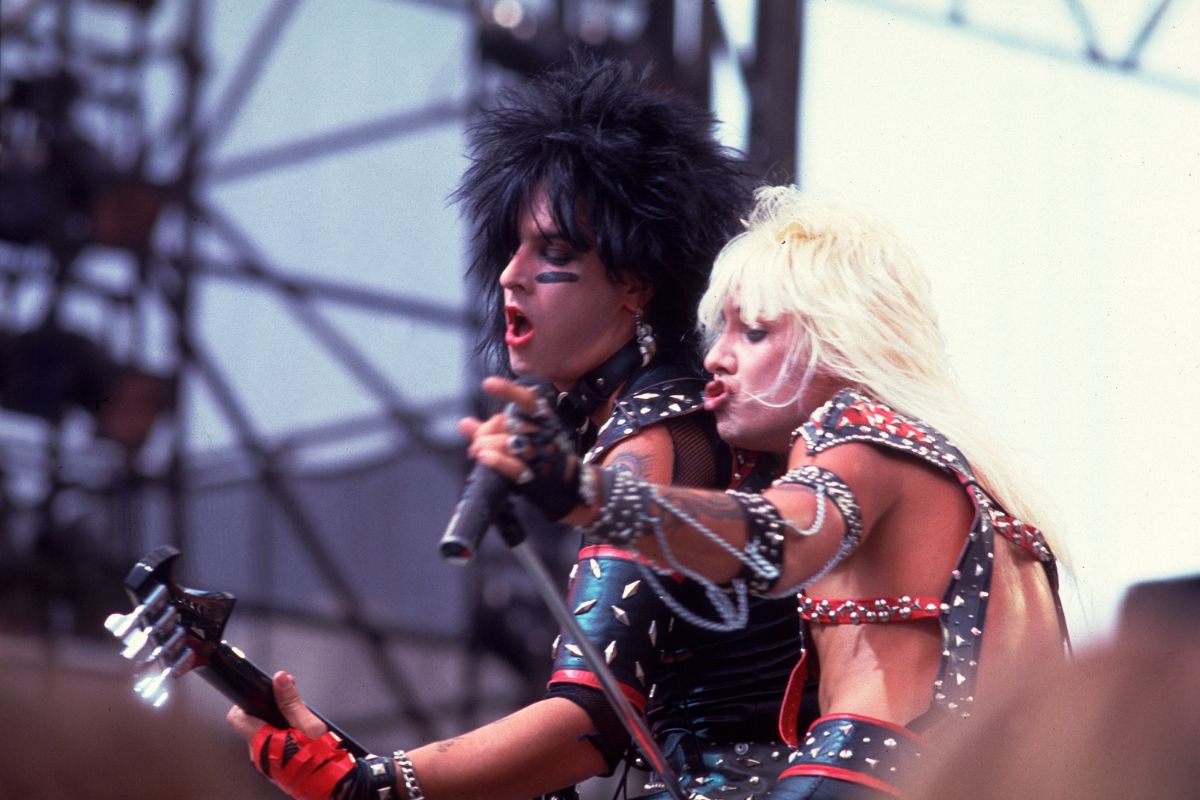
Nikki Sixx is the primary songwriter and visionary behind Mötley Crüe, but as a bassist, he has always been a 'root-note' player who prioritized the low-slung look of his instrument over complex fingerwork. Sixx understood that the band’s appeal was its dangerous, sleazy image and catchy hooks. By focusing on the "theatre" of the band – the fire, the leather, and the gang vocals – he became one of rock's most colourful and dangerous figures without ever needing to play an elaborate bass solo.
The X-Factor: A mastermind for branding and a survivor’s instinct that kept the party going.
8. Gene Simmons (KISS)
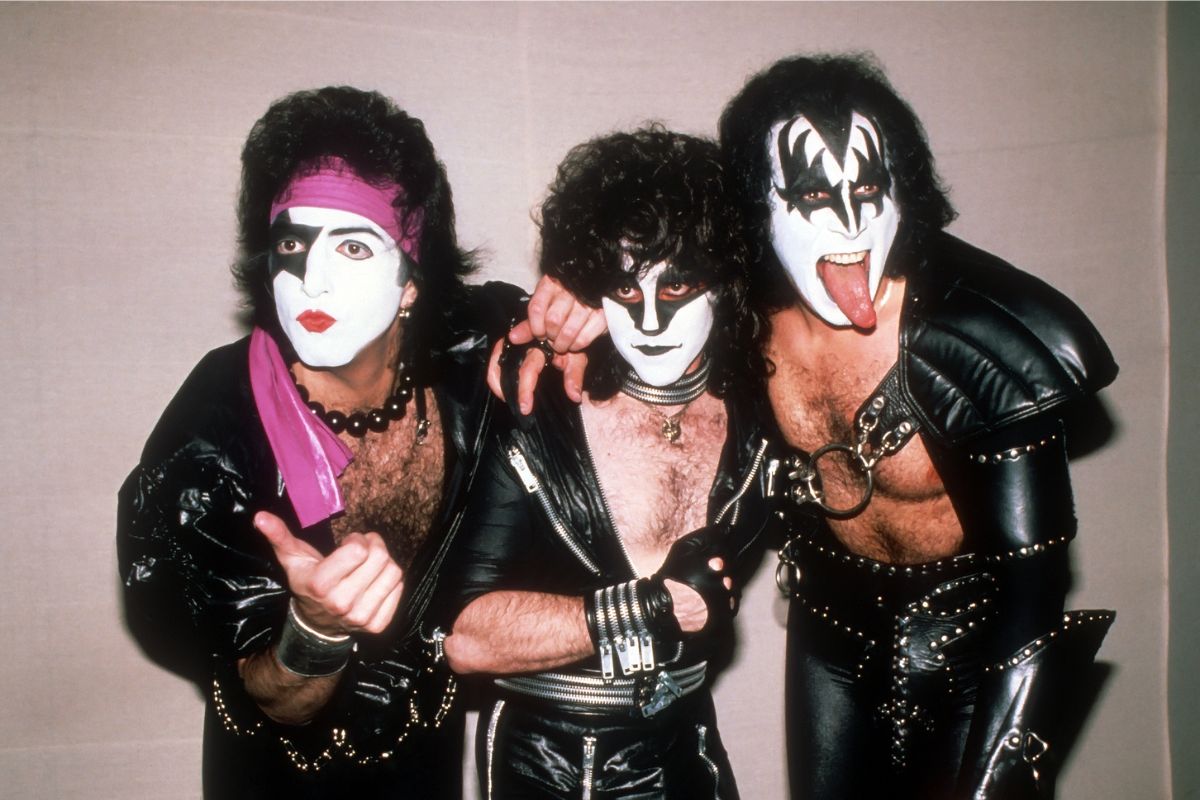
Gene Simmons has often joked that he 'plays the money," and his bass playing reflects that pragmatic approach. It is simple, rhythmic, and designed to support the song’s foundation while he focuses on spitting blood and flying into the rafters. In the world of KISS, the musicianship was always secondary to the "Demon" persona. Simmons used his towering height, wagging tongue, and pyrotechnic stagecraft to become a global brand, proving that a rock star is a character you play, not just a person who plays an instrument.
The X-Factor: A ruthless commitment to the "Demon" spectacle and a genius for marketing.
9. Anthony Kiedis (Red Hot Chili Peppers)
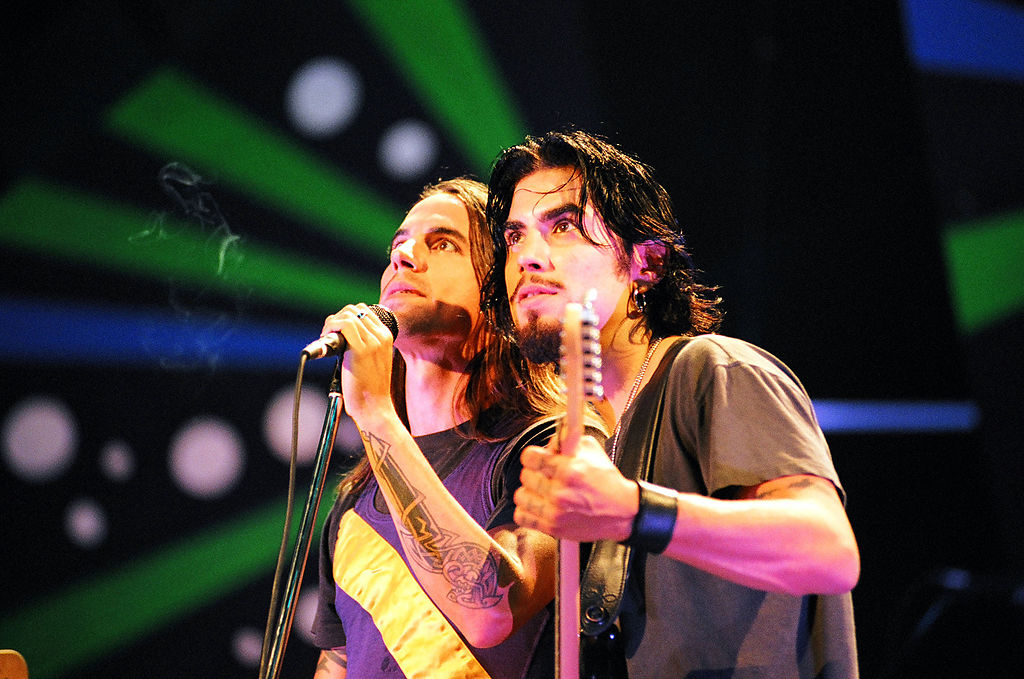
Standing in front of three of the most talented instrumentalists in modern rock, Anthony Kiedis has often been criticized for his limited vocal range and occasional struggles with live pitch. However, his role in the Peppers is more about energy, lyricism, and a shirtless, tattooed California-punk charisma.
Kiedis is the band’s spiritual mascot, channeling the "funk-punk" spirit of Los Angeles through his rhythmic phrasing and relentless stage movement. Without his specific vibe, the band’s technical brilliance would lack its essential human spark.
The X-Factor: A relentless, sun-drenched energy that perfectly personifies the "SoCal" lifestyle.
10. David Lee Roth (Van Halen)
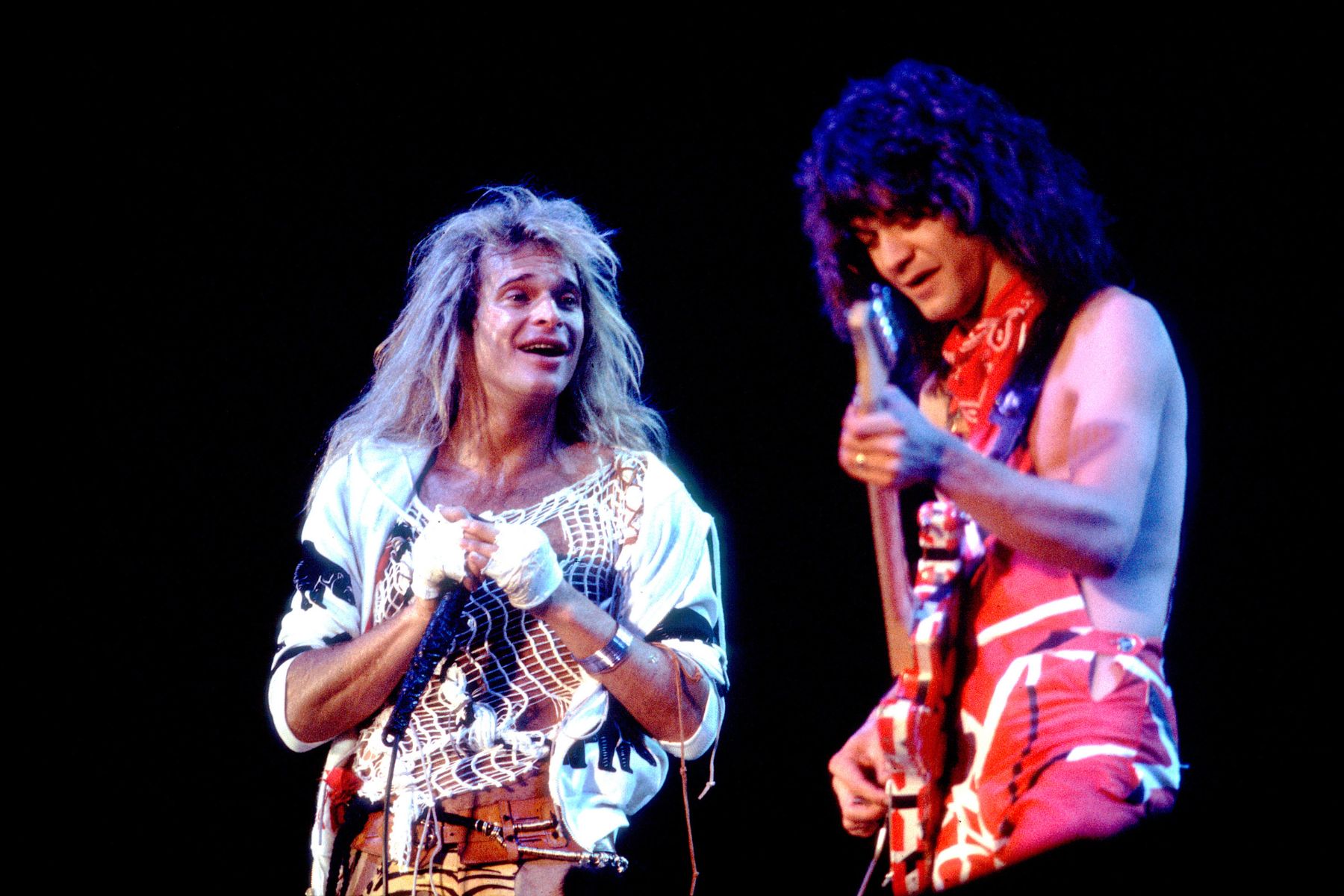
When you share a stage with Eddie Van Halen, your musical limitations are going to be glaring. "Diamond Dave" was never a great singer in the traditional sense; he shrieked, talked, and yelped his way through hits.
But Roth was the world’s greatest Master of Ceremonies. His martial arts kicks, flamboyant costumes, and rapid-fire wit turned Van Halen from a great bar band into the world’s biggest party. He proved that a frontman’s job is to make sure the audience has the best night of their lives, regardless of the vocal takes.
The X-Factor: An unstoppable, vaudevillian charisma that made him the ultimate party host.
11. Grace Slick (Jefferson Airplane)
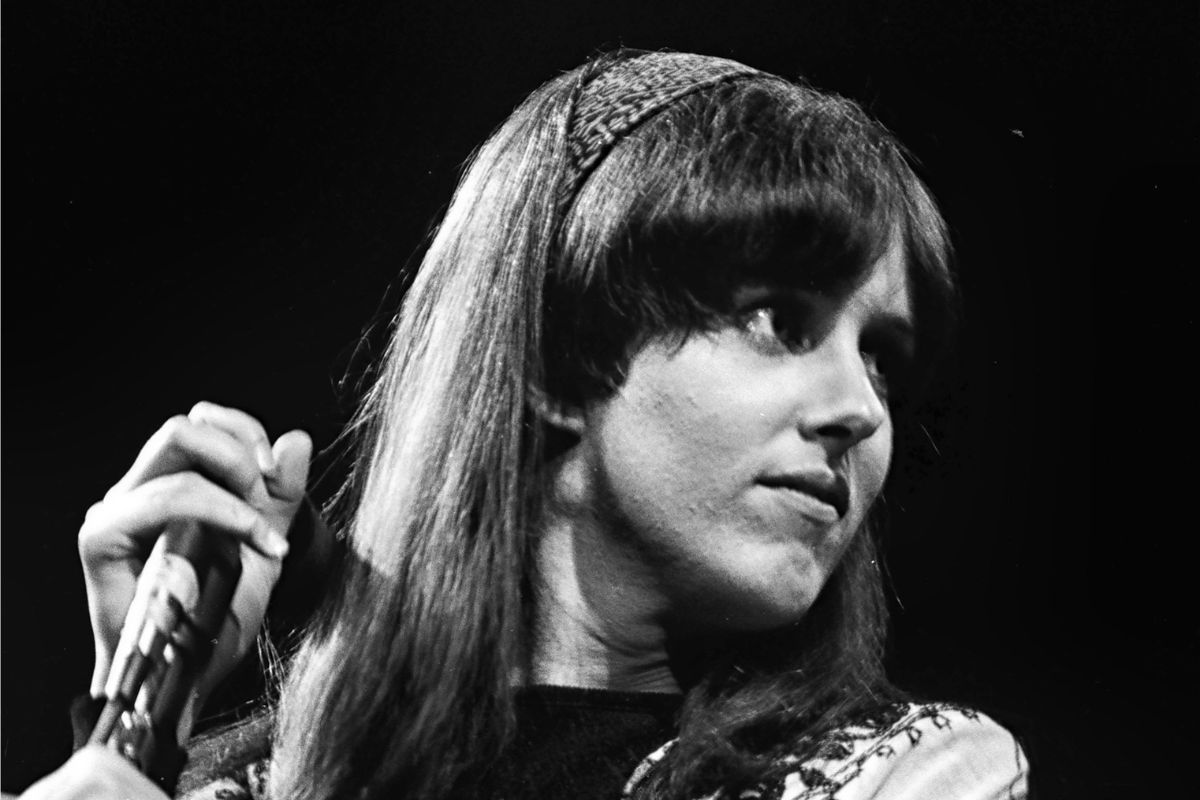
While Grace Slick possessed a powerful, operatic contralto, she was notoriously untrained and frequently sang with a flat, icy detachment that defied traditional vocal grace. During the height of the 1960s Haight-Ashbury scene, her performances were often chaotic and pitch-y, yet her intimidating, ice-queen stage presence made her the most commanding woman in rock. She didn't need to be a technical singer because she was a sonic revolutionary, using her voice like a siren to lead a generation into the psychedelic unknown.
The X-Factor: An imperious, high-fashion-meets-psych-rock intensity that demanded total submission.
12. Paul Westerberg (The Replacements)
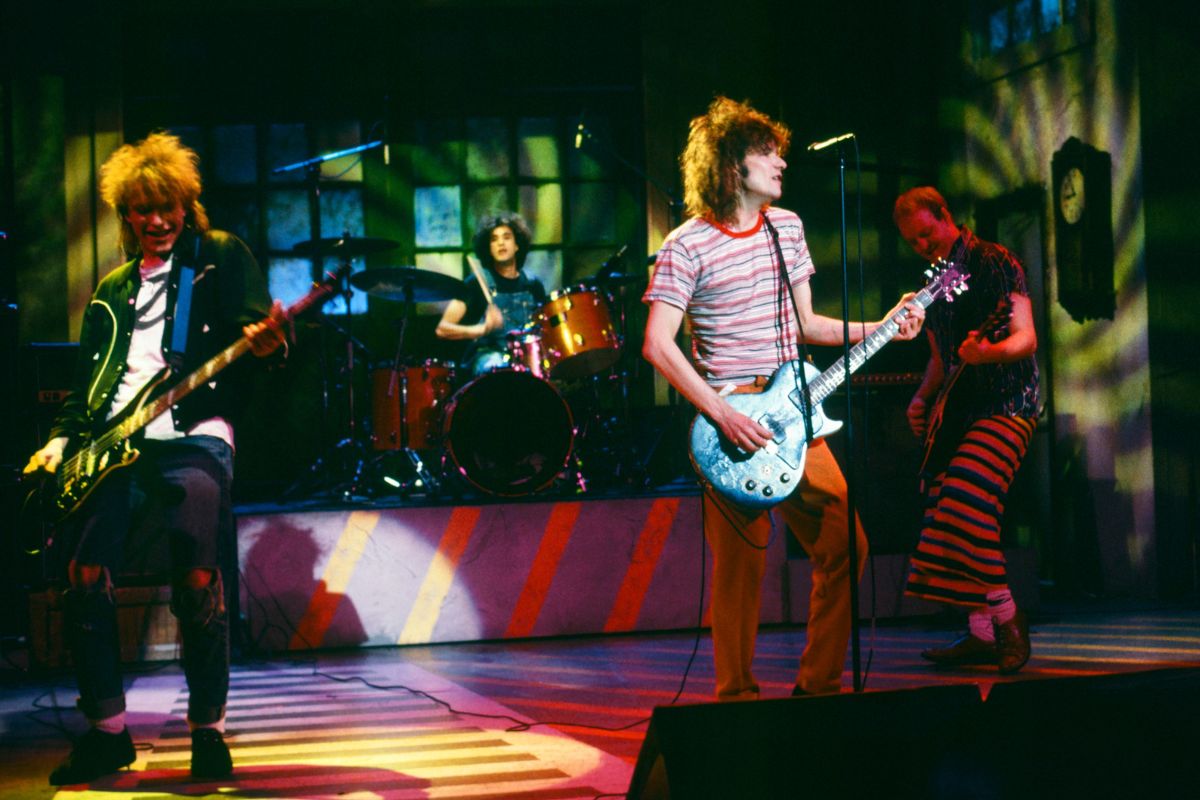
The Replacements were the definitive "lovable losers" of the 1980s, and Westerberg was their heart. As a guitarist and singer, he championed a sloppy, devil-may-care aesthetic where hitting the wrong chord was practically a mission statement. His voice was a cigarette-burned rasp that often cracked under the pressure of his own emotions.
However, Westerberg's songwriting was so deeply human and his "anti-star" charisma so relatable that he became a hero to every misfit with a guitar. He proved that sincerity and a who-cares attitude are the ultimate rock-and-roll currencies.
The X-Factor: A poetic, shambolic vulnerability that made every mistake feel intentional. Check out the way his guitar crawls all over 'Answering Machine' below - and kinda makes the song:
13. Meg White (The White Stripes)
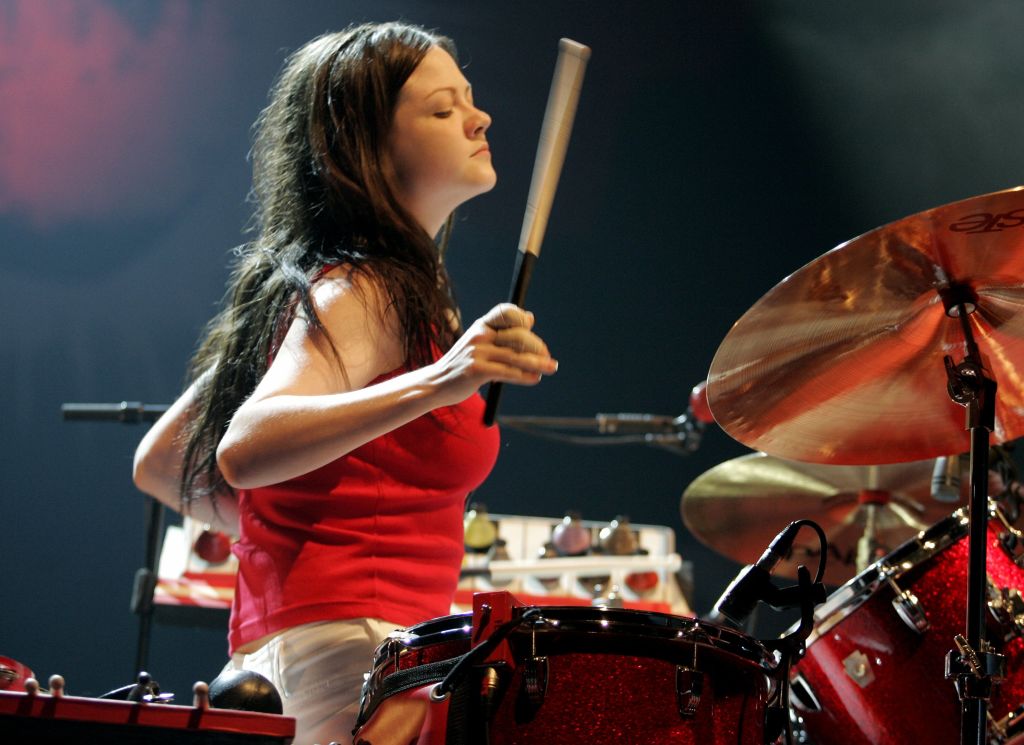
Meg White is perhaps the most debated drummer in rock history. Technically, her playing was rudimentary – often restricted to a simple, heavy-handed boom-bash on the bass and snare. She lacked the fills, rolls, and independence of a pro session player.
However, her primal, minimalist heartbeat was the essential ingredient for Jack White’s delta-blues-meets-fuzz-rock compositions. Her silent, "porcelain doll" stage presence and child-like simplicity made the White Stripes a visual and sonic masterpiece. She proved that sometimes, the best thing a musician can do is stay out of the way of the song.
The X-Factor: A primitive, powerful "thump" that provided the perfect raw canvas for one of the Noughties' most primal and exciting bands.
14. Krist Novoselic (Nirvana)
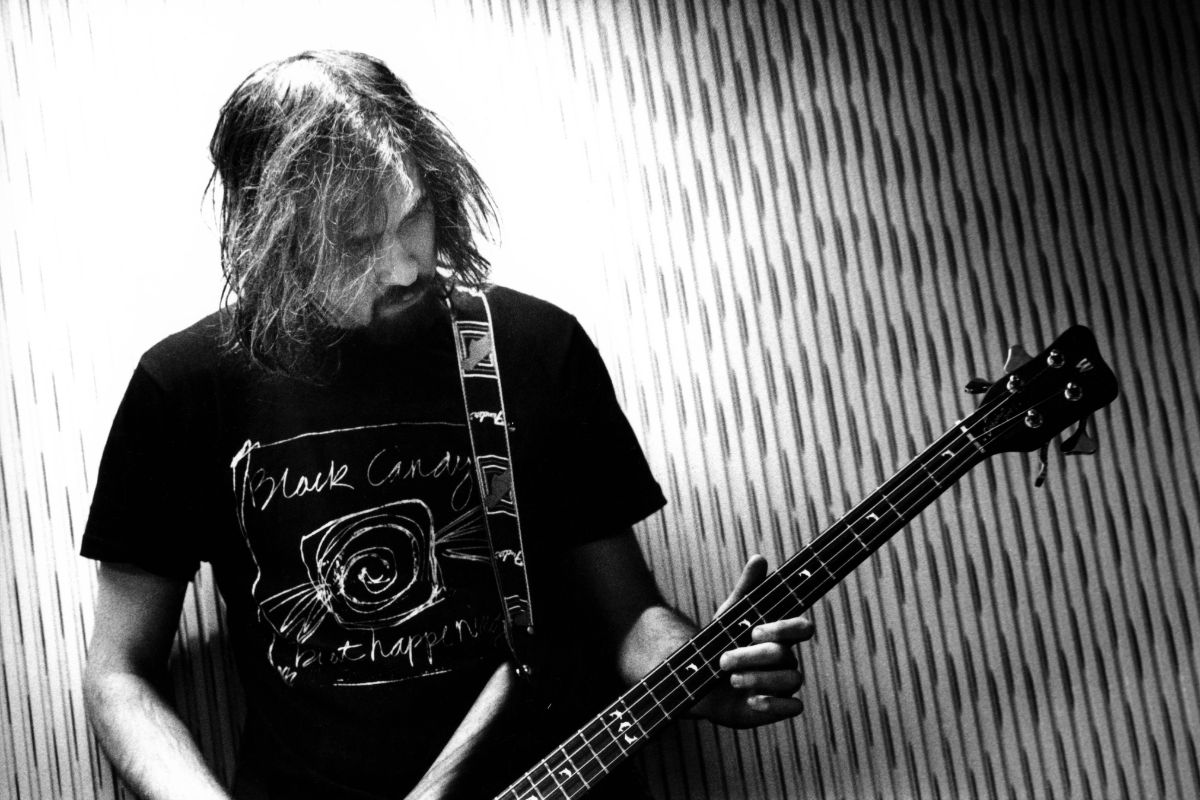
In a power trio, the bassist usually has to be a technical anchor, but Krist Novoselic played his bass like a lead instrument – mostly because he wore it so low it was practically at his ankles. His style was melodic but technically clunky, favouring thick, distorted lines over any intricate fingerwork.
But big Krist's towering, 6'7" frame and pogo-dancing energy made him the perfect visual foil to Kurt Cobain’s intensity. He provided the "sludge" that made grunge feel heavy, proving that a bass doesn't need to be complex to be iconic.
The X-Factor: A low-slung, melodic grumble that defined the sound of the early '90s Pacific Northwest.
15. Bruce Springsteen (The E Street Band)
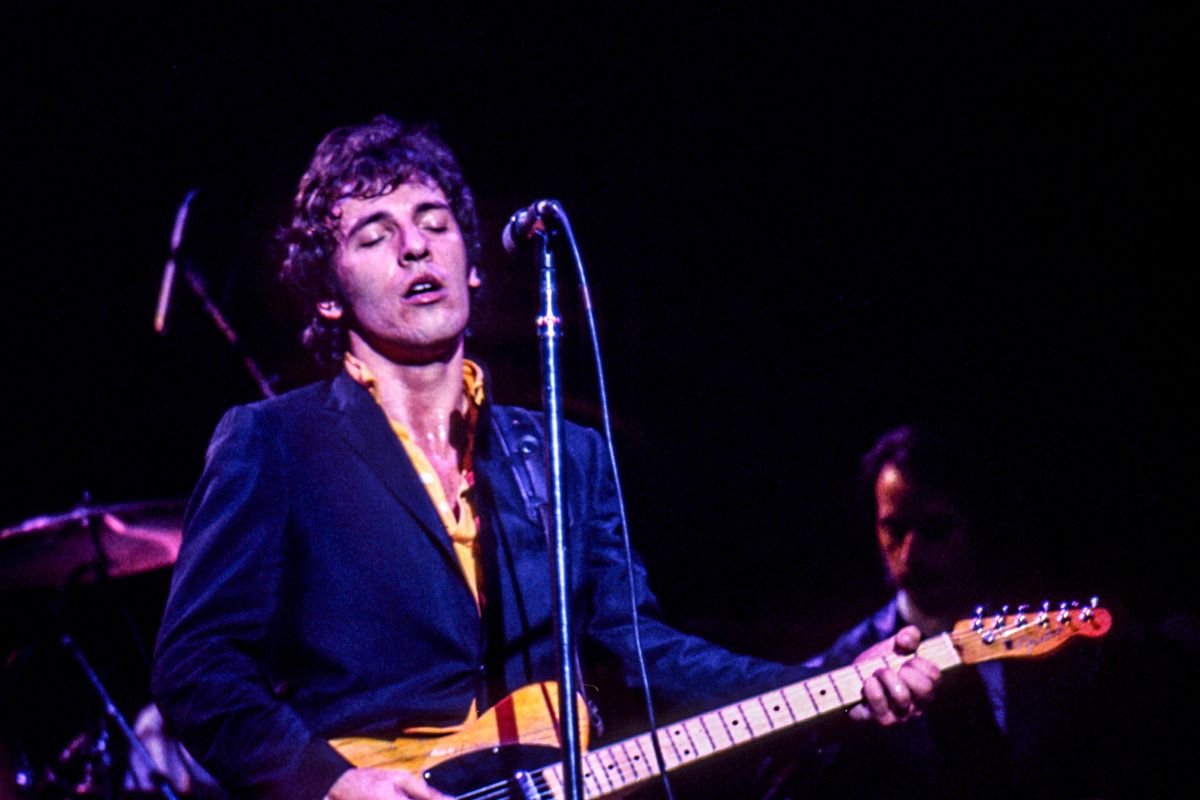
In an era of guitar gods like Hendrix and Page, Bruce Springsteen emerged from New Jersey with a beat-up Fender Esquire and a vocal style that was more gravelly shout than melodic croon. Technically, The Boss is a meat-and-potatoes rhythm player; he doesn't sweep-pick or play complex jazz fusion. However, he understood that a rock star’s true "instrument" is the audience’s emotions.
By leaning into his "everyman" persona – the white t-shirt, the denim, and the sweat-soaked three-hour marathons – Bruce turned his technical simplicity into a badge of authenticity. He proves that if you compose epic, relatable tales of American life and deliver them with the fervour of a Pentecostal preacher, nobody is checking your guitar scales.
The X-Factor: An unparalleled, high-octane stamina that turned every stadium show into a life-altering spiritual experience.
Pics Getty Images