
There’s a peculiar danger in leaving a great rock band: you might discover that the magic didn’t belong entirely to you.
Some musicians walked away from hugely successful groups convinced they could do just as well on their own, only to find that the chemistry, competition and creative friction of the old band were impossible to recreate. Others started brilliantly, then gradually lost their sense of direction.
David Lee Roth assembled a phenomenal band after quitting Van Halen; Peter Frampton went from promising solo artist to one of the biggest stars on the planet before everything unravelled; Rod Stewart traded the swagger of his early solo years for a very different kind of stardom.
None of these artists suddenly forgot how to make music. But something changed. Here are 13 rock stars whose solo careers, for one reason or another, never quite captured the magic of the bands they left behind.
1. David Lee Roth
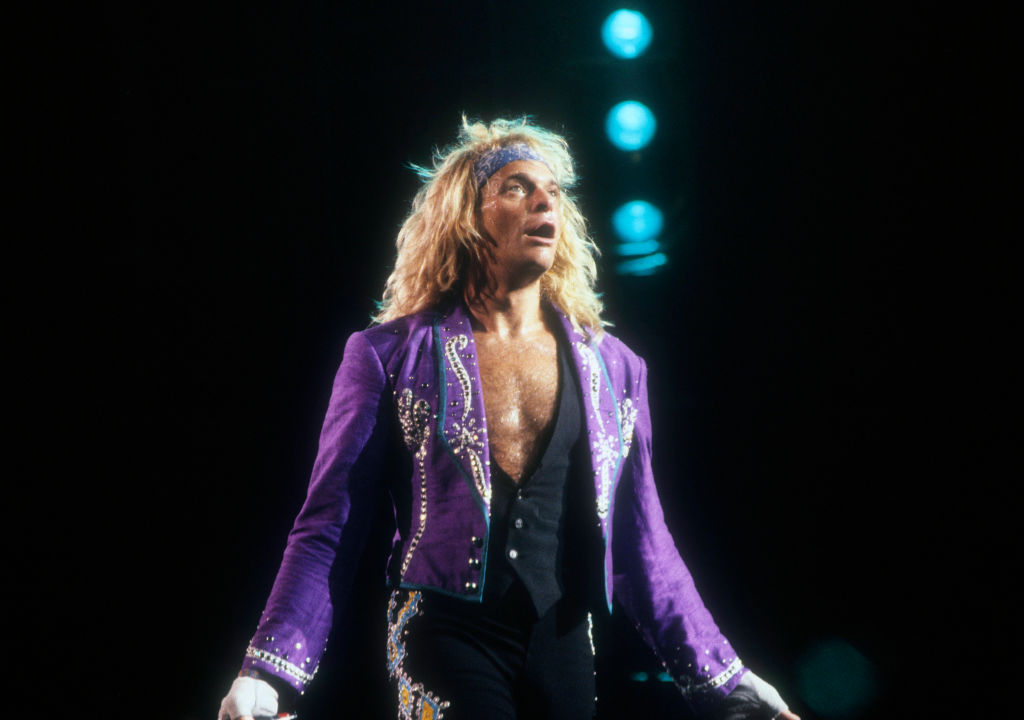
The great irony of David Lee Roth’s solo career is that he initially got it spectacularly right. After leaving Van Halen, he assembled a dream team of Steve Vai, Billy Sheehan and Gregg Bissonette and made Eat ’Em and Smile (1986), a dazzling reminder of just how charismatic and musically adventurous he could be.
Then things began to unravel. Skyscraper (1988) was slicker and more self-conscious, while A Little Ain’t Enough (1991) sounded increasingly like a parody of Roth’s own excesses. His later records became increasingly erratic, and the outrageous frontman who had once seemed to embody rock stardom gradually became something closer to a Las Vegas entertainer. The talent never disappeared; the sense of purpose did.
2. Rod Stewart
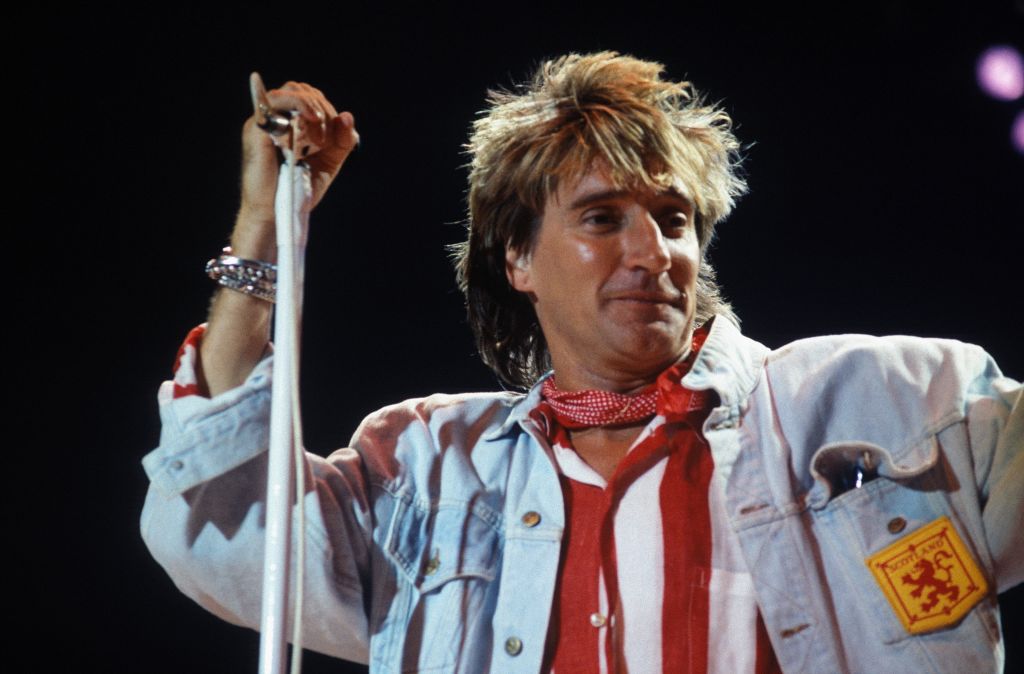
Few stories fit the phrase “lost the magic” better than Rod Stewart’s. In the early 1970s, he was almost impossibly good: Every Picture Tells a Story and Never a Dull Moment combined ragged rock ’n’ roll, soul, folk and blues with a voice that could make almost anything sound dangerous.
Then came the transformation. Stewart remained hugely successful, but the rough edges were gradually polished away. The giant hits became increasingly glossy, the rock’n’roll increasingly safe, and eventually the once-rebellious singer was recording lavish albums of standards in the Great American Songbook series.
There is nothing inherently wrong with becoming a sophisticated adult-pop singer — but compared with the wild-eyed character who had fronted the Faces, it felt like watching a tiger become very comfortable in a cardigan.
3. Peter Frampton
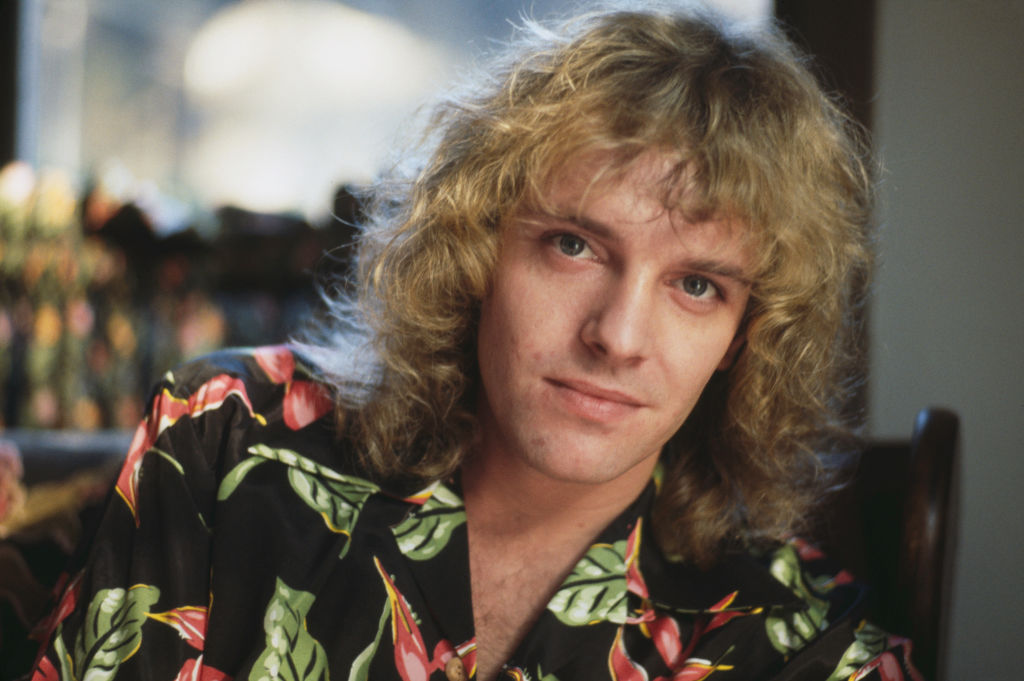
For a while, Peter Frampton’s solo career looked like the ultimate vindication. After leaving Humble Pie, he released a run of increasingly successful albums before the live album Frampton Comes Alive! (1976) turned him into one of the biggest stars on the planet.
- Frampton Comes Alive! features on our list of the greatest live albums of all time
Then came the backlash. I’m in You (1977) still sold enormously well — reaching No. 2 in America — but its polished sound seemed a long way from the fiery guitar heroics that had made Frampton Comes Alive! such a phenomenon. The subsequent albums struggled to maintain that momentum, and by the end of the decade the superstar moment was essentially over.
Frampton’s story is less about suddenly becoming bad than about being caught in the machinery of enormous success. The man who had seemed so natural on stage now had to follow the biggest live rock album ever made — an almost impossible act.
4. John Squire
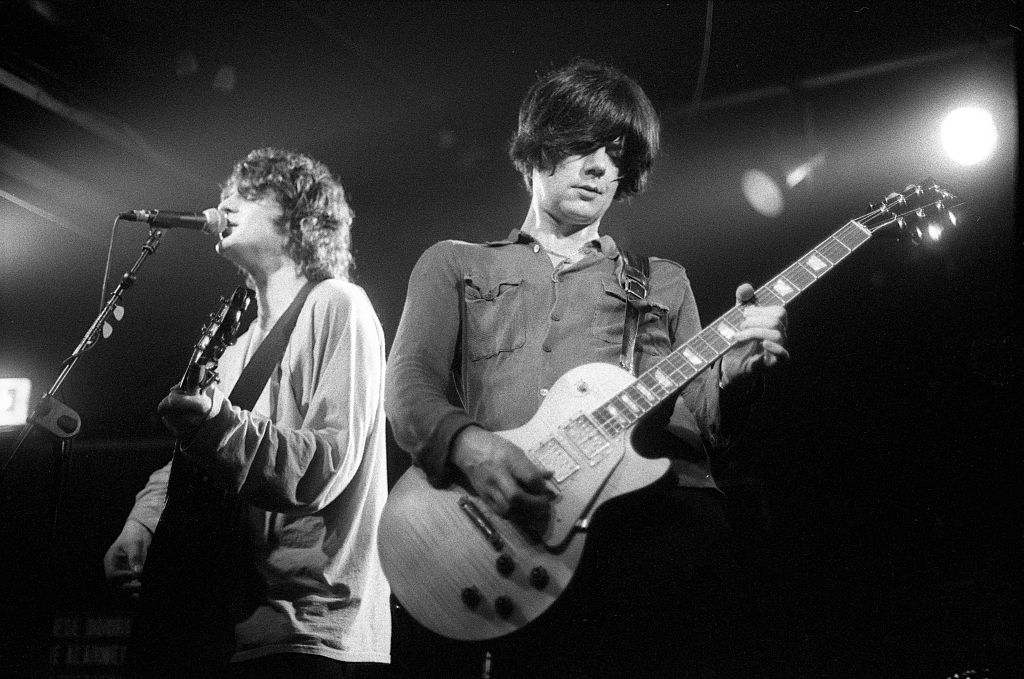
When John Squire left the Stone Roses, he took with him one of British indie’s most recognisable guitar styles. His chiming, psychedelic playing had been central to the band’s extraordinary sound, and his partnership with Ian Brown had produced something genuinely distinctive.
The Seahorses initially looked like a promising second act, but their 1997 album Do It Yourself never approached the magic of the Roses. Creative differences eventually broke up the band during work on a second album, and Squire subsequently retreated further from the spotlight, releasing two solo albums before concentrating increasingly on painting.
There is something particularly poignant about his story: unlike many rock stars here, he didn't descend into self-parody. He simply seemed to lose the musical environment in which his talent had flourished.
5. Mick Taylor
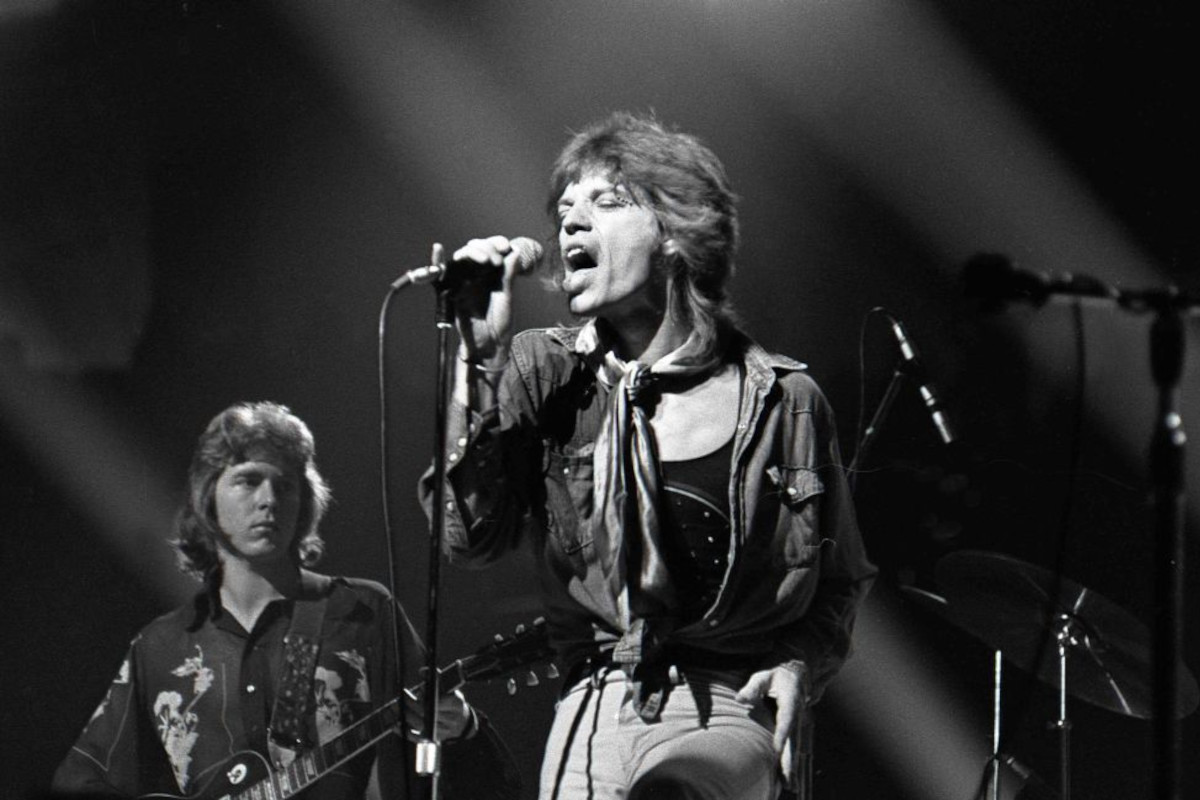
Perhaps the saddest version of this kind of story belongs to Mick Taylor. When he left the Rolling Stones in 1974, he was walking away from one of the greatest creative partnerships in rock history. His guitar had been crucial to the band's imperial trilogy of albums, Let It Bleed, Sticky Fingers and Exile on Main St., and his decision to leave has been much analysed ever since.
The solo career that followed was not a disaster, so much as an extended case of what might have been. Taylor worked with a succession of musicians, toured sporadically and released solo material without ever establishing another permanent musical identity.
His later catalogue includes live records and occasional studio albums, but nothing approached the cultural impact of his work with the Stones. Even Slash has cited Taylor as a major influence — a reminder that the guitarist’s stature among musicians was never the problem. Finding another band like the Stones was.
6. Steve Marriott
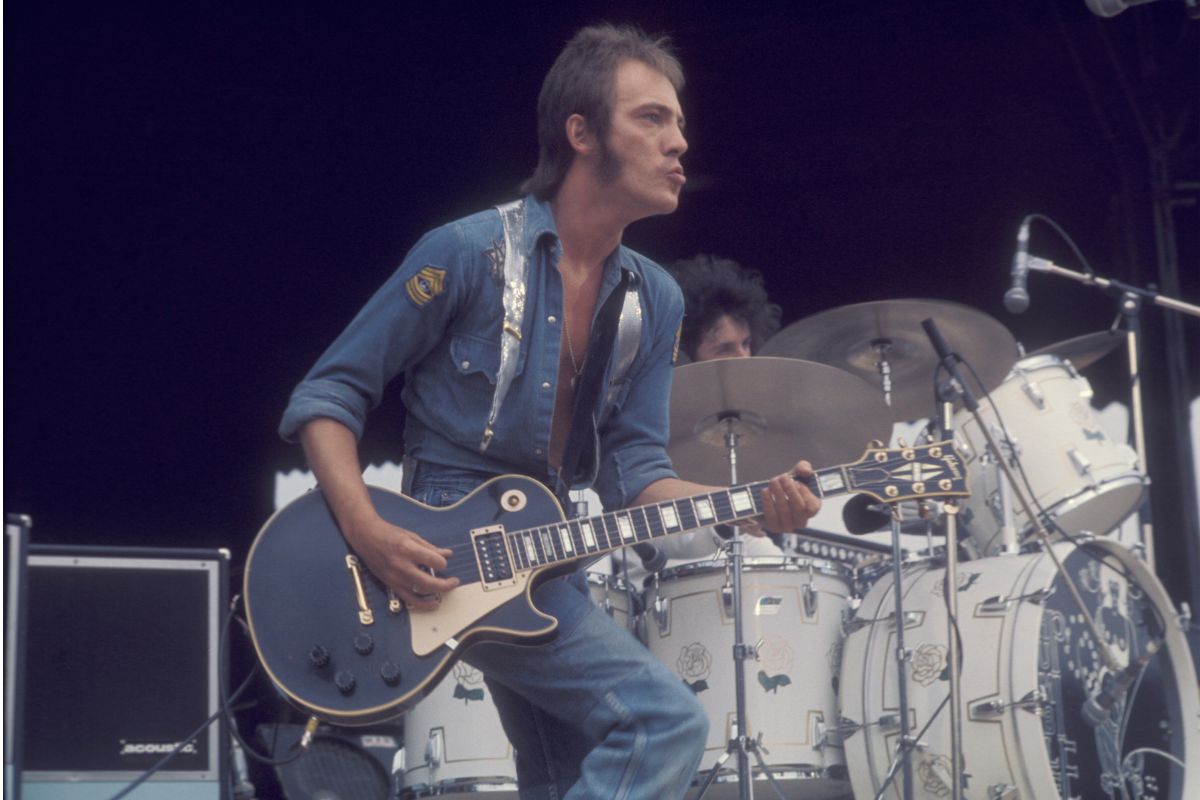
Few musicians in this list had more raw talent to squander. Steve Marriott had already been the teenage genius behind the Small Faces before co-founding Humble Pie with Peter Frampton. The latter became a major American live attraction, but Marriott’s life increasingly spiralled into financial trouble, substance abuse and professional frustration.
After Humble Pie, he released his first solo album in 1976, but never found another musical vehicle capable of matching his earlier bands. There were flashes of the old brilliance, but the trajectory was increasingly sad rather than triumphant.
Marriott had one of the great rock voices, could play several instruments and wrote superb songs — yet by the end of his life he was far removed from the star who had once electrified the Small Faces. His death in a house fire in 1991 gave the story a particularly grim ending.
7. Paul Rodgers
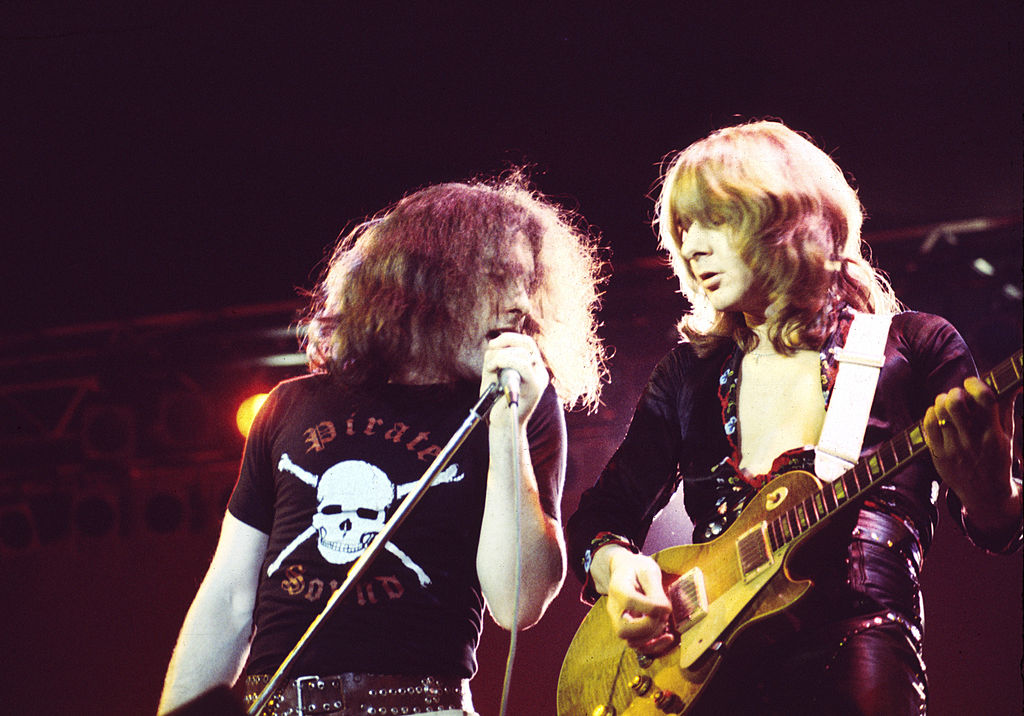
Paul Rodgers is an awkward inclusion because he never really lost his voice. He remains one of rock’s great singers. The problem was finding somewhere to put that voice. Free had given him the perfect setting: minimalist blues-rock, superb songwriting and the chemistry of Paul Kossoff’s guitar. Bad Company provided another highly effective vehicle, producing huge songs including 'Can’t Get Enough' and 'Rock ’n’ Roll Fantasy'.
His first solo album, Cut Loose (1983), was a particularly revealing experiment: Rodgers played all the instruments himself. Thereafter came a series of projects and solo albums, from blues tributes to soul covers (not to mention The Firm, his supergroup with Led Zeppelin's Jimmy Page), but none quite captured the elemental force of Free. Rodgers remained a magnificent singer. It was the context around him that increasingly seemed to be missing.
8. Roger Daltrey
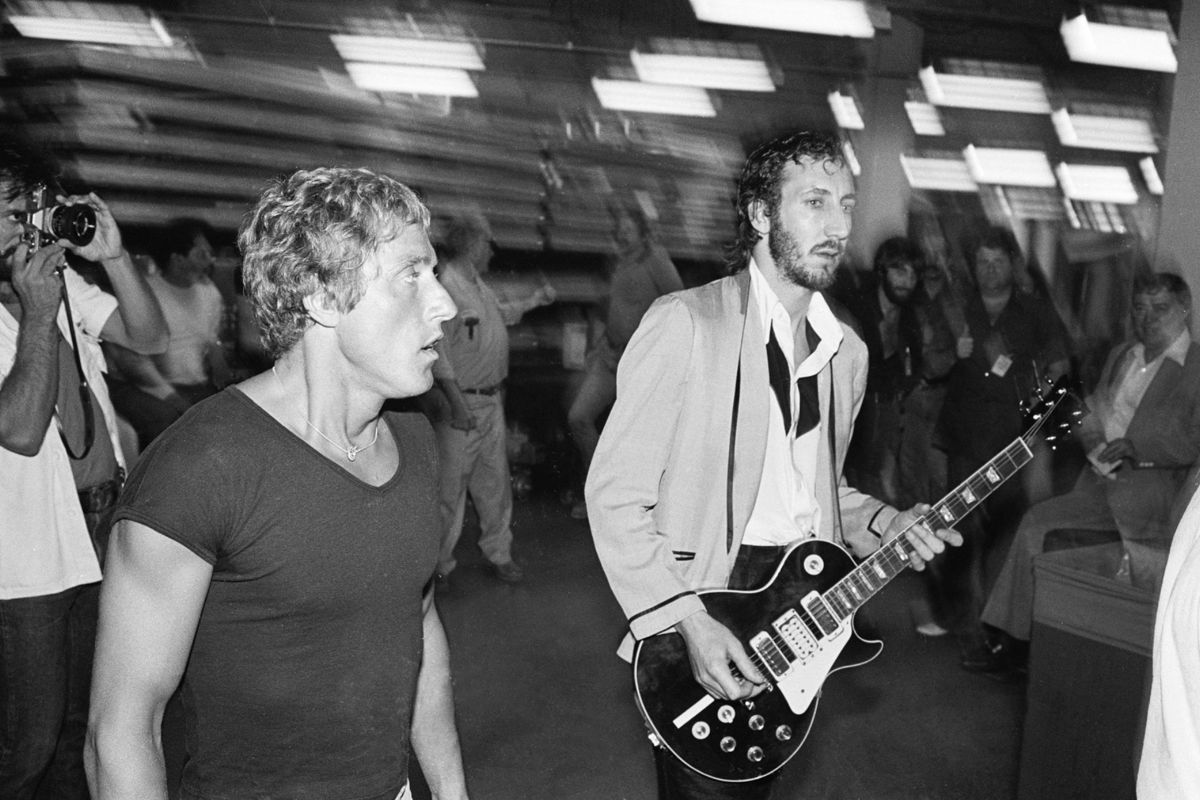
It seems strange now that Roger Daltrey’s solo career once looked like it might become a major story in its own right. His debut, Daltrey (1973), reached No. 6 in Britain and No. 45 in America, while Ride a Rock Horse (1975) also performed respectably. McVicar (1980), a soundtrack to the film in which Daltrey starred, even reached No. 22 in the US.
But listen to those records alongside Who’s Next or Quadrophenia and the difference is striking. Daltrey’s great strength was always as the human megaphone at the centre of Townshend’s songs; without The Who’s volatile chemistry, much of the magic evaporated. The later albums became increasingly peripheral, despite the singer himself remaining one of rock’s most formidable frontmen.
9. John Entwistle
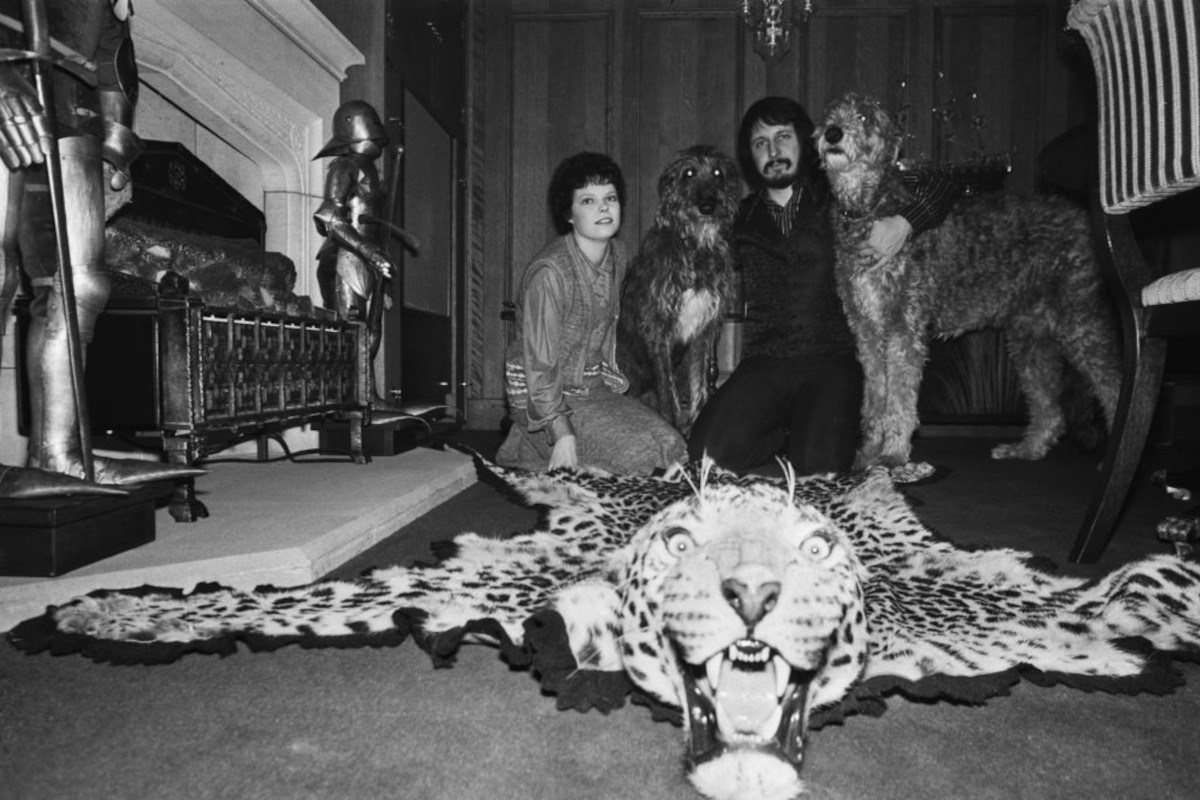
John Entwistle’s solo career might be the funniest example here because he didn't exactly lose his way — he wandered off in an entirely different direction. The quiet, immaculately dressed bassist of The Who turned out to have a gloriously warped imagination, and his solo records are packed with black humour, eccentric characters and wonderfully peculiar hard rock.
Smash Your Head Against the Wall (1971) is genuinely excellent, but Entwistle became increasingly idiosyncratic as he went along. By the time of Rigor Mortis Sets In (1973), the contrast with Who's Next was extraordinary.
The musicianship remained impeccable; the commercial appeal certainly didn't. Entwistle's solo work is now fascinating precisely because it reveals the strange personality hiding behind The Who's famously reserved bass player — but it was never going to replace the explosive combination of Townshend, Moon and Daltrey.
10. Ian Brown
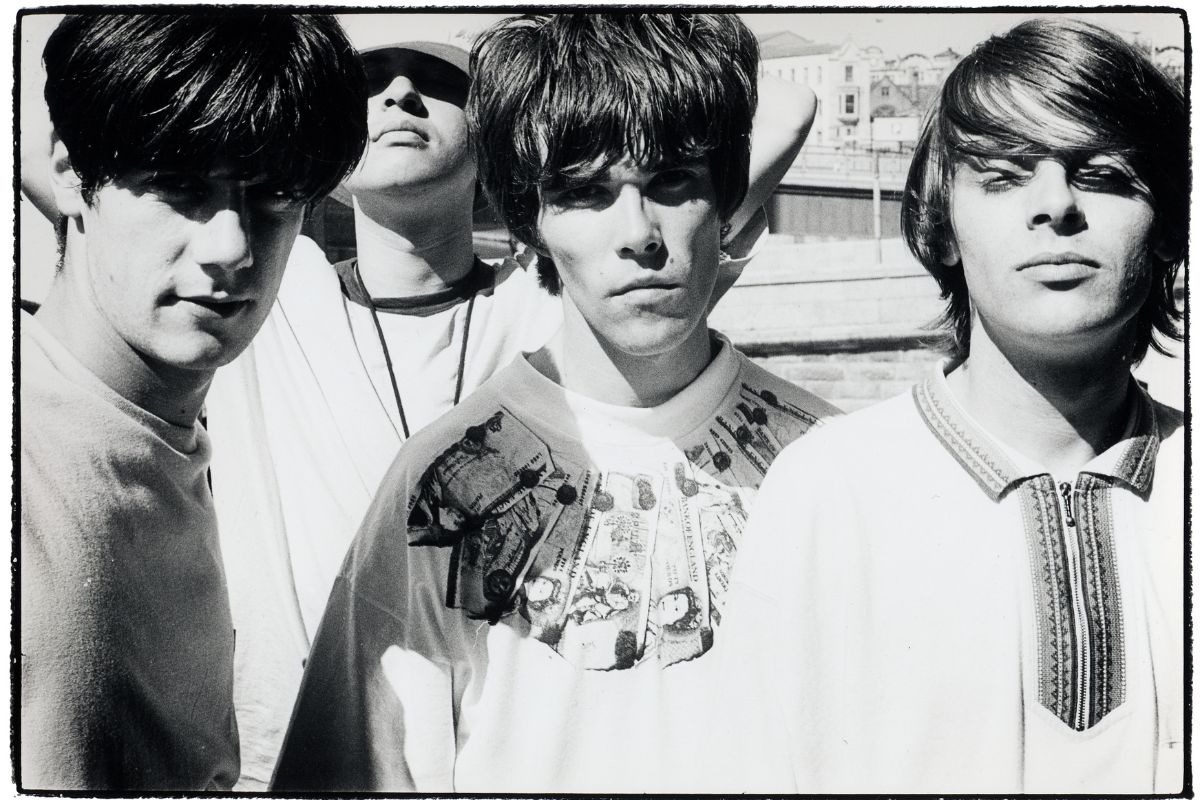
Ian Brown’s solo career is actually more successful than this feature might suggest. Unfinished Monkey Business (1998) reached No. 4 in Britain, and he went on to release a string of Top 10 albums and singles. But none of it quite answered the question posed by the Stone Roses: what could this voice and attitude do when combined with John Squire’s extraordinary guitar?
Brown found his own sound — lo-fi, electronic, occasionally political and often deliberately strange — but the old chemistry was gone. The solo records have their admirers, and rightly so, yet they feel like fragments of the Stone Roses’ personality rather than a continuation of it. He became a successful solo artist; what he never quite became again was the frontman of a truly magical band.
11. Bill Wyman
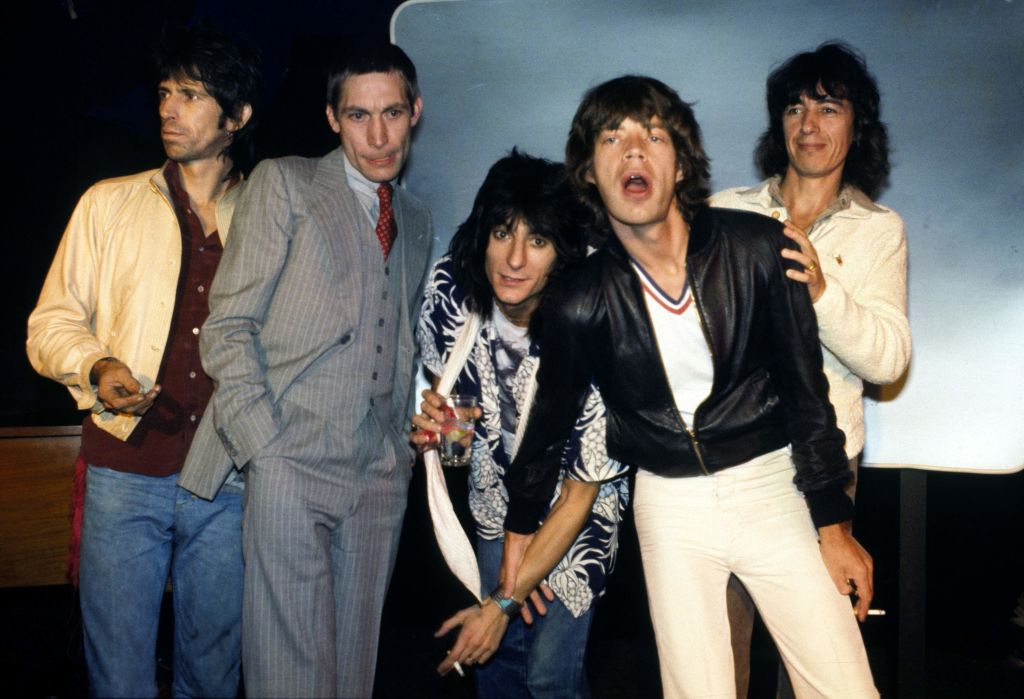
The Rolling Stones’ rhythm section was famously economical, but Bill Wyman’s solo career demonstrated just how much of the Stones’ electricity came from the people around him.
He began releasing solo albums while still a member of the band, surrounding himself with an impressive cast of friends and collaborators. His early records are often intriguing and occasionally very good, but they have a curious quality: you can hear the professional musician, without quite hearing the Rolling Stones.
Then came the wonderfully strange Bill Wyman (1982), which reinvented the bassist as something approaching a synth-pop star. It produced the hits '(Si, Si) Je Suis Un Rock Star' and 'Come Back Suzanne' — about as far from Exile on Main St. as you could imagine. Wyman himself later described the album as his most adventurous solo record.
12. Bernie Marsden (Whitesnake)
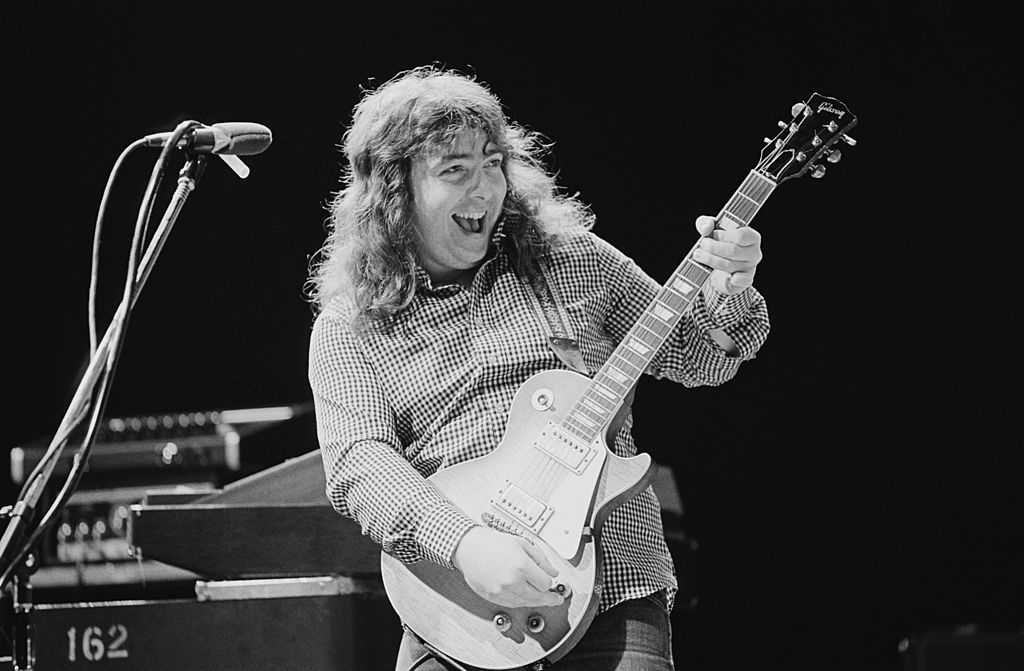
Bernie Marsden was one of the key architects of early Whitesnake, co-writing key early songs including 'Fool for Your Loving', 'Ready an’ Willing' and 'Here I Go Again'. He was not simply a hired guitar player: he helped define the band’s blues-rock identity.
His solo career, however, never came close to reflecting that pedigree. There were two albums during his Whitesnake years, And About Time Too! and Look at Me Now, and later came Alaska, the Moody Marsden Band and various blues projects. Much of it is enjoyable and musically accomplished, but it belongs to the world of cult guitar records rather than major-league rock. Marsden remained a superb player and songwriter; he simply never again had a band around him with Whitesnake’s potential.
13. Graham Nash
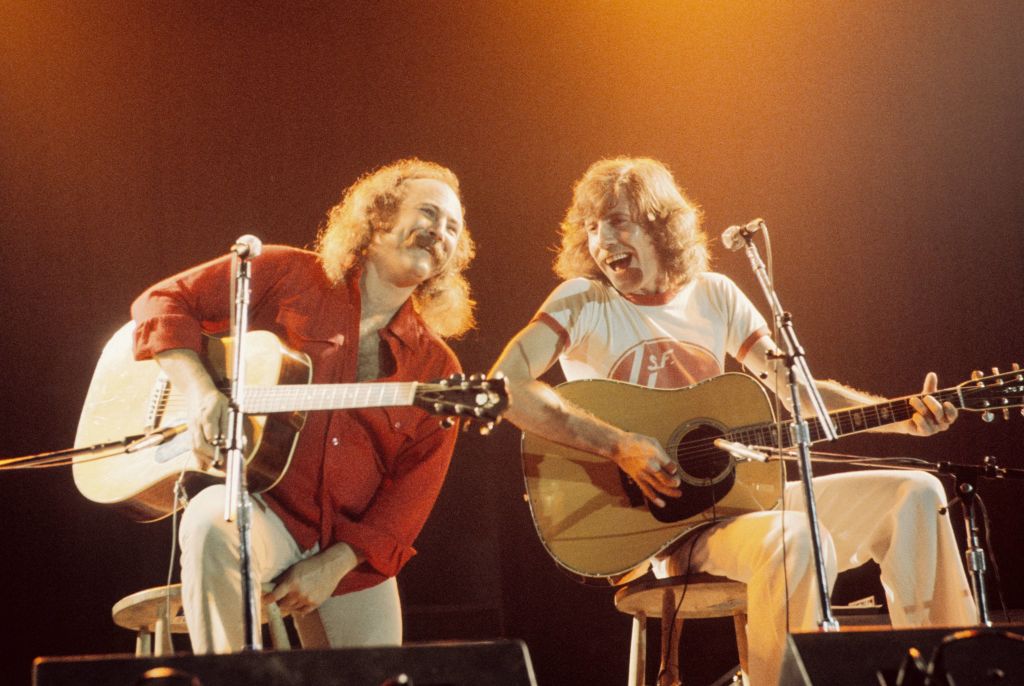
Graham Nash is perhaps the most qualified person here to object to the word 'lost'. His solo career began brilliantly: Songs for Beginners (1971) is a lovely, intimate record containing 'Military Madness', 'Chicago' and 'Simple Man', while Wild Tales (1974) remained strong.
The problem was what came afterwards. Nash’s solo work gradually became less culturally consequential than the music he made with the Hollies and Crosby, Stills & Nash. His fourth solo album, Innocent Eyes (1986), arrived after a long gap and found him operating in a very different musical climate; later solo releases became increasingly intermittent.
It is therefore less a story of collapse than diminishing necessity. Nash had already been part of several extraordinary musical partnerships, and his solo work struggled to match the scale, chemistry and cultural impact of those collaborations.
Pics Getty Images. Top pic David Lee Roth, 1986

