On 12 October 1996, an extraordinary piece of rock history finally emerged from the vaults.
Almost 28 years after the Rolling Stones had filmed an ambitious, circus-themed musical extravaganza, The Rolling Stones Rock and Roll Circus received its public premiere at the New York Film Festival. The following days brought its release on home video and soundtrack album, allowing fans to see a remarkable gathering of late-1960s talent – and a Stones performance that had become the stuff of legend.
The question was why it had taken so long. Had Mick Jagger really been so worried about being upstaged by The Who that he had consigned his own spectacular to oblivion? The truth was more complicated, involving exhaustion, dissatisfaction, a turbulent period for the band and the business interests of their formidable manager, Allen Klein.
A circus comes to town
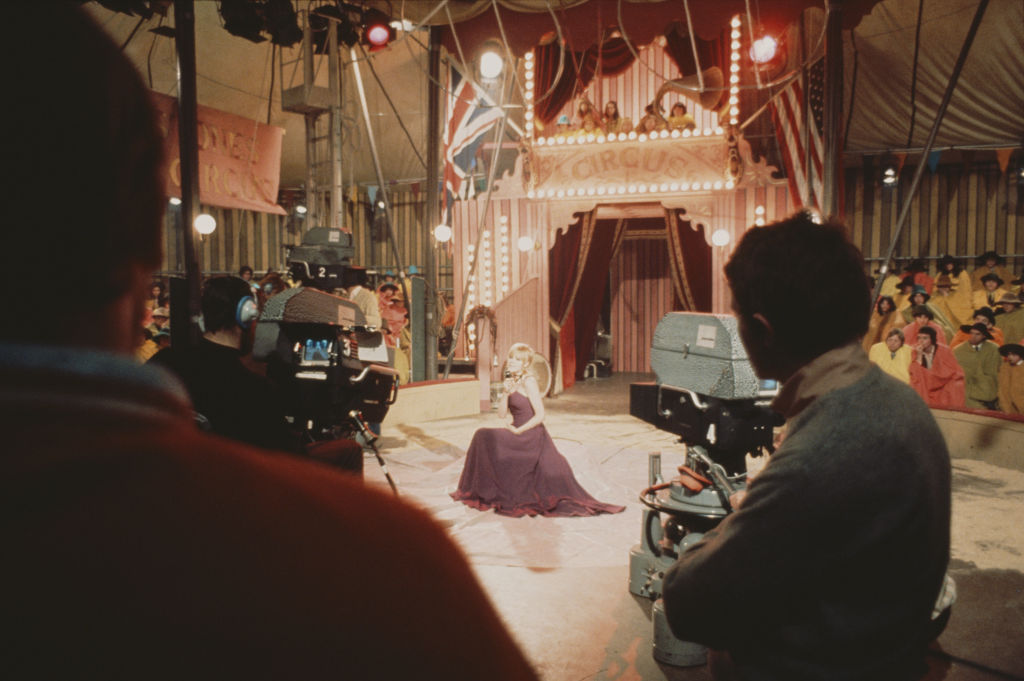
The idea originated with Jagger, who wanted something more imaginative than a conventional promotional appearance. The Stones’ seventh album Beggars Banquet was due for release in December 1968, and a television special offered a way to showcase the band while bringing together some of the most exciting musicians of the era. Director Michael Lindsay-Hogg, who had already worked with the band on promotional films, helped turn the idea into a rock show staged inside a makeshift big top.
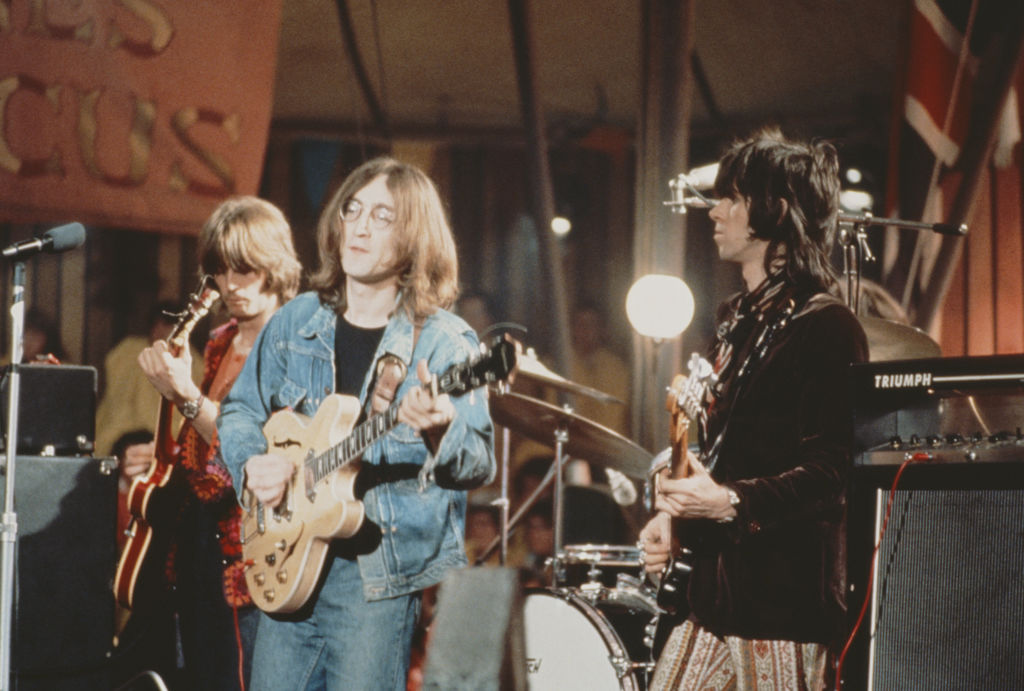
The guest list was extraordinary. The Who performed a ferocious version of 'A Quick One, While He’s Away' (see below); blues (not yet prog) rockers Jethro Tull appeared with guitarist Tony Iommi, shortly before his departure to form Black Sabbath; and bluesman Taj Mahal brought a different kind of intensity. Marianne Faithfull sang 'Something Better', while John Lennon assembled the Dirty Mac, featuring Eric Clapton, Stones guitarist Keith Richards on bass and Jimi Hendrix Experience drummer Mitch Mitchell.
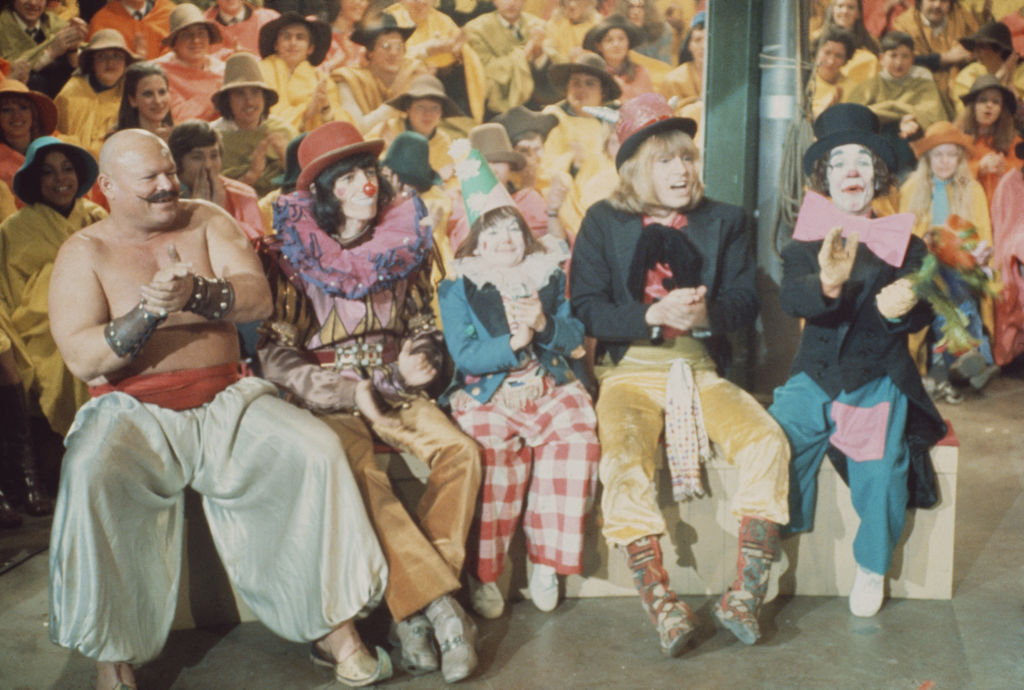
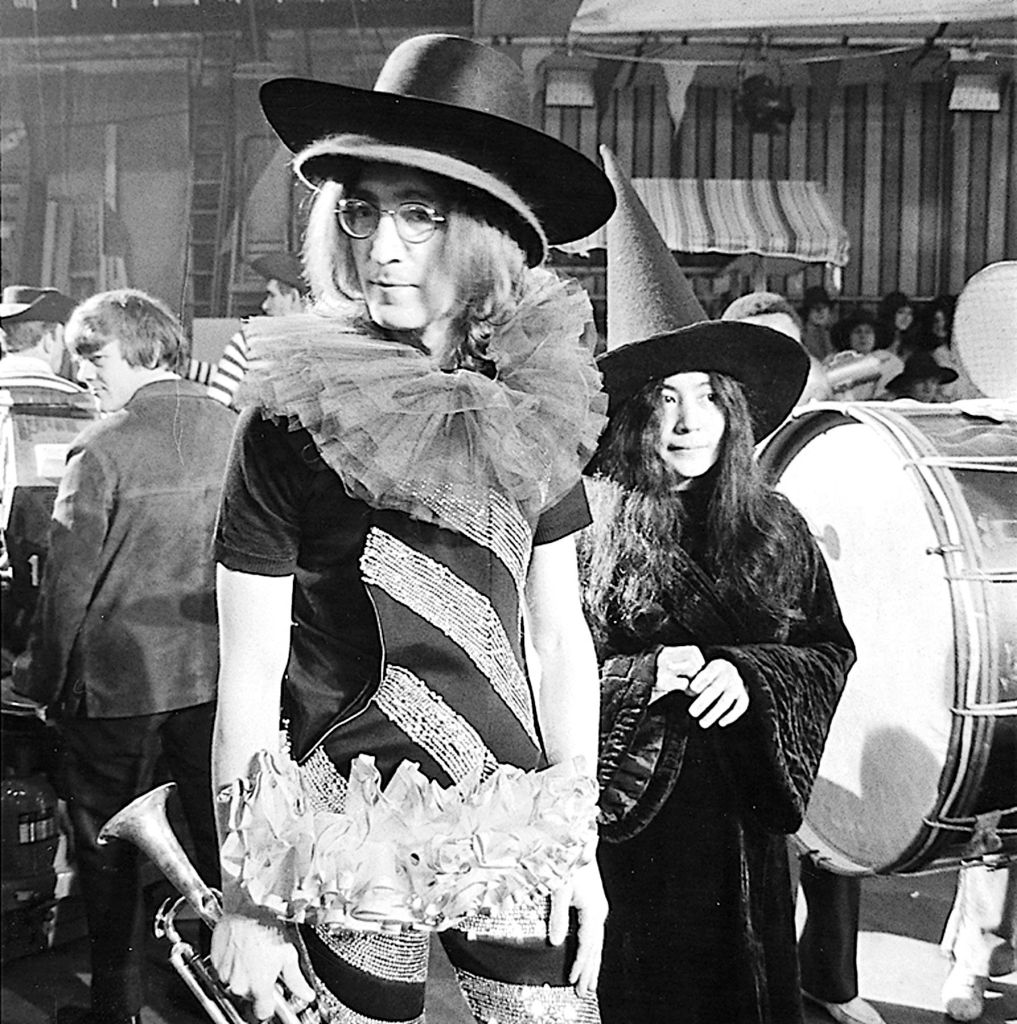
Yoko Ono also made a startling contribution, with avant-garde violinist Ivry Gitlis. Acrobats, fire-eaters and other circus performers completed the spectacle. This was rock music presented as theatre, with Jagger acting as ringmaster.
The timing was significant. The Stones had begun work on 'You Can’t Always Get What You Want' in November 1968, but Let It Bleed would not be recorded in earnest until the following February. At the circus, the band were still promoting Beggars Banquet, an album that marked a decisive return to rootsier, blues-influenced rock after their psychedelic experiments. The new record’s darker, more assured direction was beginning to emerge, even as the group’s internal problems intensified.
A very long night
Filming took place at Intertel Studios in Wembley, near London, on 11 December 1968, running into the early hours of the following morning. The production was an exhausting undertaking: changing sets, camera resets and the logistics of filming multiple performers turned the event into a marathon. By the time the Stones took the stage at 2am, they had been waiting around for hours.
According to Lindsay-Hogg, the band felt they had not delivered their best. The Who, who performed much earlier (around 4pm), were particularly impressive. Their mini-opera was a tightly rehearsed, explosive display of theatrical rock, and it has since become one of the film’s defining moments.
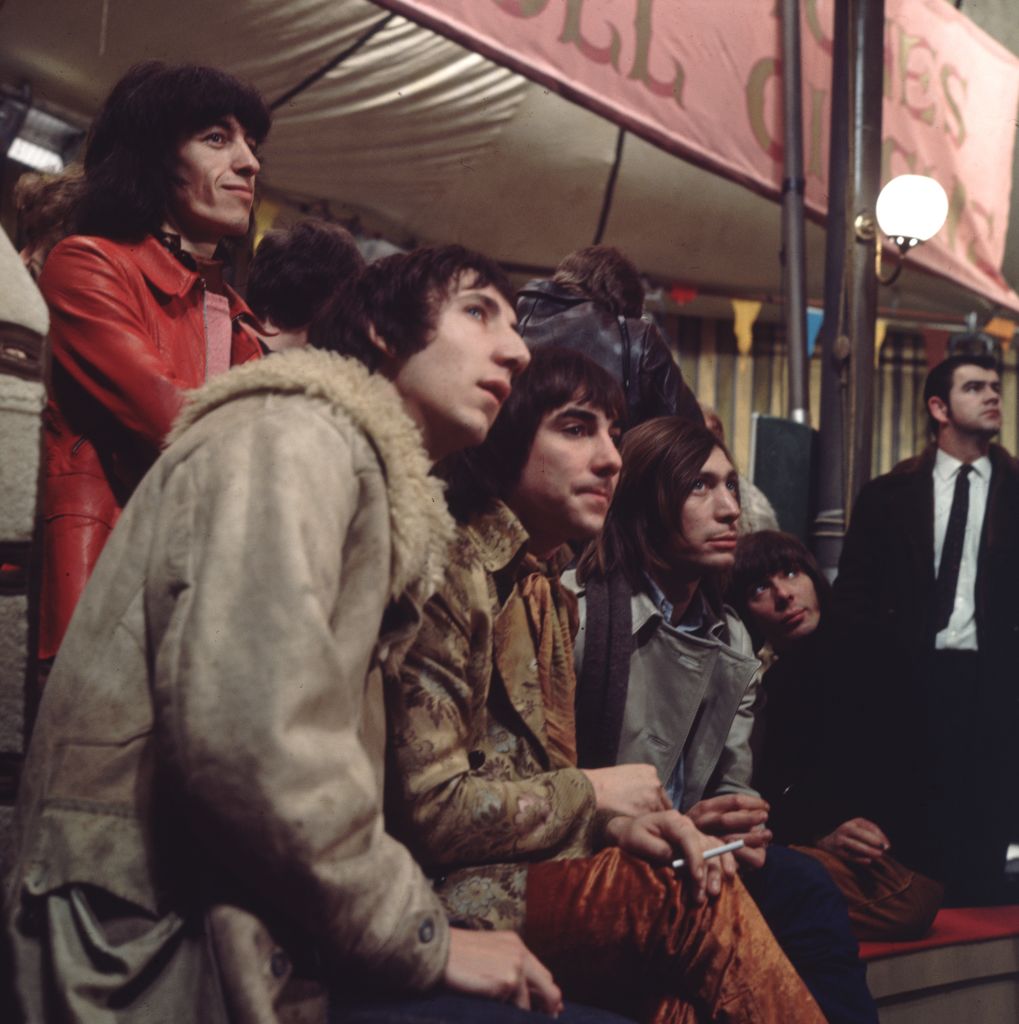
The familiar story says the Stones were so embarrassed by being outshone that they refused to release the film. There is some truth to the idea that they were unhappy with their performance, but it is too neat an explanation on its own.
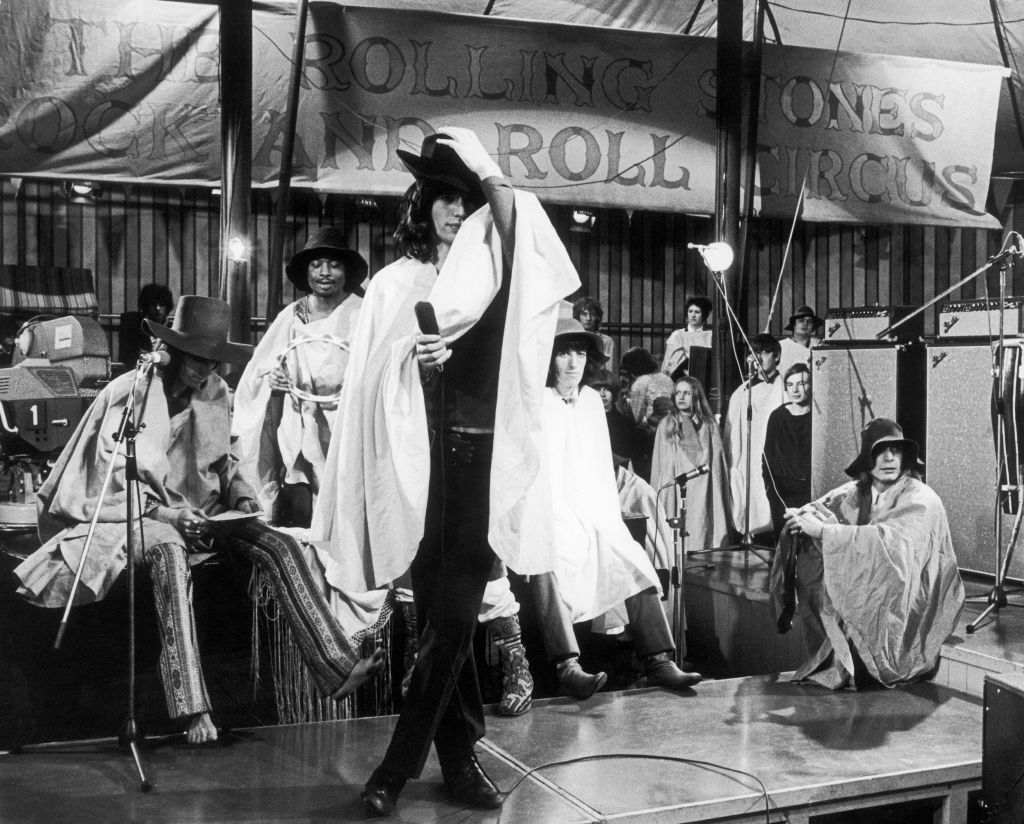
Jagger, Richards and co. were tired, their set required repeated takes, and the production had become a demanding shoot rather than the relaxed musical gathering Jagger had envisaged. The band’s own contribution was not uniformly poor: 'Jumpin’ Jack Flash', 'Parachute Woman' and 'Sympathy for the Devil' offer compelling glimpses of a group at a fascinating point in its evolution.
Allen Klein and the missing film
Klein’s role is crucial to understanding what happened next. The Stones’ manager had advanced money for the project and retained ownership of it. According to contemporary reporting around the eventual release, Klein was also unimpressed by the band’s performance and reluctant to put the film out. With the Stones themselves dissatisfied, there was little incentive for him to push it towards broadcast.
Then events overtook the project. Brian Jones, increasingly detached from the group and struggling to contribute consistently, was dismissed on June 8 1969. He died less than a month later. His final filmed appearance with the Stones was at the circus, giving the footage an unintended poignancy. But his decline should not be treated as the single reason the film disappeared: the dissatisfaction with the performances and Klein’s control of the project were already significant obstacles.
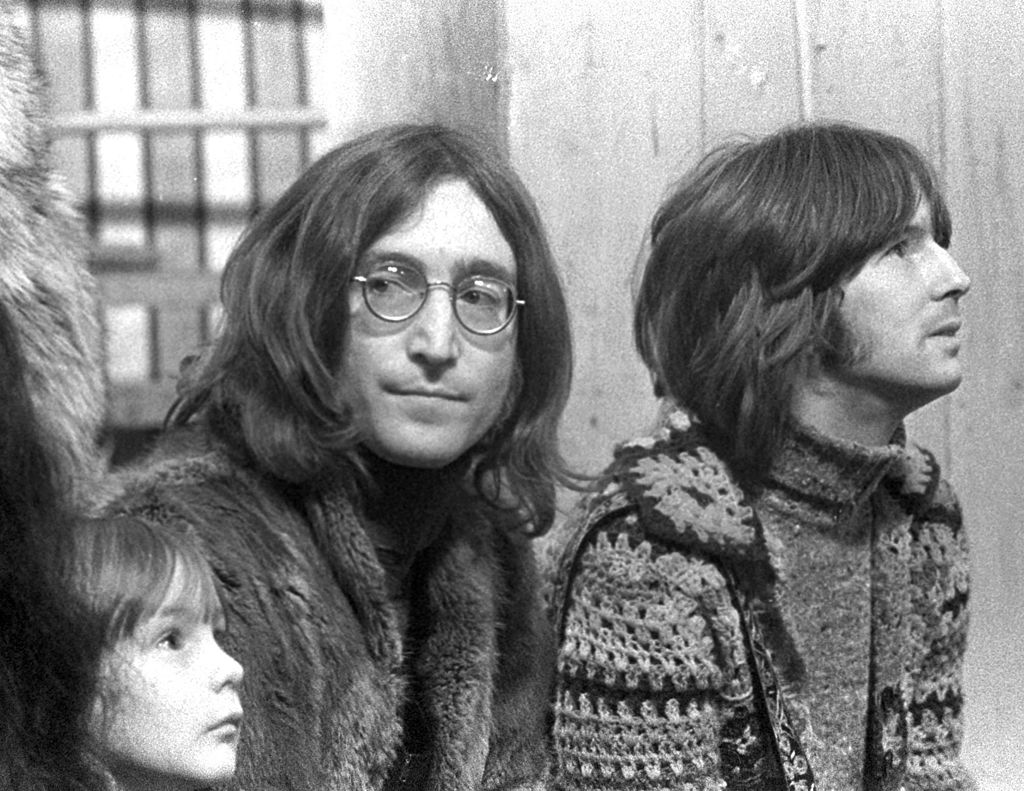
The band’s priorities also shifted. They were recording Let It Bleed, preparing for their return to live performance and moving into a new chapter with Mick Taylor replacing Jones. The circus set was dismantled, and a proposed attempt to reshoot the event in Rome came to nothing when permission was refused. The project simply lost momentum.
A lost world rediscovered
For years, Rock and Roll Circus was one of rock’s great missing treasures. Parts of the footage had surfaced, but the complete film remained unseen by the public. A substantial portion was rediscovered in 1993, allowing the project to be restored and assembled for its eventual release.
Today, it is valued less as a flawless Stones concert than as a vivid time capsule. The Who’s performance is a highlight; Lennon and the Dirty Mac offer a rare glimpse of an improvised supergroup; and the Stones themselves are compelling precisely because the film catches them in transition. Jones is still there, but the band’s future is already uncertain.
The circus is occasionally ragged, and its mixture of music-hall spectacle and avant-garde performance can feel gloriously odd. That is part of its appeal. What might have been dismissed as an unsuccessful television special in 1968 became, nearly three decades later, a window into a moment when rock was expanding its ambitions and testing its boundaries.
The Stones may not have been entirely happy with what they captured. But the film they shelved turned out to be far too fascinating to stay hidden forever.
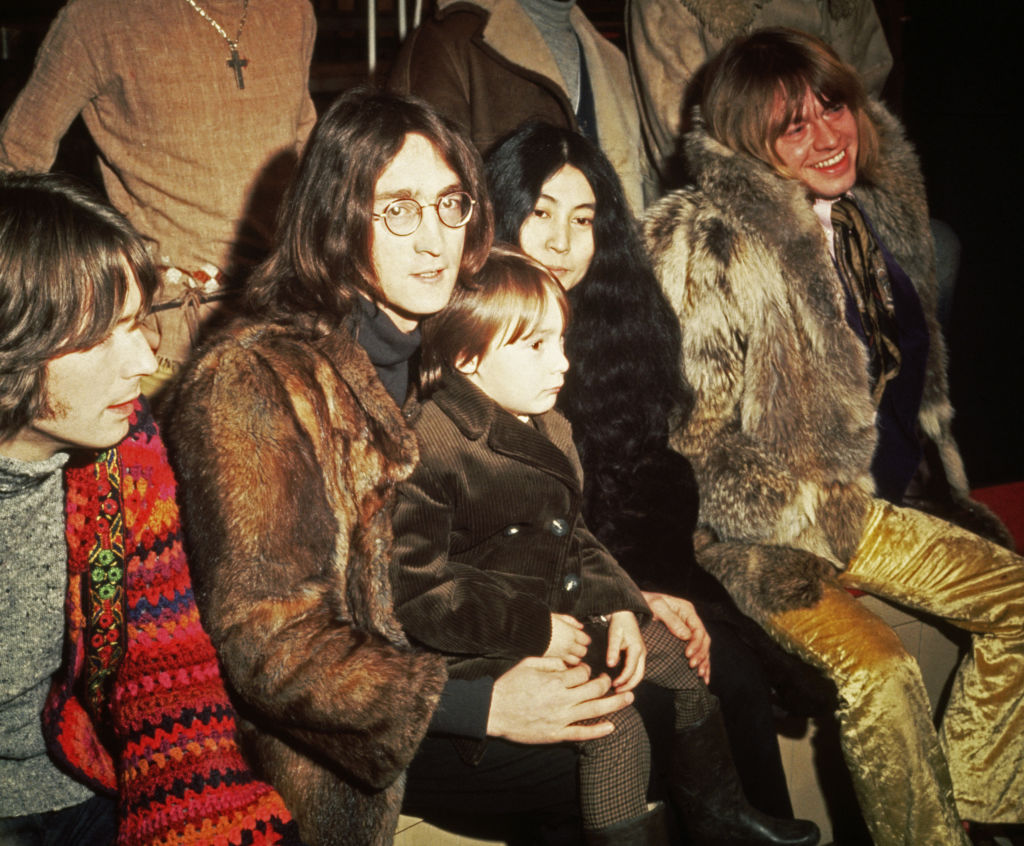
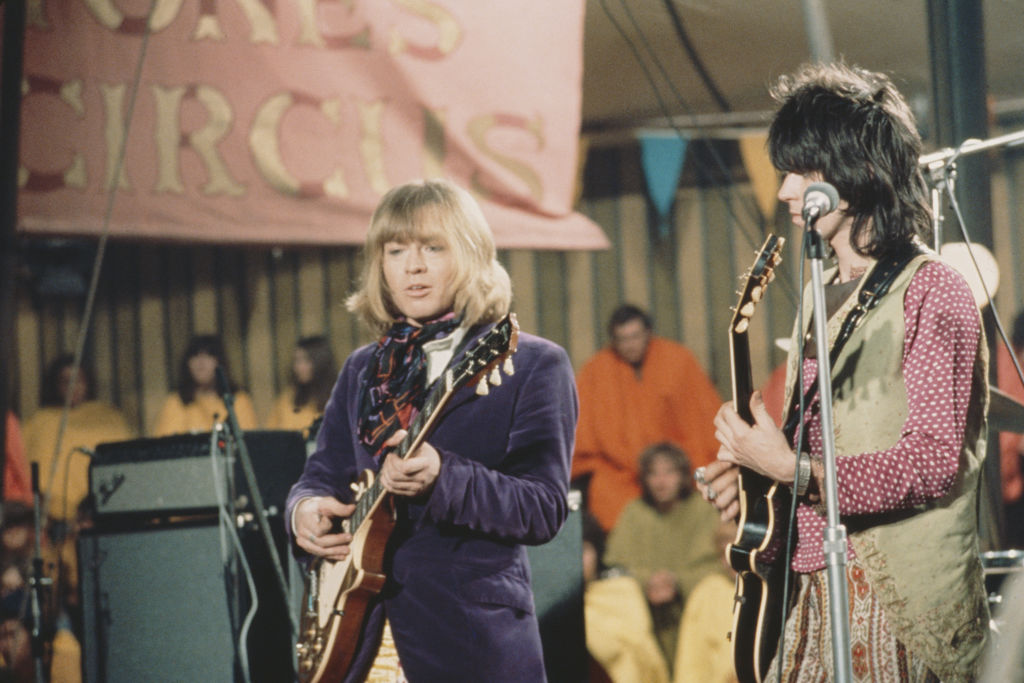
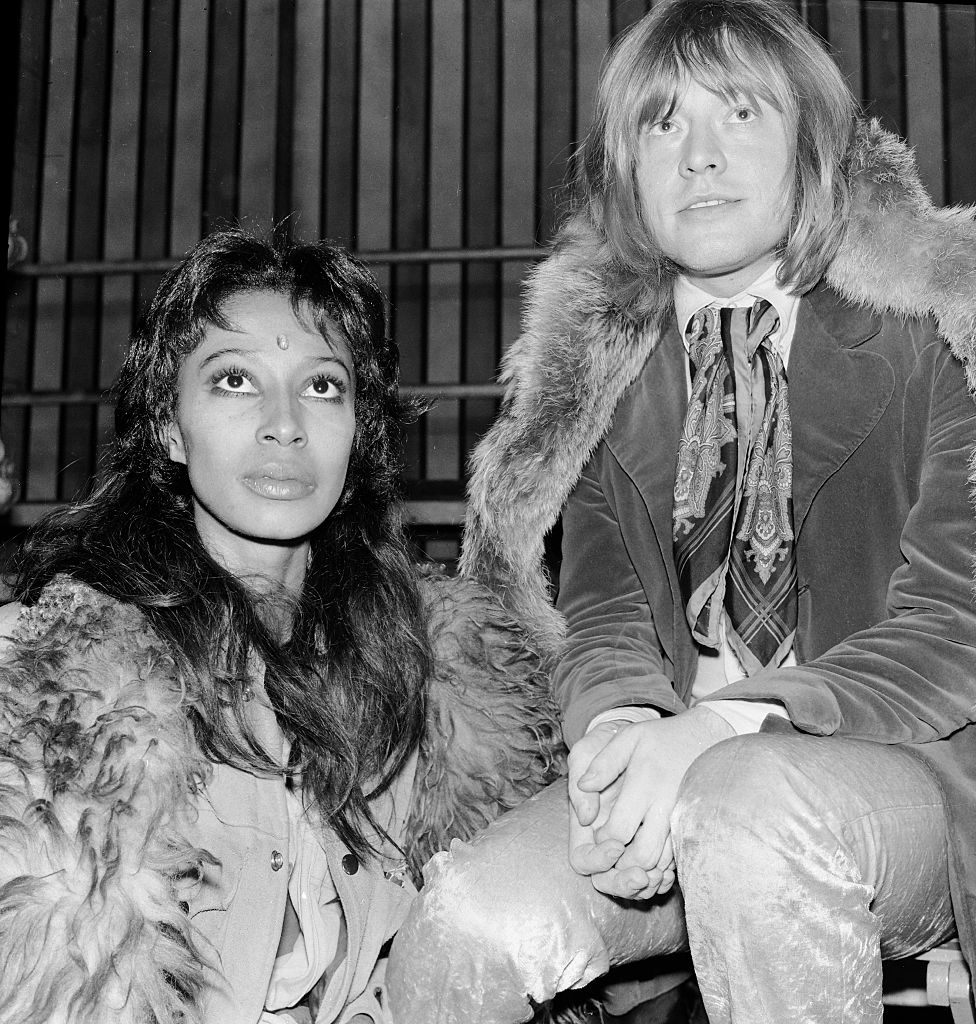
Here are some more candid images from the filming:
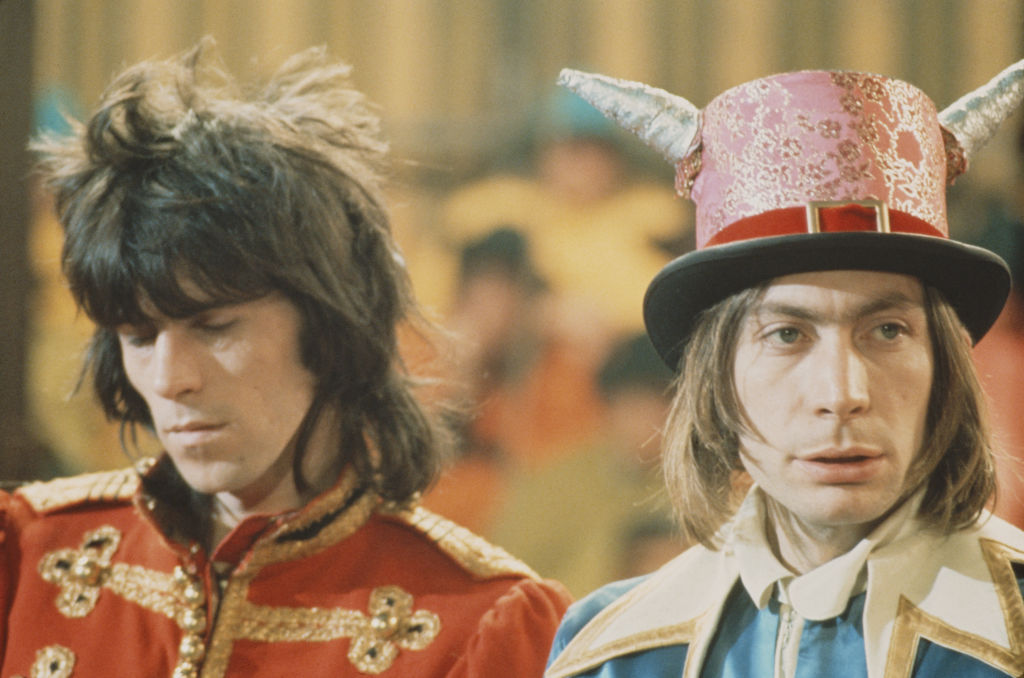
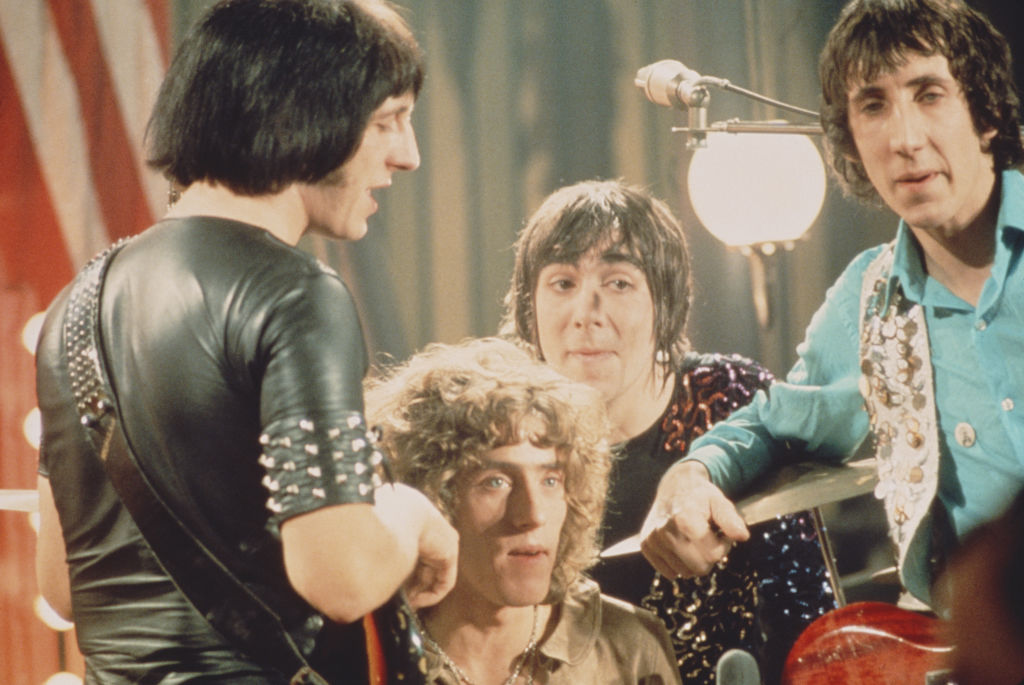
Pics Getty Images