
The 1970s in America began not with a celebratory cheer, but with a collective, jagged exhale.
The utopian promises of the Summer of Love had evaporated, replaced by the grim realities of the Vietnam War’s conclusion, the Watergate scandal, and a staggering economic downturn that turned industrial hubs into 'Rust Belt' ghosts. In this climate, the music changed. The acoustic warmth of the sixties curdled into a distorted, high-tension sound that reflected a country at war with itself.
From the ferocious street-level punk of Detroit and New York to the searing social critiques of soul legends, these songs capture a darker side of American life – a decade of urban decay, political disillusionment, racial tension and economic anxiety.
Whether it is the confrontational speed of the Stooges or the biting cynicism of John Lennon’s New York period, these recordings serve as a sonic time capsule of a decade where the American Dream felt less like a promise and more like a provocation. This is the soundtrack of a nation finding its fury.
1. Crosby, Stills, Nash & Young – 'Ohio' (1970)
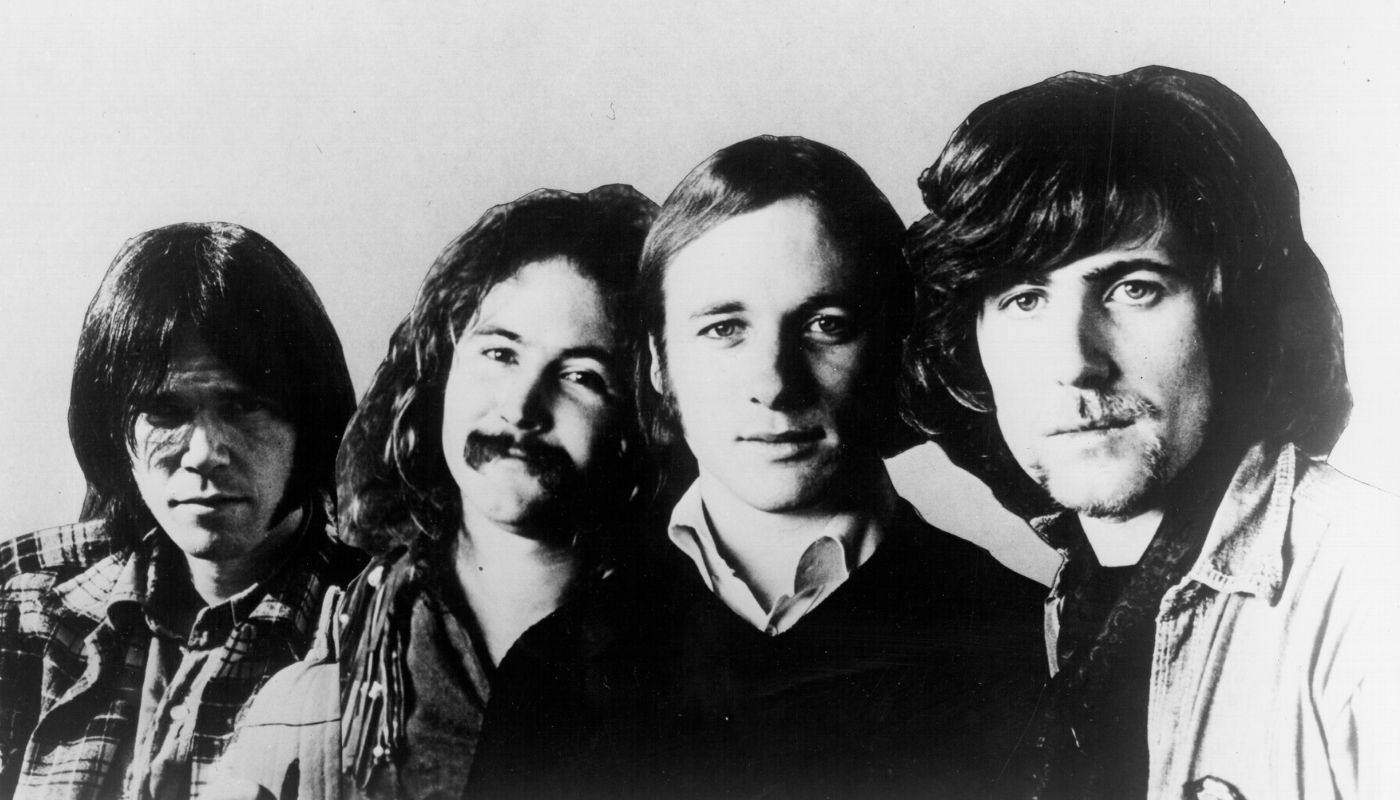
Written by Neil Young in a state of shock just hours after viewing photos of the Kent State shootings, 'Ohio' serves as the definitive sound of a generational fracture. The track is intentionally far removed from the band's typical lush, California harmonies; here, the guitars are interlocking and distorted, creating a sense of dread that mirrors the chaos of the protest.
The repeated, desperate refrain of 'How many more?' and the direct, confrontational naming of 'Nixon' transformed the song into a living newsreel for a traumatized youth movement. It remains a stark, haunting document of internal domestic conflict, capturing the exact moment when the counterculture’s grief hardened into an immediate and widespread political fury that resonated across a divided United States.
2. Patti Smith – 'Piss Factory' (1974)
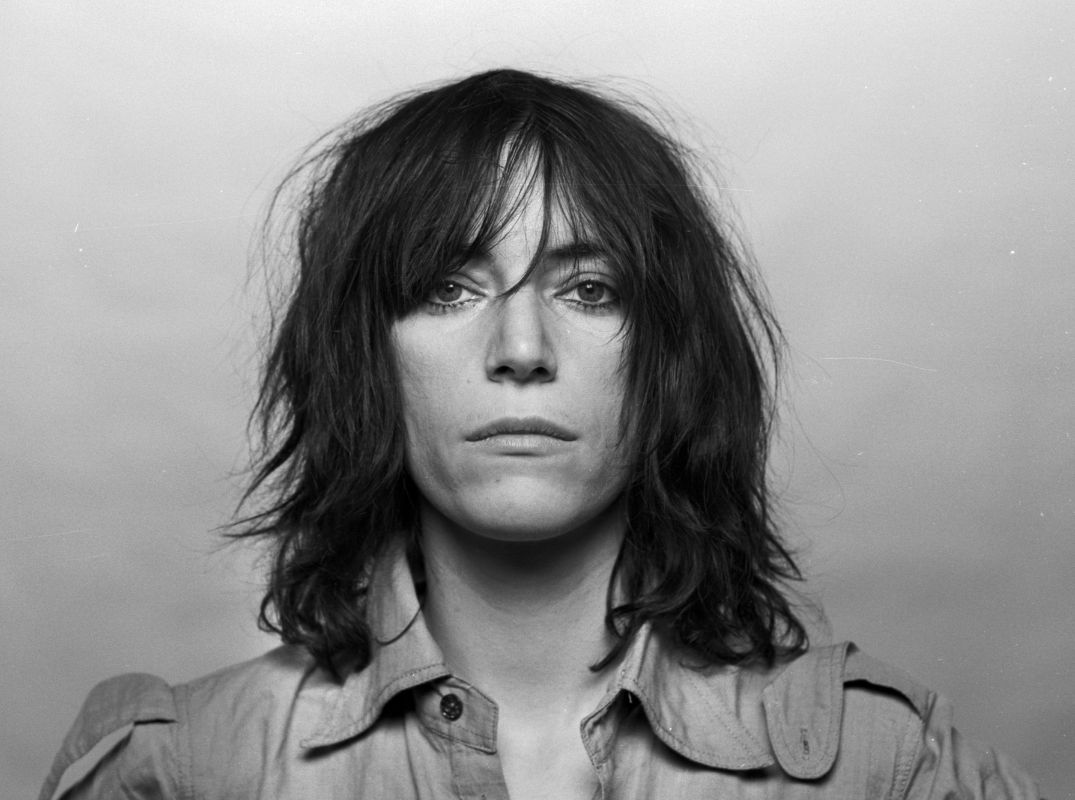
Before she became the Godmother of Punk, Patti Smith released this urgent, improvisational track about her soul-crushing time working in a baby stroller factory. It isn't a song of explosive violence, but of simmering class resentment. Smith’s voice rises from a rhythmic mumble to a defiant shout as she vows to escape the drudgery of her environment.
It captures the specific anger of the American working class – not just at their bosses, but at the idea of a life spent in a monotonous cycle of labor. It remains a foundational text for the New York underground, proving that poetry could be just as cutting as a distorted guitar.
3. John Lennon – 'Working Class Hero' (1970)
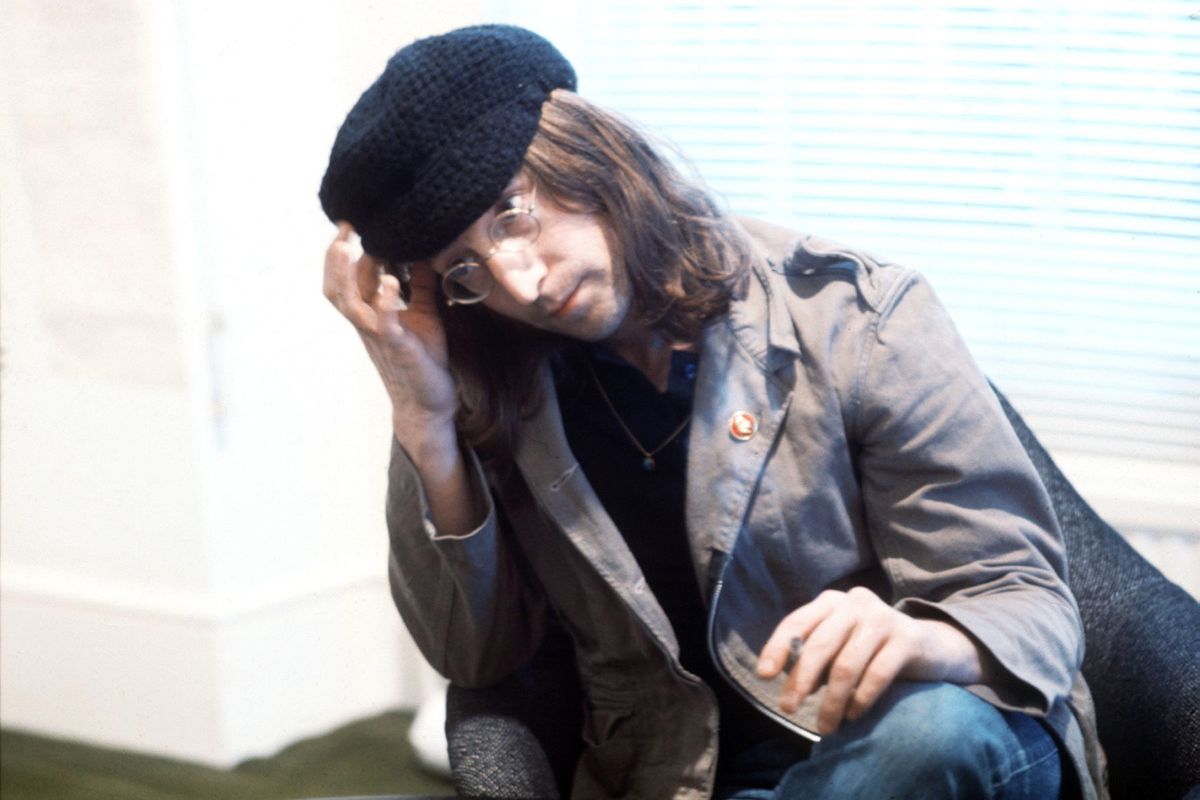
Recorded shortly after the Beatles' split, while John Lennon was living in New York and undergoing primal scream therapy, this track is a stark and cynical look at social conditioning. Accompanied only by an acoustic guitar, Lennon’s delivery sounds weary, and his tone is biting. He attacks the education system and the corporate ladder, accusing society of processing individuals until they are too broken to rebel.
The use of a specific profanity was a deliberate shock to the system at the time, underscoring Lennon's genuine fury at the insidious nature of both American and British social structures.
4. Gil Scott-Heron – 'The Revolution Will Not Be Televised' (1971)
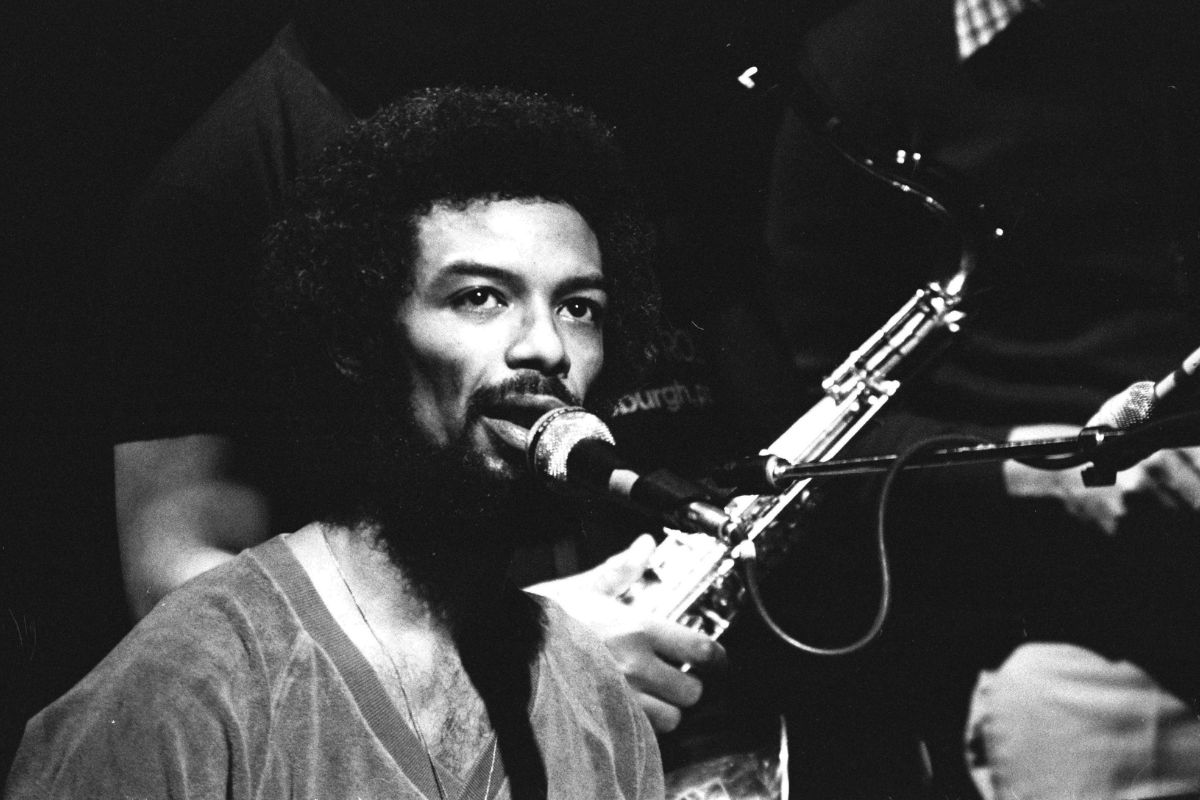
This is the definitive confrontational, social-critique poem of the early seventies. Over a lean, funky bassline and frantic percussion, Scott-Heron delivers a rapid-fire critique of consumerism and media apathy. He lists the hollow symbols of American pop culture – from sitcoms to commercial jingles – and explains that they are distractions from the real struggle for civil rights.
His delivery is sharp and rhythmic, capturing an intellectual rage that refused to be pacified by television. It served as a prophetic blueprint for the hip-hop movement, emphasizing that true change requires active participation rather than passive consumption.
5. Dead Boys – 'Sonic Reducer' (1977)
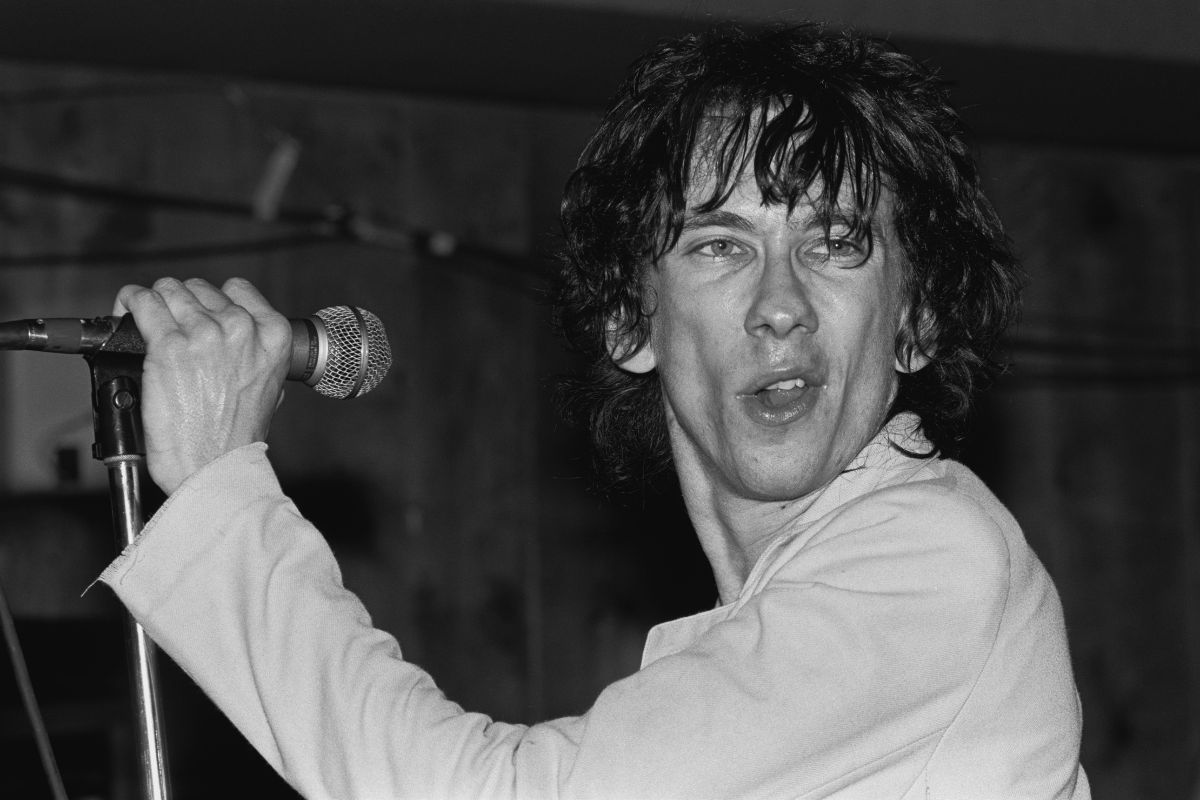
Moving from Cleveland to New York, the Dead Boys brought a feral energy to the CBGB scene. 'Sonic Reducer' is a masterpiece of alienated suburban rage. Stiv Bators’ vocals are a snotty, high-pitched sneer, while the opening riff is a jagged assault on the senses. The song is about wanting to disappear into the music, to escape a world that feels fake and restrictive. It’s a song about the power of volume as a weapon, capturing the frantic desire of 1970s youth to dismantle their boring reality and replace it with something loud, fast, and real.
6. James Brown – 'The Big Payback' (1973)
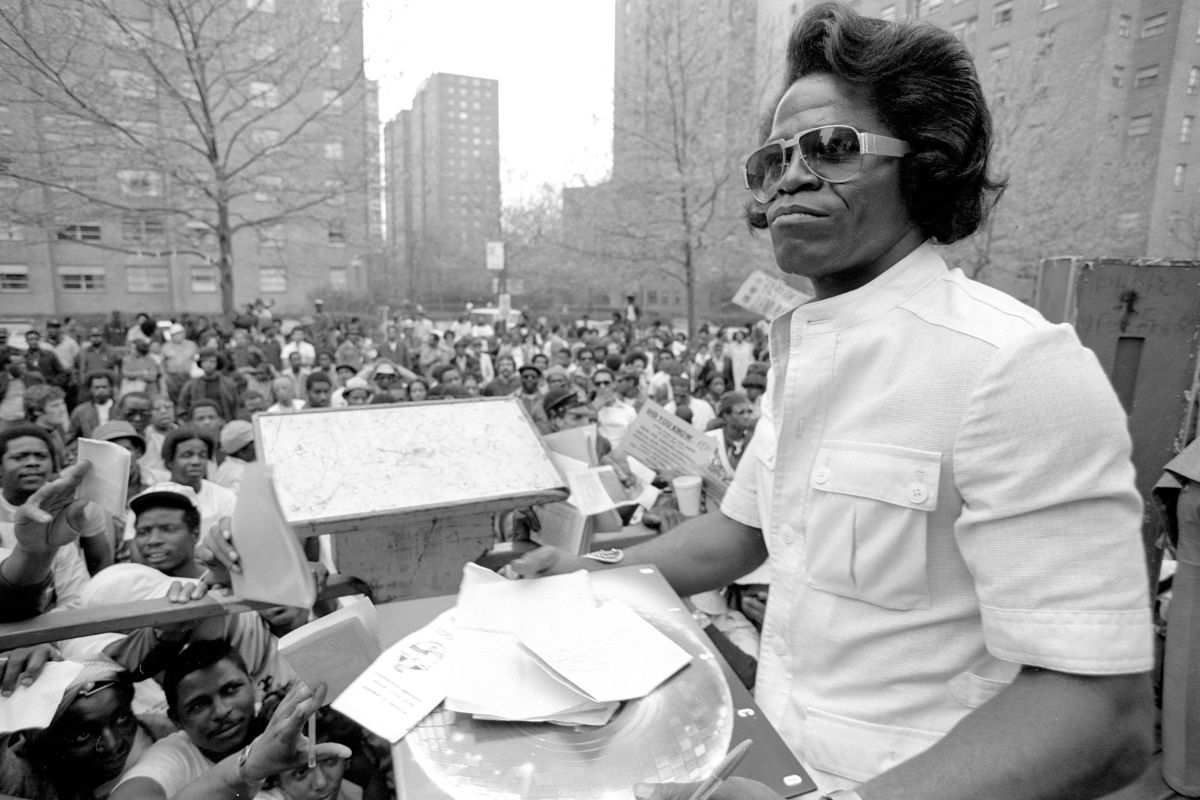
Anger in the seventies wasn't just about politics; it was also about personal retribution. In this funk powerhouse, James Brown delivers a ferocious vocal performance centred on revenge against those who betrayed him. The horn section acts like a percussive punctuator to his screams and growls. It’s a triumphant kind of rage – the sound of someone who has been stepped on finally rising up to claim what is theirs. The song’s massive, unrelenting groove became a cornerstone of funk, proving that anger could be channelled into something incredibly disciplined and danceable.
7. Black Flag – 'TV Party' (1979/1981)
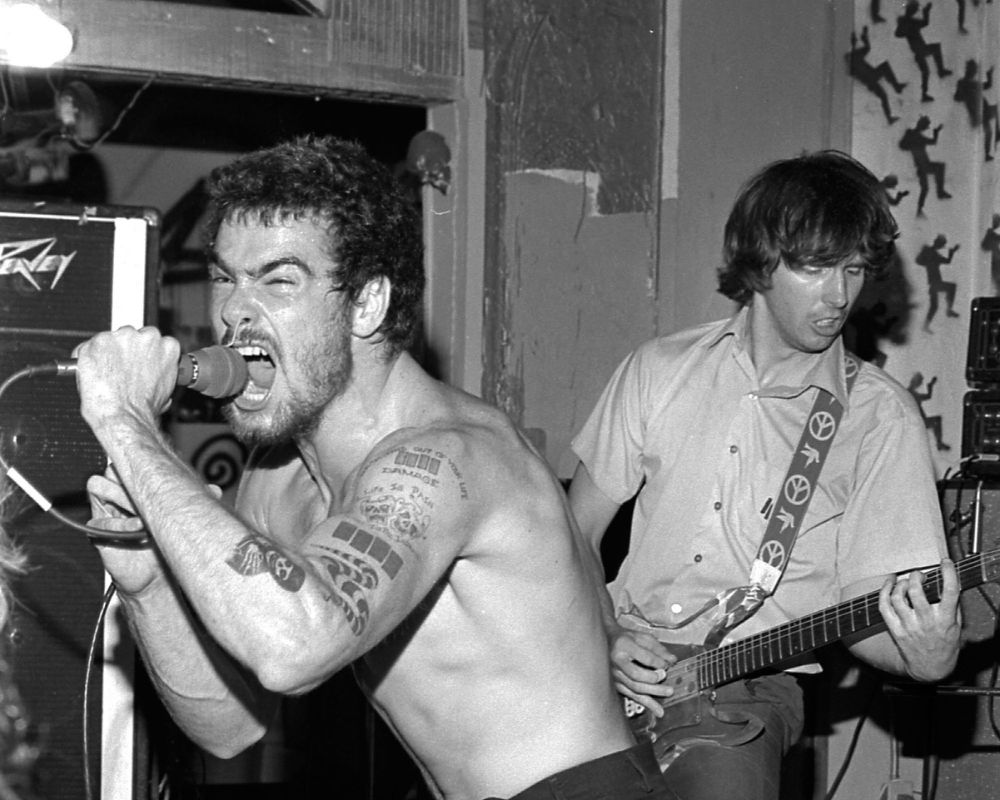
Though their most famous version appeared in the early 80s, Black Flag was already honing this biting satire of American complacency in the late 70s. The song mocks the mindless consumption of television as a way to ignore the decay of society.
It’s an angry, sarcastic anthem that uses a rowdy gang-vocal style to highlight the irony of people sitting together in a room but remaining totally isolated by the screen. It captured the nihilistic humour of the early California hardcore scene, expressing a furious boredom with the standard American lifestyle.
8. Steely Dan – 'King of the World' (1973)
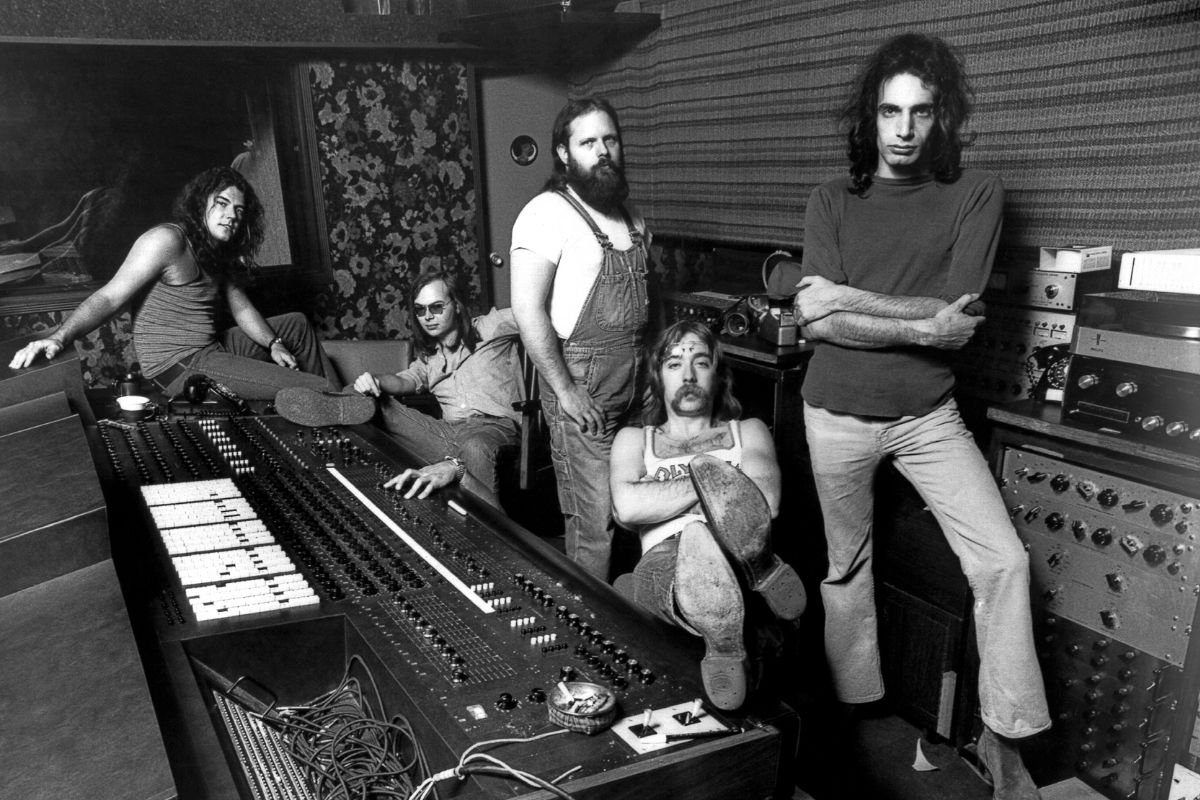
Donald Fagen and Walter Becker were the masters of glossy misery – dark, cynical subject matter under a pristine production sound. And 'King of the World' is their most explicitly dystopian moment. Set in the aftermath of a nuclear holocaust, the narrator sits at an amateur radio station in New Mexico, desperately trying to reach anyone left alive.
The bouncy, jazz-inflected arrangement creates a disturbing contrast with lyrics about 'the marigolds... shivering in the hollow' and the desert sun beating down on a dead civilization. It is a chillingly calm look at the end of the world, perfectly capturing the Cold War anxieties of this paranoid decade.
9. The Stooges – 'Search and Destroy' (1973)
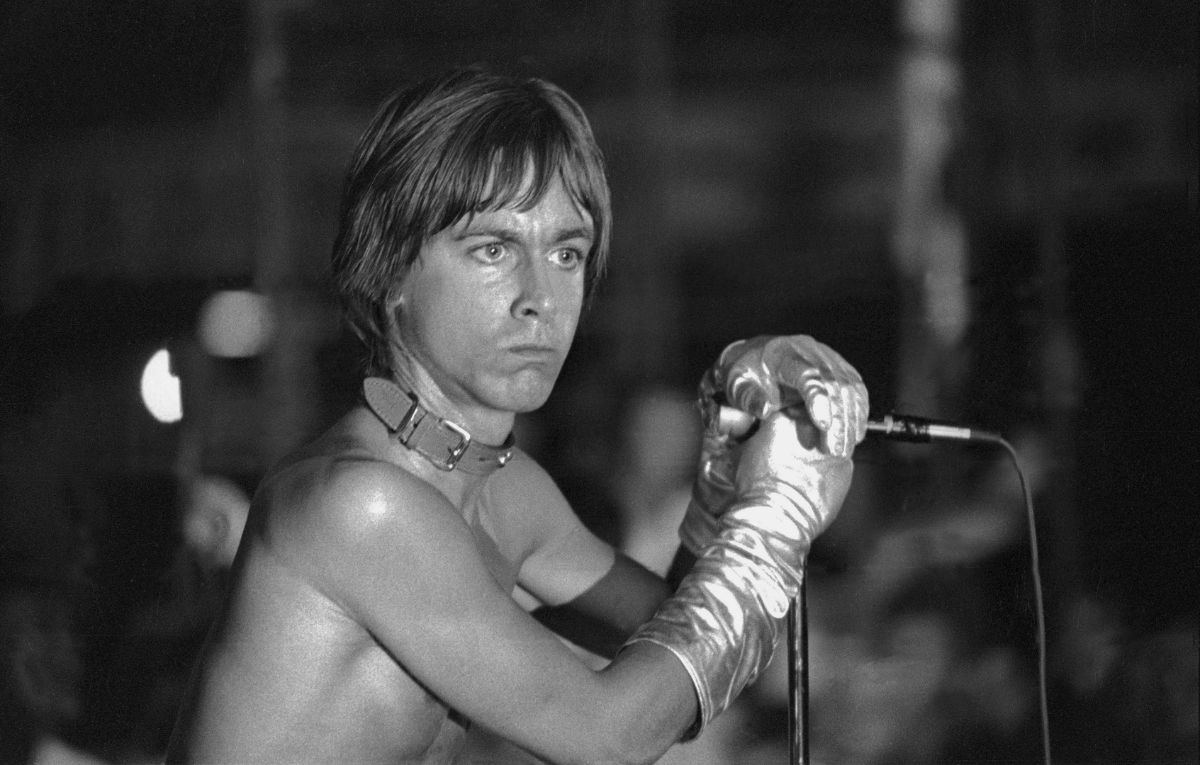
Post-produced by David Bowie, this track from Raw Power is often described as the most violent-sounding recording of the seventies. Iggy Pop’s lyrics – calling himself a 'street walking cheetah with a heart full of napalm' – capture a frantic, self-destructive rage. James Williamson’s guitar tracks were mixed so high they seem to bleed into the red, creating a chaotic, jagged sonic environment. It is the definitive anthem of the disenfranchised, a song that doesn't just express anger, but seems to actively seek out a confrontation with the listener.
10. Creedence Clearwater Revival – 'Fortunate Son' (1970)
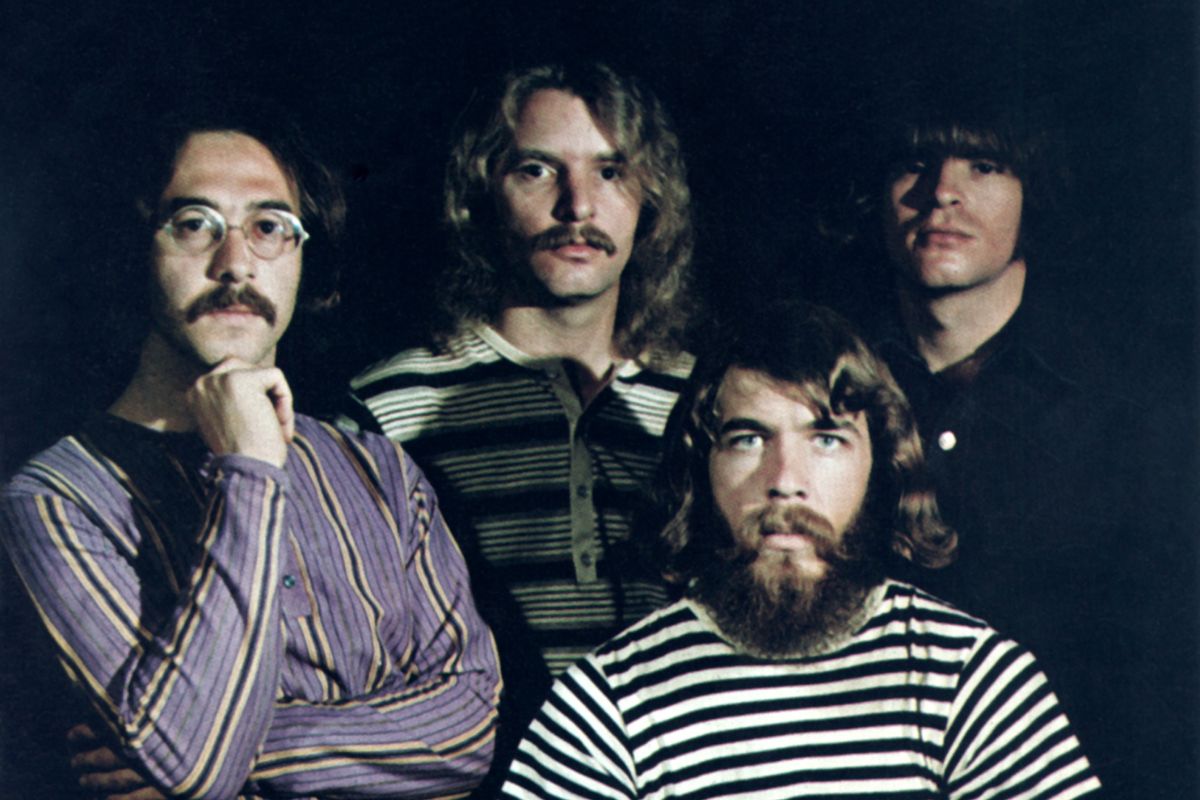
While often misinterpreted today as a simple patriotic anthem, Creedence's 'Fortunate Son' is actually a blistering and focused critique of class privilege during the height of the Vietnam War. John Fogerty’s vocal performance stands as one of the most aggressive in rock history, sounding less like a singer and more like a man shouting to be heard over the deafening roar of a factory floor.
The lyrics directly attack the 'senator's sons' and the elite who possessed the connections to avoid the draft while working-class men were sent to the front lines. It is a blue-collar anthem of pure resentment, stripped of any lingering flower-power sentimentality and replaced with a lean, muscular brand of social indignation that refused to back down.
11. Fear – 'I Don't Care About You' (1978)
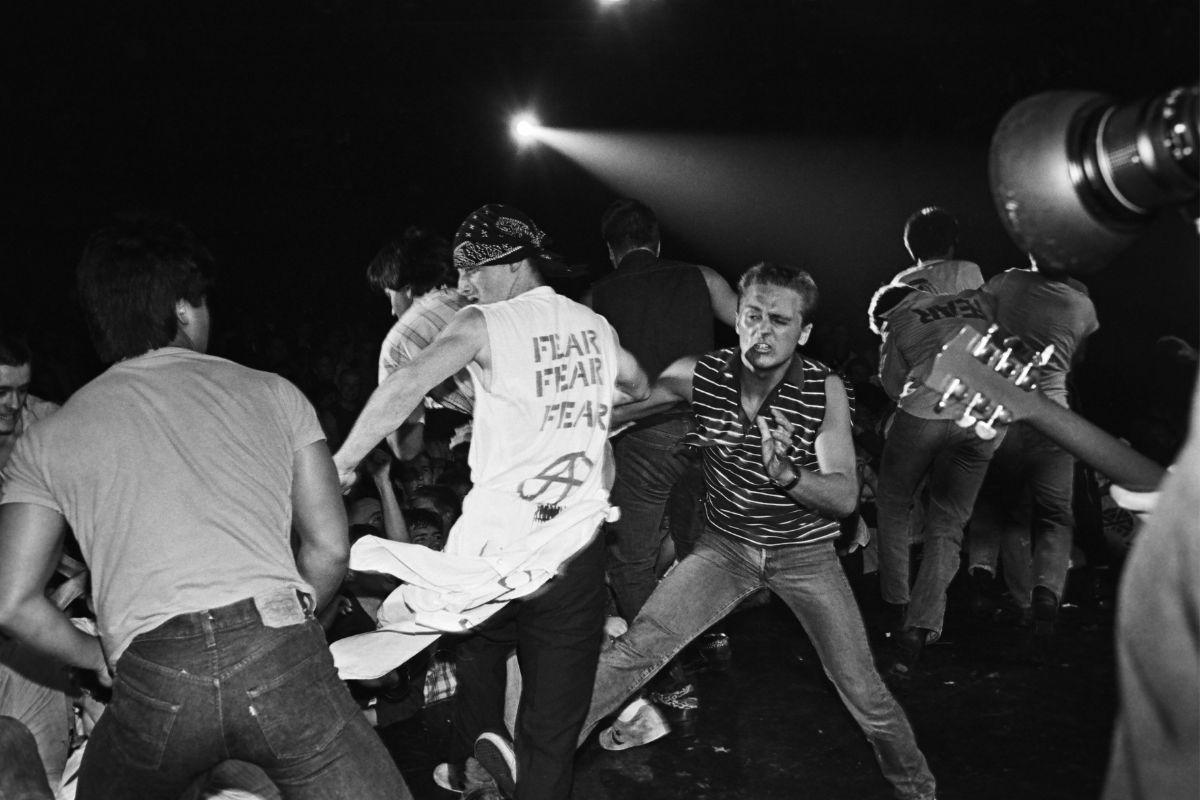
Fear represented the most aggressive edge of the Los Angeles hardcore scene, and this track is their nihilistic manifesto. Lee Ving’s delivery is a literal spit in the face of polite society, listing off various groups and institutions with equal parts contempt and boredom. The song is short, fast, and devoid of melody, reflecting the abrasive transition from the artistic punk of New York to the more physically violent hardcore movement. It is a pure, concentrated blast of antisocial energy that left no room for compromise or nuance.
12. Richard Hell & The Voidoids – 'Blank Generation' (1977)
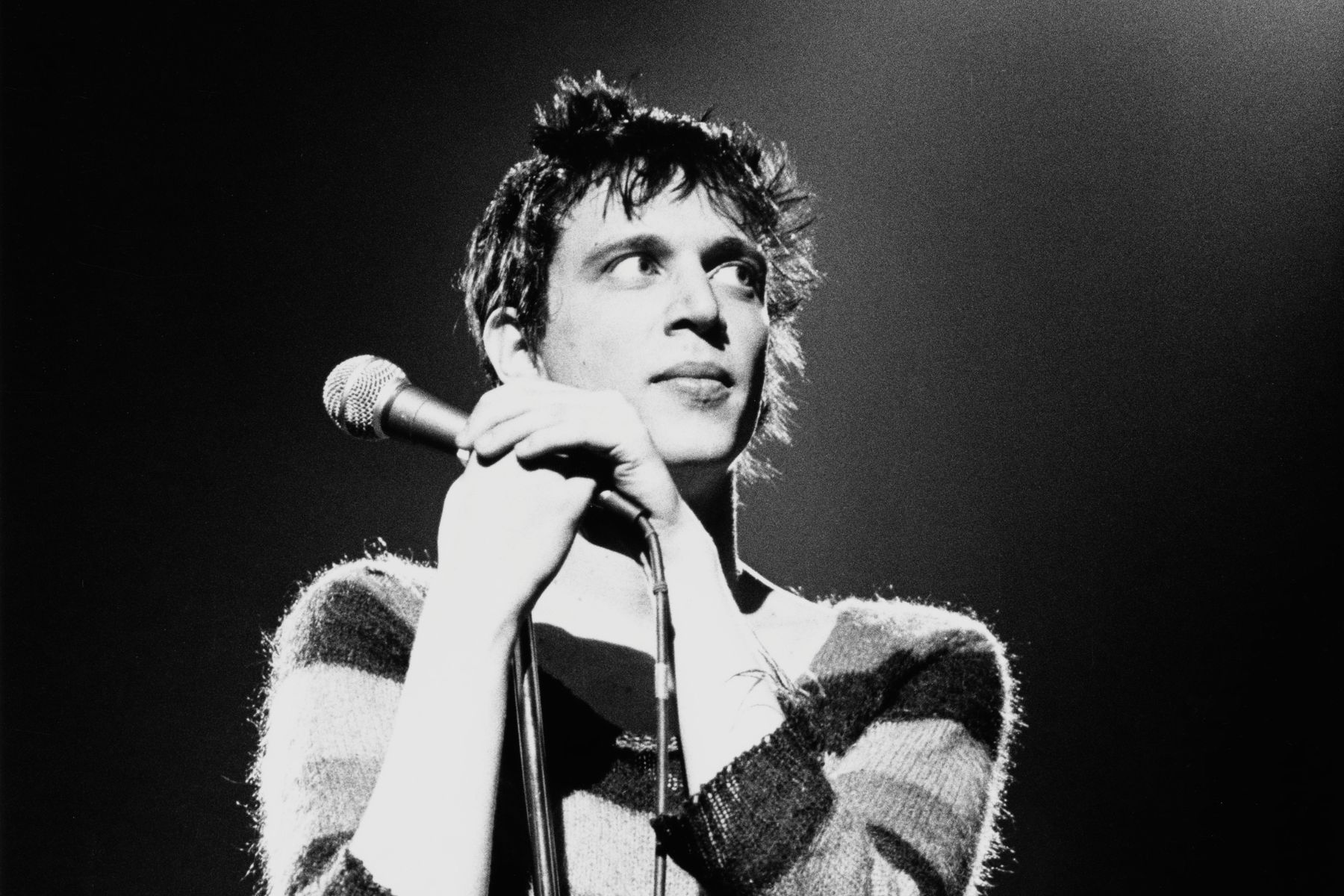
Richard Hell brought a more intellectualized perspective to the New York punk scene. 'Blank Generation' isn't just about anger; it's about the void left behind when all previous social structures have failed. The jagged, dissonant guitar solo by Robert Quine perfectly mirrors Hell’s fractured, desperate vocals. It is a song of defiant apathy – an angry refusal to be categorized or used by a society that the artist felt had nothing left to offer. It remains a cornerstone of the CBGB era, defining the somewhat twitchy, desperate coolness of the time.
13. Suicide - 'Frankie Teardrop' (1977)

This is arguably the most terrifying and dystopian track of the decade. Eschewing traditional instruments for a primitive, pulsating drum machine and eerie synthesizers, Suicide created a ten-minute nightmare about a factory worker pushed to a breaking point by poverty. Alan Vega’s screams are blood-curdling, representing the raw, unhinged psychic break of the American underclass.
'Frankie Teardrop' is not just an angry song; it’s a sonic representation of urban collapse and the total disintegration of the human spirit under the weight of industrial neglect. It remains a harrowing, uncompromising look at the dark side of the American dream.
14. Stevie Wonder – 'Living for the City' (1973)

Quite simply, one of the angriest social commentaries in American music. While much of Stevie Wonder’s work is celebrated for its joy, this track is a gritty, angry depiction of systemic racism and the trap of urban poverty. The skit in the middle of the song – featuring a young man being framed and arrested – is a harrowing piece of audio-drama that still shocks today. By the final verses, Wonder’s voice breaks into a gravelly roar of frustration, marking a definitive end to the polished Motown sound and the beginning of a more confrontational era of soul.
15. Death – 'Politicians In My Eyes' (1976)
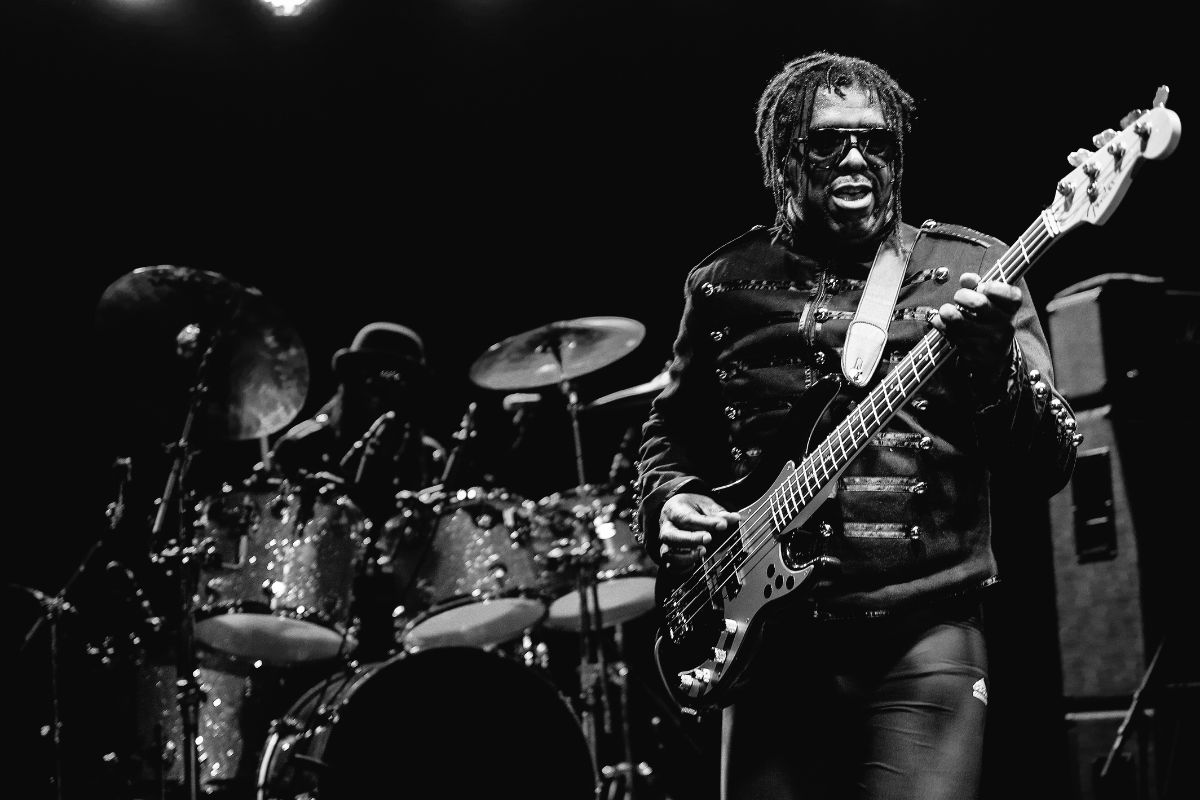
Emerging from the industrial heart of Detroit, the three Hackney brothers created a sound that was nearly a decade ahead of its time. 'Politicians In My Eyes' is a proto-punk masterclass that rails against the deceptive and hollow nature of the ruling class. The track is defined by its breakneck speed and a vocal delivery that carries the weight of a physical assault.
In a mid-seventies landscape otherwise dominated by the escapism of polished disco and the technical excess of prog rock, Death’s raw anger provided a much-needed jolt of reality. The song proved that the roots of the punk movement were firmly planted in the economic frustrations and the daily survival instincts of the American inner city.
16. The Eagles – 'The Last Resort' (1976)
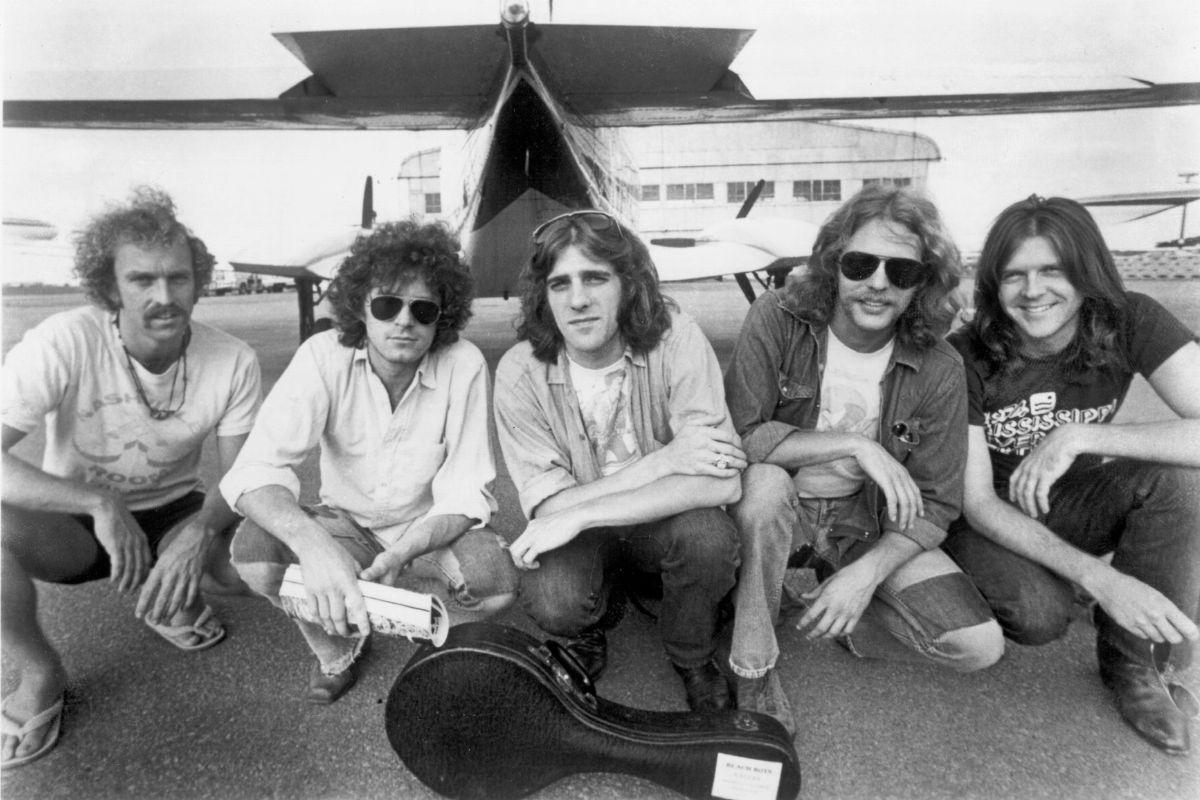
They were, famously, the kings of the laid-back California sound. But the final track of the Eagles' dark magnum opus Hotel California is an epic, cynical funeral march for the American Dream. It tells the story of how settlers moved West to find paradise, only to systematically destroy every beautiful thing they found with 'progress' and commercialism.
'The Last Resort' depicts a country that has run out of new frontiers and is now just eating itself. The song ends with the haunting realization that 'there is no more new frontier / we have got to make it here', capturing a deep environmental and spiritual frustration that was in the ether in mid-Seventies America.
17. The Ramones – '53rd & 3rd' (1976)
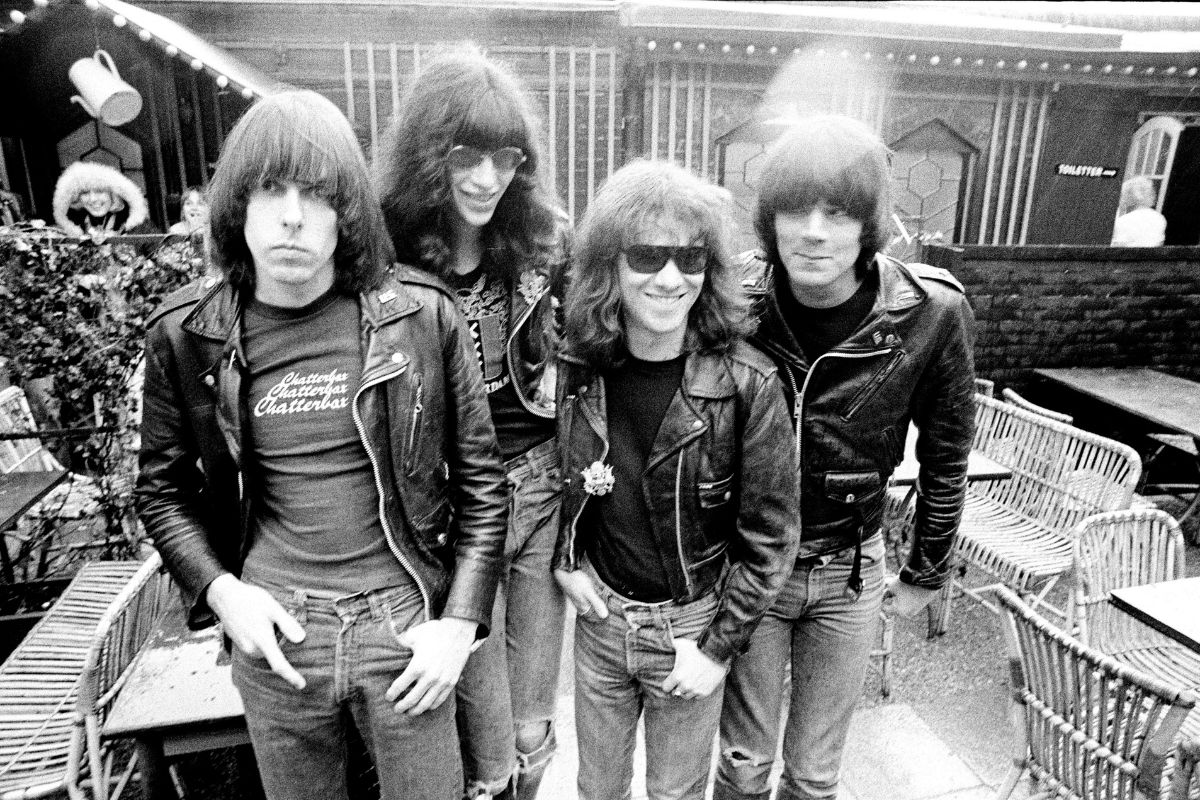
While The Ramones are often celebrated for their fun energy, their eponymous debut album is a direct reflection of the squalor of mid-Seventies New York. '53rd & 3rd' is a grim, semi-autobiographical song about a male prostitute working a notorious street corner. It is a world of razor blades, violence, and desperation, far removed from the neon lights of Broadway.
The music is a relentless, three-chord blunt force instrument that mimics the pounding monotony and danger of the city’s underground economy. It is a song of pure, distilled urban frustration that refused to look away from the gutter.
Pics Getty Images. Top pic: John Fogerty of Creedence Clearwater Revival, April 1970


