
Some songs don’t just make an impact: they redraw the musical map.
A riff, a rhythm, a vocal style, or even a studio trick can become the seed from which an entire genre grows. Sometimes, these trailblazers are instant hits, seizing the moment and crystallising a new sound. Other times, their influence works in secret, inspiring a generation of musicians who pick up the idea and run with it.
Think of the primal roar of early punk, prog rock’s epic ambition, or the polyrhythmic fire of Afrobeat: each owes its birth to one defining track. These songs often combine innovation with a perfect storm of timing, attitude, and cultural shift. And while they may not have been conceived as 'genre starters', history has a way of anointing them as exactly that.
In this list, we trace the starting gun for a range of musical movements – from hard rock’s stadium-filling swagger to folk rock’s acoustic-electric alchemy and jazz rock’s fusion of brains and groove. These aren’t just great tracks; they’re the Big Bang moments for whole worlds of sound. Once you hear them, you’ll never listen to music history quite the same way again.
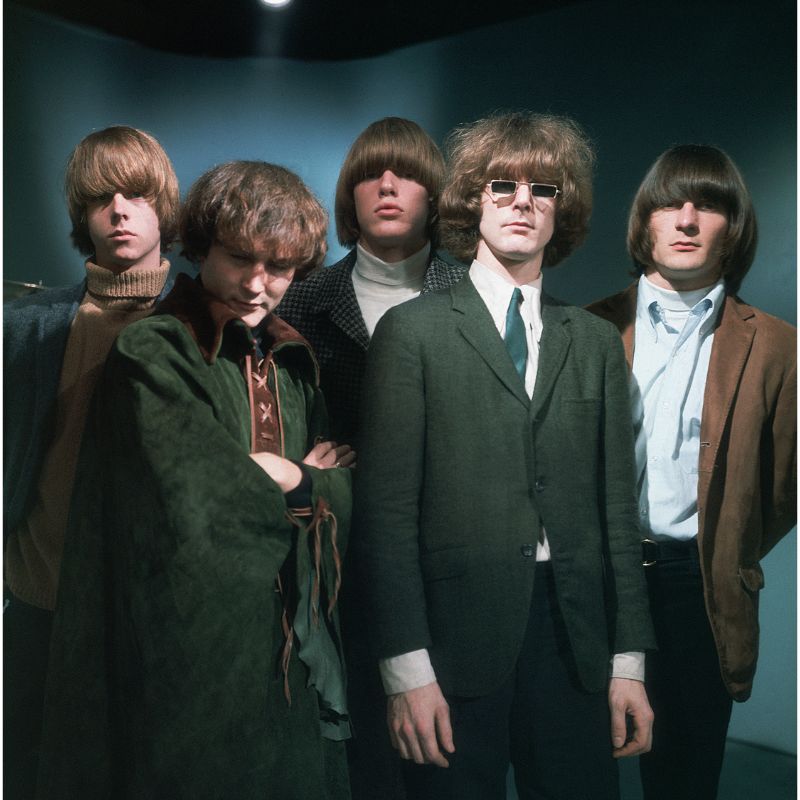
1. Folk-rock
The Byrds: 'Mr. Tambourine Man' (1965)
The Byrds’ electrified cover of this early Bob Dylan classic is widely regarded as the record that launched folk rock. Their shimmering 12-string guitar and tight harmonies brought folk’s poetic lyricism into the rock realm, making it accessible to a broader audience. The song’s success sparked a wave of artists blending acoustic storytelling with electric instrumentation, marking a pivotal moment when folk music evolved into a vibrant, radio-friendly rock genre.
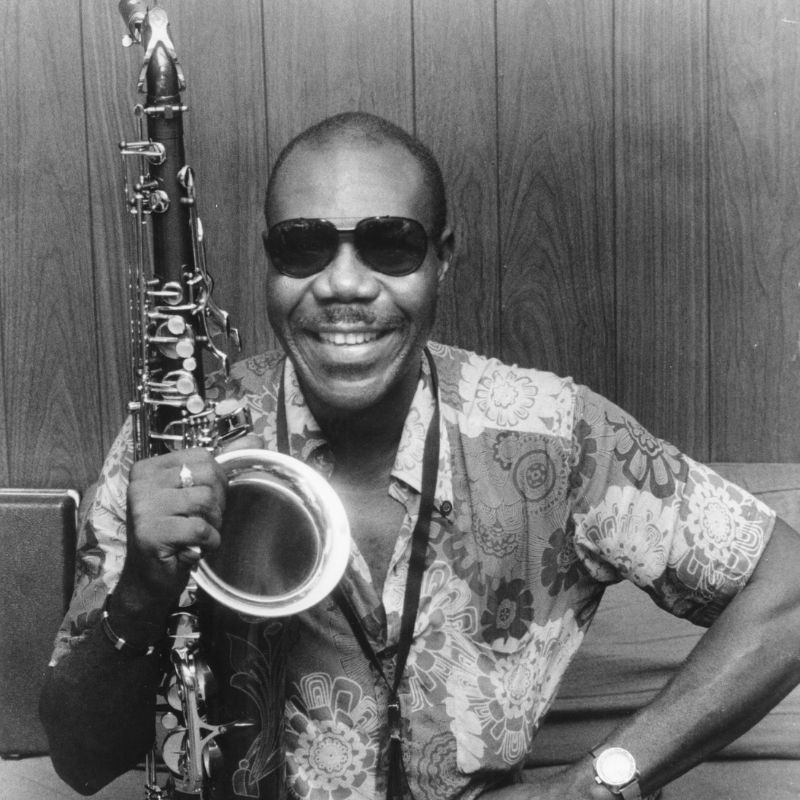
2. Disco
Manu Dibango: 'Soul Makossa' (1972)
With its infectious groove, funky bassline, and hypnotic rhythm, Manu Dibango’s 'Soul Makossa' laid the foundation for disco’s dancefloor appeal. The track’s catchy chant and fusion of Afrobeat with funk created a fresh, energetic sound that inspired countless artists and producers. Its influence echoes through disco, funk, and later dance music genres, marking a pivotal moment in music history. It's just brilliant.
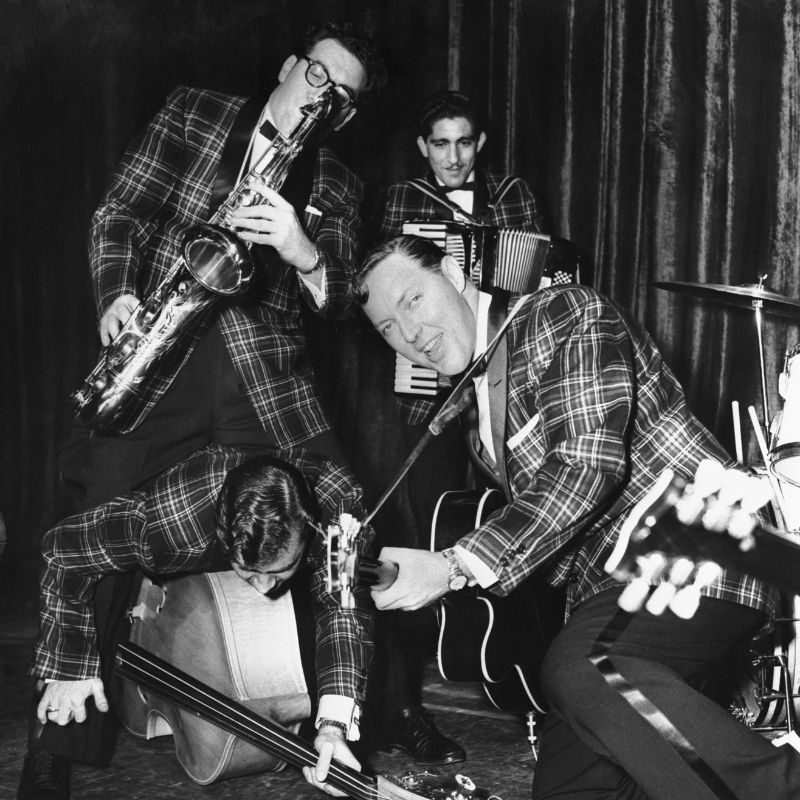
3. Rock 'n' roll
Bill Haley & His Comets: 'Rock Around the Clock' (1954)
A relatively mild-sounding rock ’n’ roll track by today’s standards, this was pure dynamite in 1954. When it blazed from cinema speakers in Blackboard Jungle (1955), teenagers worldwide felt the raw electricity of loud guitars, pounding backbeats, and a sound that spoke directly to them. It became more than music: it was the rallying cry for youth culture, signposting the unstoppable rock ’n’ roll explosion to come.
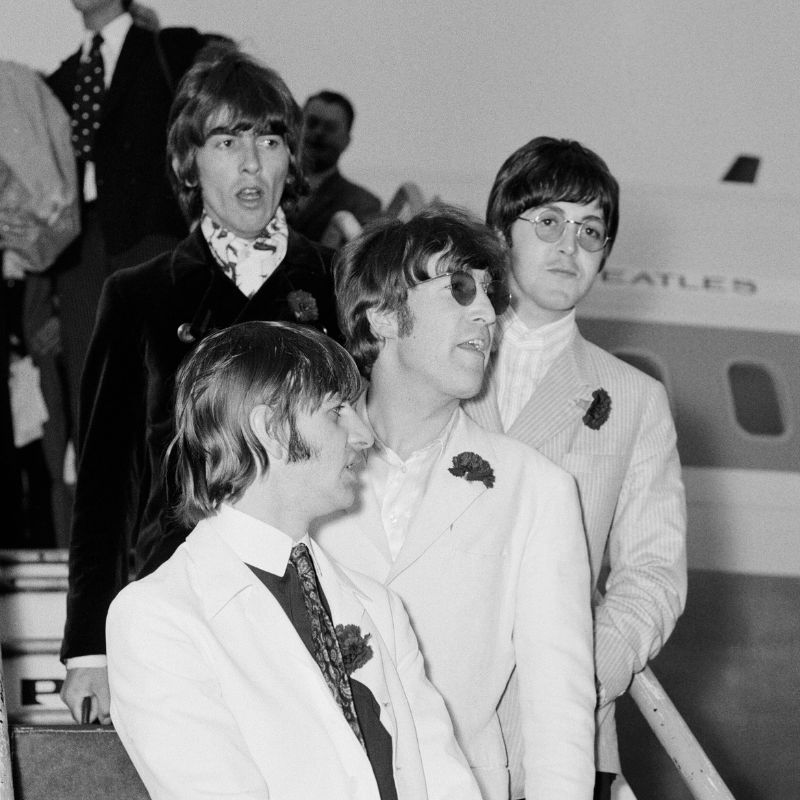
4. Psychedelia
The Beatles: 'Tomorrow Never Knows' (1966)
With swirling tape loops, drone-like harmonies, and Ringo Starr’s hypnotic drum pattern, Tomorrow Never Knows was psychedelic rock’s Big Bang. The Beatles fused Eastern philosophy, avant-garde tape effects, and irresistible pop sensibility into a mind-bending sonic trip. Its groundbreaking production and fearless experimentation reshaped the possibilities of rock music, inspiring generations – from Pink Floyd’s spacey explorations to The Chemical Brothers’ electronic landscapes – and cementing its place as one of the most influential recordings in history.
5. Prog rock
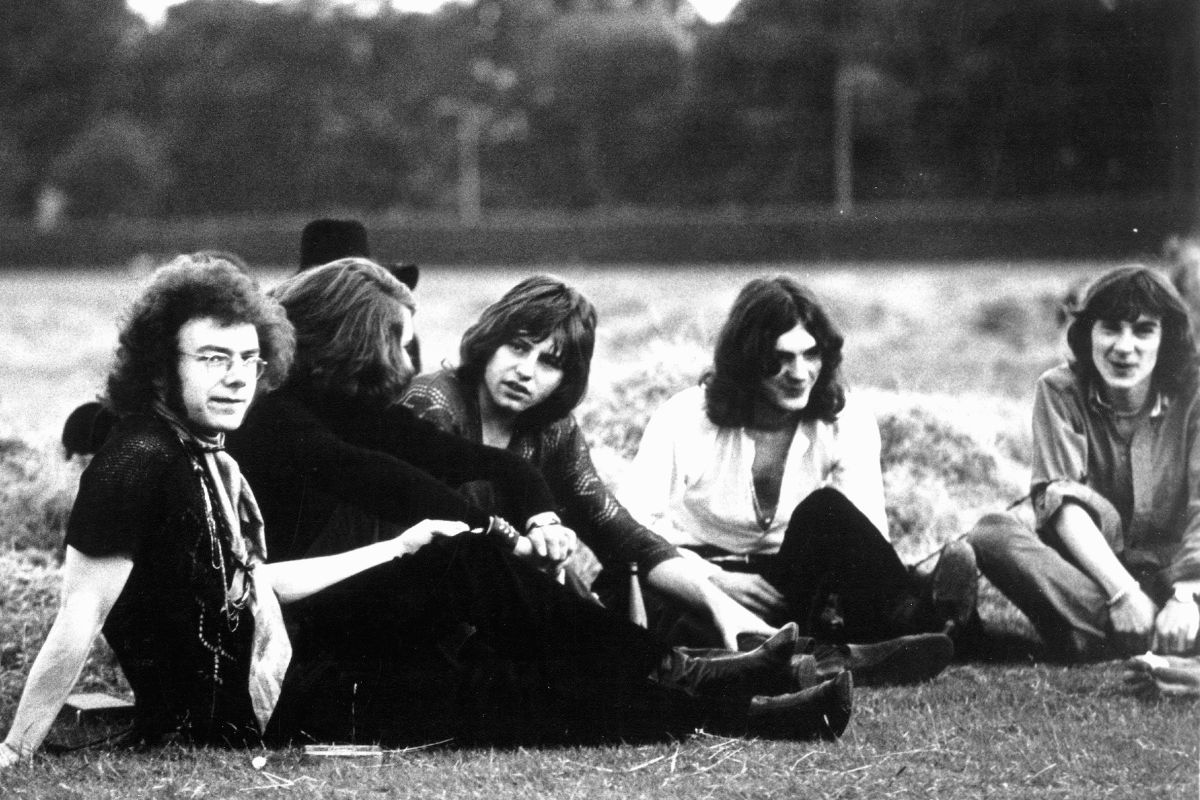
King Crimson: '21st Century Schizoid Man' (1969)
King Crimson’s dark, aggressive 1969 masterpiece blew the doors off the Summer of Love. While others (such as The Nice, Pink Floyd and Soft Machine) were just starting to experiment with long songs, King Crimson introduced technical precision and jazz-fusion complexity that was unheard of in rock.
The song is a dense, cacophonous assault featuring distorted vocals, frantic saxophone solos, and a mid-section ('Mirrors') that required the band to play unison lines at breakneck speeds with mathematical accuracy. By blending the aggression of rock with the structural ambition of classical music and the improvisation of jazz, 'Schizoid Man' moved beyond psychedelia into something more cerebral and demanding. It set the standard for prog rock, emphasizing virtuosity, complex time signatures, and grand, dystopian lyrical themes.
6. Punk
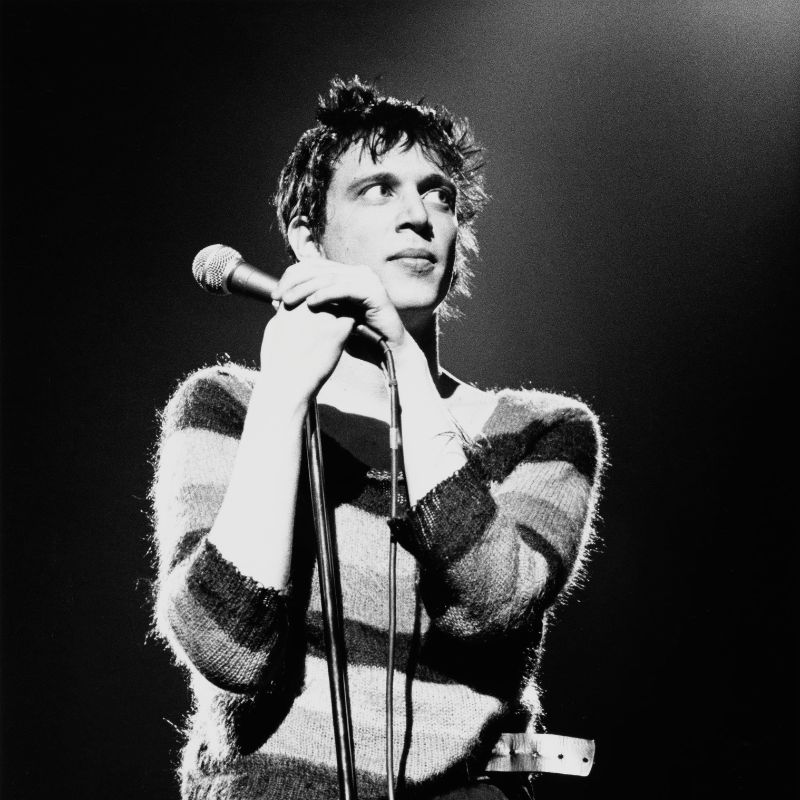
Richard Hell and the Voidoids: 'Blank Generation' (1976)
The first song to distill punk’s defiant spirit into two and a half sneering minutes. With jagged guitars, tumbling basslines, and lyrics rejecting 1960s idealism, it offered anthemic nihilism for a new, disillusioned youth. Emerging from New York’s CBGB scene in 1976, it predated and influenced The Sex Pistols and The Clash, helping define punk’s stripped-down sound, confrontational attitude, and belief in self-creation over inherited cultural values.
7. Jazz-rock
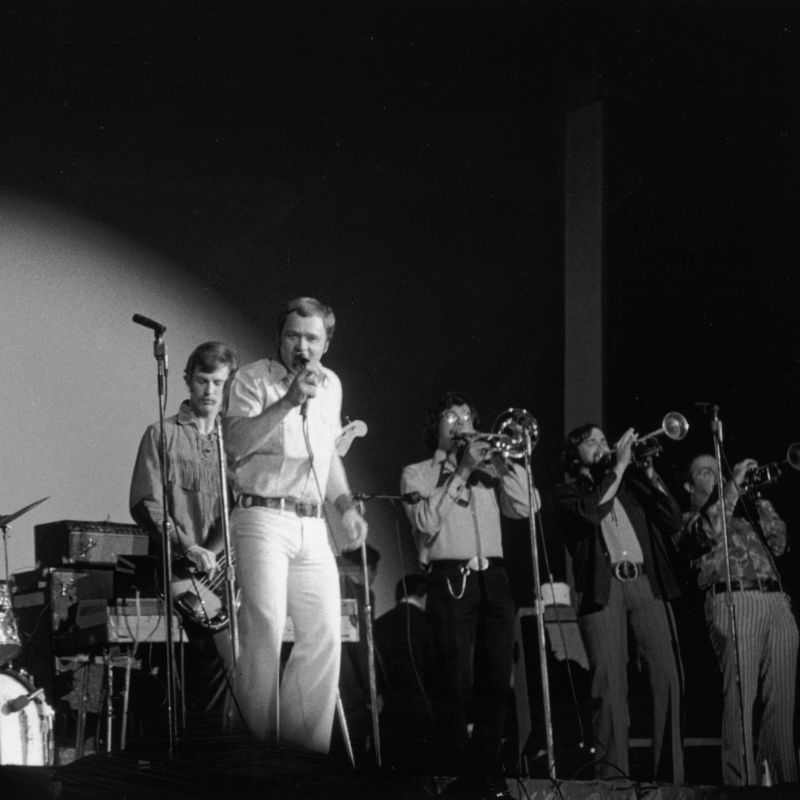
Blood, Sweat & Tears 'Spinning Wheel' (1969)
This early BST classic fused fiery rock energy with vibrant jazz horns and intricate rhythms, pioneering the jazz-rock genre. Its catchy melodies paired with brass-driven arrangements showcased how jazz’s complexity could energise rock music. This seamless blend opened the door for bands like Chicago and Steely Dan, making 'Spinning Wheel' a defining moment that transformed both genres and inspired a new wave of musically adventurous artists.
8. Dance music
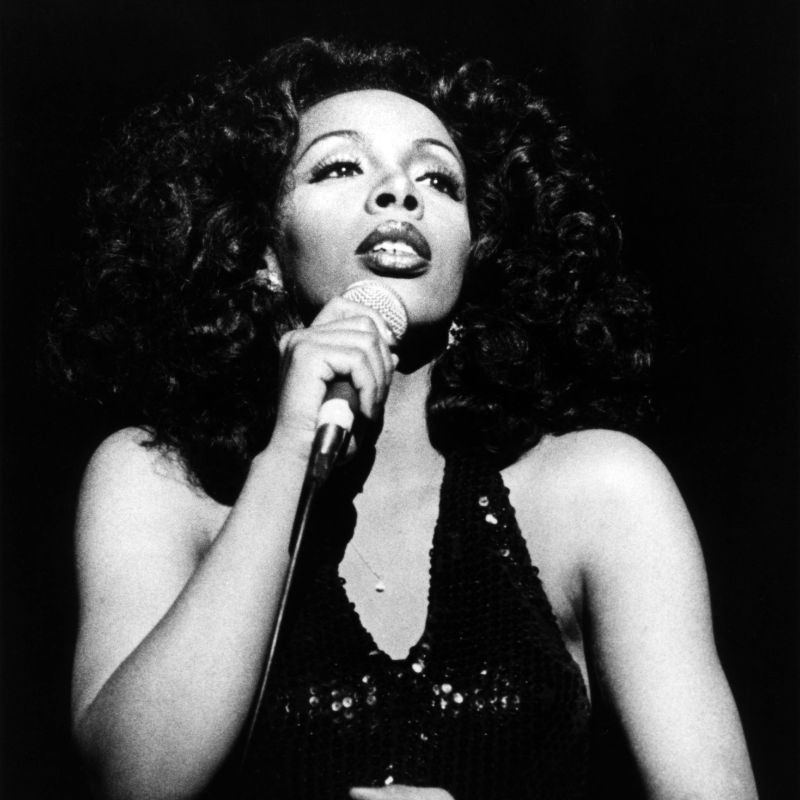
Donna Summer: 'I Feel Love' (1977)
Produced by Giorgio Moroder, this 1977 Donna Summer track became the prototype for electronic dance music. Built entirely on synthesised backing, its relentless four-on-the-floor pulse, shimmering textures, and futuristic sheen broke radically from disco convention. Brian Eno famously told David Bowie it was “the sound of the future” – and he was right. From house to techno, its influence still pulses through dance floors nearly 50 years later.
9. Grunge
Green River: 'Come on Down' (1985)
Years before 'Smells Like Teen Spirit' turned Seattle into the centre of the rock world, Green River fused the sludgy heft of heavy metal with the attitude of punk and the swagger of classic hard rock into something unmistakably new. Raw, dirty and gloriously unpolished, it established the sonic blueprint that bands such as Mudhoney, Soundgarden, Pearl Jam and Nirvana would later refine.

10. Heavy metal
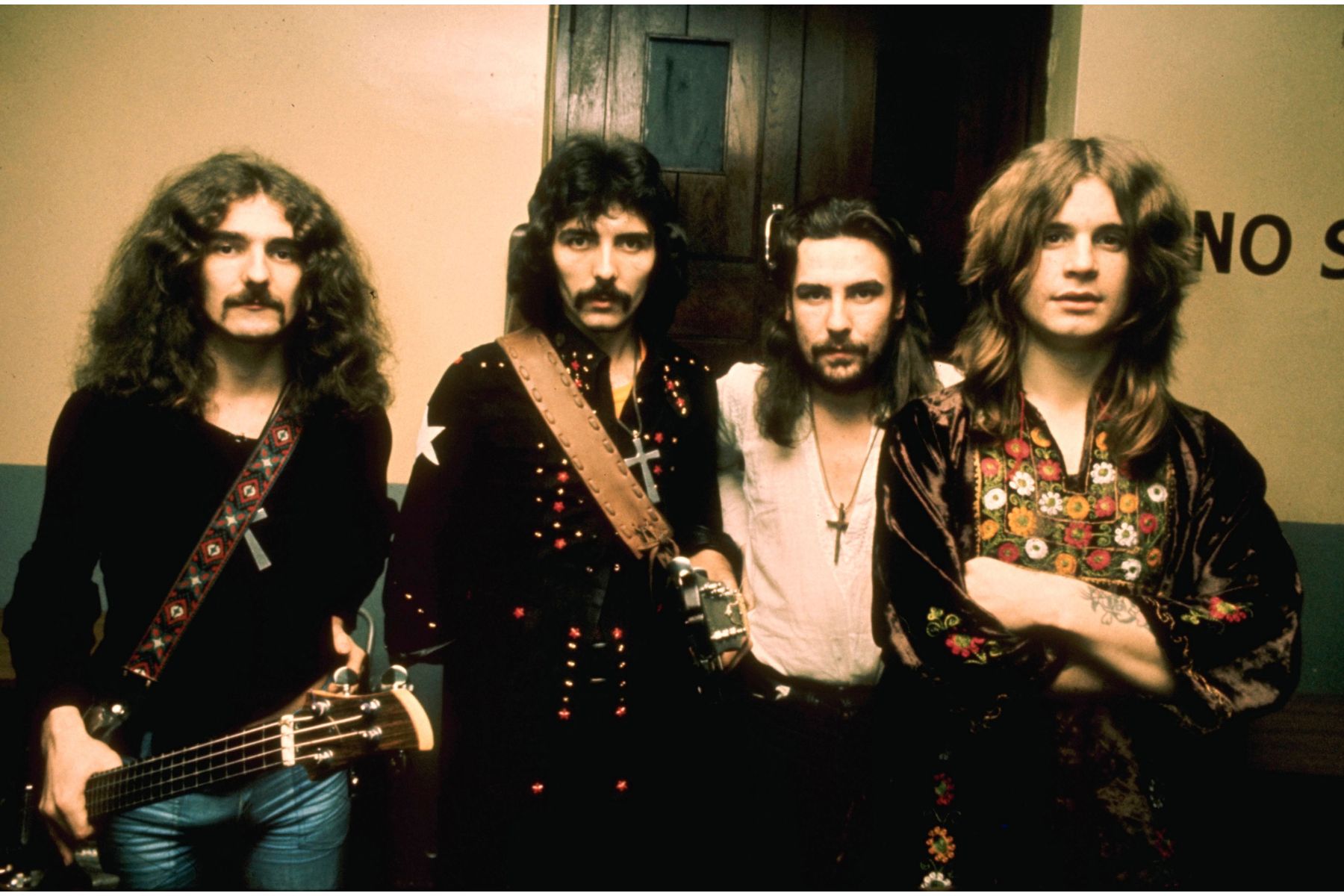
Black Sabbath: 'Black Sabbath' (1970)
The opening track of Black Sabbath’s 1970 debut album wasn't just a new song; it was a whole new (and uniquely unsettling) atmosphere. Built around the 'Diabolus in Musica' (the tritone or diminished fifth), a musical interval historically associated with the occult and once avoided by medieval composers, the song 'Black Sabbath' felt genuinely dangerous.
Tony Iommi’s sluggish, massive riffs – born from a factory accident that severed his fingertips, one of rock's luckiest accidents) – created a 'heavy' weight that blues-rock had never felt before. Coupled with Geezer Butler’s lyrics about a 'figure in black' and Ozzy Osbourne’s terrified vocals, it moved rock away from the hippie idealism of the late 60s and into a dark, industrial and gothic landscape. It established the sonic and thematic tropes that define heavy metal to this day.
11. Art rock
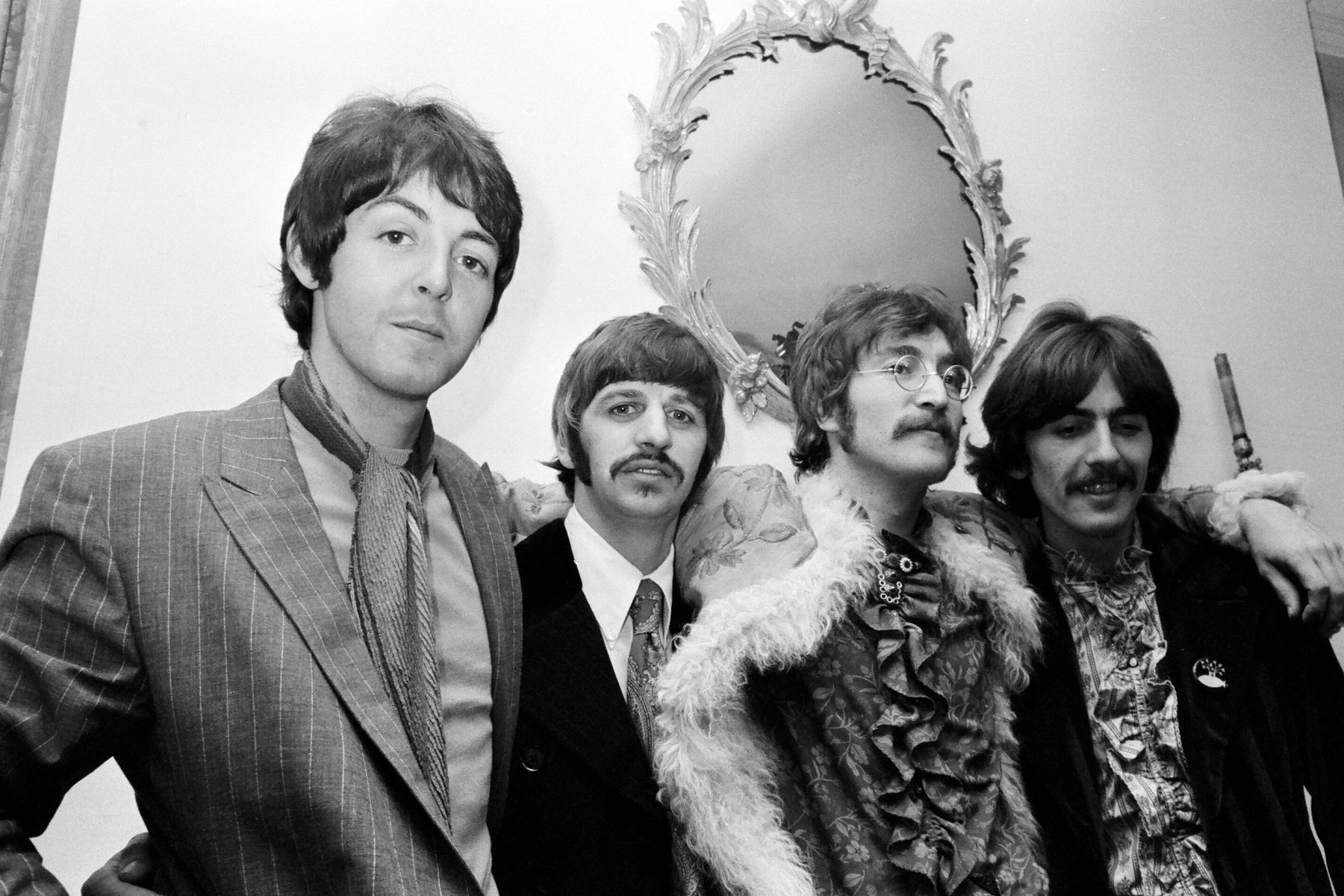
The Beatles: 'A Day in the Life' (1967)
Art rock is a fairly fluid genre, and as such there are a few candidates for its foundational moment. But to our ears, the Beatles' atmospheric Sgt. Pepper closer 'A Day in the Life' is as strong as any. Why?
Well, rather than relying on a single, conventional structure, The Beatles fused fragmented narrative, orchestral modernism and studio experimentation into something closer to a sound collage than a pop song. John Lennon’s detached reportage collides with Paul McCartney’s everyday vignettes, while George Martin’s 40-piece orchestral glissandi transform the track into controlled chaos.
The result is less a 'song' than a constructed work of art, designed in the studio rather than performed live. In its ambition, form and refusal to conform, it redefined what rock music could be.
12. Hip hop
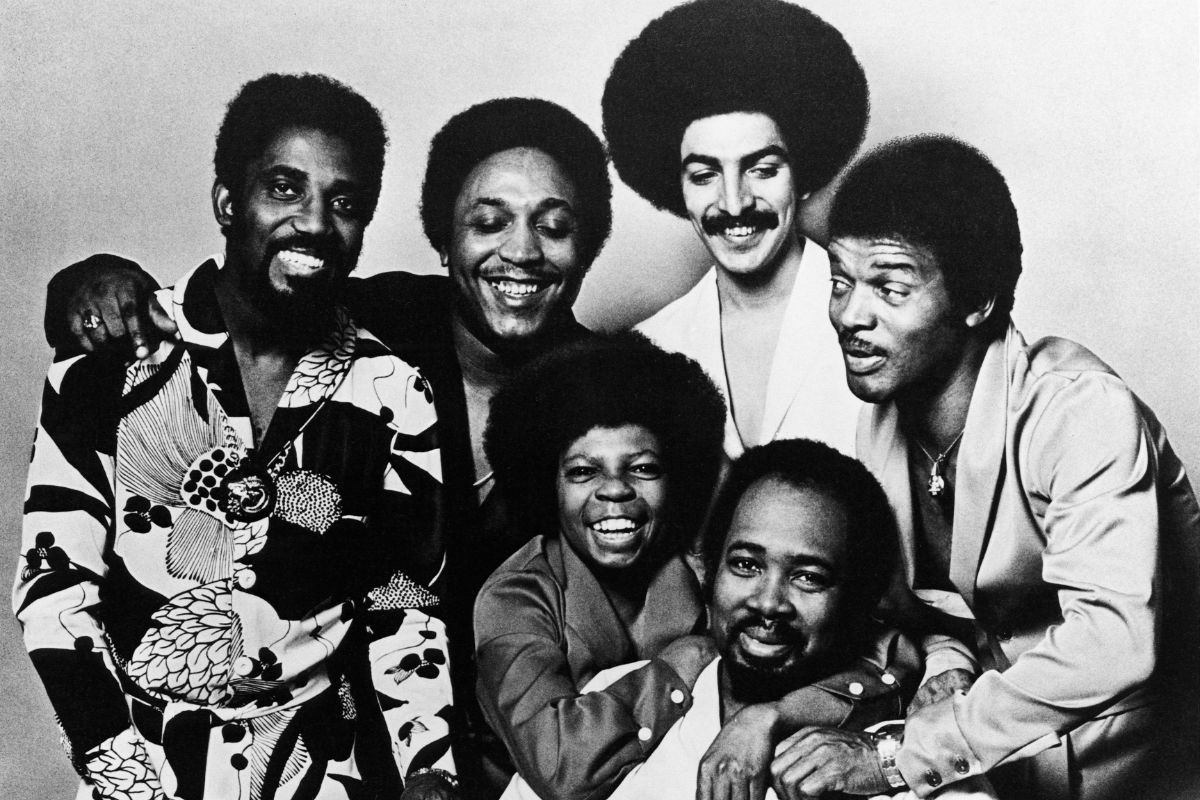
Fatback Band King 'Tim III (Personality Jock)' (1979)
While 'Rapper’s Delight' by the Sugarhill Gang is often cited as the first hip hop hit, The Fatback Band’s 'King Tim III (Personality Jock)' actually beat it to the shelves by a few weeks in July 1979. Originally a B-side, the track features Tim Washington performing rhythmic, rhyming vocals over a funk groove.
It marks the precise moment that the hip-hop culture of the Bronx – where MCs would 'rap' over breaks during block parties – was successfully captured on vinyl for a commercial audience. It transitioned the 'Master of Ceremonies' (MC) from a live crowd-motivator to a recording artist. Though it leans heavily on the disco-funk sound of the era, the delivery of the verses established the vocal blueprint for what would eventually become the world's most dominant musical genre.
13. Garage rock
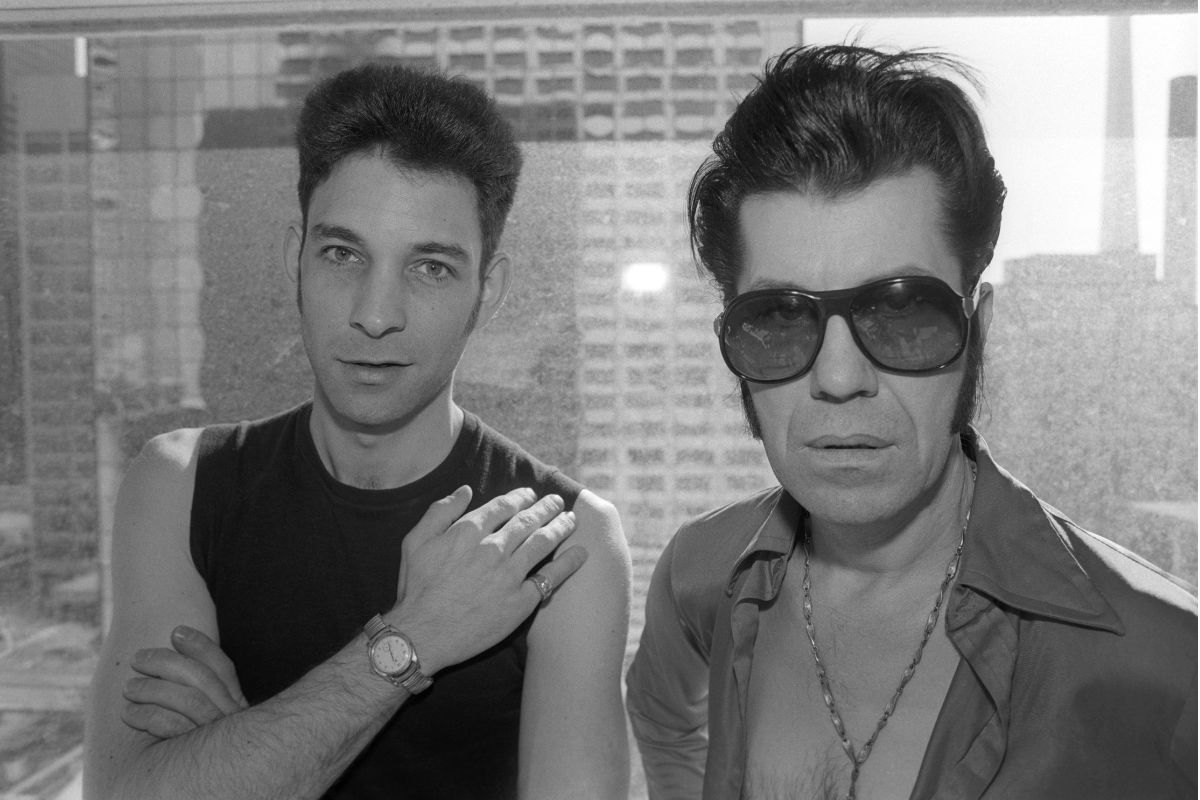
Link Wray 'Rumble' (1958)
Released in 1958, 'Rumble' is the only instrumental song ever banned from American radio. Despite having no lyrics, programmers feared the title (slang for a street fight) and the song's menacing, distorted tone would incite juvenile delinquency. To achieve that iconic 'dirty' sound, Wray famously poked holes in his amplifier’s speakers with a pencil, helping pioneer the use of intentional guitar distortion and the power chord.
This raw, DIY approach to noise over melody is the DNA of Garage Rock. It took the guitar away from the clean-cut jazz and country players and handed it to the rebels, proving that a simple, aggressive three-chord progression could be more powerful than a complex solo. It remains the foundational blueprint for every proto-punk and garage band that followed.
Pics: Getty Images
Top pic The Byrds at a press conference with a sitar, circa 1965. From left to right, bass player Chris Hillman, frontman Jim McGuinn (later Roger McGuinn) and guitarist Dave Crosby


