Some songs feel as if they *should* be easy to understand.
They’re familiar, beloved, endlessly replayed – part of the cultural wallpaper. And yet, listen closely and you realise you’re still grasping at shadows. The greatest songwriters often hide their intentions behind surreal imagery, fractured narratives, private symbolism or deliberate misdirection, leaving listeners to argue for decades about what the songs actually mean.
From Dylan’s hallucinatory epics to via The Doors’ apocalyptic sprawl to Queen’s operatic fever dream, these tracks have inspired essays, conspiracy theories, academic papers and pub‑table debates in equal measure. Even the artists themselves have fuelled the confusion – sometimes by refusing to explain, sometimes by offering contradictory stories, and sometimes by admitting they aren’t sure either.
Here are seven iconic songs whose meanings remain gloriously unresolved – the classics nobody can quite pin down.
1. Eagles: ‘Hotel California’ (1976)
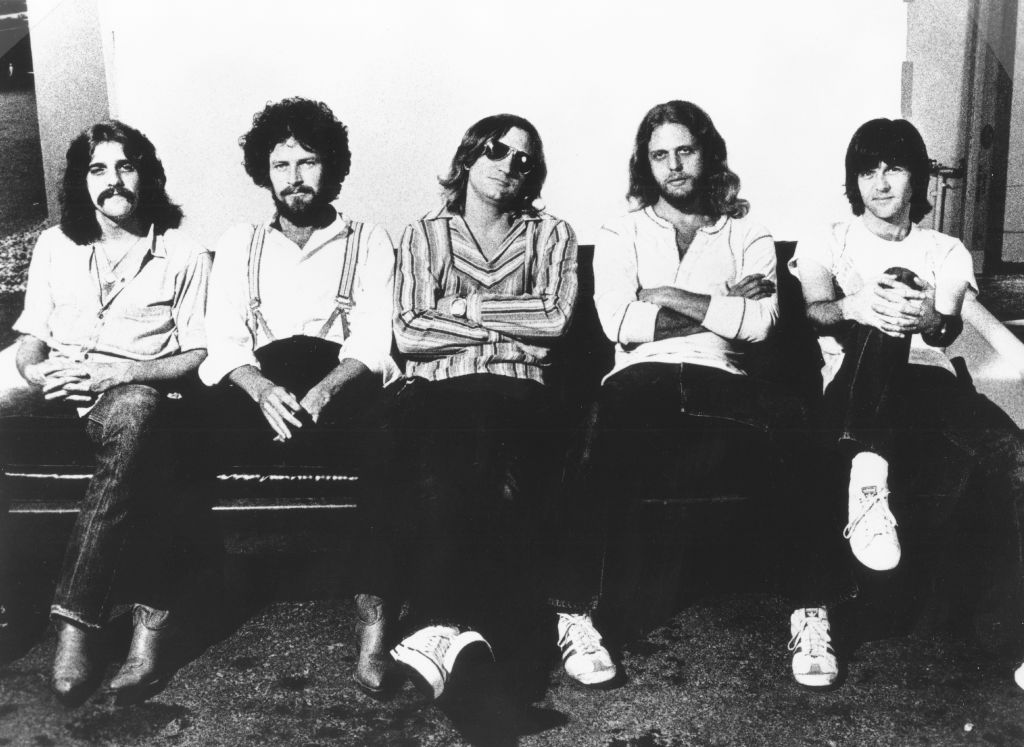
For decades, ‘Hotel California’ has been treated like a puzzle with no final solution. Is it about the excesses of the music industry? The dark side of the American dream? Addiction? Fame? A cult? A state of mind?
The Eagles' own explanations have only muddied the waters – Don Henley has called it a metaphor for self‑destruction, but even that leaves huge interpretive gaps. Its surreal imagery, from 'the mission bell' to 'the beast', invites endless decoding. The song’s meaning remains deliberately open‑ended, a sun‑bleached nightmare that refuses to settle.
2. Don McLean: ‘American Pie’ (1971)

No song has inspired more amateur detectives than ‘American Pie’. McLean’s sprawling meditation on American culture is packed with symbols – 'the jester', 'the king', 'the levee', 'the marching band' – that listeners have tried to decode for half a century.
McLean has refused to give definitive answers, insisting the song is partly about the death of Buddy Holly and partly about the loss of innocence, but beyond that he stays silent. The ambiguity is the point: ‘American Pie’ is a cultural mirror, reflecting whatever meaning each generation brings to it.
3. Queen: ‘Bohemian Rhapsody’ (1975)

Freddie Mercury never explained ‘Bohemian Rhapsody’, and that silence has fuelled nearly fifty years of speculation. Is it a confession? A metaphor for personal transformation? A coded coming‑out narrative? A surrealist opera with no literal meaning at all? Every theory has passionate defenders.
The song’s structure – ballad, opera, hard rock – only adds to the sense of fragmentation, as if each section belongs to a different emotional universe. Freddie Mercury’s refusal to decode it has become part of its legend: it is simply Queen's masterpiece, and its meaning is as operatic and elusive as the music itself.
4. Led Zeppelin: ‘Stairway to Heaven’ (1971)

The lyrics to Led Zeppelin's defining epic have been read as spiritual allegory, environmental warning, occult symbolism, Christian parable, and pure Tolkien‑esque fantasy. Robert Plant has offered contradictory explanations over the years, sometimes calling it mystical, sometimes dismissing it as 'a song about nothing'.
The ambiguity is baked in: the 'lady who’s sure' could be anyone, the 'piper' any guiding force, the 'stairway' any path to transcendence. It’s a song that feels profound without ever revealing why – a classic whose meaning remains eternally up for debate.
5. The Doors: ‘The End’ (1967)
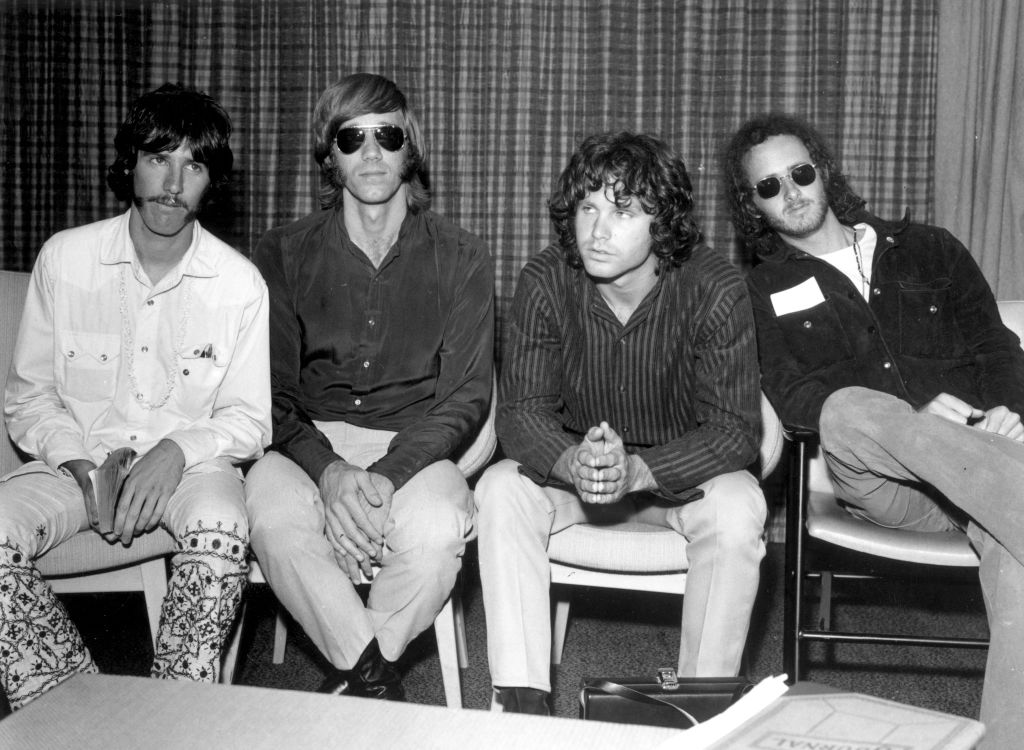
Breakup song? Freudian psychodrama? Mythic journey, death ritual, descent into madness? Jim Morrison’s sprawling, hypnotic monologue has lent itself to dozens of variously apocalyptic readings as each new generation comes across this dark masterpiece from The Doors' arresting debut album.
The infamous spoken‑word section – still shocking decades later – only fuels the debate. Morrison himself offered contradictory explanations, sometimes calling it a simple farewell, sometimes hinting at something darker and more symbolic. Its meaning remains suspended in the haze: a psychedelic odyssey that refuses to settle into a single interpretation.
6. Phil Collins: ‘In the Air Tonight’ (1981)

Urban legend has done most of the work here. For years, listeners insisted the song was about a drowning, a murder, a witnessed crime – none of which Collins ever claimed. In reality, he has said it came from a period of emotional turmoil, but even that explanation leaves the song’s stark imagery open to interpretation.
Its ominous tone, cryptic lines and that famous drum break have encouraged endless speculation. ‘In the Air Tonight’ remains a blank canvas onto which listeners project their own darkness, a song whose mystery refuses to fade.
7. Bob Dylan: ‘Visions of Johanna’ (1966)
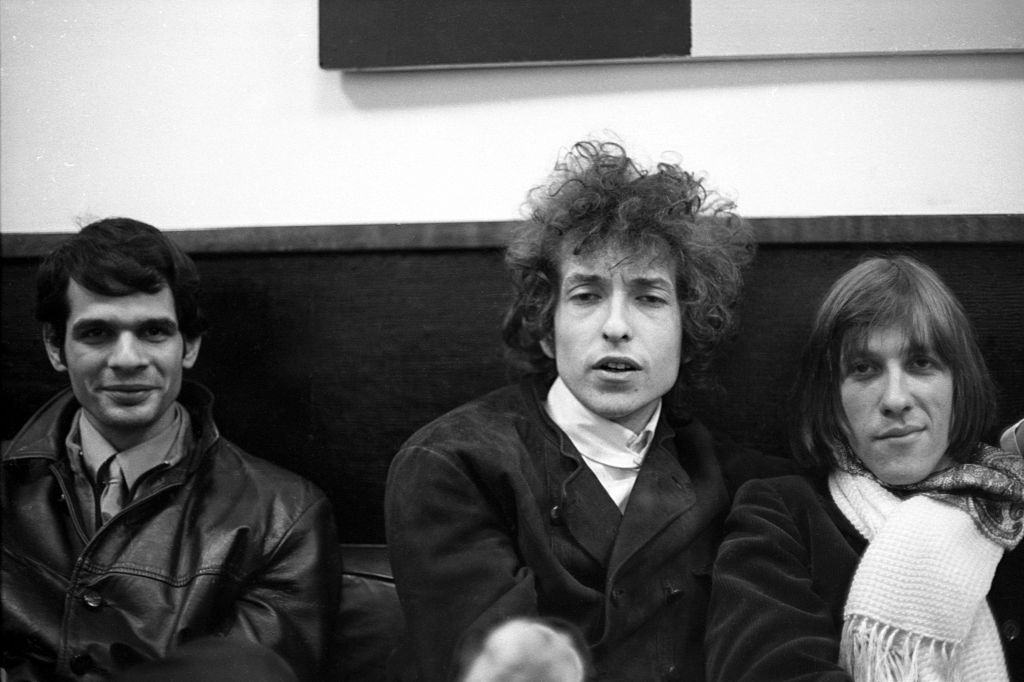
The deeper you stare into ‘Visions of Johanna’, the more it slips away. Dylan’s nocturnal masterpiece feels like a dream you half‑remember – vivid, symbolic, impossible to decode. Fans have spent decades arguing over who Johanna is, whether she’s a lover, a muse, an ideal, or simply a metaphor for artistic longing.
Dylan never clarified, and the song’s surreal procession of images – museums, mumbles, night‑walkers, and that 'ghost of ’lectricity' – only deepens the mystery. It’s a riddle disguised as a confession, endlessly analysed yet permanently out of reach.
Plus... six more songs endlessly argued over
The Beatles: ‘A Day in the Life’ (1967)
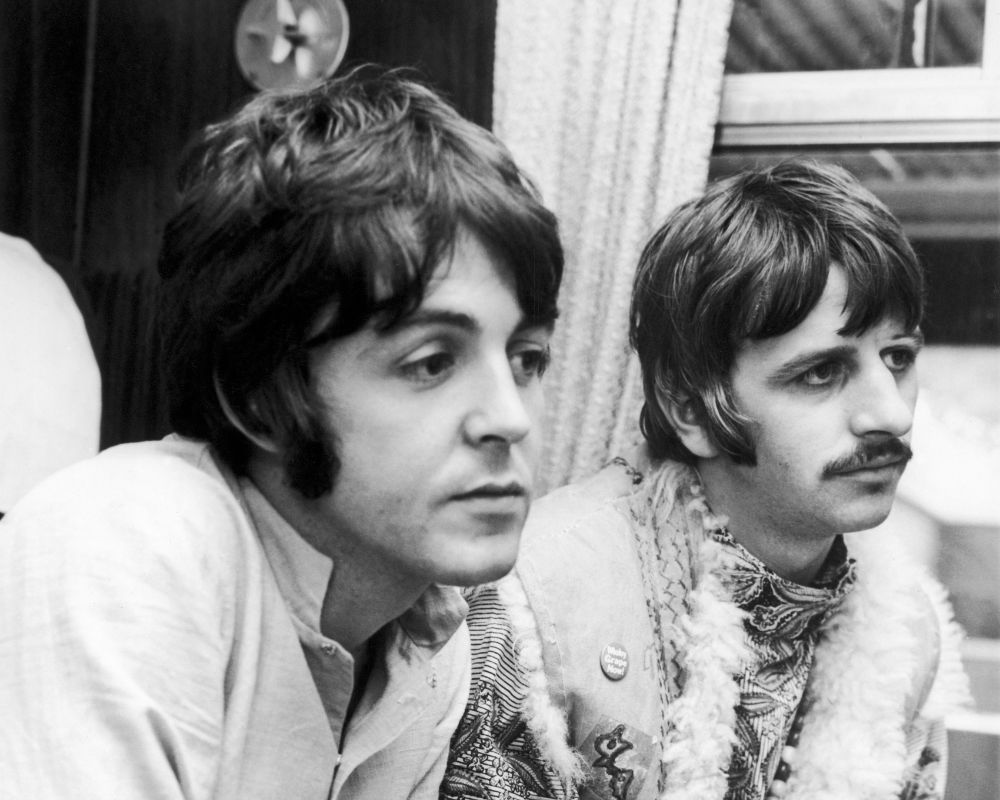
Part news report, part dream sequence, part existential sigh – and still no one agrees what it’s really about. John Lennon’s verses draw on newspaper stories, yet feel strangely detached, while Paul McCartney’s breezy middle section adds a jolt of everyday banality.
The final orchestral crescendo and that monumental closing chord only deepen the sense of cosmic ambiguity. Is it about death? Disconnection? Modern life? The absurdity of the headlines? The Beatles never offered a definitive explanation, leaving listeners to argue for decades. ‘A Day in the Life’ remains a masterpiece of deliberate uncertainty.
Genesis: ‘Supper’s Ready’ (1972)
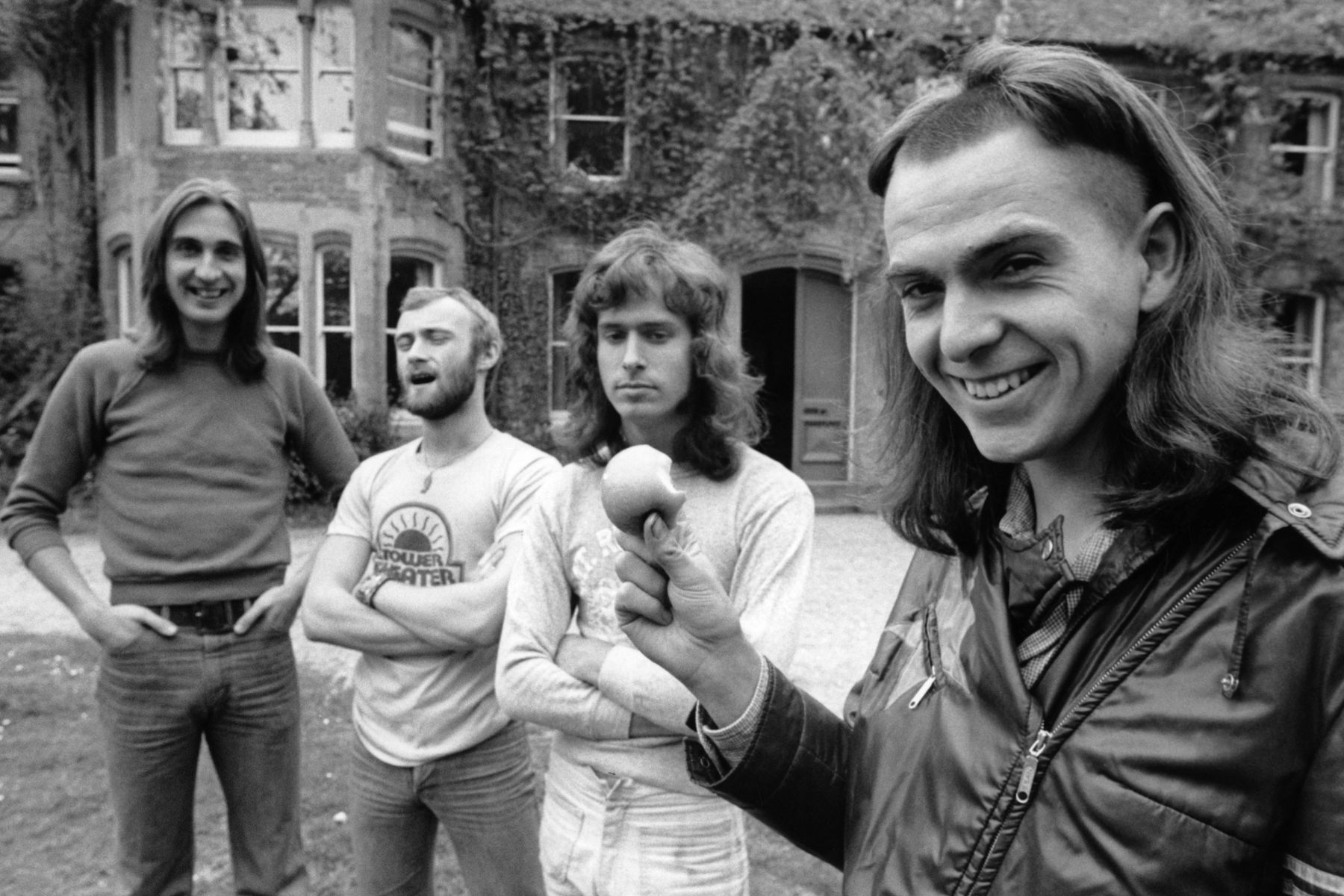
Genesis’s 23‑minute epic is a labyrinth of symbols, characters and surreal detours – a prog rock fever dream that has spawned entire forums dedicated to decoding it. Some hear a spiritual journey, others a satire of British suburbia, others a battle between good and evil.
Peter Gabriel’s lyrics veer from pastoral whimsy to apocalyptic prophecy, and the final 'New Jerusalem' section only intensifies the mystery. The band have offered playful, contradictory explanations over the years, ensuring that ‘Supper’s Ready’ remains one of prog’s most gloriously unsolved puzzles.
Radiohead: ‘Paranoid Android’ (1997)

Radiohead’s six‑minute epic is a puzzle box: fragmented scenes, cryptic voices, sudden mood swings. Thom Yorke has said it’s a collage of experiences rather than a narrative, which hasn’t stopped listeners from trying to stitch it together – a critique of capitalism, a satire of modern alienation, a sci‑fi nightmare, a spiritual meltdown.
Each section feels like a different song peering into the next, and the lyrics resist any tidy explanation. ‘Paranoid Android’ remains gloriously unsettled, a modern riddle that rewards interpretation without ever yielding a definitive answer.
King Crimson: ‘Epitaph’ (1969)
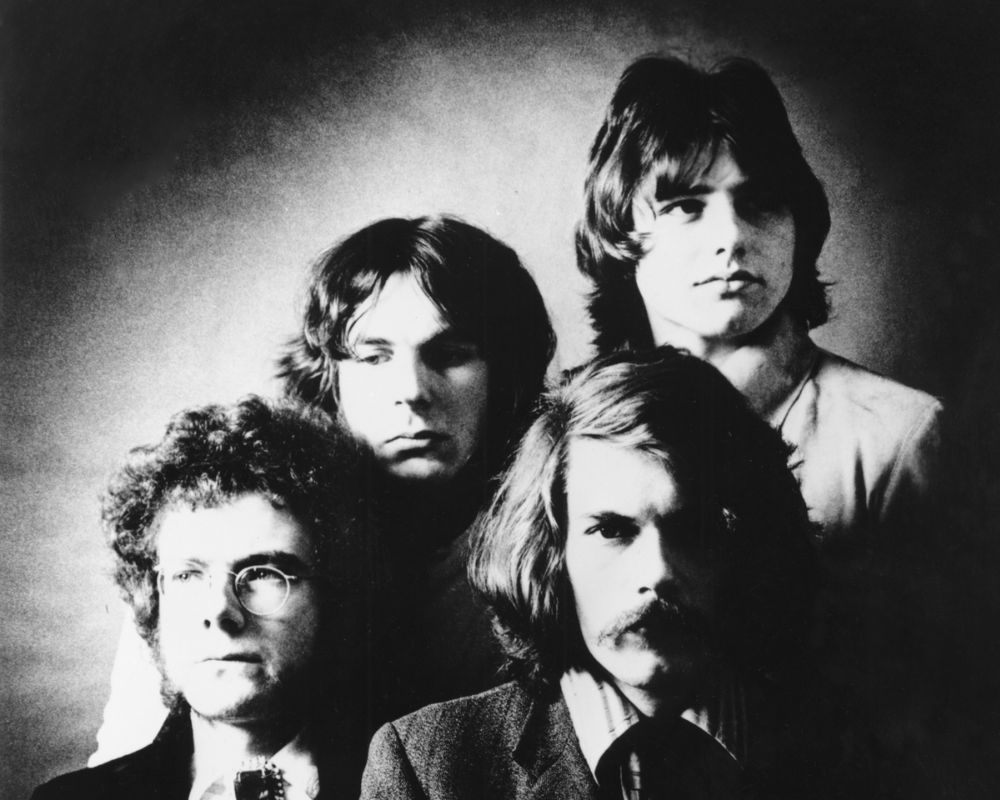
‘Epitaph’ sounds like prophecy – but prophecy of what? Its apocalyptic imagery has been linked to Cold War dread, existential despair, political collapse, and the death of idealism. Greg Lake’s solemn delivery and the song’s grand, Mellotron‑laden sweep make every line feel monumental, yet its meaning remains elusive.
The refrain 'confusion will be my epitaph' has become a mantra for listeners trying to decode the song’s bleak vision. King Crimson never pinned it down, leaving ‘Epitaph’ as one of prog’s most haunting and debated statements.
Bob Dylan: ‘Desolation Row’ (1965)
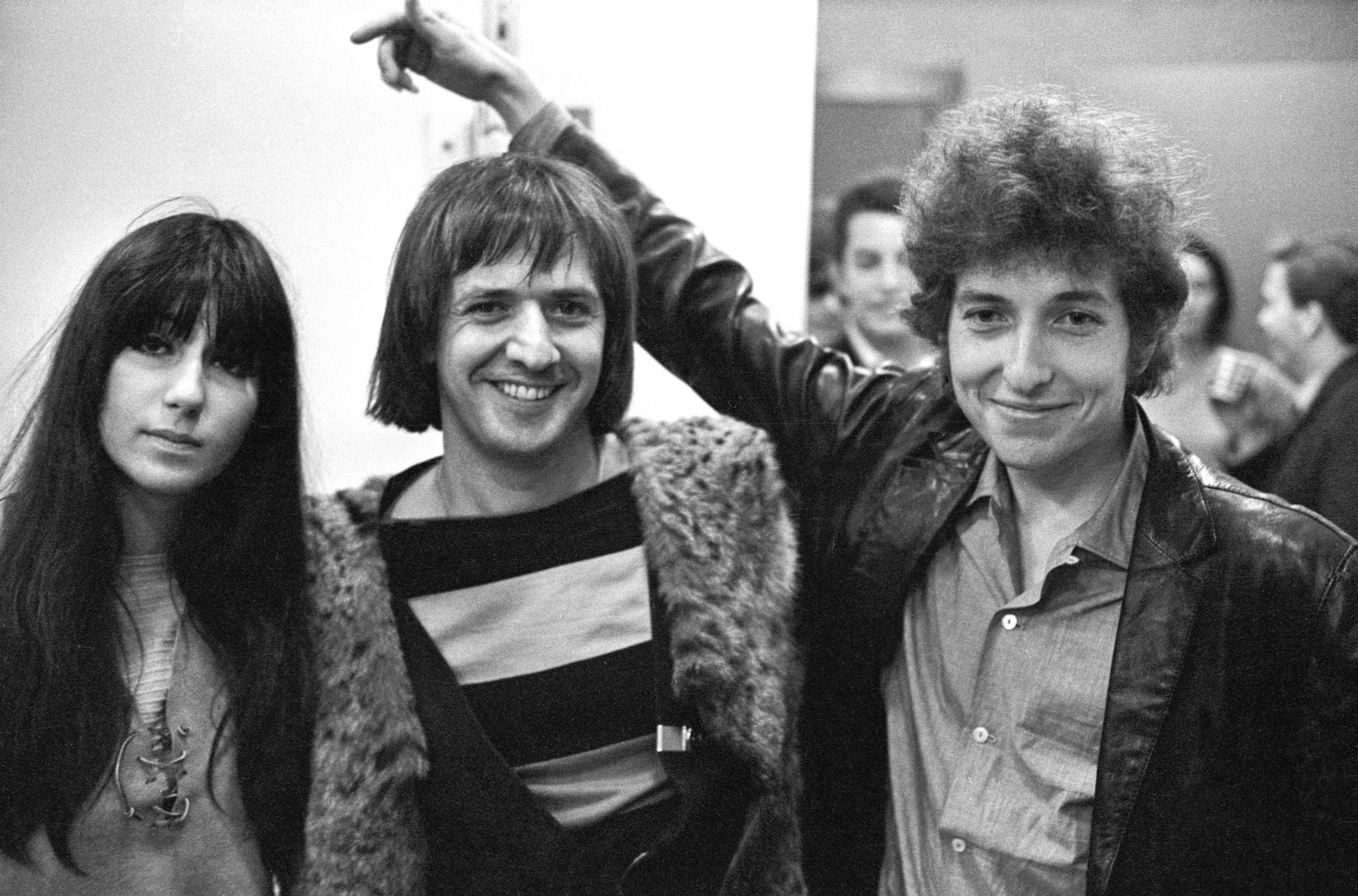
‘Desolation Row’ plays like a carnival of broken myths, a collage of characters who shouldn’t share the same universe but somehow do. Critics have tried to map it onto America, onto fame, onto apocalypse, onto Dylan’s own disillusionment – none of the theories quite fit.
Its meaning shifts depending on where you stand: social satire, surrealist poetry, or a portrait of a world collapsing under its own absurdity. Dylan’s refusal to explain it has only strengthened its status as one of rock’s great interpretive battlegrounds.
David Bowie: ‘Life on Mars?’ (1971)

Bowie’s masterpiece feels like a riddle wrapped in glitter. The song’s kaleidoscopic imagery – Mickey Mouse, cavemen, sailors fighting in the dance hall – has inspired interpretations ranging from media satire to existential despair. Bowie himself described it as 'a reaction to "My Way”', which only deepens the confusion.
Is it about escapism? Fame? The absurdity of modern culture? The yearning for something beyond the mundane? Every reading feels plausible, yet none feels complete. ‘Life on Mars?’ remains one of Bowie’s most tantalising enigmas: dazzling, emotional, and impossible to pin down.