Some bands are tight, talented, even innovative – but still fall short of greatness.
Then a figure emerges: a voice, a personality, a presence that changes the chemistry entirely. These are the talismans – the musicians who elevate a band beyond competence into something mythic. Sometimes they’re frontmen or women, commanding attention with charisma and vision; sometimes they’re instrumentalists whose style rewrites the group’s identity.
Across decades – from the explosive creativity of the late ’60s through the polished ambition of the ’80s and beyond – these figures didn’t just contribute; they transformed. Here are 15 artists whose arrival or dominance turned good bands into truly great ones.
1. Joe Walsh (Eagles)
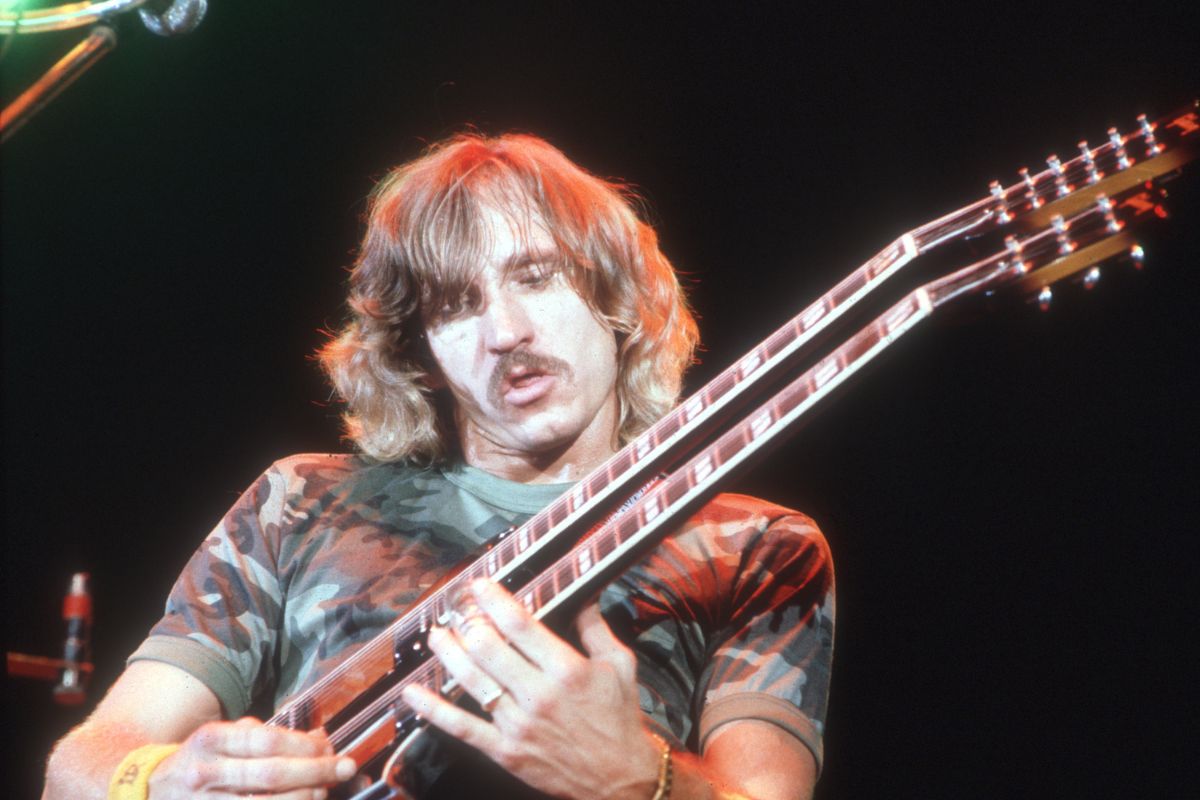
Come late 1975, the Eagles were already masters of country-rock harmony, but they were beginning to feel a bit too polite for the harder-rocking mid-1970s. The addition of Joe Walsh – a wild-man guitarist with a penchant for heavy riffs – gave them the rock edge they desperately needed.
Walsh’s grit and virtuosity on Hotel California transformed the band from a mellow folk-rock outfit into a stadium-conquering powerhouse. He provided the muscular guitar interplay that allowed Don Henley and Glenn Frey to sharpen their lyrical bite, cementing their status as one of the definitive American bands of the decade.
2. Stevie Nicks (Fleetwood Mac)
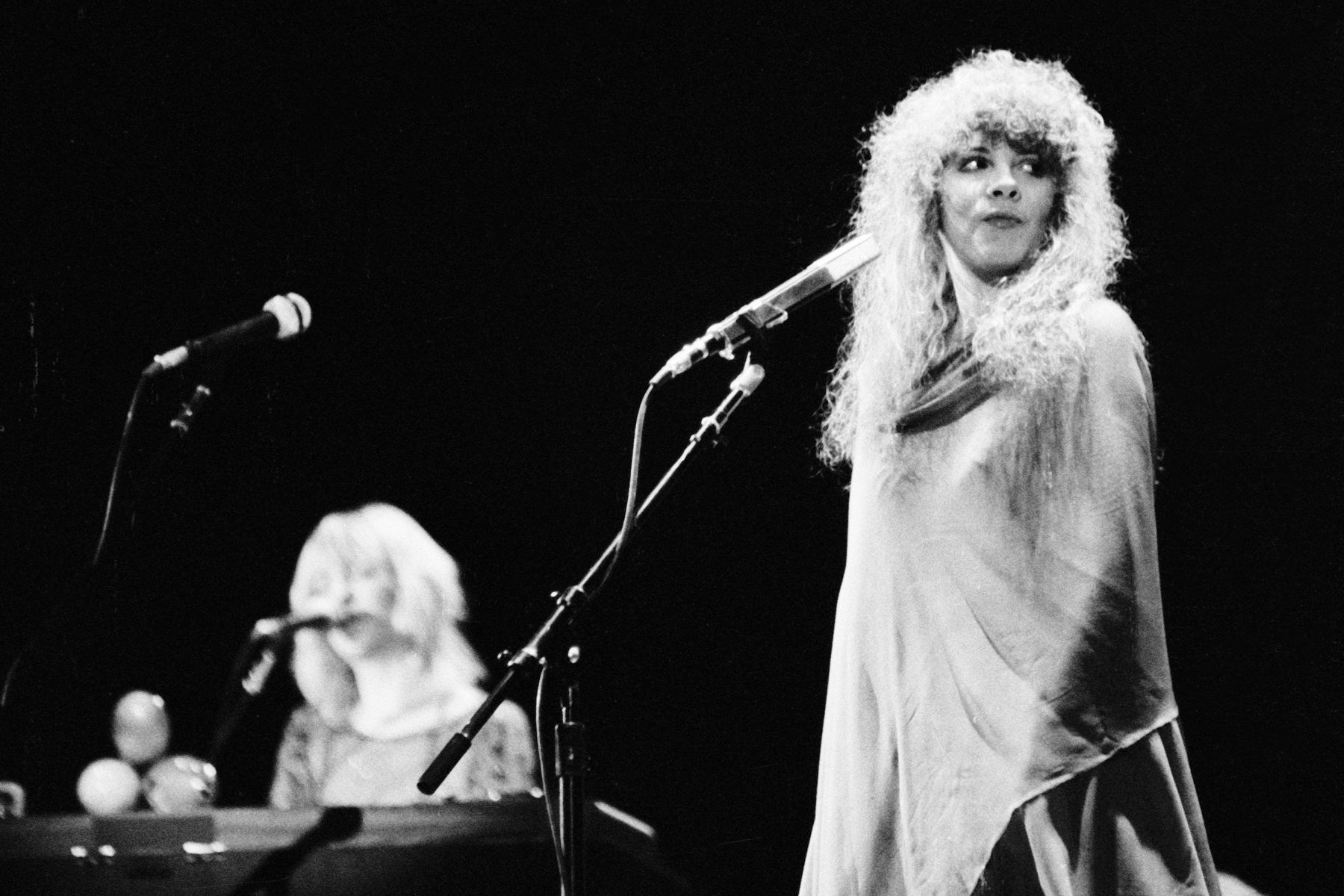
Fleetwood Mac was a respected but commercially fading British blues-rock band until Stevie Nicks (and Lindsey Buckingham) joined in 1975. Nicks brought a mystical, California-cool aesthetic and a distinctive ethereal stage presence that captivated the mainstream. Her songwriting prowess, evidenced in tracks like ‘Rhiannon’ and the perennial favourite ‘Dreams’, provided the band with a melodic depth and emotional vulnerability they previously lacked.
Nicks became the visual and spiritual centre of the group, turning their interpersonal dramas into a high-art soap opera that resonated with millions, and ultimately driving Rumours to become one of the best-selling albums of all time.
3. Bon Scott (AC/DC)
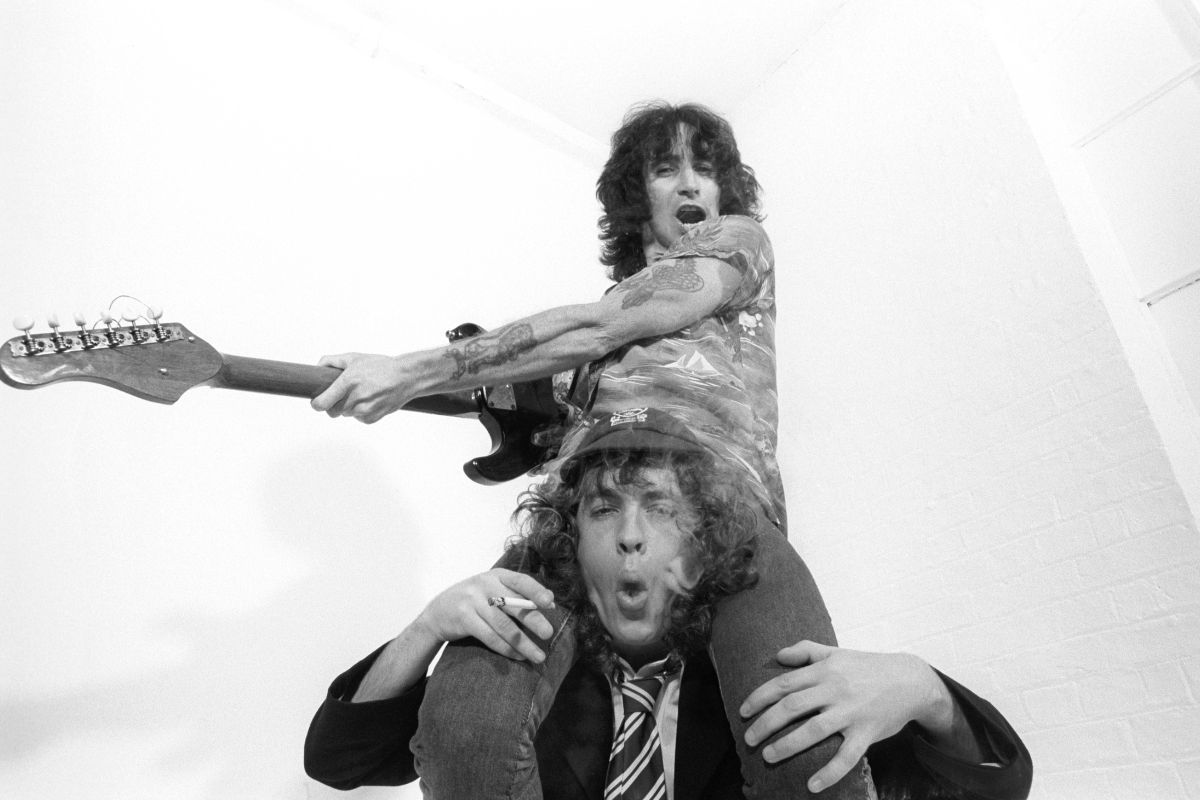
Before Bon Scott joined in 1974, AC/DC was a glam-leaning rock outfit struggling to find a footprint. Scott brought a street-poet sensibility and a mischievous, pirate-like charisma that perfectly complemented the Young brothers' rigid riffs. He wasn't just a singer; he was the band’s personified attitude.
His lyrics – gritty, hilarious, and unapologetically blue-collar – transformed AC/DC from a pub band into a global juggernaut. Scott’s ability to project a ‘lovable rogue’ persona made the band’s heavy blues feel like a high-stakes party, establishing a blueprint for hard rock that remains the gold standard decades later.
4. David Gilmour (Pink Floyd)

Throughout 1967 and early 1968, Pink Floyd was a psychedelic curiosity led by the brilliant but fracturing Syd Barrett. When David Gilmour joined as a stabilizing force, he brought a bluesy, melodic guitar style that gave the band’s sprawling space-rock a human heart. His ability to craft soulful, soaring solos provided the light to Roger Waters' lyrical shade.
Gilmour’s soulful voice and emotive guitar work on The Dark Side of the Moon and Wish You Were Here turned Floyd’s emotional temperature from chilly to glowingly warm, and transformed the band from an underground experimental act into a stadium-filling phenomenon. He turned Floyd’s abstract sonic explorations into deeply moving, accessible musical journeys.
5. Bruce Dickinson (Iron Maiden)
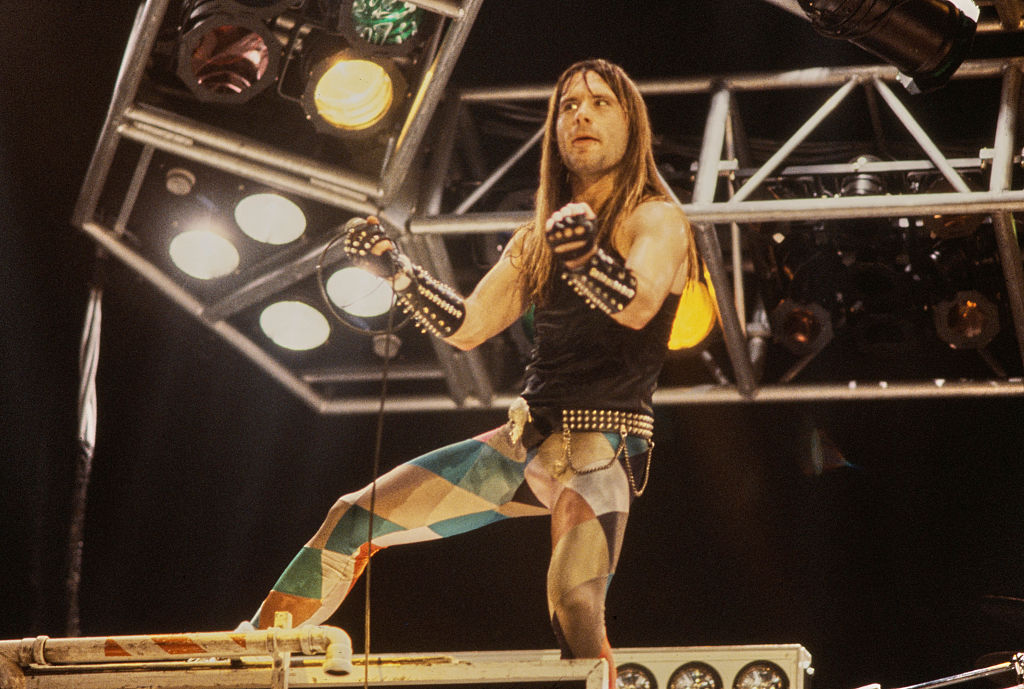
Iron Maiden under their founding frontman Paul Di’Anno were already at the forefront of the late ‘70s/early ‘80s British metal scene, but they found their musical ambitions somewhat limited by Di’Anno’s too obviously punk-inflected delivery.
Bruce Dickinson’s arrival for The Number of the Beast blew the ceiling off the band’s potential. With his air-raid-siren vocals and theatrical stage presence, Dickinson allowed the band to explore epic, historical, and operatic themes that were previously out of reach. His intellectual curiosity and boundless energy made Maiden feel like a global movement rather than just a heavy metal band, providing the charisma and musical heft needed to conquer North America and beyond.
6. Chrissie Hynde (The Pretenders)
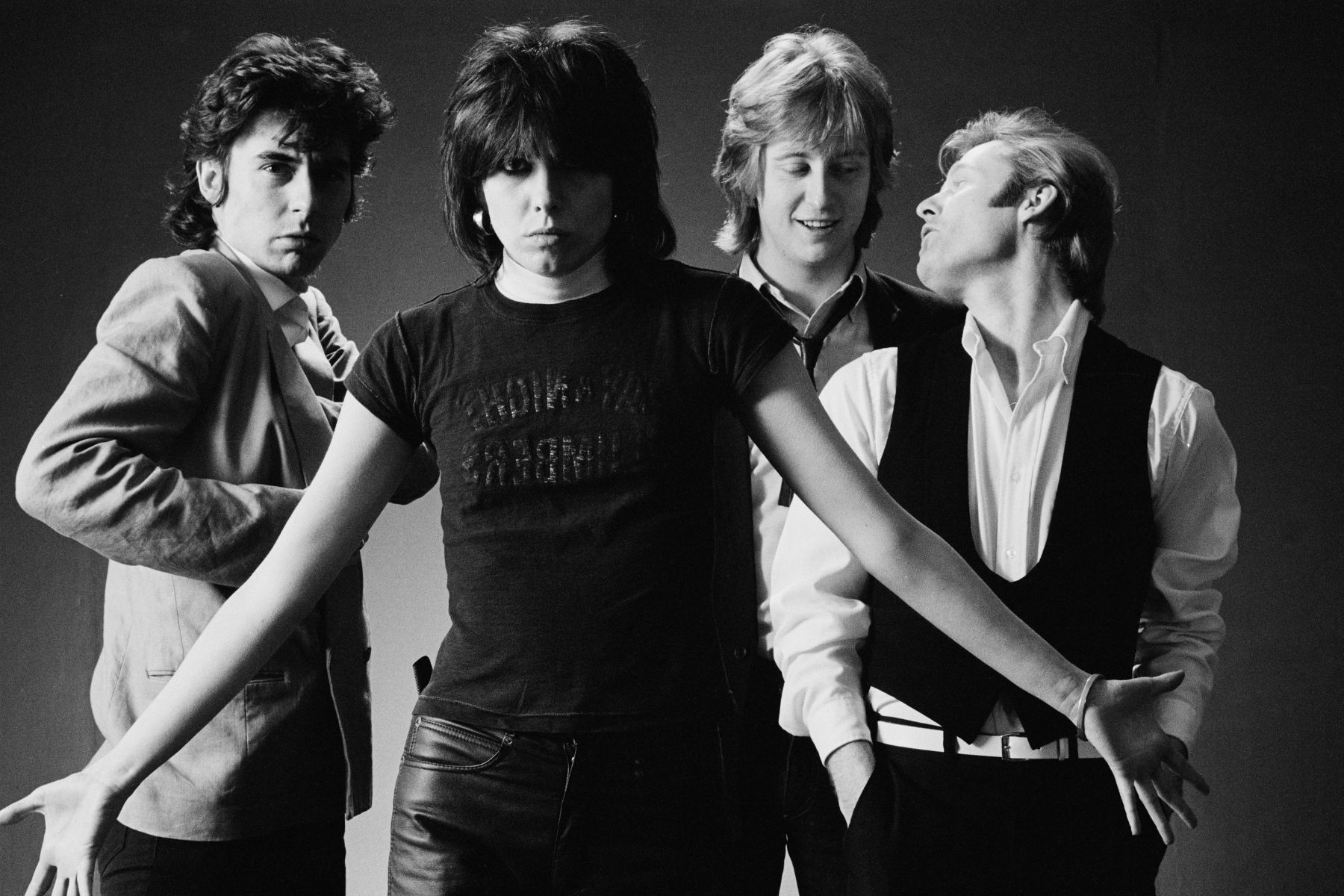
The Pretenders could have easily been another New Wave act lost in the rapid shuffle of the early 1980s, but Chrissie Hynde’s iron-fisted leadership and rock-and-roll pedigree ensured they became legends. She possessed a cool, snarling authority that demanded respect in a male-dominated industry.
Her songwriting – blending tough, jangly rock with genuine emotional tenderness – gave the band a unique versatility. Whether she was playing a leather-clad rebel or a melodic, emotionally literate pop queen, Hynde’s presence was the glue that kept the band's identity sharp and unmistakable through each (often painful) lineup change.
7. Michael McDonald (The Doobie Brothers)
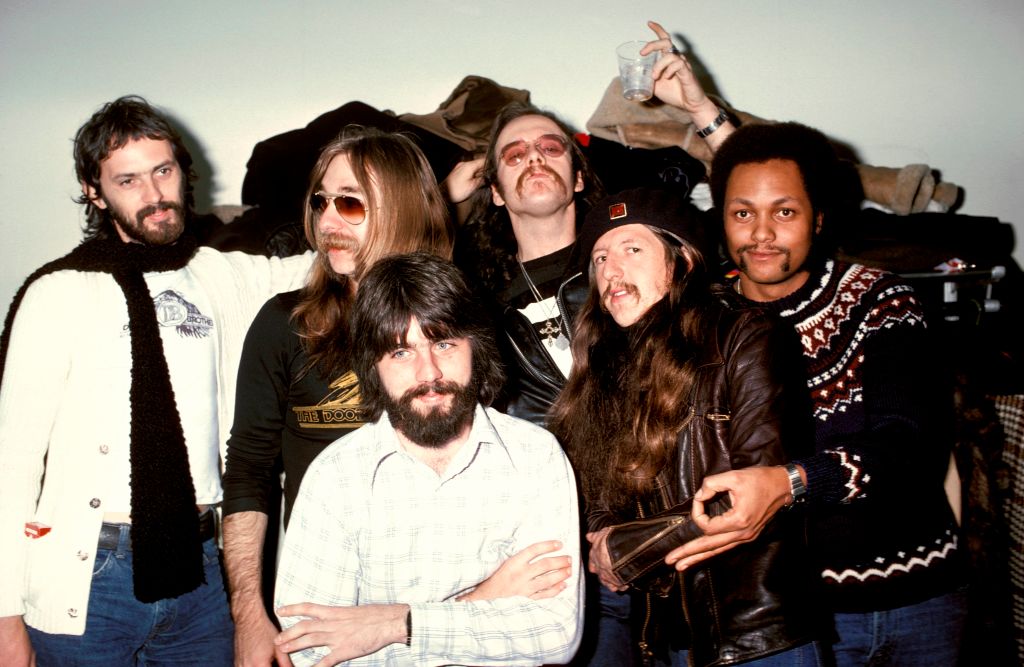
Until Michael McDonald arrived in 1975 to fill in for a sick Tom Johnston, the Doobie Brothers were a successful biker-rock band. What was meant to be a temporary fix, though, soon morphed into a total sonic overhaul. McDonald brought a soulful, smoky baritone and a sophisticated ‘yacht rock’ sensibility that completely redefined the band's sound.
His R&B influence and keyboard-driven compositions like ‘What a Fool Believes’ earned the band multiple Grammys – and a new level of commercial prestige. In short, McDonald took a great boogie band and turned them into a sleek, sophisticated soul machine.
8. Ronnie James Dio (Black Sabbath)
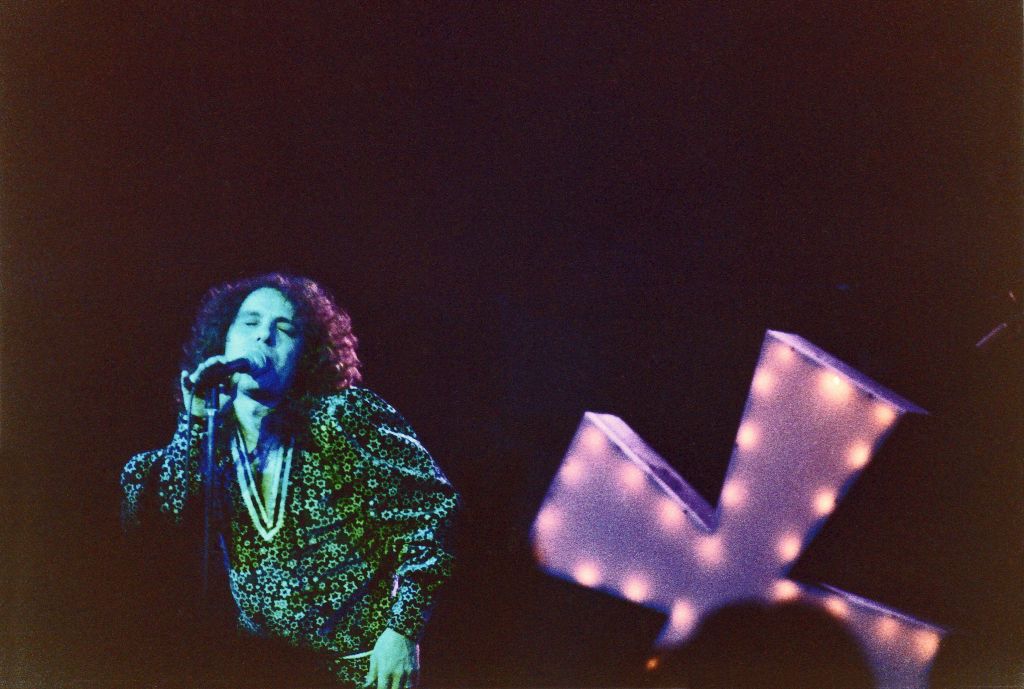
When Ozzy Osbourne left Black Sabbath, the godfathers of metal were effectively written off. Enter Ronnie James Dio in 1979. Rather than mimicking Ozzy’s doom-prophet persona, Dio brought operatic power, a fantasy-rich lyrical world, and the ‘devil horns’ hand gesture that would come to define metal culture.
His presence on Sabbath’s 1980 album Heaven and Hell revitalized the band’s sound, injecting it with a soaring, technical precision that aligned perfectly with the burgeoning New Wave of British Heavy Metal movement. Dio proved that Sabbath wasn't just a vehicle for one man, but a flexible institution capable of absolute majesty and renewed relevance.
9. Mike Patton (Faith No More)

Faith No More was a decent funk-metal band with a minor hit (the 1985/1987 single ‘We Care a Lot’) before Mike Patton joined for their breakthrough third album, 1989’s The Real Thing. Patton’s six-octave range and avant-garde sensibilities instantly elevated the band into a creative stratosphere their peers couldn't touch.
He brought a sense of unpredictability and intellectual subversion that turned songs like ‘Epic’ into massive hits – while simultaneously pushing the band into weirder, more experimental territories.
10. Shirley Manson (Garbage)
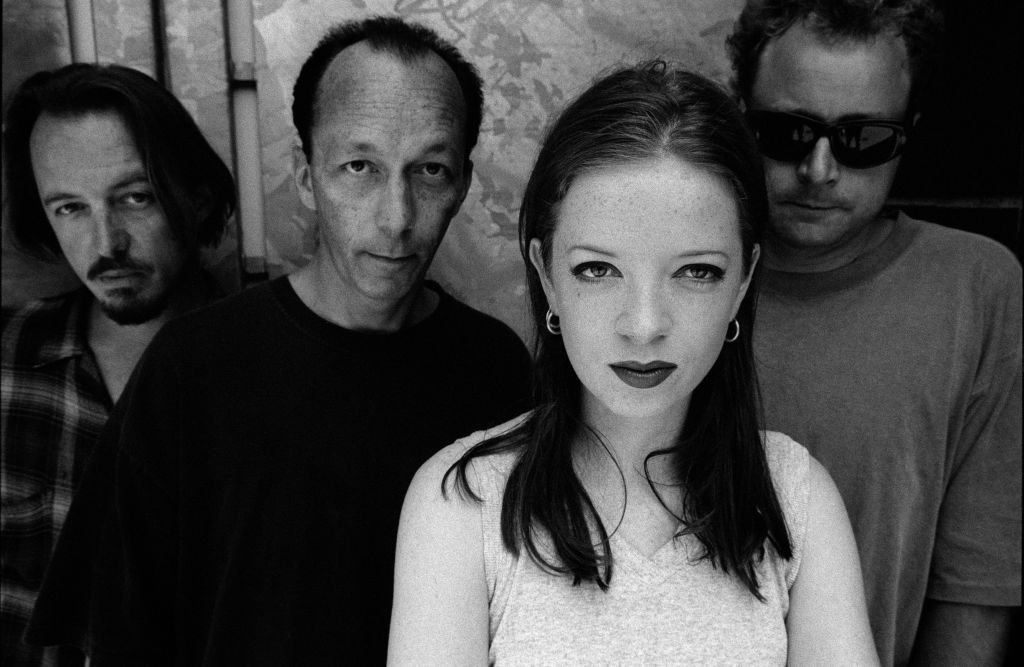
Producer Butch Vig had the technical expertise, but Garbage didn't truly come alive until they found Shirley Manson. The Scottish vocalist brought a dark, cinematic glamour and a fiercely intelligent perspective to the band’s high-tech alternative rock.
Manson provided the human heartbeat to their digital loops, acting as a magnetic frontwoman who could project both extreme vulnerability and menacing strength. She turned a studio project into a visceral, live-wire rock band that defined mid-to-late 1990s ‘cool’.
11. Dave Grohl (Nirvana)
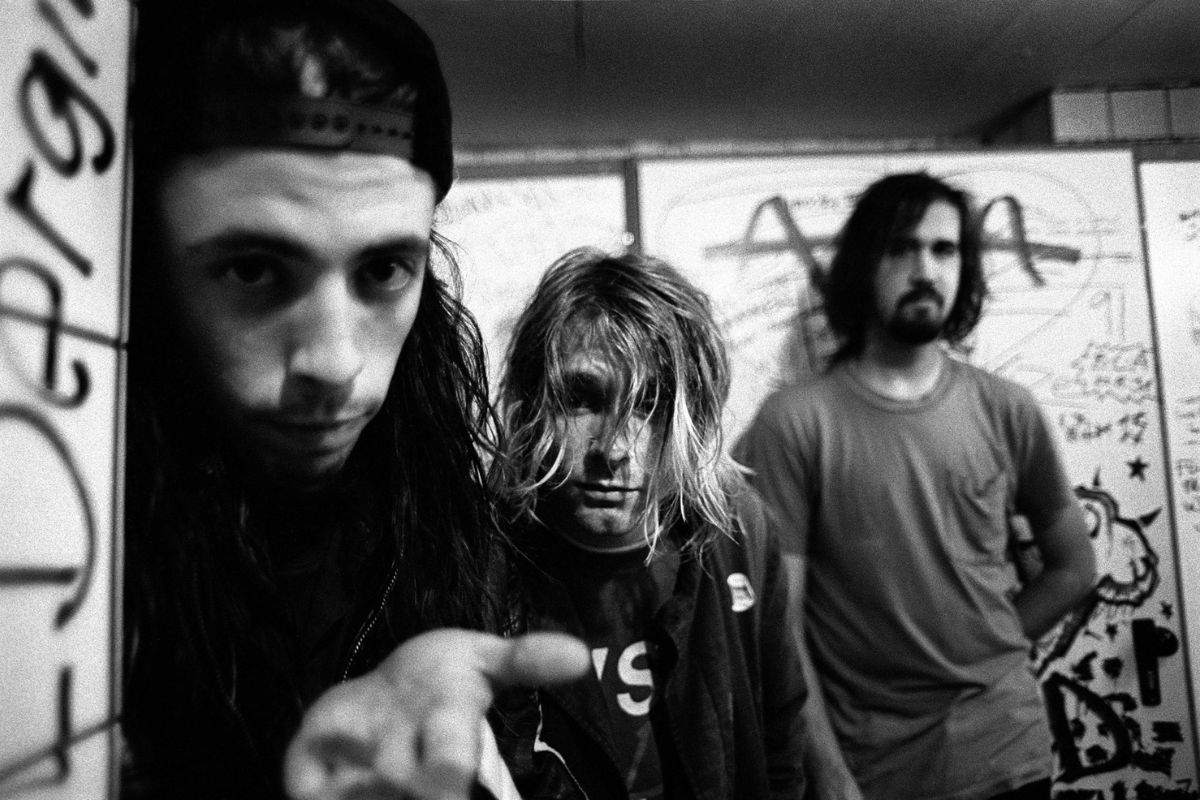
Nirvana was a struggling underground act with a revolving door of drummers until Dave Grohl sat behind the kit in 1990. Grohl didn't just play the drums; he attacked them with a power and precision that provided the metronomic engine that Kurt Cobain’s raw, confessional songs required.
His thunderous, disciplined style gave Nevermind its massive, radio-ready punch. Without Grohl’s ability to anchor Cobain’s erratic brilliance with a steady, world-class groove, the ‘Seattle Sound’ might just have remained a local curiosity rather than a global revolution.
12. Ian Astbury (The Cult)
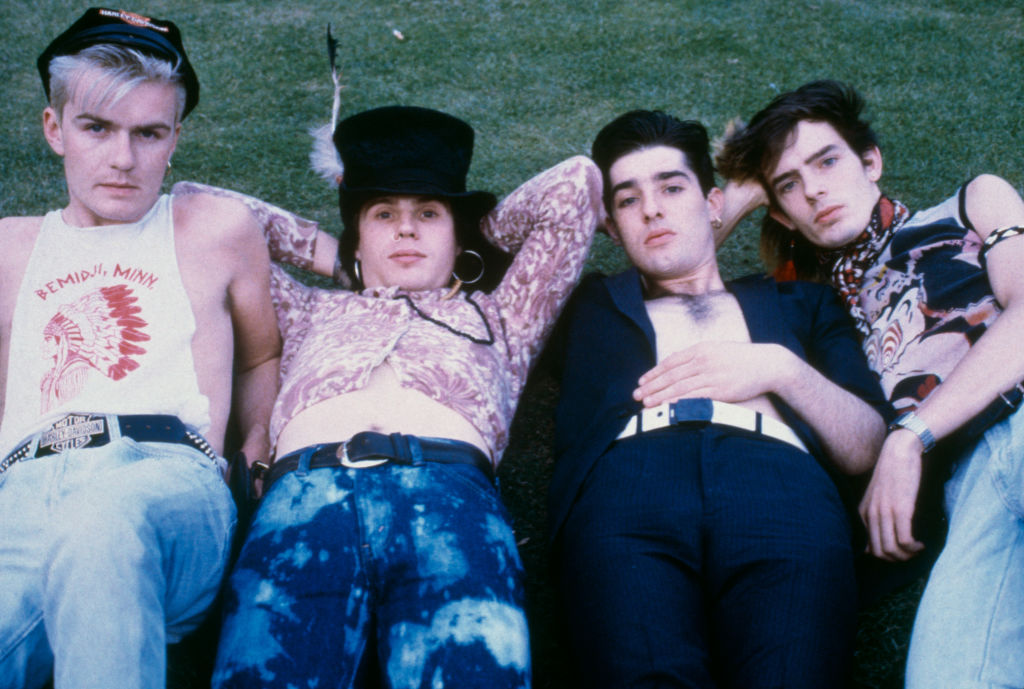
The Cult began as a gothic post-punk band called Southern Death Cult, but Ian Astbury’s obsession with ‘60s mysticism and ‘70s stadium rock set them on the road to greatness. Astbury’s move from Goth to rock god – complete with leather trousers and Jim Morrison-style mystique – pushed the band toward the massive, riff-heavy sound of Electric (1987) and 1989’s Sonic Temple.
His charisma and singular vision transformed The Cult from a niche alternative act into one of the few British bands capable of standing toe-to-toe with the heavyweights of American hard rock such as Guns N’ Roses, Aerosmith and Mötley Crüe.
13. Neil Peart (Rush)
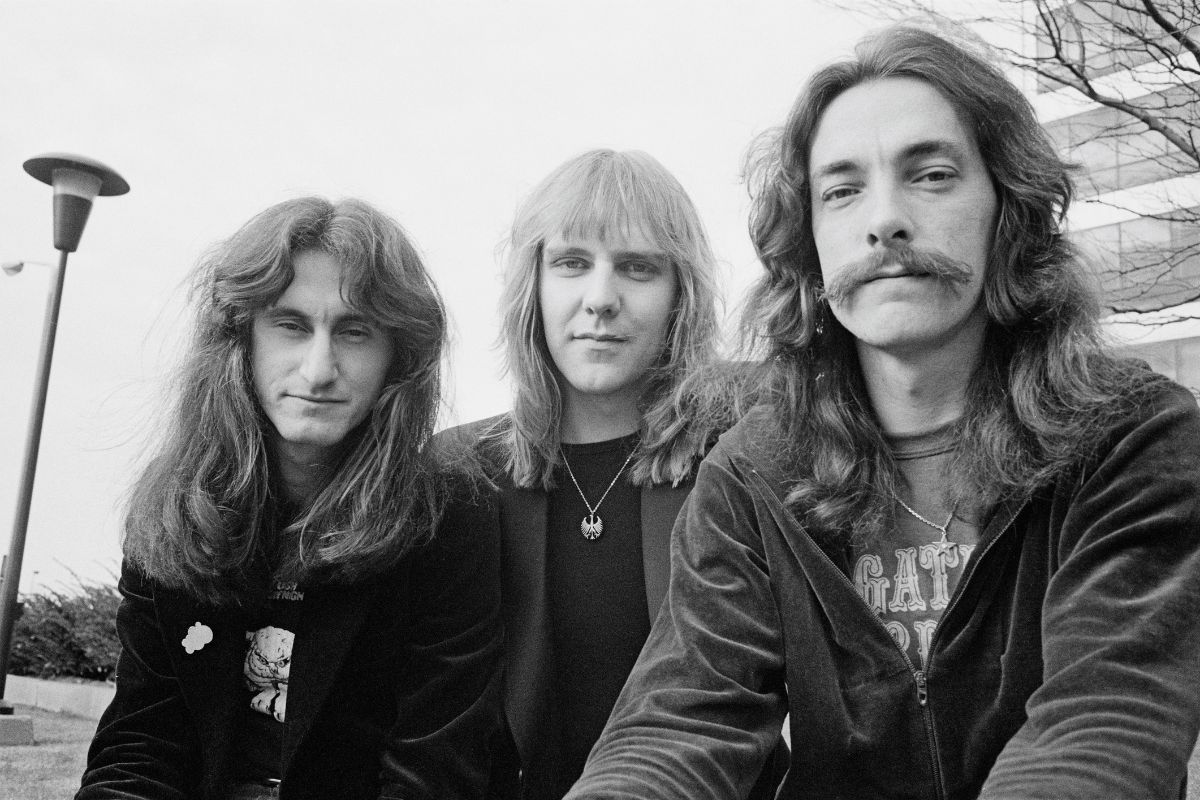
Rush’s eponymous first album from 1976 was a solid Led Zeppelin homage, but they got the magic they needed the moment Neil Peart joined for its follow-up, Fly by Night. Peart wasn't just a drummer; he was the band’s primary lyricist and their intellectual architect.
His intricate, mathematical drumming and his lyrics exploring philosophy, sci-fi and individualism gave the trio a depth and complexity that separated them from every other rock band out there. He transformed a competent Toronto bar band into a high-concept, progressive institution that inspired generations of musicians.
Just check out the dizzying array of shifting time signatures, jazz-fusion textures, and heavy-metal thunder Peart navigates through the course of Rush’s nine-minute 1978 epic ‘La Villa Strangiato’:
Pics Getty Images
Top pic: Rush’s Neil Peart, Geddy Lee and Alex Lifeson in Springfield, Massachusetts during their All The World's a Stage tour, 9 December 1976