
Well, this was a tough one.
Sorry if your fave was excluded, but it’s a hell of a challenge to choose just 21 great heavy metal albums. The only self-imposed rule was that each artist should only be included once – otherwise there’d be a lot more Maiden and Sabbath, easing out many a worthy band. And, of course, the late Ronnie James Dio would be in there several times, but with different bands.
The only exception is Ozzy, who makes the list with Sabbath and as a solo artist, primarily because the albums sound so different. There’s also nothing in this list that’s less than 10 years old, since classics need time to attain that status. Here we go, then.
21. Voivod – Nothingface (1989)
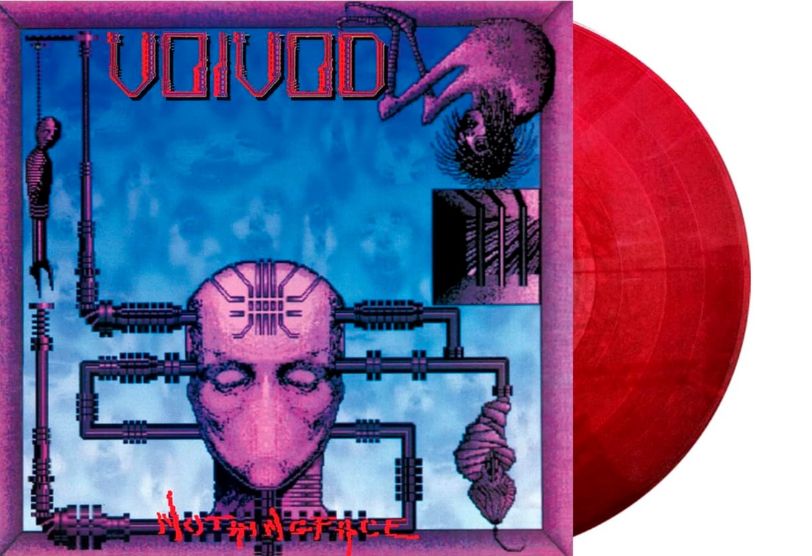
It’s progressive metal, Jim, but not as we know it. From fairly unpromising beginnings as a bog-standard extreme metal band, French-Canadian act Voivod upped their game to become a distinctive prog-metal act. Their fifth studio album Nothingface was the collection that announced the change of direction – and it’s no coincidence that it became their most commercially successful release. This wonderfully accomplished album kicks off with the evergreen ‘The Unknown Knows’ and includes the band’s scintillating cover of Pink Floyd’s ‘Astronomy Domine’.
20. Nightwish – Endless Forms Most Beautiful (2015)
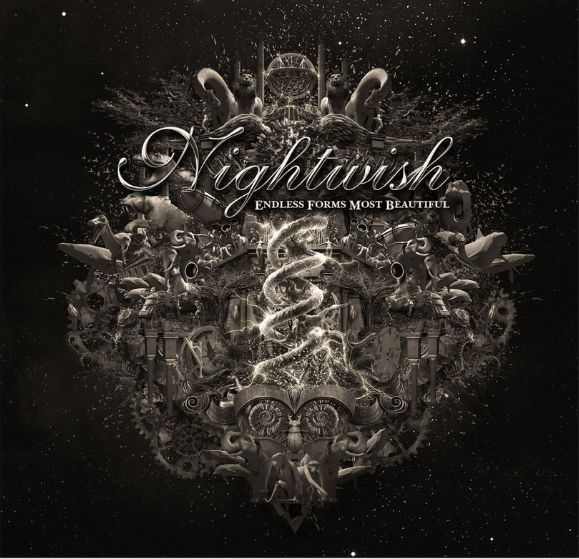
Symphonic metal bands are ten a penny these days, making it difficult to appreciate the impact of originators like After Forever and Nightwish the first time we heard them. Choosing a single Nightwish album is a real challenge. ‘Once’, the last to feature original singer Tarja Turunen, has its champions, and rightly so.
But we’re going to go with 2015’s Endless Forms Most Beautiful, featuring the band’s third singer, Floor Jansen. After all, what could be more prog metal than an epic concept album about evolution, with a guest appearance by Richard Dawkins? Creationists should probably look away now, but keyboard player and main songwriter Tuomas Holopainen really excelled himself on this double set, which opens in style with ‘Shudder Before the Beautiful’ and climaxes with the stunning 24-minute, five-part epic ‘The Greatest Show on Earth’. Little wonder he had a new insect species named after him in 2017.
19. System of a Down – Toxicity (2001)
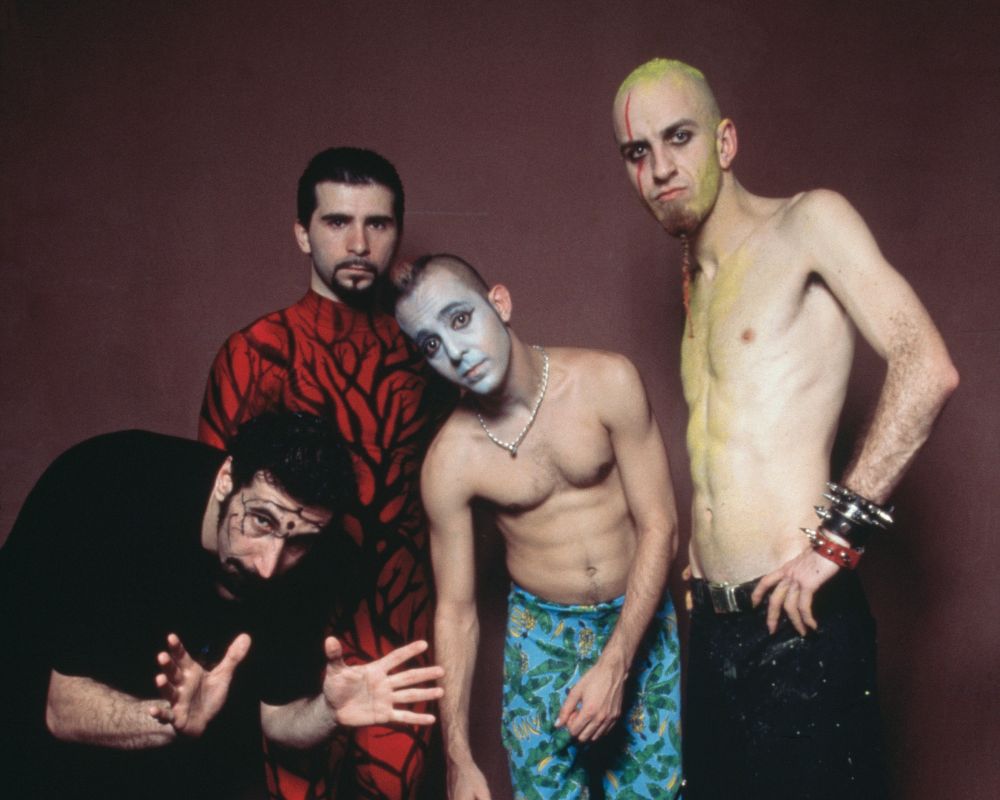
Who’d have predicted that an Armenian-American band would not only get metalheads talking about the Armenian genocide but also top the US album chart three times? Because of when they came out, System of a Down tended to be categorised as ‘nu-metal’, but ns fact they had nothing in common with the then-prevalent frat-boy rap-rock.
Chaotic and very heavy indeed, 2001’s ‘Toxicity’ was their multi-platinum breakthrough album, combining Zappa-esque quirkiness with fierce political commitment and maximum heaviosity. From ‘Chop Suey’ (briefly pulled from the USA’s Clear Channel Radio after 9/11 for being ‘too political’) to the magnificent ‘Aerials’, it’s a collection that benefited immeasurably from the time taken to craft it by the band and co-producer Rick Rubin.
Of course, it would be grand to hear what they make of Donald Trump. But that seems unlikely as they haven’t released a new album since 2005.
18. Dream Theater – Images and Words (1992)
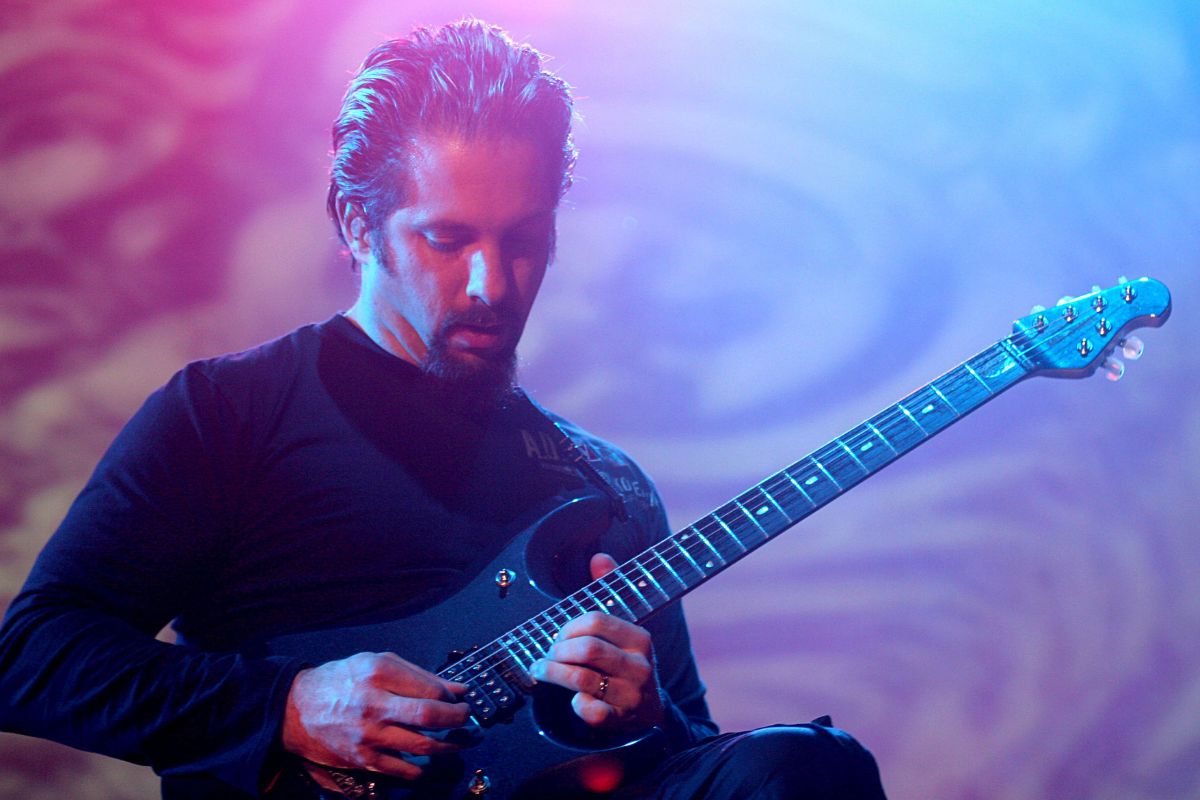
Those who dislike prog-metal tend to dismiss them as self-indulgent noodlers, and they’ve certainly become too prolific for their own good, but Dream Theater really hit their stride with their second album. Their first with vocalist James LaBrie, Images and Words succeeded in introducing the Boston proggers to a wider audience with the hit single ‘Pull Me Under’.
It’s an album that plays to the band’s immense strengths, especially guitarist John Petrucci and drummer Mike Portnoy, with such classics as ‘Another Day’ and ‘Under a Glass Moon’. They’ve arguably never bettered it, though 1999’s Metropolis Pt. 2: Scenes from a Memory comes pretty close.
17. Carcass – Heartwork (1993)
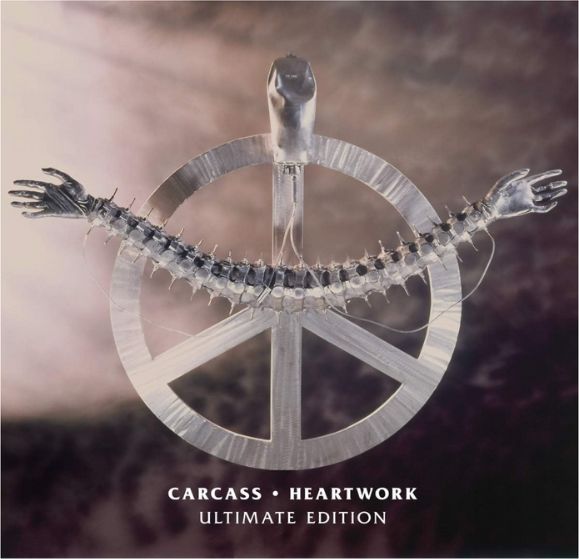
Who’d have predicted that Eighties noisemongers Napalm Death would spawn such a magnificent, hugely influential melodic technical death metal band? ND guitarist Bill Steer teamed up with bassist/vocalist Jeff Walker for the ‘Reek of Putrefaction’ album, which John Peel pronounced his favourite release of 1988. But it wasn’t until the band’s fourth album, 1993’s Heartwork, that they really found their feet.
This rare event, a melodic death metal album that wasn’t by a Swedish band, proved to be Carcass’s ultimate refinement of their technique of welding state-of-the-art death metal to, er, lyrics drawn from medical textbooks.
16. Opeth – Blackwater Park (2001)
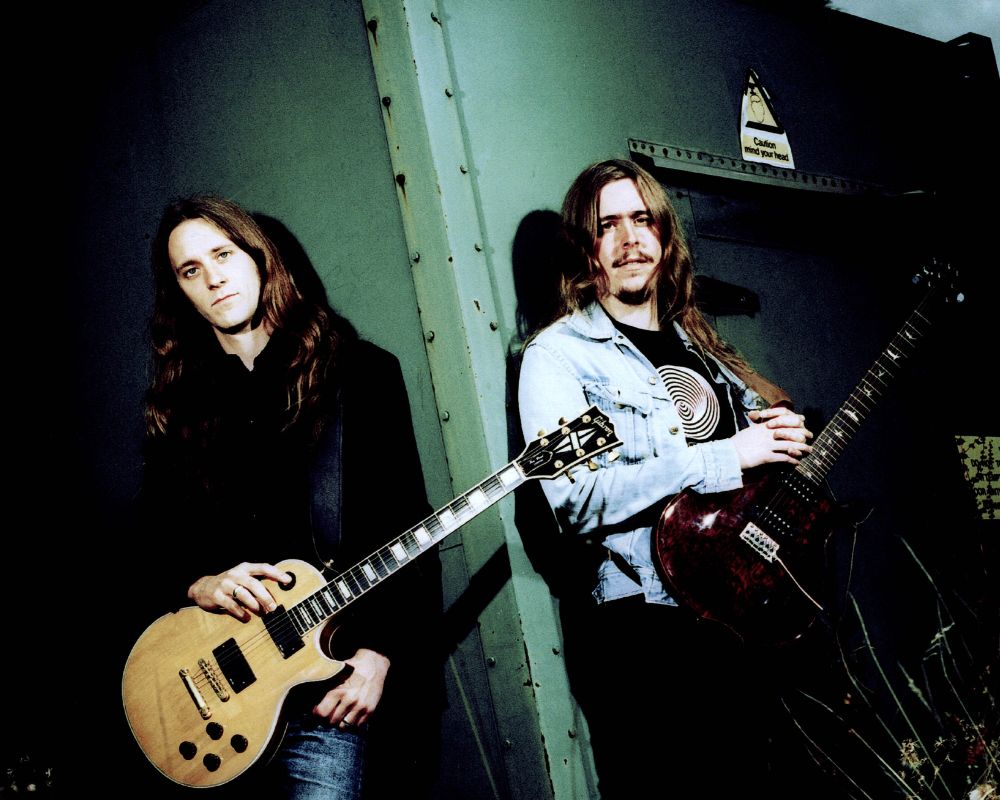
With one foot in extreme metal and the other in prog rock, Opeth’s Mikael Åkerfeldt has spent much of his career attempting to resolve the two genres. 2001’s Blackwater Park marked his first collaboration with Steven Wilson of adventurous Brit proggers Porcupine Tree. The result was this brilliant, career-making fifth Opeth album, which combined the heavy and aggressive with the gentle and pastoral in a way that hadn’t been heard before.
It wasn’t a huge commercial success at the time, but its impact on metal was immense and Blackwater Park pointed the way to Opeth’s later commercial breakthrough.
15. Living Colour – Vivid (1988)
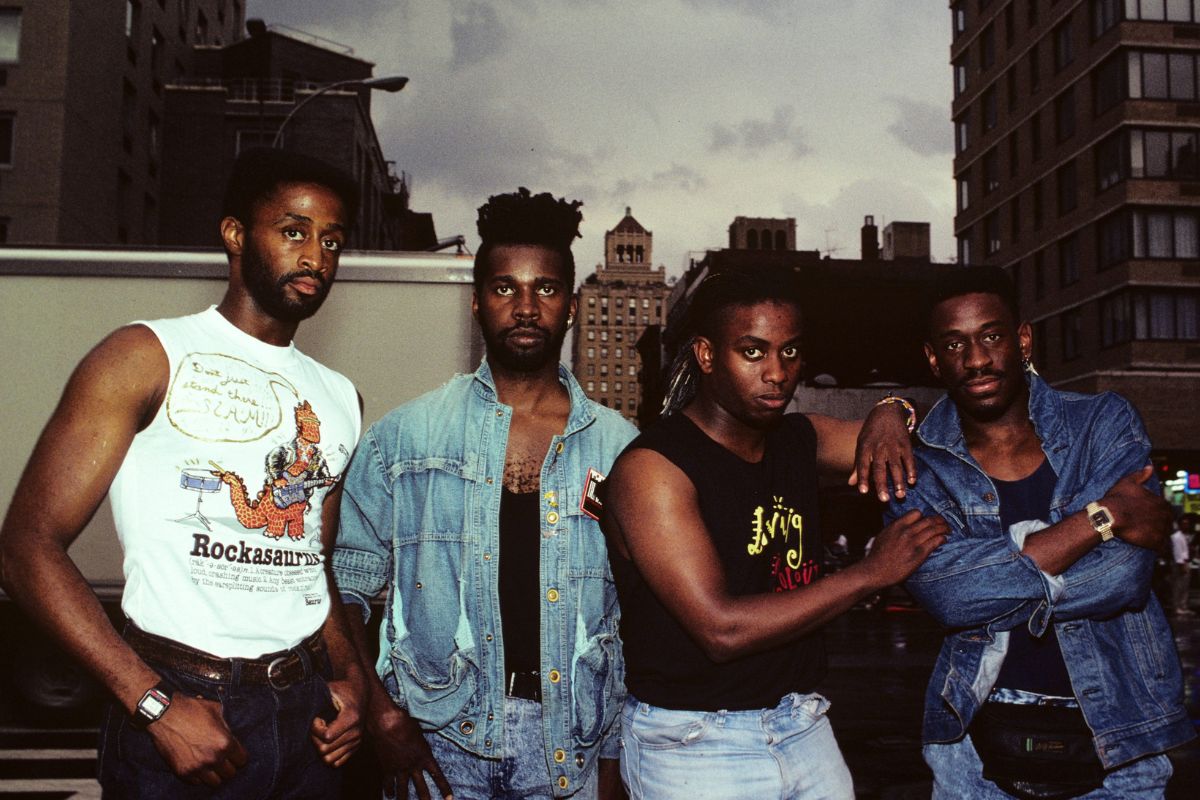
Metal has never been particularly woke. Nor would we want it to be. But the absence of black musicians from a genre that has many of its roots in the blues was more than a little embarrassing by the late eighties. Then along came Living Colour with the magnificent, nakedly political, Grammy-winning ‘Cult of Personality’ single and accompanying album, Vivid. Angry and funny by turns, this was a great collection of songs, with Vernon Reid proving himself to be both an excellent guitarist and a powerful advocate for the Black Rock Coalition.
14. Sepultura – Beneath the Remains (1989)
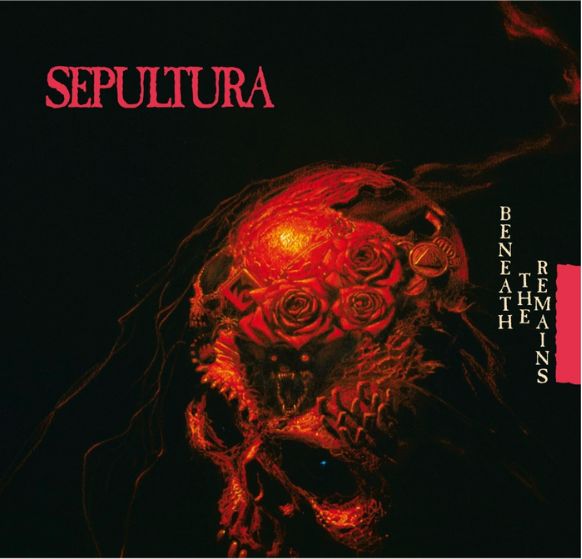
Back in 1989, ‘global metal’ wasn’t really a thing as the vast majority of bands that we loved came from Europe and the USA. But then Sepultura came roaring out of Brazil and the floodgates opened. Proving that they could easily hold their own against our leading thrash metal bands, the four-piece were signed to Roadrunner Records and released their breakthrough Beneath the Remains album.
Distinguished by frontman Max Cavalera’s roar, his drummer brother Igor’s tribal rhythms and Andreas Kisser’s thrilling guitar work, this was the aggressive sound of a band firing on all cylinders, with absolutely no filler. Subsequent feuds and line-up changes have caused them to stall a little, but they remain a ferocious live act.
13. Ministry – Psalm 69 (1992)
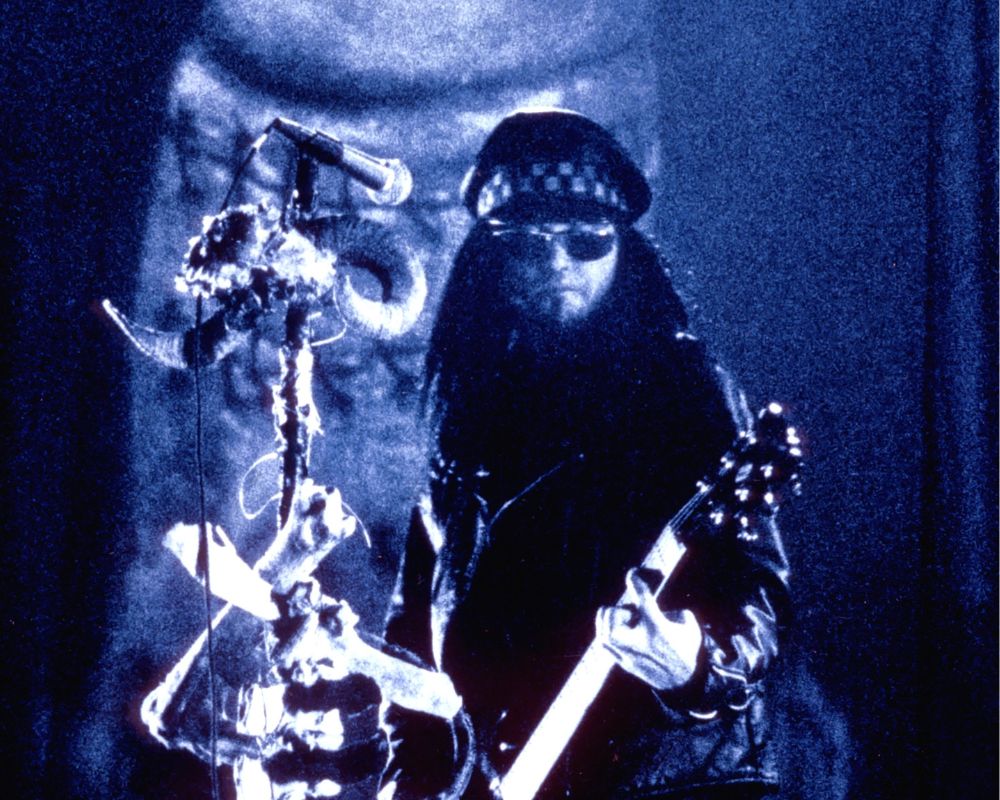
They were by no means the first industrial metal band, but Ministry refined the sound and made the genre their own. The platinum-selling Psalm 69 remains the connoisseurs’ choice as it contains such classics as ‘Jesus Built My Hotrod’, ‘NWO’ and ‘Just One Fix’, which remain in their set to this day.
Essentially a duo of Al Jourgensen on vocals and guitars and Paul Barker on bass, vocals and programming, Ministry recorded their masterpiece against an unpromising backdrop of turmoil and addiction. That it was so commercially and critically successful must have come as a great relief to Jourgensen’s dealer.
12. Korn – Korn (1994)
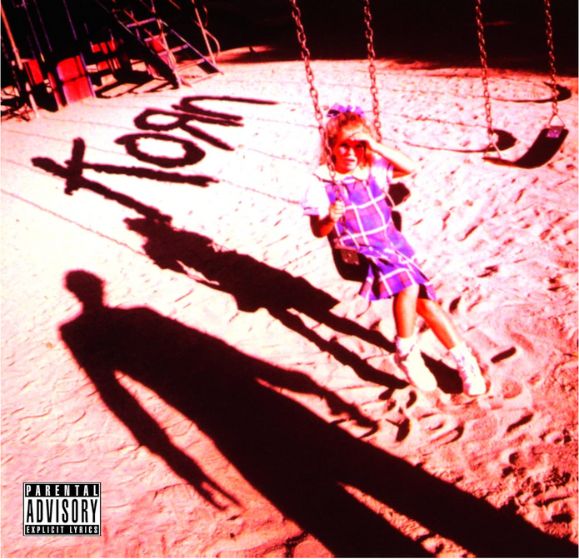
The nu-metal genre has certainly given us some awful frat boy crap, but there’s no taking away from the impact of Korn’s debut album, which arguably originated the genre. Their performance in blazing sunshine on the second stage of the Monsters of Rock festival in 1996 was also a real ‘changing of the guard’ moment.
The Californian band knew exactly what they wanted to achieve with this debut, which was unlike anything else in metal at the time. It opens in style with the stunning ‘Blind’ and includes such career-making songs as ‘Snakes and Ladders’.
11. Rainbow – Rising (1976)
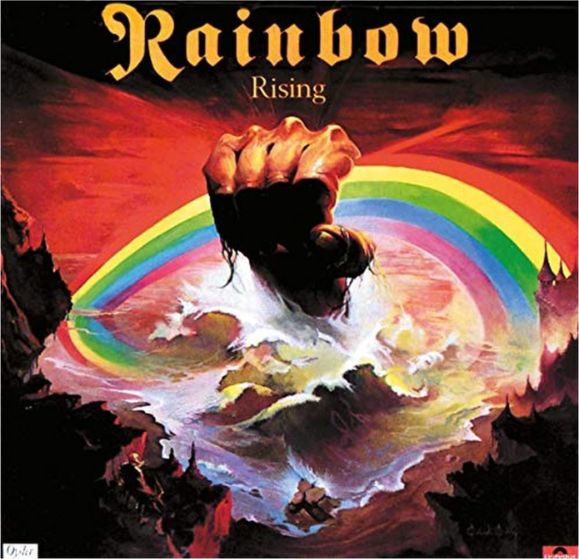
Yes, it’s the Ronnie James Dio choice. And also the Ritchie Blackmore one. The little bloke with the mighty voice was in magnificent form on this, the second Rainbow album, which was released in punk’s year zero – 1976.
Although Dio disapproved (apparently his vocals weren’t high enough in the mix), and the album wasn’t a huge commercial success upon release, it has grown in stature ever since. A ballad-free set whose highlight is the eight-minute-plus ‘Stargazer’, it more than succeeded in Blackmore’s aim of eclipsing his achievements with Deep Purple.
10. Pantera – A Vulgar Display of Power (1992)
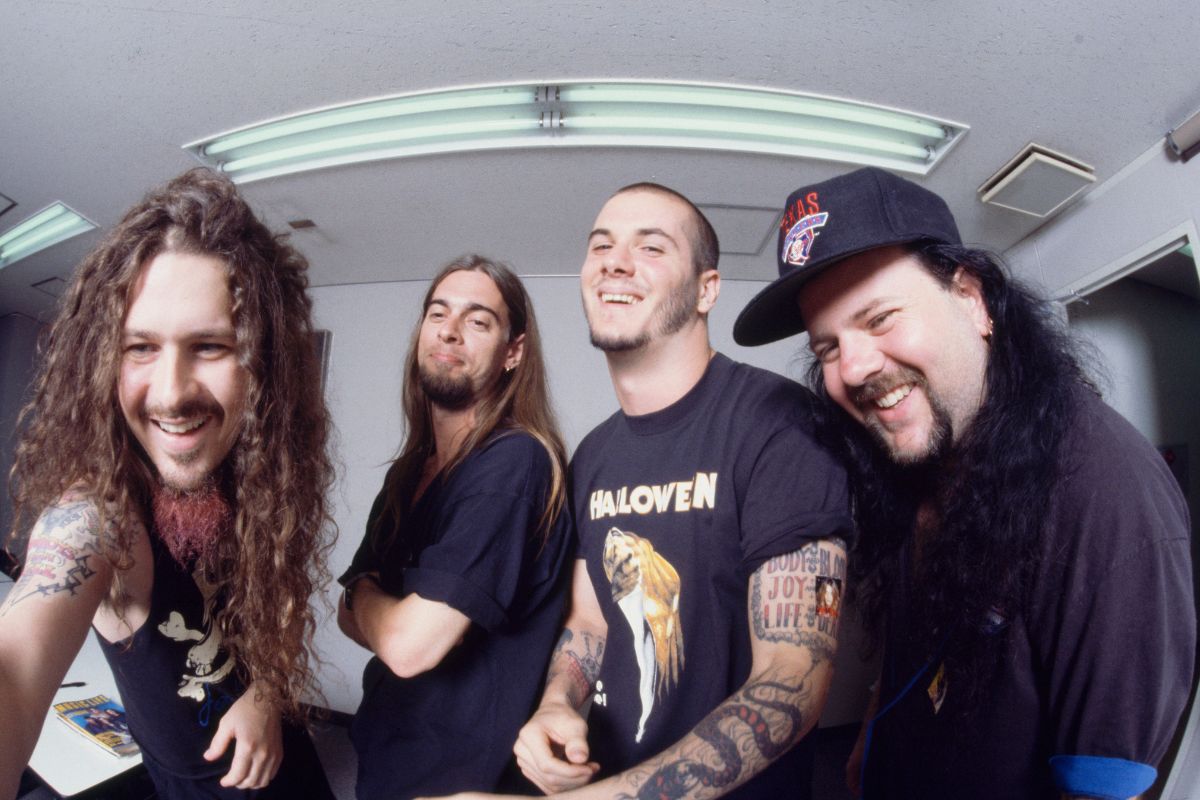
Who’d have predicted back in the mid-‘80s that these directionless Texans would create such a groove metal classic? After many a false start, the Abbott brothers (guitarist Dimebag Darrell and drummer Vinie Paul) had joined forces with vocalist Phil Anselmo and bassist Rex Brown and abandoned their unlikely glam metal roots.
From 1990’s Cowboys From Hell onwards, Pantera’s sound became heavier and more aggressive, reaching its peak with 1992’s A Vulgar Display of Power (the apt title is a quote from The Exorcist), which contained such classics as ‘Mouth For War’, ‘This Love’ and the mighty ‘Walk’. Real metal was back with a bang.
9. Judas Priest – Painkiller (1990)
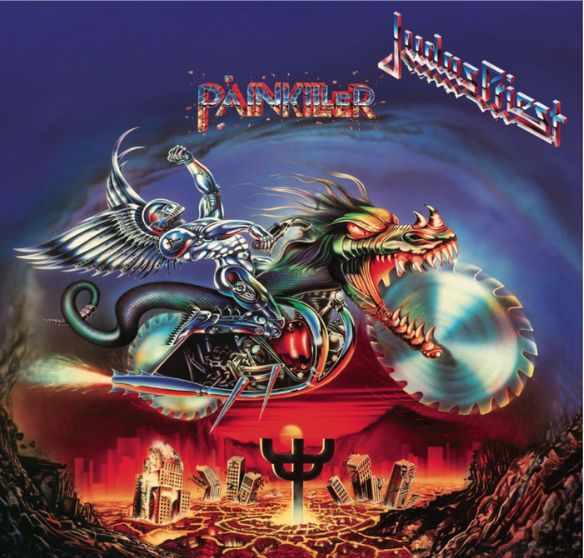
Most ‘70s metal acts chose to stay in their lane as the decades rolled by. Not Judas Priest. Restless frontman Rob Halford, in particular, was eager to show the young bucks how it should be done with an album that was harder, faster and heavier than anything the Brummie metallers had previously recorded.
The result was arguably Priest’s finest recoding, which benefited immeasurably from incoming Scott Travis’s double kick drum attack on the opening title track. Guitarists Glenn Tipton and KK Downing upped their game accordingly, churning out riff after memorable riff, with plenty of stunning solo action. Priest have never bettered it.
8. Megadeth – Rust in Peace (1990)
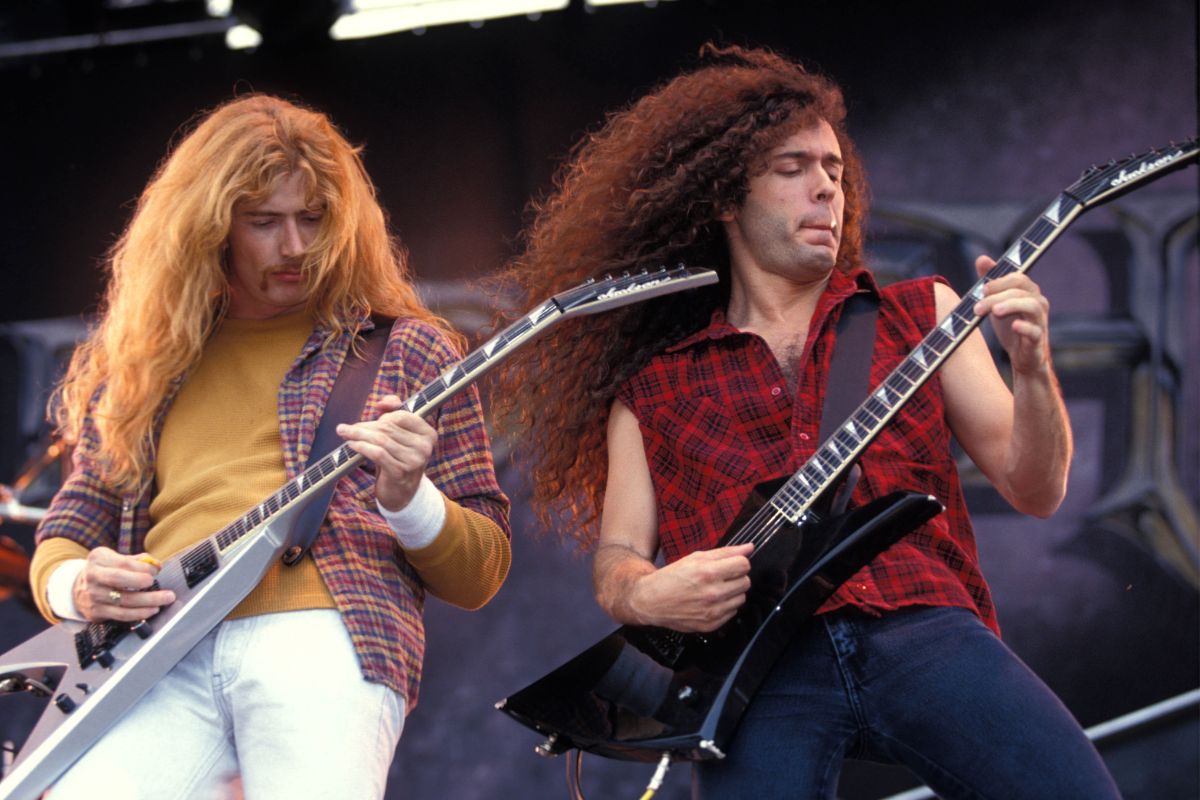
After Dave Mustaine was booted out of Metallica, allegedly for kicking James Hetfield’s dog, he vowed revenge by creating a metal band that was even bigger. That he very nearly succeeded is testament to Mustaine’s, ahem, dogged determination.
Rust in Peace saw Mustaine and bassist Deve Ellefson join forces with hotshot guitarist Marty Friedman and drummer Nick Menza or the first in a string of great albums which continued until 1997’s Cryptic Writings, though 1994’s Youthanasia is the last true classic.
Packed with stunning musicianship, Rust in Peace was a revelation back in 1990 and still stands up today as a key album in metal history. From ‘Holy Wars . . . The Punishment Due’ to ‘Hanger 18’ and ‘Tornado of Souls’, Mustaine’s trademark sneer is set to stun while the guitar playing is simply astonishing, with subject matter ranging from religious conflicts to the alleged cover-up of alien life on earth.
7. Metallica – Metallica (1991)
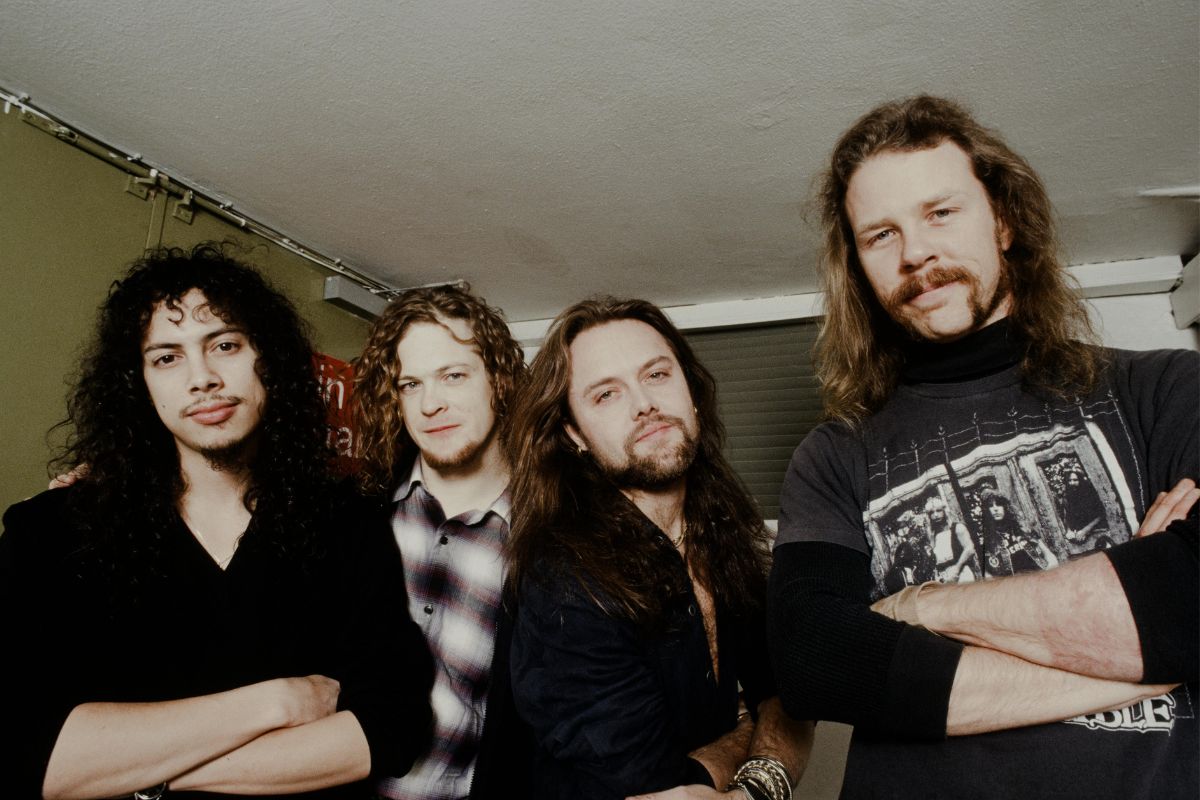
Choosing just one Metallica album is a mug’s game, as most of the early ones have their champions. If this was a purely personal choice, for example, I’d go for their sophomore effort, 1984's ‘Ride the Lightning’. But there’s no arguing with the band’s commercial breakthrough album from 1991, widely known as the ‘Black Album’.
It’s tricky from today’s perspective to appreciate the controversy that surrounded the band’s decision to use aptly named Bob Rock as their producer. His credits included albums with Bon Jovi, Aerosmith and Mötley Crüe, and the fear among fans was that he’d try to mould Metallica into a similarly commercial entity. But he actually did a brilliant job in corralling their strengths.
Lead single ‘Enter Sandman’ delighted long-term followers, while ‘The Unforgiven’ and ‘Nothing Else Matters’ succeeded in bringing in a whole new audience that wouldn’t have listened to ‘Kill ‘Em All’.
6. Ozzy Osbourne – Blizzard of Ozz (1980)
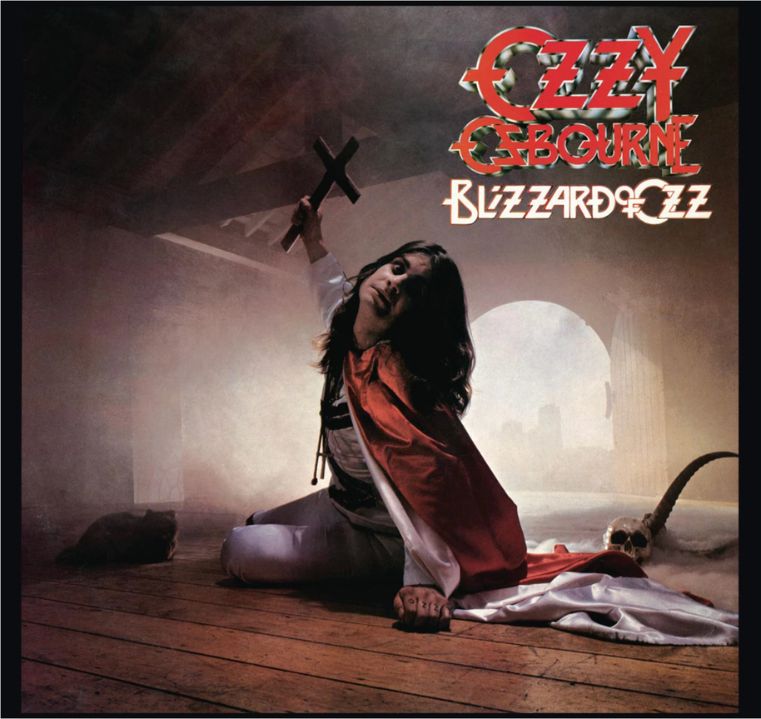
Ozzy Osbourne was at his lowest ebb after being booted out of Black Sabbath in 1979. No one could have predicted at the time that he would enjoy such a massive solo career success, albeit one tainted by tragedy.
By Ozzy’s own account, he sank into a cocaine- and booze-fuelled stupor after being ejected from the band, fearing that he was doomed to a life on the dole back in Birmingham. But then he recruited young American hotshot guitarist Randy Rhoads and together with bassist Bob Daisley and drummer Lee Kerslake they created the brilliant, hugely influential Blizzard of Ozz album, which contained such classic songs as ‘Crazy Train’ and ‘Mr. Crowley’.
The album was a huge hit, especially in the US, where it eventually attained quintuple platinum status, easily eclipsing anything Sabbath has done without Ozzy. But where there’s a hit there’s a writ, as the saying goes, and the song ‘Suicide Solution’ was blamed for the suicide of a teenager in a lawsuit that was eventually dismissed on the grounds that the First Amendment guaranteed Ozzy’s freedom of artistic expression. Ozzy’s proposed defence that, if he were to sneak a subliminal message into his recordings, it would be ‘Buy more records!’, wasn’t tested in court.
5. Queensryche – Operation: Mindcrime (1988)
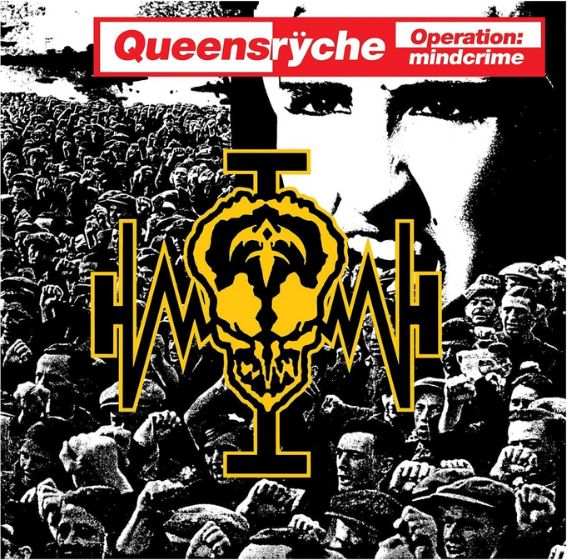
1983’s ‘Queen of the Reich’ single and 1986’s ambitious Rage for Order album had caused many ears to prick up, but nobody really expected Queensryche to come up with a monumental, genre-defining prog-metal classic next. But that’s exactly what they did with 1988’s political concept album Operation: Mindcrime.
From ‘Revolution Calling’ to the Grammy-nominated ‘I Don’t Believe in Love’, it’s as powerful today as it was on release. The band continues to this day, but sadly the departure of guitarist Chis DeGarmo and firing of vocalist Geoff Tate has robbed them of much of their innovative spirit.
4. Motörhead – Ace of Spades (1980)
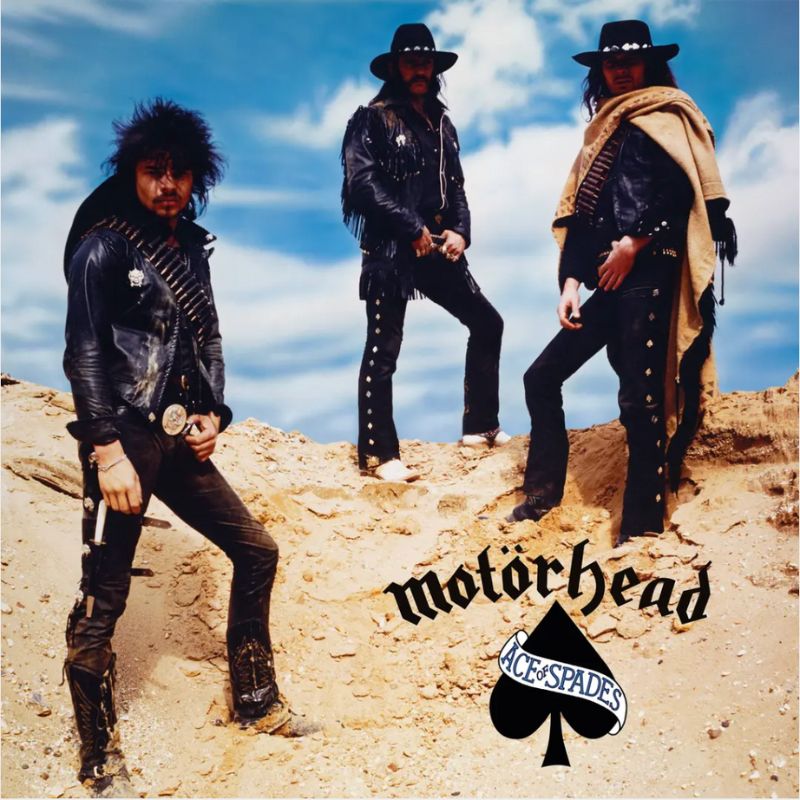
A no-brainer of a choice, but there’s a lot more to Ace of Spades (the album) than ‘Ace of Spades’ (the single). There’s a reason why the likes of ‘(We Are) The Road Crew’ and ‘The Chase Is Better Than the Catch’ stayed in the set list until the end. This greasy biker rock classic dragged metal back to its roots at a time when the genre was getting softer and facing a challenge from punk, pointing the way to thrash.
Ace of Spades built on its predecessors ‘Overkill’ and ‘Bomber’ to deliver the definitive Motörhead album from what many consider to be the definitive line-up of the band: Lemmy, ‘Fast’ Eddie Clarke and Phil Taylor. It’s also superbly produced by Vic Maile, who succeeds in capturing the trio’s rough and ready charm
3. Slayer – Reign in Blood (1986)
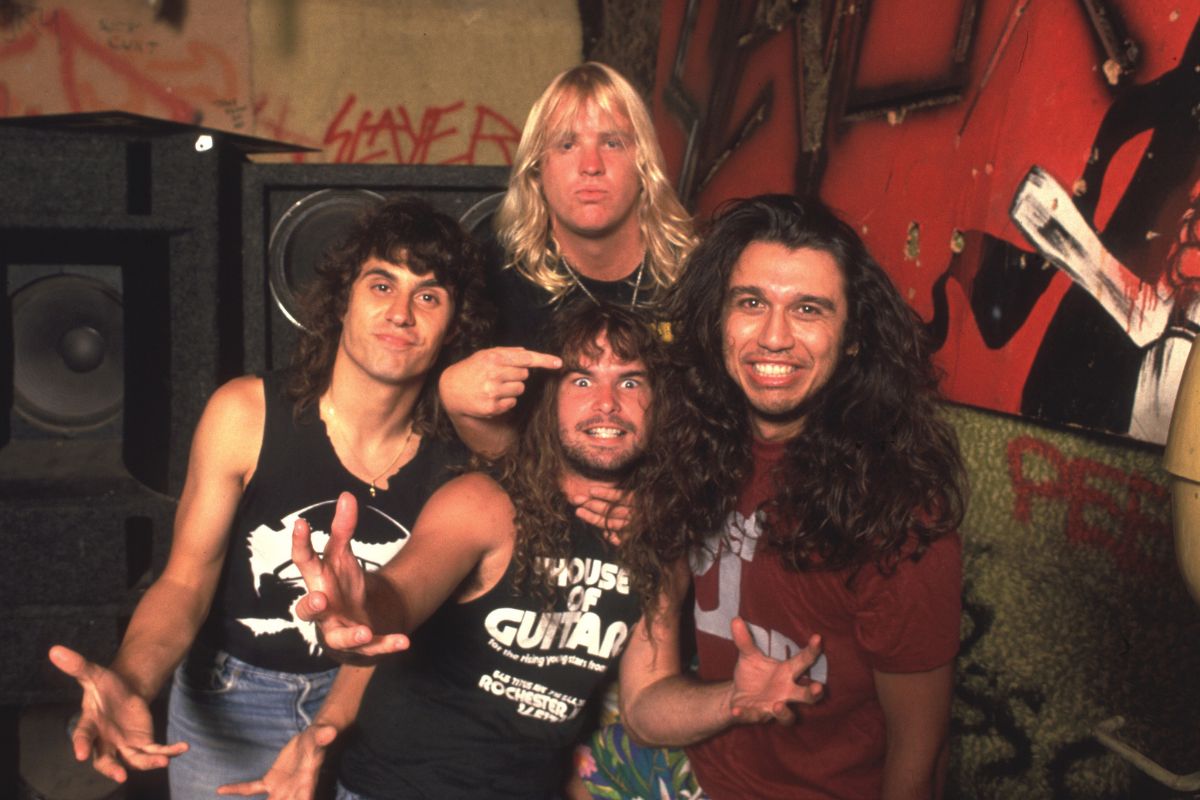
Twenty-nine minutes of thrash metal perfection, during which Slyer moved away from comic-book Satanism to real-world horrors, though they probably wished they hadn’t. The album opens with the controversial ‘Angel of Death’, which dealt with the Nazi war crimes of Josef Mengele. That the song was descriptive rather than an endorsement or overt condemnation seemed to confuse many critics and the band were dogged by accusations of Nazi sympathies for the rest of their career.
The song’s writer, guitarist Jeff Hannemann, later remarked that ‘there’s nothing I put in the lyrics that says necessarily he was a bad man, because to me – well, isn't that obvious? I shouldn't have to tell you that.’ All of which has tended to overshadow the rest of arguably the greatest thrash metal album ever recorded, which ends with the genuinely unsettling ‘Raining Blood’, whose drum beat intro reliably sent audiences wild.
2. Iron Maiden – The Number of the Beast (1982)
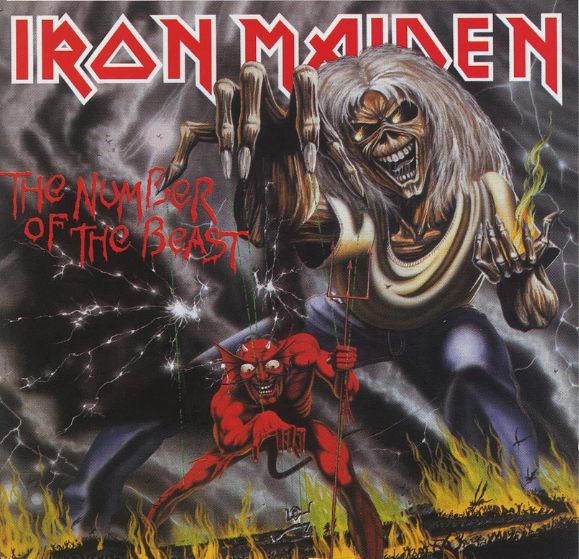
The 1978-81 Paul Di’Anno-era Maiden has its fans but they are, sadly, wrong. There’s a reason why Maiden’s career really took off with the arrival of Bruce Dickinson – and it’s contained within the grooves of this breakthrough 1982 album. Di’Anno’s barrow-boy persona was replaced by the Air Raid Siren himself and the result came to define metal for decades.
Of course, it helped that Steve Harris upped his songwriting game accordingly, with the great title track, hit single ‘Run to the Hills’, and the magnificent ‘Hallowed Be Thy Name’ remaining live favourites to this day.
And the greatest heavy metal album of all time is…
1. Black Sabbath – Black Sabbath (1970)
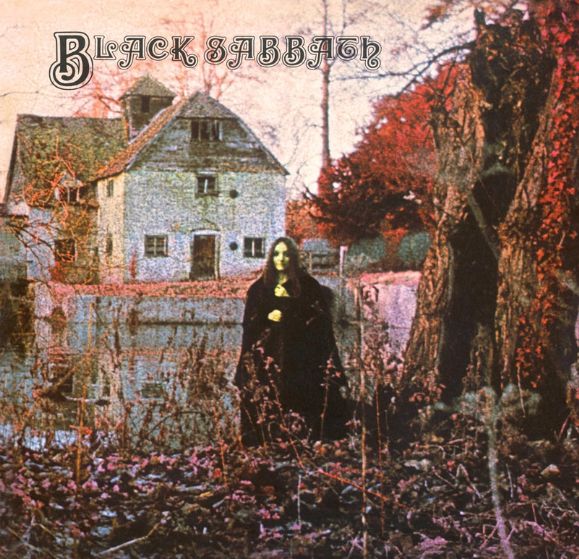
Yeah, you might cite Blue Cheer, Dave Davies’s guitar on ‘You Really Got Me’, or even Led Zeppelin’s first album, but this is the moment that heavy metal as a genre was actually born. The rain, the thunder, the tolling of the bell, those massive power chords, Ozzy’s distinctive wail . . . ‘Black Sabbath’, the opening track on the Black Sabbath album by – you guessed it – Black Sabbath, laid down the template for everything that was to follow over the next half-century-plus of metal.
Back in 1970, contemporary critics didn’t know what to make of this, but crank it up today and it still sounds awesome. Incredibly, the whole thing was all recorded in one day on a budget of 15p, or thereabouts.
Artist pics: Getty Images


