It had been a long and gruelling tour and, by the end of August 1966, The Beatles had had enough.
Since their formative years, which by this point spanned back almost a decade, they had been performing endlessly, and had amassed an estimated 2,000 hours on stage. The 33 minutes they spent on a cold San Francisco stage on 29 August 1966 were the last they would ever spend together in front of a paying audience.
The North American tour that had begun 18 days earlier was merely the final leg of a round of touring that had begun on 24 June with a series of shows in West Germany – including one in Hamburg, where they had met up with people they’d known from their pre-fame days when they had regularly played all-night session night in nightclubs. From West Germany they flew to London to take a flight to Tokyo.
In Japan, controversy greeted them, with protests about their booking to play at Tokyo’s Budokan, a martial arts arena. Opening the sacred site to what some saw as a negative influence on Japan’s youth and culture proved too much for many hardline Japanese nationalists, who threatened to disrupt proceedings. In the end, an estimated 35,000 police were deployed to protect the group.
From Japan, they flew to Manila, where they were due to play two concerts at a football stadium. At the airport, the four Beatles were ushered by armed guards into cars, separated from their manager and road crew, and taken against their will to the luxury yacht of a wealthy businessman. Eventually they were able to free themselves, and made it to their hotel, where more controversy awaited them on the morning of their concerts.
Having issued an invite to The Beatles to come to a reception at their palace, President Marcos and his wife seemingly refused to accept that they had turned it down, and took very public offence when The Beatles failed to show. Live TV pictures showed children crying as The Beatles didn’t arrive.
The next morning, their security had been removed, while the newspapers were fronted with stories condemning the group for snubbing the President and First Lady. Hundreds turned out at the airport to vent their displeasure, and The Beatles and their entourage feared for their lives before eventually making a terrifying exit from the country.
After landing back in London, when asked what was next on their agenda, George Harrison replied portentously, "We’re going to have a couple of weeks to recuperate before we go and get beaten up by the Americans."
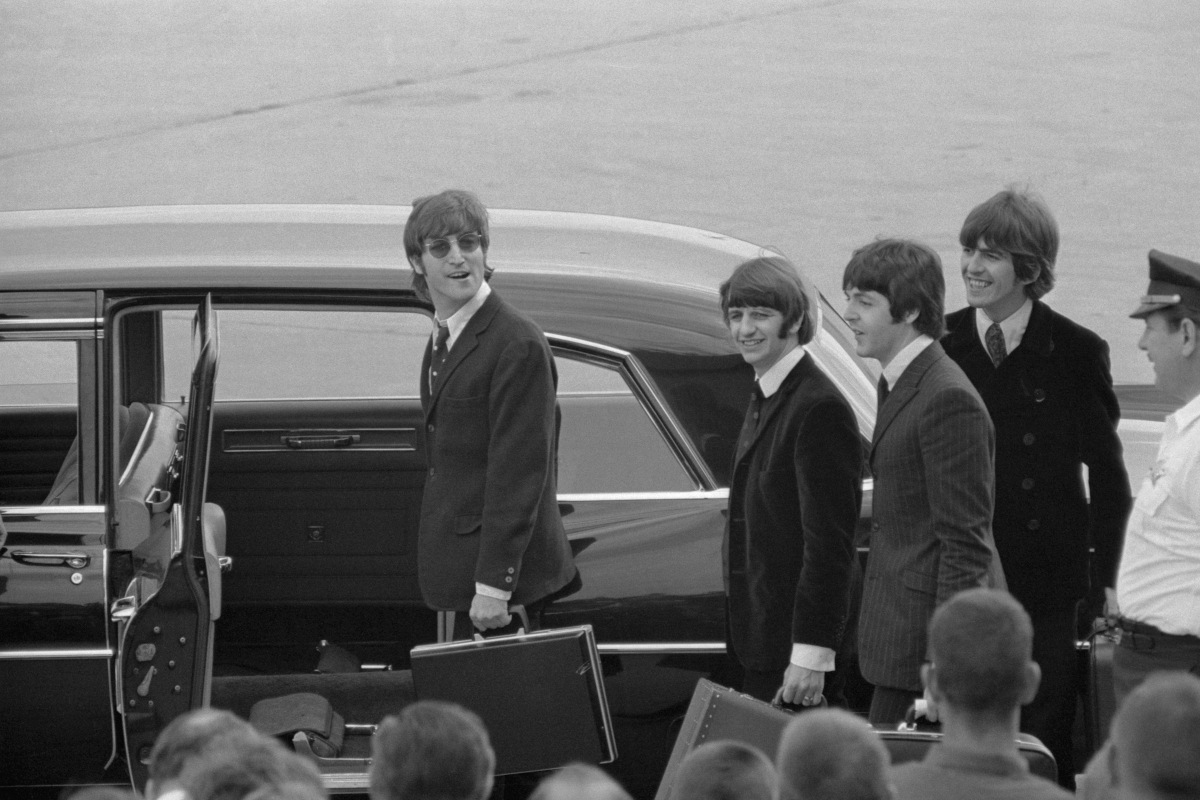
As it turned out, he wasn’t far off the truth. Just days before they were due to leave for the US, an interview John Lennon had given to the British journalist Maureen Cleave months earlier had created a storm Stateside, as teen magazine Dateline published an excerpt in which it was alleged that Lennon had blasphemed: "Christianity will go," he said.
"It will vanish and shrink. I needn’t argue about that; I’m right and I will be proved right. We’re more popular than Jesus now; I don’t know which will go first – rock ‘n’ roll or Christianity."
‘Beatle burnings’ were arranged in the South, with fans being urged to bring their Beatles records and merchandise to a bonfire where it could be set alight.
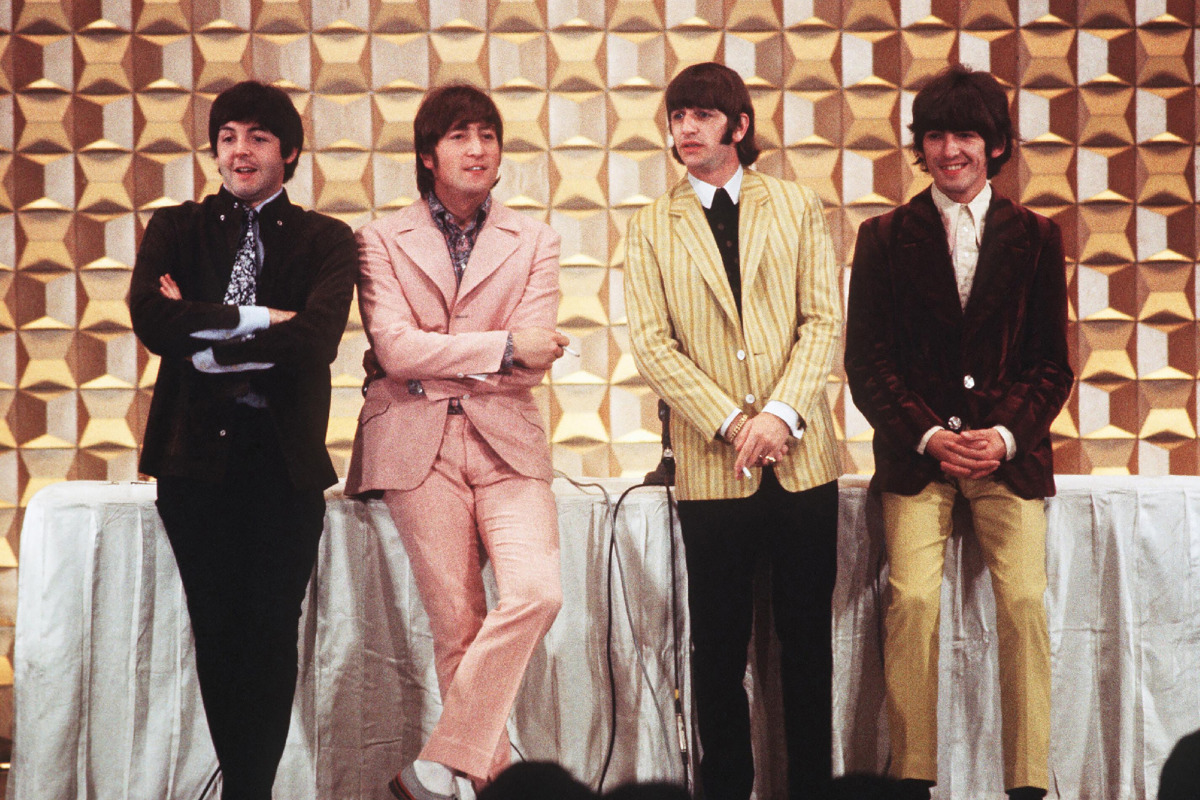
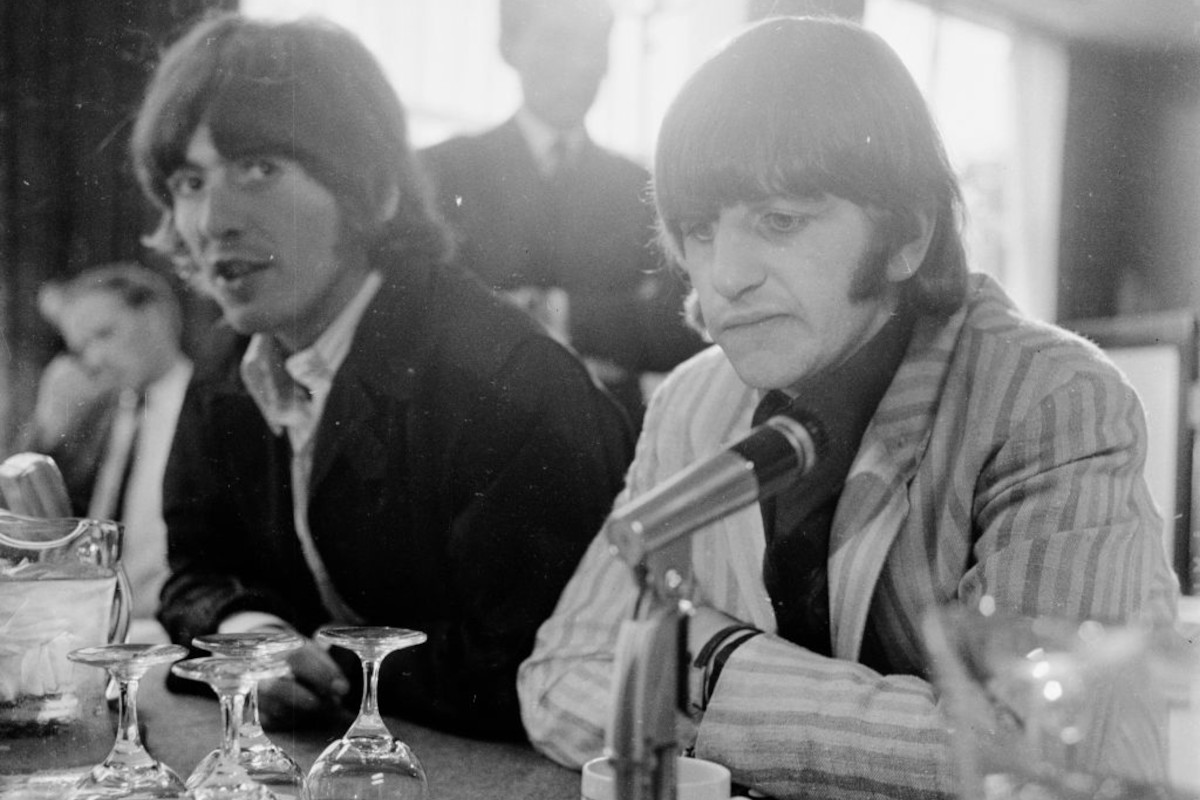
It was into this climate that they landed at Chicago on 11 August 1966. At a press conference held at the Astor Tower Hotel, they faced what seemed like the entire United States press corps, demanding explanations (although ironically then not listening to them), while they stoked the fury over the alleged blasphemy.
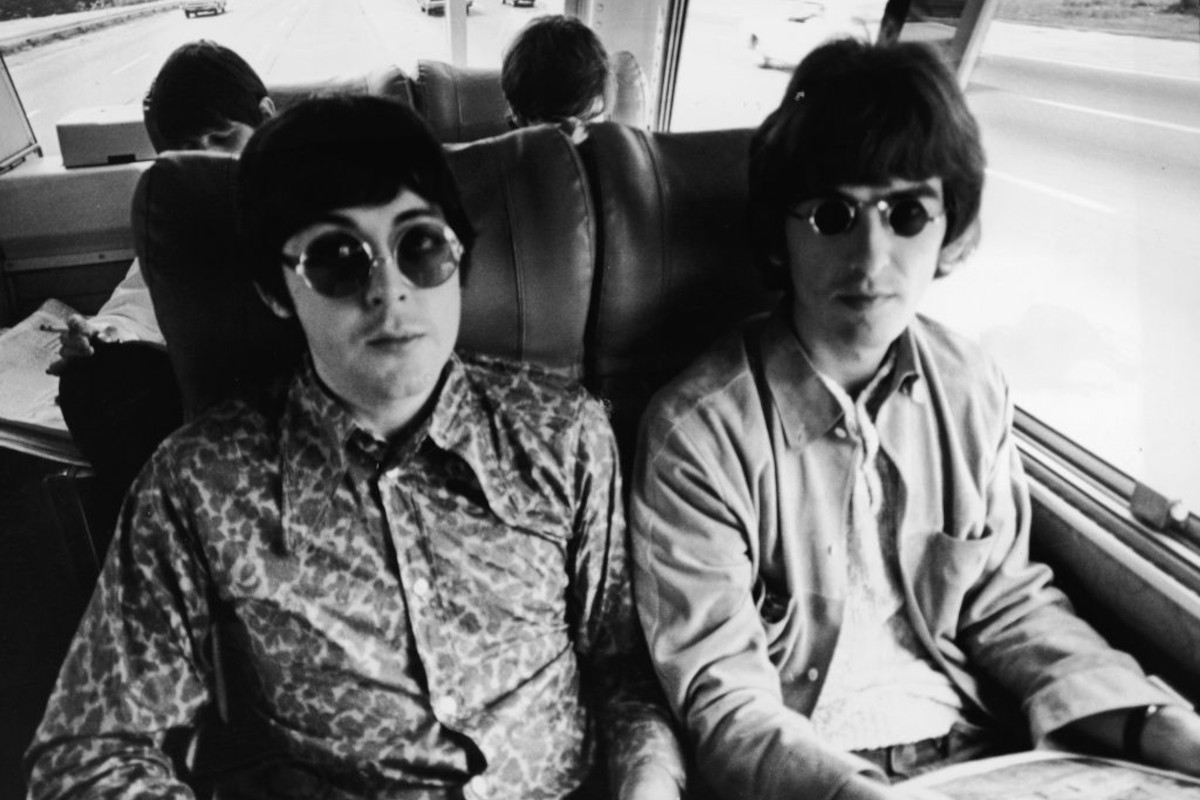
In Memphis on 19 August, the local chapter of the Ku Klux Klan threatened to take action and the group took to the stage scared of being shot (Ringo Starr angled his cymbals to offer some extra protection). Lennon later said of that night, "Somebody let off a firecracker onstage and every one of us looked at each other, because each thought it was the other that had been shot. It was that bad."
John and George in particular had been complaining of what they described as the misery of touring for some time, but now Ringo and even Paul agreed that this was one merry-go-round they were ready to get off.
Without making it an official announcement, they all knew that the final show of the tour was to be their last concert in front of a paying audience.
Candlestick Park was the home of San Francisco Giants baseball team, and, as MC for the night ‘Emperor’ Gene Nelson recalled, it was a long way from a hot summer’s evening: "As any Giants fans will know, Candlestick Park in August, at night, was cold, foggy and windy. The funniest thing this night was one of the warm-up acts, Bobby Hebb.
"He stood up on the stage at Candlestick Park, with the fog, and the wind blowing, and he was singing ‘Sunny’! It was tough anyway to work a ballpark as an MC, especially as The Beatles were taking their time to get out. I was trying to entertain a crowd that was shouting, 'Beatles, Beatles, Beatles'."
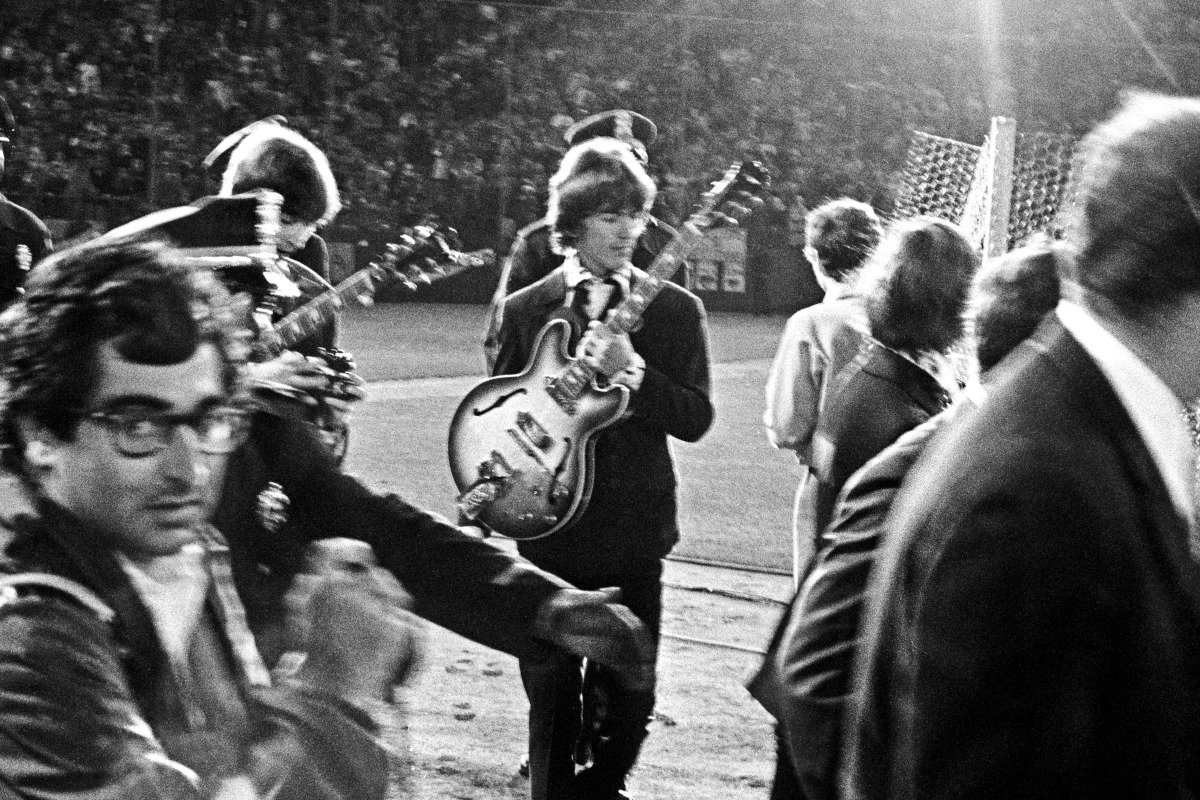
Nelson remembered the dressing room scene beforehand was chaotic: "There were loads of people there. The press tried to get passes for their kids and the singer Joan Baez was in there. Any local celebrity, who was in town, was in the dressing room. They were having a party in there. They were having a perfectly wonderful time, while I was freezing my buns off on second base!"
But compared with previous tours, ticket sales hadn’t gone well. The vast park had a capacity of 42,500, but sales had stalled at 25,000. Tickets were priced at $4.50 to $6.50, and the group’s fee was around $90,000. This, along with other expenses, plus payments to the city of San Francisco, meant that the promoter lost money on the event.
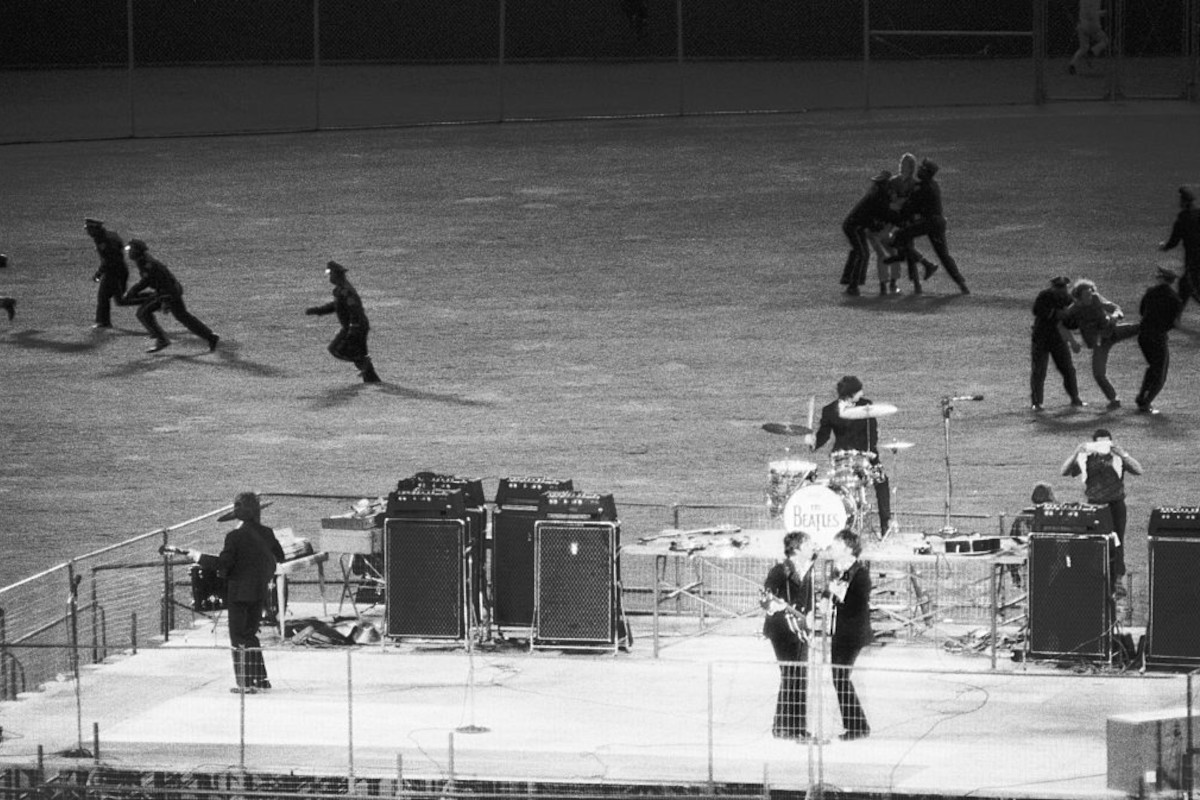
But 25,000 is still a lot of fans, and their customary screaming burst through the chilly night as the Fab Four found their way to the stage for the final time.
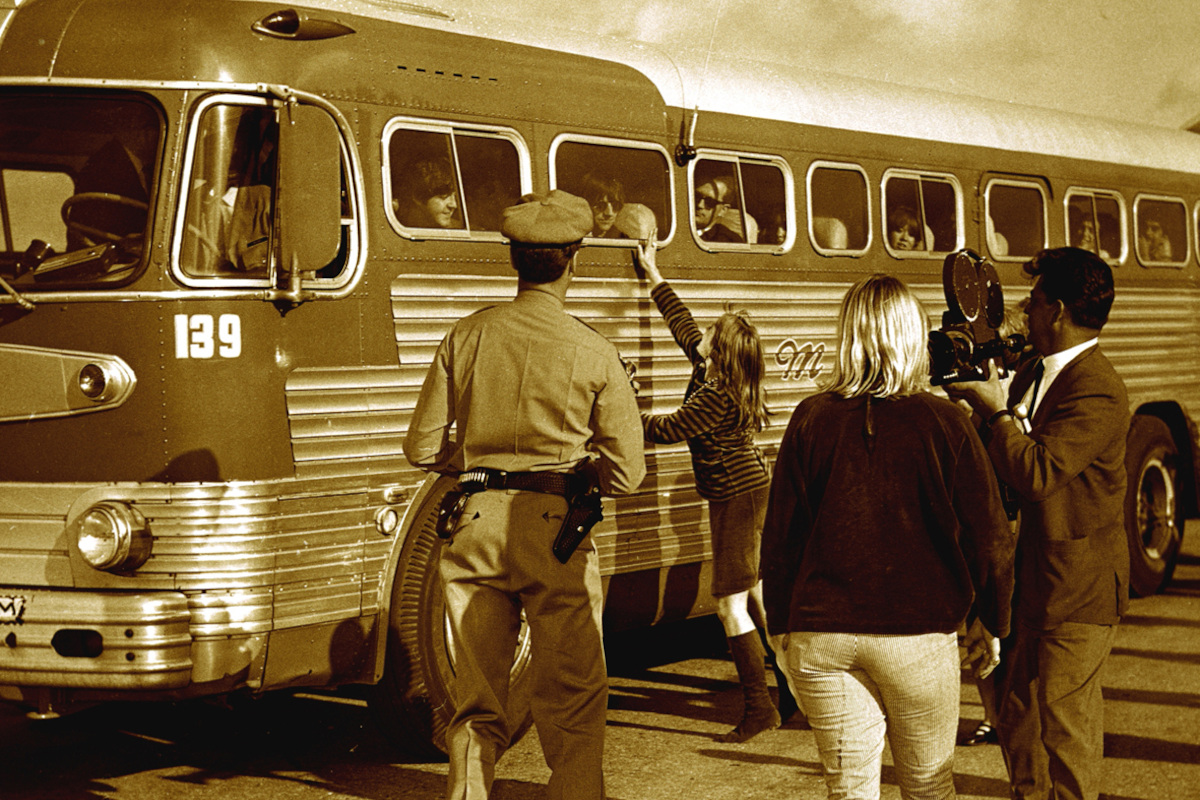
Before they took to the stage, Paul asked press officer and long-standing Beatles aide Tony Barrow to make a tape recording of the show for prosperity.
"There was a sort of end of term spirit thing going on," Barrow remembered, "and there was also this kind of feeling amongst all of us around The Beatles that this might just be the last concert that they will ever do.
"I remember Paul, casually, at the very last minute, saying, 'Have you got your cassette recorder with you?' and I said, 'Yes, of course.' Paul then said, 'Tape it will you? Tape the show,' which I did, literally just holding the microphone up in the middle of the field. As a personal souvenir of the occasion, it was a very nice thing to have."
Nancy Guida was a 13-year-old fan at the time, and many years later, she told Billboard how exciting that moment still felt. "To this day, there is nothing like hearing, 'Ladies and gentlemen, The Beatles.' I mean you can’t even put in words what it felt like. The energy, I have never felt that at any other concert."
From the stage on second base, The Beatles were protected by around 200 police officers, as they tore through a 33-minute set that was topped and tailed by covers – Chuck Berry’s ‘Rock’n’Roll Music’ to open and Little Richard’s ‘Long Tall Sally’ to close, both songs the group had been playing since the very earliest days. More recent additions included ‘Paperback Writer’, ‘Day Tripper’, and ‘Nowhere Man’.
As the only people who knew the significance of the performance, The Beatles had taken cameras on stage with them.
"Before one of the last numbers, we actually set up this camera, I think it had a fisheye, a wide-angle lens," George Harrison recalled. "We set it up on the amplifier and Ringo came off the drums, and we stood with our backs to the audience and posed for a photograph, because we knew that was the last show."
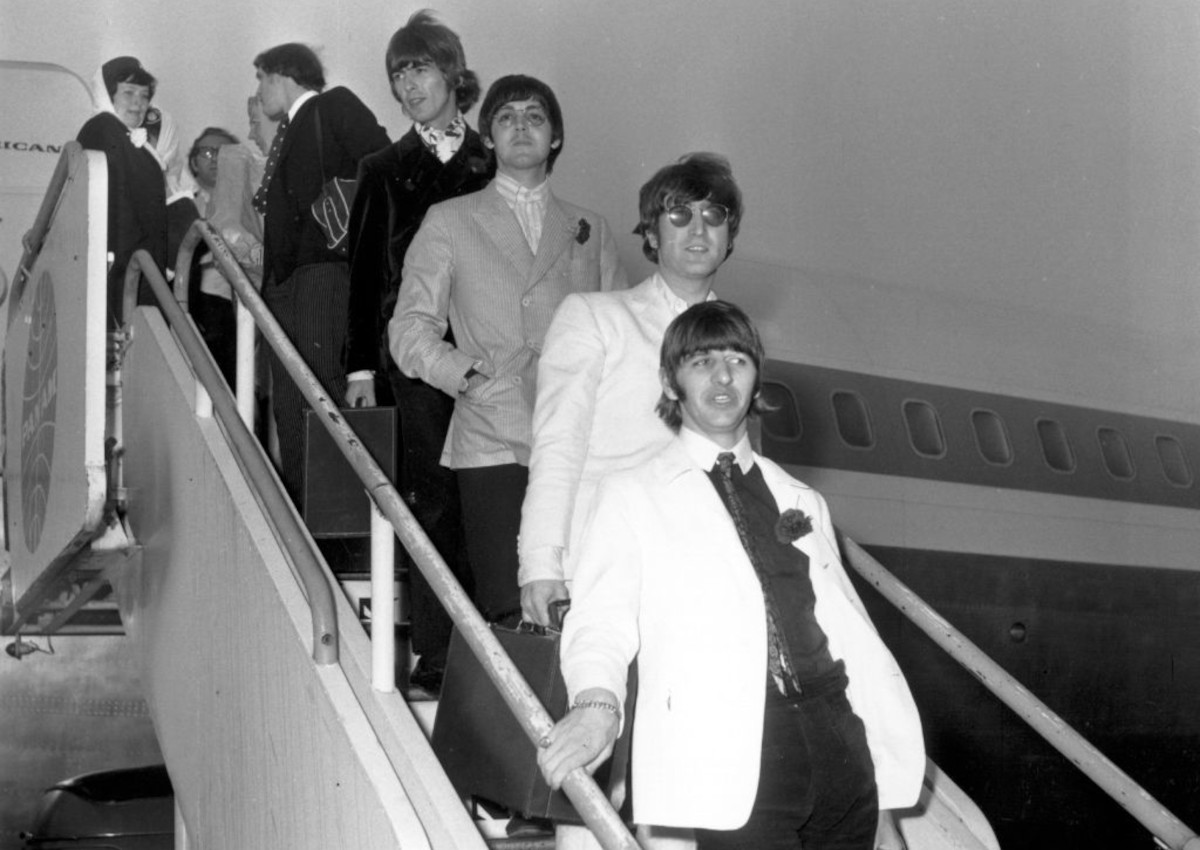
And as the final notes faded, they were unceremoniously loaded into an armoured van and sped from the arena, Barrow clutching the all-important recording: "At San Francisco airport, as our plane prepared to take off, Paul’s head came over the top of my seat from the row behind: 'Did you get anything on tape?' I passed the cassette recorder back to him: 'I got the lot, except that the tape ran out in the middle of ‘Long Tall Sally’.'
"He asked if I had left the machine running between numbers to get all the announcements and the boys’ ad lib remarks. I said: 'It’s all there from the guitar feedback before the first number.' Paul was clearly chuffed to have such a unique souvenir of what would prove to be an historic evening – the farewell stage show from the Fab Four."
All photos Getty Images
Top image The Beatles speak at a press conference prior to their show at Candlestick Park, August 29 1966