
The 1970s was the golden age of the album – a decade when musicians embraced the LP not just as a collection of songs, but as a canvas for vision, storytelling, and sonic experimentation.
This was the era of Rumours, Dark Side of the Moon, Exile on Main St., and What’s Going On: towering works that defined genres and generations. But for every platinum-selling blockbuster, there were dozens of albums that slipped through the cracks: bold, beautiful, and boundary-pushing records that never quite found their audience at the time.
Some were too strange, too subtle, or simply poorly marketed. Others were victims of timing, label politics, or personal chaos. Yet over time, many of these 'lost' albums have resurfaced – whispered about by collectors, championed by younger artists, and finally embraced by the broader listening public. These are records that didn’t top charts, but continue to haunt, dazzle, and inspire.
The list that follows shines a light on 11 such overlooked gems. Each is a creative triumph in its own right – from baroque folk to cosmic soul to avant-garde prog rock – and all deserve a fresh listen. Sometimes the best albums are the ones you haven’t heard yet.
15 underrated 1970s classics
1. Van Der Graaf Generator
Pawn Hearts (1971)
Dense, theatrical, and apocalyptic prog that rivals the best of King Crimson or Genesis. Van der Graaf Generator’s Pawn Hearts is a boundary-pushing prog masterpiece: dark, chaotic, and utterly uncompromising. Unlike the symphonic polish of contemporaries, it embraces dissonance, existential dread, and Peter Hammill’s anguished vocals. Pawn Hearts remains a singular, cult-defining outlier in 1970s progressive rock.
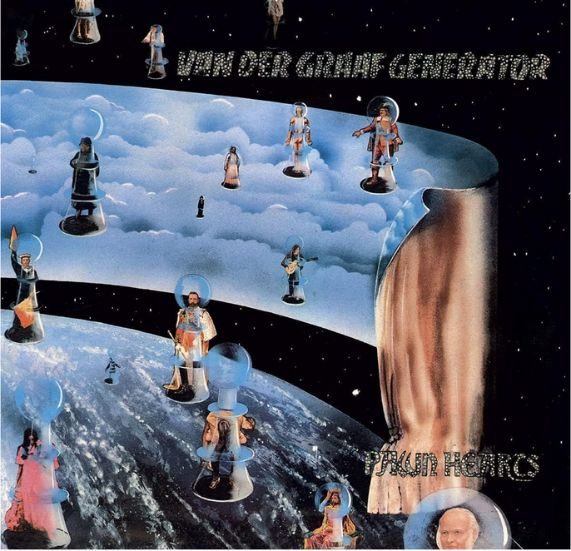
Key track: A Plague of Lighthouse Keepers. A sprawling, 23-minute fever dream of shifting moods and sonic experimentation.
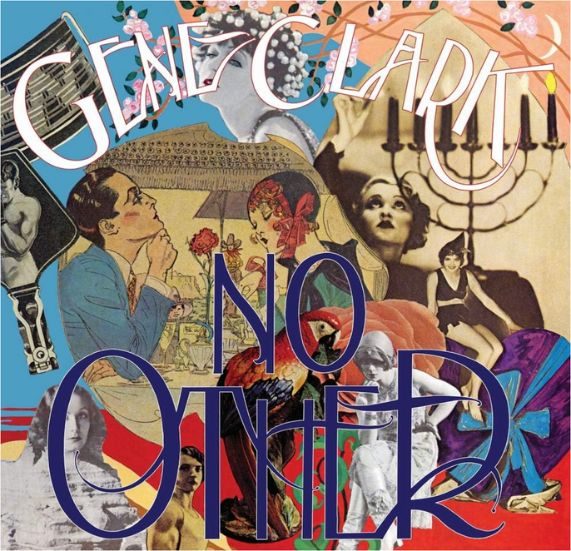
2. Gene Clark No Other (1974)
Gene Clark’s No Other stands as a quintessential example of cosmic country, blending folk, rock, and psychedelic textures into a sprawling, atmospheric masterpiece. Initially overlooked, No Other has since been celebrated for its rich, cinematic soundscapes and deeply emotional songwriting. Clark’s poetic lyrics and lush arrangements create a mystical, otherworldly vibe that captures the era’s experimental spirit, making No Other one of the 1970s’ great sleeper classics and a landmark in the cosmic country genre.
Key track: Silver Raven. Weaves haunting melodies with ethereal, cosmic country vibes, creating a strangely mesmerizing, otherworldly atmosphere.
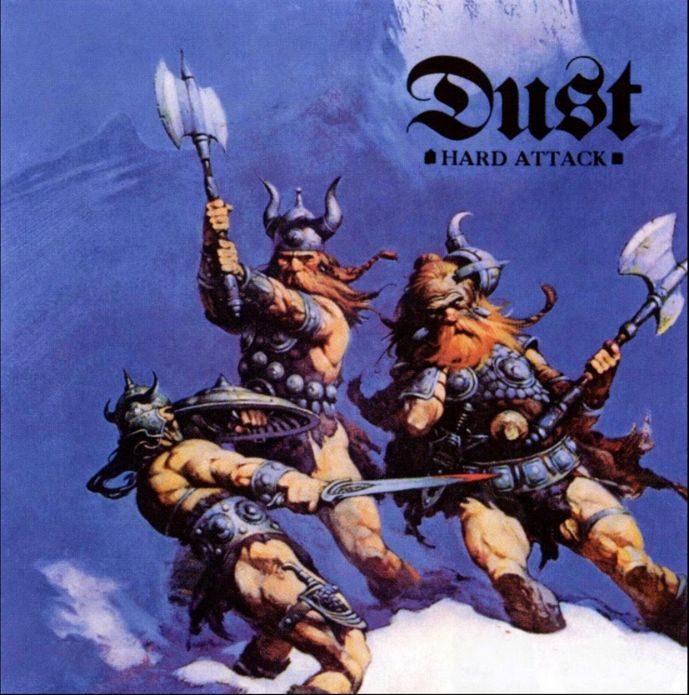
3. Dust – Hard Attack (1972)
Before Marky Ramone became a punk icon, he was the teenage powerhouse behind Dust, a Brooklyn trio that played with startling maturity. Hard Attack is a sophisticated bridge between the psychedelic blues of the late 60s and the burgeoning heavy metal sound. It balances thundering, proto-metal riffs with unexpected acoustic textures and complex arrangements, proving these kids were more than just loud. It remains a definitive, hidden treasure for fans of technical 70s hard rock.
Key track: Learning to Die
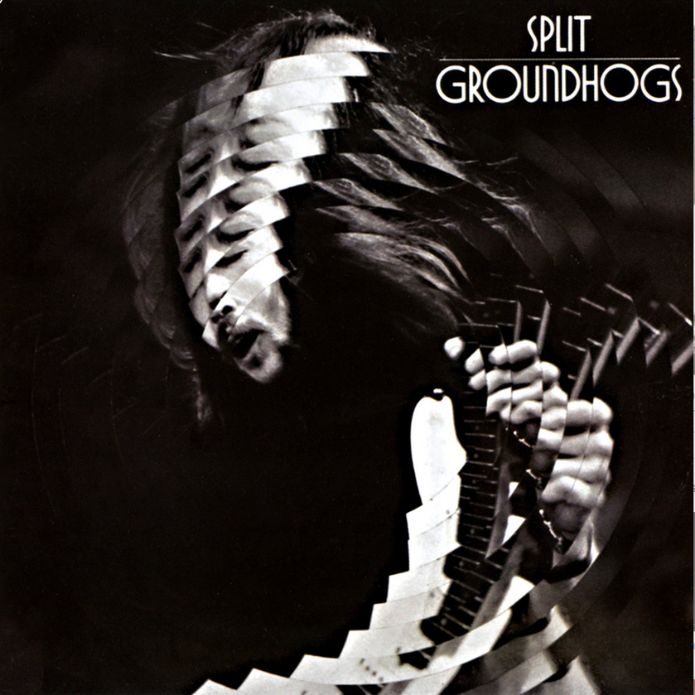
4. Groundhogs – Split (1971)
On Split, Tony McPhee took the British blues-rock template and fractured it into something jagged, progressive, and deeply psychological. A concept album inspired by a panic attack, the record is defined by McPhee’s innovative, frantic guitar work and unconventional song structures. It sounds less like a standard power trio and more like a fever dream, cementing the Groundhogs as the gritty, thinking man’s alternative to the era's stadium-filling blues acts.
Key track: Cherry Red
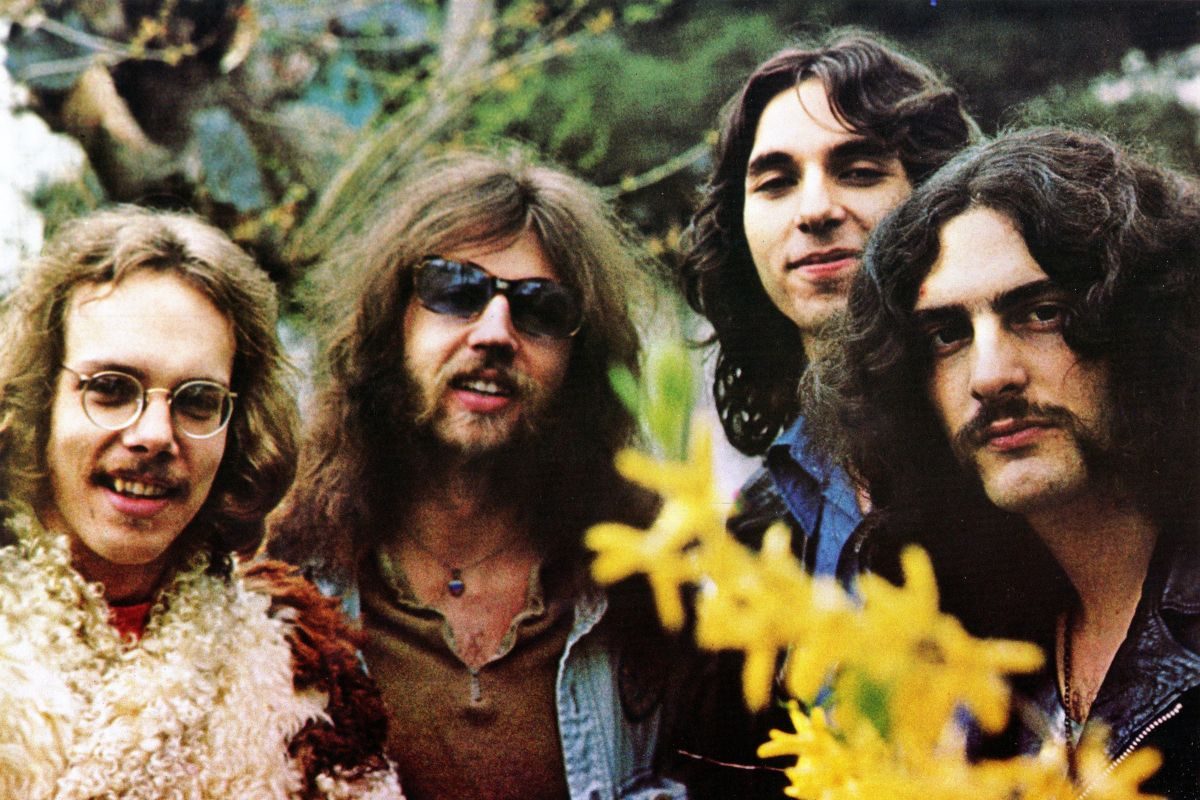
5. Cactus – Cactus (1970)
Often dubbed 'the American Led Zeppelin', Cactus delivered a brand of heavy blues-rock that was leaner and meaner than their British counterparts. Featuring the legendary rhythm section of Carmine Appice and Tim Bogert, their debut is a masterclass in high-velocity aggression and rhythmic power. It’s unpolished, loud, and uncompromising—a foundational document for the boogie-rock and proto-metal sounds that would dominate the decade’s harder edges.
Key track: Parchman Farm
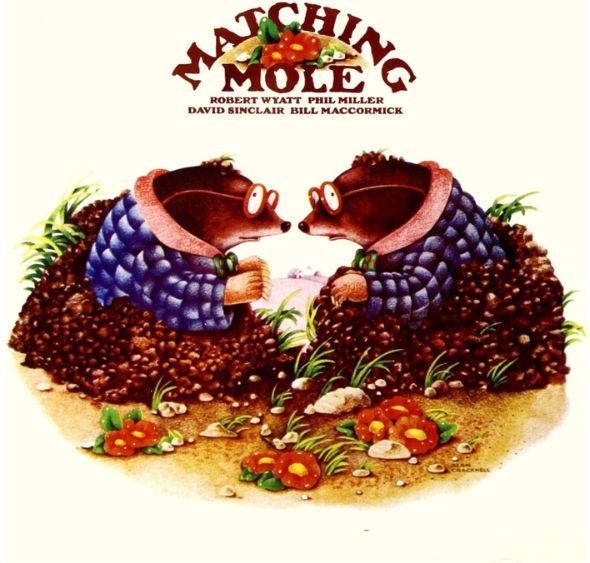
6. Matching Mole – Matching Mole (1972)
A cornerstone of the early '70s, jazz-prog Canterbury Scene, Robert Wyatt’s first post-Soft Machine project is a whimsical yet melancholic blend of jazz-fusion and eccentric art-pop. It balances avant-garde experimentation with deeply human emotion, moving seamlessly from Mellotron-drenched ballads to complex, fuzzy instrumental improvisations. It is intellectually demanding yet accessible, capturing a specific brand of English bohemianism that feels both fragile and musically fearless.
Key track: O Caroline

7. Judee Sill Heart Food (1973)
The second album from the enigmatic and emotive singer-songwriter Judee Sill is a luminous fusion of baroque pop, folk, and spiritual yearning. Richly orchestrated and lyrically profound, it blends celestial harmonies with deeply personal reflections. Overshadowed in its time, the album reveals a singular voice whose ambitious vision and melodic sophistication place it among the most quietly revolutionary records of the 1970s.
Key track: The Kiss. A hauntingly beautiful ballad that exemplifies Heart Food’s spiritual intensity and compositional elegance. With its sweeping orchestration and quietly transcendent lyrics, it’s Judee Sill at her most sublime, melding folk, classical, and sacred music into something wholly her own.
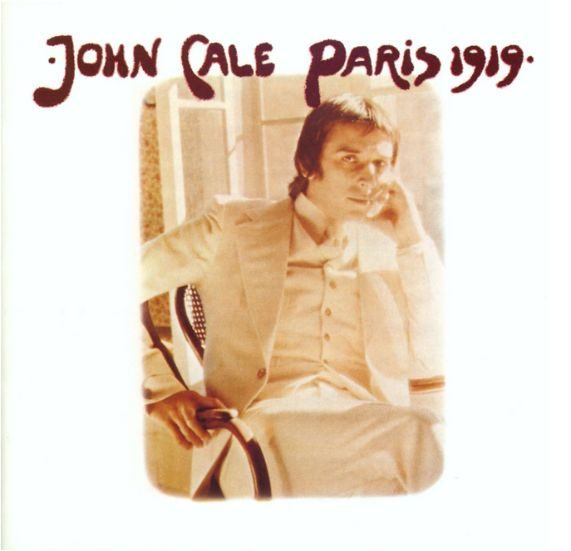
8. John Cale Paris 1919 (1973)
John Cale’s Paris 1919 is a lush, literate outlier in his discography, eschewing Cale's usual avant-garde tastes for baroque pop elegance. With poetic, often cryptic lyrics and refined orchestration, it reveals Cale’s romantic, melodic side. Understated but deeply affecting, it’s a masterclass in restraint and atmosphere, and one of the 1970s’ most quietly brilliant singer-songwriter records.
Key track: Andalucia
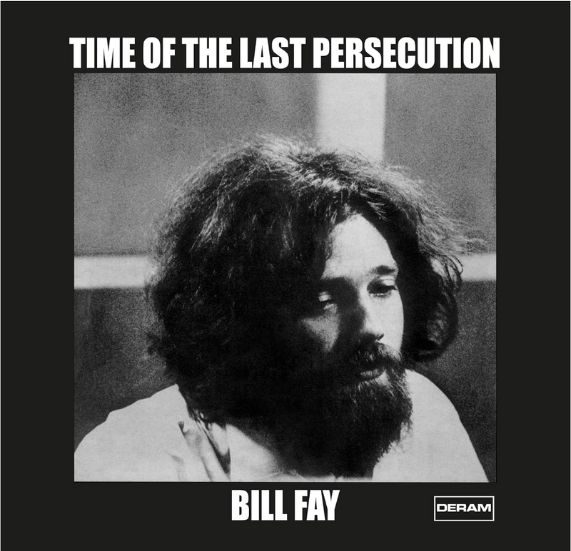
9. Bill Fay Time of the Last Persecution (1971)
Inspired by the Book of Revelation, Bill Fay’s Time of the Last Persecution is a brooding, apocalyptic masterpiece that blends folk, gospel, and psych-rock into a raw, visionary whole. Released in 1971 to little fanfare, it channels biblical imagery and existential dread with startling intensity. Fay’s cracked vocals and stark lyricism anticipate later outsider artists. Long overlooked, it’s now rightly revered as a cult classic of outsider British songwriting.
Key track: Omega Day
10. Shuggie Otis Inspiration Information (1974)
Shuggie Otis’s Inspiration Information is a visionary blend of psychedelic soul, funk, jazz, and early electronic textures that was years ahead of its time. Released in 1974 to little fanfare, it later became a cult classic, admired for its dreamy atmospheres, sophisticated grooves, and Otis’s one-man-band production. Its seamless fusion of genres prefigured neo-soul and lo-fi pop, influencing artists from Prince to D’Angelo.
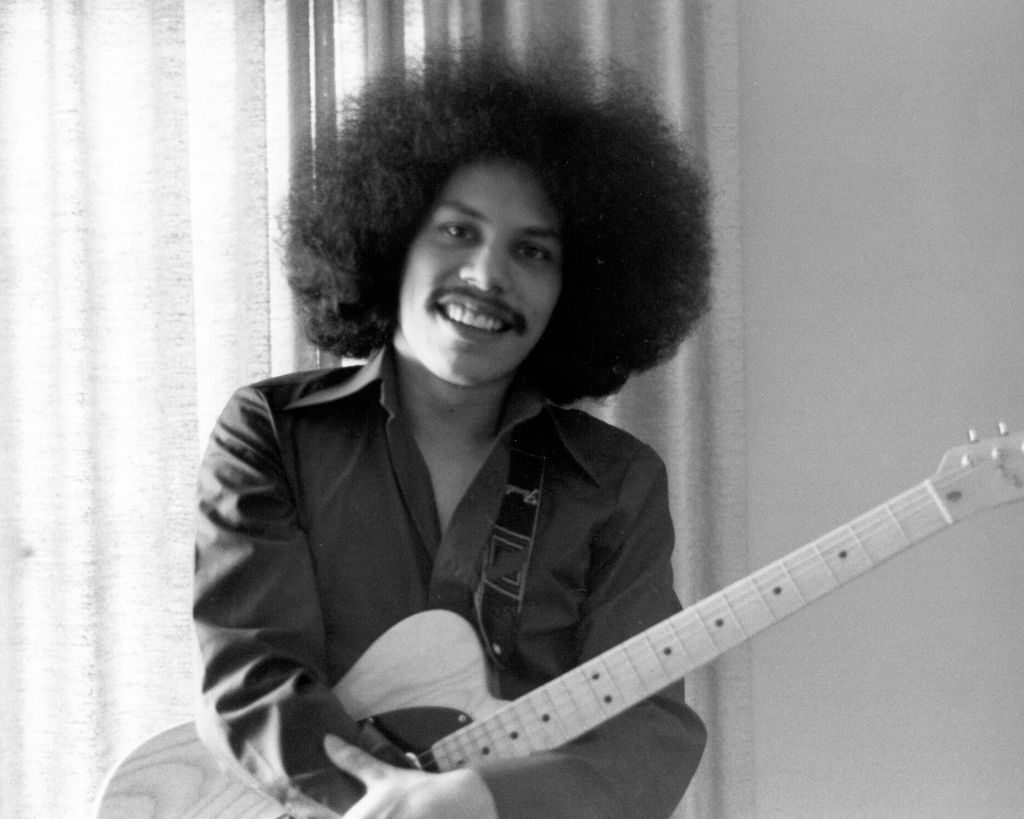
Key track: Strawberry Letter 23. A lush, shimmering love song wrapped in psychedelic textures and gentle funk. Dreamy production, infectious melody, and rich sonic layering. A soulful, ethereal gem.
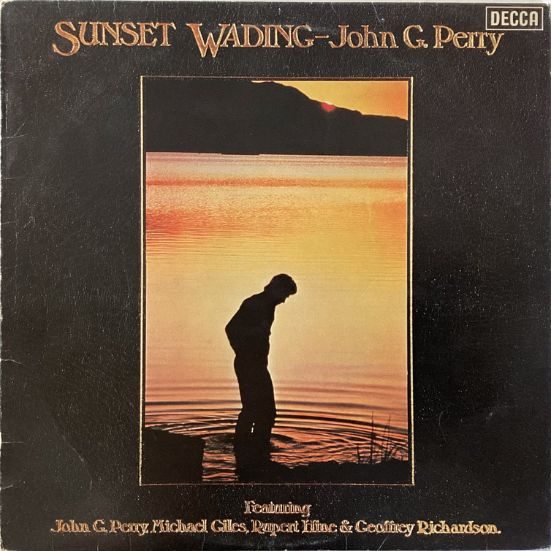
11. John G. Perry Sunset Wading (1976)
Almost the definition of a sleeper classic, John G. Perry’s Sunset Wading is a beautifully unique fusion of progressive rock, folk, and jazz elements, creating an atmospheric and introspective soundscape. It tells the tale, lovingly and in real time, of a sunset in the English Lake District, and is full of found sounds - birdsong, a passing farmer's greeting. Gentle yet wild, an immersive and seductive experience.
Key track: Devoke Water
12. Kevin Ayers Whatevershebringswesing (1971)
A cornerstone of British psychedelic and progressive pop, the third solo album from former Soft Machine singer/bassist Kevin Ayers blends whimsy, melancholy, and eccentricity with striking musical invention. Featuring contributions from Robert Wyatt and Mike Oldfield, the album veers from surreal ballads to pastoral dreamscapes. Its emotional depth and melodic brilliance have earned cult admiration. An idiosyncratic gem that perfectly captures the woozy introspection of early ’70s underground rock.
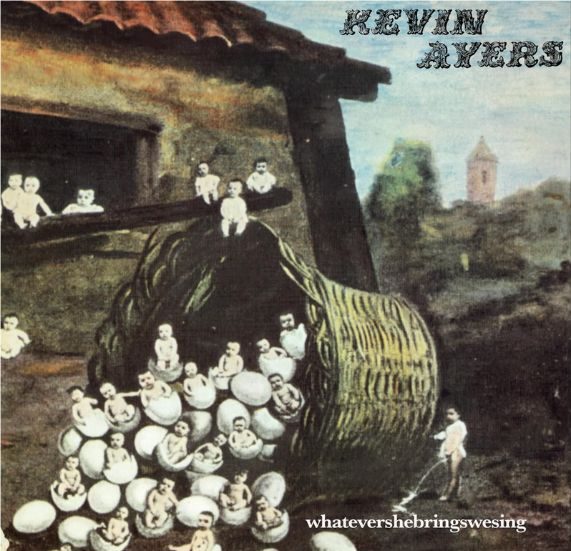
Key track: Song from the Bottom of a Well. This dark, swirling track contrasts sharply with the album’s lighter moments. A psychedelic descent into the subconscious, equal parts theatrical, unsettling, and hypnotic.
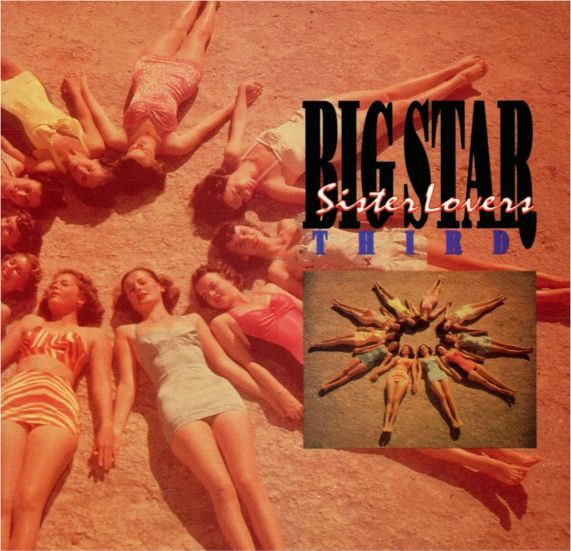
13. Big Star Third/Sister Lovers (1978)
The third album from Memphis power-poppers Big Star (one of rock's great 'what-if' bands) is a haunting masterpiece of emotional collapse and artistic brilliance. Recorded in chaos and largely shelved on release, its raw vulnerability, fractured beauty, and off-kilter orchestration were ahead of their time. A cult favourite today, it bridges power pop and alternative rock, influencing artists from R.E.M. to Elliott Smith.
Key track: Kanga Roo
14. Linda Perhacs Parallelograms (1970)
Linda Perhacs was a dental hygienist in Topanga Canyon, who wrote songs in her spare time. Her debut Parallelograms is a haunting, kaleidoscopic gem of psychedelic folk, blending celestial harmonies, field recordings, and spiritual introspection. Initially overlooked, it vanished into obscurity – until a 1990s reissue sparked renewed admiration from new generations of listeners and artists. Its rediscovery confirmed Perhacs as a visionary voice whose delicate, nature-infused sound world felt decades ahead of its time – an essential document of outsider artistry and cosmic folk innovation.
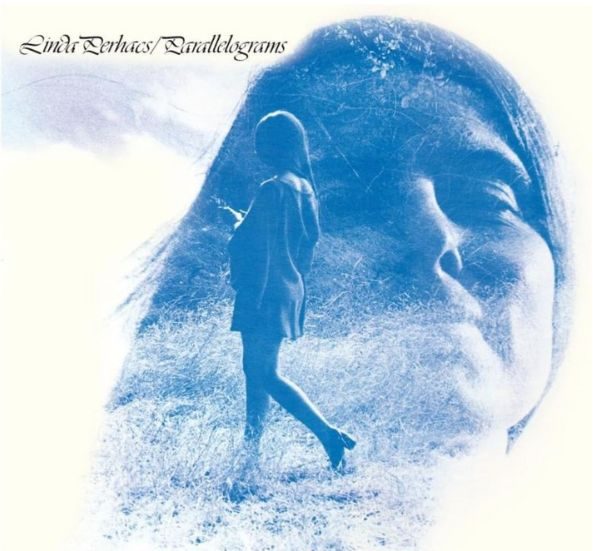
Key track: Parallelograms. Dreamlike and disorienting, an otherworldly blend of vocal layering, acoustic guitar, and tape manipulation.
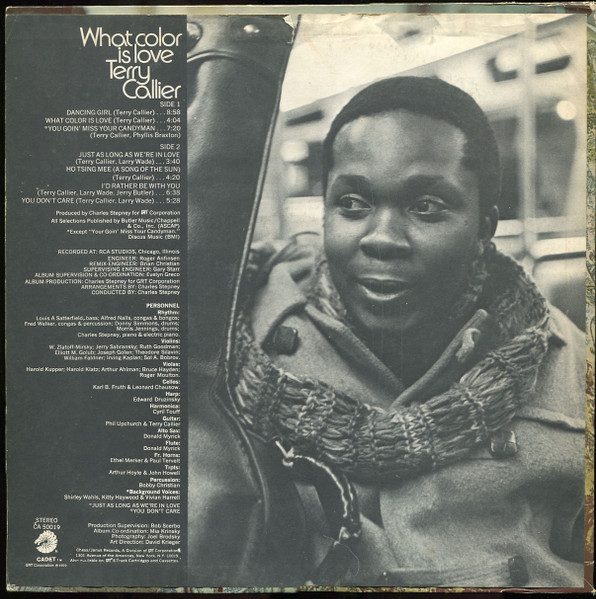
15. Terry Callier What Color Is Love (1972)
Terry Callier’s What Color Is Love blends soul, folk, jazz, and orchestral arrangements into something uniquely rich and deeply emotional. Released in 1972, it was largely overlooked at the time but has since gained cult status for its genre-defying sound and poetic depth. Its spiritual warmth and intricate instrumentation influenced generations of soul, hip-hop, and neo-folk artists, making it a quietly monumental, underrated classic of the 1970s.
Key track: Dancing Girl. This mesmerizing, nine-minute opener showcases Callier’s soulful vocals, sweeping string arrangements, and jazz-folk fusion. It's haunting, cinematic, and utterly singular.


