
The 1970s produced some of the biggest names in music history, from Led Zeppelin and Pink Floyd to Fleetwood Mac and the Eagles.
Yet for every stadium-filling superstar, there were dozens of equally fascinating artists who never received the recognition their talent warranted.
Some were simply ahead of their time. Others suffered from bad luck, poor management, shifting fashions or the misfortune of being overshadowed by more famous contemporaries.
A few names on this list will already be familiar to seasoned listeners; others are genuine hidden treasures. What unites all 23 is that their influence, originality or sheer musical quality has been consistently under-represented in the story of 1970s music.
These artists pioneered power-pop, proto-punk, and sophisticated art-rock, leaving behind discographies that remain remarkably fresh today. Revisiting these criminally underrated acts isn't just a nostalgia trip; it’s an essential excavation of the DNA that built modern alternative music.
Great, underrated 1970s bands
1. Flamin' Groovies
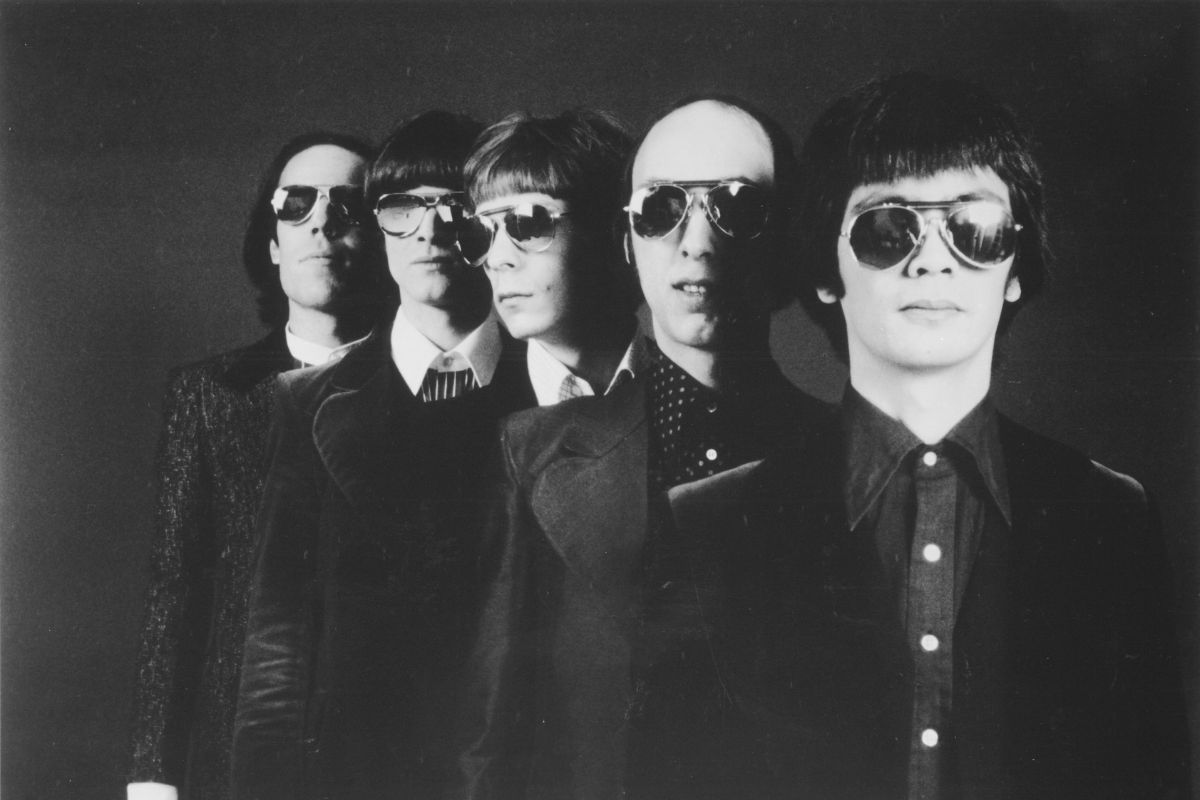
The Flamin' Groovies were a band out of time. In the early seventies, while everyone else was getting 'heavy' or 'progressive', the Groovies were obsessing over 1960s British Invasion melodies and Chuck Berry riffs. Their 1976 album, Shake Some Action, contains perhaps the greatest "lost" power-pop anthem of all time in its title track. They were a bridge between the raw energy of the sixties and the sharp, punchy aesthetics of the punk era, yet they never quite found the commercial foothold their infectious melodies deserved.
2. Crack the Sky
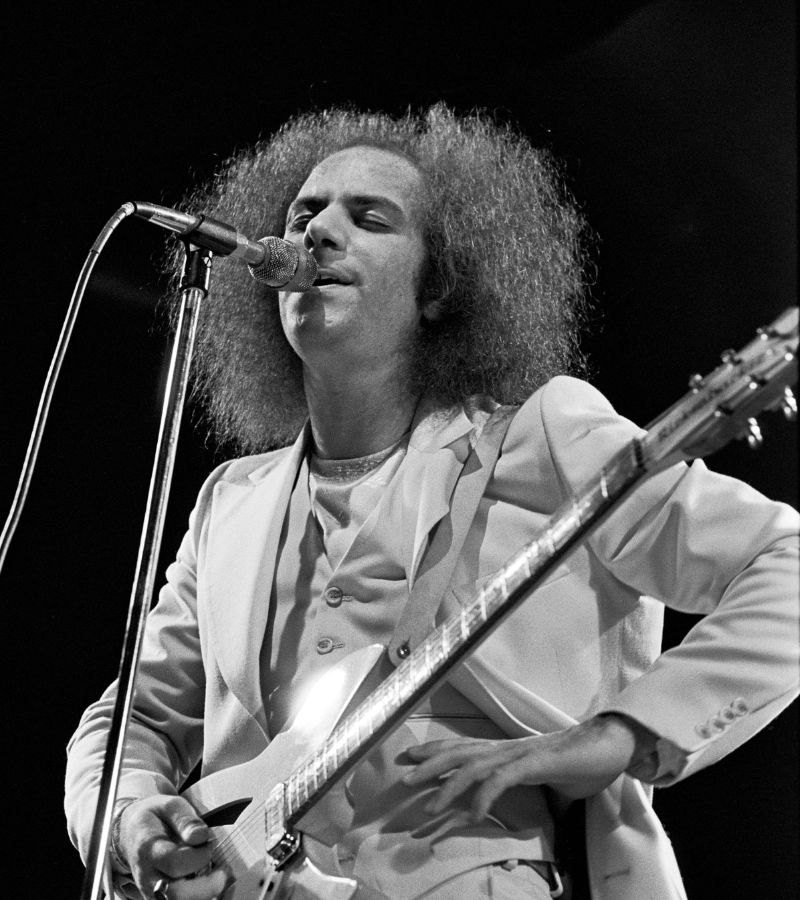
Baltimore's Crack the Sky combined razor-sharp musicianship with sardonic wit and a gift for memorable hooks. Their self-titled debut was hailed by critics and became a cult favourite among musicians, yet commercial success remained elusive. The band could move effortlessly from progressive rock complexity to radio-friendly melodies without sounding compromised.
Frontman John Palumbo's intelligent, often cynical lyrics gave their music an edge lacking in many mid-1970s American rock acts. The debut remains one of the era's great hidden gems: ambitious, funny, melodic and consistently surprising.
Key album: Crack the Sky (1975)
3. The Rockets
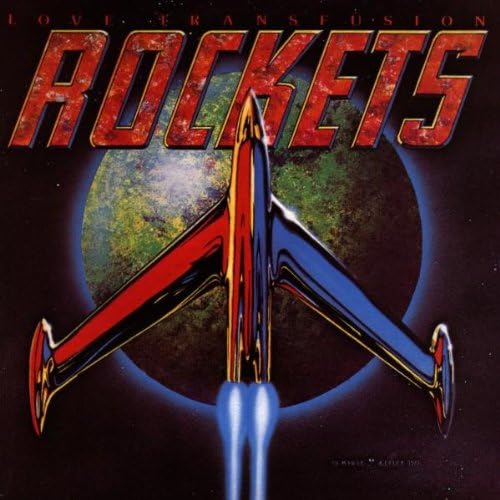
Formed in Detroit by former members of Mitch Ryder's Detroit and Cactus, Rockets delivered polished, melodic hard rock that deserved a much larger audience. Guitarist Jim McCarty's playing is consistently superb, blending blues power with a more expansive, atmospheric sensibility.
While many American arena-rock bands of the period relied on brute force, The Rockets balanced heaviness with strong songwriting and rich vocal harmonies. Love Transfusion is perhaps their finest statement, full of muscular riffs, memorable choruses and understated musicianship. They remain one of the great "why weren't they bigger?" stories of 1970s American rock.
Key album: Love Transfusion (1977)
4. Happy the Man
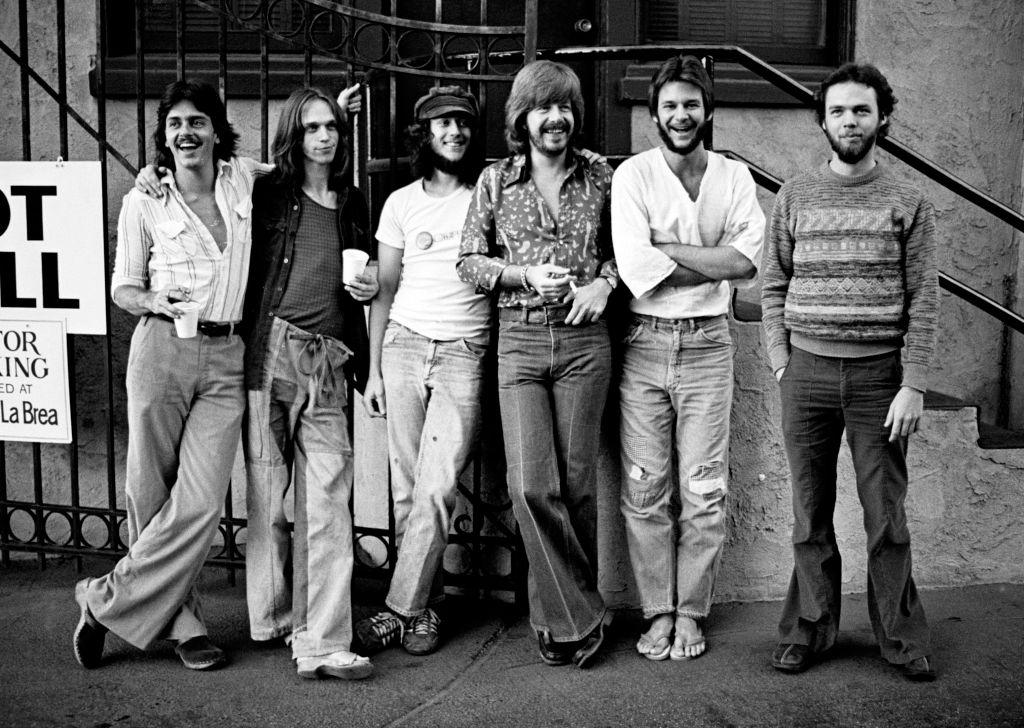
America produced surprisingly few truly great progressive rock bands, but Happy the Man were one of them. Unlike many British prog groups, they largely avoided fantasy epics and theatrical excess, favouring intricate instrumental interplay and jazz-inflected sophistication. Their music is full of graceful keyboard passages, shifting rhythms and beautifully constructed melodies.
Crafty Hands is arguably their masterpiece, showcasing astonishing technical skill without ever becoming sterile or self-indulgent. For listeners who enjoy the more pastoral side of Yes or the elegance of Camel, Happy the Man offer a rewarding alternative path through 1970s progressive rock.
Key album: Crafty Hands (1978)
5. Little Feat
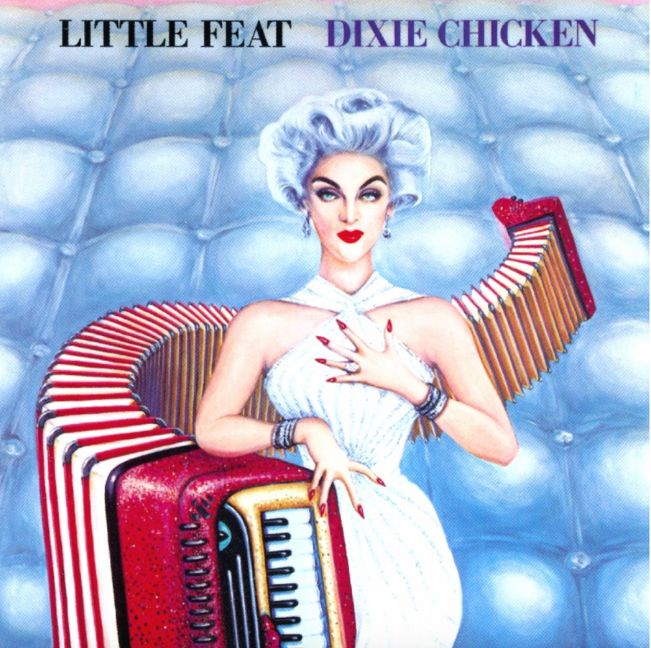
Few bands blended genres as effortlessly as Little Feat. Under the leadership of songwriter and guitarist Lowell George, they fused New Orleans funk, country, blues, R&B and California rock into a sound that was unmistakably their own.
Dixie Chicken remains their masterpiece: loose yet precise, laid-back yet endlessly inventive. George's songs are packed with oddball characters, dark humour and deep musicality, while the band's groove could be almost telepathic.
Admired by everyone from Jimmy Page to Robert Palmer, Little Feat never became superstars, but their influence has proved immense. Many bands have sounded rootsy; very few have sounded quite like Little Feat.
Key album: Dixie Chicken (1973)
- Dixie Chicken is one of the great Southern Rock albums
6. The Dwight Twilley Band
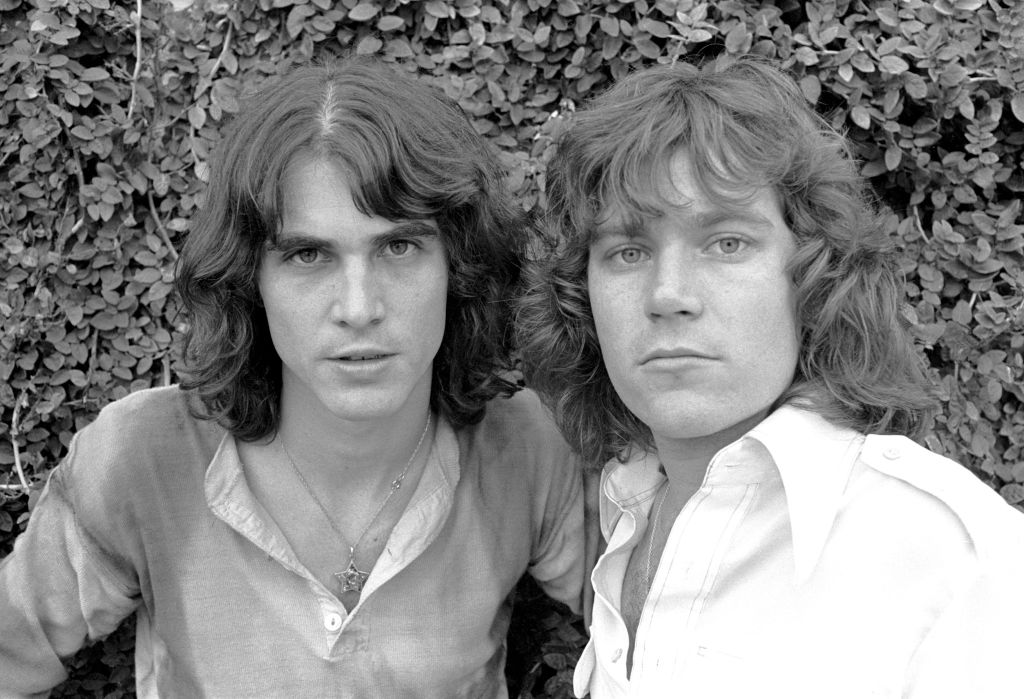
If power pop is your thing, few records are more lovable than The Dwight Twilley Band's 1976 masterpiece Sincerely. Twilley and Phil Seymour drew deeply from the Beatles, Buddy Holly and the British Invasion, creating songs that seemed destined for permanent radio rotation. Yet somehow commercial success never quite arrived.
The album sparkles with jangling guitars, soaring harmonies and effortless melodies, particularly on classics such as 'I'm on Fire'. While contemporaries like Big Star have gradually entered the canon, the Dwight Twilley Band remain comparatively overlooked. Their best work captures the pure joy of perfect three-minute pop songs.
Key album: Sincerely (1976)
7. Amon Düül II
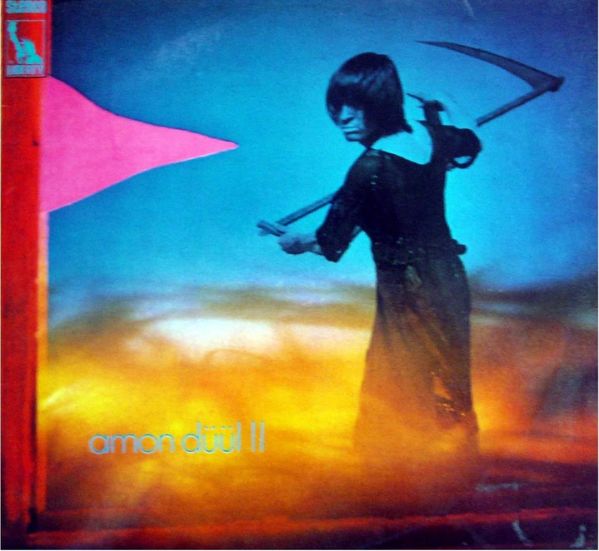
One of the defining groups of Germany's experimental rock movement, Amon Düül II combined psychedelic improvisation, folk influences and avant-garde ambition into a sound that was both chaotic and strangely beautiful. Emerging from a communal artistic collective in Munich, they embodied the era's spirit of radical experimentation.
1970's Yeti remains their landmark achievement: a sprawling double album that ranges from delicate acoustic passages to wild, free-form jams. Unlike some krautrock pioneers, Amon Düül II never entirely abandoned melody or atmosphere, which makes their most adventurous work surprisingly accessible.
Key album: Yeti (1970)
8. Death
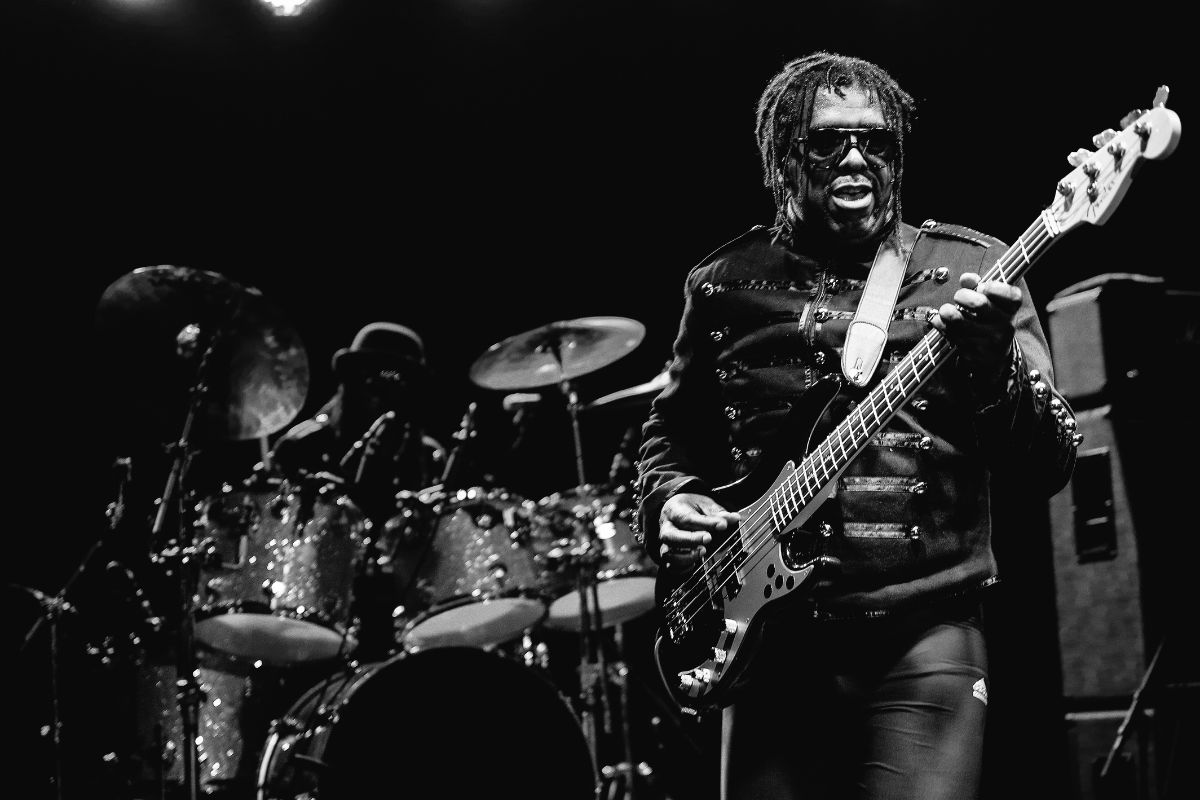
Long before punk exploded in New York or London, three brothers from Detroit were creating ferocious, stripped-down rock music under the name Death. Their refusal to change the band's provocative name reportedly cost them a record deal, and their recordings remained largely unheard for decades.
When finally released in the 2000s, they sounded astonishingly prescient. Fast, raw and fiercely independent, songs such as 'Politicians in My Eyes' possess an urgency that predates the Ramones and Sex Pistols. Death's story has become legendary, but the music fully justifies the mythology.
Key album: ...For the Whole World to See (recorded 1974-75)
9. Blue Öyster Cult
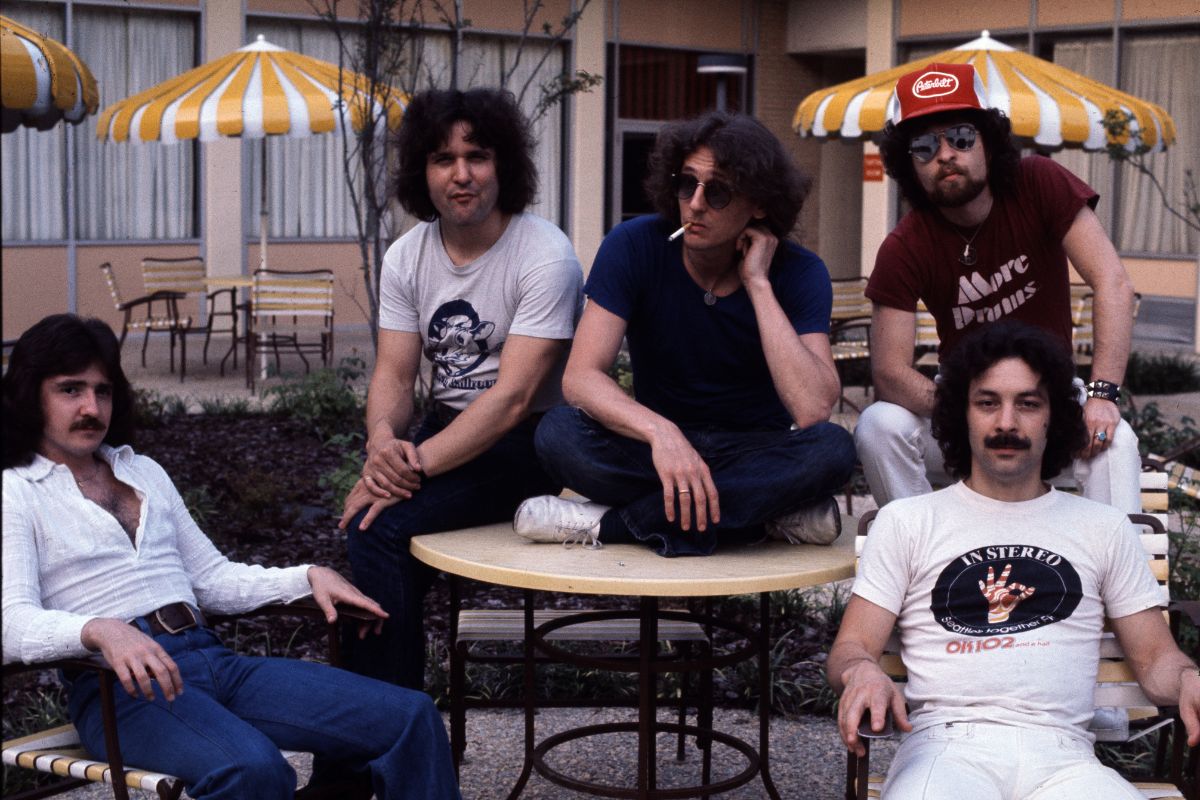
Often unfairly reduced to a 'cowbell' joke or their hits 'Don't Fear the Reaper' and 'Burnin' for You', Long Island's BÖC was actually one of the most cerebral and strange bands of the seventies. Their early "Black and White" trilogy of albums is a dense, occult-tinged journey through sci-fi imagery and biker-rock grit.
They were the thinking man’s heavy metal band, collaborating with rock critics and novelists to create a cryptic, 'secret history' of the world that remains one of the most unique legacies in hard rock.
Here's 'Flaming Telepaths' from 1974's Secret Treaties LP – one of the band's most haunting deep cuts. Featuring a menacing, stop-start main riff, eerie synth work, and some of their most brilliantly dystopian sci-fi lyrics, it’s a masterclass in atmosphere.
10. Graham Parker & The Rumour
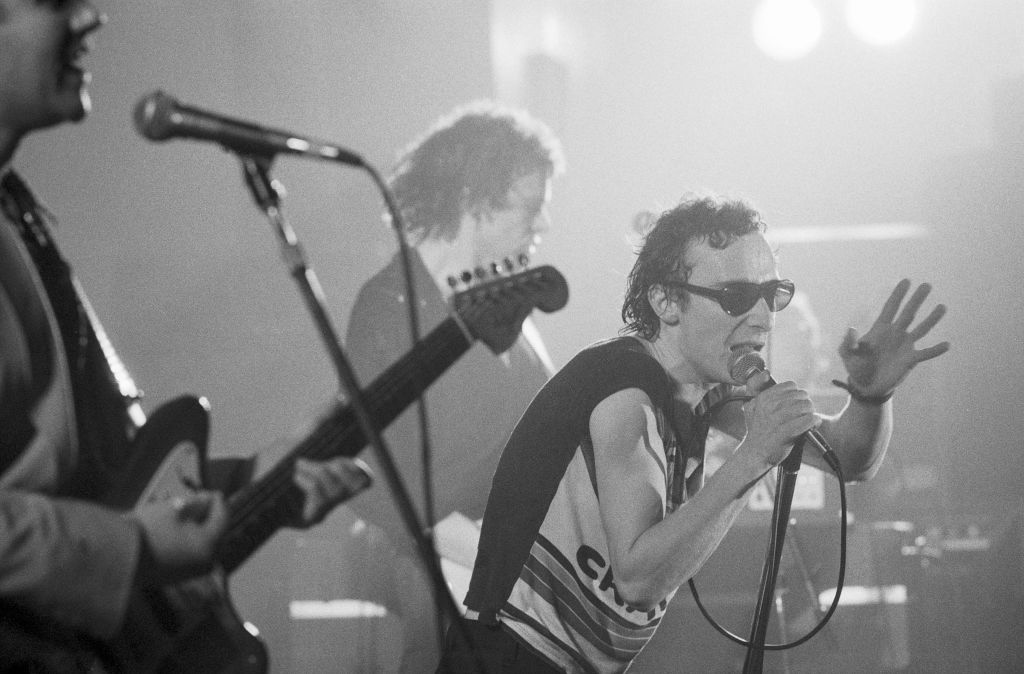
Before Elvis Costello and Joe Jackson became the faces of the "Angry Young Man" movement, there was Graham Parker. His soulful, rasping voice and biting lyrics were backed by The Rumour, one of the tightest and most energetic backing bands in history.
They combined the fire of punk with the rhythmic soul of Stax and Motown. Despite releasing classics like Squeezing Out Sparks, Parker never quite reached the superstar status of his peers, though his influence on "heartland" and "new wave" rock is undeniable.
11. The Raspberries
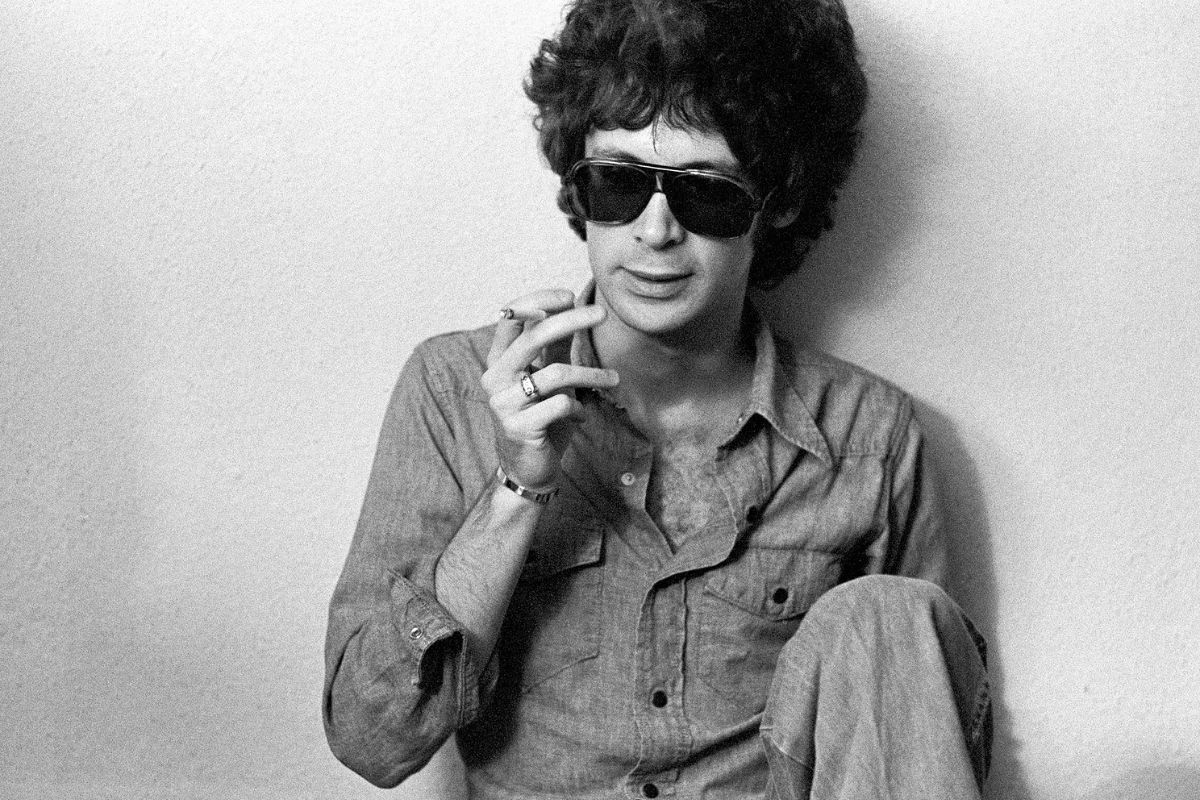
The Raspberries, led by Eric Carmen, were the kings of 1970s power-pop who were often dismissed by "serious" rock critics because of their matching suits and Beatles-inspired hair. This was a mistake.
They wrote some of the most visceral, high-octane pop songs of the era, such as "Go All the Way." Their music combined massive, Who-style power chords with beach-boys harmonies. They were a reminder that rock and roll was supposed to be loud, exciting, and fundamentally built on the 'three-minute' perfect single.
12. Hawkwind
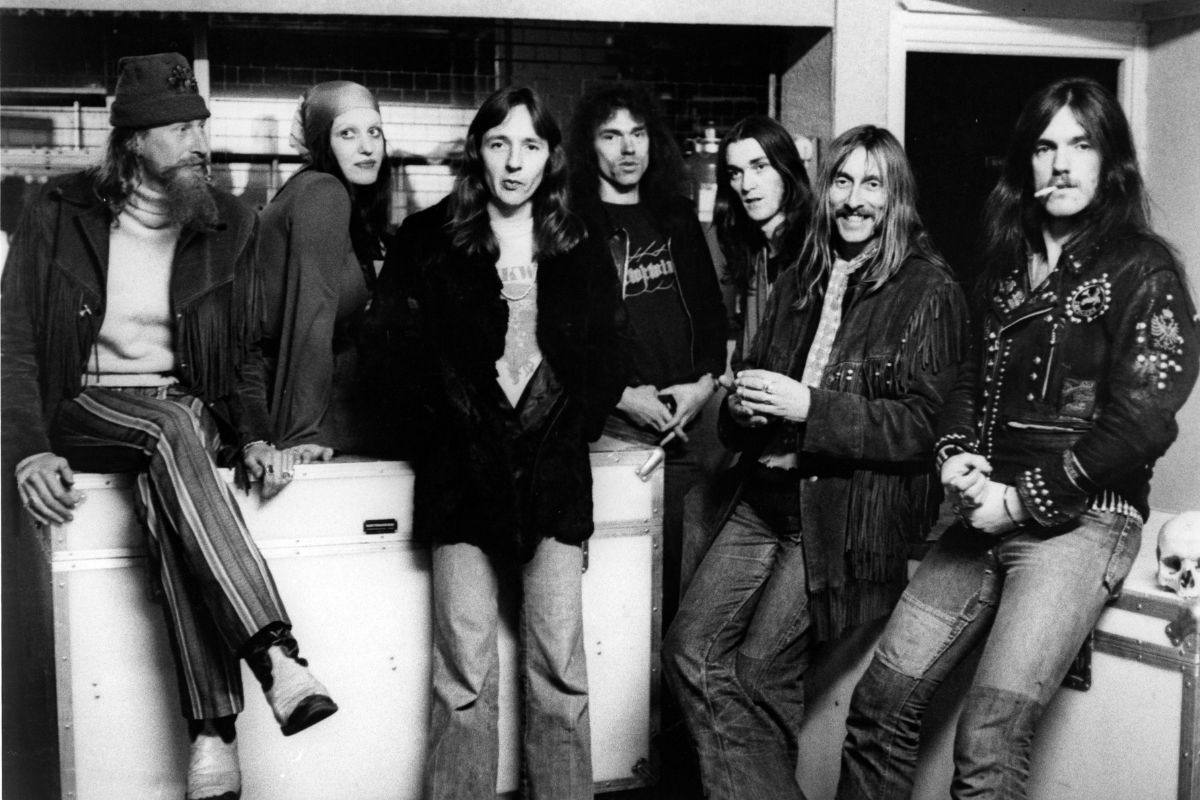
The pioneers of 'space rock', Hawkwind were a chaotic, psychedelic collective that provided a home for Lemmy Kilmister before he formed Motörhead. Their music was a hypnotic, relentless drone of electronic textures and heavy riffs, designed to transport the listener into deep space.
While they were a massive counterculture force in the UK, they were often too 'weird' for the mainstream. They were essentially the link between 60s psychedelia and the heavy, industrial sounds of the future.
13. Be-Bop Deluxe
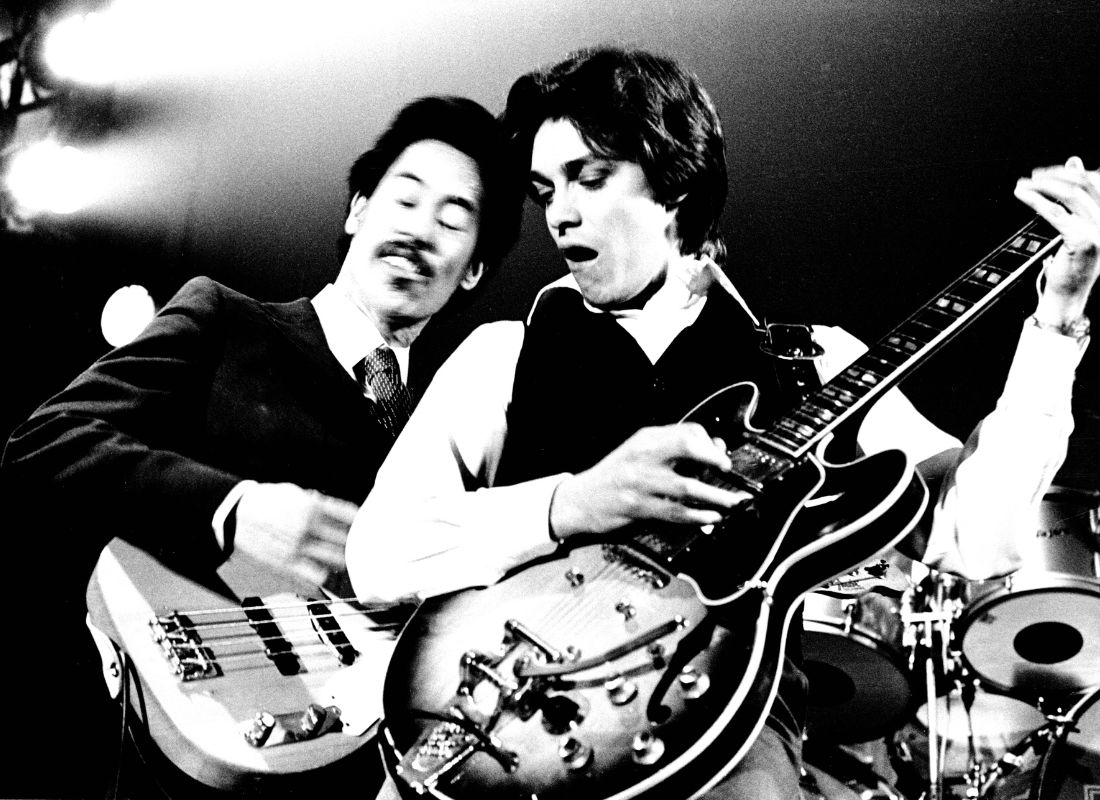
Led by the virtuoso guitarist Bill Nelson, Be-Bop Deluxe was a band that blended glam-rock theatricality with high-level musicianship and futuristic themes. Nelson was one of the most inventive guitarists of the decade, yet he eschewed traditional blues-rock clichés in favor of a sleek, 'modernist' sound.
Their albums, like Sunburst Finish, are treasures of art-rock that sound like a sophisticated bridge between David Bowie and the guitar-driven New Wave of the 1980s.
Key album: Sunburst Finish (1976)
14. Van der Graaf Generator
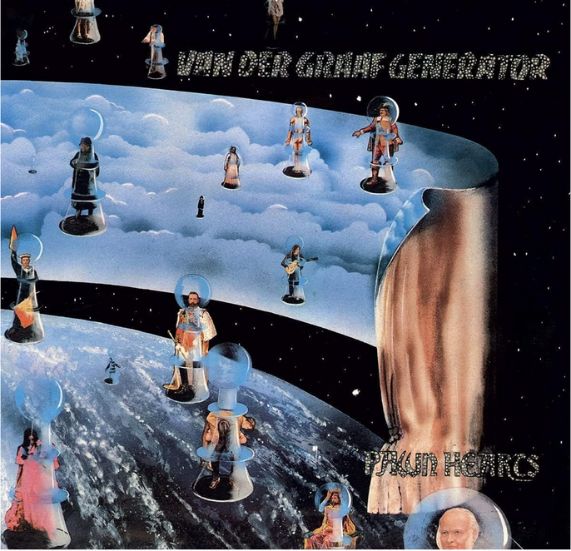
While their peers in progressive rock aimed for grandeur and polish, Van der Graaf Generator embraced intensity and chaos. Their music is dense, emotional, and often unsettling – driven by Hugh Banton’s organ and David Jackson’s saxophones rather than traditional guitar heroics.
Frontman Peter Hammill delivers some of the most dramatic, existential vocals in rock history, veering between whispers and full-throated anguish. Albums like Pawn Hearts (pictured) pushed prog into darker, more psychological territory, influencing everything from gothic rock to post-punk.
VdGG were never commercially successful, partly because they refused to court accessibility – but their uncompromising vision has earned them a fiercely loyal following and long-term critical reverence.
15. Gentle Giant
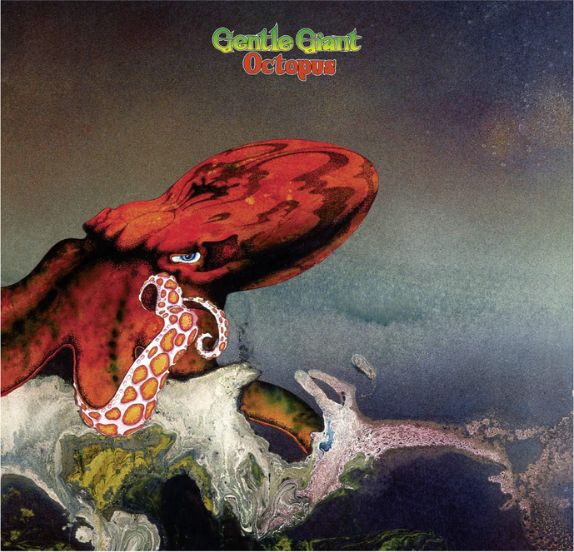
Gentle Giant took progressive rock’s complexity to its logical extreme. Their compositions weave together medieval motifs, jazz phrasing, and intricate counterpoint, often with multiple band members switching instruments mid-song. Unlike many prog acts, they avoided extended solos in favour of tightly structured arrangements that reward careful listening.
Albums like Octopus (1972) and 1974's The Power and the Glory are dizzying in their precision and creativity. Despite critical respect, Gentle Giant struggled commercially, as their music demanded attention rather than offering easy hooks. Today, they’re often cited by musicians as a technical benchmark – proof that rock music can be both intellectually rigorous and deeply playful.
16. This Heat
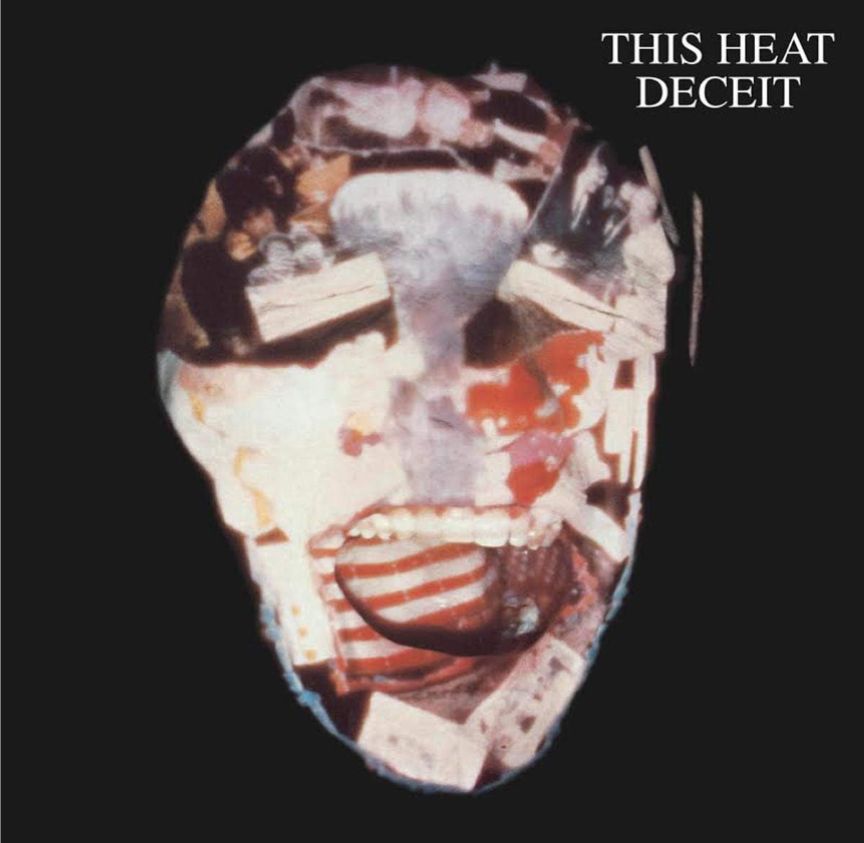
This Heat operated almost entirely outside the mainstream, crafting experimental rock that incorporated tape loops, found sounds, and political themes. Recording in their own Cold Storage studio, they treated the recording process as part of the composition itself.
Their music is fragmented and challenging, but also deeply innovative – anticipating industrial, post-rock, and experimental electronic music. Albums like Deceit (recorded in the late 70s) feel eerily modern, both sonically and thematically. Their obscurity at the time was almost inevitable, but their long-term impact has grown steadily among adventurous listeners.
17. Neu!
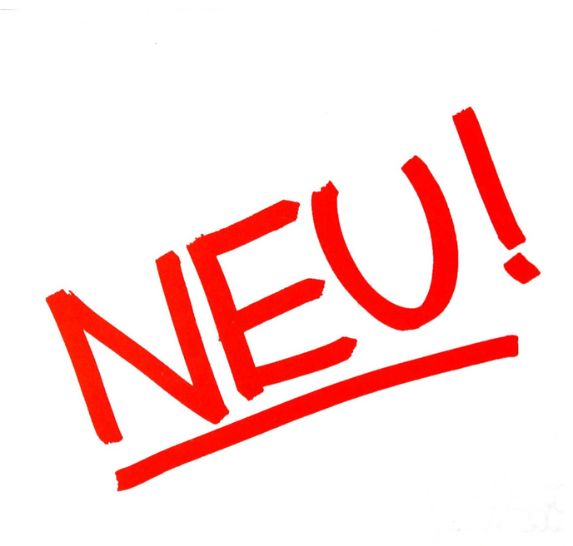
Neu! distilled rock down to its rhythmic essence, pioneering the “motorik” beat – a steady, driving pulse that feels both mechanical and hypnotic. Their minimalist approach, often built around repetition and subtle variation, influenced everything from post-punk to ambient techno.
At the time, their music was too abstract for mainstream audiences, and they remained largely confined to underground circles. Today, their work is recognized as a cornerstone of modern experimental and electronic music, proving that simplicity can be just as revolutionary as complexity.
Key album: Neu! (1972)
18. Sparks
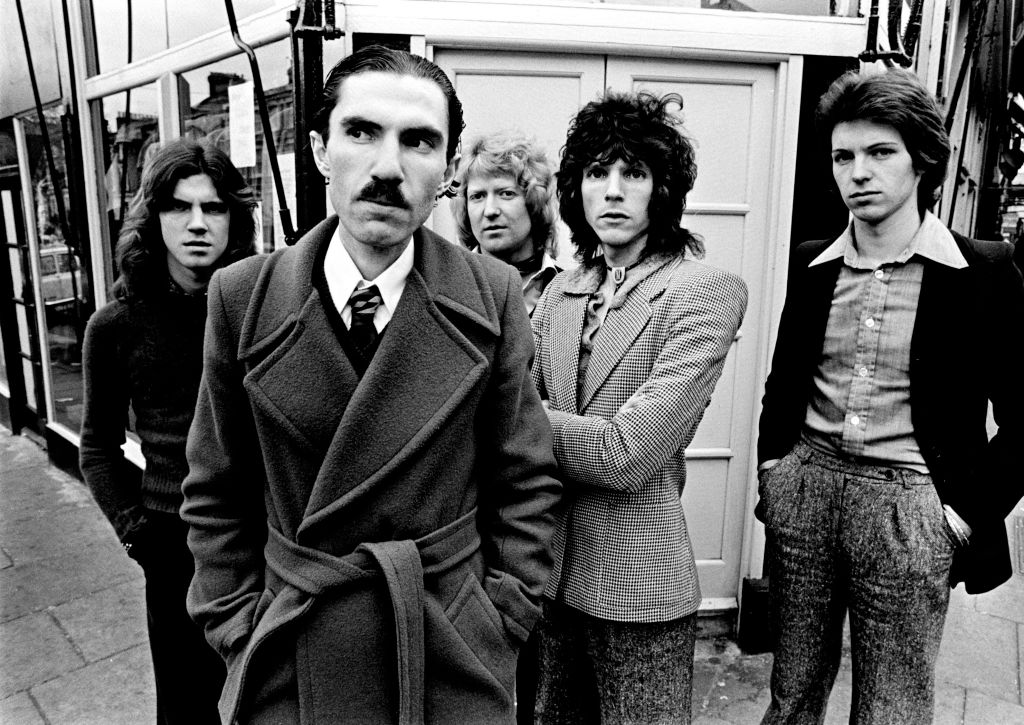
The Mael brothers are rock’s greatest chameleons, spending the seventies oscillating between theatrical glam-rock and pioneering electronic pop. With Russell’s operatic falsetto and Ron’s deadpan keyboard presence, they created music that was hyper-intelligent, satirical, and musically dense.
Their 1974 masterpiece Kimono My House is a whirlwind of staccato rhythms and sharp-witted lyrics. While they were massive in the UK for a time, they remained a cult curiosity in their native America, despite being years ahead of the New Wave revolution.
Key album: Kimono My House (1974)
19. The Groundhogs
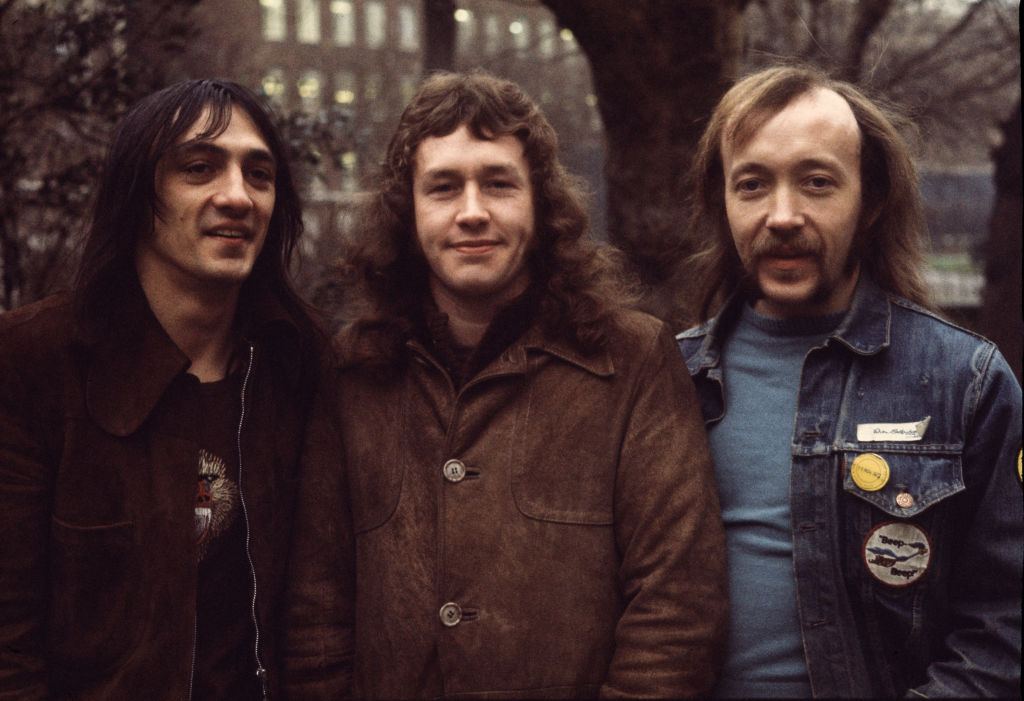
The Groundhogs began as a blues band but quickly expanded into heavier, more experimental territory. Albums like Split combine raw guitar work with conceptual themes, bridging the gap between blues rock and proto-metal.
Despite strong musicianship and innovative ideas, though, they never achieved the recognition of their contemporaries. Their music carries a gritty, unpolished energy that feels authentic and urgent, influencing later hard rock and underground scenes. They remain a hidden gem for listeners willing to dig beyond the obvious names.
20. Budgie
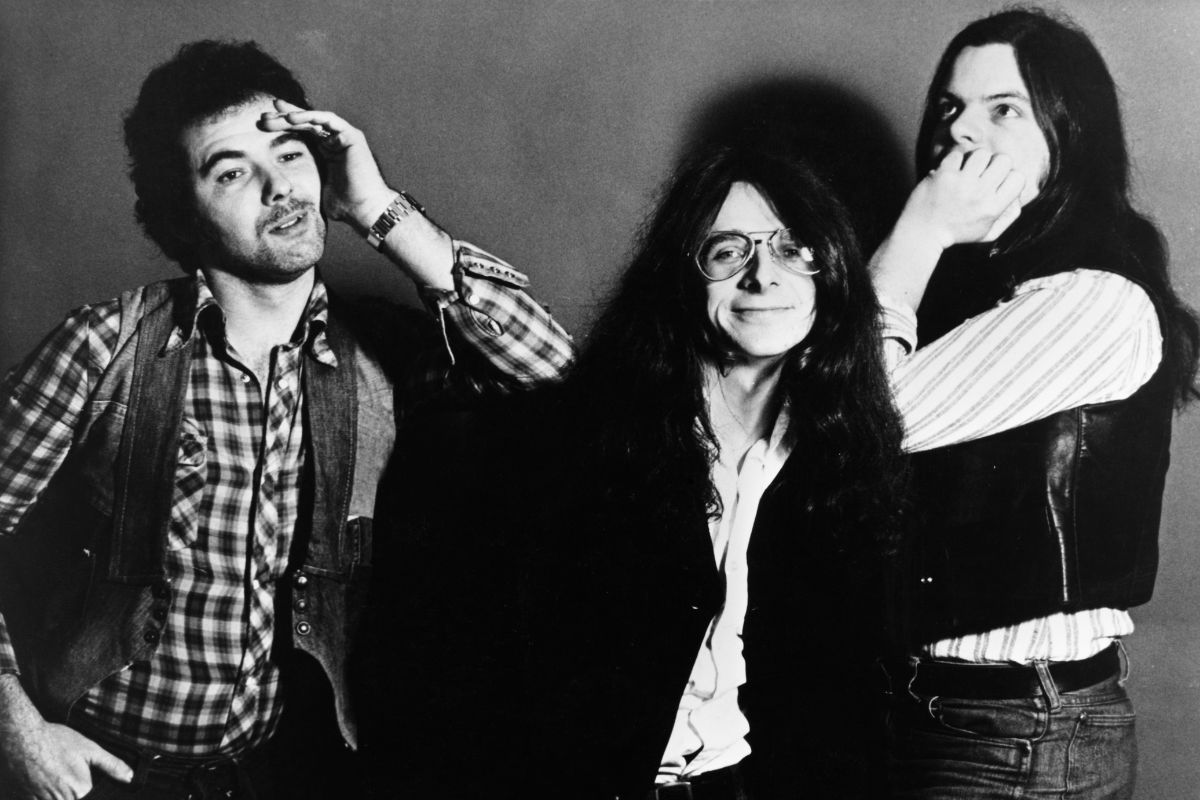
Often overshadowed by bigger heavy rock acts, Welsh rockers Budgie combined powerful riffs with unexpected melodic turns and quirky songwriting. Their music sits somewhere between hard rock and early heavy metal, with a distinctive personality that set them apart.
Tracks like 'Breadfan' (later covered by Metallica) hint at their influence, even if their name isn’t widely known. They never quite broke through commercially, but their sound helped shape the evolution of heavier music in subtle but important ways.
Key album: Budgie (1971)
21. Television
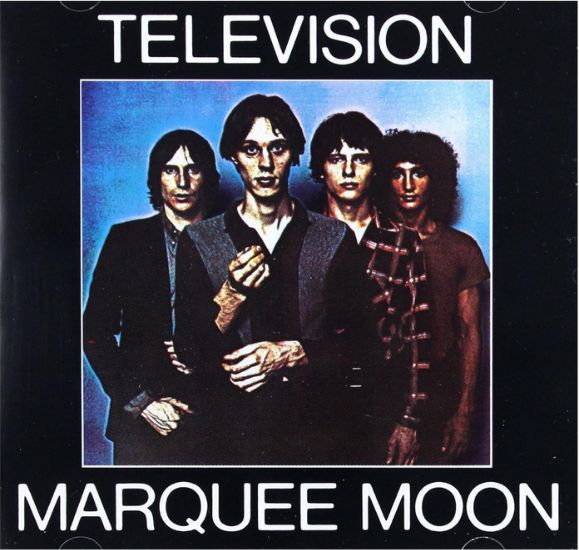
In the late Seventies, Television’s approach to guitar music was radically different from the blues-based rock dominating the era. Their songs stretch out with interlocking guitar lines, emphasizing texture and interplay over brute force. Marquee Moon, their debut, is often hailed as one of the greatest albums ever made, yet it sold modestly upon release.
The band’s clean, precise sound helped define the emerging New York punk and post-punk scenes, offering an alternative to raw aggression. Their influence is vast, particularly on indie and art rock bands that value clarity, space, and intricate musicianship.
Key album: Marquee Moon (1977)
22. Fela Kuti & Africa 70
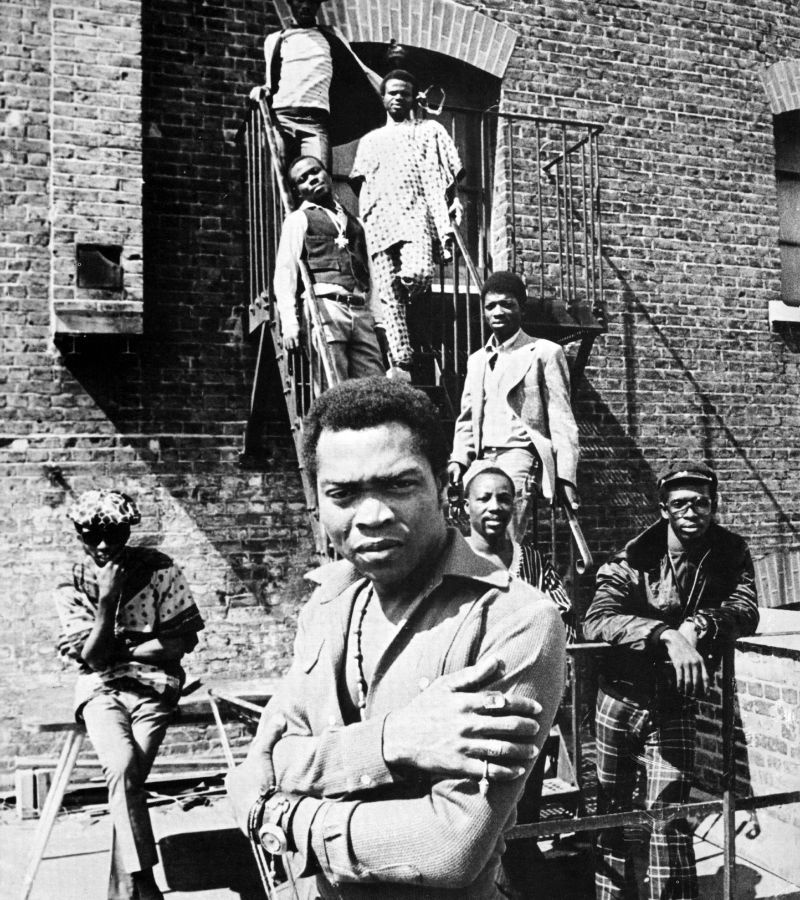
Fela Kuti and his band Africa 70 created Afrobeat – a genre blending funk, jazz, and traditional African rhythms into extended, hypnotic grooves. Their music was deeply political, addressing corruption and injustice in Nigeria, which often limited its commercial reach internationally.
Tracks could stretch beyond ten minutes, building slowly and immersively, defying radio formats. Though not obscure in influence, they were under-recognized globally during the 1970s. Today, Afrobeat’s impact is undeniable, and Fela’s work continues to inspire musicians across genres and continents.
23. The Good Rats
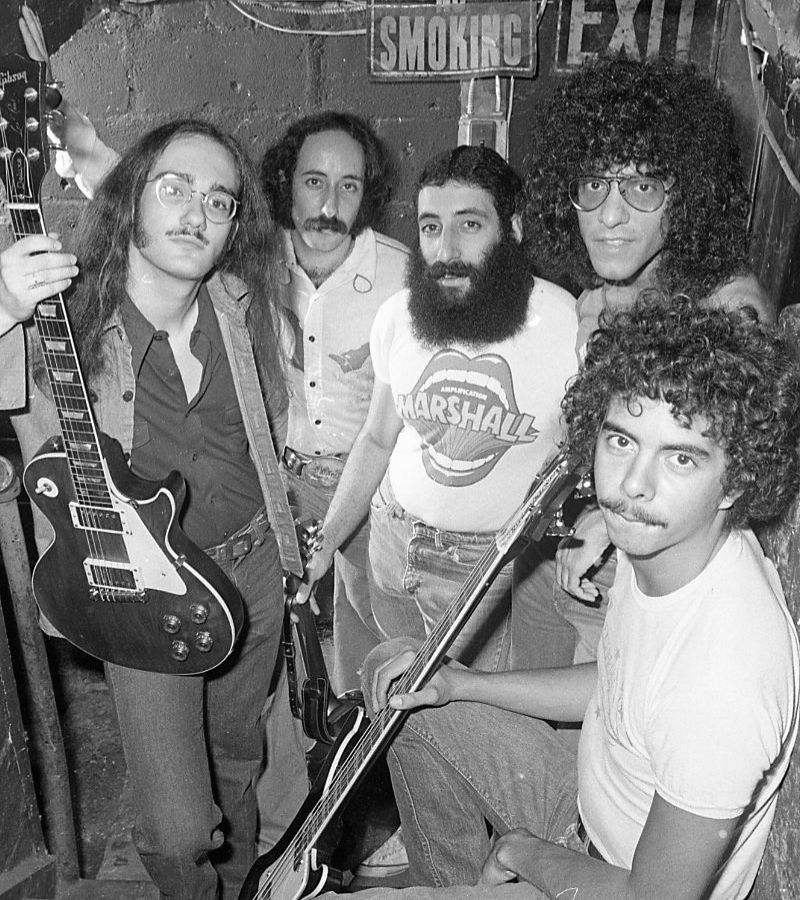
The Good Rats built a devoted following around New York and Long Island but never managed to translate local success into national fame. That's a shame, because their blend of hard rock, progressive flourishes and sharply observed humour was unlike almost anything else in 1970s American music.
Frontman Peppi Marchello combined strong vocals with a knack for vivid storytelling, while the band were capable of remarkable technical fireworks. Tasty is generally considered their finest hour, balancing complexity and accessibility with impressive confidence. Imagine a collision between Frank Zappa, Aerosmith and a great bar band.
Key album: Tasty (1974)


