
When it comes to worst songs, Led Zeppelin are an awkward band to write about.
Most groups have at least one album where the filler is obvious: a track that sounds like it was thrown in to fill a side, or a song that simply doesn't live up to the band's best work. Zeppelin were different. At their peak, they could make even the most sprawling, eccentric ideas sound monumental.
That doesn't mean every song was a masterpiece. Across their nine-album catalogue, there are clunkers, curiosities and experiments that don't quite land. Sometimes the problem is simply that a lesser song has been placed next to something extraordinary. Sometimes, though, Zeppelin's weakest moments came when they stepped away from their natural territory: reggae, funk, rockabilly, novelty and oddball studio experiments all had varying degrees of success.
So these aren't necessarily bad songs. They're the Zeppelin tracks that, album by album, give us the least reason to press replay.
Led Zeppelin (1969)
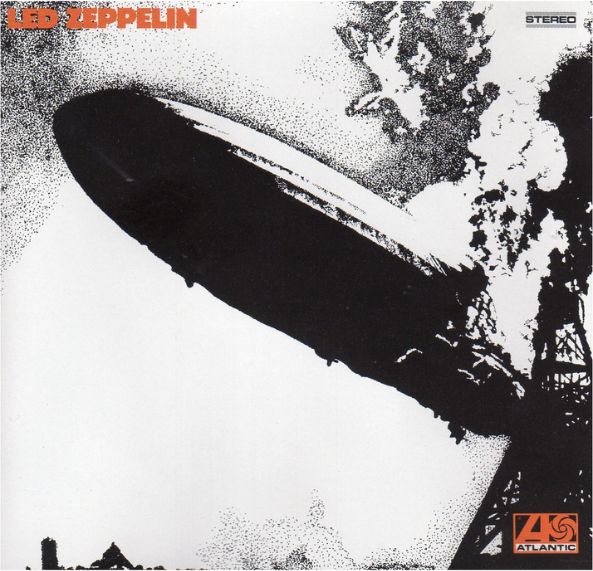
'I Can't Quit You Baby'
The debut is almost offensively stacked: 'Good Times Bad Times', 'Dazed and Confused', 'Communication Breakdown', 'You Shook Me'. Against that company, 'I Can't Quit You Baby' feels the least essential. It's a muscular Willie Dixon blues cover, and Page's guitar is superb, but Led Zeppelin hadn't yet learned how to make their blues borrowings feel completely their own. Plant sounds magnificent, yet the performance lacks the danger and invention of the album's best tracks.
Runner-up: 'You Shook Me' — another blues cover that is impressive rather than indispensable. The album's remarkable consistency makes choosing between these two almost unfair.
Led Zeppelin II (1969)
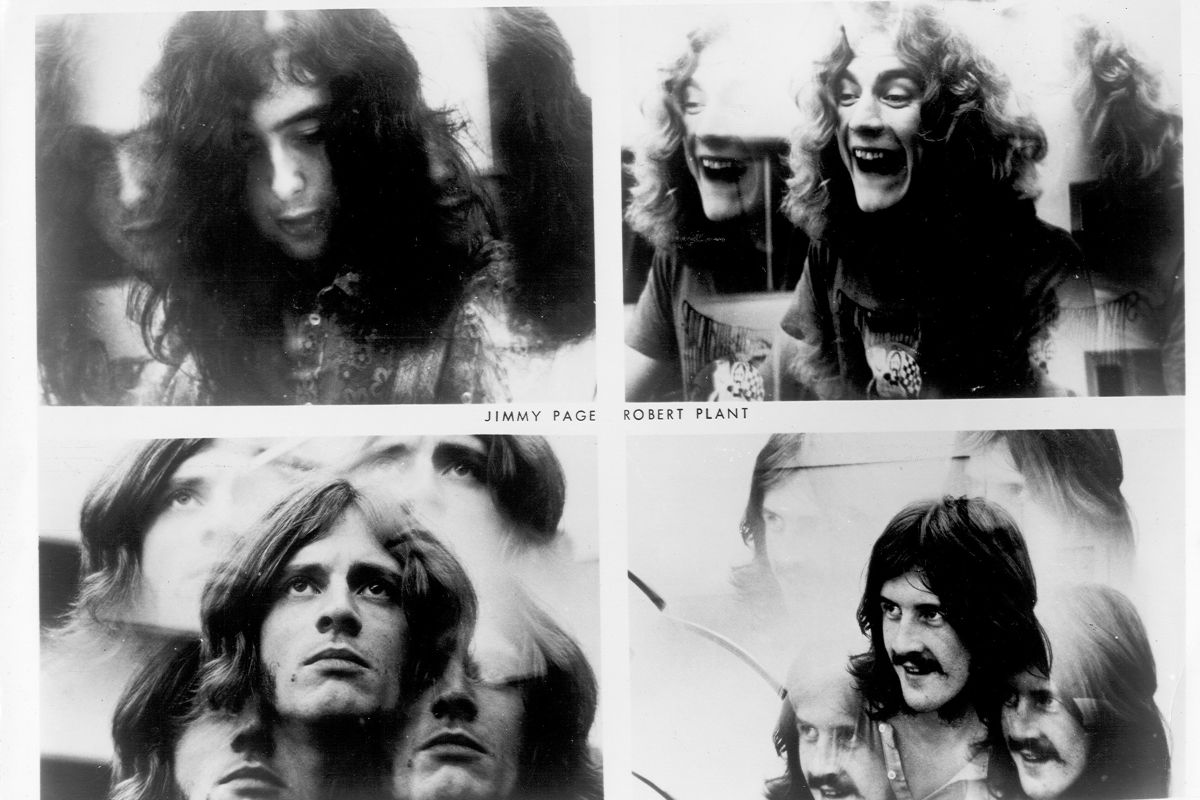
'Living Loving Maid (She's Just a Woman)'
This one is almost too easy. 'Living Loving Maid' has the riff, the swagger and Robert Plant's trademark wail, but it feels like a sketch next to the astonishing material surrounding it. 'Whole Lotta Love', 'Heartbreaker', 'Ramble On' and 'Bring It On Home' all have much more character, while the song's rather cartoonish portrait of a groupie hasn't aged especially gracefully. It lasts barely two-and-a-half minutes, but even that feels like more time than it really needs.
Runner-up: 'Moby Dick'. Controversial? It's iconic as a showcase for John Bonham, but the album version is essentially an extended drum feature.
Led Zeppelin III (1970)
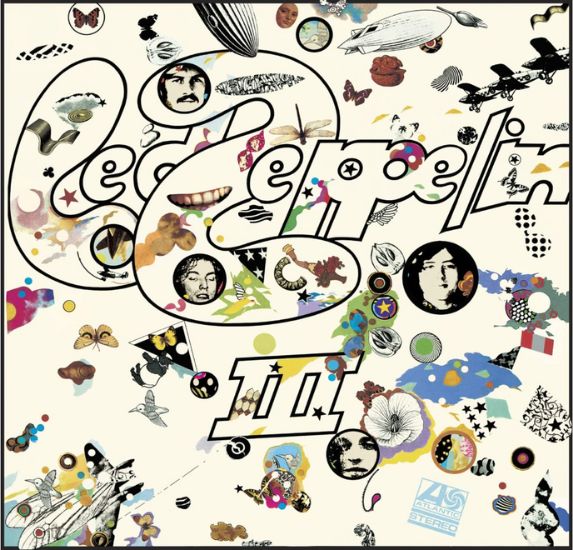
'Hats Off to (Roy) Harper'
Here is where Zeppelin's willingness to experiment arguably gets the better of them. 'Hats Off to (Roy) Harper' is an eccentric blues collage, with Jimmy Page's bottleneck guitar surrounded by distorted, manipulated vocals from Plant. It's deliberately rough and strange, and there's something admirable about the refusal to make it conventionally pretty. But after the majesty of 'Since I've Been Loving You', 'Gallows Pole' and 'That's the Way', it feels more like an in-joke than a fully realised song.
Runner-up: 'Bron-Y-Aur Stomp'. Charming and infectious, but perhaps the album's least substantial composition.
Led Zeppelin IV (1971)
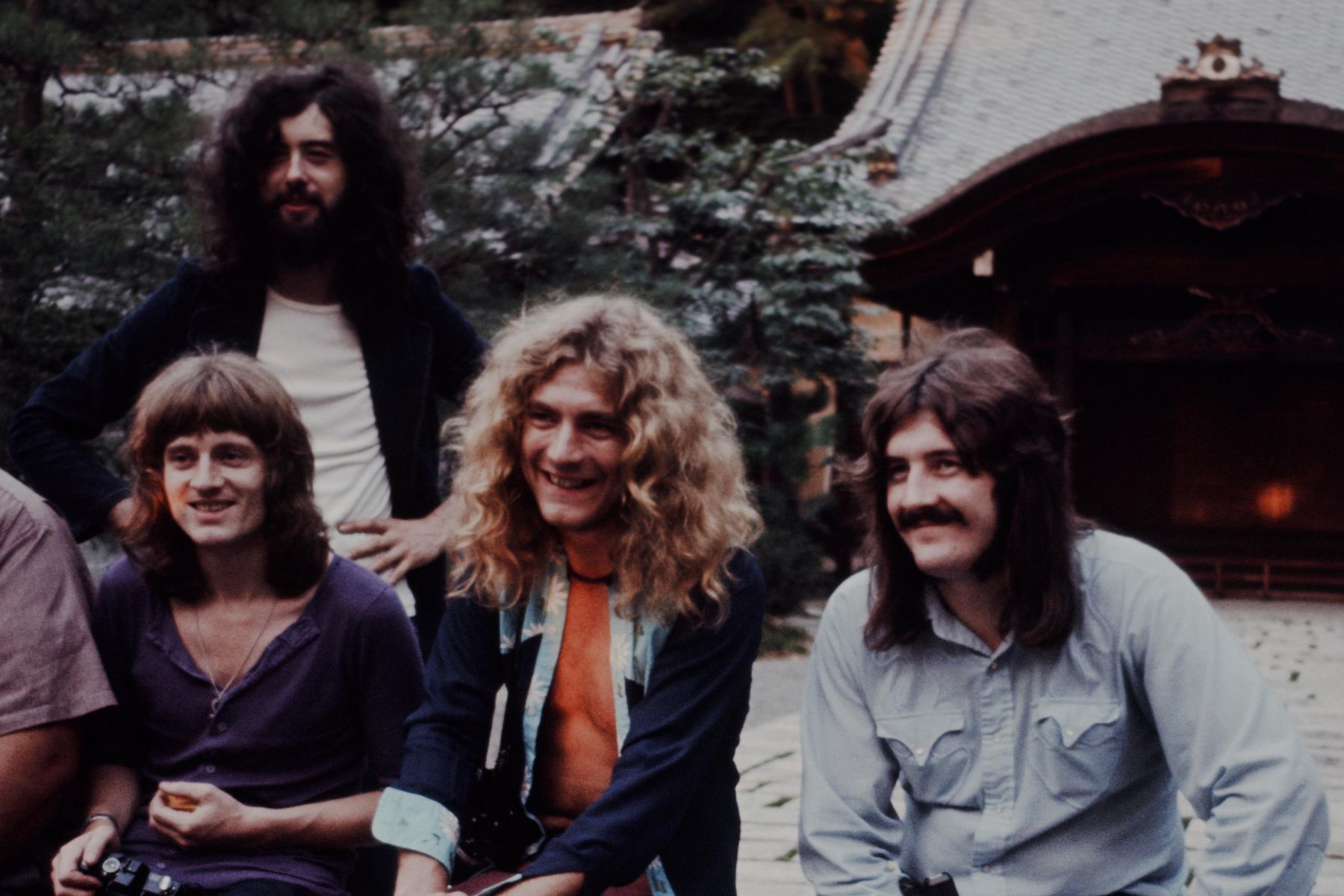
'Four Sticks'
Calling anything on Led Zeppelin IV the worst is practically sacrilege, but 'Four Sticks' is the one track that doesn't quite achieve the effortless greatness of the others. The title refers to John Bonham's unusual drum approach, and the song has a jagged, hypnotic quality that makes it fascinating. Yet the arrangement feels oddly cumbersome compared with the album's extraordinary run of 'Black Dog', 'Rock and Roll', 'Stairway to Heaven' and 'When the Levee Breaks'. It's ambitious, but never quite takes flight.
Runner-up: 'Misty Mountain Hop'. A terrific riff and a great groove, but lighter-weight than almost everything around it.
Houses of the Holy (1973)
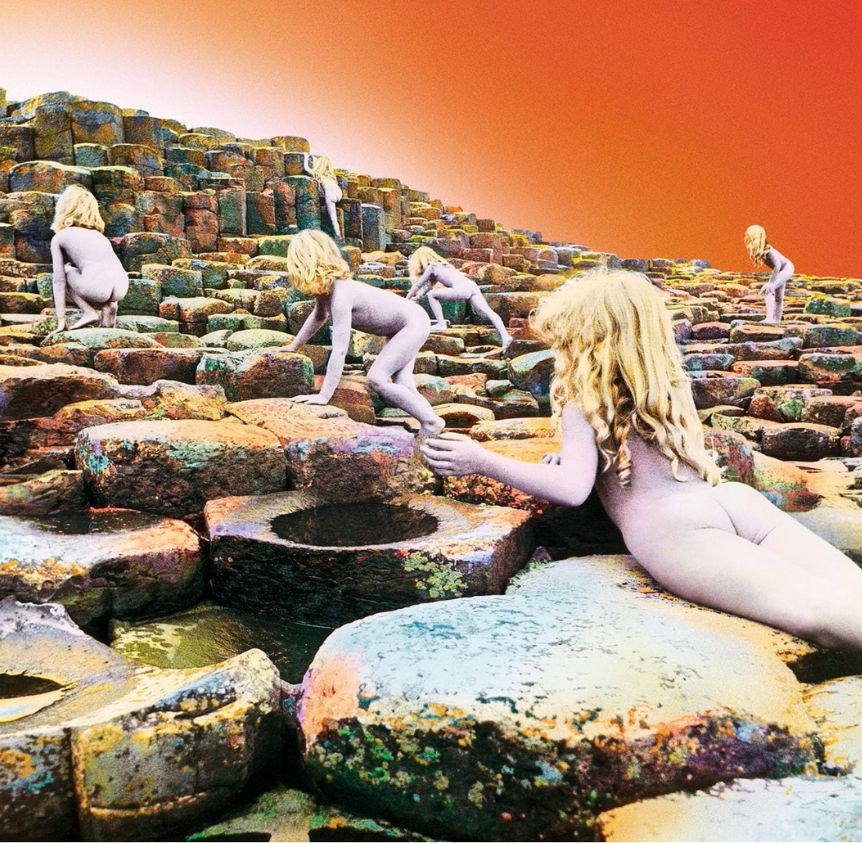
'The Crunge'
Now we're getting somewhere. 'The Crunge' is arguably the perfect example of Zeppelin's worst habit: taking an intriguing idea and refusing to stop before the joke has worn thin. A funky, deliberately awkward groove is punctuated by Plant's increasingly ridiculous vocals, while the band seems to be daring itself to play the least Zeppelin-like music imaginable.
It's funny, funky and genuinely odd – but after 'The Song Remains the Same', 'The Rain Song', 'Over the Hills and Far Away' and 'No Quarter', it feels like an extended studio prank.
Runner-up: 'D'yer Mak'er'. Another stylistic detour, this time into reggae, but its sheer infectiousness saves it from the bottom spot.
Physical Graffiti (1975)
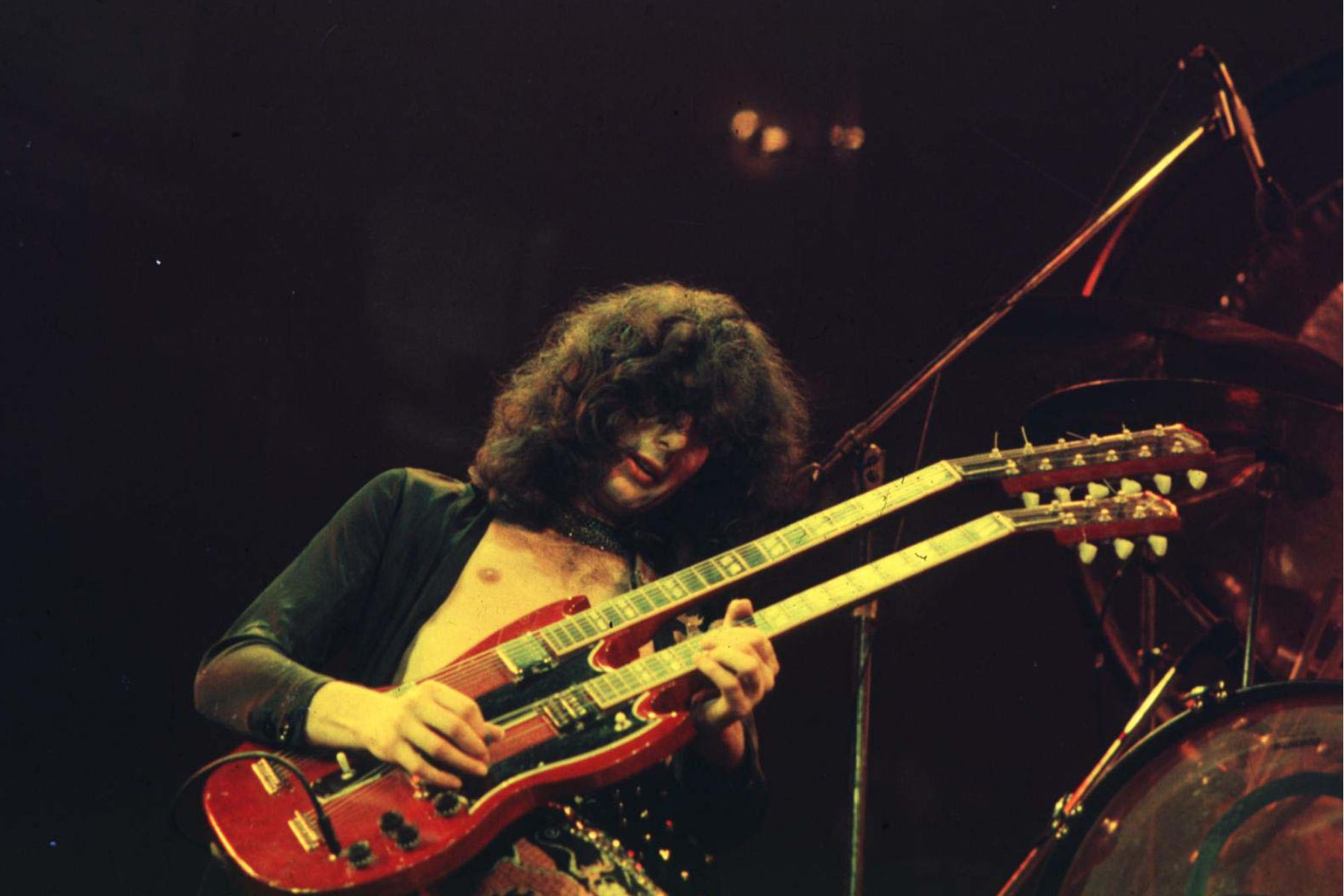
'Boogie With Stu'
The difficulty with Physical Graffiti is that (impressively, for a double album) even its leftovers are often fantastic. 'Boogie with Stu' is therefore less a bad song than a slightly undercooked diversion. Built around Ian Stewart's honky-tonk piano and based partly on Ritchie Valens' 'Ooh My Head', it has a wonderfully loose, drunken charm.
But on an album containing the mighty 'Kashmir' as well as eclectic gems such as 'Ten Years Gone', 'In My Time of Dying' and 'Trampled Under Foot' (not to mention the proggy 'In the Light', a favourite of ours), 'Boogie with Stu' can feel like Zeppelin taking five minutes off rather than adding another essential chapter.
Runner-up: 'Sick Again'. Brutally heavy and full of atmosphere, but comparatively one-dimensional.
Presence (1976)
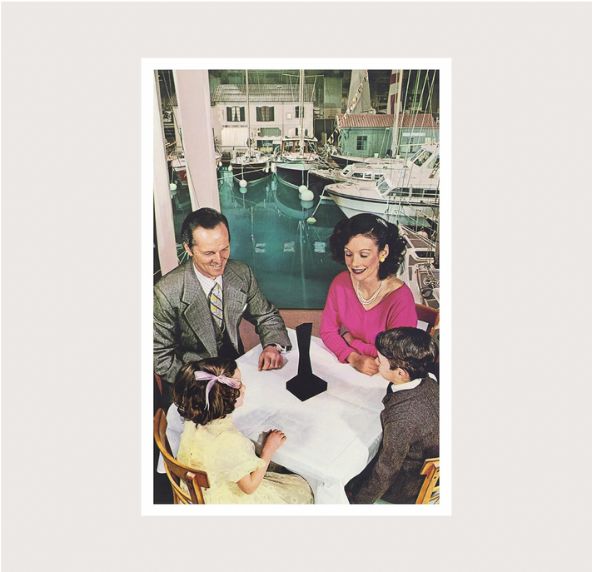
'Royal Orleans'
Presence is Zeppelin under pressure: recorded quickly while Robert Plant was recovering from a serious car accident, and dominated by a huge, almost desperate sound. 'Royal Orleans' is the odd one out. Its funky riff is enjoyable enough, and its tale of hotel-room debauchery has plenty of Zeppelin mischief, but the song feels lightweight beside the monumental 'Achilles Last Stand' and the haunted 'Nobody's Fault but Mine'. It sounds like a band trying to have a bit of fun on an album otherwise charged with urgency.
Runner-up: 'Hots on for Nowhere'. Energetic and catchy, but another comparatively slight composition.
In Through the Out Door (1979)
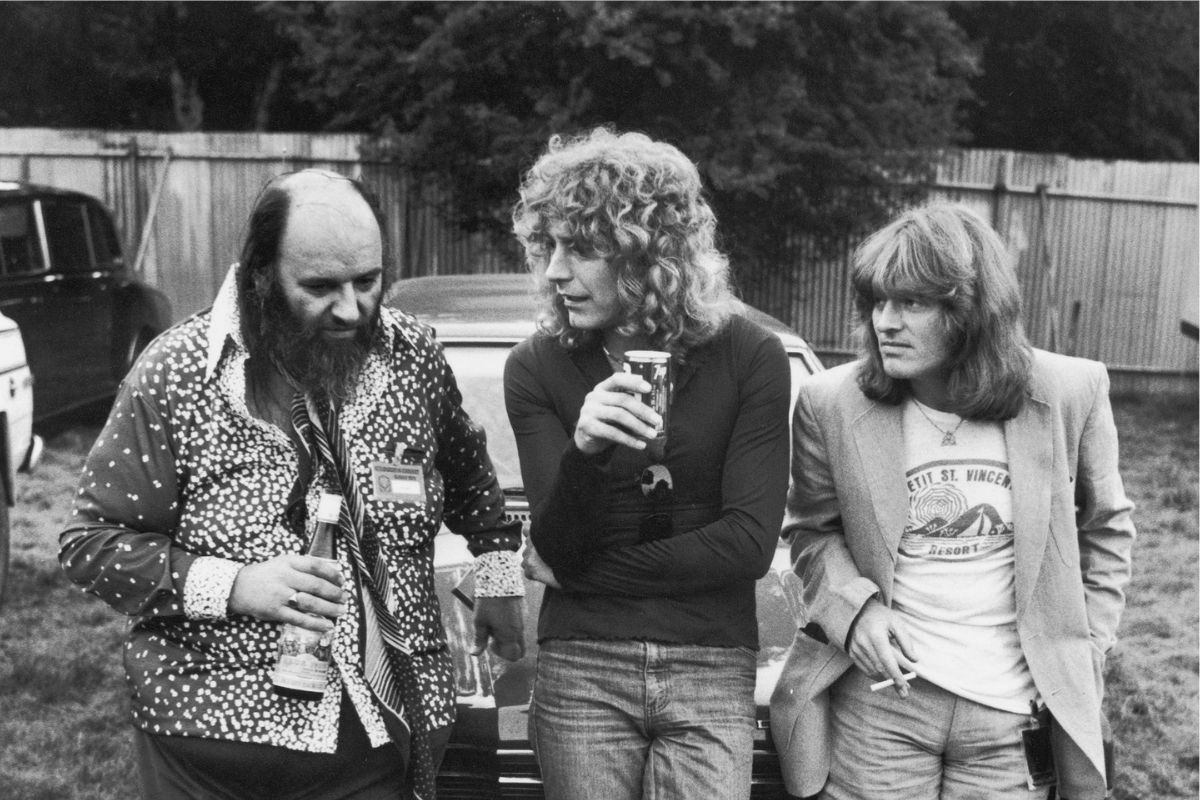
'Hot Dog'
Zeppelin's final studio album is fascinating precisely because, so often, it doesn't sound like classic Zeppelin. Indeed, it often sounds like the direction the band would have taken had John Bonham's tragic death not intervened, and they'd forged on into the more processed, synth-heavy 1980s.
John Paul Jones and Robert Plant were increasingly shaping the music, while Jimmy Page and John Bonham were dealing with their own problems. 'Hot Dog' is the most obvious misfire: a rockabilly pastiche with deliberately silly lyrics and a wonderfully loose performance that never quite justifies its place on the album. It has the feel of a band fooling around in the studio – which is fun, but not especially memorable.
Runner-up: 'South Bound Saurez'. Pleasant enough, but lacks the drama of 'In the Evening', 'Carouselambra' or 'I'm Gonna Crawl'.
Coda (1982)
'Darlene'
Coda is already a slightly artificial album: assembled from unreleased material recorded at various points in Zeppelin's career after John Bonham's death. That makes the weaker tracks easier to forgive, but 'Darlene' is still the least convincing.
A late-period rock'n'roll workout with a pounding piano and deliberately boisterous feel, it has energy without much mystery. Compared with the archival revelations elsewhere on Coda, it sounds more like a band having fun with an old-fashioned rocker than a lost classic finally being unearthed.
Runner-up: 'Poor Tom'. An appealing acoustic blues number, but its unfinished, demo-like quality keeps it below Zeppelin's best work.
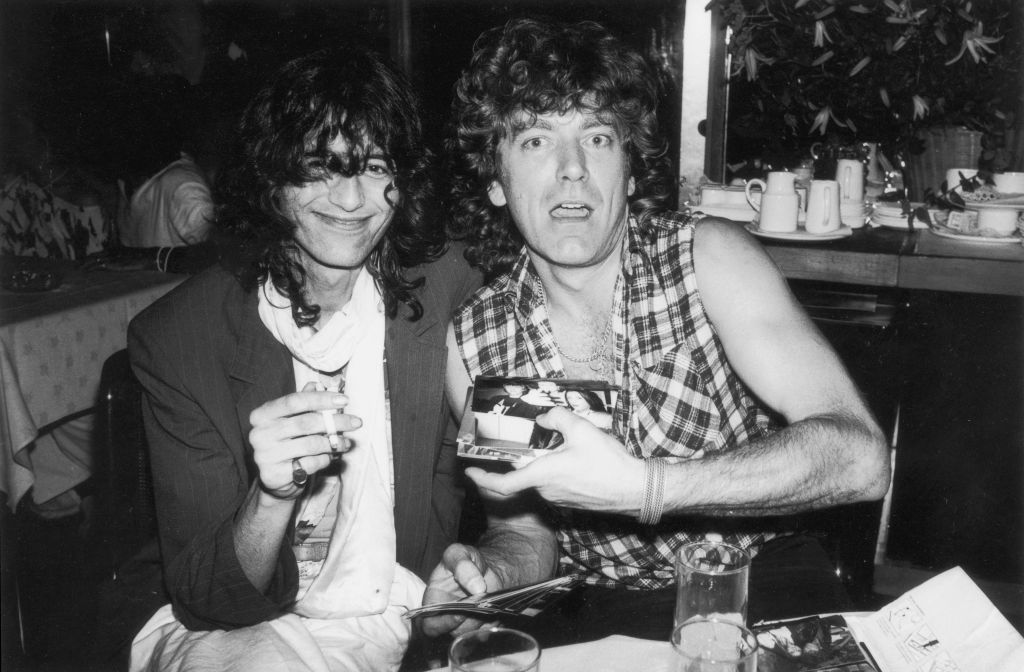
Pics Getty Images
Top pic John Bonham and Robert Plant of Led Zeppelin, during a rehearsal at Hiroshima Prefectural gymnasium, Hiroshima, Japan

