Kings and queens have always surrounded themselves with music.
But there’s a big difference between enjoying a court concert and actually getting involved in the music-making. Some monarchs on this list were accomplished performers; others composed songs, played instruments or even became genuine musical innovators.
A few were obsessive collectors, while others used music to project their power, shape national culture or simply entertain themselves. Henry VIII could do most of the above, while Frederick the Great composed and performed his own music, and Thailand’s Bhumibol Adulyadej was a serious jazz musician with dozens of compositions to his name.
Medieval rulers such as Alfonso X of Castile and Thibaut IV of Navarre went further still, leaving behind substantial bodies of music. So forget the image of the passive royal patron. These 15 monarchs didn’t merely listen to music: they sang it, played it, composed it and, in some cases, helped change its course.
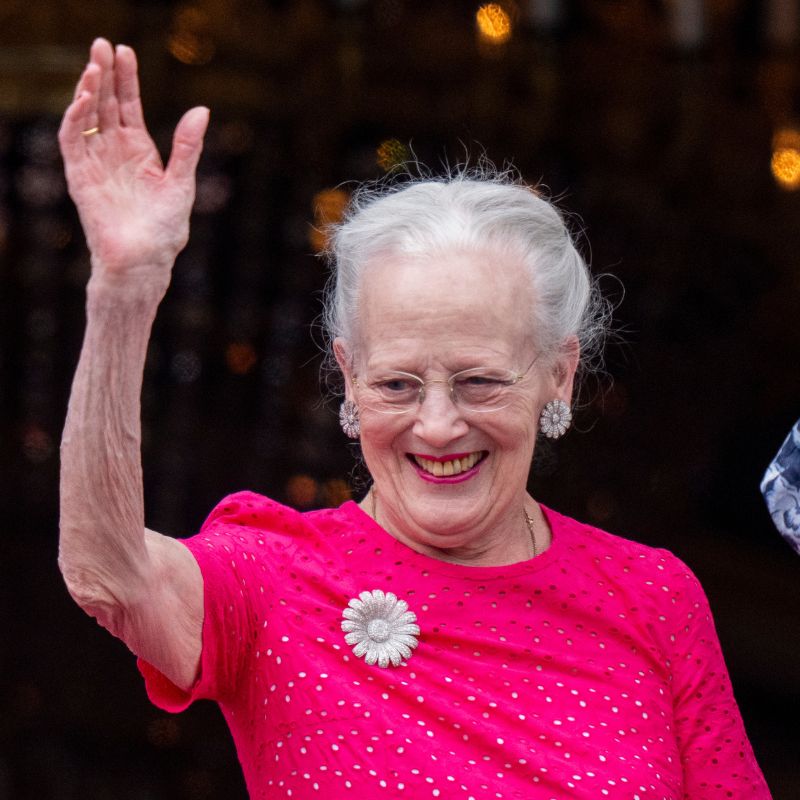
20. Queen Margrethe II of Denmark (b. 1940)
Throughout her 52-year-reign, Queen Margrethe II proved herself a passionate advocate for the arts. She actively supported Denmark’s musical institutions, including orchestras and festivals, and remained a steady and visible patron of Danish classical music. She also plays the piano herself.
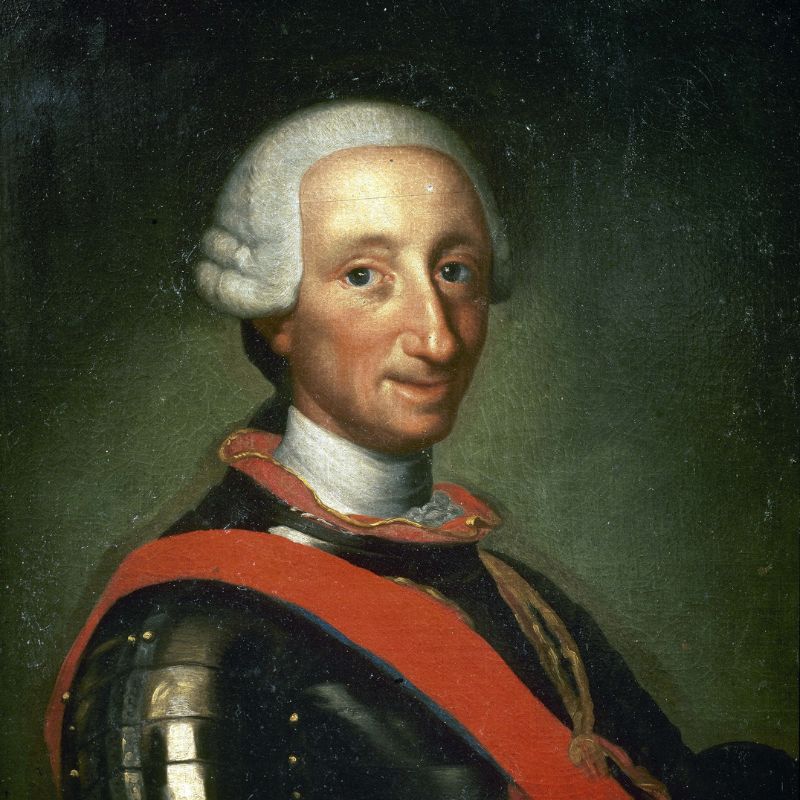
19. Charles III of Spain (1716-88)
Charles III loved opera and significantly developed Spain’s musical life by inviting composers like Domenico Scarlatti and Luigi Boccherini to his court. His reign marked a cultural flowering, particularly in Madrid, where he promoted both Italian opera and native Spanish forms.
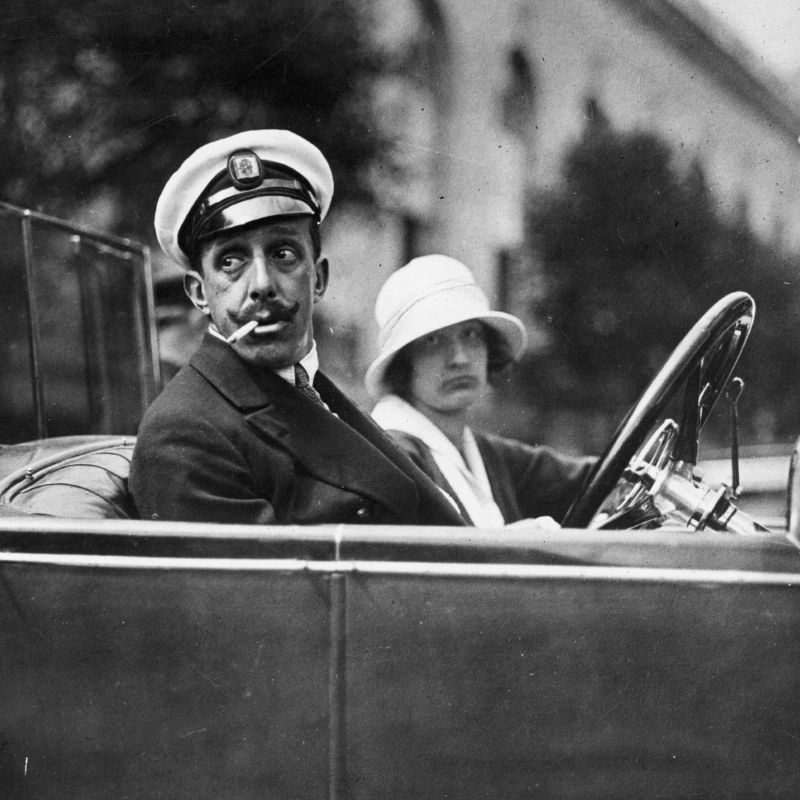
18. Alfonso XIII of Spain (1886-1941)
Alfonso XIII championed Spain’s musical identity, supporting composers like Manuel de Falla and encouraging the national zarzuela tradition. His reign saw renewed interest in Spanish musical heritage, with the monarchy playing a vital role in promoting national artistic pride.
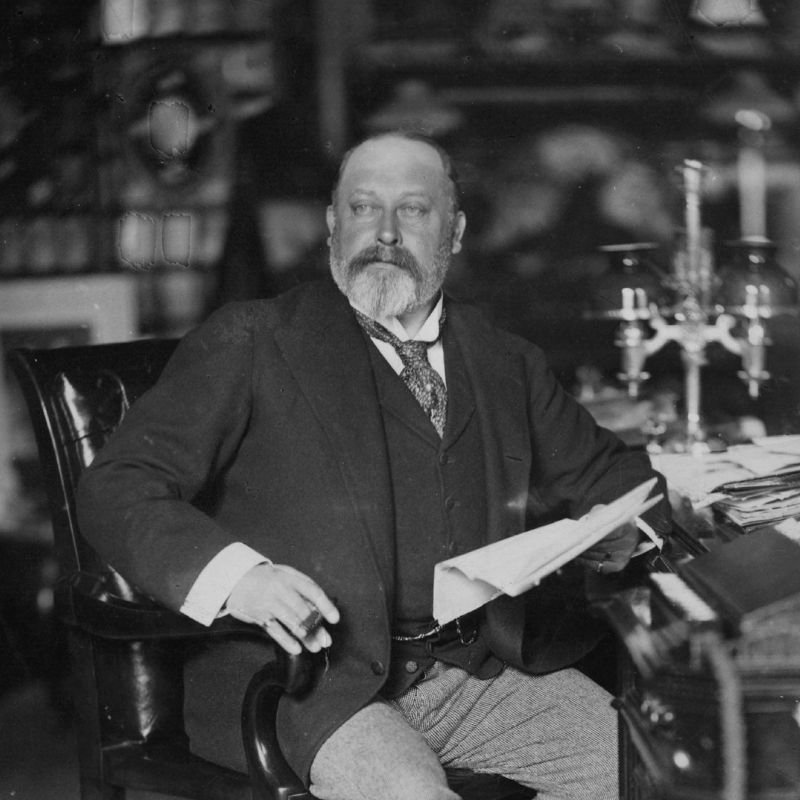
17. Edward VII of the United Kingdom (1841-1910)
Edward VII was a passionate supporter of opera and played a major role in elevating it within British high society. He enjoyed piano and was a key patron of the Royal Opera House, helping establish London as a centre for musical excellence.
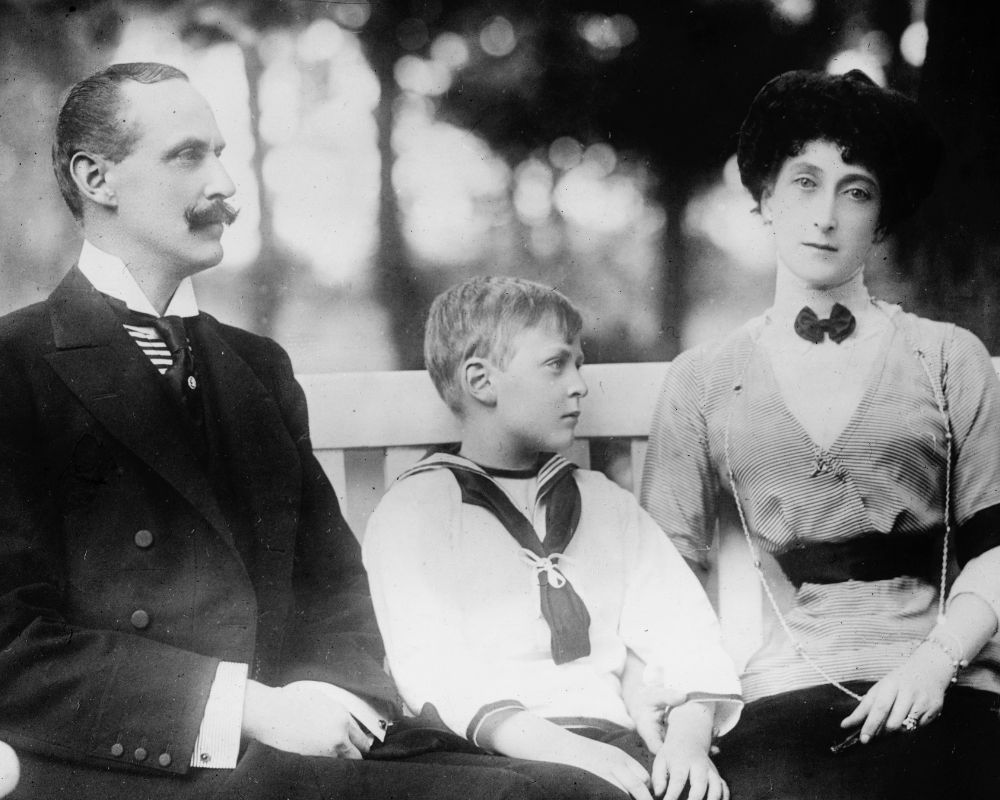
16. Haakon VII of Norway (1872-1957)
A dedicated violinist, King Haakon VII actively supported Norwegian music and arts. He celebrated national composers like Edvard Grieg and helped elevate Norway’s cultural standing by promoting its classical traditions at home and abroad during a time of national transformation.
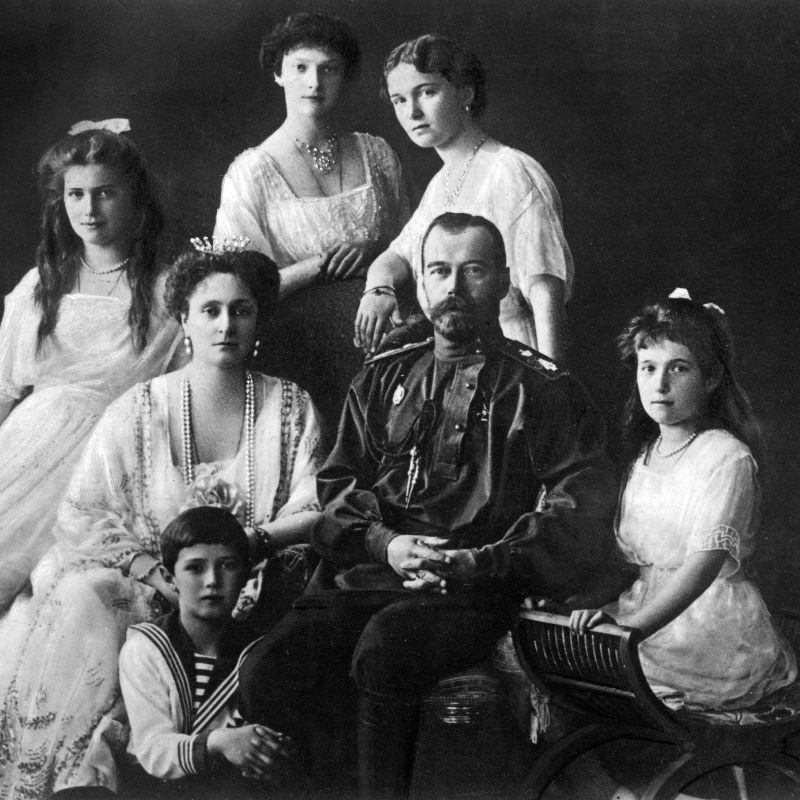
15. Nicholas II of Russia (1868-1918)
Russia’s last Tsar, Nicholas II, was deeply fond of music. He played the balalaika and supported major Russian composers including Rachmaninov and Glazunov. The imperial court remained a cultural beacon during his reign, even as the empire neared its dramatic end.
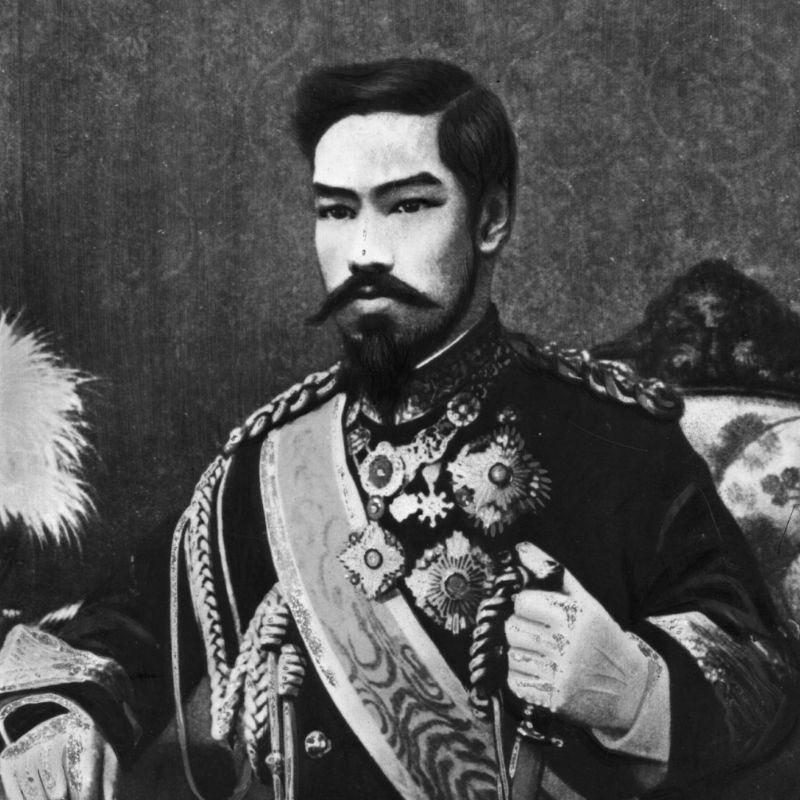
14. Emperor Meiji of Japan (1852-1912)
Emperor Meiji revolutionized Japan’s musical landscape by introducing Western classical music, establishing military bands and orchestras, and supporting cultural exchange. His modernizing vision brought about a unique fusion of Western harmony and traditional Japanese aesthetics that reshaped the nation’s musical identity.
13. Queen Victoria of the United Kingdom (1819-1901)
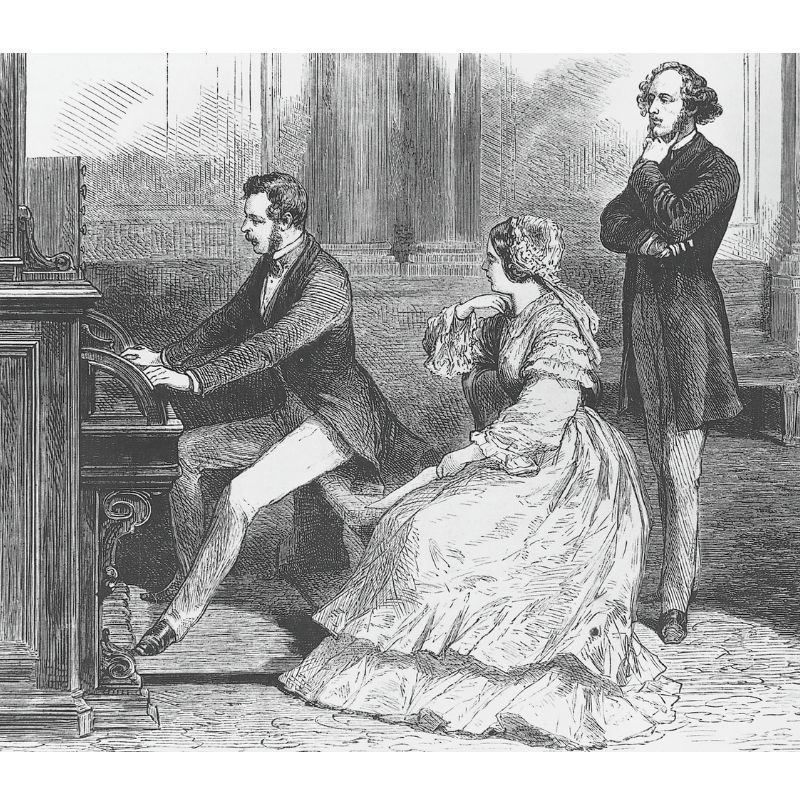
Queen Victoria was a keen amateur pianist and singer. Alongside Prince Albert, she actively supported music and cultivated relationships with leading composers like Mendelssohn (pictured here with Albert and Victoria) and Arthur Sullivan. Their reign saw classical music flourish as a symbol of refined Victorian culture.
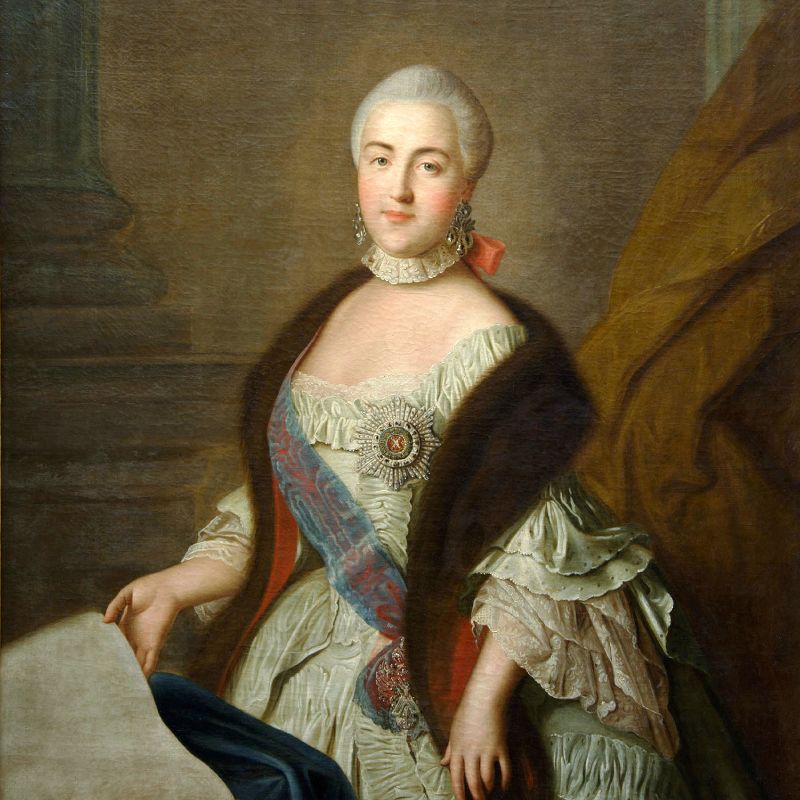
12. Catherine the Great of Russia (1729-96)
A passionate patron of the arts, Catherine introduced Italian opera to Russia and invited major composers to her court. She established the Imperial Theatres and laid the foundations of Russian musical institutions, bringing European musical grandeur to Saint Petersburg.
11. Ludwig II of Bavaria (1845-86)
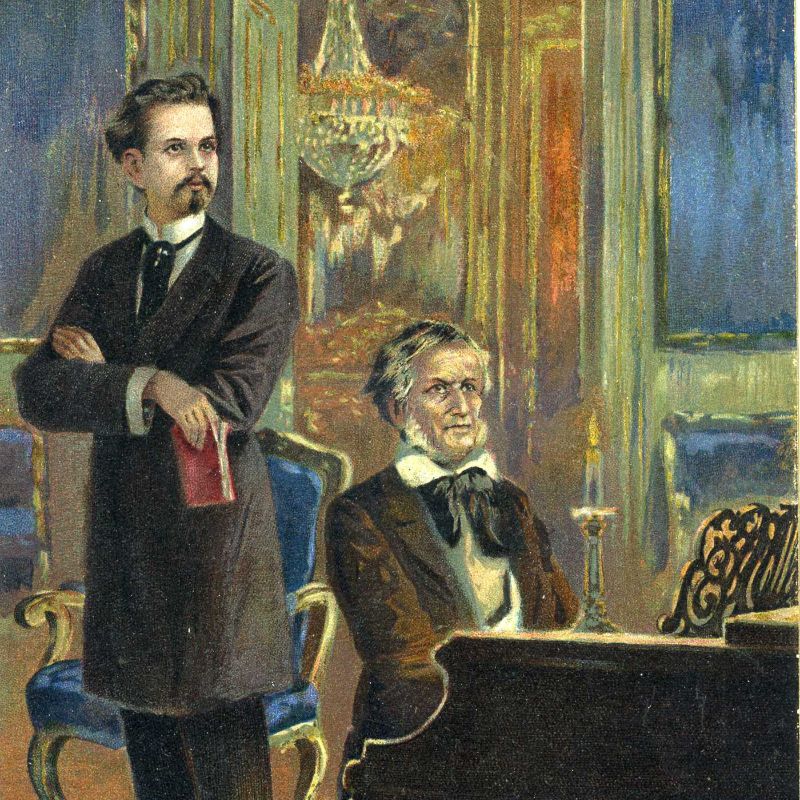
A romantic idealist and devoted patron of Richard Wagner (with whom he's pictured here), Ludwig II financed Wagner’s monumental operas, including Tristan und Isolde and The Ring Cycle. He also built Neuschwanstein Castle – an architectural tribute to the mythic, musical world he so admired.
Ludwig caught the Wagner bug as a 15-year-old, when he was taken to see saw Lohengrin in Munich. He was overwhelmed by its vision of medieval romance, heroic legend and otherworldly beauty – themes that would come to dominate his imagination. Here’s the Prelude to Act I: the quintessence of the mystical, ethereal soundworld that so captivated the future king:
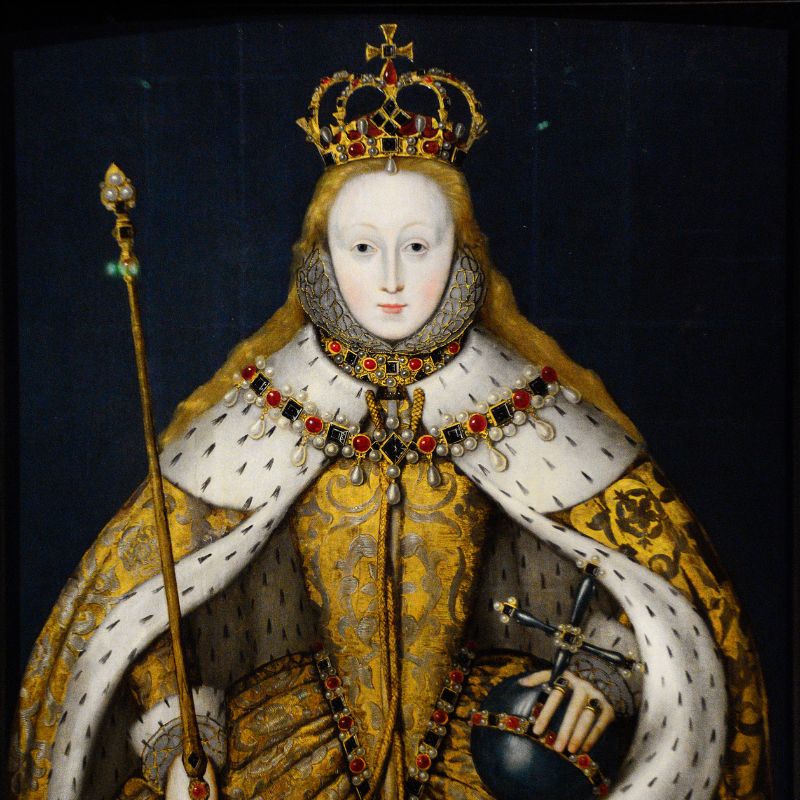
10. Elizabeth I of England (1533-1603)
Elizabeth I was a talented lute player with a keen ear for music. She deeply valued the work of composers like William Byrd and Thomas Tallis, under whose patronage English sacred music reached new artistic heights during her long and culturally rich reign.
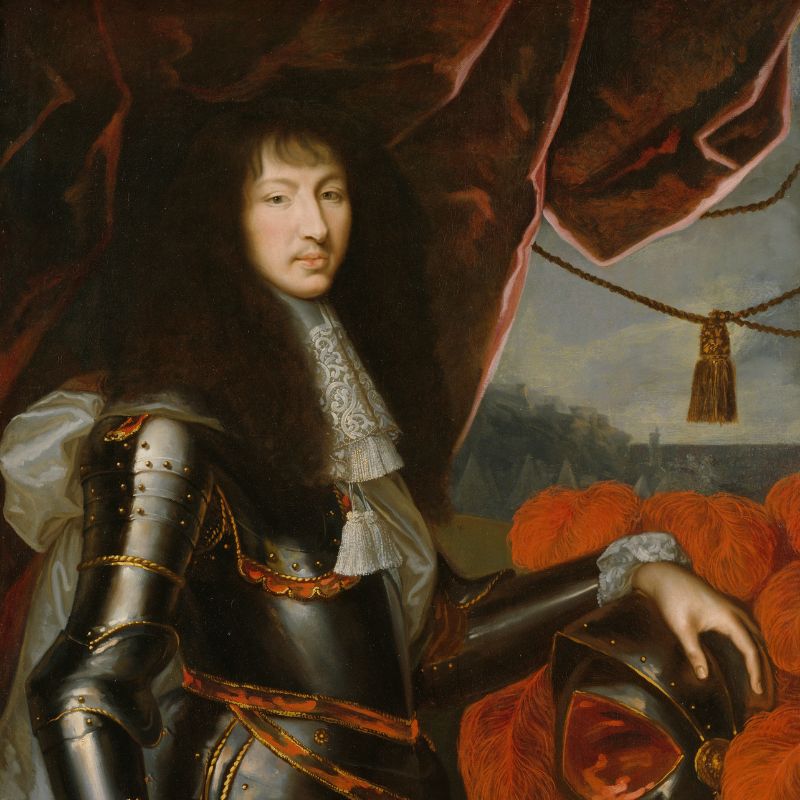
9. Louis XIV of France (1638-1715)
The 'Sun King' made music and dance central to court life. He performed in lavish ballets and supported the composer Jean-Baptiste Lully, whose operas and courtly music helped shape French Baroque style. Louis transformed Versailles into a stage for theatrical and musical spectacle.
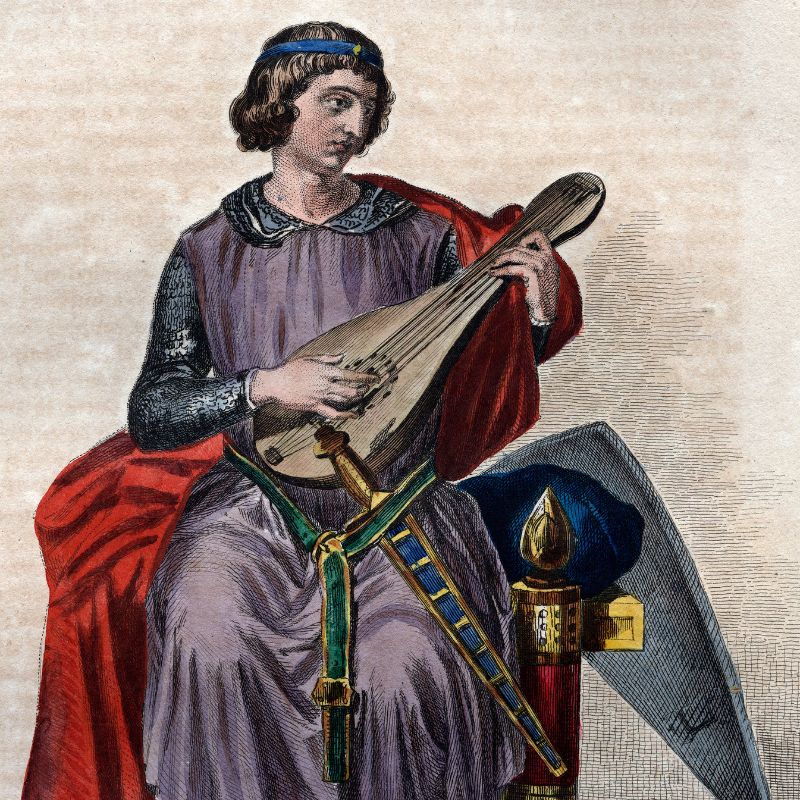
8. Thibaut IV of Navarre (1201-53)
Also known as Theobald I of Navarre, Thibaut was not merely a king who happened to write songs: he was one of the great trouvères of the 13th century. Known as 'Thibaut the Chansonnier', he composed around 70 surviving lyrical works, including love songs, crusade songs and religious pieces, many with their melodies preserved. His songs were admired across Europe and were still being cited by writers including Dante generations later. For a medieval monarch, his combination of kingship and genuine poetic-musical achievement is extraordinary.
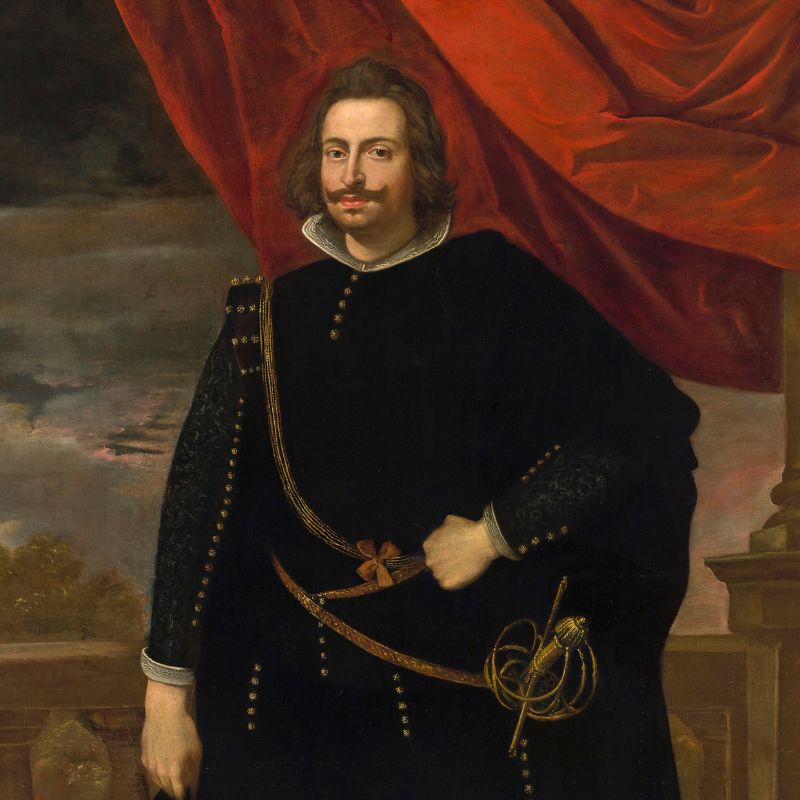
7. John IV of Portugal (1604-56)
John IV was an unusually musical monarch: not merely a patron, but a composer, music theorist and obsessive collector. His passion led him to assemble what may have been the richest music library in 17th-century Europe, containing thousands of works from across the continent. He also wrote treatises defending Palestrina and modern music, while composing sacred works himself. Tragically, almost the entire collection was destroyed in the Lisbon earthquake of 1755. Even so, his extraordinary engagement with music makes him one of history’s most genuinely musical rulers.
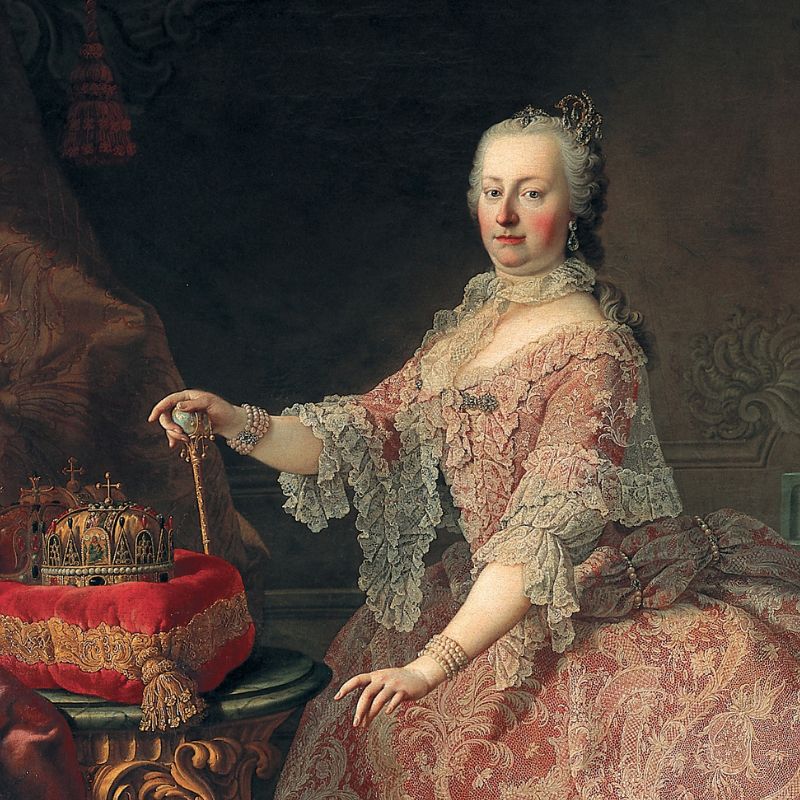
6. Maria Theresa of Austria (1717-80)
Maria Theresa was an enthusiastic supporter of music, an accomplished keyboardist, and a great patron of Haydn, who served at her court. Her reign fostered a flourishing Viennese musical culture and set the stage for Austria’s later dominance in classical music. Haydn's exuberant Symphony No. 48 is dedicated to her - check out this wonderful beginning:
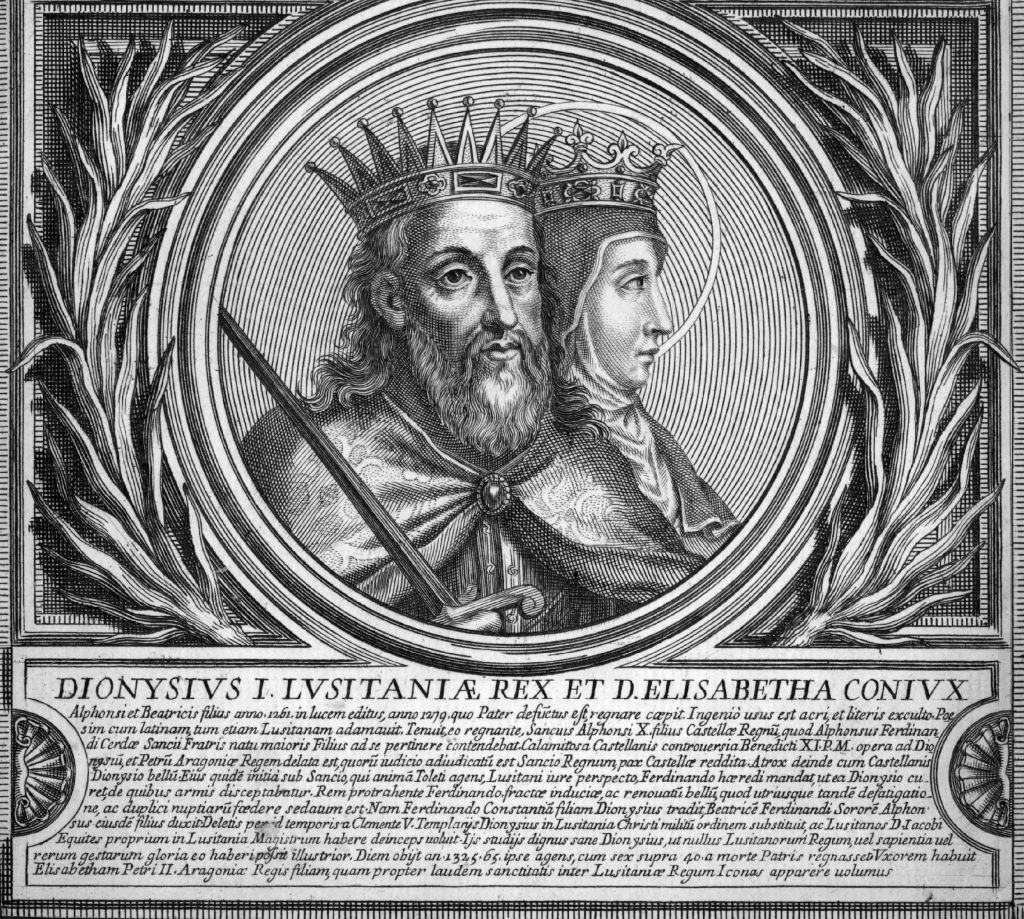
5. Denis of Portugal (1261-1325)
Denis of Portugal was another remarkably musical medieval king. A passionate patron of troubadours, he was himself a prolific poet and composer, with 137 songs attributed to him surviving in the major Galician-Portuguese songbooks. The discovery in 1990 of the Pergaminho Sharrer was particularly exciting: seven of his love songs survive with fragments of their original musical notation. That makes Denis unusual even among musical medieval rulers – we can actually hear something of the music he created.
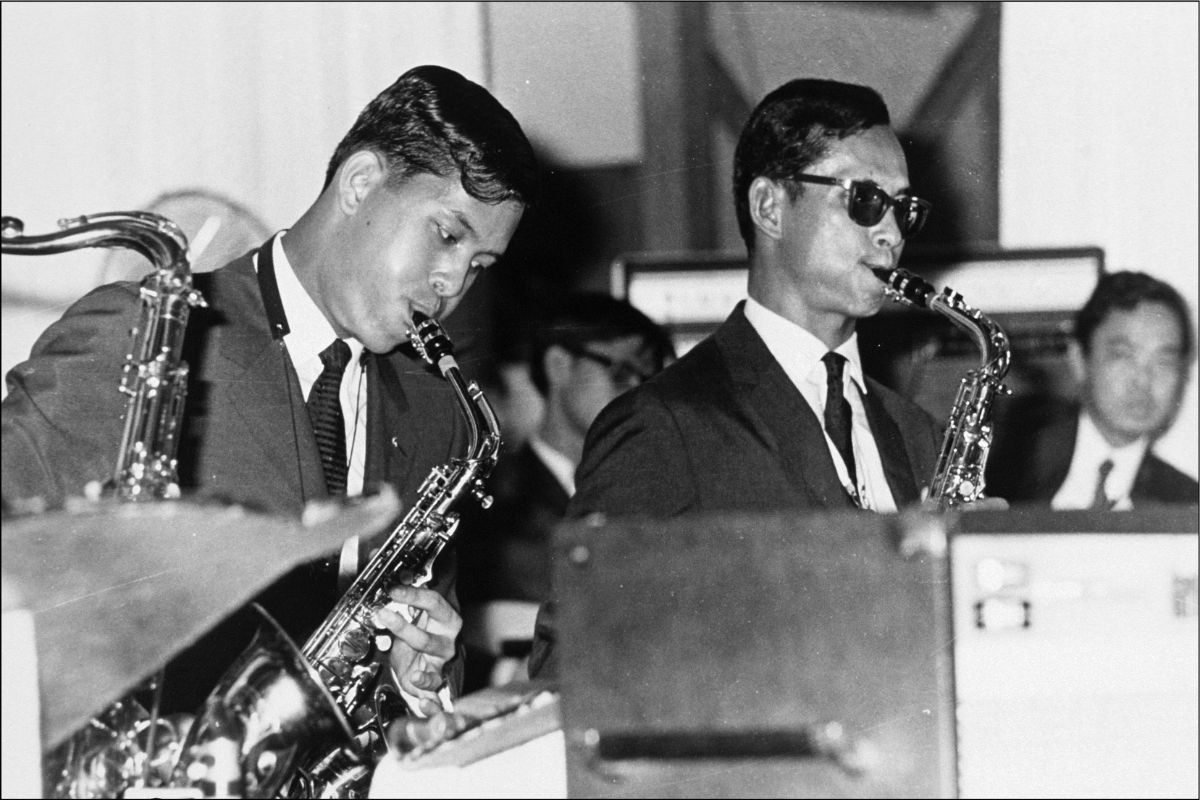
4. Bhumibol Adulyadej of Thailand (1927-2016)
Thailand's King Bhumibol (pictured on the left, playing the saxophone) was a genuinely accomplished musician, rather than simply an enthusiastic royal patron. He played sax, clarinet, trumpet, piano and guitar, performed jazz with his own band and began composing at 18. Between 1946 and 1955 he wrote 48 original songs, drawing particularly on jazz and the influence of Armstrong and Ellington. His composition Falling Rain was named 'Song of Asia' by UNESCO in 1980. He is surely one of the most musically active monarchs of modern times.
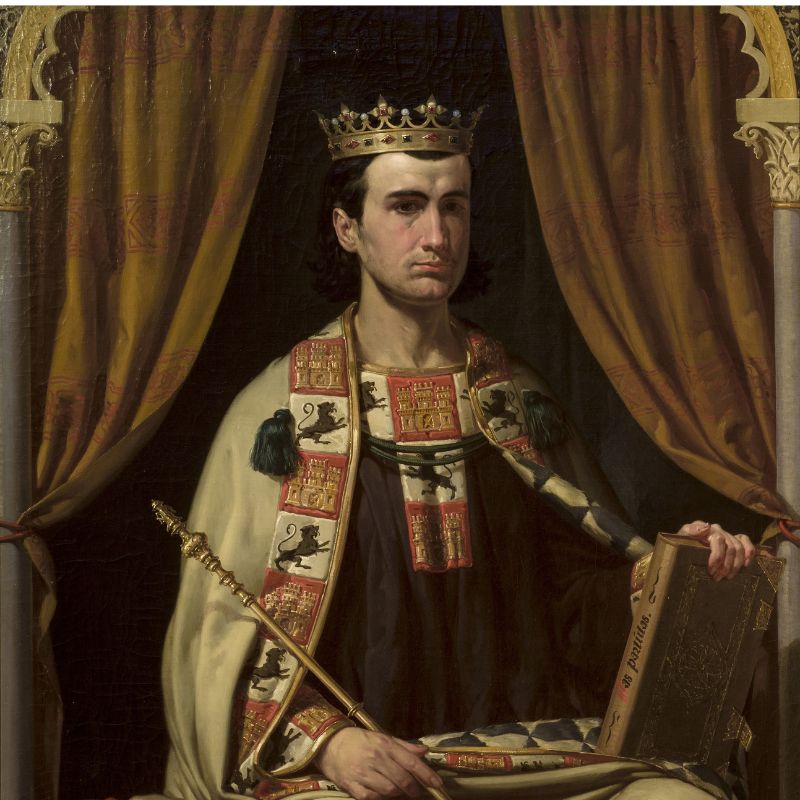
3. Alfonso X of Castile (1221-84)
Alfonso X, known as 'the Wise', was at the heart of one of medieval Europe’s greatest musical projects: the Cantigas de Santa Maria, a collection of more than 400 songs created at his court. Although most were written by court poets and musicians, scholars believe Alfonso himself composed some of them. He was unusually hands-on, too, depicted working alongside his collaborators rather than merely commissioning them. The Cantigas make him one of the most remarkable musical rulers of the Middle Ages. This is 'Des oge mais quer' eu trobar' ('From this day forth I will sing'):
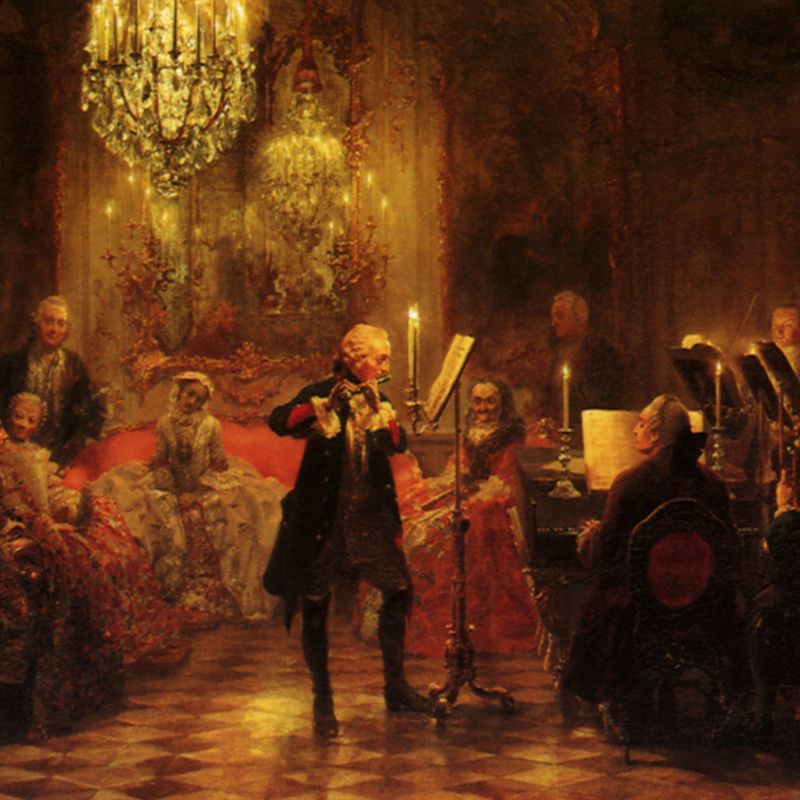
2. Frederick the Great of Prussia (1712-86)
Frederick was an accomplished flutist and composer, studying under the great Johann Joachim Quantz and composing over 100 sonatas and concertos. His musical salons featured top talents like CPE Bach, blending artistic excellence with Enlightenment ideals in the Prussian court.
1. Henry VIII of England (1491-1547)
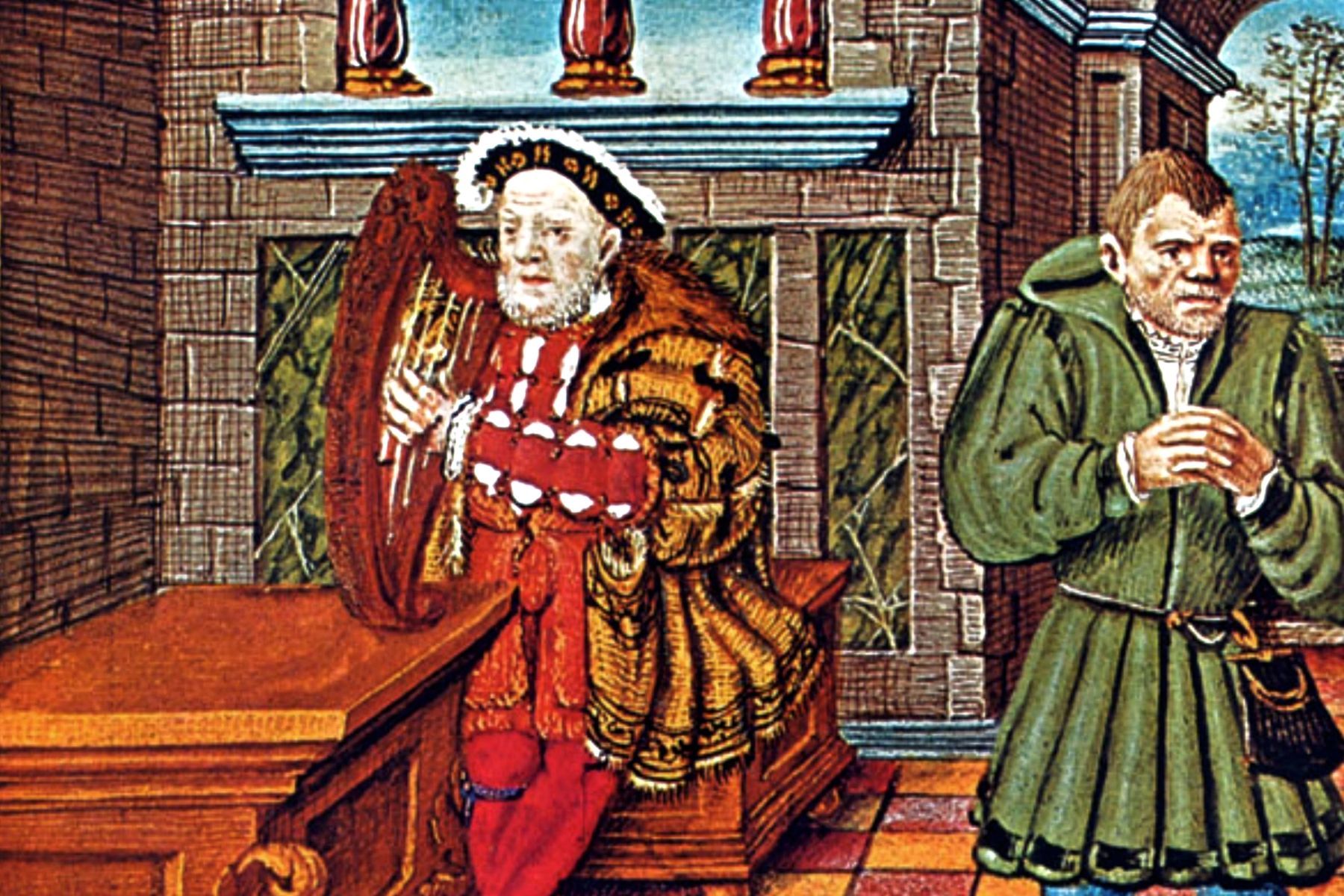
A skilled musician, singer and composer, Henry VIII played the lute, organ and virginals, and took an active part in the musical life of his court. His compositions include the enduringly popular Pastime with Good Company, while the Henry VIII Manuscript contains 109 songs and instrumental pieces, 33 of them attributed to the king.
He also presided over a spectacular Tudor court in which music was everywhere, from lavish feasts and entertainments to the Chapel Royal. Henry’s musical legacy is complicated by his destructive religious reforms, but his personal enthusiasm for music was genuine and unusually deep. Few monarchs were so thoroughly immersed in music-making themselves.
All pics: Getty Images