Great composers are supposed to be geniuses. So what happens when the music simply isn’t very good?
Even the greatest names in classical music occasionally produced works that feel rushed, overblown, uninspired or downright embarrassing. Sometimes they were writing for money, sometimes for political masters, sometimes against impossible deadlines. Sometimes, frankly, the inspiration just wasn’t there.
Here are nine pieces that catch Beethoven, Tchaikovsky, Brahms, Berlioz and other giants having something approaching an off-day – whether because circumstances got in the way, or because they simply failed to reach their usual heights. Some were commercial triumphs despite their creators’ misgivings; others were written under coercion; a few seem to reveal what happens when genius runs out of steam.
They are fascinating reminders that even the greatest composers were human – and that genius is defined not by never producing a dud, but by how high you can climb when everything goes right.
1. Beethoven: Wellington's Victory (1813)
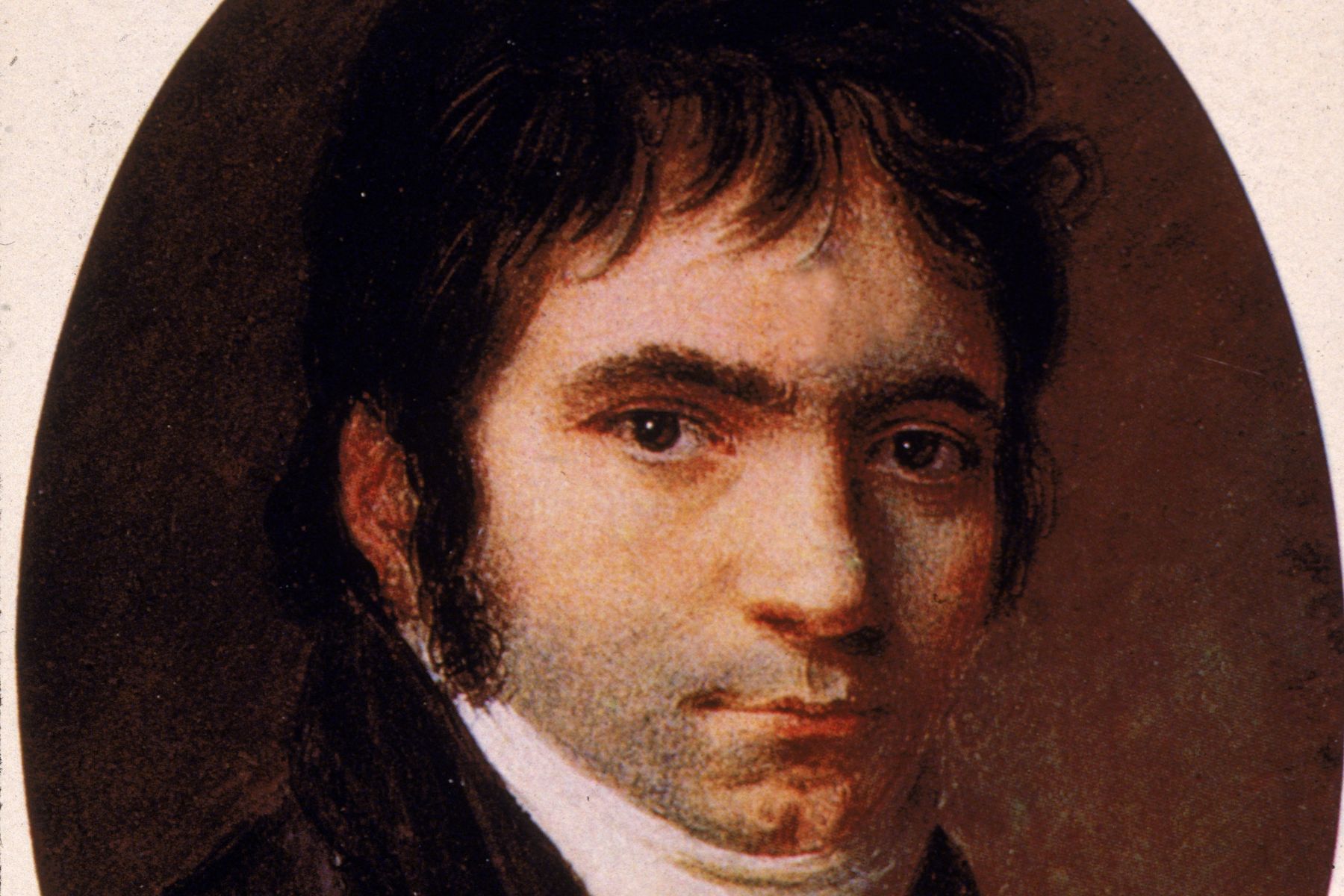
Yes, even the great Beethoven had off-days. Wellington's Victory, his commemoration of a famous naval victory, is, let's be honest, trivial, noisy and blatant. How could the colossal mind that created the ‘Eroica’ and the late string quartets also have churned out this noisy dross?
Yet we know that the work’s first performance was the biggest commercial success of Beethoven’s life. He had written it to celebrate Wellington’s defeat of Napoleon’s forces at the Battle of Vitoria in 1813 – a victory that marked a decisive blow against the French occupation of Spain – as well as the end of Bonaparte's Confederation of the Rhine.
His fellow composers fell over themselves to take part. Louis Spohr played in the violins. Salieri, Hummel and Meyerbeer boosted the vast percussion section. The audience loved it. Beethoven pocketed a small fortune.
2. Tchaikovsky: 1812 Overture (1880)
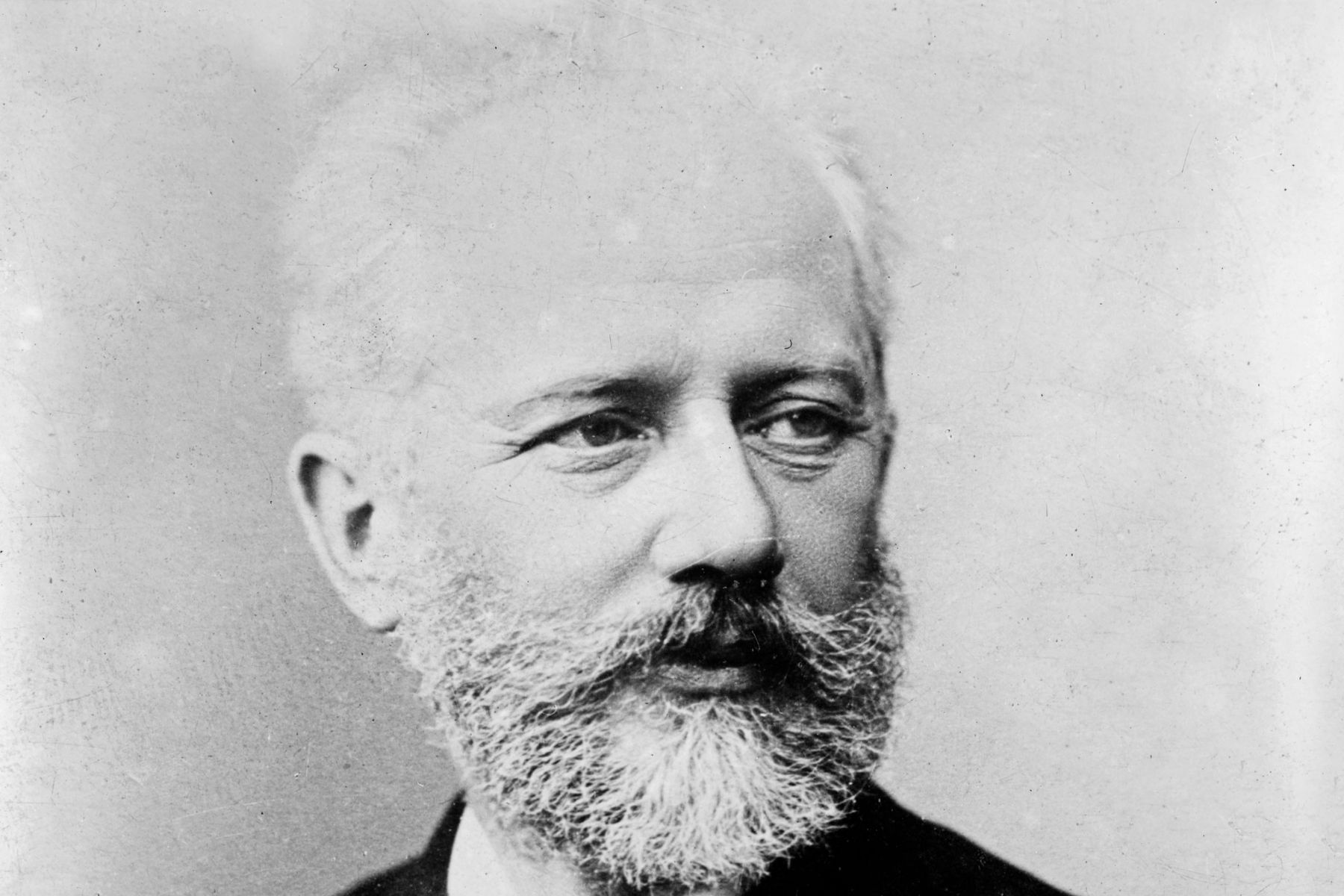
To the end of his life Tchaikovsky was bemused, indeed dismayed, by the public’s ecstatic acclaim of his 1812 Overture, which he considered (correctly) to be one of his worst works. Written to order and famously featuring real cannons, it thrilled audiences but embarrassed Tchaikovsky himself. He called it 'loud and noisy' – not his proudest work.
Commissioned to celebrate Russia’s victory over Napoleon, the 1812 is packed with cannon fire, church bells, and patriotic themes. It was instantly acclaimed as a rousing crowd-pleaser and remains a staple of outdoor concerts. Musically, though, it leans more on spectacle than subtlety, stitching together anthems rather than developing ideas.
3. Brahms: Academic Festival Overture (1880)
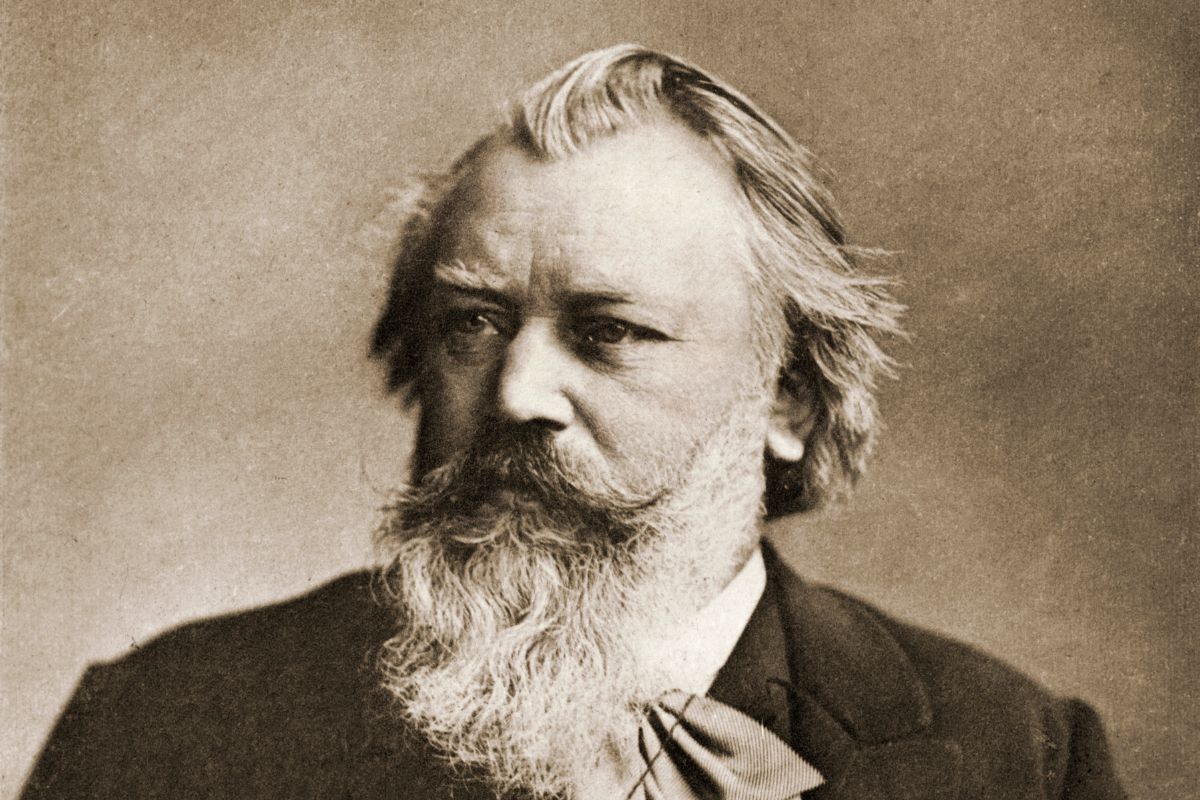
A textbook case of a great composer producing a piece that feels oddly second‑rate. When the University of Breslau awarded him an honorary doctorate in 1879, Johannes Brahms initially considered sending only a polite letter of thanks, but his friend Bernhard Scholz (a professor there) insisted that the university expected something more substantial.
What Brahms delivered is a lumbering, over‑stuffed potpourri of student songs, delivered with a mixture of good humour and mild irritation. The craftsmanship is undeniable, yet the music often feels bombastic rather than brilliant, its climaxes dutiful rather than deeply felt. Even admirers concede it’s Brahms in self‑parodic mode – a genial chore rather than a work of conviction, and a reminder that even masters sometimes deliver something merely serviceable.
4. Berlioz – Lélio (1832)
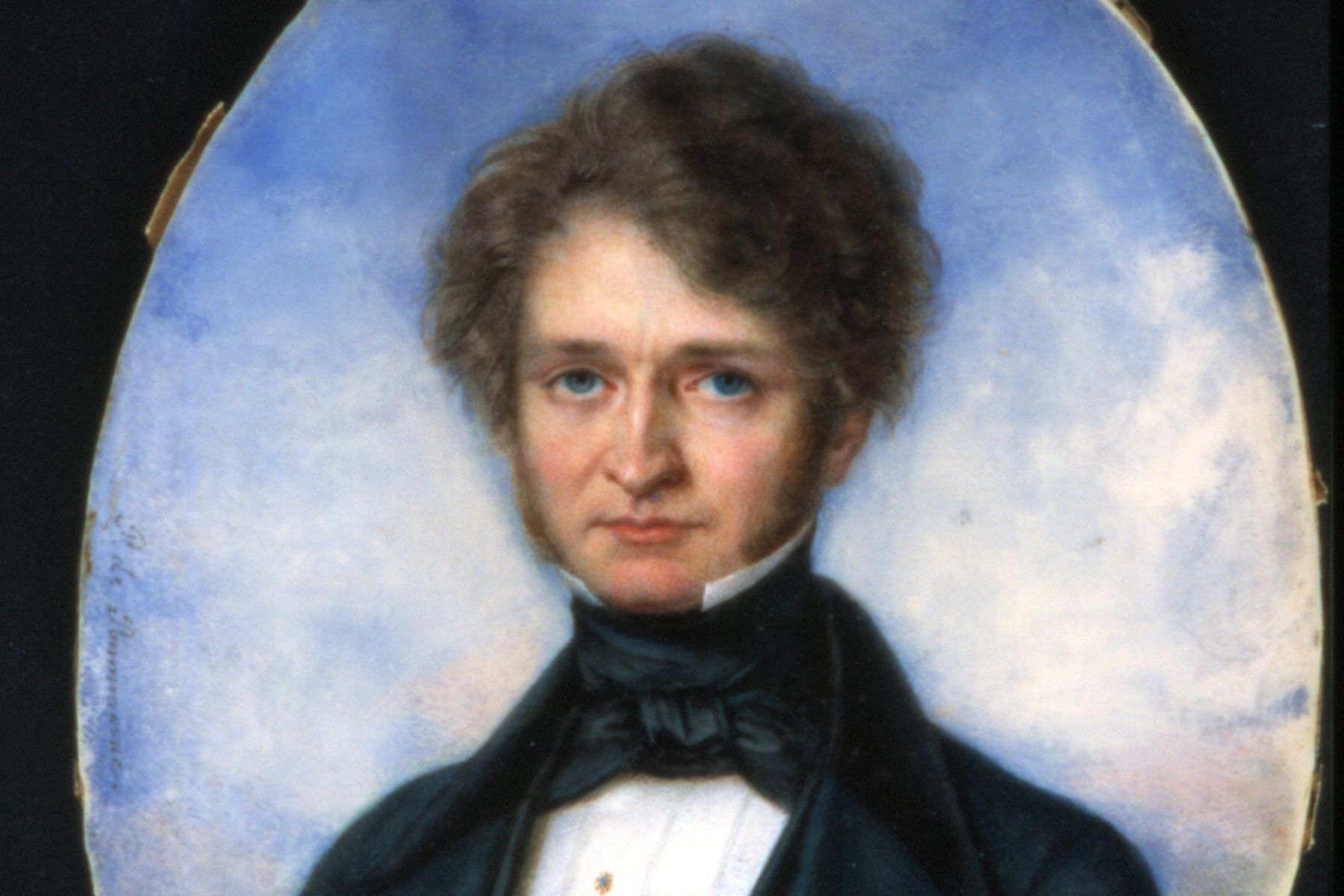
Hector Berlioz's Lélio is what happens when a brilliant composer has an idea and absolutely refuses to stop. Conceived as a sequel to his epic, gothic, swashbuckling Symphonie fantastique, it combines orchestral music, songs, spoken monologues and theatrical declamation into an extraordinarily eccentric half-hour-plus work.
Berlioz was deeply invested in it, but the result can feel more like a collection of ideas than a coherent composition. Even he later revised it substantially. It is fascinating, imaginative and unmistakably Berlioz – but also somewhat overstuffed.
5. Shostakovich: Symphony No. 12, 'The Year 1917' (1961)
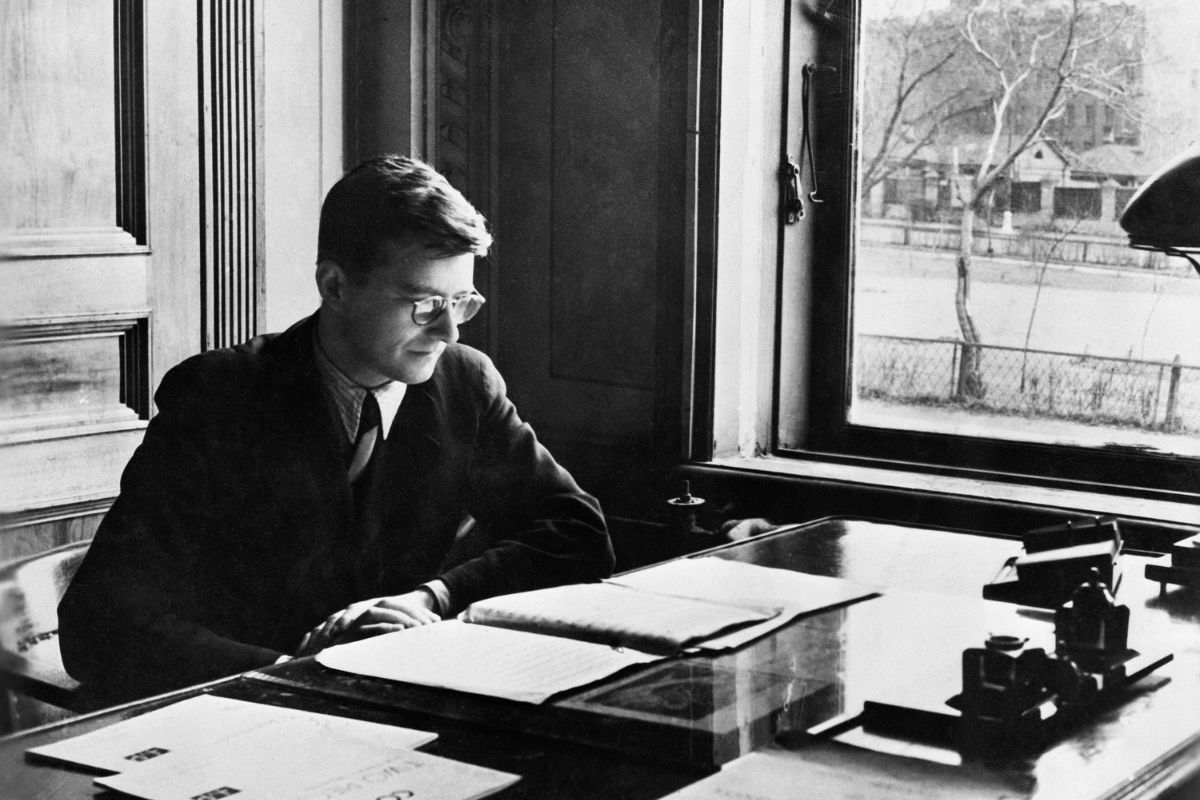
Even a giant like Shostakovich had his misfires – often because of politics rather than inspiration. Many critics and even Shostakovich himself pointed to his Symphony No. 12, 'The Year 1917' (1961) as his weakest.
Written under pressure to commemorate Lenin and the October Revolution, it’s full of pounding marches, bombast, and programmatic titles like Aurora and The Dawn of Humanity. Unlike his great symphonies, there’s little ambiguity, irony, or psychological depth – just dutiful Soviet optimism. Shostakovich reportedly dashed it off quickly, and it feels that way: noisy, simplistic, and lacking the biting edge that made his music unique.
Some also nominate works like Song of the Forests (1949), an oratorio praising Stalin, or the film score to The Fall of Berlin (1950) – both blatant pieces of socialist realism. But the 12th Symphony usually takes the crown as his most hollow, least inspired effort.
6. Liszt: Grand Galop Chromatique (1838)
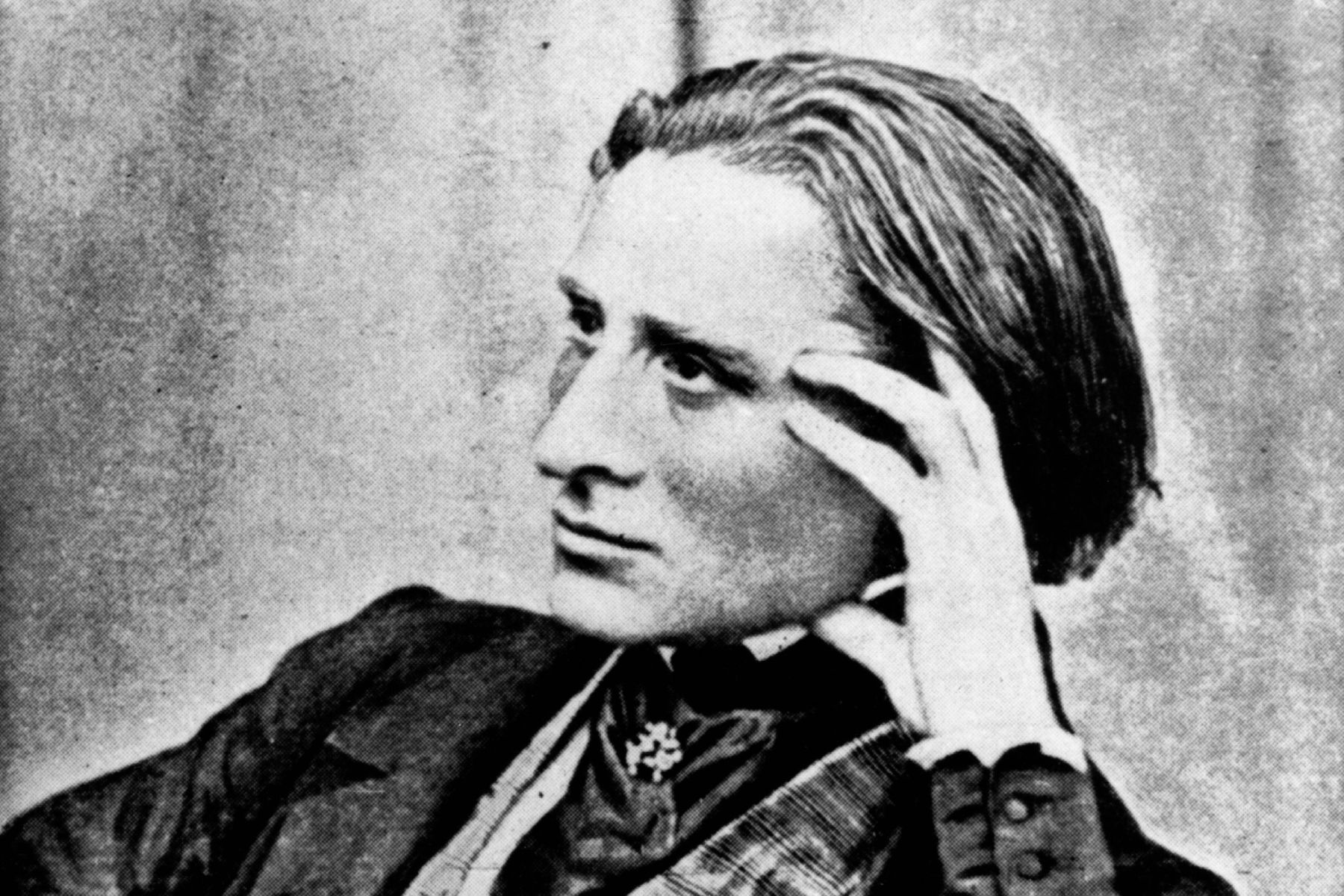
Franz Liszt’s Grand Galop Chromatique is one of the most dazzling examples of sheer pianistic showmanship in the 19th century – and one of the most musically hollow. Written at the height of his career as a touring virtuoso, it’s a whirlwind of lightning-fast runs, thundering octaves, and relentless chromatic scales designed to leave audiences gasping at his supernatural technique.
Subtlety, however, is nowhere to be found. The piece is almost comically over-the-top, pounding forward with relentless bravura but offering little in the way of memorable melody or harmonic depth. It’s essentially a circus stunt for the keyboard: fun, flashy, and exhausting, both for the performer and the listener.
While Liszt’s later works would reveal a profound, searching musical voice, the Grand Galop Chromatique remains a reminder of his early career as a showman first, composer second – an impressive firework, but a brief one.
7. Bernstein: Mass (1971)
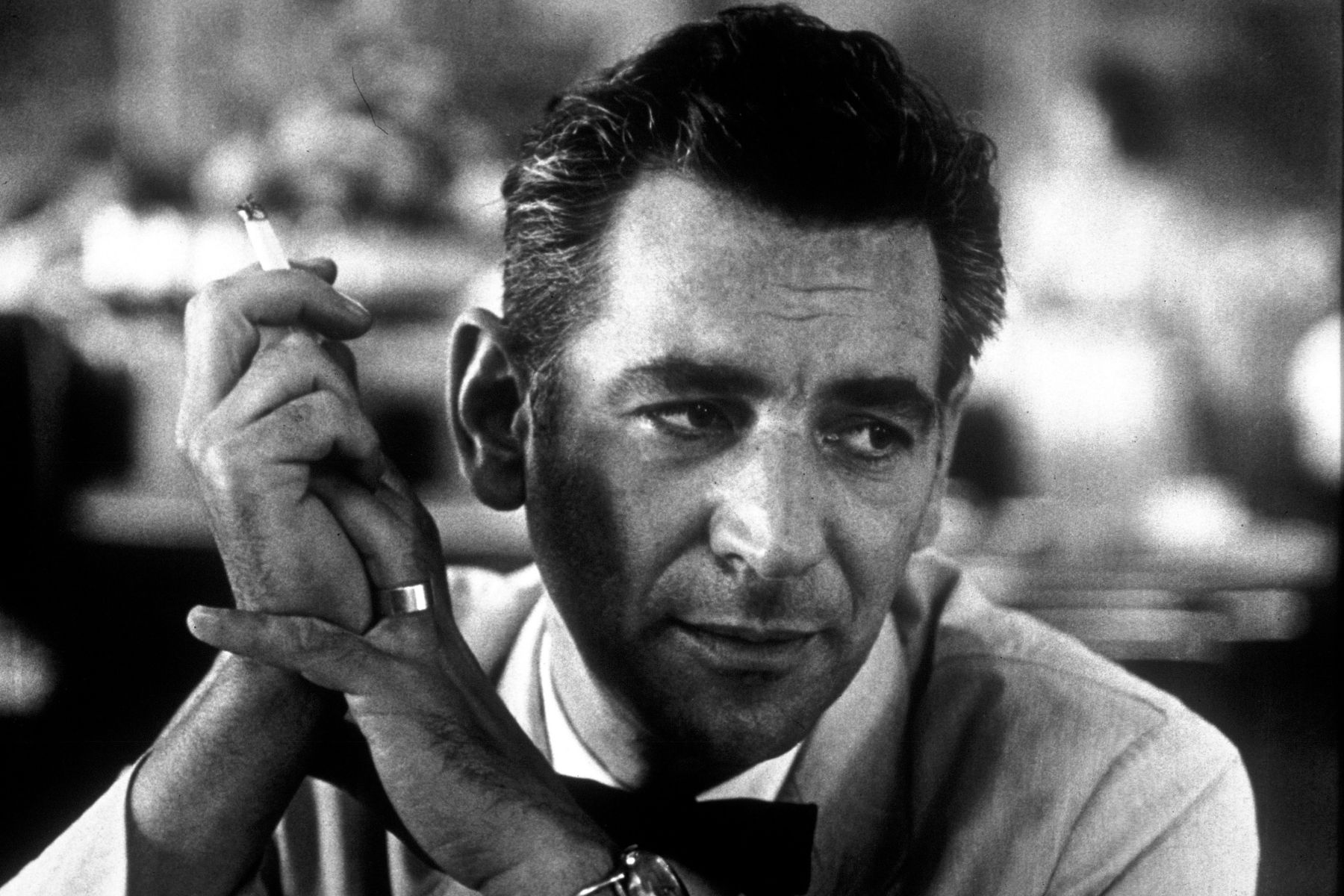
Leonard Bernstein did so many incredible things for the growth of classical music in America, it seems churlish to point out a misfire in his repertoire. But his Mass of 1971 is just that.
Commissioned for the opening of the Kennedy Center, the Bernstein Mass is an ambitious, wildly eclectic theatre piece that fuses Catholic liturgy with rock, gospel, blues, Broadway, marches, and even spoken dialogue. Bernstein wanted to create a big, messy portrait of doubt and faith in modern times – but many heard it as bloated and incoherent. The piece runs well over 90 minutes, veering between moments of genuine beauty and passages that feel dated, bombastic, or embarrassingly earnest.
- Why did the FBI keep a file on Leonard Bernstein?
- How Bradley Cooper's brilliant Bernstein biopic made his children cry
At its premiere, Mass shocked audiences: some were moved, others appalled. The Catholic Church was deeply suspicious, and many critics panned it as indulgent. Bernstein himself remained fiercely proud of it, though, and in recent years it has undergone something of a revival, with listeners more open to its chaotic blend of styles.
8. Wagner – Das Liebesverbot (1836)
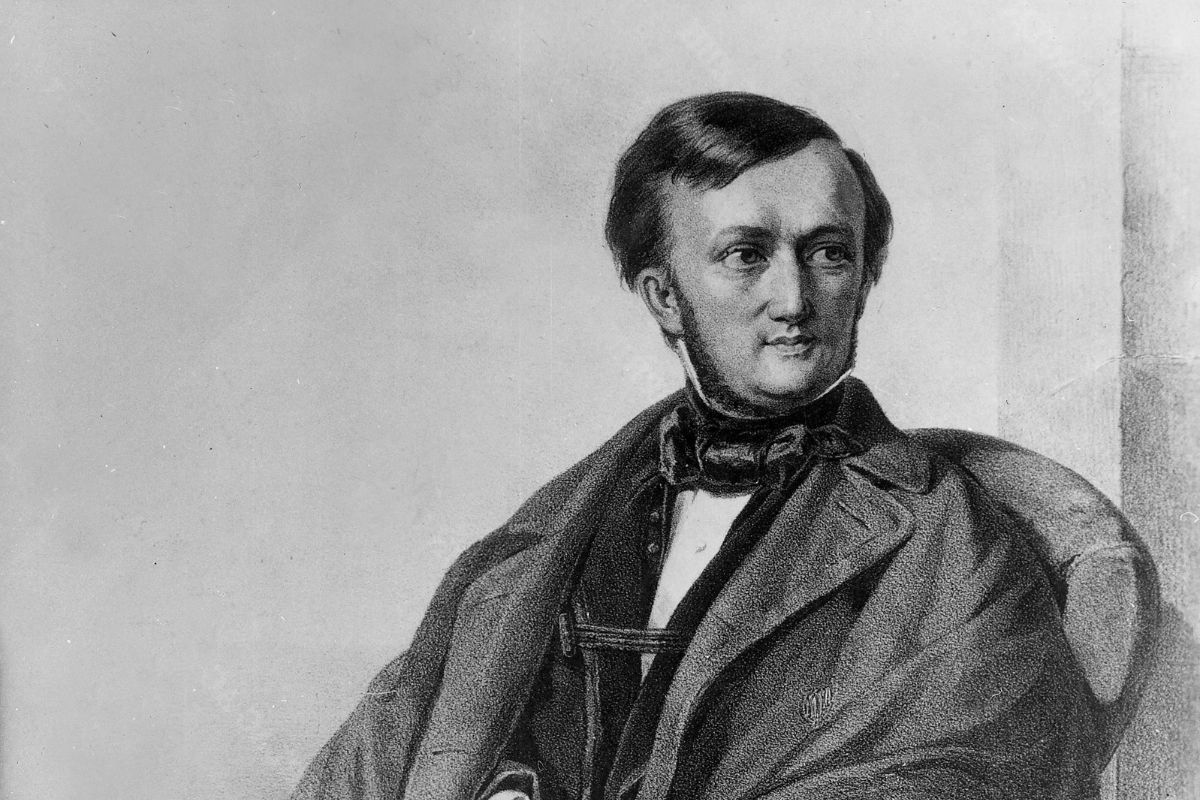
In later life Richard Wagner later had little affection for Das Liebesverbot, his second completed opera, which was written when he was just 23 and desperate for theatrical success. Based loosely on Shakespeare’s Measure for Measure, it was an attempt to embrace the fashionable comic-opera style of the day, complete with Italianate melodies and French theatrical influences.
The premiere in Magdeburg was a fiasco: the second performance collapsed when singers failed to appear. Wagner's revolutionary future suddenly seems very far away.
9. Prokofiev – Zdravitsa (1939)
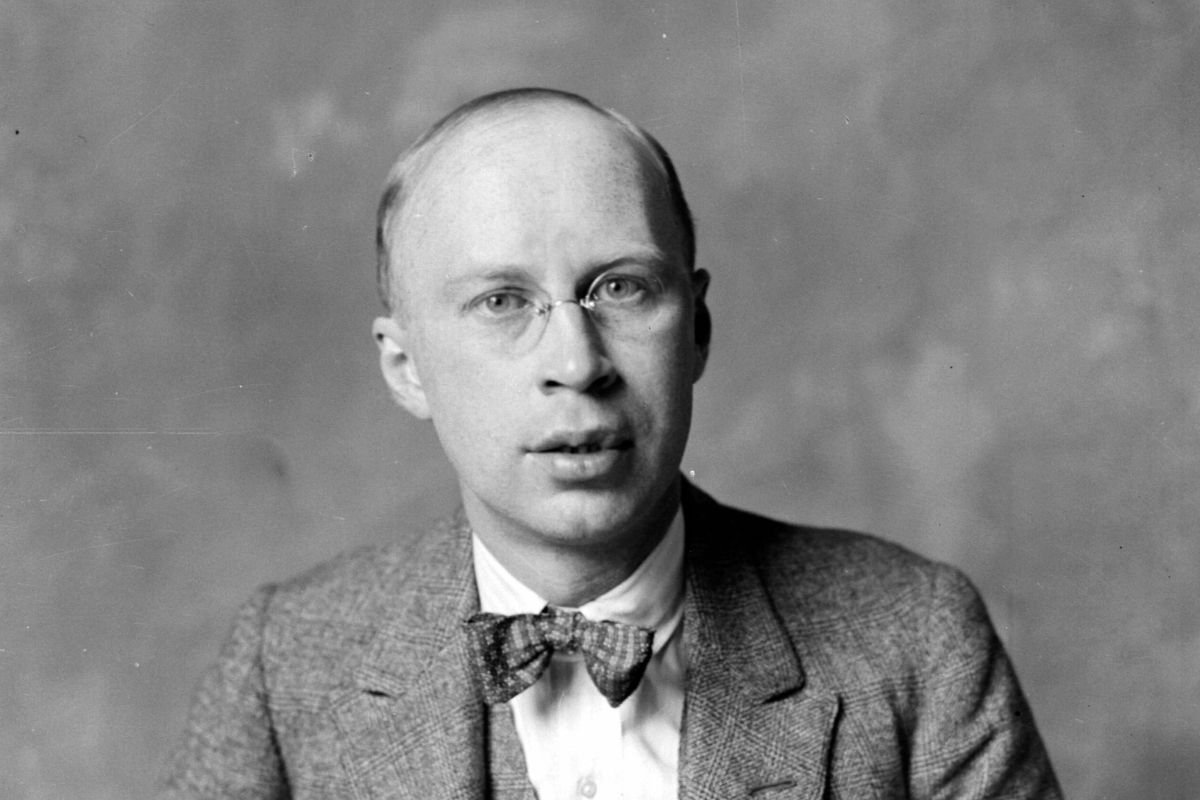
Few works illustrate the pressures facing Soviet composers more starkly than Zdravitsa, written for Stalin's 60th birthday. Its title means 'Toast', and Prokofiev duly supplied an exuberant musical celebration of the dictator, praising Stalin as a wise and benevolent leader.
The composer was hardly writing from a position of complete artistic freedom: Soviet composers were expected to produce accessible, ideologically correct music, and deviation could have serious consequences. Zdravitsa is therefore less an artistic failure than a chilling example of political circumstances shaping a composer's output.
Coda: Prokofiev and Stalin would eventually pass away on the same day: 5 March 1953. Inevitably, the composer's funeral was overshadowed by the dictator's.
Writing for the pay cheque
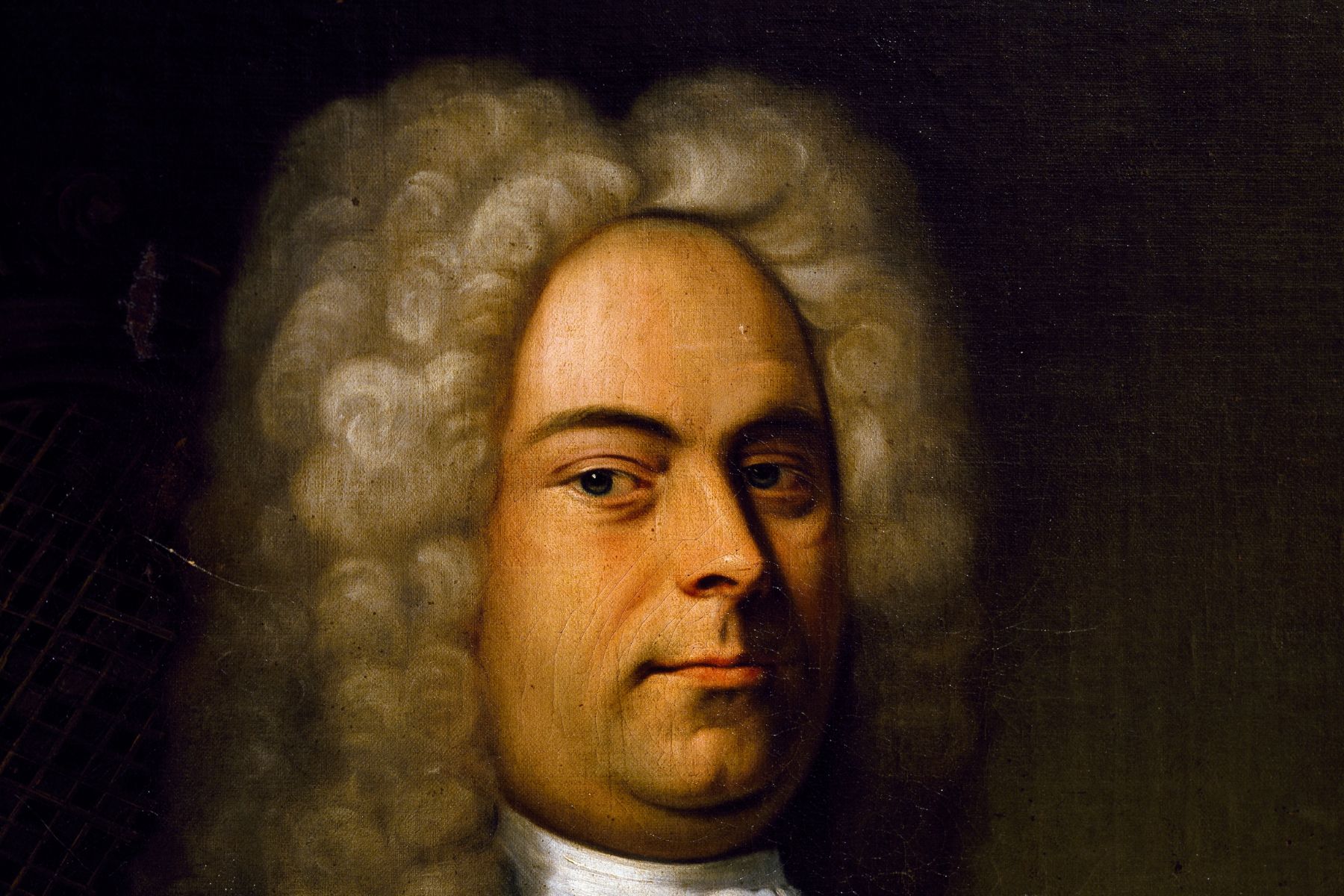
Can I suggest four reasons why composers don't get it right every time? The first is pressure: the pressure of time, of expectation, of relentless deadlines. Composers such as Bach and Haydn faced the 18th-century musical equivalent of an essay crisis every week of their working lives. No wonder some of Bach’s obscure cantatas and Haydn’s lesser symphonies seem to have been composed on autopilot. Or, in Handel’s case, that he raided the back-catalogue – his own or someone else’s – so frequently to get an opera finished before the curtain went up.
Secondly, you can sometimes almost feel a composer’s contempt for the commission, or the person commissioning, in the music they churn out. In other words, they are writing purely for the money, and it shows. I’m not sure how true that was of Beethoven’s Wellington’s Victory. By 1813 he was thoroughly disillusioned with Napoleon.
But it was certainly true of all those dreadful sycophantic cantatas and incidental pieces that Shostakovich and Prokofiev had to compose to appease Stalin. They did it because, if they didn’t, they would have been sent off to the gulags. But they certainly weren’t going to waste any real inspiration on the task.
Sometimes inspiration just fails
Thirdly, you can blame posterity – us. We turn composers into gods who can do no wrong. Performers, record companies and radio stations obsess about presenting their ‘complete works’, irrespective of quality. Then we are confronted by, say, Mozart’s first 20 symphonies, or the try-out cantatas Elgar wrote in the 1890s, and wonder why they don’t inspire us. We feel cheated. We forget that even geniuses need time to find their own voice.
And fourthly? Well, tragically, that’s when none of the above applies. Inspiration simply fails. It affects the best of us from time to time. Does anyone think that Stravinsky, who thrilled and shocked the world with The Rite of Spring, really felt fulfilled by the grim 12-tone pieces he turned out late in life?
And although some distinguished musicians have made the case for Mahler’s Seventh Symphony, the piece always strikes me as something he might have composed after waking up with a migraine, burning the toast, missing the train to work and spilling ink over his trousers.
But the true greats climb to the highest highs
As Oscar Wilde said, ‘Only the mediocre are always at their best.’ The definition of genius is not that you never have bad days. It’s that, on your good ones, you climb to heights nobody else can imagine.
Words Richard Morrison
Additional research Steve Wright
Pics Getty Images