Who’d have guessed, in the early 1970s, that by the end of the decade musical incompetence and half-baked posturing would become fashionable in music?
Certainly not the rock royalty of the time. Some were too big to be felled, which only served to enrage the punks even further. A minority attempted to change tack or suck up to the new fashions. And newer rock and prog bands either found themselves uncomfortably lumped in with punk or ignored altogether.
1. Pink Floyd
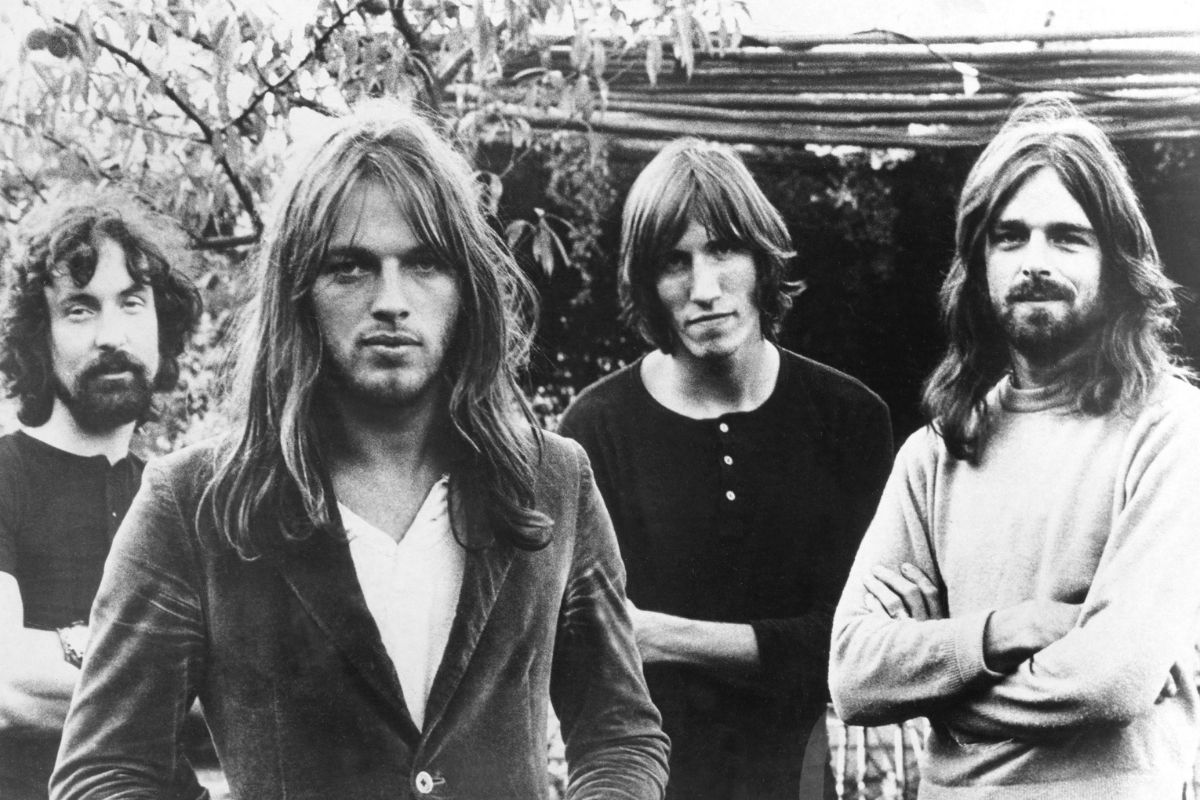
Obviously we start here. 'I hate Pink Floyd,' read Johnny Rotten’s T-shirt, famously. But why? Floyd’s crime was to be fabulously wealthy and talented at a time when prolier-than-thou incompetence was the accepted posture. Politically, though, the bands weren’t that far apart.
Animals (1977) was Floyd's punk-era masterpiece. Mostly written by Roger Waters, it was Floyd’s angriest and harshest album to date, riffing on Orwell’s Animal Farm as it took pot shots at the likes of self-styled morality campaigner Mary Whitehouse. Interestingly, the album has grown in stature since its release and is now ranked among Floyd’s masterpieces.
2. Yes
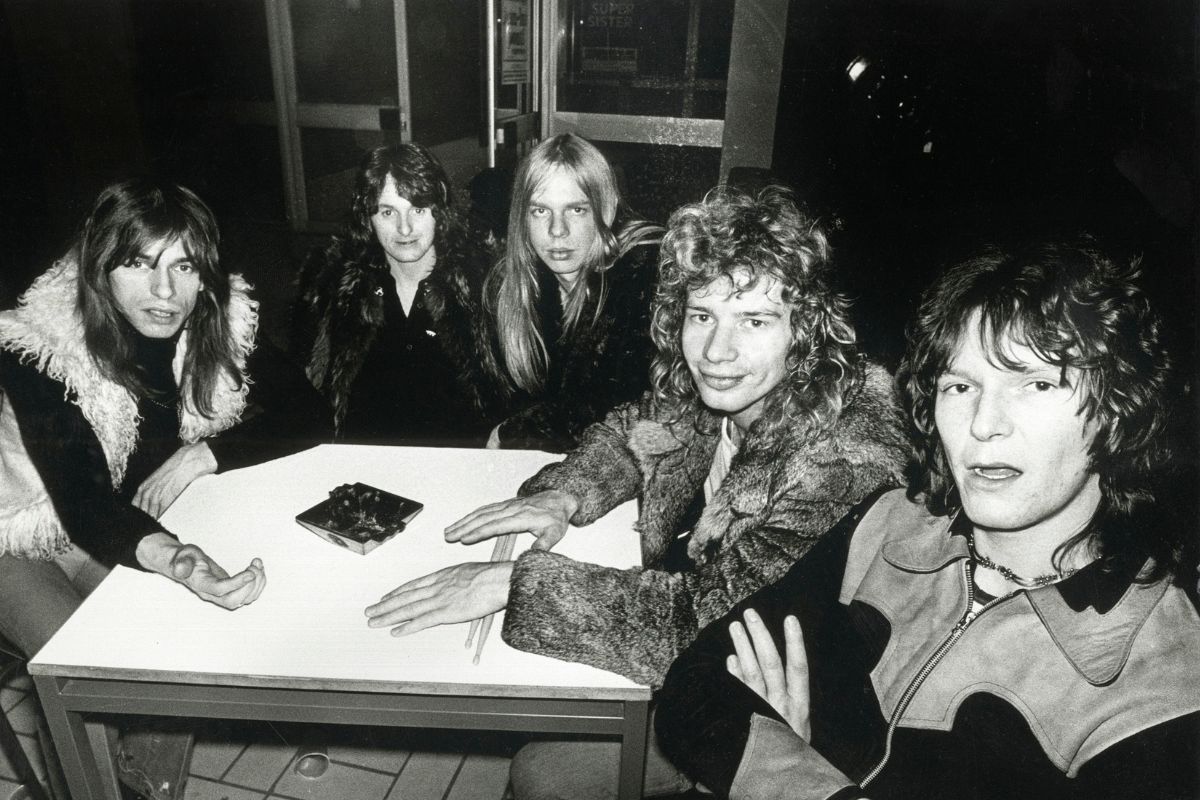
Back in the mid/late 1970s Rick Wakeman, recently departed keyboardist with prog rock behemoths Yes, attempted to burnish his credentials as a drunken yob in music press interviews. But no one really bought it from the classically trained keyboard player.
He returned to the mothership in 1976, just in time for the excellent Going for the One album. The single from that album, Jon Anderson’s ‘Wonderous Stories’, reached the UK Top Ten, and can be seen in direct opposition to everything punk stood for, being a celebration of what Anderson described as 'the joys of life'. No wonder we bought it in such enormous quantities.
Yes simply seemed to ignore punk, as they had their own dramas to deal with over the ensuing years. The follow-up to Going for the One was 1978's generally dreadful Tormato (one of rock's most disappointing follow-ups, in fact), after which Anderson and Wakeman left. The Buggles duo of Trevor Horm and Geoff Downes were brought in for 1980's superior Drama, but fans never really took to Horn.
Anderson rejoined along with South African guitarist Trevor Rabin for 1983’s very different 90125 album, which saw Horn switch to a producer role and proved to be a huge commercial success. The Yes soap continues to this day, entirely unaffected by outside trends.
3. Electric Light Orchestra
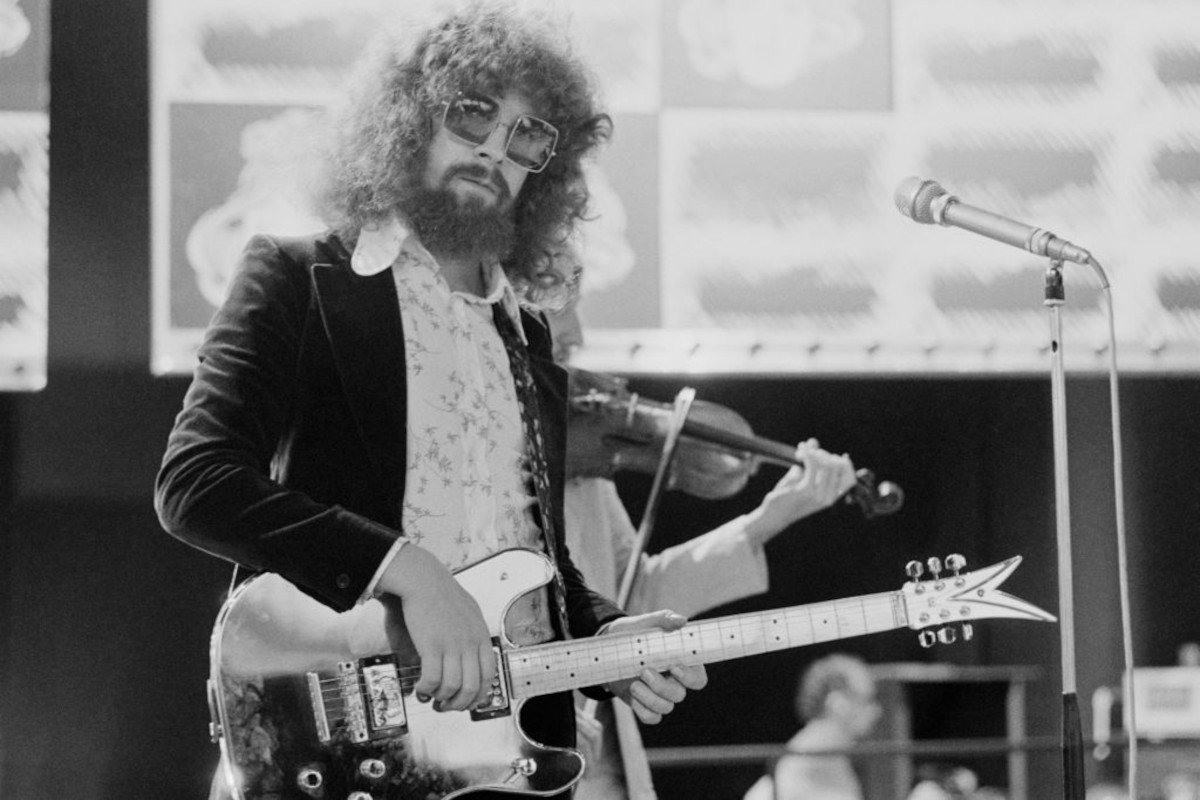
If punk's great complaint was that rock had become too elaborate, Electric Light Orchestra were hardly going to get off scot free.
Jeff Lynne's magnificent obsession with strings, orchestras, layered vocals and immaculate production reached its apotheosis with Out of the Blue, the sprawling double album released in 1977. It arrived at almost exactly the wrong moment aesthetically: while the punks were stripping rock back to basics, ELO were adding more of everything.
Yet the joke was on them only if you ignored the sales. Out of the Blue was a huge international success, while 'Mr. Blue Sky' became one of ELO's defining songs. Punk might have declared this sort of thing dead – but the public weren't buying it. Or rather, they were.
4. Emerson, Lake & Palmer
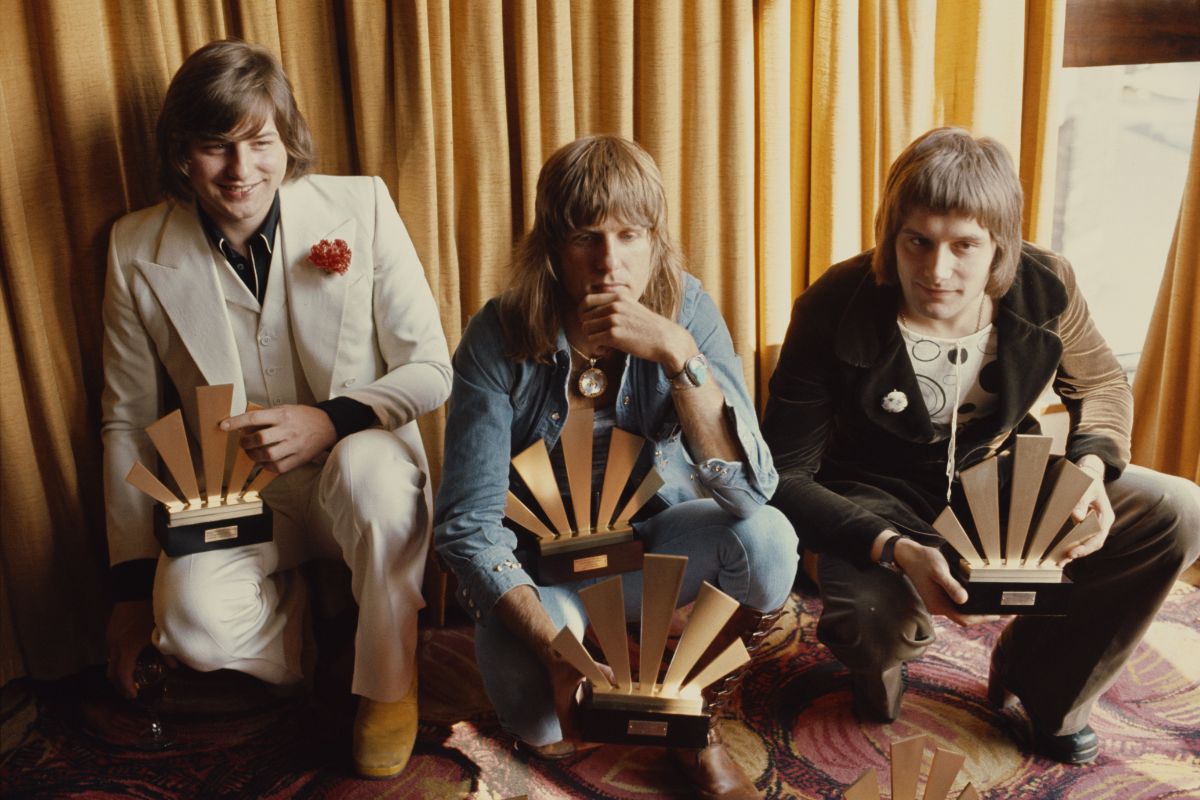
Prog supergroup ELP stood no chance of getting away with pretending to be yobs, even if they wanted to, but their flamboyance and musicianship sealed their fate. Keith Emerson’s unveiling of his revolving grand piano at the 1974 California Jam was considered one of the worst examples of rock star excess by the nascent punk hordes.
The grand, ambitious Works albums of 1976 and 1977 were seen by the same expectorating punks as the worst possible examples of rock star excess. But ELP just carried on as though the punks didn’t exist, which only served to enrage them even more, scoring a huge hit single with their version of ‘Fanfare for the Common Man’. In fact, the only thing that brought the trio down was... ELP themselves, with their dreadful Love Beach album (one of the worst albums in rock) in 1978.
5. Queen
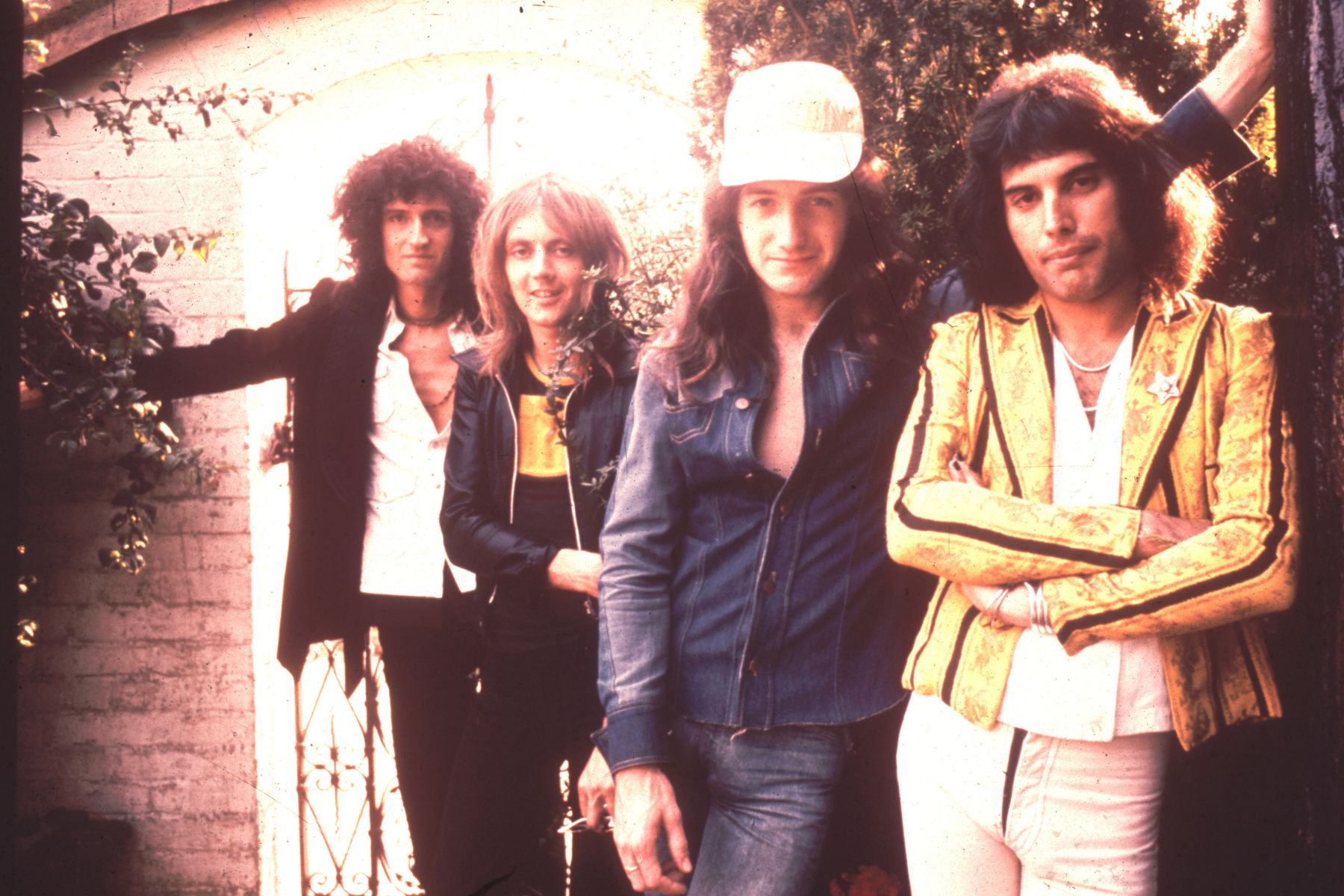
Queen’s popularity, flamboyance and sheer musical chops made them a natural enemy for the mewling, expectorating punk lobby. In December 1976, Freddie Mercury and co. were invited guests on Bill Grundy’s Tonight TV programme, but pulled out at the last minute. The Sex Pistols were their highly inappropriate last-minute replacement.
If the eager tabloids were to be believed, the band’s expletive-filled interview outraged the nation (or that part of it that was actually watching the early evening show, which only went out in London) and cemented their reputation for yobbishnes.
The bands actually met at Wessex Studios in London the following summer, where they were both recording. First, Johnny Rotten literally crawled in on all fours, went up to Mercury and said, 'Hello, Freddie,' before exiting again. Then it was Sid Vicious’s turn. He took a much more direct approach, entering the studio somewhat the worse for wear and demanding of Freddie: 'Have you succeeded in bringing ballet to the masses yet?'
'Aren't you Stanley Ferocious, or something?' replied Freddie, as he chucked the non-bass-playing bassist out of the studio. Punk failed to dent Queen’s popularity in the UK, where the band’s 1981 ‘Greatest Hits’ compilation remains the UK’s best selling album.
6. Genesis
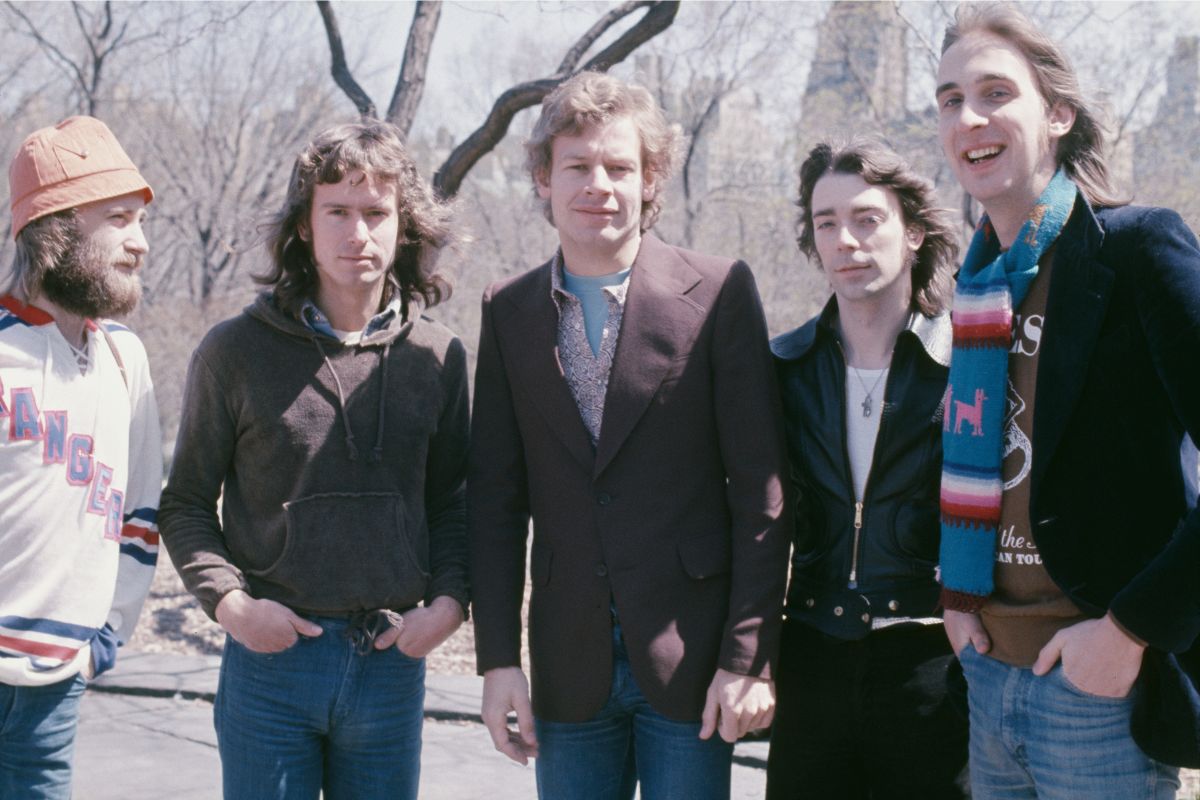
Genesis might have looked like prime punk-dinosaur material: five long-haired prog musicians, elaborate albums and Peter Gabriel's famously theatrical stage shows. But just as punk was declaring war on all that, Genesis were quietly changing.
Gabriel had left in 1975, Phil Collins had moved from behind the drums to the microphone, and A Trick of the Tail (1976) proved they could survive without their most flamboyant member. Wind & Wuthering followed in 1976, retaining the musical ambition while becoming more melodic and accessible.
Steve Hackett left in 1977, but Genesis simply carried on. Punk had arrived to destroy prog; Genesis responded by gradually becoming one of the biggest bands of the 1980s.
7. Gentle Giant
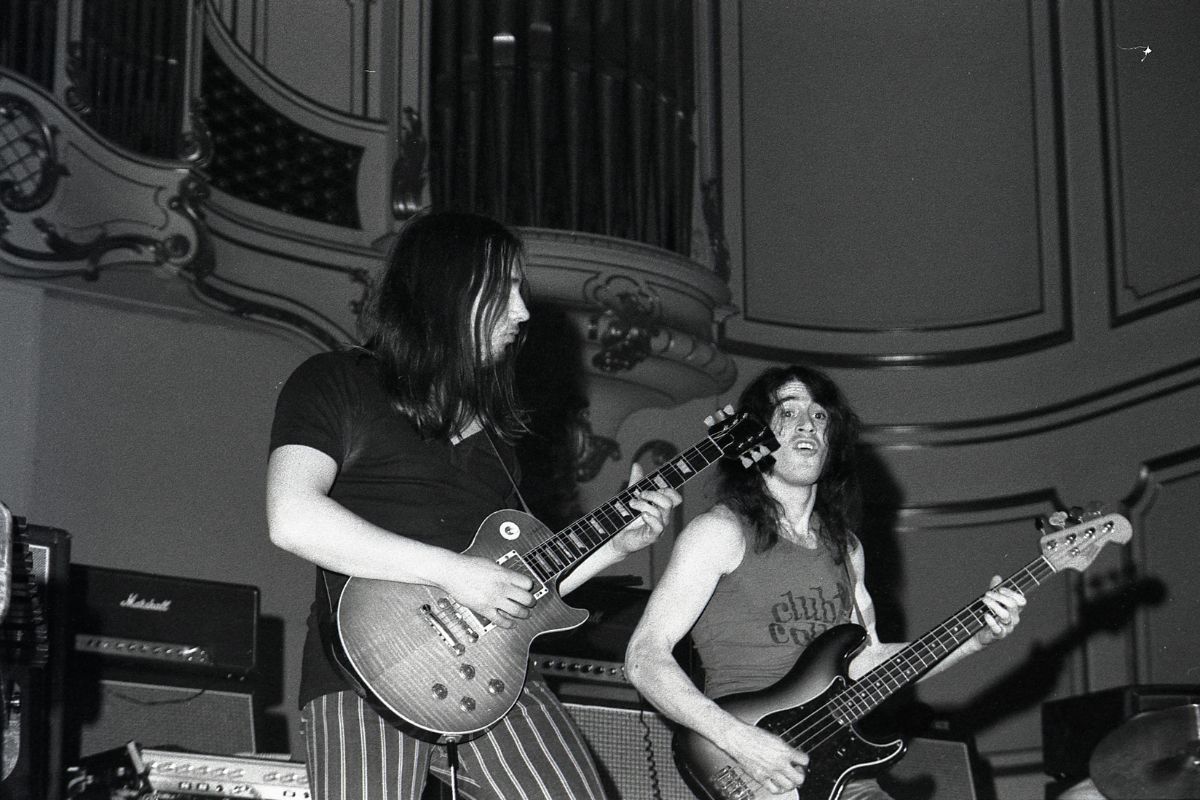
One of the finest of all the prog rock bands, Gentle Giant didn’t actually 'shift many units' as they used to say, which left them vulnerable to the punk onslaught. In 1977, they decided to address this head-on with the track ‘Betcha Thought We Couldn’t Do It’ on their The Missing Piece album: two minutes and 25 seconds of punk-inspired fury.
By this time, Gentle Giant had been experimenting with shorter, less elaborate pieces of music in a faintly desperate attempt to secure a hit. Perhaps unsurprisingly, this proved unsuccessful and the band split in 1980, just after the release of the Civilian album.
8. Jethro Tull
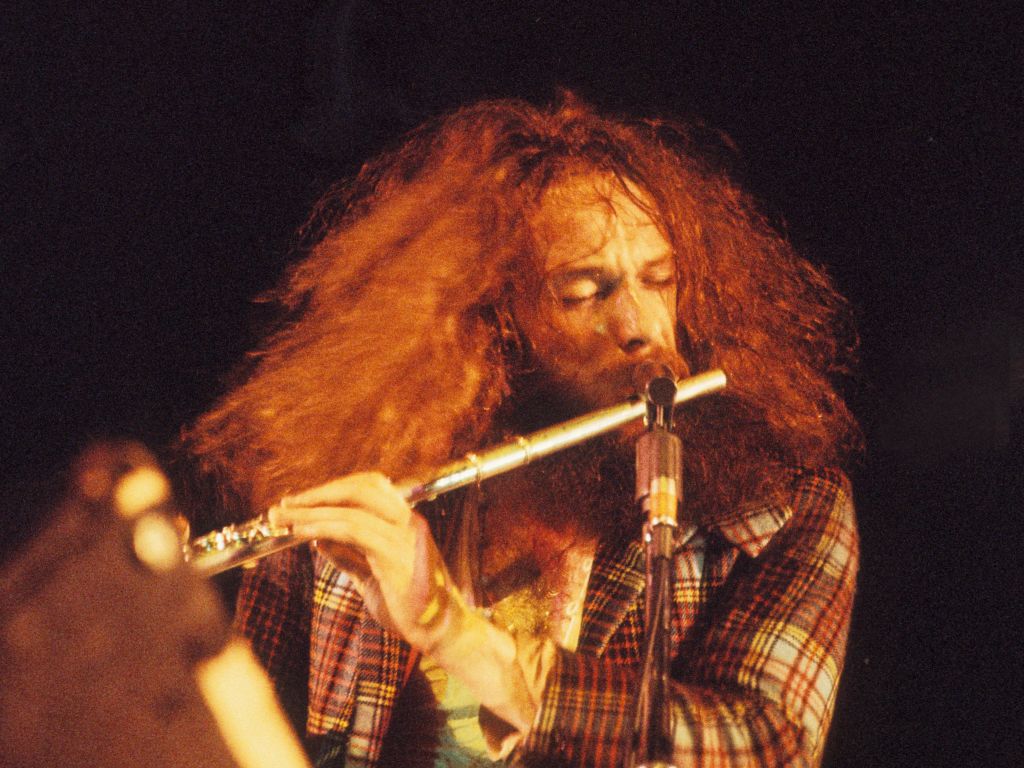
Ian Anderson might as well have painted a target on his back.
Flute, medieval costumes, lengthy songs, pastoral whimsy and an onstage routine involving one-legged flute playing: Jethro Tull seemed to embody everything punk regarded as pompous and ridiculous.
Anderson wasn't exactly rushing to make peace, either. In 1977 he described punk rock as 'rubbish', while contemporary critics portrayed Tull as being trapped in a musical 'time warp'. Yet Songs from the Wood, released that same year, was a terrific album, as was its 1978 successor Heavy Horses. Tull simply carried on doing their own peculiar thing – and their audience carried on buying it.
9. Led Zeppelin

Jimmy Page and Robert Plant famously attended a gig by The Damned at the Roxy nightclub in London in 1977. They genuinely enjoyed the music, but fans and music journalists alike were eager for them to get back in their box. The Tolkien-influenced heavy rockers didn’t belong in the same world as the punks, they considered. Damned drummer Rat Scabies was given a particularly hard time by punk purists for talking to them.
Led Zeppelin were another of those bands, though, who were simply too big to be felled by punk, and went onto headline two massive shows at Knebworth before splitting in 1980, following the death of drummer John Bonham.
Those Zeppelin favourites The Damned, meanwhile, are still active. After the punk bubble burst, they were embraced by rock audiences and even supported Motörhead on a UK tour in 2009.
10. Barclay James Harvest
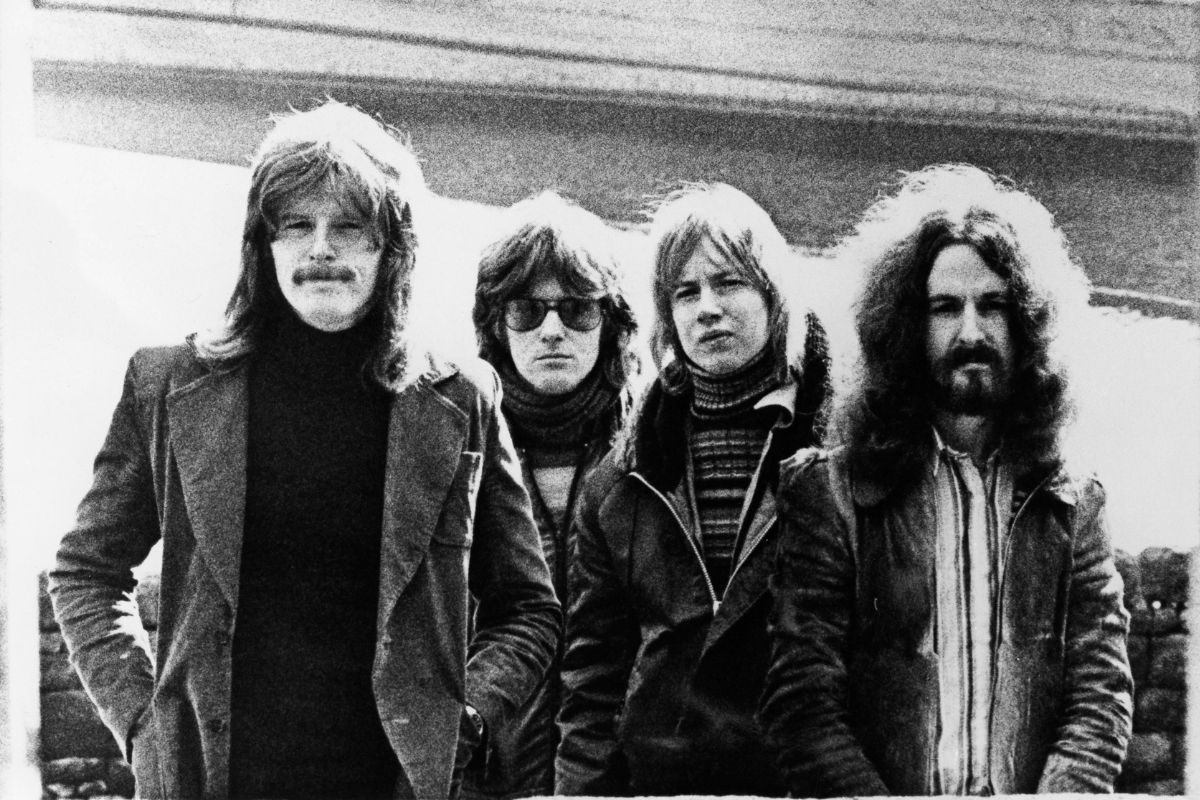
Barclay James Harvest had spent the first half of the 1970s perfecting precisely the sort of grand, symphonic rock that punk was supposed to make obsolete. They had orchestras, Mellotron, lengthy songs and a fondness for enormous arrangements – all rather awkward when the new musical order was three chords, three minutes and three safety pins.
Yet BJH didn't suddenly start pretending to be punks. They simply carried on, releasing Gone to Earth in 1977 and XII in 1978, while building an especially devoted following in Europe. They never became stadium dinosaurs on the scale of ELP or Pink Floyd, but their survival was a quiet victory for anyone who thought there was still room for symphonic rock.
And do you remember...
11. The Enid
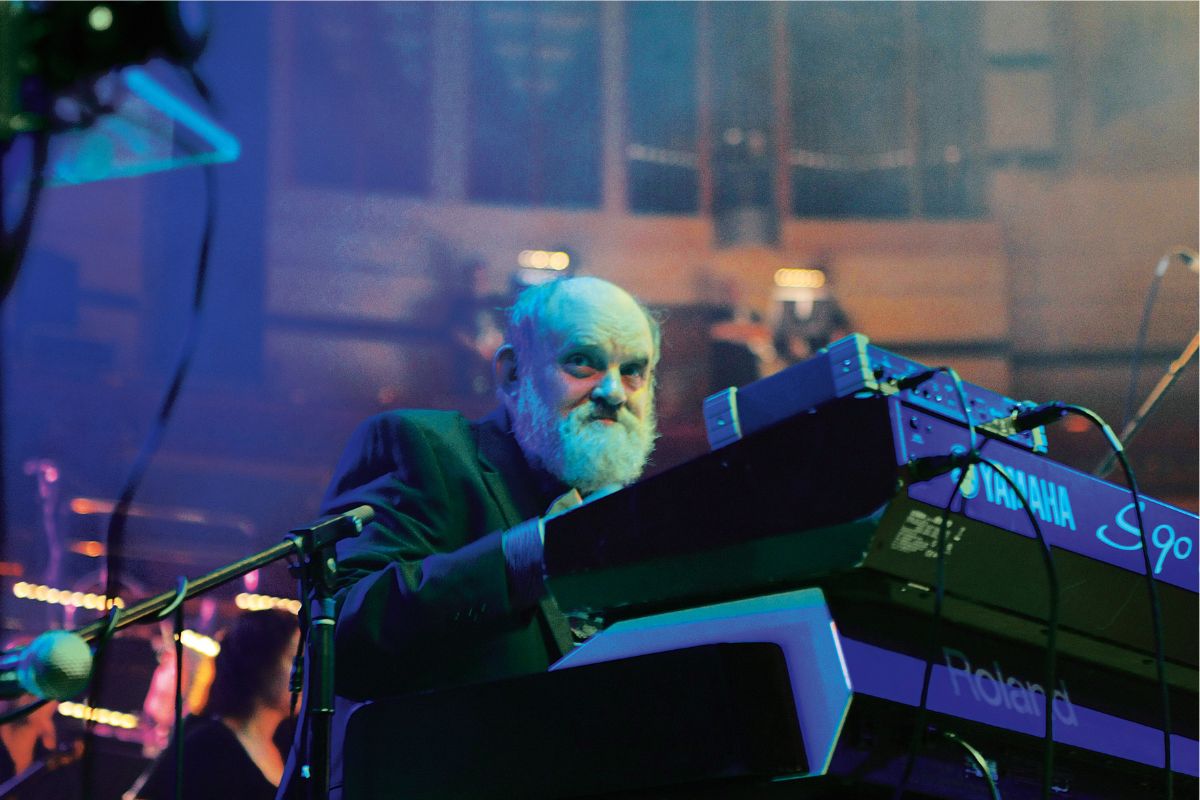
In retrospect, the mid-1970s wasn’t an ideal time to launch an ambitious symphonic prog band. But nobody told Barclay James Harvest’s former ‘musical director’ Robert John Godfrey. And if they did, he wasn’t listening.
For those of us who were too young for the first generation of great prog bands, and had no interest in punk, however, The Enid were the right band at the right time. Assuming we found our way to them in the absence of any music press coverage. Derek Jewell’s excellent Radio 3 programme ‘Sounds Interesting’ was an early champion of their great debut album, the Tarot-inspired In the Region of the Summer Stars, which was released in 1976.
That was how I found myself in a small rural town hall as a schoolboy in the late 1970s. For reasons best known to himself, the promoter had booked a local punk band as their support act. We sat cross-legged and listened politely to their racket. Then The Enid came on to deliver a masterclass in symphonic rock, which was interrupted by frequent cries of 'Boor-ing!' – especially during the quiet passages in the majestic ‘Fand’.
In a brilliant move, Robert stopped the show and invited the heckling support band – for it was them – to explain what they found boring. Eventually, one of them came up to the microphone and said 'Mumble, mumble... boring old farts!' At which point the assembled hippies mutinied and the punks were ejected.
I knew these guys to be older middle-class lads from the local Boys’ Grammar School, who affected gorblimey accents and wore nice shiny new safety pin earrings. The Enid’s founders, by contrast, were alumni of the Finchden Manor community for 'delinquent, disturbed and disturbing boys' (Tom Robinson was a fellow alumnus), which tells you all you need to know about how confused things were back then...
Pics Getty Images