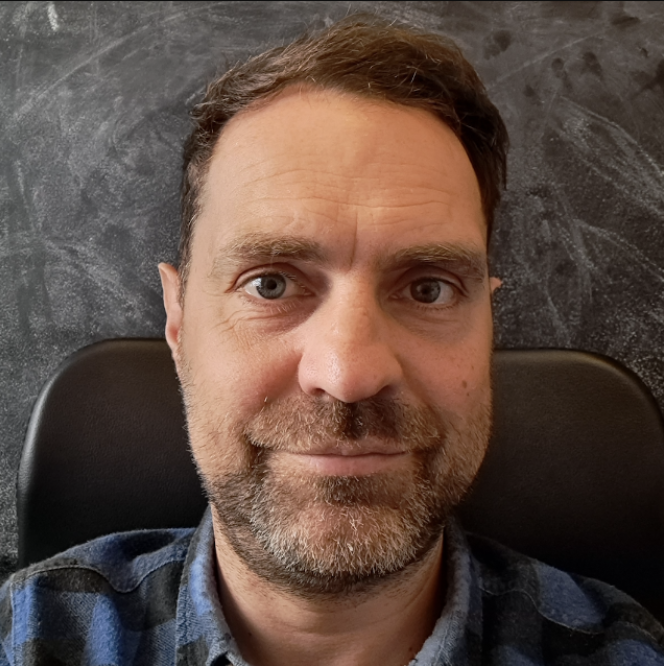
The great rock festivals of the early 1970s promised something close to utopia.
Hundreds of thousands of people gathering in the open air to hear the biggest names in music, free from the conventions of the concert hall. But putting that many people, performers and amplifiers in the same field was rarely quite so simple.
Behind the legendary performances were traffic jams, ticketing disputes, inadequate facilities, freak weather, political protests, crowd trouble and promoters discovering that organising a rock festival was considerably harder than booking a band.
Some festivals were chaotic from the outset; others unravelled when the crowds became vastly larger than expected. A few were financial catastrophes, while others simply became famous for all the things that went wrong.
Here are seven extraordinary 1970s festivals where the dream of rock utopia collided spectacularly with reality.
1. Isle of Wight Festival, 1970
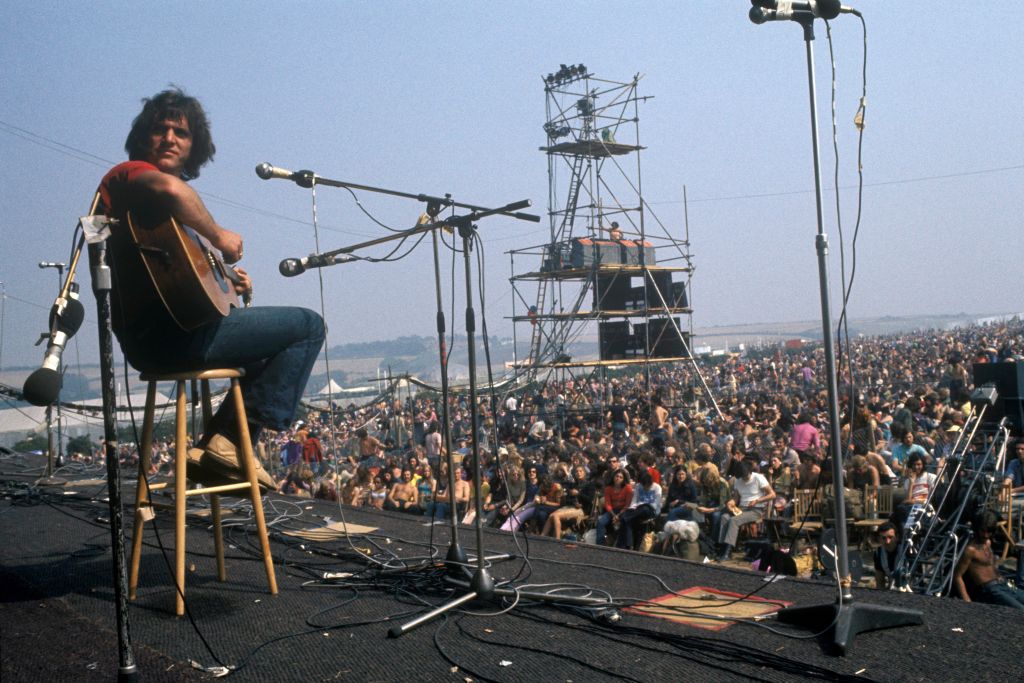
After the success of the first two Isle of Wight festivals, the 1970 edition was supposed to establish the island as Britain’s answer to Woodstock. And what a lineup: Jimi Hendrix, The Who, The Doors, Miles Davis, Joni Mitchell, Jethro Tull, Sly and the Family Stone, Joan Baez, Leonard Cohen and Emerson, Lake & Palmer were among the attractions.
Instead, the festival became a logistical and financial nightmare. The site was awkward, the sound system struggled with the scale of the crowd, and getting hundreds of thousands of people onto an island whose normal population was under 100,000 presented an enormous challenge.
A militant minority repeatedly attacked the perimeter, while some performers were pelted with objects and Joni Mitchell's set was interrupted. Indeed, the singer-songwriter was famously reduced to tears on stage as she begged the rowdy, fence-crashing crowd for 'a little respect'.
Then, on the final afternoon, compere Rikki Farr unexpectedly announced that the festival was now free. The fences came down and the organisers were left facing financial ruin. The event lost tens of thousands of pounds and there would be no Isle of Wight festival for another 32 years.
What we learned: Woodstock-style idealism was getting much harder to reconcile with the realities of mass-event logistics.
Here's Joni asking the crowd for some respect:
2. Powder Ridge Rock Festival, 1970
Powder Ridge was supposed to be one of the great American festivals of the post-Woodstock era. Planned for a Connecticut ski resort over three days in July 1970, it promised an extraordinary lineup including Janis Joplin, The Doors, Jefferson Airplane, Sly and the Family Stone, Mountain, Fleetwood Mac, Little Richard and many others.
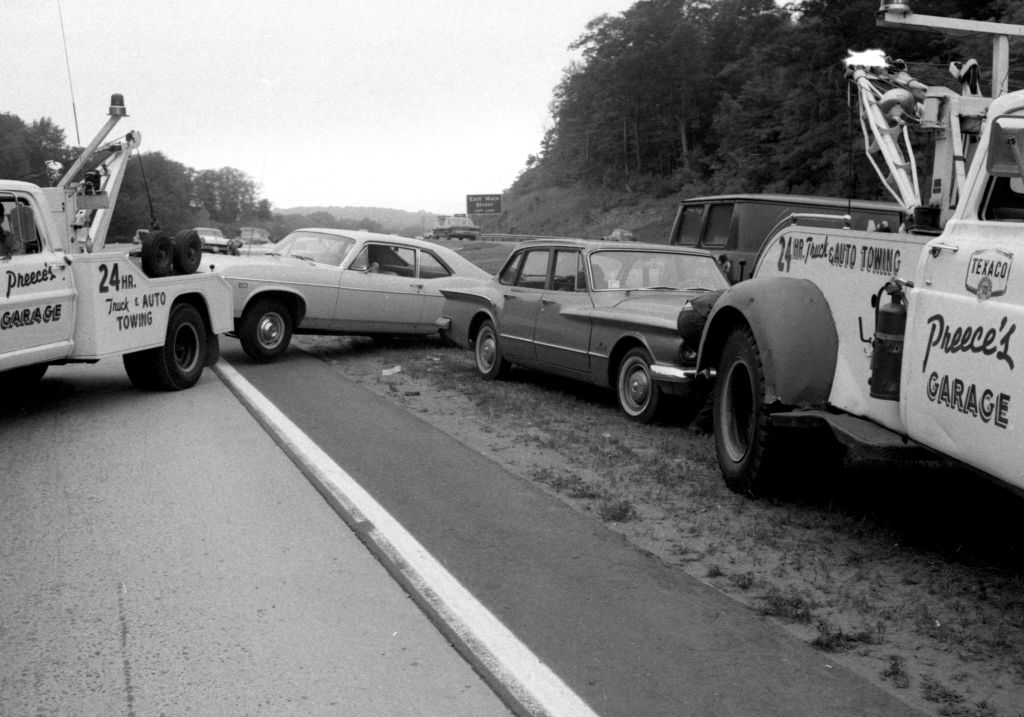
Then local opposition and legal action brought the whole thing crashing down. A court injunction prohibited the festival from taking place — but the promoters kept hinting that it might somehow go ahead. So, despite signs on the highways telling them to turn around, around 30,000 people turned up anyway.
They found a festival with almost everything except a festival: no proper entertainment, inadequate food and plumbing, and a site crawling with drug dealers. Most of the booked musicians stayed away. Melanie was the remarkable exception, performing on an improvised stage whose electricity came from Mister Softee ice-cream trucks (see clip below). A few local acts joined her.
The festival became an extraordinary monument to the momentum of the late-60s rock gathering: once thousands of young people had been promised a Woodstock-style experience, apparently even a court order couldn't convince them that it wasn't happening.
Legacy: Powder Ridge became the ultimate example of a festival that collapsed before it even began — and a warning about what happened when promoters, authorities and audiences all lost control of the same event.
3. Festival Express, Canada, 1970
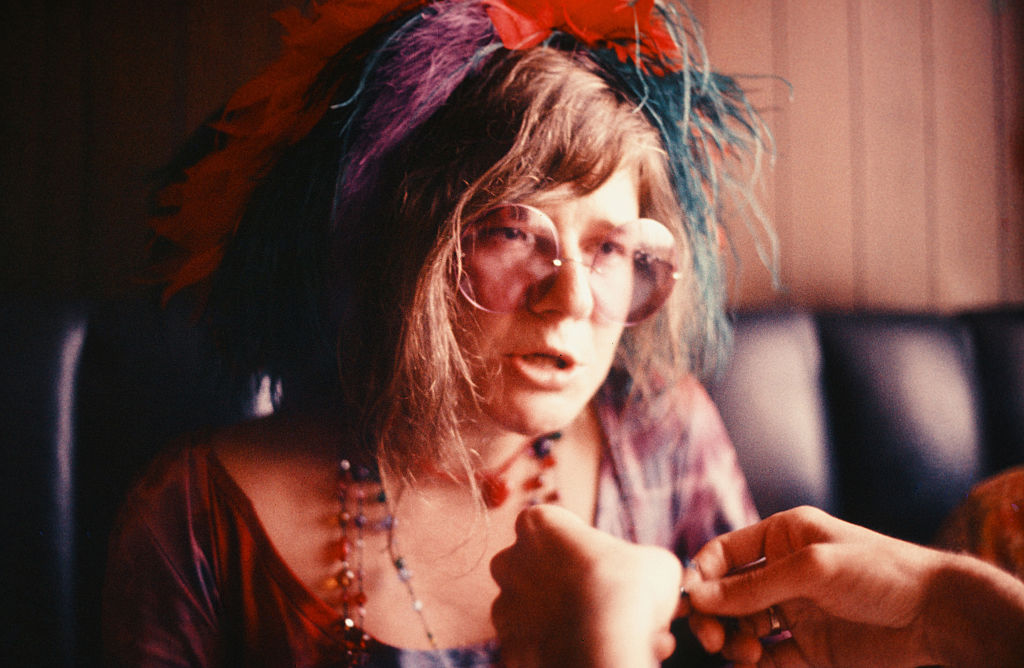
The idea was almost impossibly romantic: gather some of North America's greatest rock musicians on a specially chartered train and send them across Canada, stopping for huge concerts in Toronto, Winnipeg and Calgary. The bill included Janis Joplin, The Grateful Dead, The Band, Buddy Guy, Mountain, Delaney & Bonnie and the Flying Burrito Brothers.
The reality was considerably messier. Toronto descended into chaos when around 2,500 protesters objected to ticket prices and attempted to storm the gates, leading to clashes with police. Jerry Garcia helped defuse the situation by arranging a spontaneous free performance nearby.
Winnipeg then attracted just 4,600 people, partly because of fears about further trouble. Calgary brought more ticket protests, fence-jumping and an extraordinary confrontation between promoter Ken Walker and the city's mayor.
Yet the strangest part of Festival Express was what happened between the disasters. On the train, the musicians drank, jammed and partied almost continuously, producing the extraordinary footage that eventually became the 2003 documentary Festival Express.
What began as a grand attempt to recreate Woodstock on wheels became something more complicated – and arguably more fascinating: a snapshot of rock's utopian dream colliding spectacularly with the realities of money, politics and logistics.
4. Krumlin Festival, Yorkshire, 1970
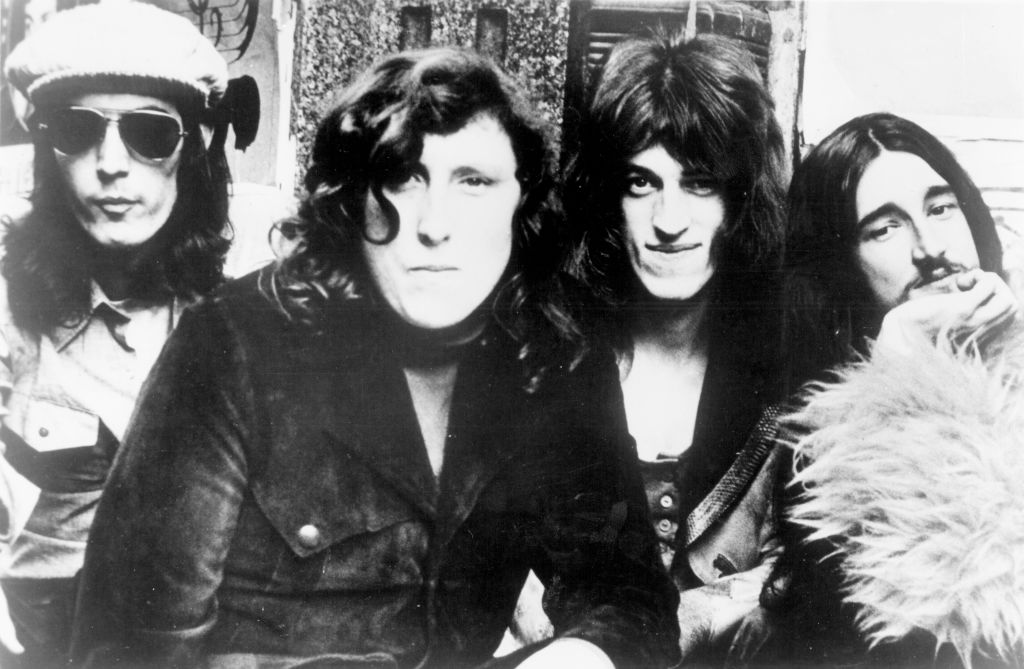
The Yorkshire Folk, Blues & Jazz Festival at Krumlin looked like a superb proposition. Its lineup mixed established names with rising British talent: Elton John, Georgie Fame, Atomic Rooster (pictured), The Pretty Things, Juicy Lucy, Christy Moore, Ralph McTell, Pentangle, The Groundhogs, Fairport Convention, Graham Bond and Fotheringay were among those booked. For Elton, it was particularly significant: this was his final British performance before he left for his American debut at the Troubadour.
Then the Yorkshire weather arrived.
Rain began falling — and kept falling. The site became a quagmire, tents and marquees struggled against the conditions, and eventually the Sunday programme had to be cancelled. One contemporary recollection describes people sheltering in a church and a local family opening their home so soaked festivalgoers could dry themselves out.
Remarkably, some of the music was excellent. Elton reportedly played a storming set on the Friday, while Fairport Convention and The Groundhogs were among those who performed despite the conditions. But the festival eventually became less a celebration of music than a battle against exposure.
Legacy: Krumlin is one of those wonderfully British festival disasters where nobody appears to have done anything particularly wrong. The weather simply won.
5. Erie Canal Soda Pop Festival, 1972
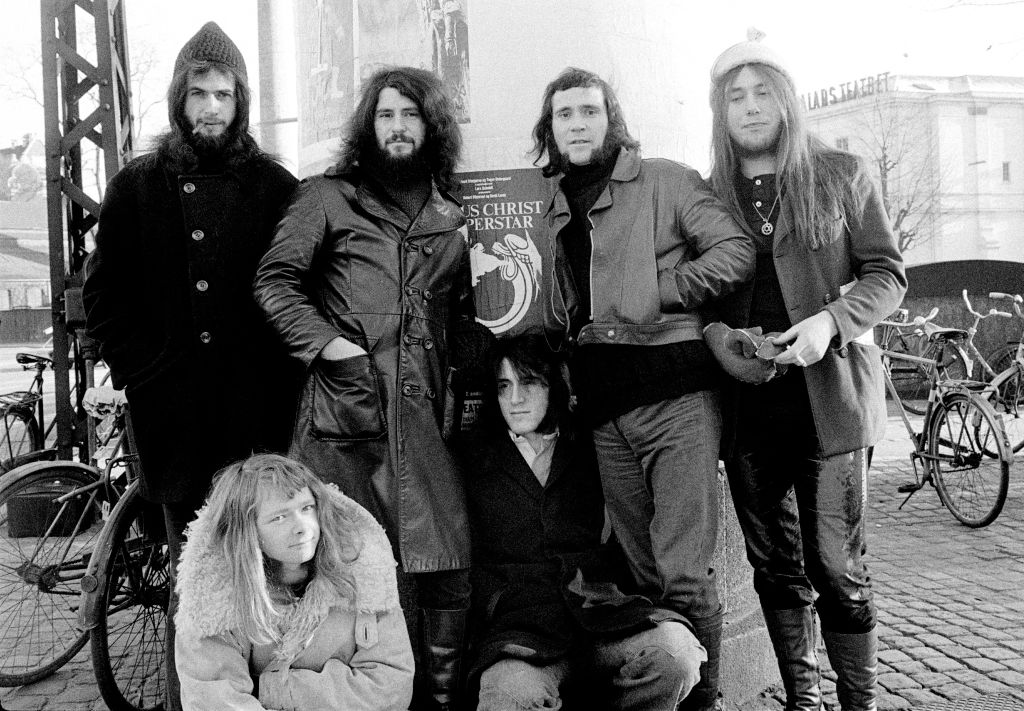
The promoters of the Erie Canal Soda Pop Festival had an audacious ambition: they wanted to stage something 'bigger than Woodstock.'
Just two months earlier, Tom Duncan and Bob Alexander had successfully staged the Bosse Field Freedom Festival in Evansville, Indiana, drawing more than 35,000 people for a bill including Ike & Tina Turner, Dr. John and Edgar Winter. Buoyed by that success, they decided to go much, much bigger, planning a huge Labor Day festival with a heavyweight lineup that included Black Sabbath, The Allman Brothers, Joe Cocker, Fleetwood Mac, Canned Heat, Ravi Shankar, Albert King, Gentle Giant, the Eagles and many more.
Unfortunately, almost everything that could go wrong did.
Legal battles forced the festival to move from its original Indiana site at short notice. The replacement, Bull Island, was accessible by only two roads. The promoters expected about 55,000 people; estimates of the eventual crowd range from 200,000 to 300,000. Traffic backed up for miles, while the site had virtually no security, with only three local deputies officially assigned to the grounds.
Then came rain, flooding, shortages of food and drinking water and unsanitary conditions. Many artists couldn't reach the site or refused to perform. As conditions deteriorated, the festival effectively became a free-for-all. When it finally ended, parts of the crowd rioted and burned the main stage.
Legacy: If Woodstock represented the dream of the giant rock festival, Erie Canal was its nightmare sequel: proof that you couldn't simply multiply Woodstock's audience without multiplying everything else too.
6. Windsor Free Festival, 1974
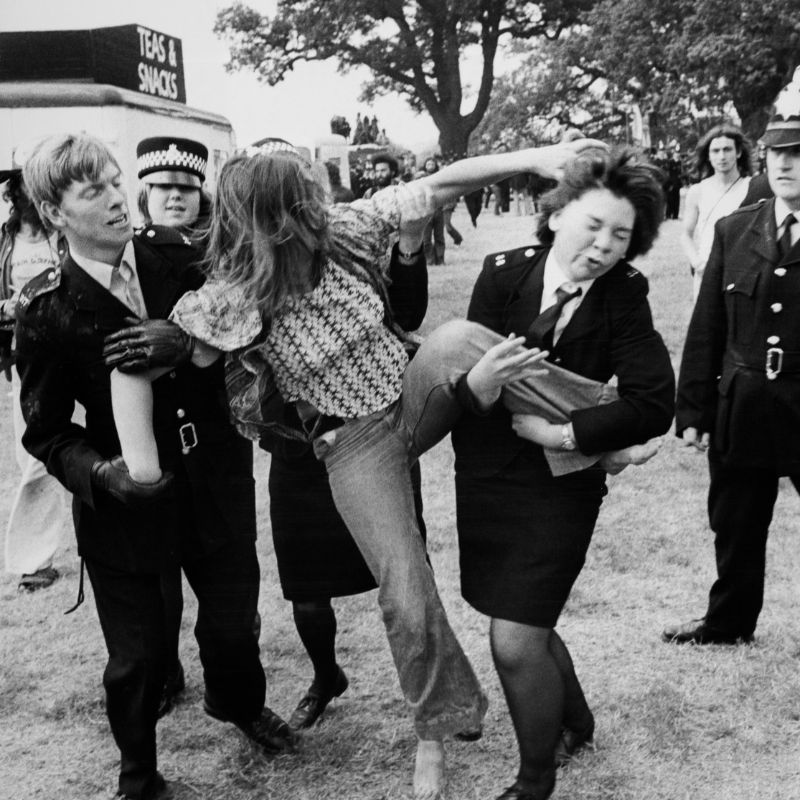
The Windsor Free Festival began in 1972 as something almost deliberately antithetical to the commercial rock festival: a free, countercultural gathering organised by London commune dwellers including Ubi Dwyer and Sid Rawle. The first event attracted only around 700 people; by 1973 the crowd had grown to roughly 8,000.
The 1974 edition was intended to be the grandest yet: ten days of free music and countercultural living in Windsor Great Park, with acts including Hawkwind and the Pink Fairies among those associated with the event. But the festival's relationship with the authorities had become increasingly hostile.
On the morning of 28 August 1974, the confrontation finally came. Hundreds of Thames Valley police officers entered the site, reportedly with truncheons drawn, and gave those remaining just ten minutes to leave. People were forcibly evicted and arrested; the violence was sufficiently controversial that seven national newspapers called for an inquiry, while Home Secretary Roy Jenkins demanded a report from the chief constable.
The consequences reached far beyond Windsor. Two festival organisers were subsequently imprisoned over attempts to stage another event, while the government eventually provided an alternative site at Watchfield for the free-festival movement in 1975.
Legacy: Windsor showed that the great battle over 1970s festivals wasn't necessarily rock stars versus promoters. Increasingly, it was the counterculture versus the state.
Pics Getty Images
Top pic Festivalgoers at the Windsor Free Festival in Windsor Great Park (and evidence of early enthusiasm for organic foood), UK, 25th August 1974