
In summer 2026, short-shorts enthusiast Harry Styles set a record for the most performances by an artist in a single year at Wembley Stadium with an astonishing 12-night run.
It’s estimated that Styles sold a million tickets, putting previous record holders Coldplay – who played 10 nights at the prestigious venue in 2025 – and Taylor Swift (eight shows in 2024) in the shade.
Meanwhile, in 2025, Oasis played seven shows at the stadium during their comeback tour, but were in such demand they could probably have doubled that. Recent years have also seen massive-grossing stadium tours from Bruce Springsteen, Bad Bunny, Ed Sheeran, Guns N’ Roses and Elton John.
Standing several hundred metres from the stage, squinting at your heroes and spending a small fortune for the privilege has become commonplace, but that wasn’t always the way – and it wasn’t until one pivotal year, 1974, that stadium rock truly came of age.
As with most other things in pop and rock music, The Beatles were there at the beginning of stadium rock. On 15 August 1965, the Fab Four performed to over 55,000 fans at a sold-out Shea Stadium, Flushing Queens, New York City – then home to the New York Mets baseball team and the New York Jets American football team.
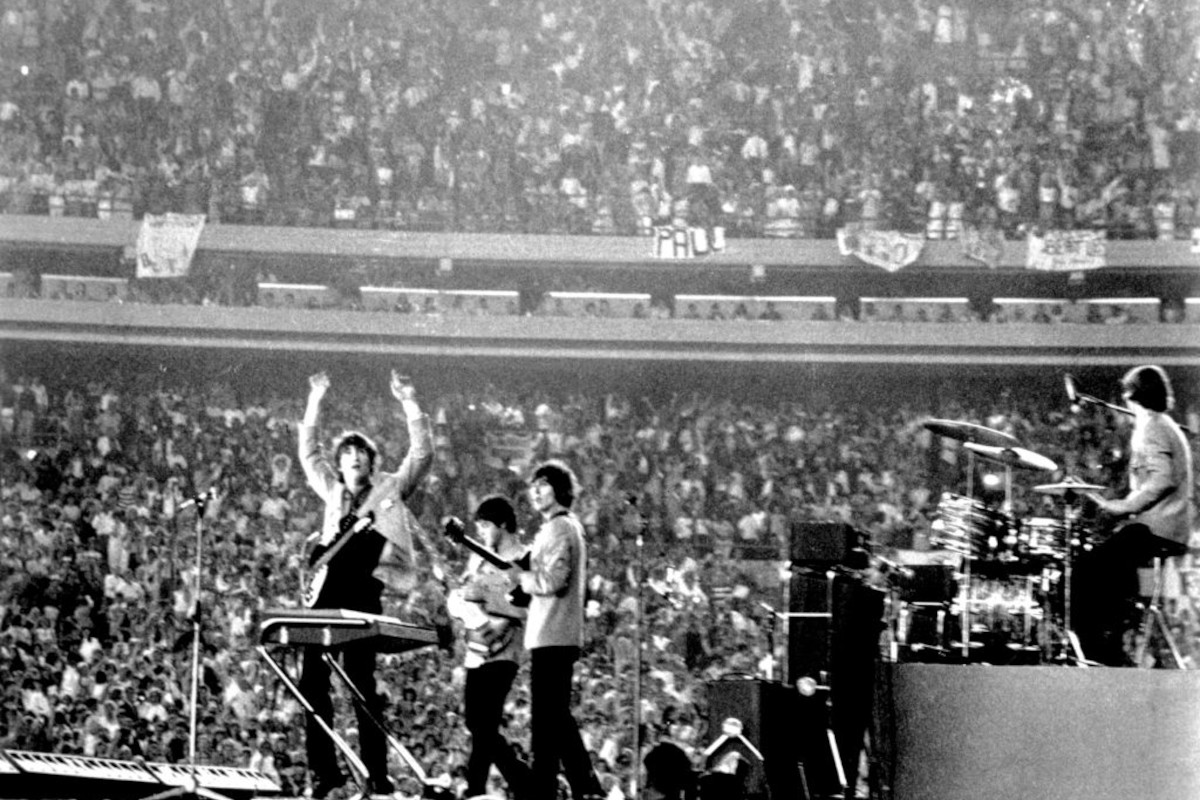
Till this point, the biggest stars in music tended to play theatres, sports halls and cinemas – venues such as the 15,000 capacity Madison Square Garden, New York, had hosted concerts, but these were multi-act, package shows.
Shea Stadium was a whole new level, not only in the size of the audience, but in terms of logistics – of security, ticketing and, most importantly, the technology needed for the audience to actually hear the music.
“Shea Stadium was an enormous place,” George Harrison said in Anthology. “In those days, people were still playing the Astoria Cinema at Finsbury Park. This was the first time that one of those stadiums was used for a rock concert.”
Promoter Sid Bernstein took unprecedented steps to ensure that the gig was a success, hiring 2,000 security staff for the event, while the band had custom, 100-watt amplifiers designed by VOX. But Shea Stadium was beset by problems from the start.
The new amps couldn’t be heard above the sound of tens of thousands of hysterical fans, so the band ended up using the house PA system, which was adequate for baseball announcements, but was drowned out by screaming Beatlemaniacs.
Meanwhile, the heightened security couldn’t contain the frenzied hordes of pop kids desperate for a closer look at Ringo’s hi-hat and at several points, fans charged the stage. “I never felt people came to hear our show,” said Ringo Starr in Anthology. “I felt they came to see us. From the count-in on the first number, the volume of screams drowned everything else out.”
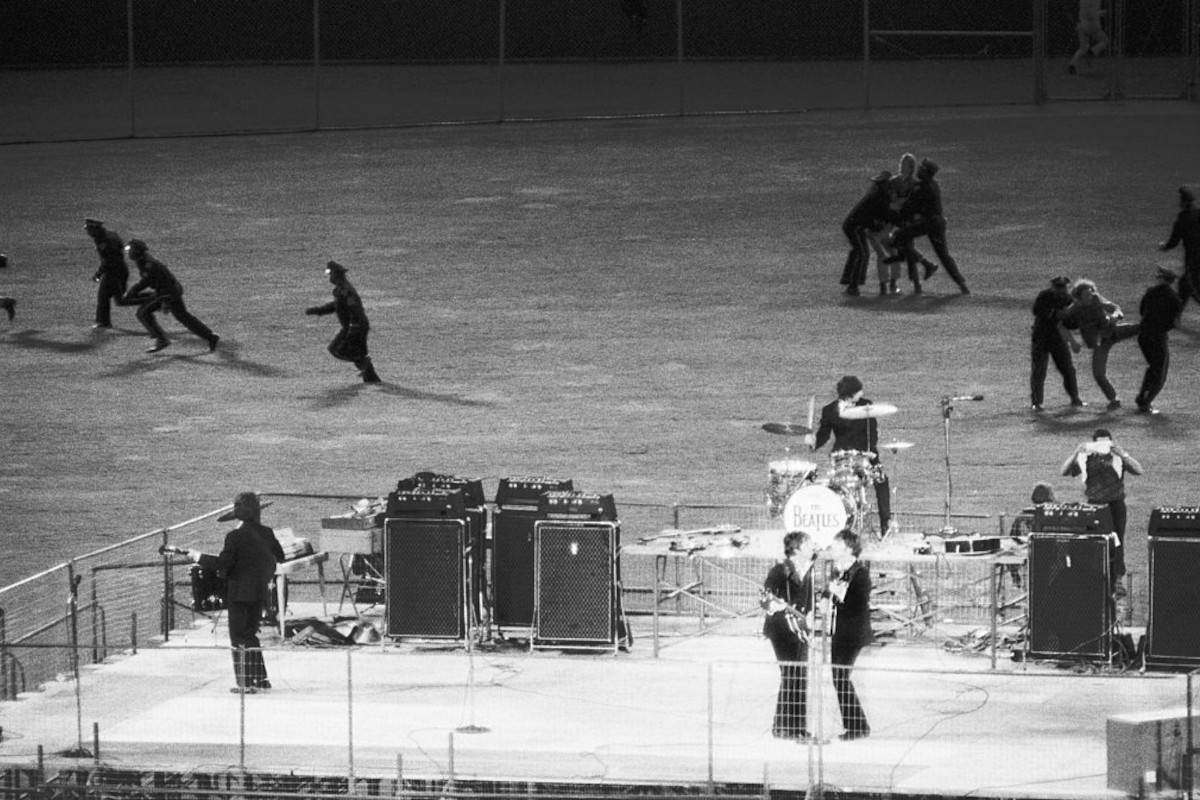
Incredibly, considering the current age of multi-show stadium runs by former X Factor contestants, The Beatles’ return to Shea just over a year later – on 23 August 1966 – didn’t even sell out, with a reported 10,000 tickets remaining. Days later, at San Francisco’s Candlestick Park on 29 August 1966, they played their final ticketed gig.
Frazzled by their relentless schedule, sick of the chaos that surrounded them everywhere they went and frustrated by not being able to hear themselves on stage, The Beatles retreated to the studio. The age of stadium rock was a way off yet.
But as rock music – and its audience – matured over the next few years, sound technology improved rapidly. Loudness became a badge of honour for the likes of The Who, The Jimi Hendrix Experience and The Yardbirds and – in the US in particular – venues upped their game to cope with demand. Venues such as Fillmore West, the Avalon Ballroom, the Matrix and the Fillmore East were all famed for having great sound.
A massive step in terms of sound quality came with the emergence of San Francisco psychedelic giants the Grateful Dead.
From the mid-60s, the Dead played at immersive events held by author Ken Kesey (One Flew Over The Cuckoos Nest, Sometimes A Great Notion). While concerts had traditionally been seen as straightforward entertainment, these tests added an element of communion, as the Dead embarked upon improvisational jams.
Frustrated with the distortion and muddiness of the sound in venues, the Dead bought their own PA (financed by a loan from Jerry Garcia’s mother) and looked for ways for their sound to become three-dimensional and tactile.
Innovations came fast – according to Brian Anderson’s 2020 book, Loud And Clear – The Grateful Dead’s Wall Of Sound And The Quest For Audio Perfection, in 1966, Dead roadie Tim Scully developed crude monitors so the band could hear themselves – something that sounds obvious now, but this was the first time it had been done. In 1969, the Dead’s in-house tech team, Alembic, developed phase-cancelling microphones to prevent feedback.
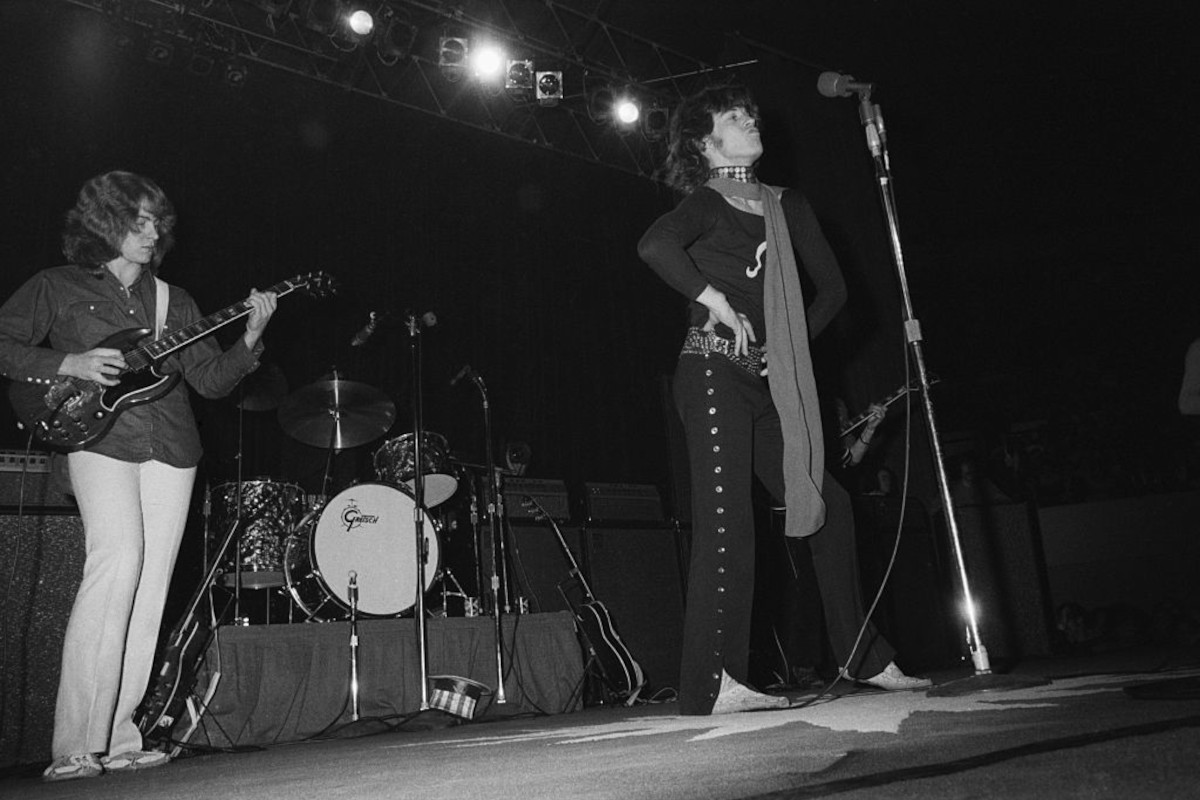
While the Dead applied DIY techniques to improving sound quality, The Rolling Stones’ 1969 jaunt around the United States set a new standard of professionalism for rock tours. The Stones hadn’t toured the US for three years – the last time around, much like The Beatles, they’d barely been able to hear themselves thanks to the screaming crowds.
This time, the audiences were more inclined to listen and the Stones were determined to put on a show. They hit the road with their own PA system and mixing board, with top producer Glyn Johns in charge of sound and recording the shows. Meanwhile, they hired lighting designer Chip Monck to create an elaborate set that would travel with them.
Months before, the US had put a man on the moon; on this tour, the Stones took another small step towards stadium rock.
But while indoor gigs were becoming a more satisfactory experience for fans, large scale events were still hit and miss affairs in terms of sound quality. The PA system constructed for the legendary three-day festival Woodstock – held in Bethel, New York from 15-18 August 1969 – by pioneering audio firm Hanley Sound was said to be the largest ever constructed.
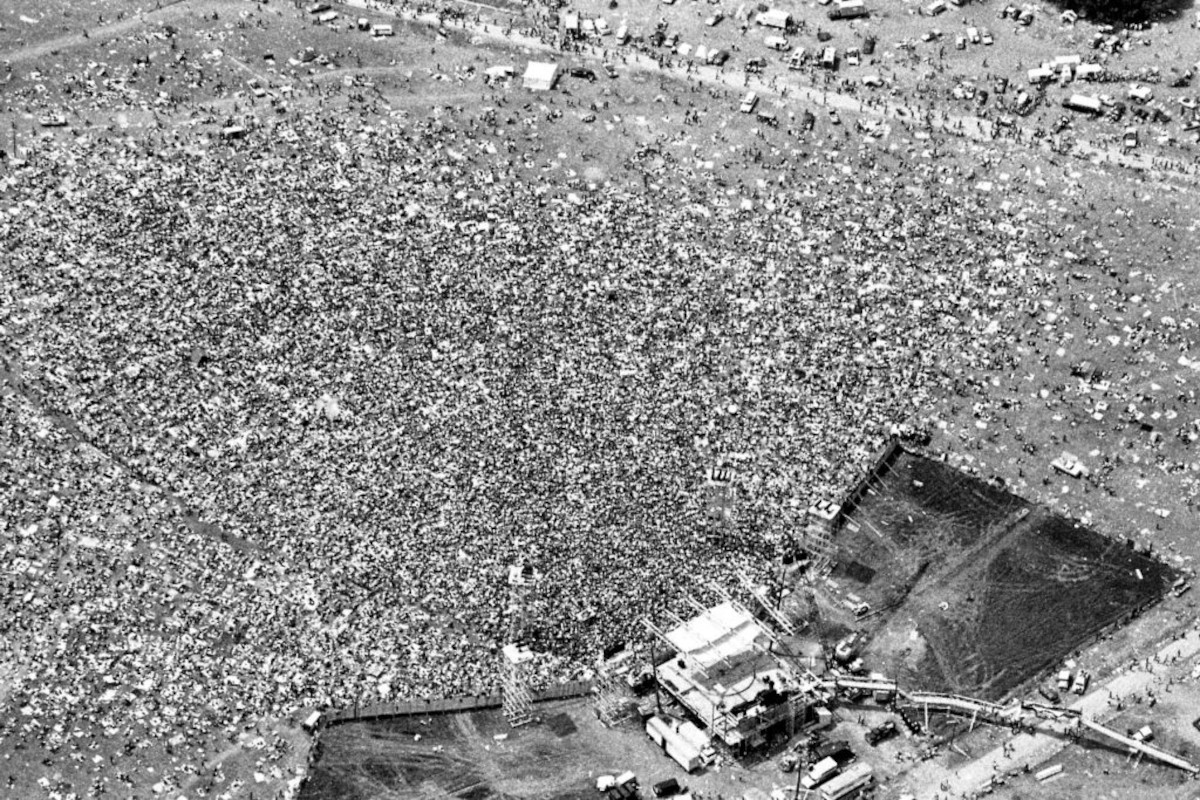
"We built two speaker towers, each of which had two levels containing its own speaker cluster," pioneering engineer Bill Hanley told Front Of House. "The highest one was 70 feet high to accommodate the audience in the middle of the field and high up on the hill. The lowest one, at 20 feet, was for the audience nearest to the stage. There were four cabinets arrayed on both towers on each level, which had about 32 woofers each."
Hanley’s innovative approach meant that Woodstock was considered the gold standard in sound delivery for its time, proving that quality need not be sacrificed because of scale.
The following year’s Isle Of Wight Festival and Bath Festival of Rhythm & Blues took their cue from Woodstock, but live sound on a colossal scale truly came of age at California Jam, a one-day festival co-headlined by Emerson, Lake & Palmer and Deep Purple, held at the Ontario Motor Speedway, California, on 6 April 1974.
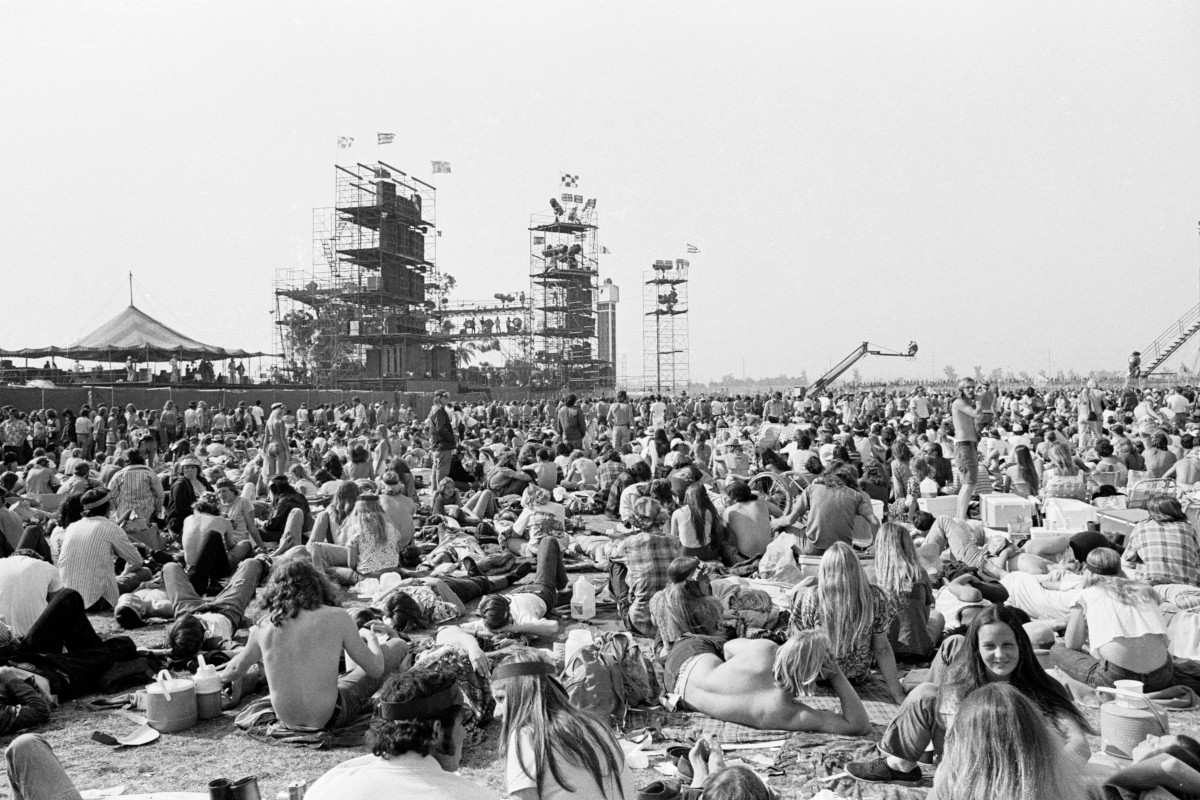
Organisers originally estimated an audience of roughly 60,000 and local sound company Tycobrahe set to work on a system that would ensure quality sound to a distance of 1,000 feet from the stage. Days before the show, it became obvious that the attendance would number at least 200,000 and so the system was upgraded, adding an additional set of speakers at the 1,000 feet from the stage mark.
The set-up’s huge bass horns meant that fans half a mile away could hear clearly – another landmark in large scale events. But these were one-off events – touring with a sound system capable of providing the volume and clarity needed for large-scale gigs was still unchartered territory.
Enter, once again, the Grateful Dead. Mindful as ever of their audience’s experience, in 1972 the band’s team of audio wizards, led by audio engineer Owsley ‘Bear’ Stanley, began working on a sound system bigger than anything previously attempted. They called it the ‘Wall Of Sound’.
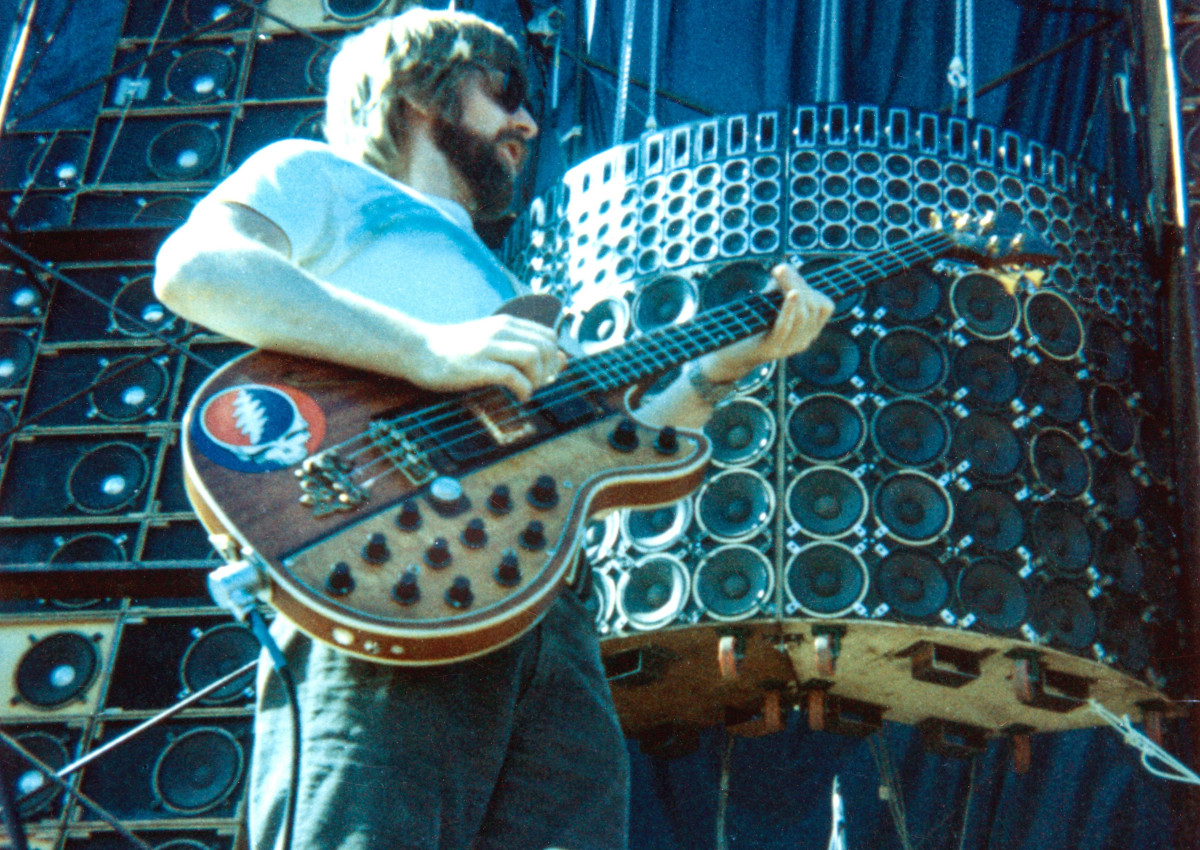
A prototype of the system was used in February 1973 and was tweaked until March 1974, when the band unveiled the full Wall Of Sound at a gig in California. The system comprised of 586 speakers, 54 electro voice tweeters and 28 amps. It was so large it took a team of 21 roadies four hours to set up the speakers and another four hours to wire them together.
Eventually, two Wall of Sounds were built so that one system could be set up and used at a show while the other was travelling and getting set up at the next venue. The sheer cost and scale of the system contributed to the Dead’s decision to take a hiatus from touring in October 1974, but in its short lifetime, the Wall of Sound revolutionised touring on a large scale.
Another landmark in stadium rock came with The Who’s show at Charlton Athletic Football Club, London, on 31 May 1974, attended by at least 50,000.
The day-long show, which featured support slots from groups including The Sensational Alex Harvey Band and Little Feat, saw the The Who enter the Guinness Book Of Records for the loudest concert ever staged, with a recorded decibel level of 126 at 100 feet from the stage (louder than a jet taking off) courtesy of an enormous 100-watt PA system.
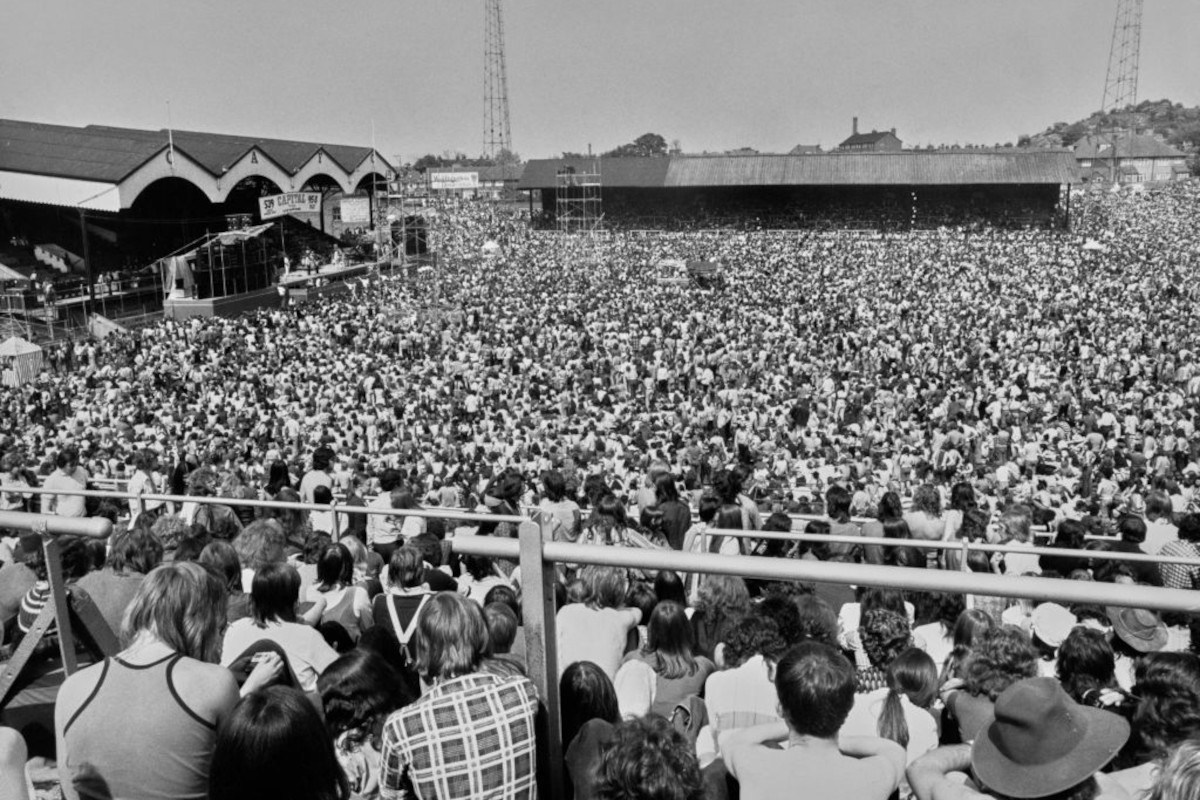
The show also featured cutting-edge laser displays and pyrotechnics, pointing the way forward for stadium rock. Guitarist Pete Townshend didn’t forget Charlton in a hurry – he later claimed the noise levels were so extreme he developed tinnitus.
Later that summer, supergroup Crosby, Stills, Nash & Young took large-scale gigs to a whole new level with a tour of stadiums, starting with a show on 9 July at the Seattle Center Coliseum and finishing up at Wembley Stadium on 14 September.
"No one had ever done it before, I think CSNY were the first band in the world to do a tour of those kind of places," Grham Nash told BBC Radio 4 2015 documentary Stadium Rock At 50. "Yes, The Beatles had done Shea Stadium and yes, The Rolling Stones had done a couple of large gigs… but we did 31 of them."
When asked what the motivating factor for the tour was, Nash got straight to the point, "Money! Bill Graham [promoter] and our managers decided they would take rock concerts to another level. It as about bringing out music to the largest audience we could, soon those audiences were in excess of 80,000 people."
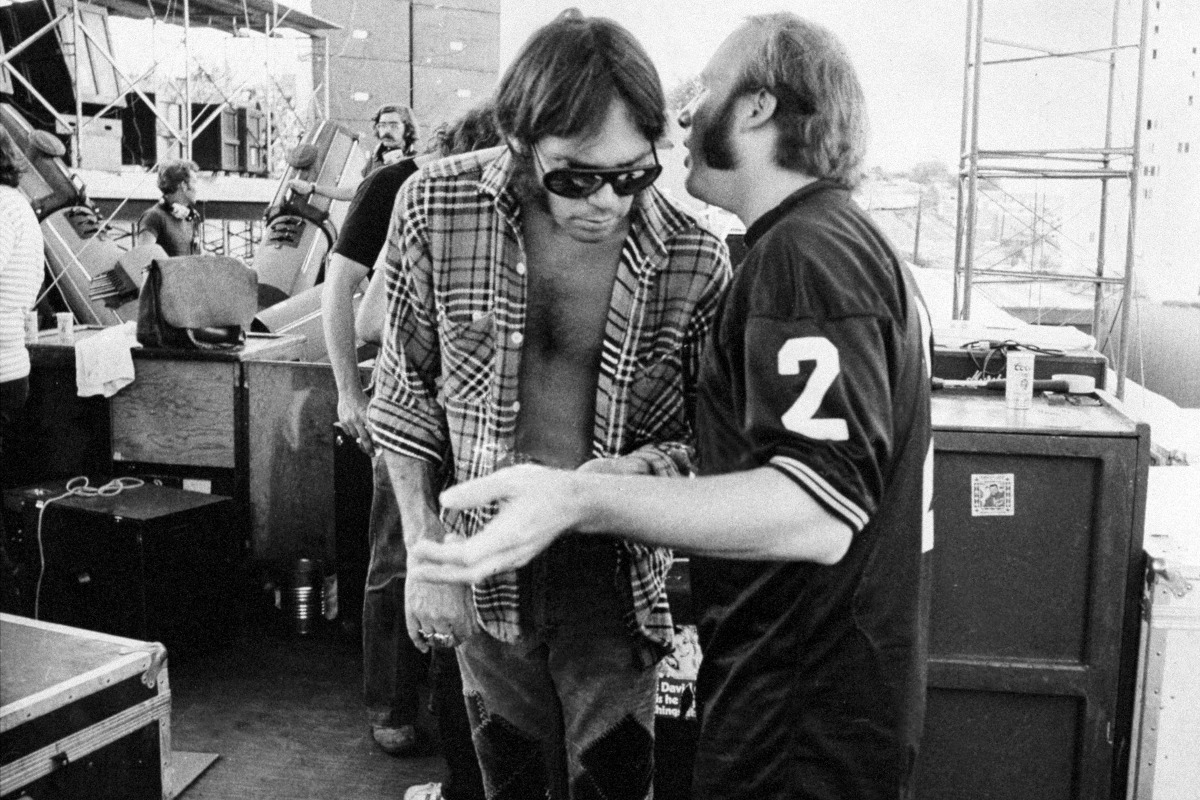
The tour was not only bigger than any rock’n’roll jaunt in history, but – again, pre-empting the largesse to come in the age of stadium rock – it was excessive in every way imaginable. At this point, the band’s egos were out of control and their every whim was indulged.
Six trucks, a travel agency, carpenters, bus drivers, personal chefs and more were on the band’s payroll. "There were private jets and helicopters," Nash later told Rolling Stone. "We didn’t realise we were paying for all of it."
Despite the on-the-road hijinks and increasingly fraught relationships in the band, the tour was a financial success, paving the way for bigger and more sensational stadium tours of the future. Rock music was changed forever.
All photos Getty Images
Top image Ritchie Blackmore of Deep Purple smashes his guitar against an amplifier during California Jam, 6 April 1974


