In the summer of 1986, Wembley Arena hosted a concert featuring Paul McCartney, David Bowie, Mick Jagger, Elton John, Eric Clapton, Rod Stewart, Tina Turner, George Michael, Sting and Mark Knopfler.
That would have been quite a line-up for any occasion. But the really remarkable thing was that many of them weren't simply turning up to play their own hits. They were sharing a backing band, swapping songs and joining one another on stage.
It was an evening of unlikely combinations, impromptu collaborations and some rather extraordinary musicianship. And, unlike Live Aid the previous year, there was no global crisis to solve and no Bob Geldof exhorting viewers to pick up the phone. This was a rather more relaxed affair, celebrating the tenth anniversary of the Prince's Trust.
The organisers knew who they wanted in charge
The Trust had been founded in 1976 by Prince Charles, using money from his naval severance pay, to help disadvantaged young people find a way into work and build independent lives. Britain in the mid-1980s was struggling with high unemployment, and the organisation had developed a range of practical schemes to help young people who might otherwise have been left behind. Its fundraising concerts were a way of raising money and public awareness, while giving the Royal Family a rather more contemporary connection with the country's cultural life.
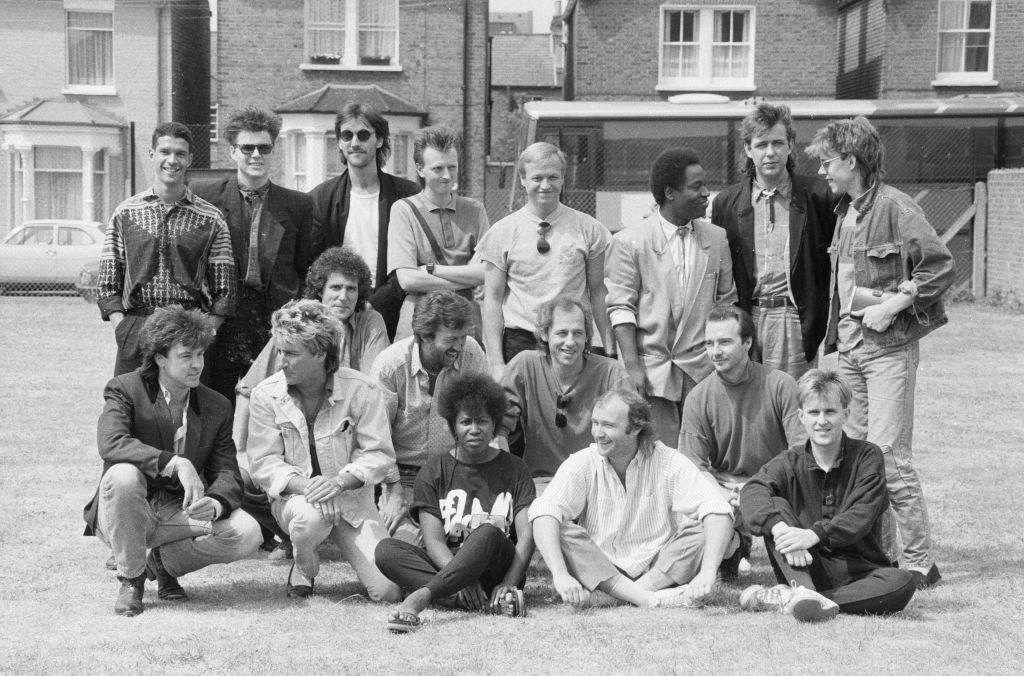
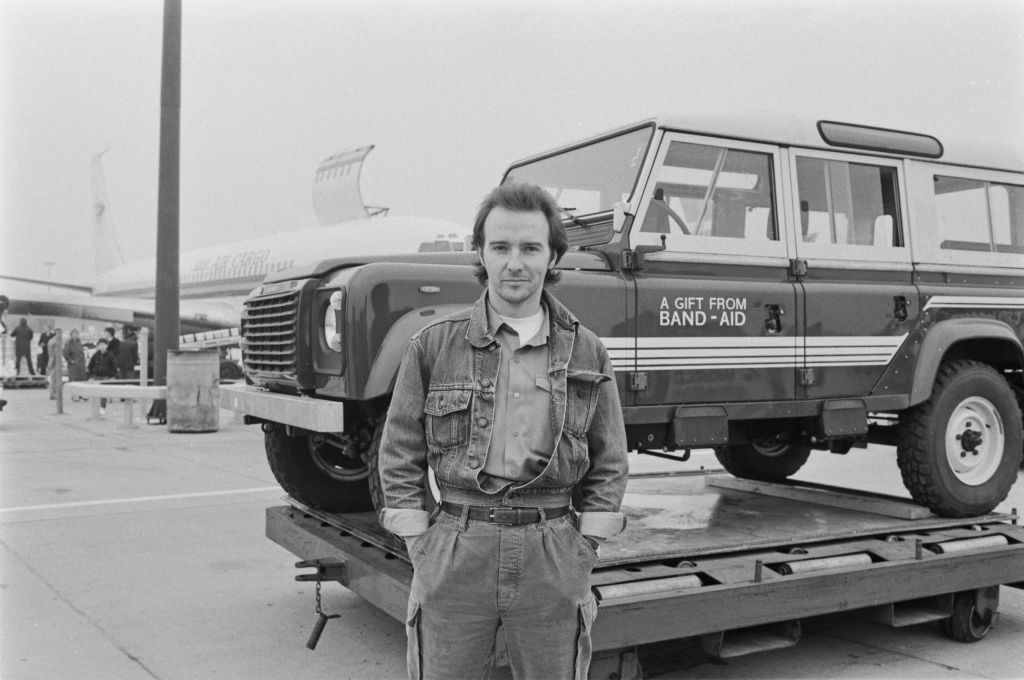
For the tenth-anniversary celebration – or the Prince's Trust All-Star Rock Concert, to give it its proper title – organisers wanted something special. They turned to Midge Ure, who had emerged from Live Aid with considerable experience of organising musicians on a grand scale. The job was to assemble a house band capable of backing a succession of very different performers.
Ure's first reaction, when he heard the proposed line-up, was less than enthusiastic. As he recalled in his autobiography, he was told that Elton John would be on piano, Eric Clapton and Mark Knopfler on guitars, and Phil Collins on drums. Rod Stewart, Tina Turner, George Michael and Paul McCartney were among the confirmed singers.
'"No way," I said. "This is obviously the job that everybody’s turned down."'
A powerhouse rhythm section
It didn't take long to persuade him, though. The resulting band was a formidable collection of talent: Clapton, Knopfler and Ure on guitars, Elton on piano, Howard Jones on keyboards, Mark King of Level 42 and Dire Straits' John Illsley on bass, Collins on drums and Ray Cooper on percussion. A powerhouse of a rhythm section, in other words.
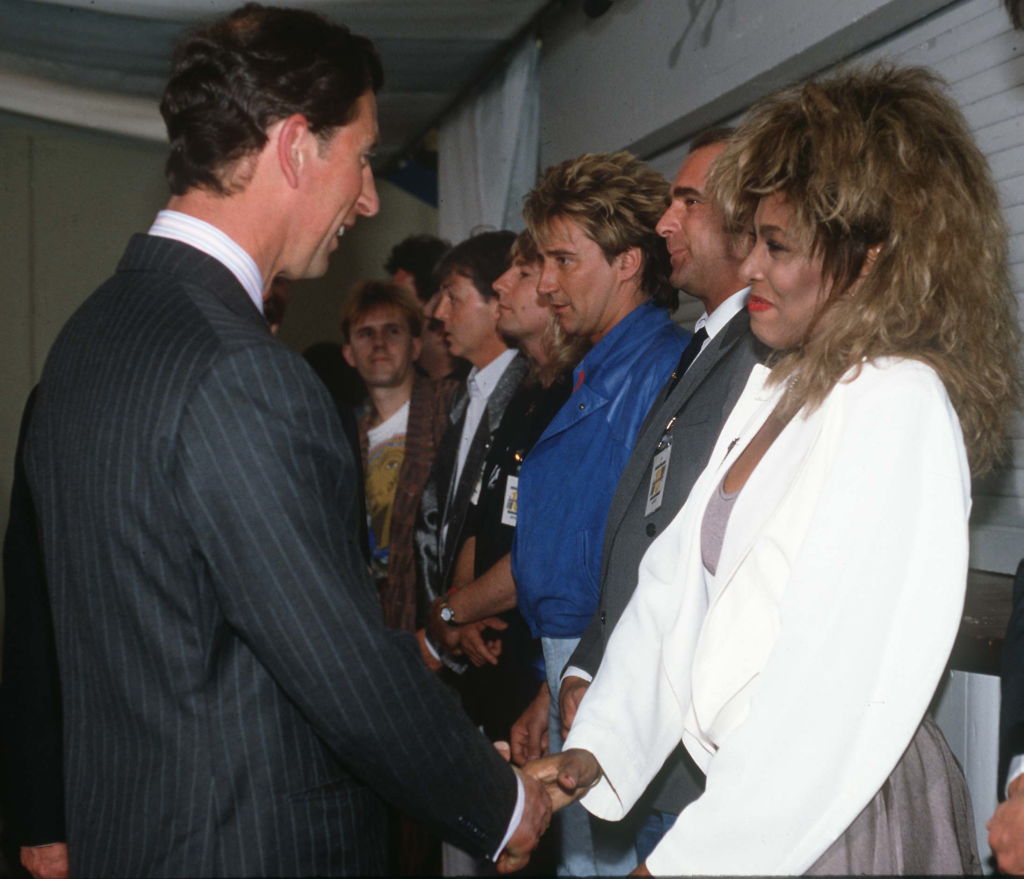
The concert took place on June 20 1986, with Prince Charles and Princess Diana in attendance. It began with performances from Big Country, Suzanne Vega and Level 42, before the house band took over. Elton John and Phil Collins each performed solo (Elton with a barnstorming 'I'm Still Standing', featuring Clapton on guitar), then the evening opened out into a succession of guest appearances.
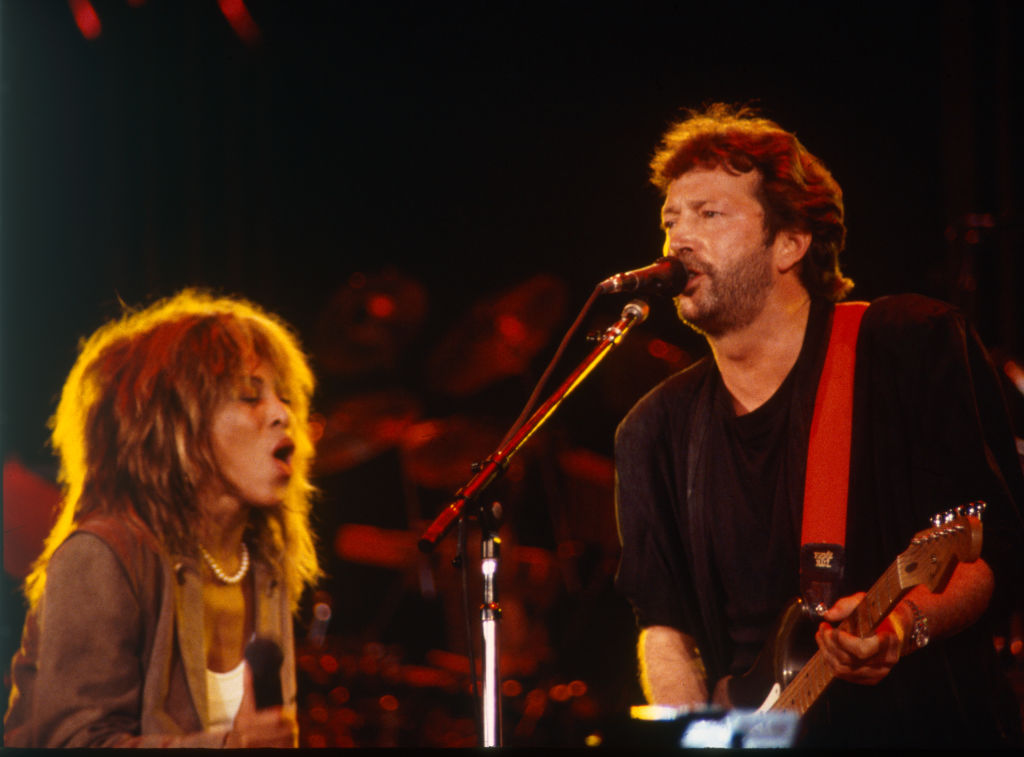
Tina Turner was an early highlight, bringing her considerable energy to 'Better Be Good To Me' and joining Clapton for 'Tearing Us Apart', a song they had recorded together that year. Clapton's guitar playing was a feature throughout the evening, not least when he joined Spandau Ballet for a particularly muscular version of 'Through the Barricades'. It's one of those combinations that sounds unlikely on paper but works rather well in practice.
'It's the only song we both know'
There were other highlights. Mark Knopfler and Sting performed 'Money for Nothing', with Knopfler introducing the song in typically understated fashion. 'We're going to slow things down a wee bit just now,' he told the audience, before the familiar riff arrived.
Paul Young performed 'Every Time You Go Away', then George Michael appeared backstage and the two hurriedly worked out a second version together. Young's explanation for the choice was wonderfully simple: 'It's the only one we both know.' Eric Clapton and Mark Knopfler joined on guitar, with Elton John on the piano. The chemistry between Young and Michael is touching to see:
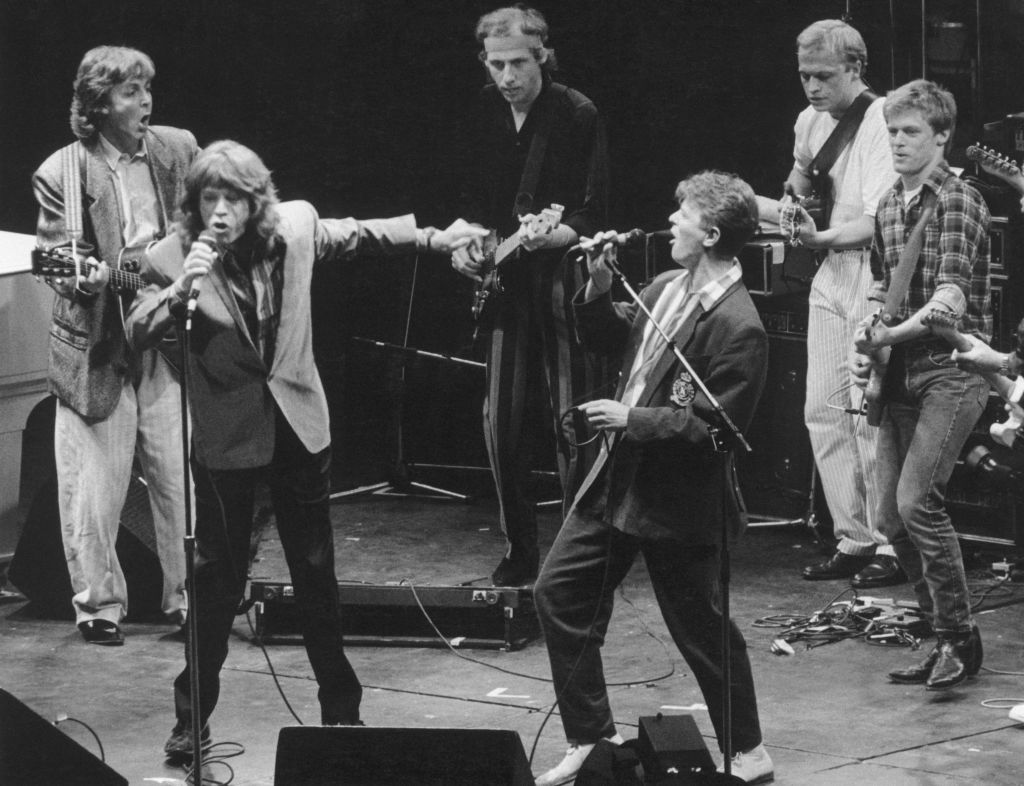
Not everything was quite so polished. The evening's most famous oddity was the appearance of Mick Jagger and David Bowie for 'Dancing in the Street'. The pairing was a huge attraction, but the performance had clearly received less rehearsal than some of the other numbers. It isn't exactly a musical disaster, but it does have the slightly precarious feel of two very charismatic men working out where the song is going as they go along. Jagger's energy carries much of it.
Burly men in suits and sunglasses
There was also a little backstage friction. Ure had laid down a rule that performers should leave their management teams behind and avoid bringing their entourages into rehearsals. Then Rod Stewart arrived at the Wimbledon Theatre rehearsal venue accompanied by a couple of burly men in suits and sunglasses. He demanded to know whether 'Sailing' was ready, ran through it a couple of times and promptly left without thanking anyone.
Ure was unimpressed, particularly as Stewart was behaving this way in front of old friends Elton John and Clapton. He contrasted the singer's arrival with Tina Turner, who had apparently sat quietly in the audience for five hours, waiting for her turn. 'The total professional,' was Ure's verdict.
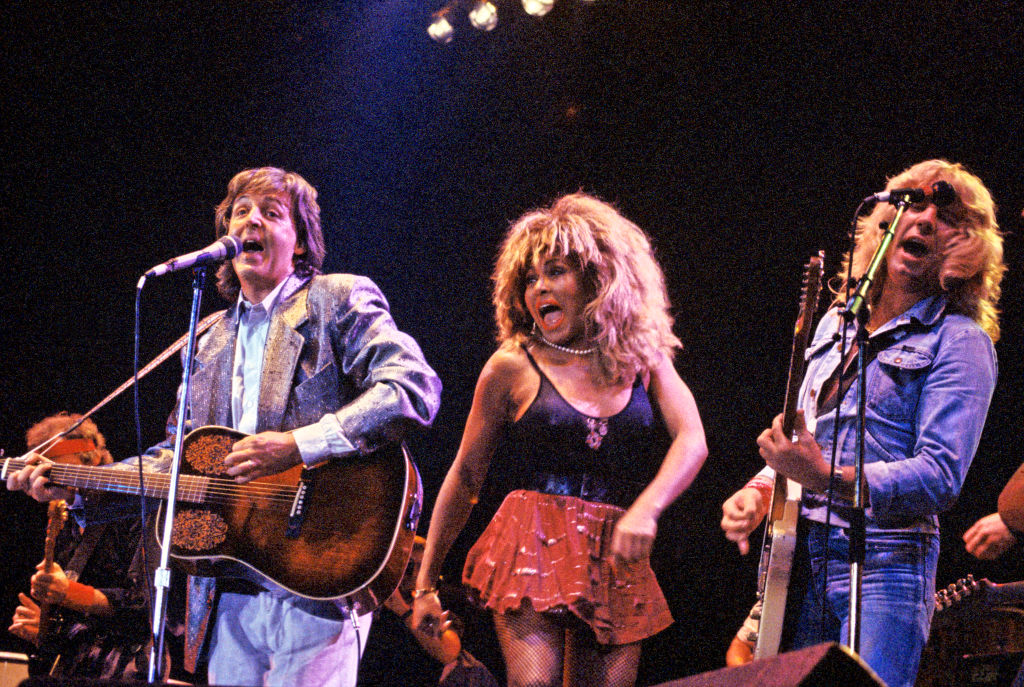
The evening ended with a suitably exuberant appearance from Paul McCartney. He performed 'I Saw Her Standing There' and 'Long Tall Sally', with Status Quo's Francis Rossi and Rick Parfitt among the guests. The finale brought together McCartney, Young and Turner for 'Get Back', with much of the evening's cast joining in.
The 1986 gala was followed by similar Prince's Trust concerts in 1987 and 1988, and the format proved successful enough to generate a series of recordings and home-video releases. The 1986 concert even won a Grammy in 1988 for Best Performance Music Video.
Its particular appeal, though, is not simply the number of famous names on the bill. The house-band format allowed musicians to play outside their usual settings, and gave familiar songs a different character. Clapton could turn a Spandau Ballet ballad into something altogether more muscular; George Michael could wander onstage for an impromptu duet; and a Beatle could close the evening with a rock'n'roll medley.
It was a charity concert, a Royal occasion and a showcase for some of the biggest names in popular music. But it was also something rather rarer: a chance to see a collection of star performers behaving, for the most part, like musicians in a band. And that, rather than the royal guests or the celebrity roll-call, is what makes it worth revisiting.
Pics Getty Images