
The musical landscape of 1986 was strikingly fragmented, with any number of intriguing new genres vying for dominance. Those early 80s staples new wave, post-punk and synthpop were running out of steam, as was poodle-haired glam metal.
College rock was morphing into alt. rock and a number of big bands from that scene (R.E.M., The Smiths, Sonic Youth) are present on our list. It was also a significant year for thrash metal with Metallica, Slayer and Megadeth all releasing significant albums. Elsewhere, the likes of Peter Gabriel, Paul Simon and Talk Talk were sucking in influences from around the globe, and taking pop into atmospheric new directions.
This list contains a key track from each of the 23 albums, so you know where to start with each record.
The 23 best albums of 1986
23. Bon Jovi – Slippery When Wet
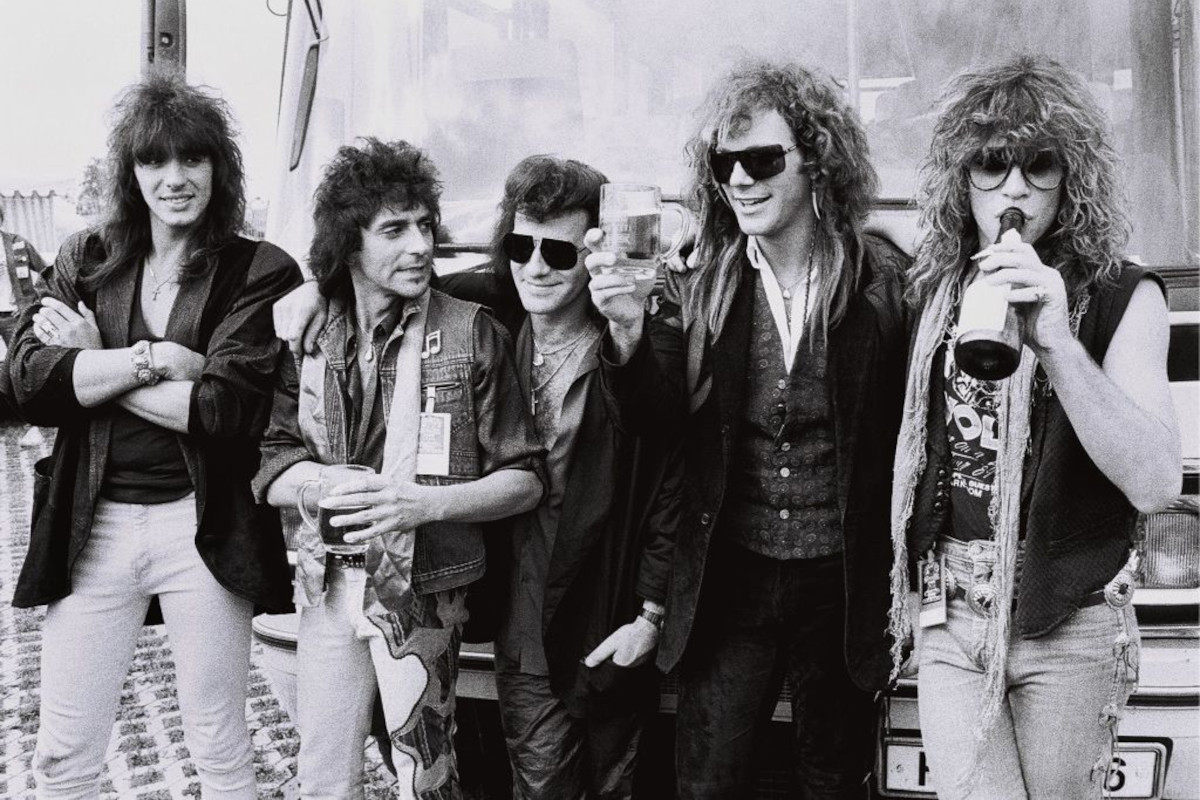
The radio-friendly Slippery When Wet was the first glam metal album to contain three top 10 Billboard hits. Pop metal anthems ‘Livin’ On A Prayer’ and ‘You Give Love A Bad Name’ both hit the number one spot.
The album’s blatant commerciality divided the critics and alienated many diehard metal-heads, but brought the genre, albeit in a sugary form, to legions of new fans. The gap between heavy metal and mainstream pop had been bridged like never before.
Key track: 'Livin' On A Prayer'
22. Elvis Costello and The Attractions – Blood and Chocolate
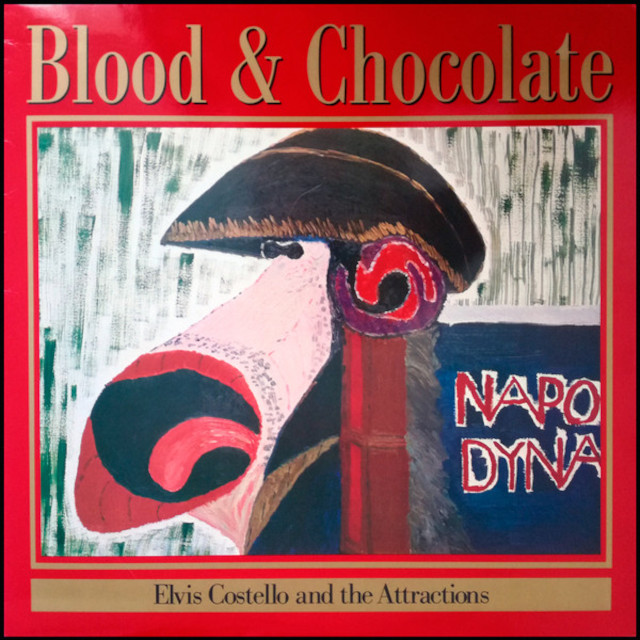
1986 was a busy year for Elvis Costello with Blood and Chocolate hitting the racks only seven months after the rootsy King Of America. The album was a conscious effort to return to the basics of his early offerings, such as the peerless This Year’s Model, reuniting Costello with both The Attractions and trusted producer Nick Lowe.
While the bad-tempered atmosphere in the studio between the singer and his band festered, it didn’t impinge on the quality of the end product.
Key track: ‘I Want You’
21. Steve Earle – Guitar Town
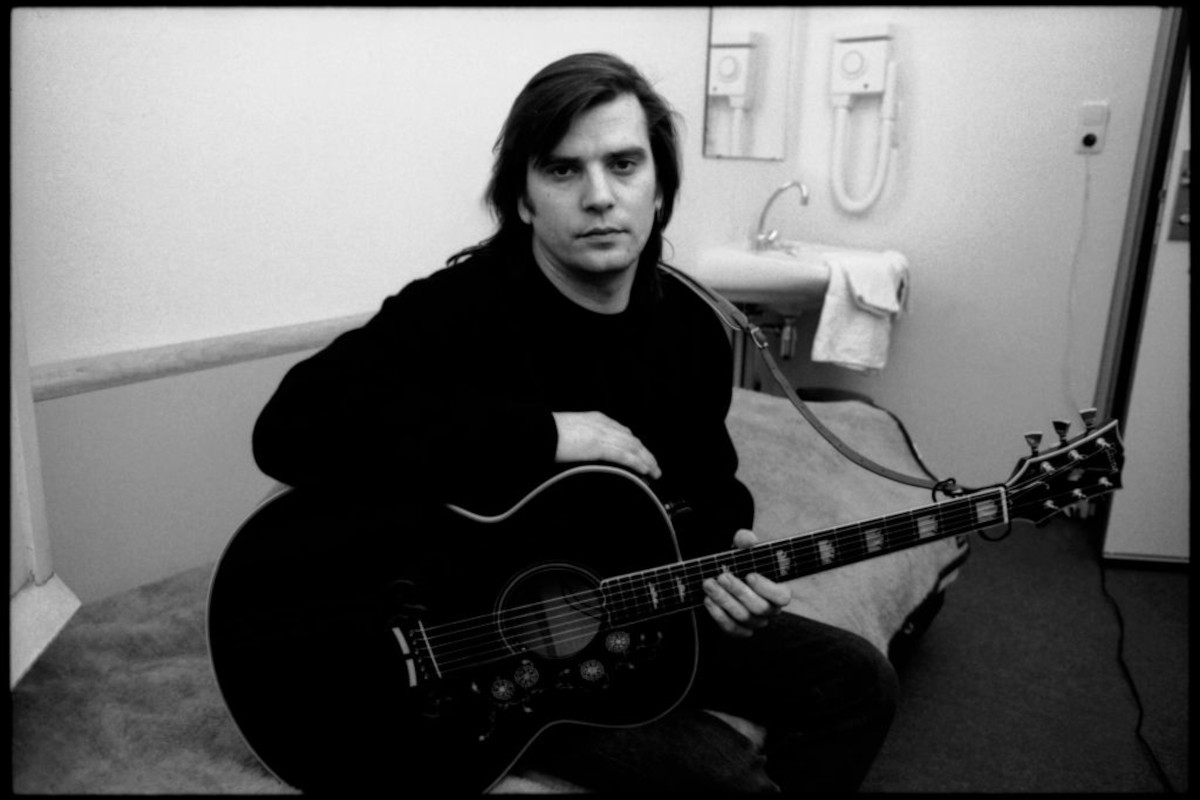
Steve Earle’s was a key figure in the alt. country movement of the mid-80s with his debut regarded as a cornerstone album. Recorded in Nashville at Sound Stage Studio, Guitar Town harnessed country music’s capacity for storytelling to relate the harsh realities of blue-collar life.
These hard-luck stories were backed by a strain of heartland rock not dissimilar from Bruce Springsteen. Guitar Town topped the Billboard Country charts and earned Earle his first two Grammy nominations.
Key track: 'Guitar Town'
20. Megadeth – Peace Sells... But Who's Buying?
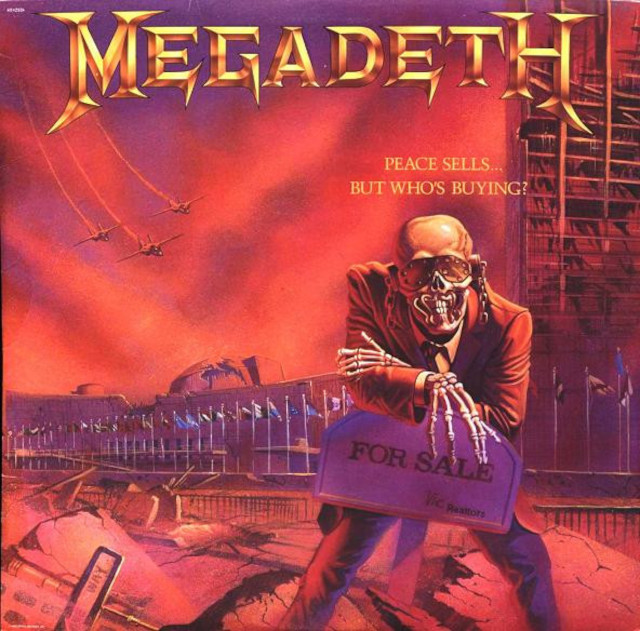
Despite a recording process made more difficult by ongoing drug issues within the band, Megadeth’s major-label debut continued to propel the thrash metal genre forwards. Lead by Metallica alumni Dave Mustaine, the sonic assault was ferocious.
The lyrical content, on the other hand, was a curious mix of satanic and politically aware. The cover art depicts Vic Rattlehead, the band’s mild-mannered mascot, as a real estate salesman posing in front of a destroyed United Nations building.
Key track: 'Wake Up Dead'
19. The Smithereens – Especially For You
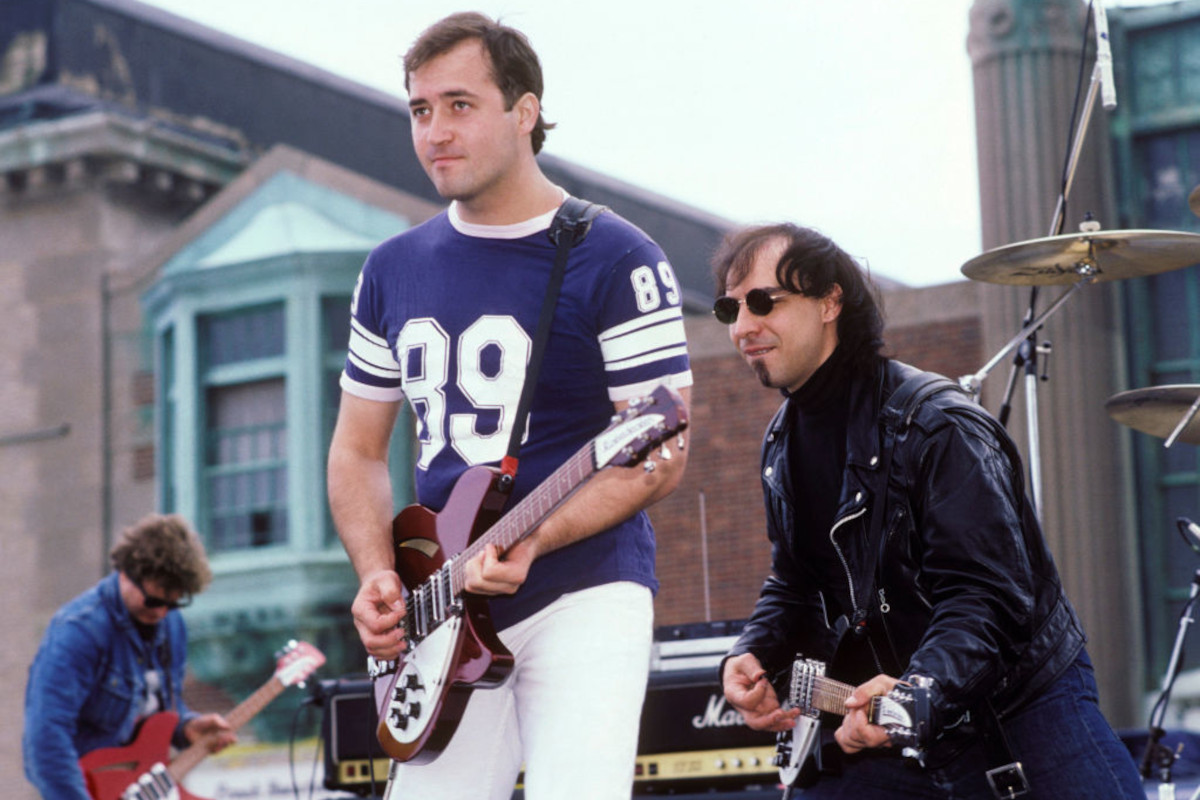
As their debut album testifies, New Jersey power poppers The Smithereens were heavily influenced by the bands of the first British Invasion, such as The Kinks and The Who. With Don Dixon, R.E.M.’s early co-producer (Murmur, Reckoning) at the helm, Especially For You seamlessly combines 60s nostalgia with an alt. rock feel to great effect.
The album supplied the band with two chart hits in the US, ‘Blood and Roses’ and ‘Behind The Wall Of Sleep’. Kurt Cobain credited the album as being a big influence on Nirvana.
Key track: 'Blood and Roses'
18. Big Black – Atomizer
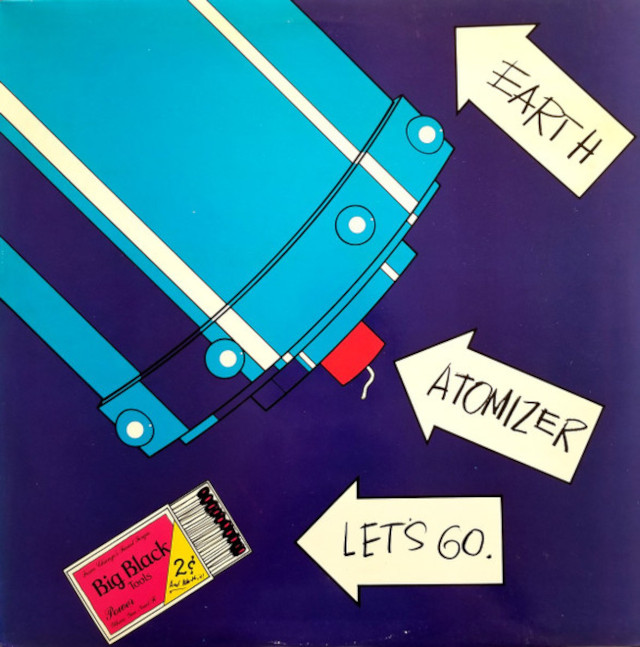
The debut full-length studio album by the Steve Albini-fronted Big Black is a relentlessly aggressive affair. A forerunner of industrial rock, the Chicago trio lined up with two guitars, a bass and a Roland TR-606 drum machine to create an unholy, mesmerising racket.
The lyrical content was equally uncompromising with brutal tales of America’s depraved underbelly. Despite the bleakness, or perhaps because of it, Atomizer remains a remarkable, unsettling achievement.
Key track: 'Kerosene'
17. Throwing Muses – Throwing Muses
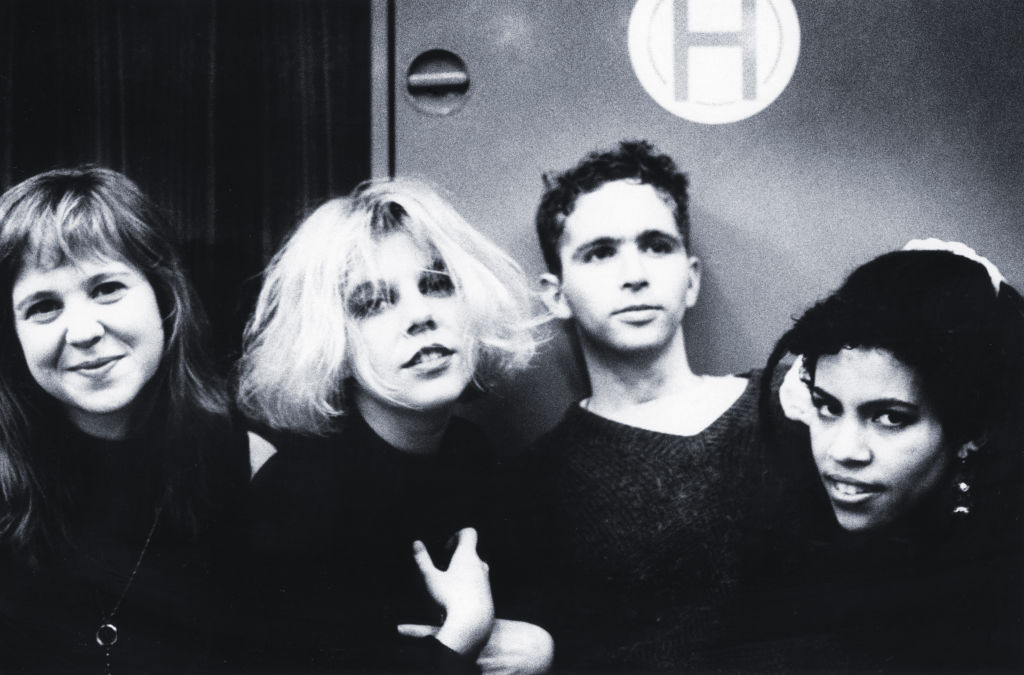
Formed in 1983 in Rhode Island by step-sisters Kirstin Hersch and Tanya Donnelly, Throwing Muses were acclaimed fixtures on the college rock circuit. Their self-titled debut album was a fascinatingly curious blend of angular post-punk, DIY folk and heartfelt emotion.
The album bears the distinction of being the first released by an American act on the iconic UK record label 4AD. The band is still active and playing live.
Key track: 'Call Me'
16. New Order – Brotherhood
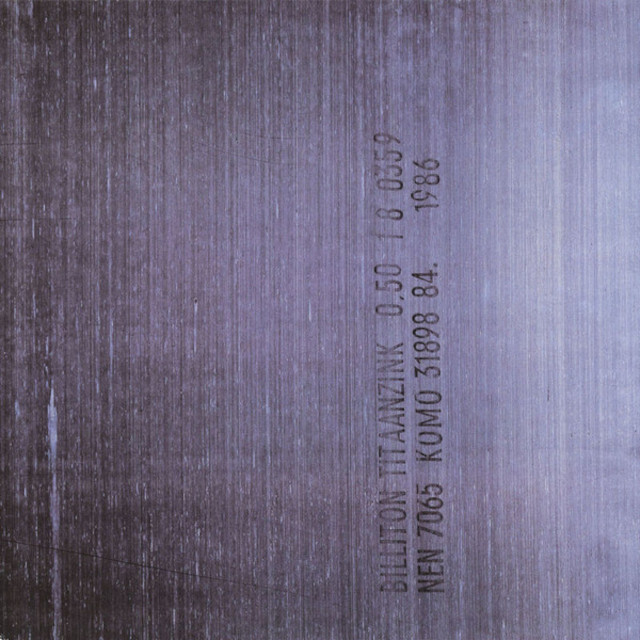
New Order’s fourth album is conceptually divided into two distinct halves, reflecting the two directions the Manchester band were being pulled in. This sonic split reflected inner tensions within the band.
Side one called ‘rock’ is guitar-orientated, while the synth-pop driven side two is labelled ‘electronic.’ Brotherhood furnished a breakthrough track in the US with the majestic ‘Bizarre Love Triangle’ charting high on the Billboard Dance chart.
Key track: 'Bizarre Love Triangle'
15. Sonic Youth – EVOL
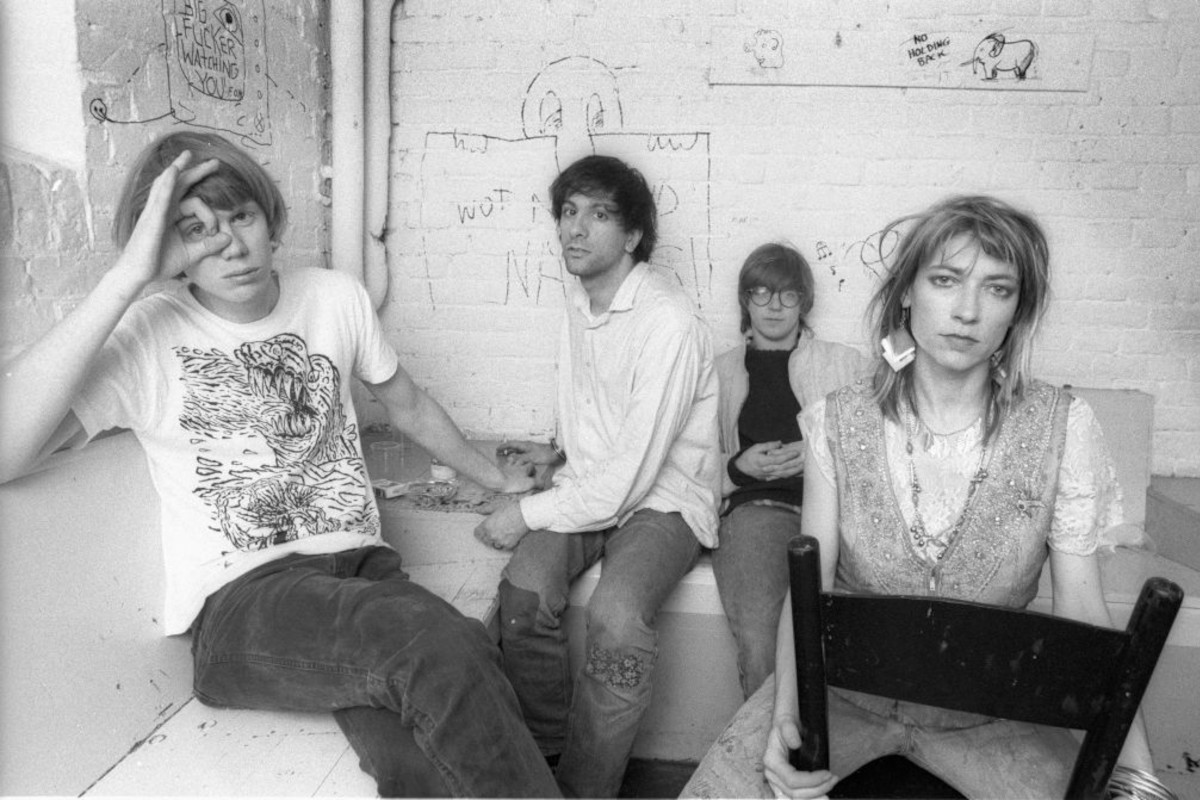
Emerging out of New York’s prickly No Wave scene, Sonic Youth’s first two albums of dissonant guitar noise were predictably inaccessible to all but the most avant-garde of ears. EVOL was different and the band unexpectedly revealed a previously dormant pop sensibility.
While we’re not exactly talking Britney Spears, the guitars were just a little less jagged, and an essence of melody could be found lurking just below the surface. It was the first Sonic Youth album to feature Steve Shelley on drums.
Key track: 'Expressway To Yr. Skull'
14. Janet Jackson – Control
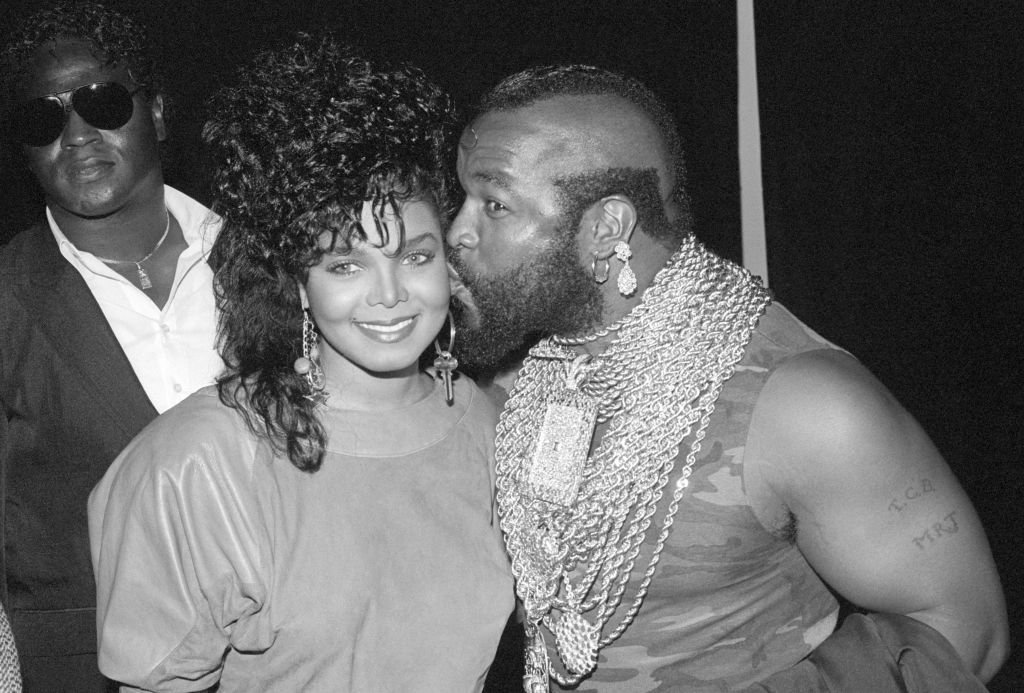
Janet Jackson emerged from the shadow of her famous family with Control, a bold statement of independence that transformed her career. Working with the production duo Jimmy Jam and Terry Lewis, she fused crisp electronic funk, hip-hop attitude and irresistible pop hooks into a sound that helped define contemporary R&B. The album spawned five US top-five hits, including the exuberant ‘Nasty’ and ‘What Have You Done for Me Lately’.
Key track: ‘Nasty’
13. XTC – Skylarking
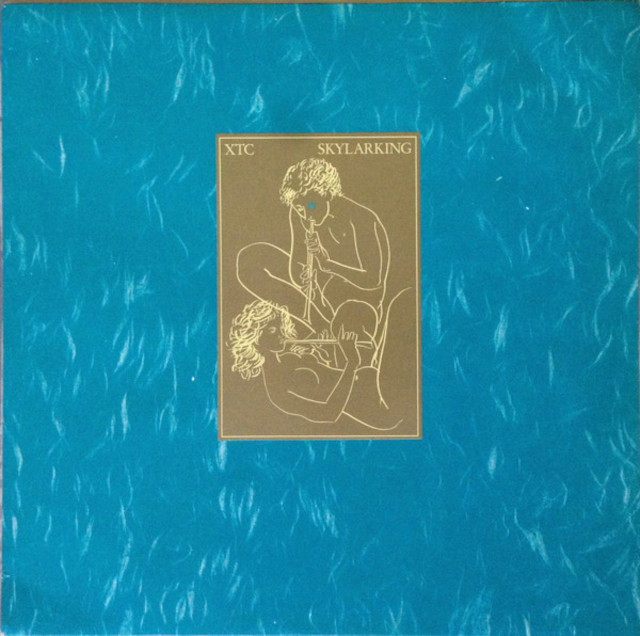
The recording of XTC’s ninth album was a fractious affair with bandleader Andy Partridge and producer Todd Rundgren continually banging heads in the studio. Despite the tensions, Skylarking’s intelligent pop earned the band heaps of praise on release.
In the US, ‘Dear God’, originally the b-side of lead single ‘Grass’, was an unexpected hit, and included on early represses of the album. Partridge all but disowned the album on release, but his opinion has tempered over time.
Key track: 'Dear God'
12. Hüsker Dü – Candy Apple Grey
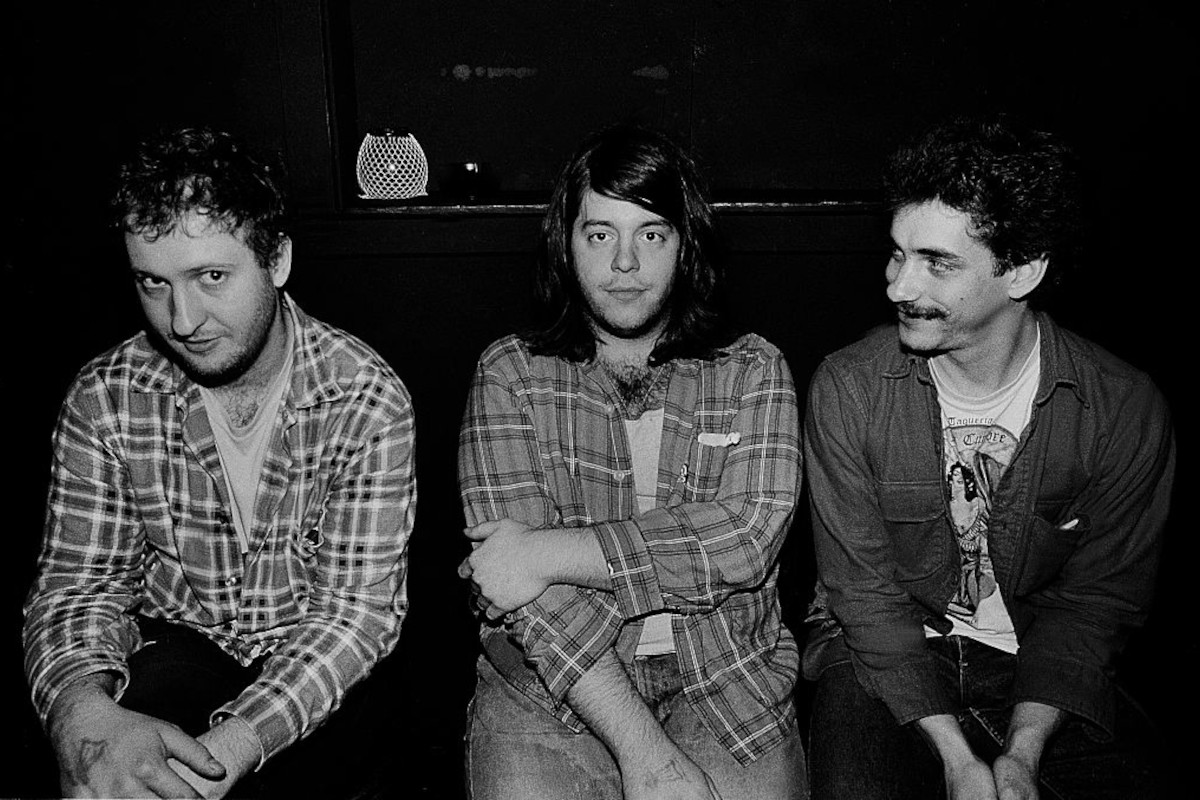
After four pulsating albums on the independent SST label, Hüsker Dü's fifth studio album was the first that the alt. rock pioneers released on a major label. The occasion also marked a change of gear for the influential Minnesotan trio, with the collective foot eased off of the hardcore punk accelerator.
The transition worked with breakneck speed replaced by new levels of melody and emotional intensity.
Key track: 'Don't Want To Know If You Are Lonely'
11. Talk Talk – The Colour Of Spring
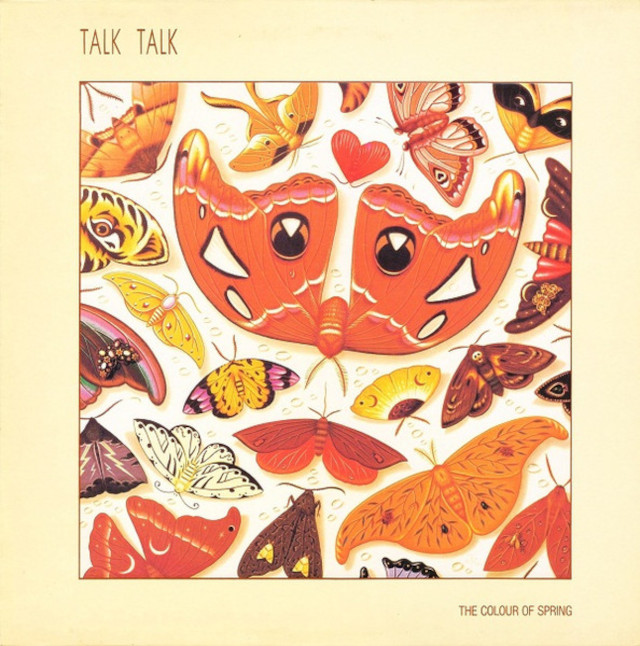
For their third studio album Talk Talk dispensed with the synthesisers and the pop sensibility, which was a bold move for a synth-pop band! In its place, songwriter Mark Hollis introduced a more organic sound with a leaning towards acoustic.
The radical pivot succeeded and The Colour Of Spring became the band’s most successful album. Legend Steve Winwood was brought in on the recording sessions to play the Hammond organ.
Key track: 'Life's What You Make It'
10. Beastie Boys – Licensed To Ill
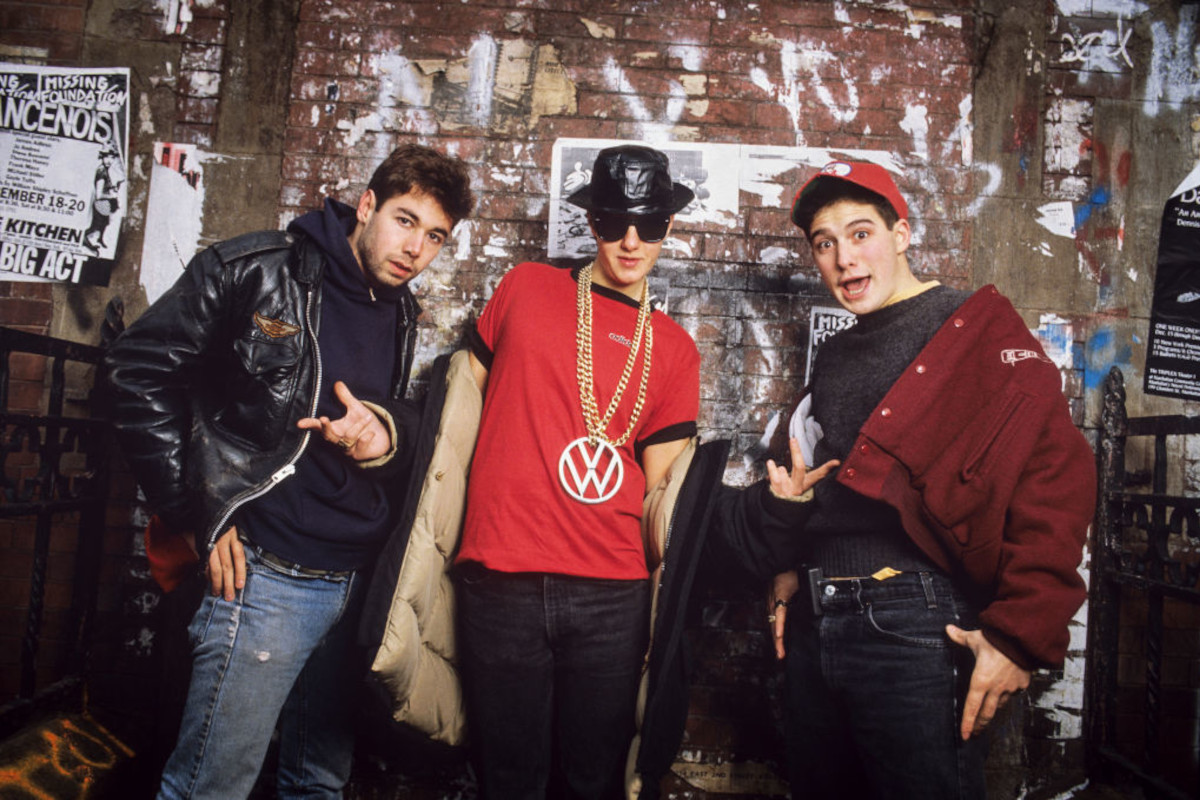
Released in 1986 and produced by Rick Rubin, Licensed To Ill was the first rap album to top the Billboard 200 chart. Its high-energy sound blended 80s hip-hop with heavy metal guitar courtesy of Slayer’s Kerry King, tapping neatly into the prevalent slacker culture of the day.
The album’s two hit singles ‘No Sleep Til Brooklyn’ and ‘(You Gotta) Fight For Your Right (To Party)’ were huge party anthems. While still regarded as a landmark album, some of the juvenile content hasn’t aged well.
Key track: '(You Gotta) Fight For Your Right (To Party)'
9. The The – Infected
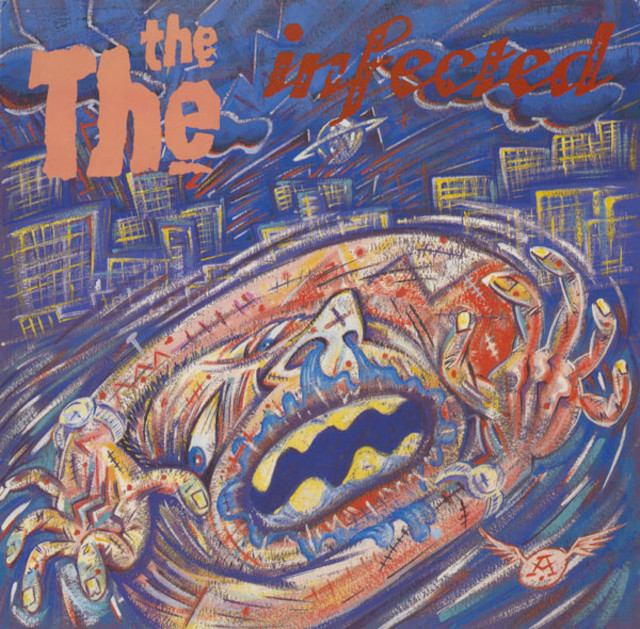
Soul Mining, The The’s much-loved first album, concerned itself with the internal workings of the mind. For the second offering, Matt Johnson broadened his palette considerably, both in terms of lyrical outlook and sonic attack.
The ambitious Infected sought to tackle global issues, such as corporate greed and moral decline, all backed by an aggressive industrial soundscape. The ambition was ludicrous, but it somehow worked.
Key track: 'Heartland'
8. Slayer – Reign In Blood
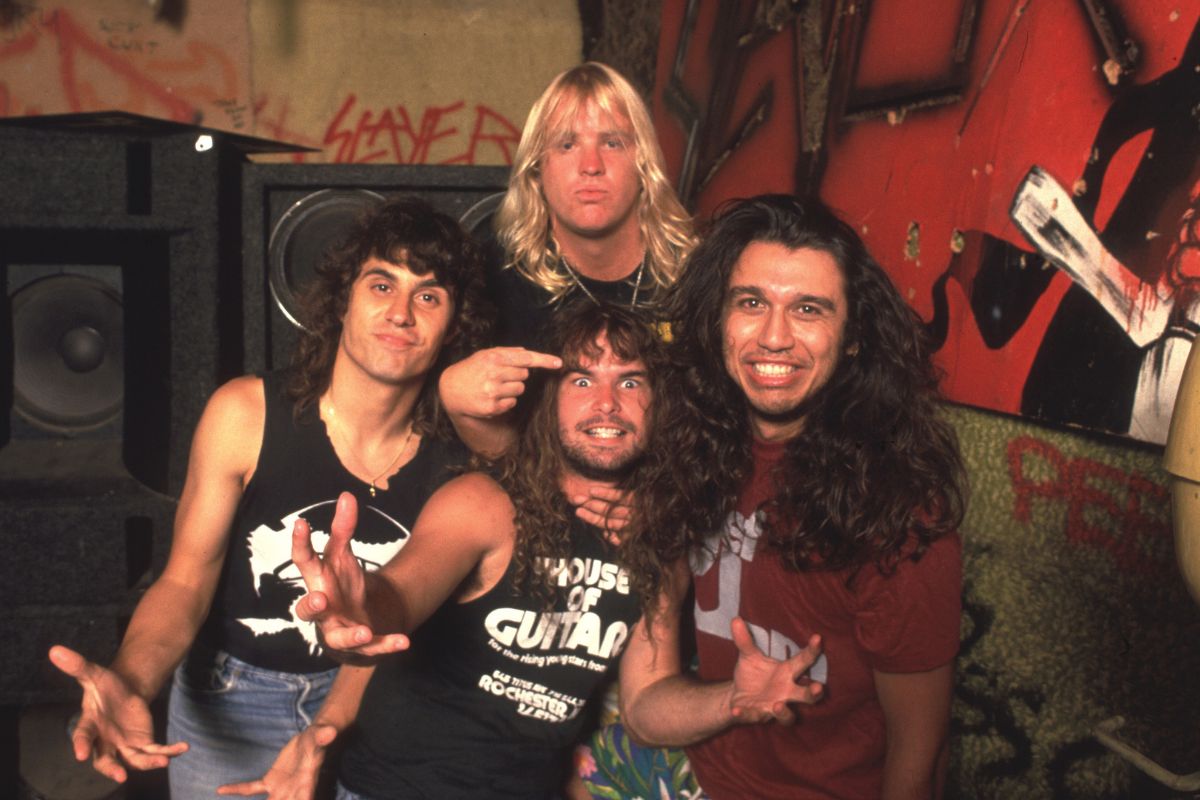
Slayer’s third album was the first to be released on Def Jam, but any worries that the switch to a major label would nullify the band’s sonic attack were soon abated. At just under 30 minutes in duration, Reign In Blood is a genre-defining masterpiece, bringing thrash metal to a legion of fresh devotees.
The album was not without controversy with opening track ‘Angel Of Death’s' fascination with Nazi doctor Josef Mengele deemed beyond the pale.
Key track: 'Angel Of Death'
7. Run-DMC – Raising Hell
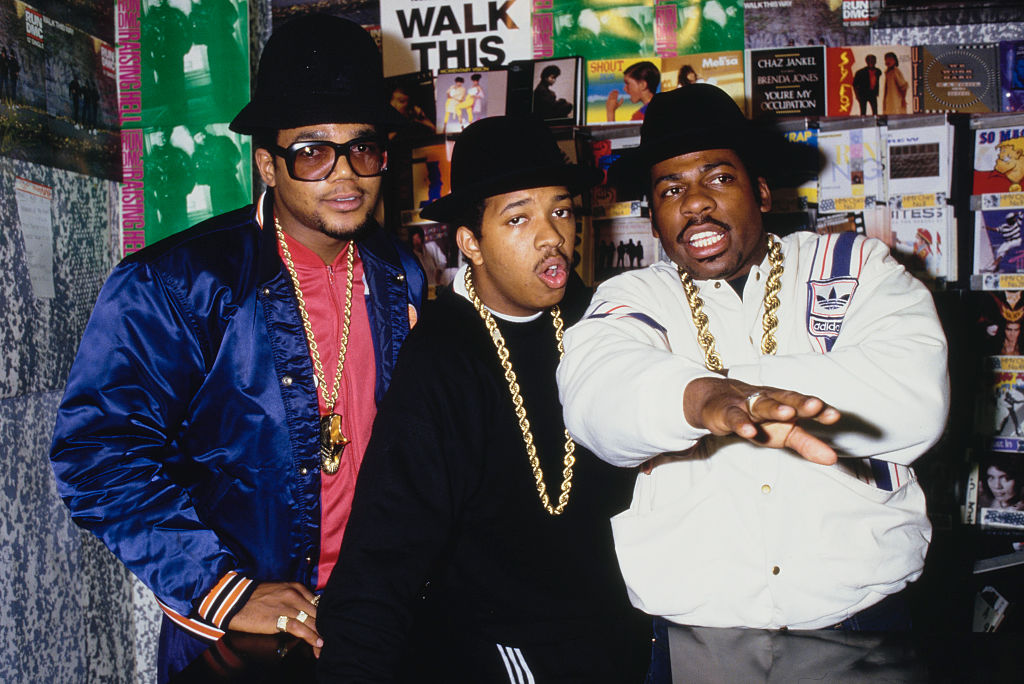
Run-DMC's Raising Hell is not only a fantastic record in its own right, it's also a culturally significant artefact. With its pioneering 'new school' rap sound, it was the album that crashed the fledgling genre into the musical mainstream. While tracks such as 'My Adidas' and 'It's Tricky' showcased rap's endless possibilities, it was the rap-rock crossover collaboration with hoary old rockers Aerosmith that raised the most awareness.
The video for 'Walk This Way' was a heavily rotated fixture on MTV, helping the track reach number four on the Billboard charts. To add to 'Raising Hell''s list of credentials, in 1987 it was the first rap album to be nominated for a Grammy.
Key track: 'It's Tricky'
6. Paul Simon – Graceland
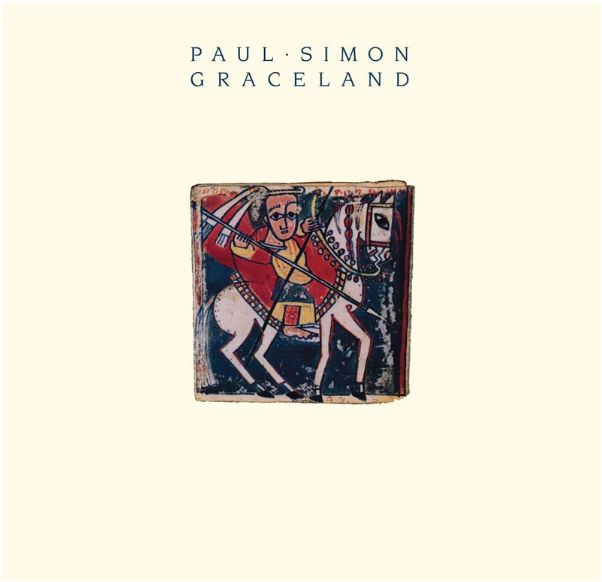
After a few years in the creative wilderness, Paul Simon’s Graceland was a welcome return to form for the Garfunkel-less folkie. The album was inspired by a mix-tape of South African music that Simon had borrowed from a fellow musician. The muse struck him and he travelled to Johannesburg to record with local artists, fusing his Western pop sensibility with their South African styling.
The project was a huge success, both critically and commercially, but the release was not without controversy. The primary concern was that Simon recorded in South Africa during a cultural boycott related to Apartheid. His defence was that he worked specifically with the artists, paying triple union rates, and was not supporting the government.
Key track: 'You Can Call Me Al'
5. Peter Gabriel – So
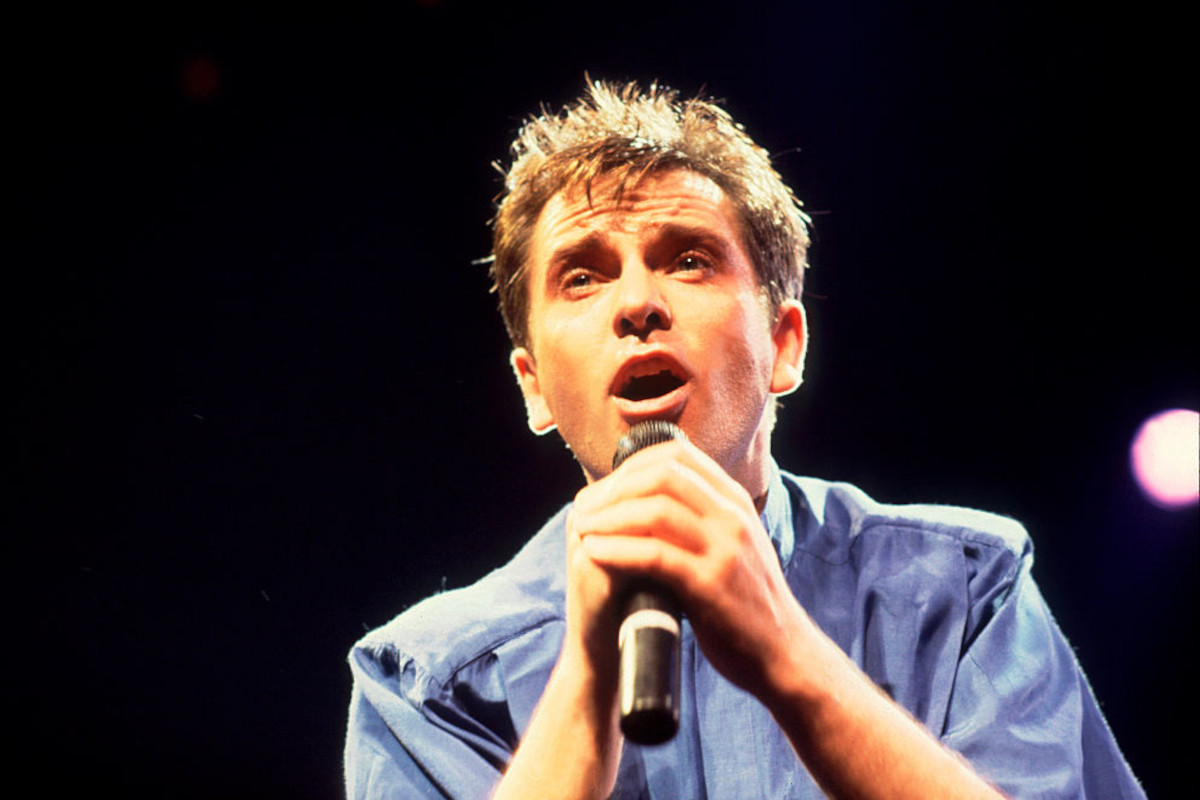
So was the first of Peter Gabriel’s albums to possess a title, albeit it a short one, as the previous four solo albums were all self-titled. Assembled with the help of co-producer Daniel Lanois, it was the album that altered Gabriel’s status in the music industry, taking him from cult artist to mainstream star.
It’s no coincidence that the material on So was a collection of pop songs, and far less experimental than before. With its clever animated video, lead single ‘Sledgehammer’ was an instant success, reaching number one in the Billboard Hot 100 chart.
Key track: 'Sledgehammer'
4. Prince and The Revolution – Parade
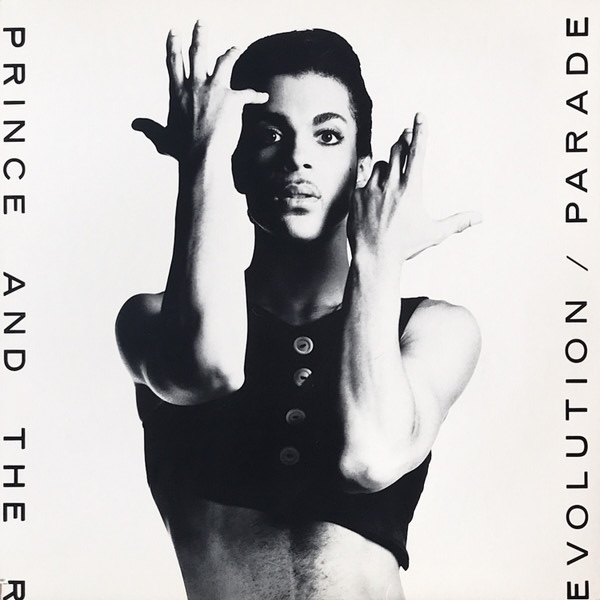
Prince’s eighth studio offering was ostensibly the soundtrack album to his ‘disaster’ movie, Under The Cherry Moon. Despite the close association to the box office flop, Parade was an album that stood on its own as a fine collection of wonderfully crafted psychedelic pop songs.
At its centre is one of Prince’s greatest songs, ‘Kiss’, a stripped-down funky masterpiece and global hit. It was the final Prince album to be co-credited with his backing band, The Revolution.
Key track: 'Kiss'
3. The Smiths – The Queen Is Dead
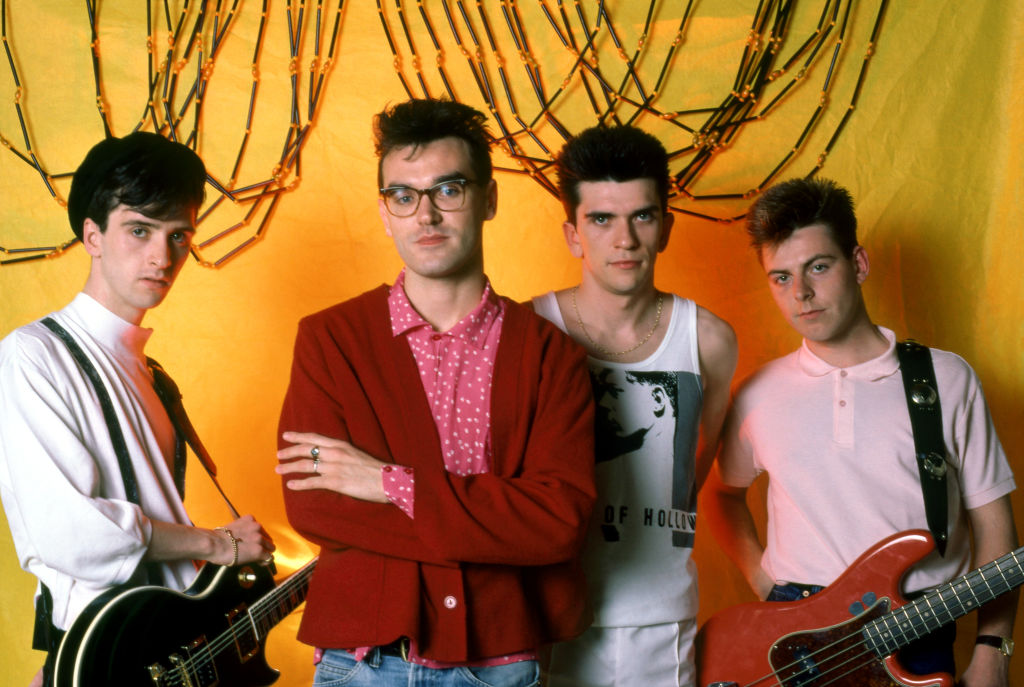
After two strong, well-received studio albums, The Smiths finally achieved greatness with their third. The Queen Is Dead witnessed the band at the height of its creative powers.
Morrissey’s lyrics successfully tread that fine line between being emotionally intense and laugh-out-loud hilarious, while Johnny Marr’s guitar arrangements are nothing short of pop perfection. It remains one of the very best indie albums.
Key track: 'There Is A Light That Never Goes Out'
2. R.E.M. – Life's Rich Pageant
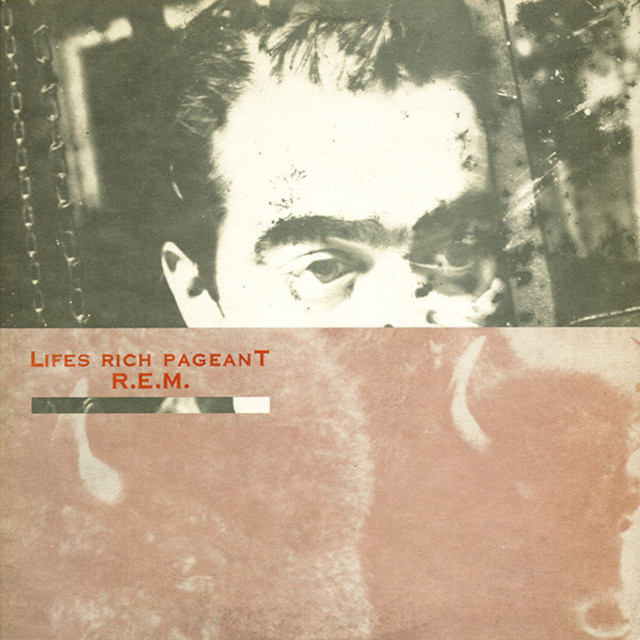
R.E.M.’s fourth studio album was a transitional one, with the band moving away from their college rock roots to edge ever closer to the mainstream. Proof of this was in the production with the band sounding punchier and more dynamic than previous recordings.
What’s more, Michael Stipe’s previously murmured vocals were brought to the front of the mix. The cover is a visual pun with a picture of drummer Bill Berry and another of a couple of bison adding up to Buffalo Bill.
Key track: 'Fall On Me'
1. Metallica – Master Of Puppets
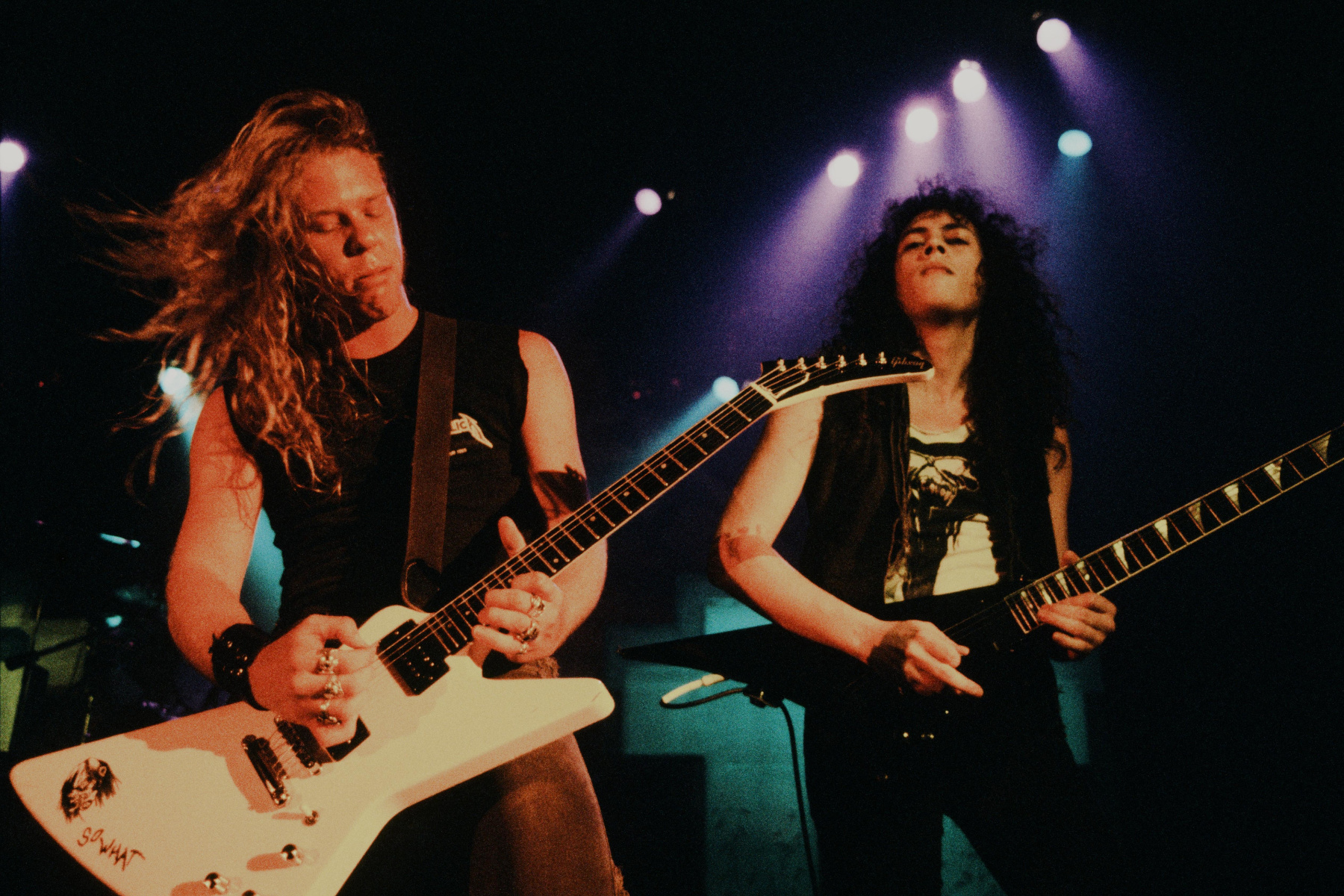
Metallica’s third album was recorded in Copenhagen at the ironically titled Sweet Silence Studios. Master Of Puppets was the album where the band matured, taking their craft to new levels of technical dexterity and songwriting complexity. Such was the scope of their ambition they even remained sober in the studio while recording.
The sacrifice was worth it, and Master Of Puppets heightened the expectations of what thrash metal could be. It was the final album to feature bassist Cliff Burton, who died in a bus accident later in the year while promoting the album.
Key track: ‘Master Of Puppets’
All photos Getty Images/Album sleeves Discogs. Top image James Hetfield and Kirk Hammett performing live with Metallica in Tokyo, 1986
