
For somebody who has defined himself as a “non-musician”, Brian Eno has made a remarkable impact on modern music.
He started out as Roxy Music’s secret weapon, the glammed-up enigma in the corner whose synth interventions set them apart from their contemporaries. After leaving Roxy, Eno made a string of classic glam/new wave/art-pop solo albums – Here Come The Warm Jets (1974), Taking Tiger Mountain (By Strategy) (1974), Another Green World (1975) and Before And After Science (1977) – which are striking even today for their left-field song structures, wittily ambiguous lyrics and innovative use of soundscapes.
Meanwhile, he found time to make a series of pioneering, minimalist instrumental albums, such as Discreet Music (1975) and Music For Films (1978), as well as a series of ambient albums which effectively coined the genre. And Eno has remained at the cutting-edge of music and technology ever since, with groundbreaking work in electronic and generative music over dozens of solo albums.
But Eno’s solo career is only half the story – he’s always relished collaboration, with co-credits on all-timer albums such as Robert Fripp (No Pussyfooting (1973) and Evening Star (1975), Cluster (Cluster & Eno (1977) and After The Heat (1978), David Byrne (My Life In The Bush Of Ghosts (1981) and Everything That Happens Will Happen Today (2008) and John Cale (Wrong Way Up (1990).
There are also dozens of albums Eno transformed either as producer or with guest appearances. This is a celebration of those albums – the ones that wouldn’t be the same without Eno.
7 albums that wouldn't be the same without Eno
1. Roxy Music, For Your Pleasure (1973)
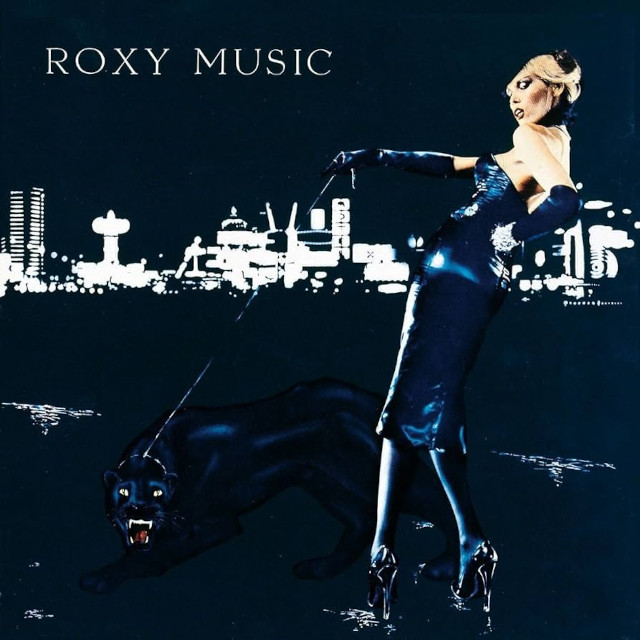
Though Eno had originally seen his role in Roxy Music as a conceptual director of sorts, by their second album, March 1973’s For Your Pleasure, he was a vital part of the group’s appeal, with his striking looks and witty interviews stealing the spotlight from frontman Bryan Ferry.
Meanwhile, the artistic sensibilities of the two men had started to diverge, with Ferry’s penchant for old school songcraft clashing with Eno’s interest in the avant garde. For Your Pleasure captured lightning in a bottle, the point where Ferry and Eno complemented and inspired one another for a landmark album that was smarter, sexier and weirder than anything else around.
Eno’s synth and sensibilities are all over For Your Pleasure, from the rapidly pulsing, low-pitched synth that underpins ‘Do The Strand’ to the Can-inspired, nine-minute weirdness of ‘The Bogus Man’, all haunted synth lines and lurching groove. But For Your Pleasure’s centrepiece – and perhaps the greatest example of Ferry and Eno’s sensibilities complementing one another to create something unique – came with ‘In Every Dream Home A Heartache’.
Layers of curdled organ and warped-sounding synth circle around, as if soundtracking the most unsettling merry-go-round imaginable. Gravely unsettling atmosphere established, Ferry adopts a blank, dead-eyed tone as he mutters about the emptiness of materialism ("penthouse perfection, but what goes on there?/What to do there?") before revealing that his narrator has become so alienated, so dependent on disposable culture, that he has found meaning in a relationship with a blow-up doll.
This was daring and experimental pop music at its best, and Eno was a crucial part of it. He left Roxy in July 1973, but in his brief time in the group had left quite a legacy.
Key track: 'For Every Dream A Heartache'
2. John Cale, Fear (1974)
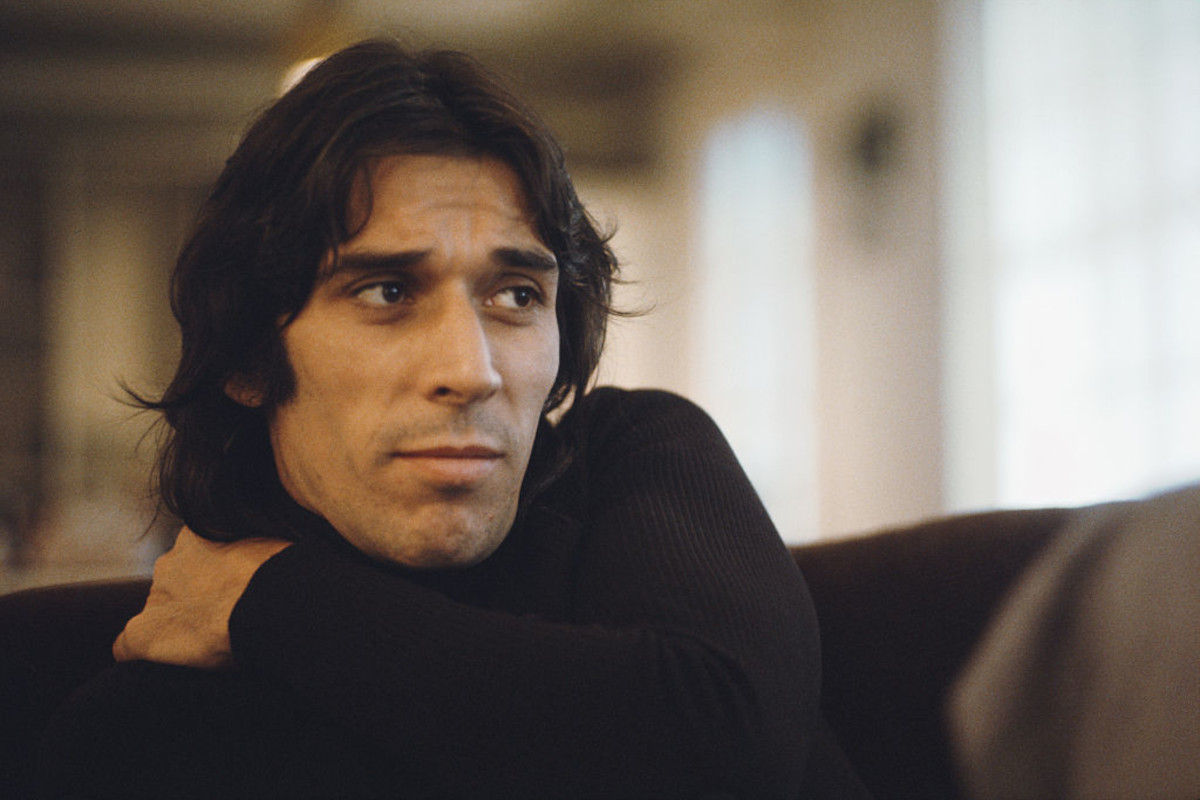
Former Velvet Underground member John Cale and Eno first collaborated as part of a one-off live show, also featuring Kevin Ayers and Nico, released as 1 June 1974. The two men hit it off to the point that Eno was recruited to work on Cale’s upcoming fourth album, Fear.
"I was a kind of consultant or advisor," Eno said in 1975. "John was using me to bounce ideas off of, and get reactions from. It was a very intense month."
While Eno is credited as executive producer on Fear, he also provides synthesizer and ‘effects’. Eno’s trickery is most evident on ‘Gun’, where he uses a synth to process former Roxy bandmate Phil Manzanera’s guitar solo.
"John’s a real crazy guy to work with in the studio: bursts of genius interspersed with oceans of inattention," Eno told Mojo in 1995. Clearly, the moments of magic were worth it – Eno also contributed to Slow Dazzle and Helen Of Troy (both 1995), while Cale played viola on Another Green World. And years later, they reunited for the brilliant joint album Wrong Way Up (1990), a triumph of experimental pop despite tensions between the pair during its creation.
Key track: 'Gun'
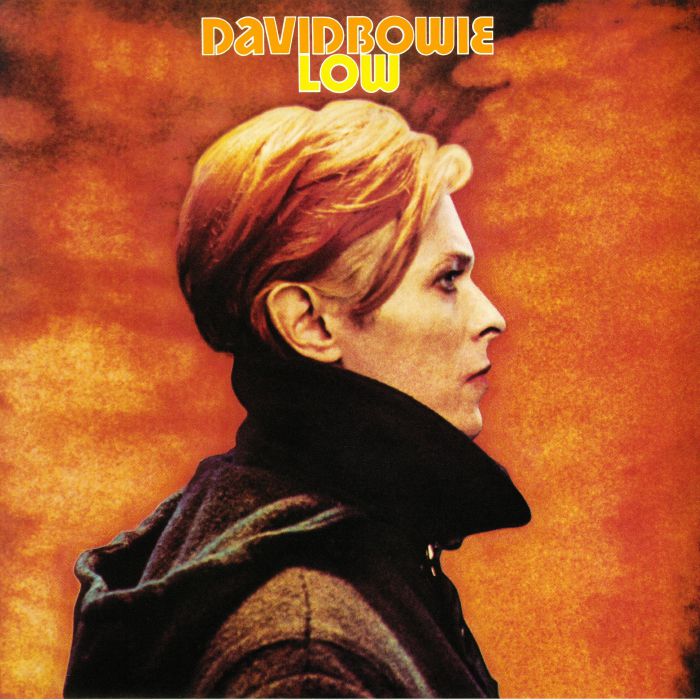
3. David Bowie, Low (1977)
When David Bowie was asked in the early 2000s about the sessions for 1976’s Station To Station, his answer was tellingly vague, "I know it was in LA because I’ve read it was." During his time living in LA, Bowie’s drug use had spiralled to the point where he was existing on a diet of red peppers, milk, coffee and cigarettes, while storing bottles of his urine in his fridge so that it wouldn’t get stolen by witches.
Clearly, he needed a change of scene.
In February 1976, he set off on tour to promote the album, including three shows at the The Forum, Inglewood, LA. During that stint his Hollywood home was emptied and his belongings were packed up to be moved to his new home in Switzerland. Change was clearly on his mind, as he told the crowd one night at the Forum, "I quite like Eno. I’d like him to be in Iggy’s band. How gauche."
In May, the tour reached London, where Bowie played six nights at the Empire Pool, Wembley (now Wembley Arena). Eno was in attendance one night, after which he and Bowie discussed a collaboration.
In September 1976, Eno joined the sessions for his next album, Low. While the title track of Station To Station had loudly proclaimed, "The European canon is here" and shown hints of a Krautrock influence, Bowie’s new music took its cue from the likes of Kraftwerk, Neu! and Cluster. Though Eno wasn’t credited as a co-producer on the project, his influence was huge, not least for his understanding of the music that Bowie was drawing upon.
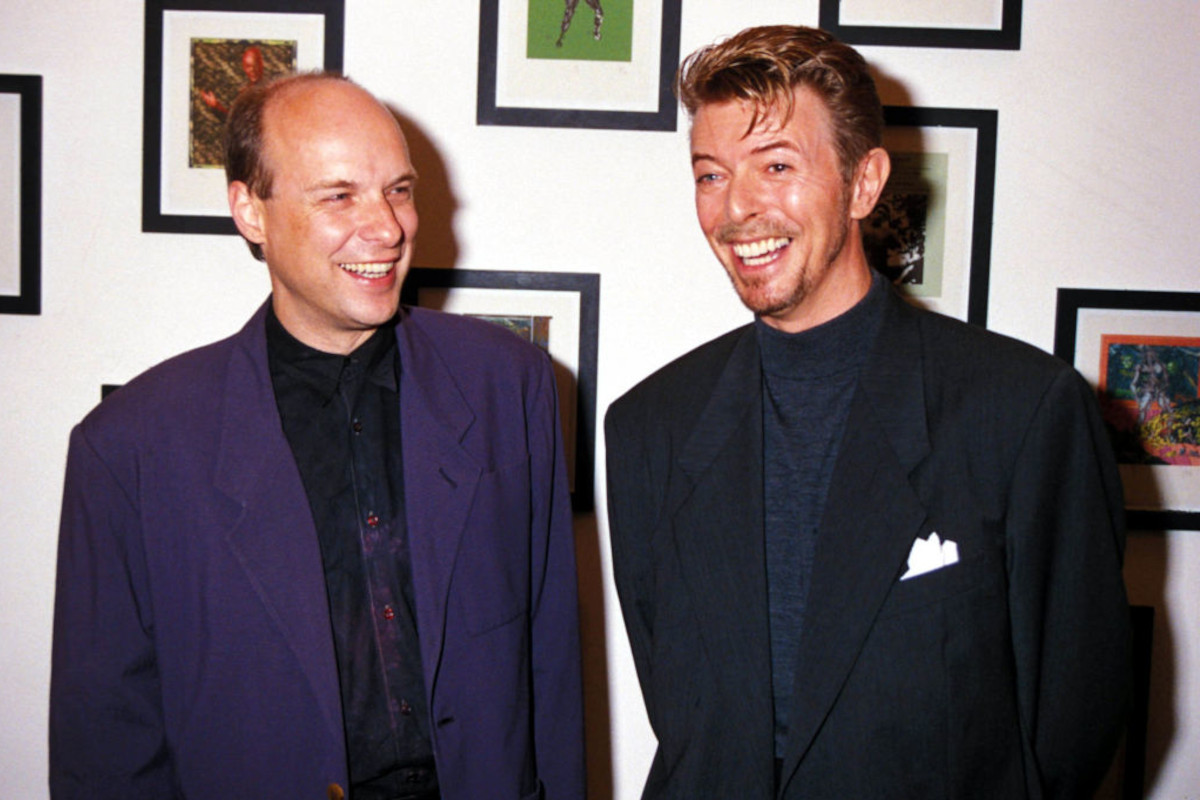
Eno’s creatively mischievous streak was also crucial – he introduced his Oblique Strategies cards to the sessions to challenge and inspire musicians, using instructions such as ‘Try Faking it!!’, ‘Use unqualified people’ and ‘Ask your body’. Side two of Low, comprised of synth-led instrumentals that veered between glacial beauty and twitchy soundscapes – including ‘Warszawa’, which was mostly composed by Eno – showed the extent of Eno’s influence on Bowie.
The partnership continued on Bowie’s next two albums, “Heroes” (1977) and Lodger (1979), and was rekindled on the underrated 1995 album 1.Outside.
Key track: 'Warszawa'
4. Devo, Q: Are We Not Men? A: We Are Devo! (1978)
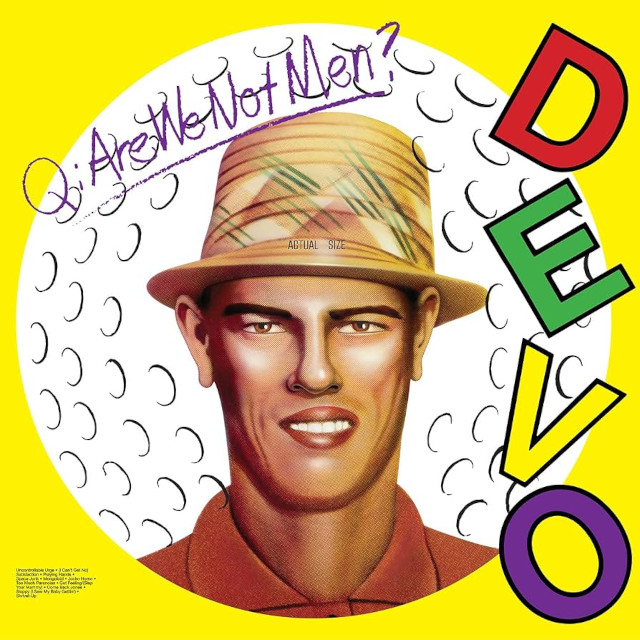
In November 1977, David Bowie introduced arty new-wavers Devo at a show at Max’s Kansas City, New York, and announced that he’d be producing their debut album. When it turned out that Bowie was too busy to oversee the sessions, Eno stepped in.
Devo had yet to be signed, so Eno paid upfront for recording sessions at legendary Kraftwerk and Neu! producer Conny Plank’s studio in Cologne, Germany, as well as the band’s flights in exchange for a share when they landed a record deal. But the sessions were fraught from the start, with Devo unwilling to deviate from the sound of their original demos, despite Eno working on synth parts and new sounds.
"Anal is the word," Eno told Mojo. "They were a terrifying group of people to work with because they were so unable to experiment… It was a waste of time: here we are in another situation, another time, another place, why not do something for this situation?"
Eventually, Bowie remixed the album but without the creative tensions that emerged throughout the initial sessions, Q: Are We Not Men? A: We Are Devo! would be a very different album.
Key track: 'Shrivel Up'
5. Talking Heads, Remain In Light (1980)
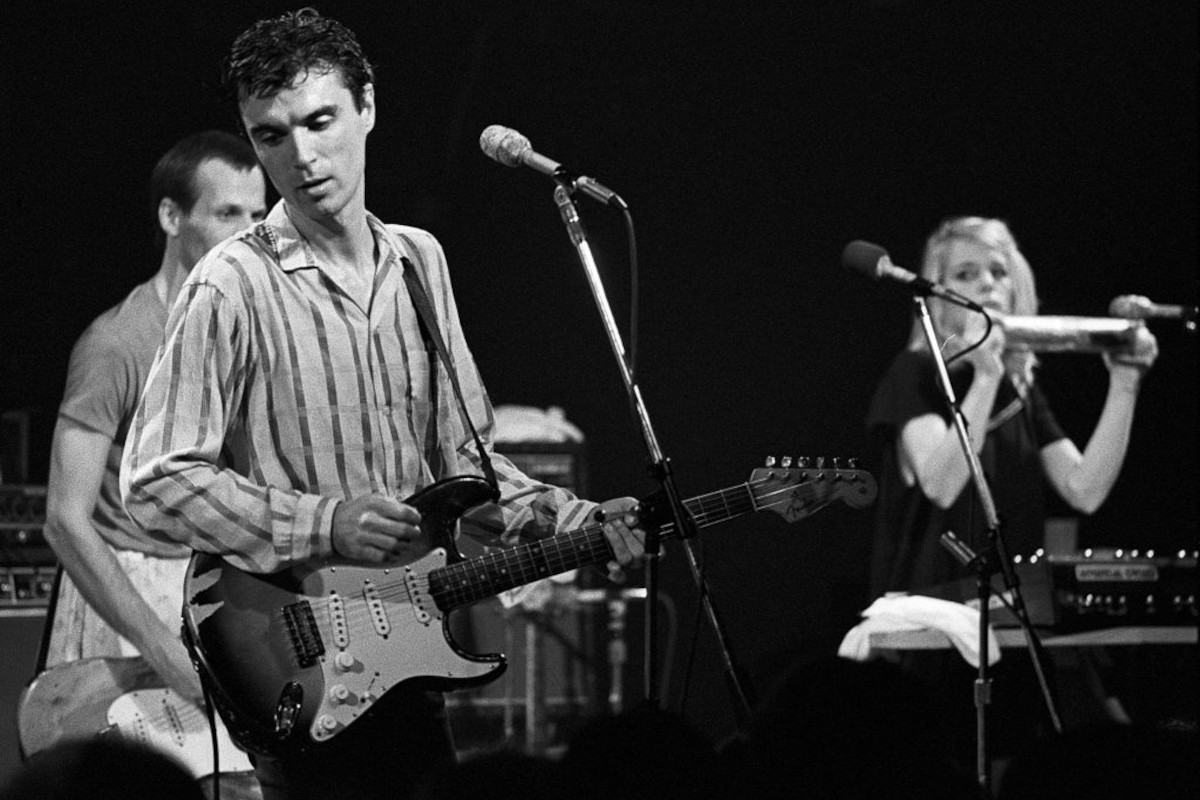
Eno first produced New York post-punks Talking Heads on 1978’s More Songs About Buildings And Food, giving them a more expansive, groove-based sound while adding synth flourishes. On the following year’s Fear Of Music, Eno arrived at sessions when the band had reached a creative impasse to help steer it to competition.
Following that album’s release, the group’s individual members took some time away from Talking Heads, with singer David Byrne collaborating with Eno on the groundbreaking My Life In The Bush Of Ghosts. While Byrne was initially reticent to make another Talking Heads album, the rest of the group began jamming in drummer Chris Frantz and bassist Tina Weymouth’s New York City loft.
The music that emerged excited them enough to invite Eno and then Byrne over for an informal session, thus getting the band together without the pressure to create. Frantz remembers those jams fondly: "The sound we were creating was a little bit art school, a little bit modern, and had a healthy dose of swinging African and Afro American polyrhythms."
Having toyed with the process on previous albums, Talking Heads now fully embraced a collaborative working method in which songs were worked up from improvised jam sessions, with Eno effectively a fifth member and Byrne enthusiastic about stepping back from his dominant songwriting role to ensure the group were treated as equals.
The result was their most innovative and experimental album to date, with standouts including the jerky funk of ‘Born Under Punches (The Heat Goes On)’, the storming ‘Crosseyed And Painless’ and the street preacher groove of ‘Once In A Lifetime’ pushing musical boundaries while asking big lyrical questions.
Key track: 'Once In A lifetime'
6. U2, Achtung Baby (1991)
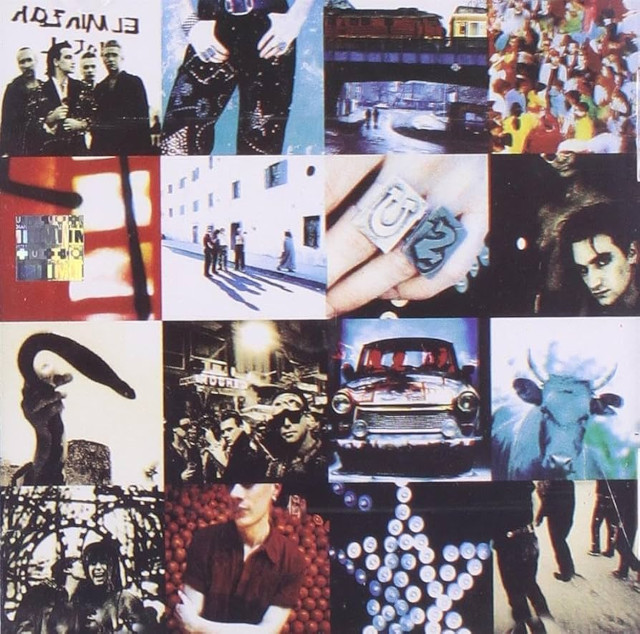
In 1984, U2 were at a crossroads, their previous album, War, had put them on a path for enormous success, but the band were keen to explore a new direction. "All we had to do was to keep doing what we were doing and we would become the biggest band since Led Zeppelin, without a doubt," said Bono in 2006.
"But something just didn’t feel right. We felt we had more dimension than just the next big anything, we had something unique to offer. The innovation was what would suffer if we went down the standard rock route. We were looking for another feeling."
Like Bowie before them, they turned to Eno. The result was the softer, more atmospheric and expansive sound of The Unforgettable Fire (1984), an album co-produced by Eno and Daniel Lanois. The collaboration was so successful that Eno and Lanois returned for the group’s defining moment, 1987’s 25 million-selling The Joshua Tree. But it was on their 1991 album, Achtung Baby, that Eno truly made his mark.
"I had worked with them for a couple of weeks, then I came home for a couple of months," Eno later told Mojo. "They sent me what they’d done so far, and I listened to them thinking, This is a total disaster! A total washout!
"Because what had happened – as often happens in recording – is that while people are waiting for the singer to write the song, they've got all this studio time booked, so they keep overdubbing. I went to Dublin determined to strip it all away and go back to what it had been. It was very successful, and they agreed that it saved that album."
Eno’s contrarian instinct also came in useful when it came to finishing the album. "The other thing I did on that record which Edge said was a brilliant move was to send them on holiday," Eno recalled.
"It was hitting crisis point, the deadline was looming and everything seemed like a mess. And I insisted they got away from it for a while. They did, and after just two weeks without listening to it, they came back, listened to the tapes, and suddenly they were able to make pretty quick and clear decisions.
"Again, that's not something you would tend to do from the inside - we've only got four weeks left, and he's telling us to take a two-week holiday!" U2 have continued to call upon Eno when need of a creative jolt over the years, but it was on Achtung Baby that he truly shook them up.
Key track: 'One'
7. Coldplay, Viva La Vida Or Death And All His Friends (2008)
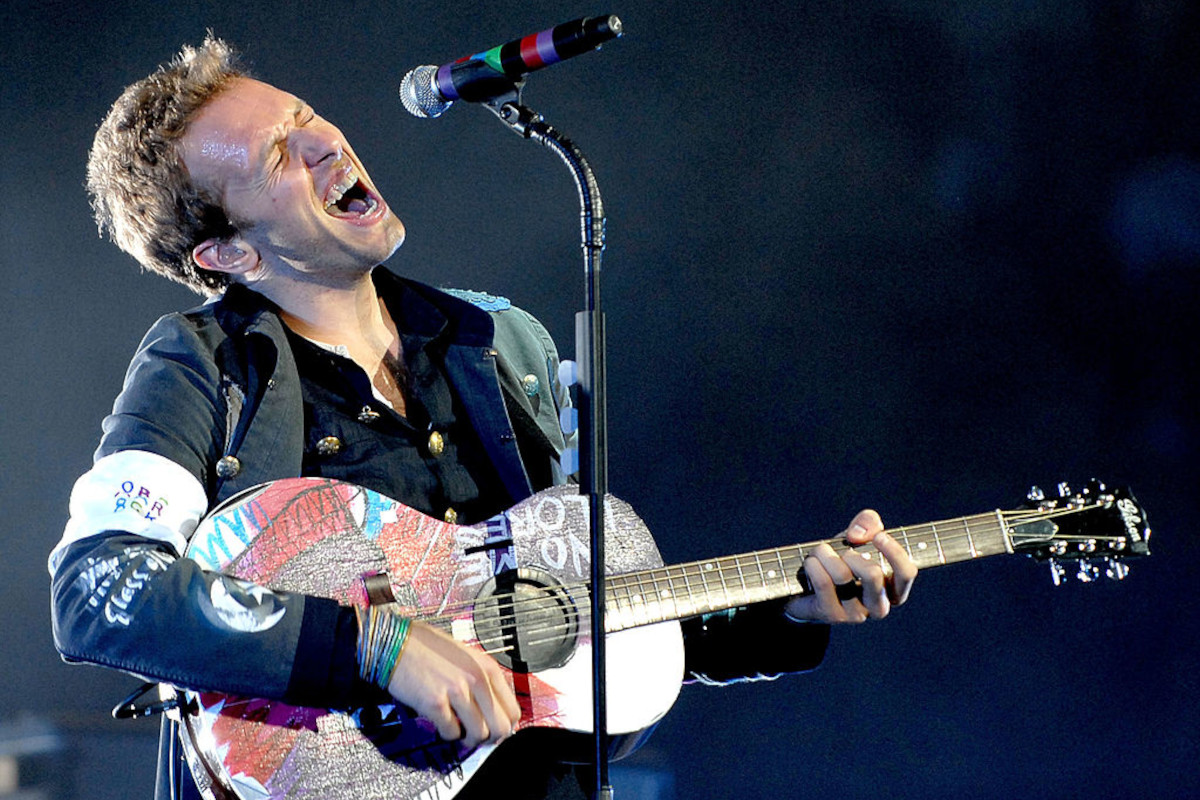
In 2006, it was Coldplay’s turn to call on Eno to give them a creative jumpstart. For Viva la Vida or Death and All His Friends, Eno pushed the band to experiment, whether that was persuading frontman Chris Martin to sing in his lowest register on ‘Yes’ or pushing the band in an Afropop direction on ‘Strawberry Swing’.
Eno even resorted to physical measures to stop the band falling into old habits, as he later said, "Chris, from Coldplay, writes songs with very full and difficult chords, he always plays with 10 fingers; in fact one of the things I often do is say: ‘Don’t use your left hand please.’ Or I make him wear gloves so he can’t play as many notes!"
"Brian allows us to feel untrapped by anything we’ve done or by any box," said Martin. "You can listen to anything and you can draw inspiration from anything… He’s more of a band member than a producer. He makes you all sit together in a circle, and he’s in the circle, and you all play together.
"Because we came up with the rise of Pro Tools, everyone was getting more and more separate in the studio. And Eno was like, 'No, no, no, computers are there to work for you, and you are still a band, so get thee to thine instruments.'
"He’s like Gandalf. He comes in, weaves all his magic, causes chaos, then disappears. Then he comes back, and he’s just been to Kazakhstan to learn about horseback wrestling."
Key track: 'Yes'
All photos Getty Images/Album covers Amazon
Top image David Bowie, Bono and Brian Eno, 2002


