Great albums are often made in comfortable studios, with plenty of time, money and creative freedom.
But some of rock’s finest records emerged from circumstances that were anything but comfortable. Bands have made masterpieces while relationships were collapsing, careers were in jeopardy, addictions were spiralling and personal tragedies were still raw.
Sometimes the pressure seems to have sharpened their creativity; sometimes the music became a way of confronting what was happening around them. Queen were financially desperate when they made A Night at the Opera. Fleetwood Mac were barely speaking to one another during Rumours.
David Bowie was in the grip of addiction when he recorded Station to Station. And Led Zeppelin made Presence while Robert Plant was recovering from a devastating car crash. Here are 15 great albums made against extraordinary odds.
1. David Bowie – Station to Station (1976)
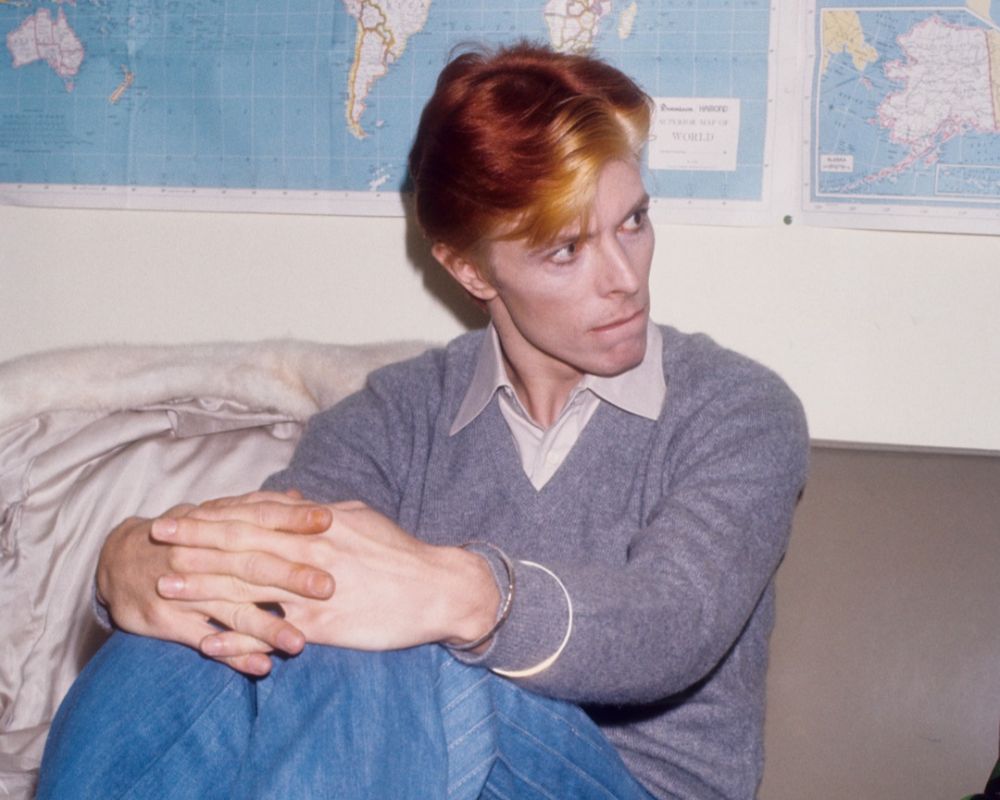
David Bowie later claimed that he remembered almost nothing about making Station to Station, and the circumstances make that astonishing statement seem entirely plausible.
Living in Los Angeles, Bowie was consuming enormous quantities of cocaine, eating almost nothing and becoming increasingly paranoid. He was also deeply immersed in the occult and developing the icy persona of the Thin White Duke. Yet he somehow produced an album of remarkable control and precision.
The title track's vast, glacial arrangement, the funk of ‘Golden Years’ and the emotional desolation of ‘Word on a Wing’ reveal an artist operating at an extraordinary creative level despite his increasingly dangerous lifestyle. Bowie was later blunt about how unhealthy his life had become during this period.
Station to Station therefore has a strange duality: it sounds meticulously constructed, but it was made while its creator was living in a state of near physical and psychological collapse.
2. Iggy and the Stooges – Raw Power (1973)
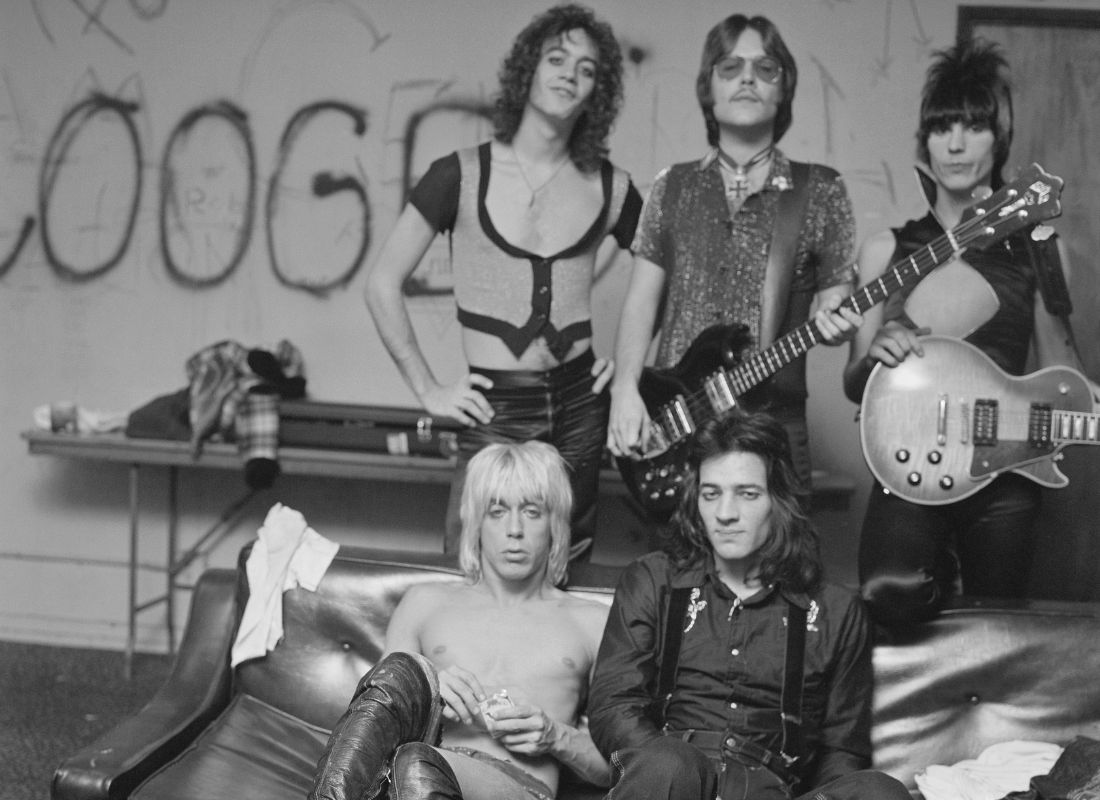
Raw Power was recorded by a band who were barely holding themselves together.
Iggy Pop was deeply immersed in heroin addiction, while the Stooges had already acquired a reputation for chaos and self-destruction. Even the album's production became a disaster. Iggy was initially given responsibility for mixing the record himself, but the results were famously extreme, with the guitars and other instruments often ending up awkwardly positioned in the stereo field.
David Bowie was subsequently brought in to help rescue the tapes, though his mix remained notoriously abrasive and overloaded. None of this seemed to matter in the long run. ‘Search and Destroy’ and ‘Your Pretty Face Is Going to Hell’ were ferocious enough to survive almost anything the studio could throw at them. Raw Power barely sounds like a conventional album at all – which may be precisely why its influence became so enormous.
3. Neil Young – Tonight's the Night (1975)
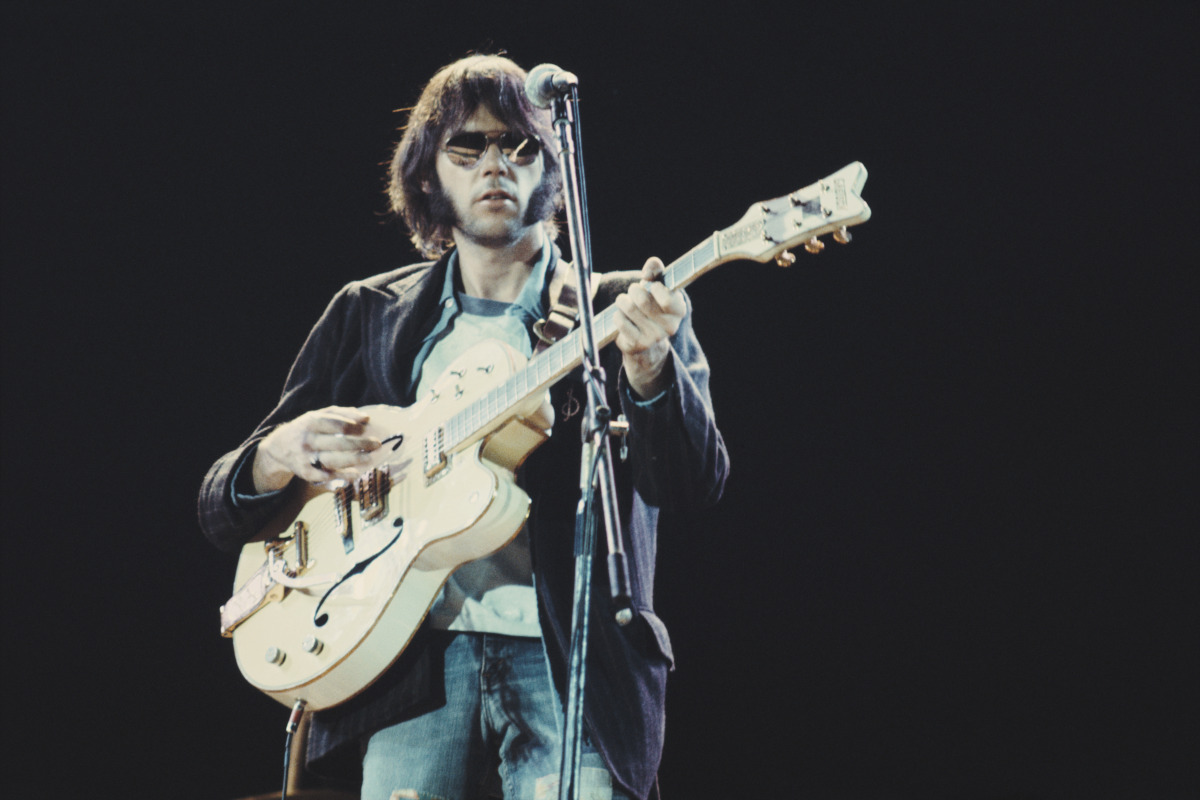
Neil Young made Tonight's the Night while grieving the deaths of two people close to him.
Danny Whitten, guitarist with Crazy Horse and a close friend of Young's, died of a heroin overdose in November 1972. Roadie Bruce Berry died from an overdose only months later. Young responded by gathering musicians, many of them connected to Crazy Horse, and recording a raw collection of songs dealing directly with loss, addiction and the people who had disappeared from his life.
The sessions were famously loose, with the musicians often recording late at night and sometimes under the influence. Reprise Records was reportedly unhappy with the results and held the album back for two years. When it finally appeared, its ragged sound was inseparable from its emotional purpose. Young had no interest in polishing the grief away.
4. Fleetwood Mac – Rumours (1977)
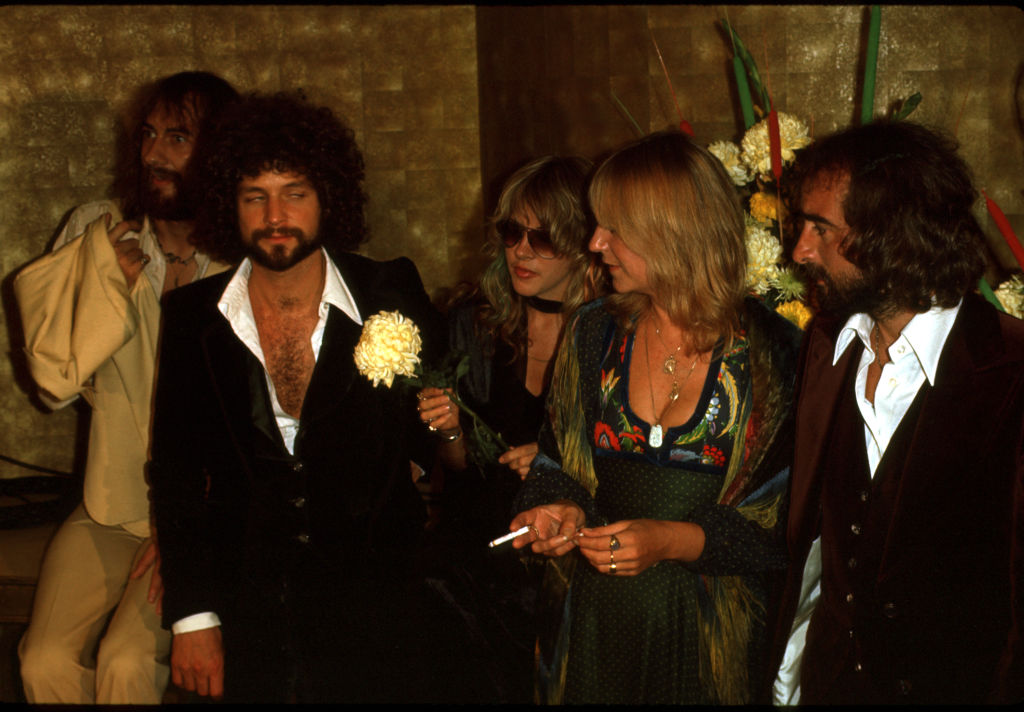
Few albums were made under more emotionally combustible circumstances.
By the time Fleetwood Mac entered the studio, John and Christine McVie were divorcing, Lindsey Buckingham and Stevie Nicks had broken up, and Mick Fleetwood’s marriage was also collapsing. The five musicians were therefore expected to spend months together making an album while their personal relationships disintegrated around them. Cocaine use was widespread, tensions were high and the sessions became exhausting.
Yet the turmoil fed directly into the music: ‘Go Your Own Way’, ‘Dreams’ and ‘You Make Loving Fun’ turned private heartbreak into extraordinary pop songwriting. The remarkable thing isn't simply that Fleetwood Mac survived long enough to finish Rumours; it's that they produced one of the best-selling and most enduring albums in popular music while seemingly having every reason to walk away from each other.
5. Bruce Springsteen – Darkness on the Edge of Town (1978)
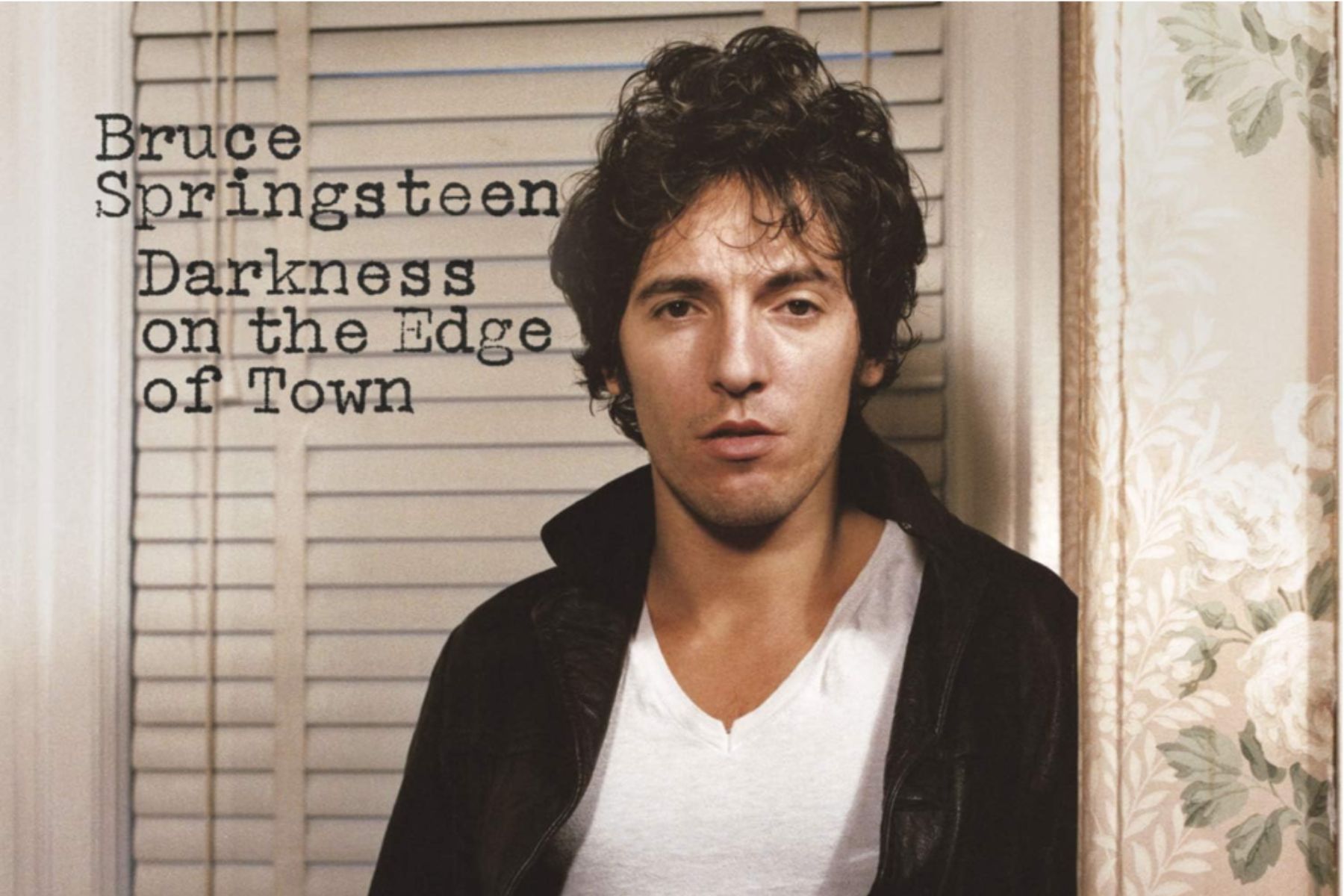
The success of 1975's Born to Run should have made Springsteen one of the biggest stars in America. Instead, he found himself embroiled in a bitter legal battle with his manager, Mike Appel, over contracts signed when he was still an unknown musician.
Springsteen claimed the agreements gave Appel an unfair share of his earnings and control over his music. Appel fought back, securing a court injunction that prevented Bruce from recording with his chosen producer, Jon Landau.
The dispute kept Bruce out of the studio for a year, and wasn't settled until May 1977. When he finally returned to work, he was a more wary and battle-scarred songwriter. The resulting album was darker, tougher and a long way from the romantic sweep of Born to Run.
6. Rolling Stones – Exile on Main Street (1972)
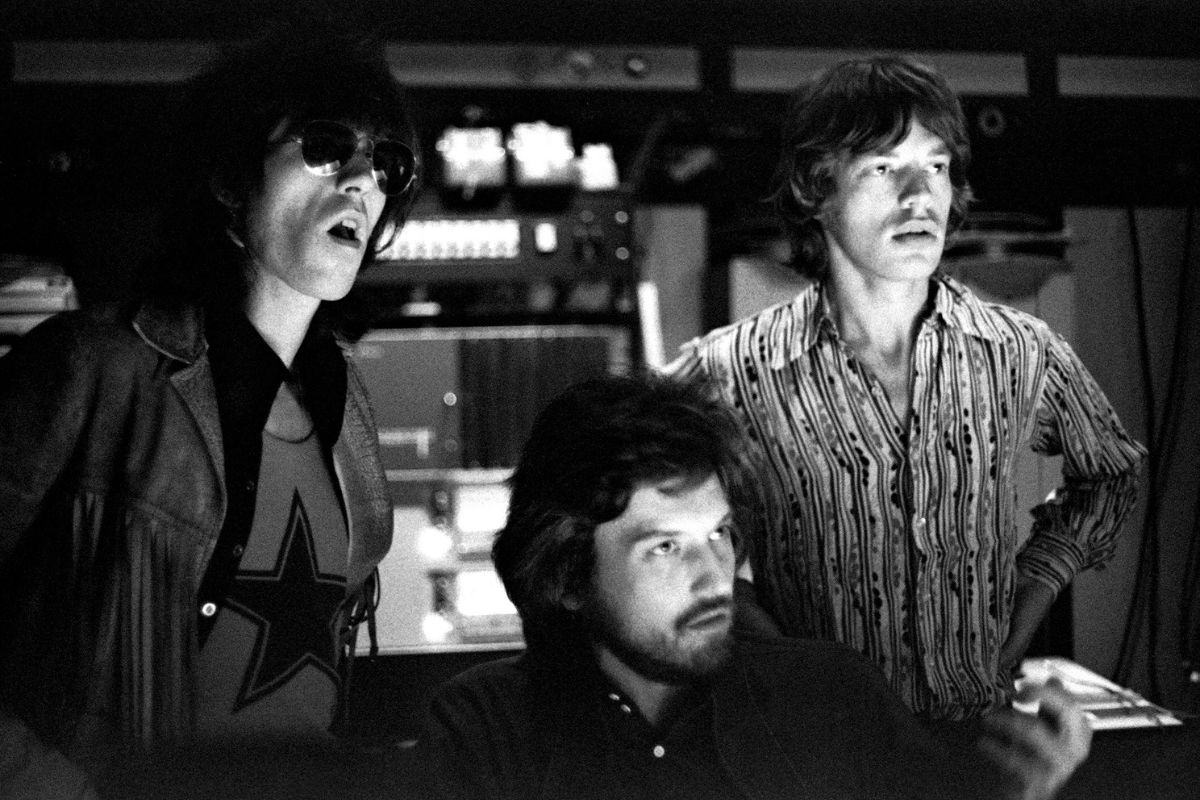
By 1971, the Rolling Stones were in trouble. A combination of tax problems and financial mismanagement had left them facing a huge bill from the British government, forcing them to leave the country and settle in the south of France.
Keith Richards rented a grand villa called Nellcôte, near Nice, and the band set about recording in its basement, using their mobile studio. It was hardly an ideal recording environment: the rooms were cramped and poorly equipped, electrical problems caused headaches, and sessions followed Richards's increasingly erratic timetable as his heroin addiction took hold.
Musicians and hangers-on drifted in and out, Mick Jagger was often absent, and the villa became a magnet for drug dealers and police attention. At one point, a gang of thieves even made off with a haul of Richards's guitars. The sessions eventually had to be abandoned, with the album completed through further work in Los Angeles.
Given the circumstances, it's remarkable that Exile on Main St. emerged as such a richly textured, cohesive record. Its loose, battered sound was hard-won.
7. Joy Division – Closer (1980)
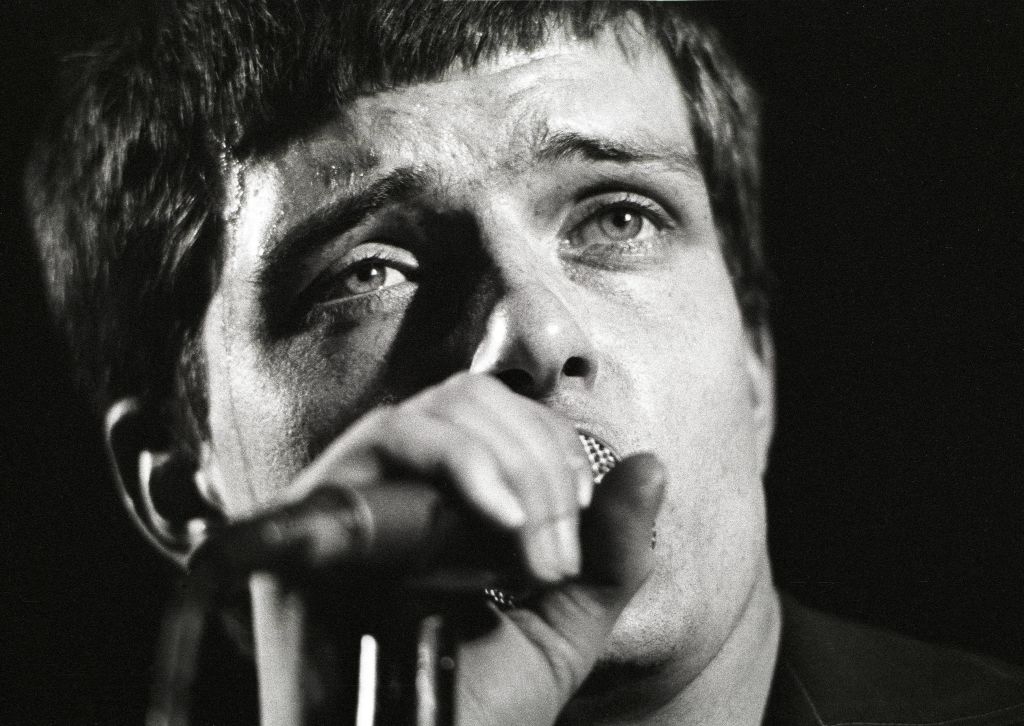
There is a uniquely disturbing context to Closer.
Ian Curtis was suffering increasingly severe epileptic seizures, his marriage was collapsing and he was struggling with depression. Meanwhile, Joy Division's career was finally beginning to accelerate. The band recorded the album in early 1980, shortly before their first major American tour was due to begin.
Curtis was taking medication for his epilepsy and was increasingly overwhelmed by the pressures surrounding him. He died by suicide on 18 May 1980, just two months before Closer was released. The album consequently acquired a tragic sense of finality, but its darkness wasn't manufactured to create a dramatic farewell: these were songs being written and recorded while Curtis was genuinely in crisis.
‘Isolation’, ‘The Eternal’ and ‘Decades’ now sound almost unbearably prophetic. Closer is not simply an album made under difficult circumstances; it is a masterpiece created while its singer was approaching the end of his life.
8. Queen – A Night at the Opera (1975)
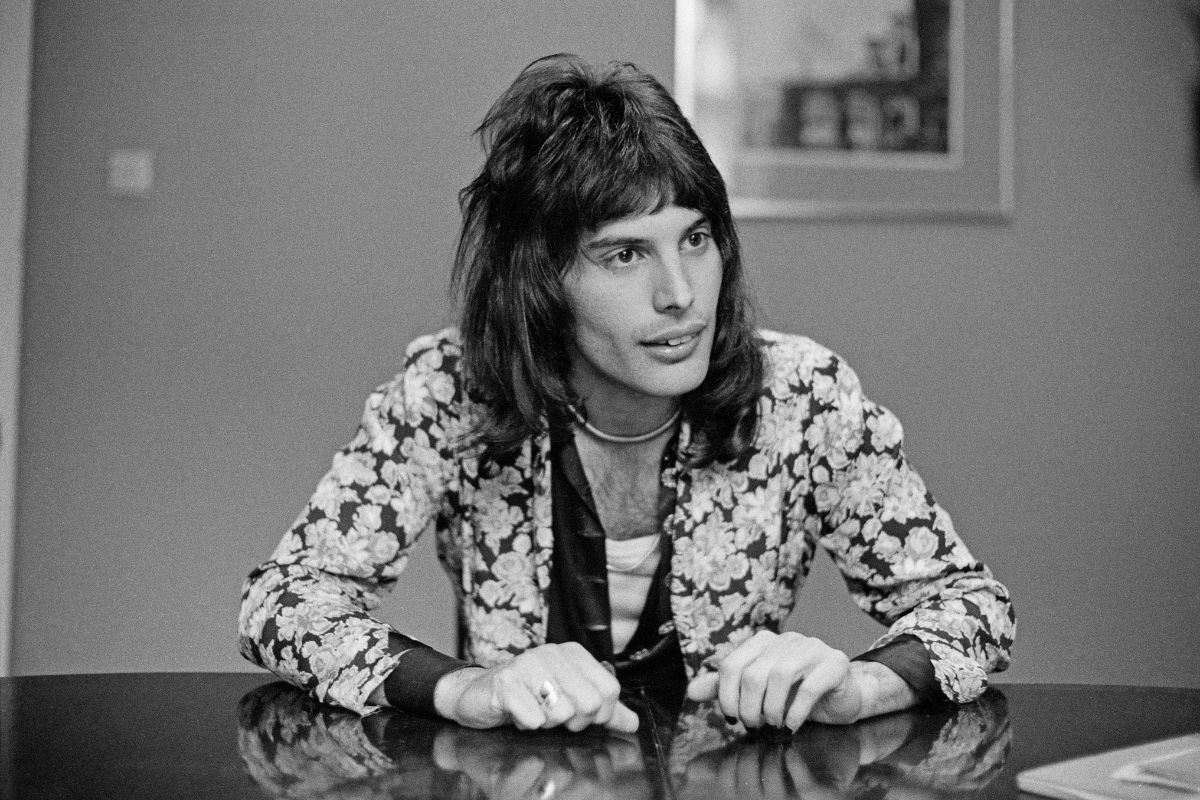
By 1975, Queen were successful but financially precarious.
That was thanks largely to a disastrous management deal that had left them owing money despite their growing fame. They were desperate to escape their existing contract, but that meant delivering another album – and a hit.
With their future hanging in the balance, they set about making A Night at the Opera with an almost reckless determination. The recording was notoriously elaborate and expensive, with ‘Bohemian Rhapsody’ alone requiring weeks of overdubbing and an extraordinary number of vocal layers. The pressure was immense, but it seems to have fuelled rather than diminished their ambition.
A Night at the Opera became a huge success, finally giving Queen the financial freedom they had been fighting for. Their moment of desperation produced their defining masterpiece.
9. Alice in Chains – Dirt (1992)

Alice in Chains were already living dangerously when they made Dirt.
Layne Staley was heavily addicted to heroin, while Jerry Cantrell was also dealing with substance abuse and the pressures of sudden success. The band's music became increasingly dark and claustrophobic, reflecting the reality around them rather than simply adopting a fashionable grunge aesthetic.
Songs such as ‘Junkhead’, ‘Down in a Hole’ and ‘Would?’ confront addiction, despair and loss with uncomfortable directness. The album was recorded during a period when heroin use was a genuine threat to the band's survival, and Staley's condition would deteriorate further in the years that followed.
Yet Dirt became a major commercial success and one of the defining albums of the grunge era. Its extraordinary power comes partly from the fact that its darkness wasn't fictional: the people making it were living inside it.
10. Led Zeppelin – Presence (1976)
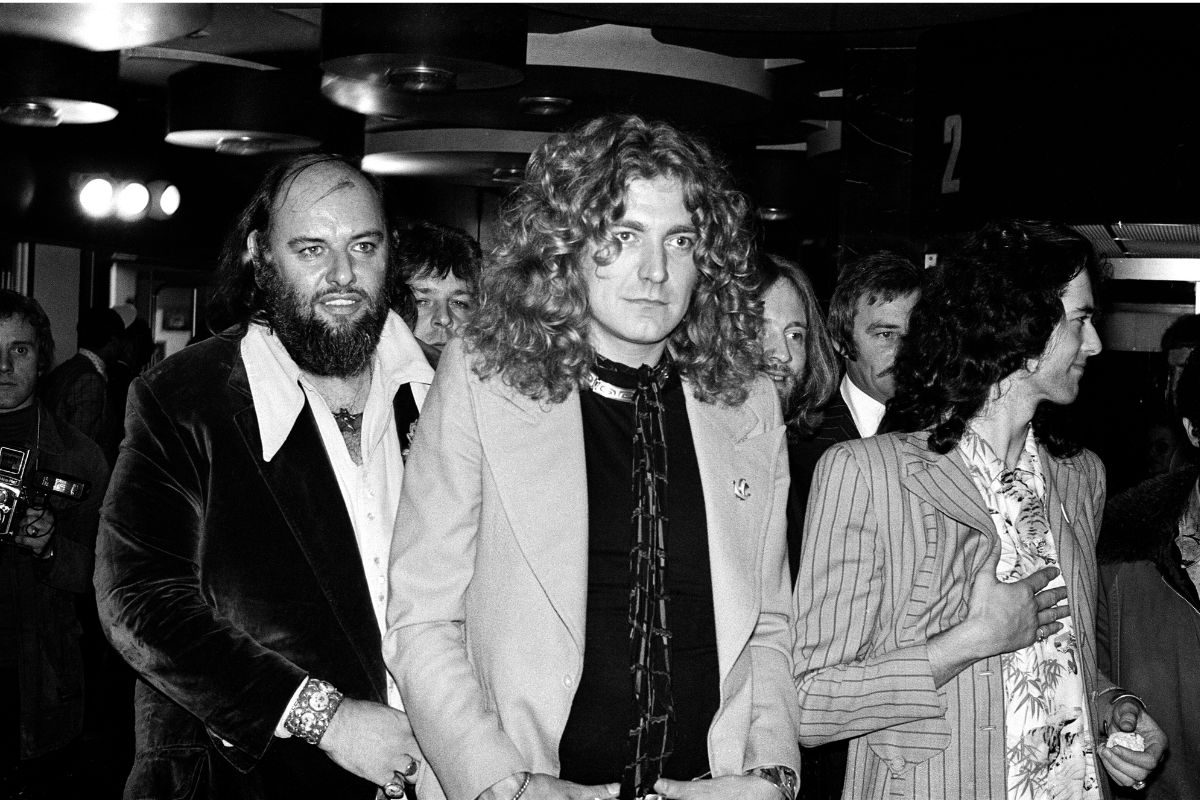
Robert Plant entered the making of Presence in extraordinary circumstances.
Just weeks earlier, he had been seriously injured in a car crash on the Greek island of Rhodes, fracturing his ankle and elbow. He was unable to stand properly, unable to perform live and facing an uncertain recovery. Yet Zeppelin needed to keep moving, and Plant joined Jimmy Page, John Paul Jones and John Bonham in Munich to record the album at extraordinary speed.
The entire thing was completed in roughly 18 days, with Plant often singing while seated. Page later described the sessions as a race against time. The result was a remarkably intense album built around relatively simple ideas, with ‘Achilles Last Stand’ becoming one of Zeppelin’s great epics.
Presence sounds like a band fighting its way through a crisis – because that is essentially what they were doing.
- Here's the worst song on every Led Zeppelin album
- 1977, USA: the tour that left Led Zeppelin in ruins
Pics Getty Images. Top pic Led Zeppelin, 1977